These 10 Native Ferns And Groundcovers Thrive In Oregon Shade Gardens
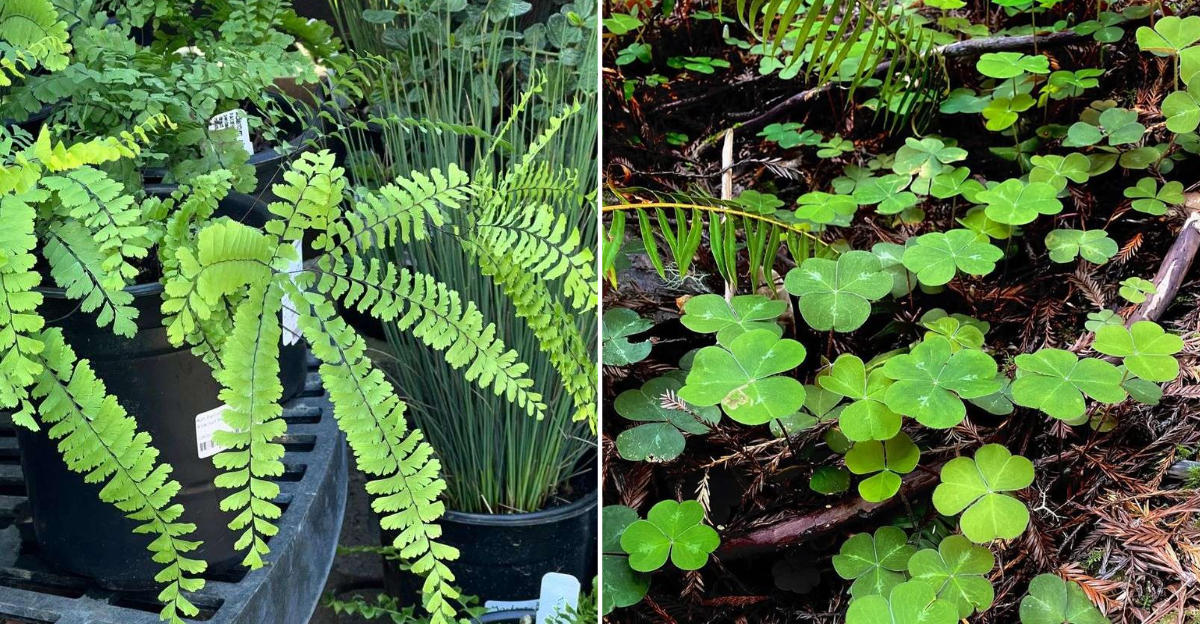
Shady corners of Oregon gardens hold a quiet kind of beauty, and the right plants can turn those cool, dim spaces into lush green retreats.
While many flowers crave sunshine, native ferns and groundcovers flourish beneath trees, along north facing walls, and in woodland style landscapes where light is soft and filtered.
Their graceful textures and layered greenery bring depth, calm, and natural charm to areas where other plants often struggle.
These shade loving natives are perfectly adapted to Oregon’s climate, thriving in moist soil, cool air, and gentle light without demanding constant care. Many spread slowly to create a soft, living carpet, while others add feathery structure and year round interest.
Together, they help suppress weeds, protect soil, and create a peaceful woodland feel right in your own yard.
With the right choices, even the darkest garden corners can become vibrant, textured, and full of life.
1. Sword Fern (Polystichum munitum)
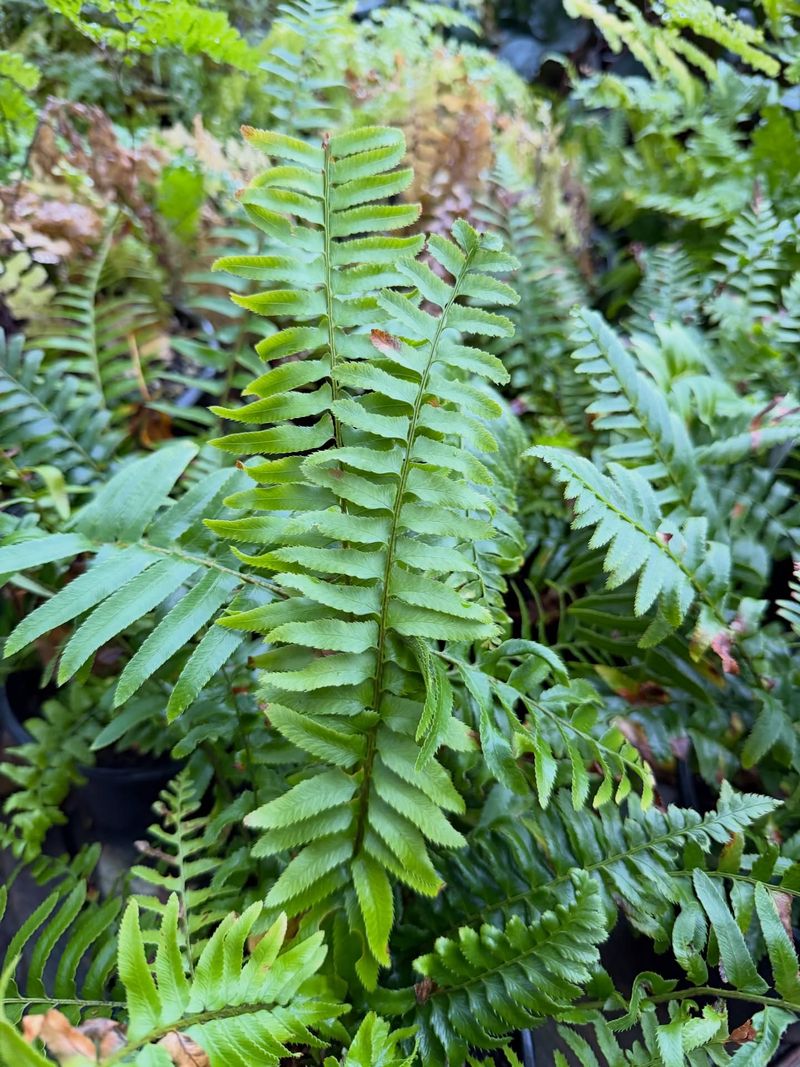
Walk through any old-growth forest in Oregon and you’ll find sword ferns carpeting the ground in lush, evergreen waves. These iconic ferns are tough as nails despite their delicate appearance, thriving in everything from deep shade to partial sun.
Their dark green fronds can reach three feet or more in length, creating dramatic vertical interest that looks stunning year-round.
Sword ferns adapt beautifully to typical Oregon garden conditions without much fuss. They handle our wet winters with ease and tolerate summer drought once established, though they appreciate occasional deep watering during extended dry spells.
The soil doesn’t need to be fancy either; they grow happily in the acidic, organic-rich earth common throughout western Oregon.
One of the best features of sword ferns is their ability to fill large spaces quickly. A single plant gradually expands into a substantial clump that can anchor shady beds or slopes.
They also provide excellent erosion control on hillsides while creating habitat for beneficial insects and small wildlife.
Space plants about three feet apart for groundcover effect, and they’ll knit together within a few growing seasons to form a maintenance-free living carpet.
2. Deer Fern (Blechnum spicant)
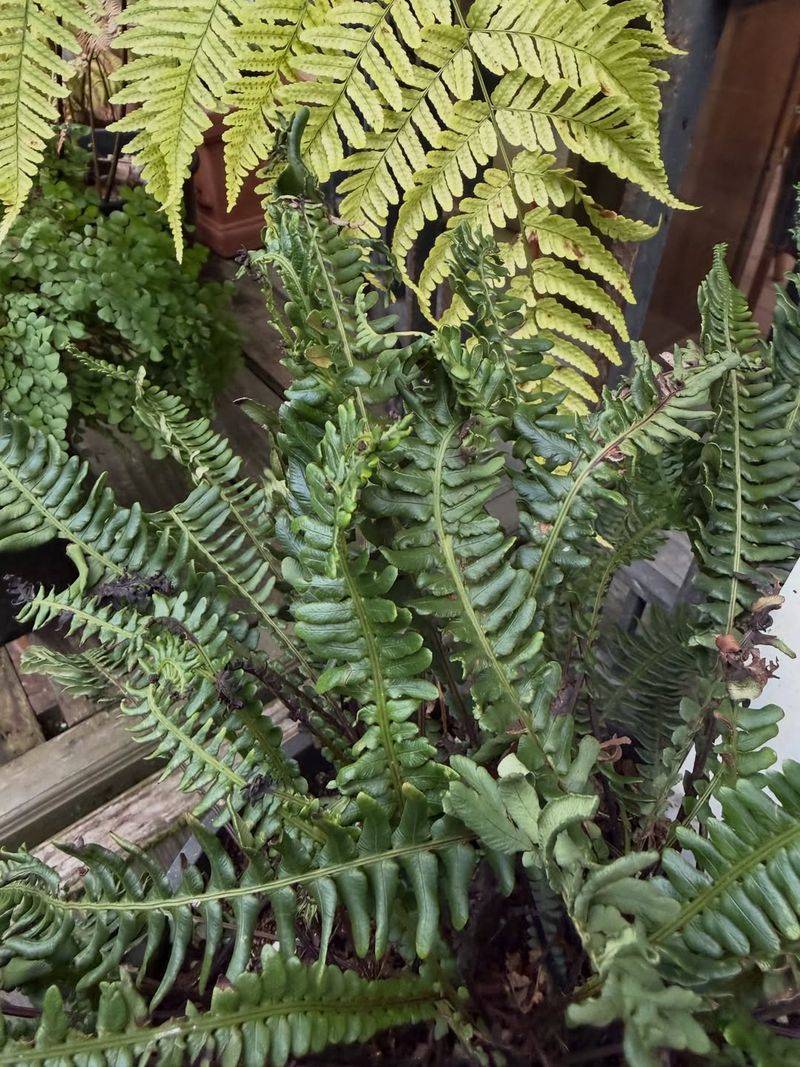
Deer ferns bring an elegant, sculptural quality to shaded gardens with their unique growth habit.
Unlike most ferns that produce uniform fronds, deer ferns create two distinct types: shorter, spreading sterile fronds that form a lovely rosette, and taller, upright fertile fronds that emerge from the center like exclamation points.
This architectural contrast makes them fascinating focal points in woodland gardens.
Moisture is the key to success with deer ferns in Oregon landscapes. They naturally grow along stream banks and in consistently damp forest environments, so they perform best when given similar conditions at home.
Planting them in low-lying areas that stay moist or near downspouts works wonderfully. They combine beautifully with other moisture-loving natives like wild ginger and inside-out flower.
The evergreen foliage stays fresh and vibrant throughout our mild Oregon winters, providing valuable color when many other plants have gone dormant. Deer ferns grow slowly but steadily, eventually forming clumps about a foot tall and wide.
They prefer acidic soil rich in organic matter, which matches what most Oregon gardeners already have.
3. Lady Fern (Athyrium filix-femina)
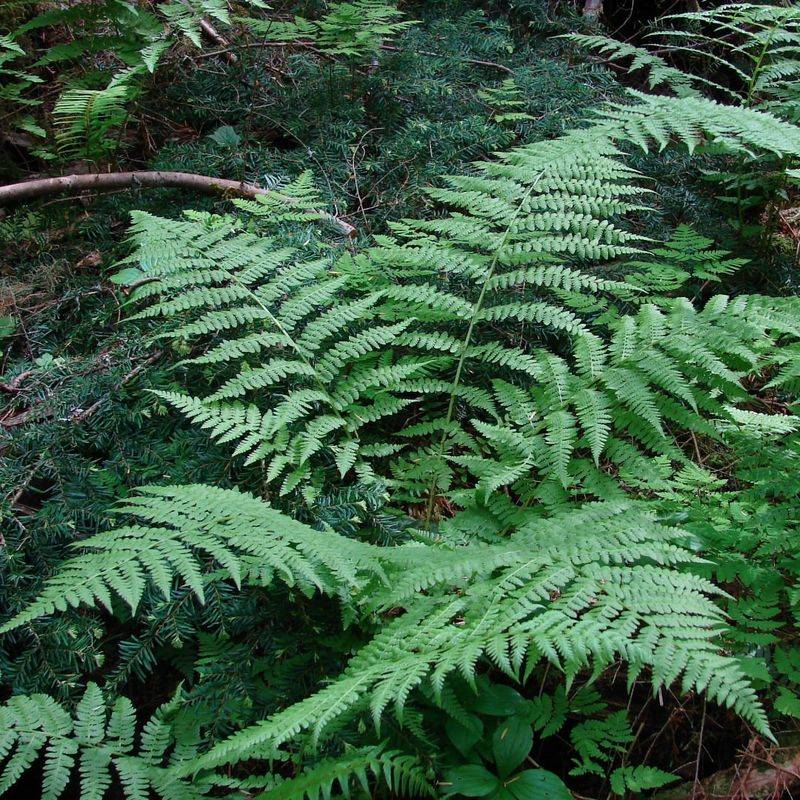
Few ferns can match the delicate, lacy beauty of lady fern. Its light green fronds unfurl in spring like tiny fiddles, eventually creating soft, feathery plumes that dance with the slightest breeze.
The finely divided foliage has an almost ethereal quality that brightens shady spots and provides wonderful textural contrast against bolder-leaved companions.
Lady ferns are deciduous, which means they naturally fade back in late fall and return fresh each spring. This seasonal rhythm fits perfectly with Oregon’s climate cycles.
They emerge early as temperatures warm and grow vigorously through our cool, wet spring months. By summer, established plants create impressive clumps up to three feet tall that fill spaces beautifully.
These adaptable ferns handle a range of light conditions from full shade to dappled sunlight, though they color best with some protection from hot afternoon sun.
They appreciate consistent moisture but aren’t as demanding as deer ferns, making them more versatile for typical garden beds.
Lady ferns spread gradually by rhizomes, eventually forming generous colonies that never become invasive or problematic.
They’re particularly valuable for naturalizing in woodland gardens where their soft texture complements the structured forms of sword ferns and evergreen shrubs.
They also tolerate our clay soils reasonably well when amended with compost.
4. Western Maidenhair Fern (Adiantum aleuticum)
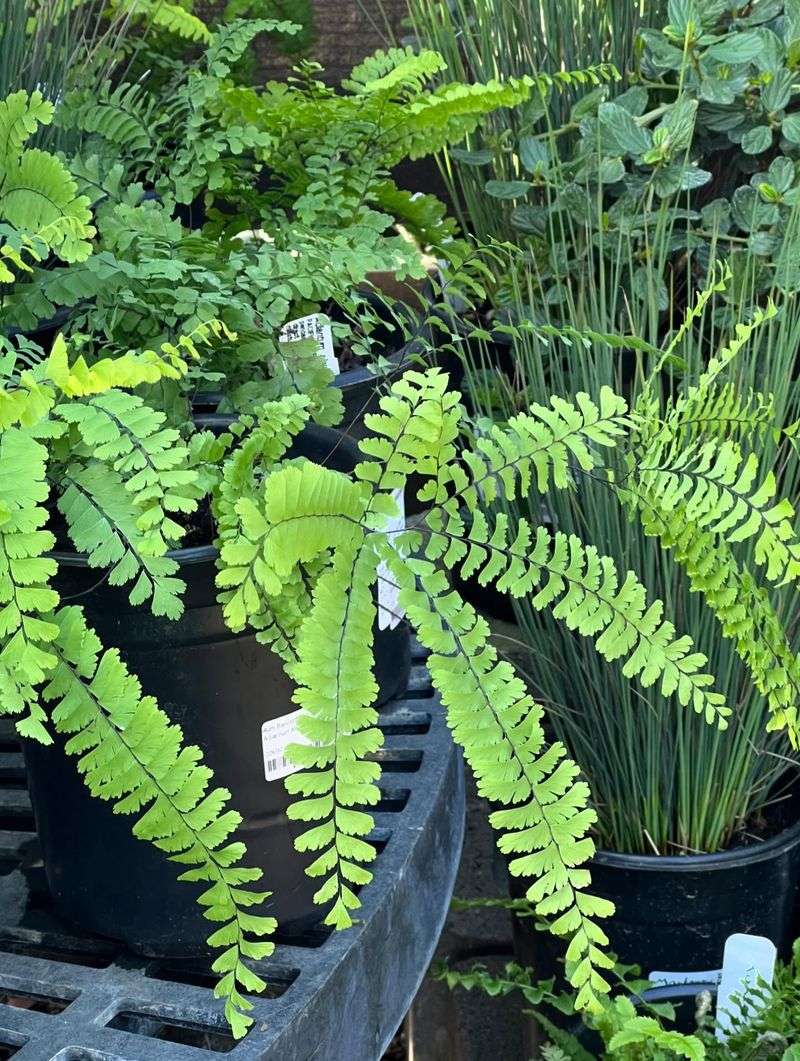
If you want to add pure elegance to a shady corner, western maidenhair fern delivers it effortlessly. The fan-shaped leaflets seem to float on slender, dark stems that create an incredibly refined appearance.
Nothing else in the native plant palette quite matches its graceful, almost Japanese-garden quality. This fern brings sophistication to even the most casual woodland setting.
Maidenhair ferns need specific conditions to truly thrive in Oregon gardens. They demand consistent moisture and excellent drainage simultaneously, which sounds contradictory but makes sense when you consider their natural habitat.
In the wild, they grow on rocky slopes and cliff faces where water moves through constantly without becoming stagnant. Recreating this means planting them in humus-rich soil on gentle slopes or raised areas where moisture is available but never pooling.
These ferns stay relatively compact, usually reaching about twelve to eighteen inches tall, making them perfect for smaller spaces or foreground plantings.
They’re deciduous and completely disappear in winter, so mark their location to avoid accidentally disturbing dormant rhizomes during spring cleanup.
Western maidenhair appreciates protection from wind and prefers deep shade to partial shade. Pairing them with rocks or logs helps maintain even soil moisture while providing the excellent drainage they require.
5. Evergreen Wood Fern (Dryopteris expansa)
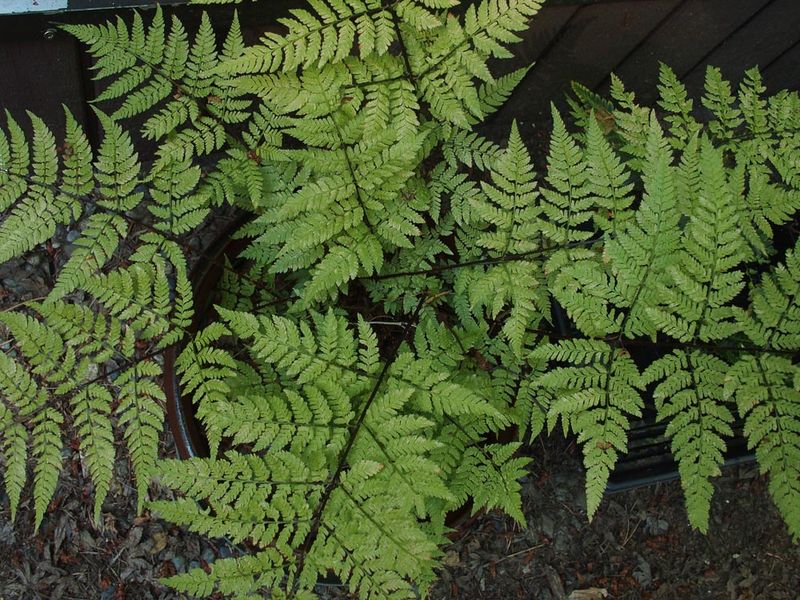
Evergreen wood fern offers year-round presence with its sturdy, triangular fronds that stay fresh through Oregon’s mild winters. The foliage has a robust, substantial quality that makes it feel more permanent and structural than many other ferns.
Gardeners appreciate how it maintains its good looks even during our wettest, coldest months when many plants look bedraggled.
This fern grows vigorously once established, spreading by rhizomes to create substantial colonies over time. The fronds typically reach two to three feet in length and arch gracefully outward from the crown.
Wood fern handles a variety of soil conditions better than many native ferns, tolerating everything from sandy loam to heavier clay as long as drainage is reasonable and organic matter is present.
Light requirements are flexible too; evergreen wood fern grows well in full shade but also tolerates more sun than most ferns, especially in cooler areas of Oregon. This adaptability makes it excellent for transition zones between deep shade and brighter garden areas.
The plant spreads at a moderate pace, filling space without becoming aggressive or requiring constant division.
Wood fern works beautifully as a mid-layer plant beneath taller shrubs and trees, where it creates a lush understory that suppresses weeds naturally while providing habitat for beneficial ground-dwelling insects and small creatures.
6. Oregon Oxalis / Redwood Sorrel (Oxalis oregana)
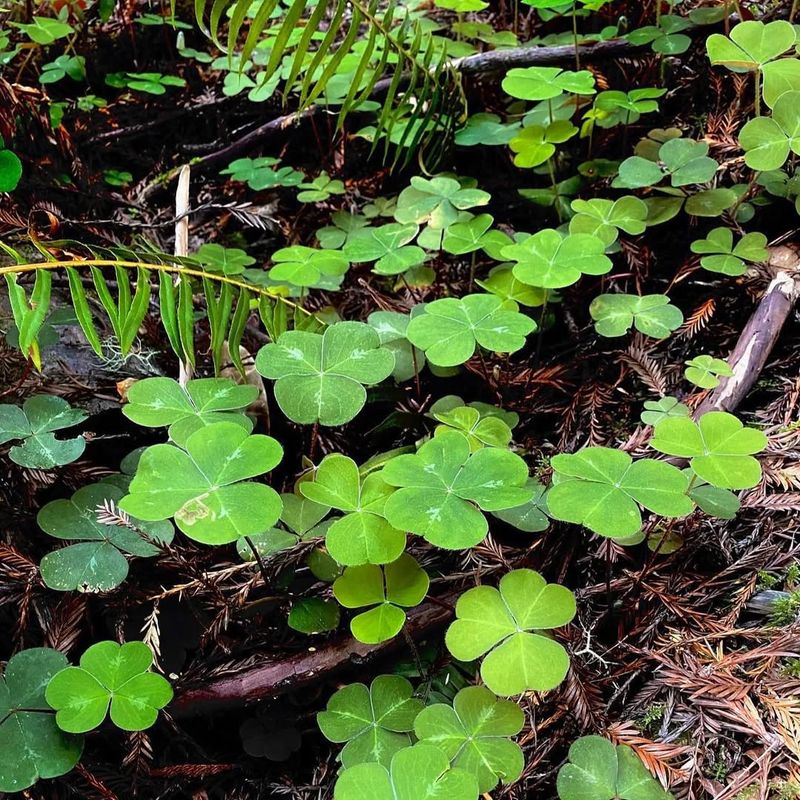
This charming groundcover spreads by rhizomes to create a living mulch that stays attractive throughout the year.
The leaves are photosensitive and fold up at night or during intense light, creating subtle movement and interest that changes with the time of day.
Native to coastal forests from British Columbia to California, Oregon oxalis thrives in the moist, shaded conditions found throughout western Oregon. It prefers acidic soil rich in organic matter and appreciates consistent moisture, especially during establishment.
Once settled in, it tolerates summer drought better than you might expect, though it looks freshest with occasional deep watering during extended dry periods.
The flowers appear in April and May, adding sweet spots of color just when shade gardens need it most. Oregon oxalis grows only a few inches tall, making it perfect for edging paths or filling spaces beneath taller ferns and shrubs.
It spreads steadily but never aggressively, and it’s easy to control by simply pulling excess growth. Oxalis provides valuable early-season nectar for native bees and other pollinators.
The foliage also offers cover for ground-dwelling insects and amphibians, contributing to healthy garden ecosystems while creating a beautiful, maintenance-free groundcover.
7. Wild Ginger (Asarum caudatum)
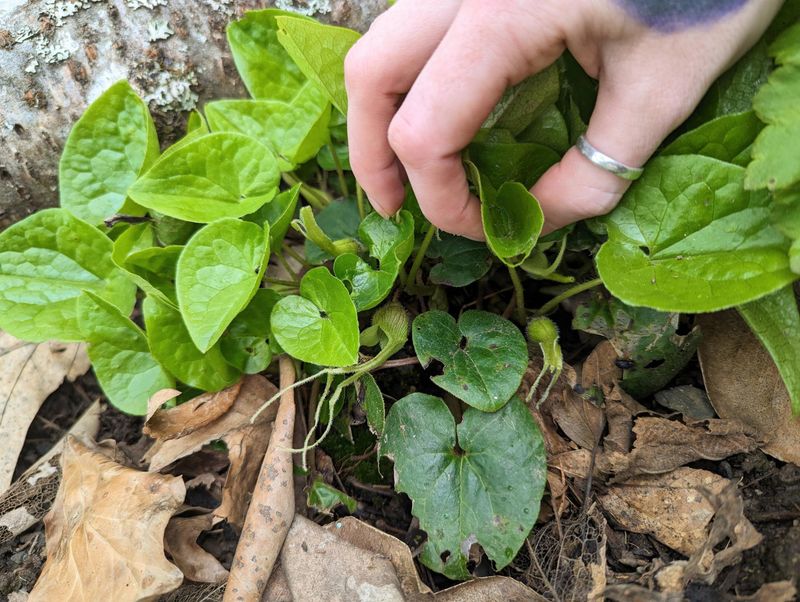
Heart-shaped leaves create a dense, weed-suppressing carpet when you plant wild ginger in shady Oregon gardens. This evergreen groundcover stays low to the ground, typically only four to six inches tall, but spreads steadily to cover substantial areas over time.
The glossy, dark green foliage has a refined appearance that looks intentional and well-maintained even with minimal care.
Wild ginger produces unusual maroon flowers in spring, but you have to look for them because they hide beneath the leaves close to the ground.
The flowers evolved to be pollinated by ground-dwelling insects rather than flying ones, which explains their secretive location.
Crush a leaf and you’ll detect a spicy, ginger-like aroma, though this plant isn’t related to culinary ginger and shouldn’t be eaten.
This native groundcover performs beautifully in the moist, shaded conditions common in western Oregon gardens. It prefers soil rich in organic matter and appreciates regular moisture, though established plants handle our dry summers reasonably well.
Wild ginger spreads by rhizomes at a moderate pace, gradually filling spaces without becoming invasive or difficult to manage.
It works wonderfully as an understory plant beneath native shrubs and trees, where it creates a living mulch that helps retain soil moisture and suppresses weeds naturally.
The evergreen foliage provides year-round interest and important winter cover for beneficial insects.
8. Inside-Out Flower (Vancouveria hexandra)
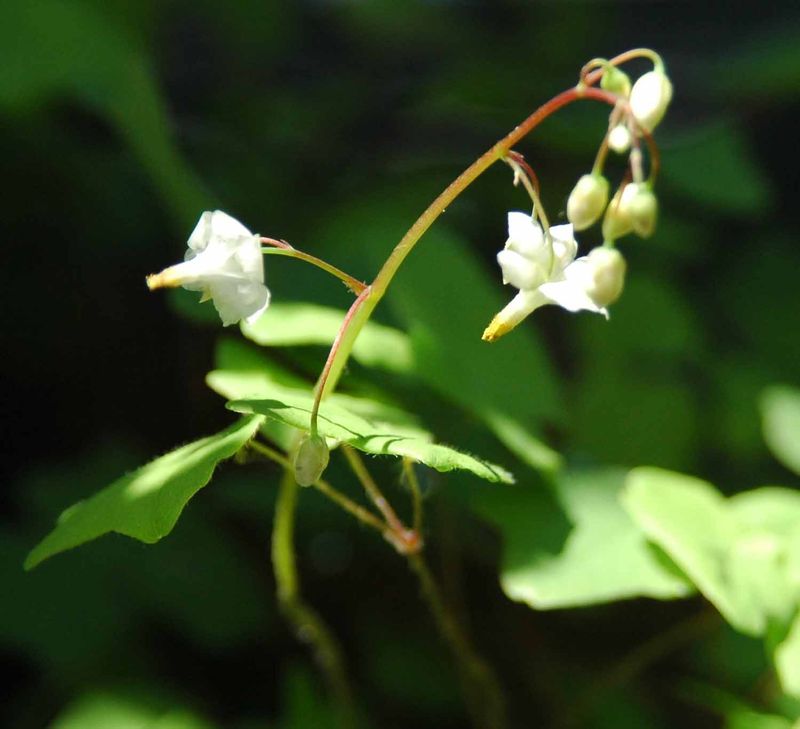
Clouds of tiny white flowers seem to float above the foliage when inside-out flower blooms in late spring.
Each blossom has reflexed petals that curl backward, creating the distinctive inside-out appearance that gives this plant its common name.
The effect is magical, especially when planted in large drifts where hundreds of flowers create a misty effect above the leaves.
The compound leaves somewhat resemble those of maidenhair fern but grow on their own stems rather than true fronds. They’re deciduous in most Oregon gardens, though in mild coastal areas they may remain semi-evergreen through winter.
The foliage forms a low carpet about six to twelve inches tall that spreads steadily by rhizomes, eventually creating substantial colonies that require minimal maintenance once established.
Inside-out flower thrives in the same conditions where many Oregon natives excel: moist, shaded areas with acidic soil rich in organic matter. It handles our wet winters effortlessly and tolerates summer drought once the root system is well-developed.
The spreading habit makes it excellent for erosion control on shady slopes or for filling large areas beneath trees where grass struggles.
9. Bunchberry (Cornus canadensis)
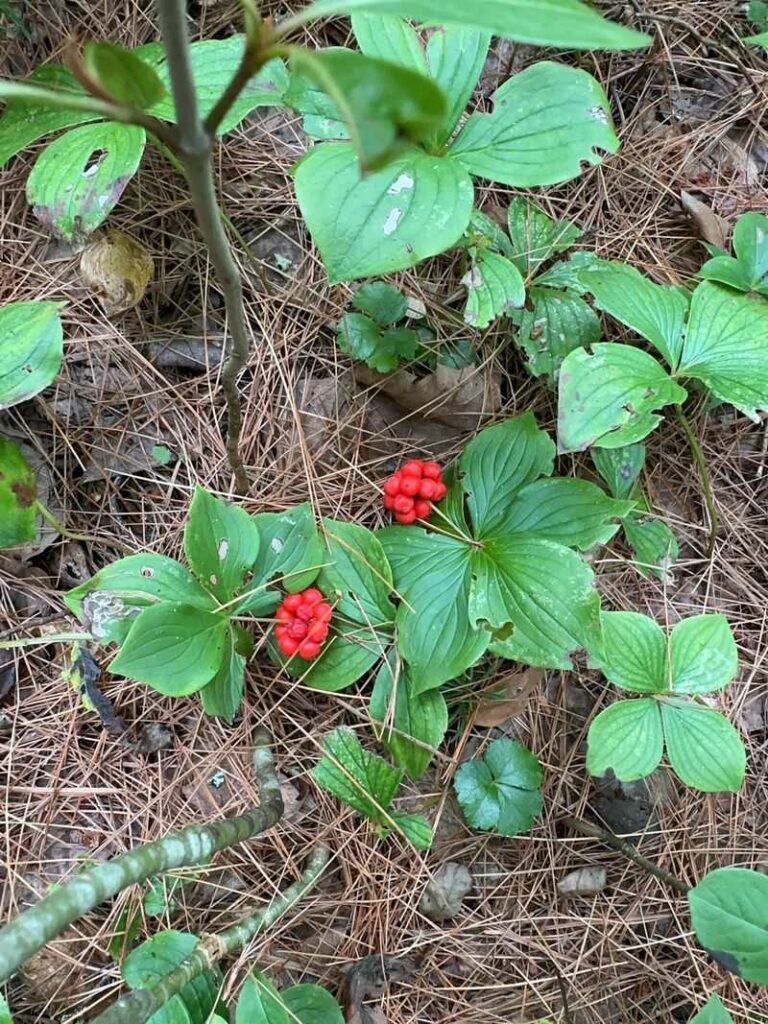
This diminutive relative of flowering dogwood grows only four to eight inches tall but creates the same showy spring display in miniature. Four white bracts surround tiny flowers in late spring, creating blooms that look remarkably like their tree-sized cousins.
The whorled leaves create attractive patterns even when flowers aren’t present, and the red berries that follow in late summer add another season of interest. Birds appreciate the fruit, which provides valuable nutrition during fall migration.
Bunchberry spreads by underground rhizomes to form colonies, though it grows more slowly than many other groundcovers and never becomes aggressive or problematic.
This plant has specific requirements that make it more challenging than some other natives on this list. Bunchberry needs consistently moist, acidic soil rich in organic matter and prefers cooler conditions, performing best in higher elevations or coastal areas of Oregon.
It struggles in hot, dry locations or heavy clay soils. When given appropriate conditions, though, it creates a distinctive groundcover unlike anything else.
Bunchberry works beautifully in naturalized woodland settings where conditions match its preferences, particularly in gardens that already successfully grow rhododendrons, azaleas, and other acid-loving plants.
The effort required to meet its needs is rewarded with a truly unique native groundcover.
10. Coastal Strawberry (Fragaria chiloensis)
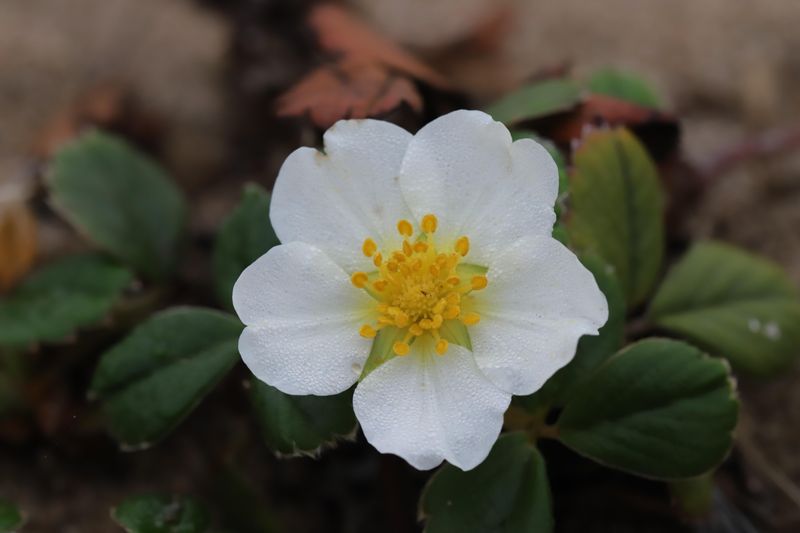
Glossy, trifoliate leaves and sweet white flowers make coastal strawberry an attractive and productive groundcover for Oregon shade gardens.
This native spreads by runners like cultivated strawberries, creating a dense mat that suppresses weeds while producing edible fruit.
The berries are smaller than grocery store varieties but pack intense flavor that makes them worth seeking out beneath the leaves.
Coastal strawberry tolerates more sun than most plants on this list but also grows well in partial shade, making it versatile for areas that receive dappled light or morning sun with afternoon shade.
It prefers well-drained soil and handles sandy conditions better than many natives, which makes it particularly valuable for coastal gardens or areas with lighter soil texture.
The evergreen foliage stays attractive year-round in mild Oregon winters.
This groundcover spreads vigorously once established, filling spaces quickly and creating a living mulch that helps retain soil moisture.
The flowers appear in spring and attract native bees and other pollinators, while the berries ripen in early summer and feed birds, small mammals, and lucky gardeners.
Coastal strawberry works well on slopes where its spreading habit provides erosion control, and it combines beautifully with taller natives like sword fern and evergreen huckleberry.
The plant tolerates foot traffic better than most groundcovers, making it suitable for edges of paths where occasional stepping won’t cause harm.