These 9 Native Flowering Plants Thrive In Georgia Front Yards When Planted In March
If you have ever felt that first hint of Georgia humidity and realized your garden wasn’t ready, you know that March is the ultimate “now or never” moment.
The soil is finally waking up, early spring rains are settling in, and pollinators are emerging from their winter sleep.
This is the perfect window to get native flowering plants into the ground before the legendary Peach State heat arrives to stay. By planting now, you give roots a vital head start to dive deep and establish themselves.
From the rolling Blue Ridge Mountains to the sandy Coastal Plain, these nine native standouts are perfectly tuned to our climate.
They offer vibrant color and buzzing activity without the high-maintenance struggle of non-native species.
Whether you are a seasoned pro or starting your first front yard project, these plants are the secret to a landscape that thrives under the Georgia sun.
1. Black-Eyed Susan Brings Cheerful Yellow Blooms
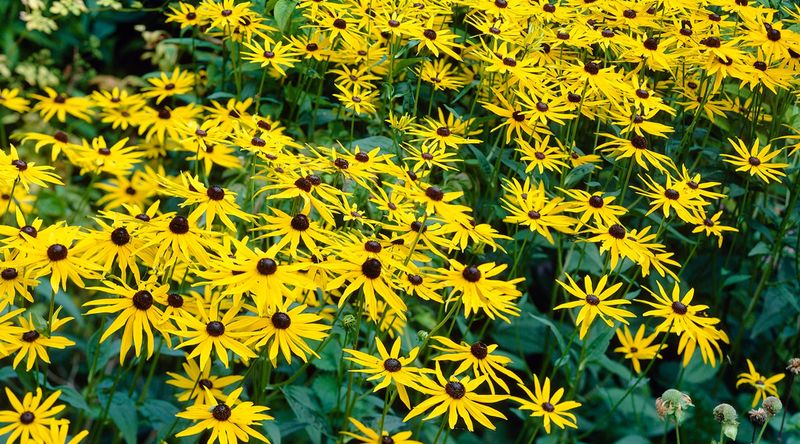
Few sights in a Georgia front yard feel as welcoming as a patch of Black-Eyed Susans lighting up a sunny bed with warm golden petals.
Rudbeckia hirta is a native wildflower that has been brightening roadsides and gardens across Georgia for generations, and planting it in March gives the roots a strong head start before summer heat settles in.
Black-Eyed Susans grow best in full sun and prefer well-drained soil, which makes them a natural fit for most Georgia front yards. They are remarkably drought-tolerant once established, so even during dry July stretches they keep performing.
Goldfinches, bees, and small butterflies visit the blooms regularly from June through September.
When planting in March, loosen the soil about six inches deep and mix in a little compost if your ground tends to be heavy clay. Space plants about twelve to eighteen inches apart so air can circulate freely.
Deadhead spent blooms through summer to encourage fresh flowers, and leave a few seed heads standing in fall to feed birds heading into winter.
Black-Eyed Susans often self-seed gently, so your patch may quietly expand from one season to the next.
2. Purple Coneflower Attracts Bees And Butterflies
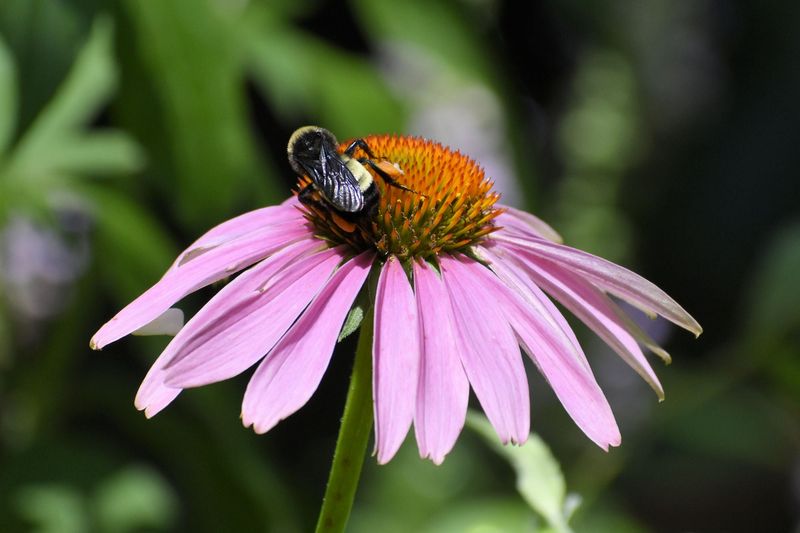
Walk past a yard full of Purple Coneflowers in bloom and you will almost certainly hear it before you see it – the steady hum of bees working through the flowers is that reliable.
Echinacea purpurea is one of Georgia’s most celebrated native perennials, and planting it in March allows the root system to anchor firmly before the heat of summer pushes it into full bloom.
This plant thrives in full sun and handles Georgia’s range of soil types well, from the sandy loam of middle Georgia to the red clay of the Piedmont.
It does appreciate good drainage, so if your front yard holds water after heavy rain, raise the bed slightly before planting.
Bloom time runs from early summer through fall, delivering rosy-pink petals with striking orange centers that pollinators find irresistible.
Plant coneflowers about eighteen inches apart and water them regularly through their first season while roots establish. After that first summer, they become quite self-sufficient.
Swallowtails, painted ladies, and bumblebees are frequent visitors. Leave the seed heads standing through winter because goldfinches and chickadees rely on them as a food source during cooler months across Georgia.
3. Butterfly Weed Draws Monarchs With Bright Orange Flowers
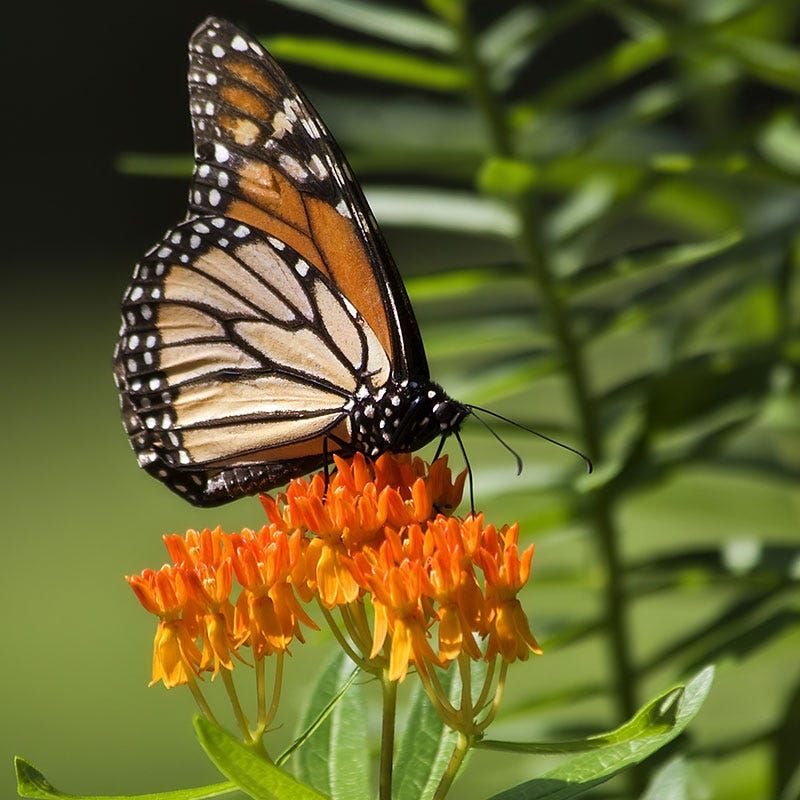
There is something genuinely exciting about spotting a monarch butterfly on a bright orange Butterfly Weed plant in your own front yard.
Asclepias tuberosa is the only milkweed species that does not produce the milky sap most people associate with the genus, but it is every bit as valuable to monarch populations making their way through Georgia each season.
March is an ideal time to get Butterfly Weed into the ground because this plant develops a deep taproot that needs time to establish before summer.
Once that root is settled, it handles drought, heat, and Georgia’s intense summer sun without much complaint.
Plant it in full sun and well-drained soil – it strongly dislikes wet feet, so avoid low spots in your yard.
Space plants about twelve inches apart and resist the urge to move them after planting, since disturbing the taproot sets them back considerably.
Blooms appear in late spring and continue through summer, bringing not only monarchs but also swallowtails, fritillaries, and native bees.
Fun fact: Butterfly Weed was used by several Native American groups for respiratory ailments long before it became a garden favorite. It is truly a plant with deep roots in North American history.
4. Wild Bergamot Adds Fragrance And Pollinator Appeal
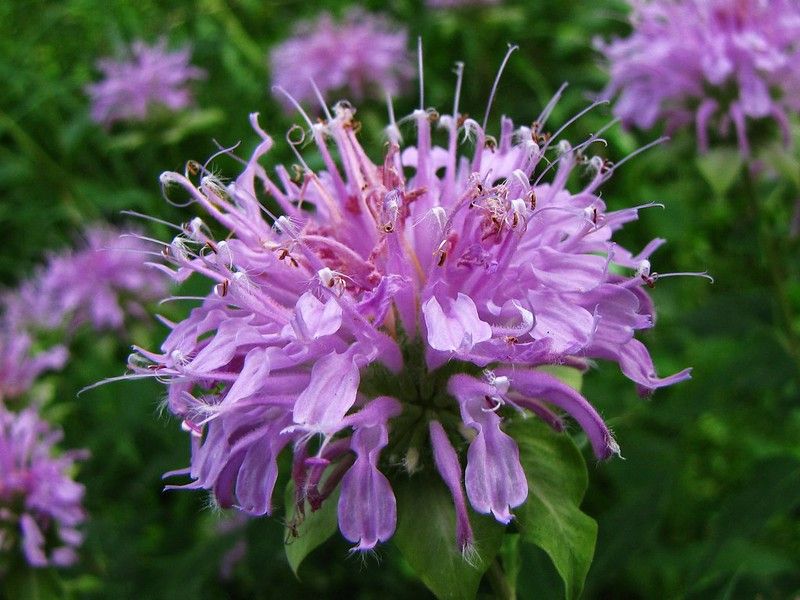
Crush a leaf of Wild Bergamot between your fingers and you will understand immediately why this plant has been treasured across North America for so long.
That spicy, oregano-like fragrance is one of its most distinctive qualities, but Monarda fistulosa offers far more than just a pleasant scent – it is a pollinator magnet of the first order.
Planting Wild Bergamot in March in Georgia gives it time to settle in and develop strong stems before its midsummer bloom period.
It grows well in full sun to light shade and adapts to a wide range of Georgia soils, including the rocky ground found in north Georgia’s mountain foothills.
Good air circulation around the plants helps reduce powdery mildew, which can appear during humid Georgia summers.
Space plants about two feet apart and water them consistently through their first season. Once established, they are quite resilient and spread slowly by rhizomes, gradually filling in a bed with attractive lavender-pink blooms.
Bumblebees, hummingbird moths, and several native bee species visit the flowers enthusiastically. Deadheading after the first flush of blooms can encourage a second round of flowering before the season winds down in fall.
5. Coreopsis Sprinkles Sunny Yellow Across Your Yard
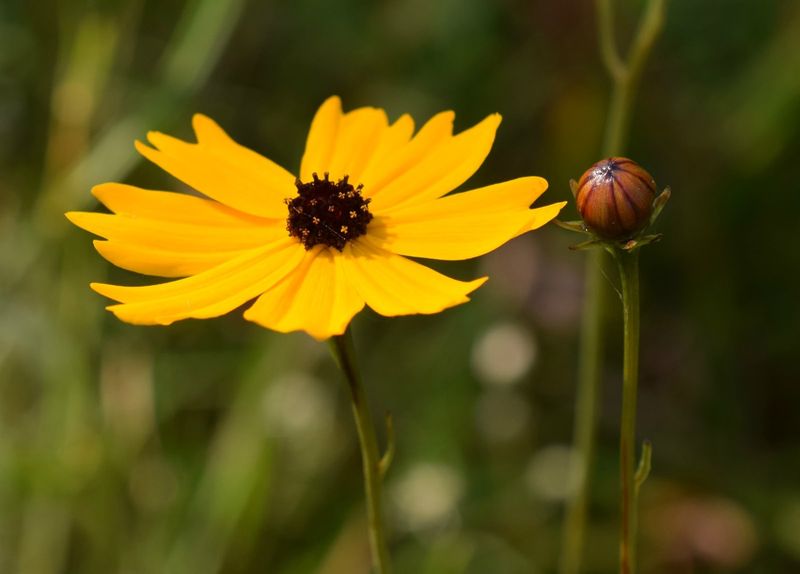
Georgia actually claims Coreopsis as its official state wildflower, and once you see a front yard full of these cheerful yellow blooms dancing in the breeze, it is easy to understand why.
Lanceleaf Coreopsis is one of the most dependable native flowering plants a Georgia gardener can choose, and March planting sets it up beautifully for an early summer show.
This plant thrives in full sun and sandy or well-drained soil, making it especially well-suited to the Piedmont and Coastal Plain regions of Georgia.
It handles drought with ease once established and does not need rich soil to perform well – in fact, overly fertile ground can cause leggy, floppy growth.
Keep the soil lean and the sun plentiful for the best results.
Space plants twelve to fifteen inches apart and water regularly for the first few weeks after planting in March. Blooms arrive in late spring and can continue into fall with regular deadheading.
Bees and small butterflies visit the flowers frequently. Coreopsis spreads gently by self-seeding, so over a few seasons a small planting can grow into a generous sweep of golden color that makes your front yard genuinely stand out in the neighborhood.
6. Dense Blazing Star Sends Up Striking Purple Spikes
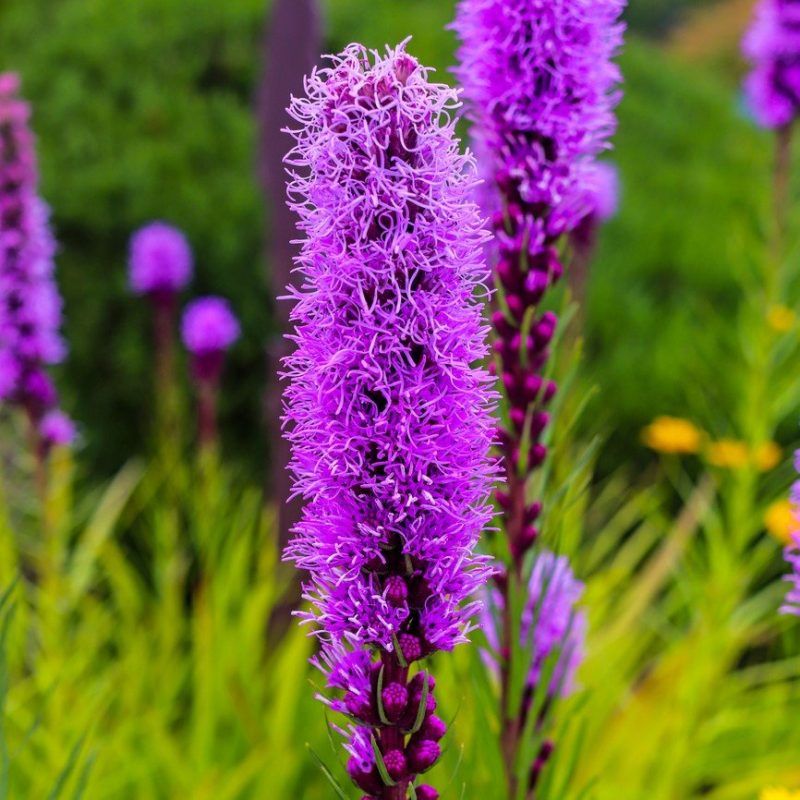
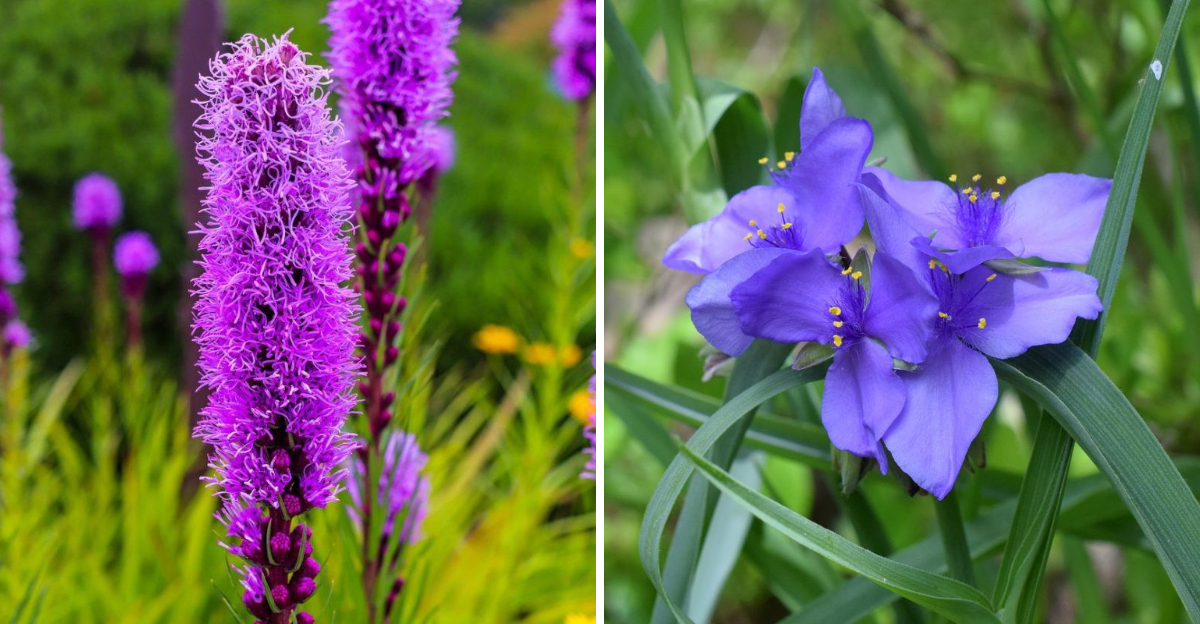
Dense Blazing Star, Liatris spicata, adds striking vertical interest when its tight clusters of purple flower spikes rise above garden beds in mid to late summer.
This Georgia native blooms from the top of each spike downward, creating a prolonged display that gives pollinators plenty of time to visit.
Planting the corms in March, once the soil has warmed slightly, allows the roots to establish fully before bloom season. Dense Blazing Star thrives in full sun and tolerates a variety of soils, including clay-heavy sites common in Georgia yards.
While it prefers well-drained soil, it is forgiving of occasional moisture, making it a resilient choice for native gardens.
Space plants about 12 inches apart to allow airflow and healthy growth, and water them during dry periods in the first season. Once established, they are low-maintenance, returning year after year.
Monarchs, swallowtails, bumblebees, and other pollinators reliably visit the flowers each summer. The dried seed heads provide late-season food for goldfinches and other small birds.
Dense Blazing Star also pairs beautifully with sunny Coreopsis or Black-Eyed Susans, creating a vivid, complementary display in Georgia front yards.
7. Gaillardia Brightens Gardens With Red And Yellow Blooms
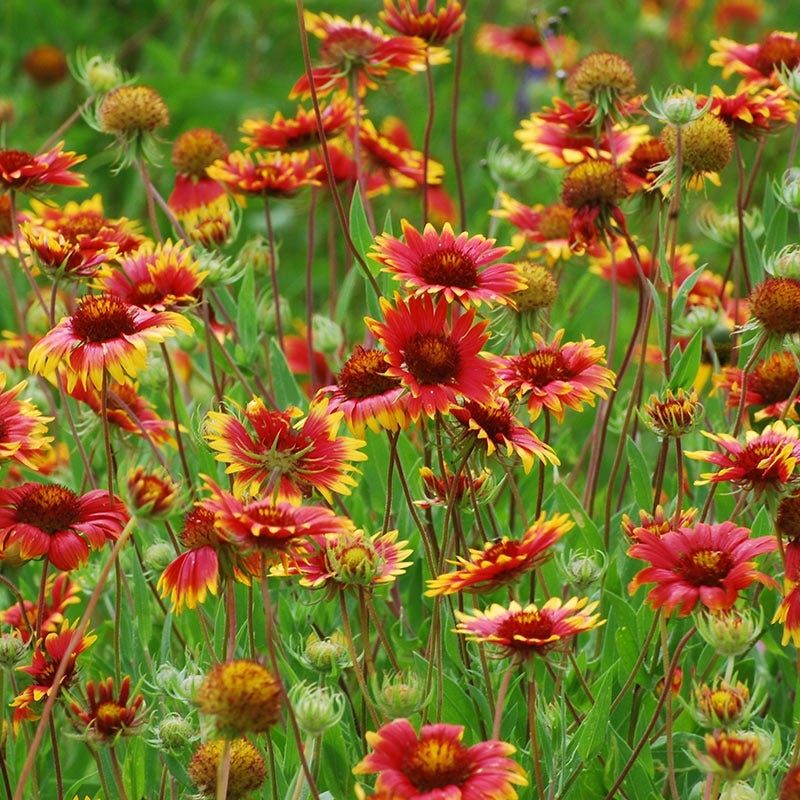
Gaillardia, commonly called blanket flower, looks like someone painted each petal by hand with bold strokes of red, orange, and yellow – it is one of the most visually striking native wildflowers you can plant in a Georgia front yard.
Gaillardia pulchella is native to the southeastern United States, and it thrives in exactly the kind of hot, sunny conditions that Georgia summers deliver with regularity.
Starting Gaillardia in March gives plants a solid six to eight weeks of mild weather to establish before intense heat arrives. It strongly prefers full sun and well-drained, even sandy soil.
If your front yard has heavy clay, amend the planting area with coarse sand or grit to improve drainage before setting plants in the ground. Wet soil in winter or early spring is the main challenge for this plant.
Space plants about twelve inches apart and hold back on fertilizer – Gaillardia actually blooms more abundantly in lean soil. Deadhead regularly through the season to keep flowers coming from late spring through fall.
Native bees and butterflies visit consistently, and the seed heads attract small birds.
In warmer parts of Georgia near the Coastal Plain, Gaillardia sometimes behaves as a short-lived perennial, returning reliably for two or three seasons before needing replacement.
8. Spiderwort Offers Violet Flowers And Hardy Growth
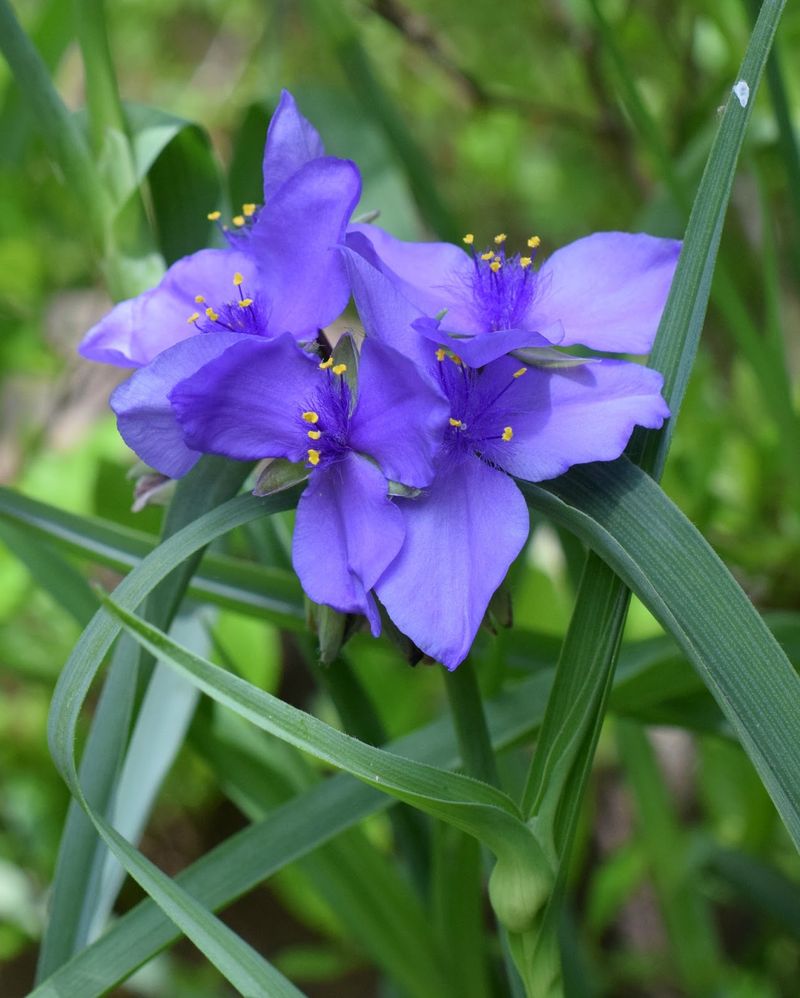
Spiderwort is one of those native plants that gardeners sometimes overlook at the nursery, only to discover later that it is one of the most reliable and adaptable wildflowers they could have chosen for a Georgia front yard.
Tradescantia virginiana produces clusters of three-petaled violet-blue flowers that open in the morning and close by afternoon – a quiet, charming daily rhythm that makes it fun to observe up close.
March is a great time to plant Spiderwort in Georgia because it is one of the earlier bloomers, often producing flowers by late spring when many other natives are still gathering strength.
It grows in full sun to partial shade, which makes it more flexible than most flowering natives.
It also handles a range of soil types, from moist lowland spots to drier upland areas, adapting without much fuss.
Space plants about eighteen inches apart and water regularly through their first season. Once established, they spread gradually and can form attractive clumps over several years.
Bumblebees are especially fond of the flowers, and the plant supports several native bee species that collect pollen in the morning hours.
Cut plants back by about half after the first bloom flush to encourage a fresh round of growth and flowers later in the season.
9. Virginia Bluebell Fills Shaded Spots With Soft Blue
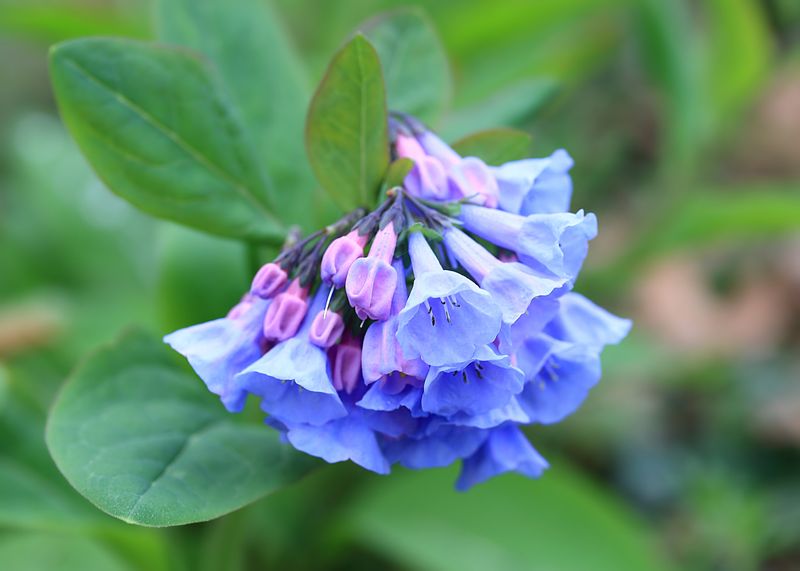
If your Georgia front yard has a shaded corner under a large oak or dogwood, Virginia Bluebell might be the most beautiful solution you have not tried yet.
Mertensia virginica produces clusters of soft, sky-blue tubular flowers in early spring, creating a gentle, almost dreamlike display at a time when most of the garden is still waking up from winter.
March planting works especially well for Virginia Bluebell because it is a true spring ephemeral – it blooms early, sets seed, and then goes dormant by early summer.
Getting it in the ground in early to mid-March in Georgia allows it to take full advantage of the cool, moist conditions it loves before temperatures climb.
It prefers moist, rich, well-drained soil and partial to full shade, conditions often found naturally under established trees.
Plant the roots about two inches deep and twelve inches apart, and pair them with ferns or hostas that will fill in the space after the Bluebells go dormant in summer.
Hummingbirds and native bumblebees visit the flowers for nectar during their brief but spectacular bloom period.
In north Georgia’s cooler mountain zones, Virginia Bluebells tend to naturalize beautifully over several seasons, spreading into soft drifts of blue that feel genuinely special every April.