These Native Flowers Bloom First In Pennsylvania Each Spring
There is something special about spotting the first flowers of spring in Pennsylvania. After months of cold weather and bare branches, those early blooms feel like a quiet celebration happening right at ground level.
While most gardens are still waking up, a handful of native flowers are already stretching toward the light, bringing soft color back to the landscape.
These early bloomers are perfectly adapted to Pennsylvania’s changing seasons. They know how to handle chilly nights and unpredictable weather, and they waste no time getting started once temperatures begin to rise.
Their arrival often signals that warmer days are not far behind. Planting native flowers that bloom first does more than brighten your yard. It also supports local pollinators that are just emerging and searching for food.
Adding these dependable spring starters to your garden means enjoying color sooner and creating a space that feels alive from the very beginning of the season.
1. Bloodroot (Sanguinaria Canadensis)
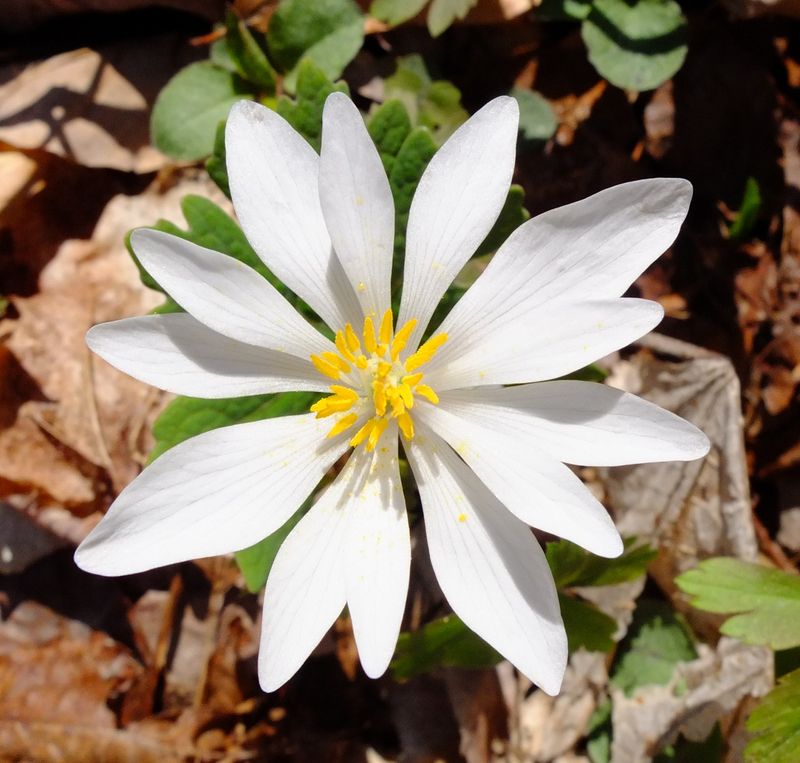
Long before most people even think about planting a garden, Bloodroot is already showing off in Pennsylvania’s forests. This striking wildflower is one of the very first to appear each spring, often pushing through the leaf litter as early as March.
Its bright white petals and bold yellow center make it easy to spot against the dull brown forest floor.
Bloodroot gets its name from the reddish-orange sap found inside its roots and stem. Native Americans used this sap for dyes and body paint.
Today, it serves a different purpose by acting as an early nectar source for bees and other pollinators that are just waking up after winter.
Each flower only lasts a few days, so you have to be quick to catch it in bloom. The blooms appear before the trees fully leaf out, which gives the plant plenty of sunlight to grow.
After flowering, the large, lobed leaves stick around a bit longer before the plant goes dormant for summer. Bloodroot thrives in moist, well-drained woodland soil and does beautifully in shaded garden spots across Pennsylvania.
Planting it under deciduous trees mimics its natural habitat perfectly. It spreads slowly over time, forming lovely colonies that return faithfully every spring without much effort from you at all.
2. Spring Beauty (Claytonia Virginica)
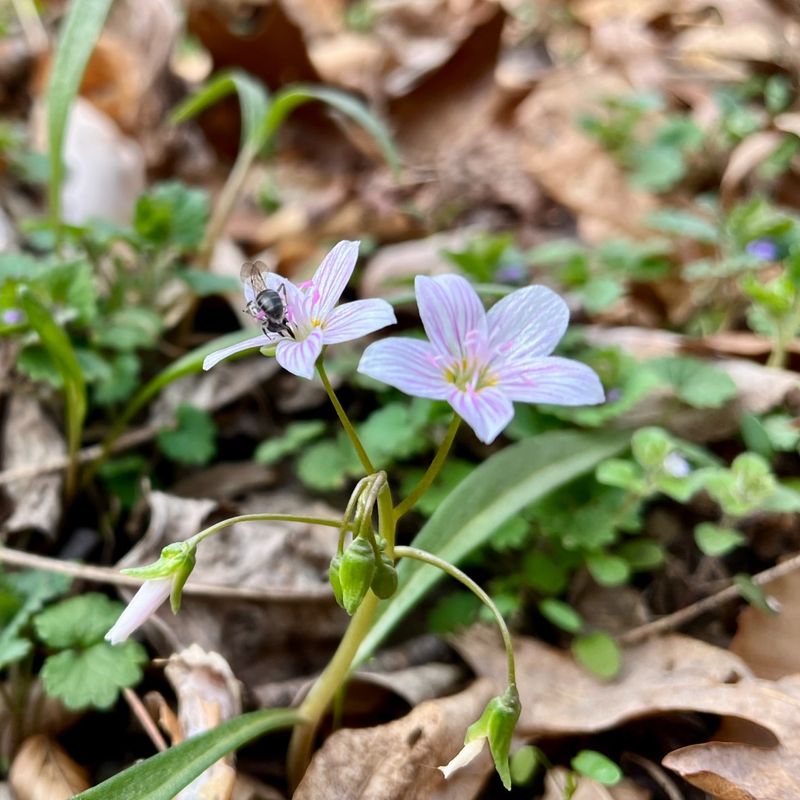
Walk through almost any Pennsylvania woodland in March or April, and you might find the forest floor covered in tiny pink-and-white striped flowers. That is Spring Beauty, one of the most charming and delicate native wildflowers in the entire state.
It forms low, spreading colonies that can look like a soft floral carpet stretching between the trees.
Spring Beauty prefers moist, well-drained soil and partial shade, which makes Pennsylvania’s hardwood forests the perfect home. The flowers are small, usually less than an inch wide, but they show up in such large numbers that they create a real visual impact.
Each flower has five petals with distinctive pink veins running through them, giving the blooms their signature striped look.
Bees absolutely love Spring Beauty, and it is an important early food source for native bee species that emerge in late winter. The plant grows from a small, starchy corm underground, which wildlife like chipmunks and wild turkeys occasionally snack on.
After blooming, the plant quickly fades and disappears by early summer, leaving no trace until the following spring. If you want to add Spring Beauty to your Pennsylvania garden, plant the corms in fall in a shaded, moist spot.
Once established, it will come back year after year and spread naturally, creating its own little woodland scene right in your yard.
3. Dutchman’s Breeches (Dicentra Cucullaria)
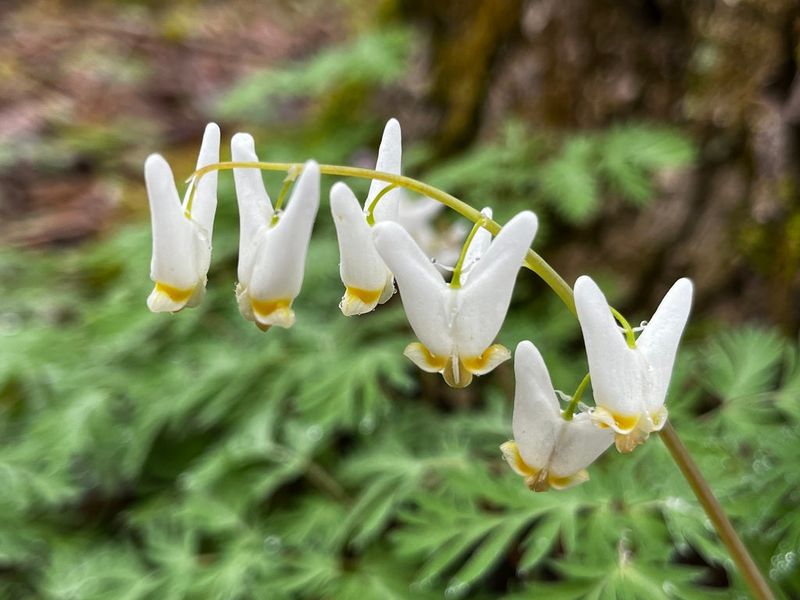
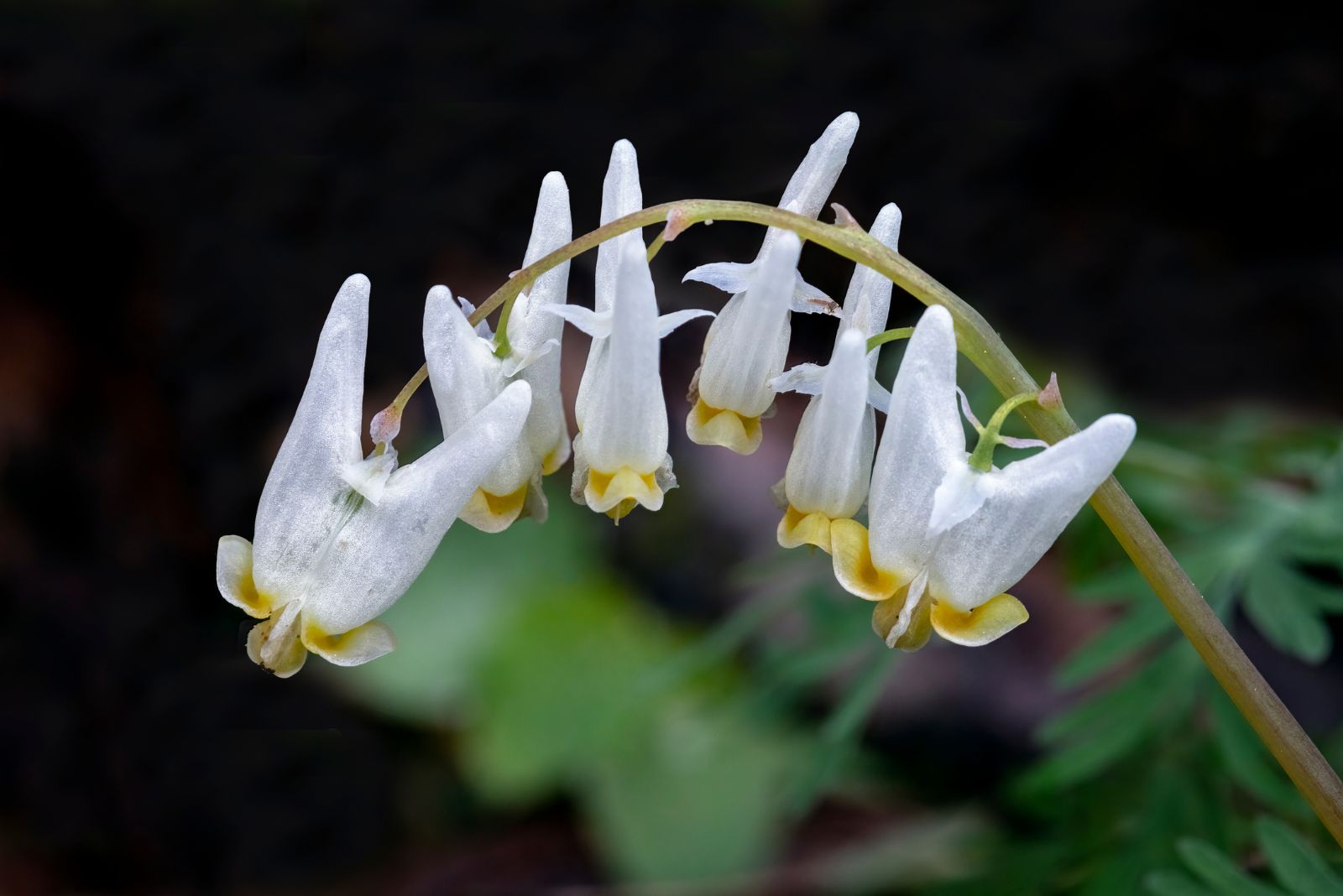
If you have ever seen a flower that looks like tiny white pants hanging upside down on a clothesline, you have spotted Dutchman’s Breeches. The name alone is enough to make anyone smile.
This quirky little wildflower blooms in April across Pennsylvania’s rich woodlands and is one of the most beloved spring ephemerals in the state.
The flowers are white with pale yellow tips, and they dangle from arching stems above deeply cut, feathery leaves.
The blooms are shaped in a way that only long-tongued bumblebees can reach the nectar inside, making this plant and its pollinators a perfectly matched pair.
Some bees actually chew through the base of the flower to steal nectar without doing any pollinating at all, which botanists call nectar robbing.
Dutchman’s Breeches prefers rich, moist, well-drained soil in shaded woodland areas. It grows from small, clustered bulb-like structures called corms and goes completely dormant by early summer.
That means you need to plan around it in the garden because it simply vanishes after its short bloom window closes. In Pennsylvania forests, you will often find it growing alongside Bloodroot and Spring Beauty, creating a stunning early spring display.
It is a true woodland spring ephemeral, living fast and bright before fading away until the next year. Plant it in fall and let it surprise you come April.
4. Virginia Bluebells (Mertensia Virginica)
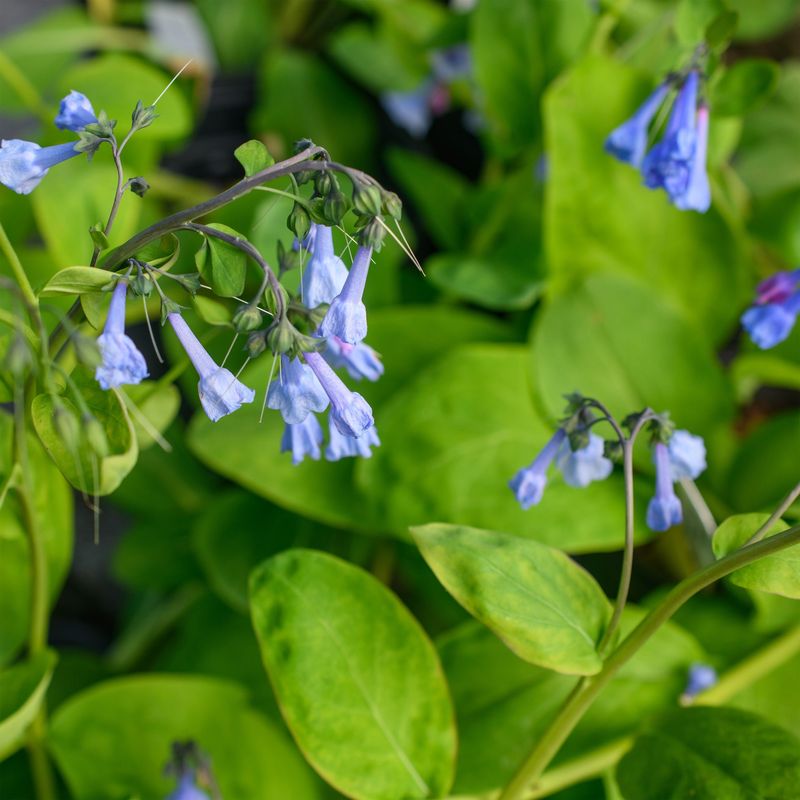
Few spring wildflowers in Pennsylvania get people as excited as Virginia Bluebells. When those clusters of pink buds open up into sky-blue trumpet-shaped flowers, the effect is absolutely breathtaking.
They typically bloom from April into early May, and during that window, they transform shaded stream banks and moist woodland slopes into something that looks almost unreal.
Virginia Bluebells thrive in moist, rich soil and love the shade provided by Pennsylvania’s tall hardwood trees. They are excellent choices for shade gardens, especially near water features or low-lying areas that stay consistently moist.
The plant grows quickly in spring, reaching one to two feet tall before its blooms appear. After flowering, the whole plant turns yellow and fades away by early summer, making it another classic spring ephemeral.
One fun detail about Virginia Bluebells is that the buds start out pink and gradually shift to blue as they open. This color change happens because of a shift in the flower’s pH levels.
Pollinators, especially bumblebees and butterflies, are strongly attracted to the blue blooms. In Pennsylvania, this wildflower is often found growing in large, sweeping masses along floodplain forests and creek edges.
If you want to grow it at home, plant the roots in fall in a shaded, moist location. Over time, Virginia Bluebells will naturalize and spread, giving you a bigger and better show each spring.
It is a Pennsylvania spring favorite for very good reason.
5. Wild Columbine (Aquilegia Canadensis)
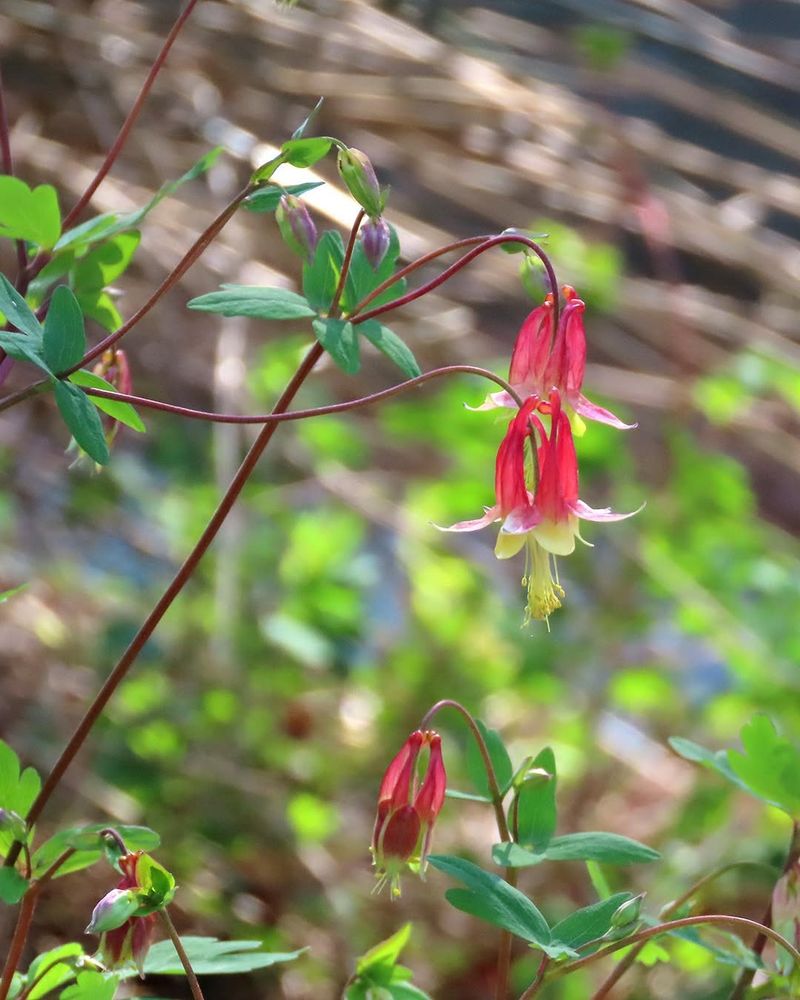
There is something almost playful about Wild Columbine. Its nodding red and yellow flowers dangle from slender stems like little lanterns swaying in the breeze.
This native wildflower blooms from April into May across Pennsylvania and stands out because it handles more sunlight than most other woodland spring bloomers. That makes it a versatile choice for a wider range of garden spots.
Wild Columbine grows naturally in rocky woodlands, along cliff edges, and on open slopes throughout Pennsylvania. It tolerates partial shade but can also handle more sun than most spring ephemerals, which gives gardeners more flexibility when choosing a planting spot.
The flowers are perfectly designed for hummingbirds, whose long beaks fit right into the long, nectar-filled spurs at the back of each bloom. Early-arriving hummingbirds in Pennsylvania often depend on Wild Columbine as one of their first nectar sources of the season.
Unlike many spring wildflowers, Wild Columbine is not a true ephemeral. Its foliage sticks around through much of the growing season, giving the garden some structure even after the blooms fade.
It self-seeds freely, so once you plant it, it tends to spread and pop up in new spots over the years. The plant prefers well-drained soil and does not like to sit in soggy conditions.
It is relatively easy to grow from seed and is a rewarding addition to any Pennsylvania native plant garden, attracting both hummingbirds and a variety of native bees.
6. Woodland Phlox (Phlox Divaricata)
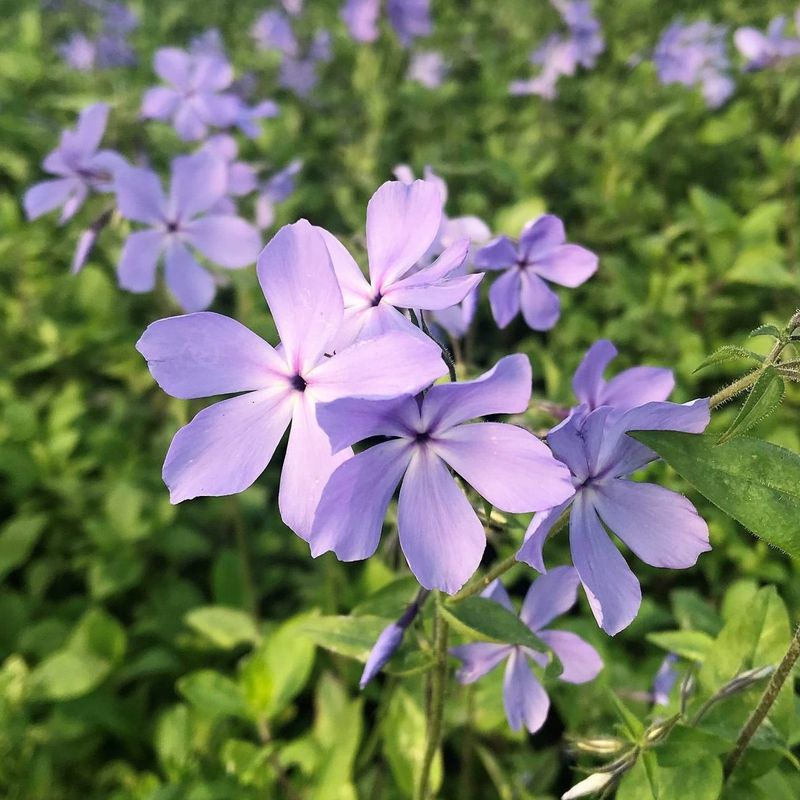
Soft, sweet-smelling, and surprisingly tough, Woodland Phlox is one of those native flowers that earns its place in any Pennsylvania garden without much fuss.
It blooms in April and May, filling shaded spots with clusters of soft blue to lavender flowers that carry a light, pleasant fragrance. The color is subtle but really pops against the fresh green of early spring leaves.
Woodland Phlox spreads gently through underground stems, forming low mats of foliage that do a nice job of covering bare ground under trees.
It prefers moist, well-drained soil and partial to full shade, which makes it a natural fit beneath Pennsylvania’s native oaks, maples, and other deciduous trees.
The plant grows about eight to fourteen inches tall and tends to lean toward the light, giving it a relaxed, natural look in the landscape.
Pollinators love Woodland Phlox. Butterflies, moths, and long-tongued bees are frequent visitors during its bloom period.
The fragrance is especially attractive to moths that feed at dusk, making this plant a quiet but important part of the nighttime pollinator scene in Pennsylvania. It pairs beautifully with Virginia Bluebells and Wild Columbine in a spring native plant garden.
Once established, it is quite low-maintenance and will return reliably each year. If you are looking for a ground-level flower that adds early color under deciduous trees without a lot of effort, Woodland Phlox is a fantastic choice for Pennsylvania gardens and natural landscapes alike.
7. Marsh Marigold (Caltha Palustris)
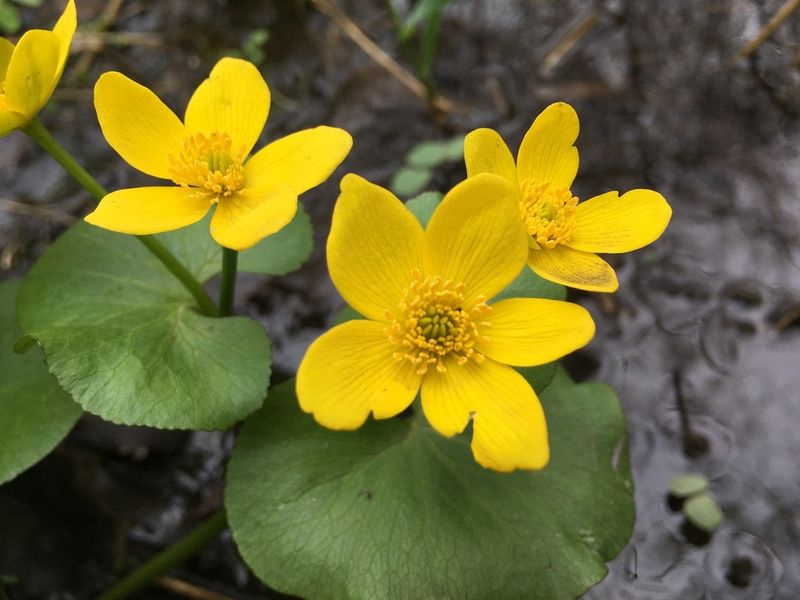
Cheerful, bold, and impossible to miss, Marsh Marigold bursts onto the scene in April with some of the brightest yellow flowers you will find anywhere in Pennsylvania’s natural landscape.
These glossy, buttercup-like blooms grow in wet areas like stream banks, pond edges, and boggy meadows, where they practically glow against the muddy, still-waking landscape around them.
Marsh Marigold is one of the earliest bright yellow bloomers in Pennsylvania’s wetland areas, and that timing is no accident. It takes advantage of the full sunlight available before taller plants and trees fill in and shade the ground.
The flowers grow in clusters above large, rounded, dark green leaves that are also quite attractive on their own. The whole plant has a lush, tropical feel that seems surprising for an early spring native wildflower.
For gardeners in Pennsylvania with wet or poorly-drained spots, Marsh Marigold is a dream plant. It thrives where most other plants struggle, making it ideal for rain gardens, pond margins, and low-lying areas that collect water after heavy rains.
Native bees and early-season flies are its primary pollinators, and the plant provides a valuable nectar source during a time when not many other flowers are open yet. It does go dormant in summer, so pairing it with other moisture-loving plants helps fill in the gap.
Marsh Marigold is native to Pennsylvania and grows without much maintenance once it finds the right wet spot to call home.
8. Trillium (Trillium Erectum Or Trillium Grandiflorum)
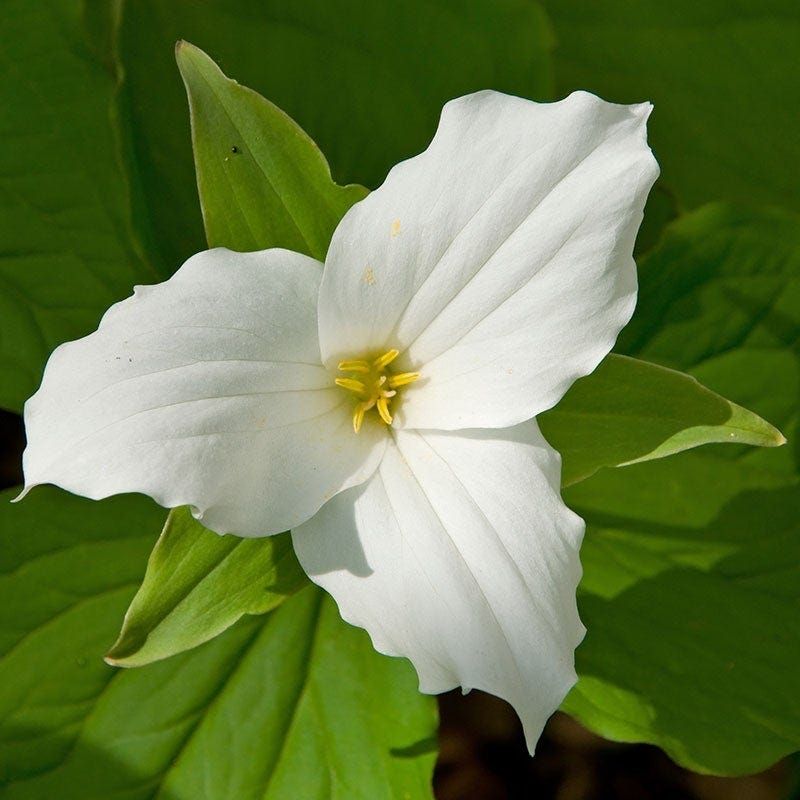
Ask any Pennsylvania nature lover to name their favorite spring wildflower, and Trillium is almost always near the top of the list.
With its bold three-petal blooms rising above three broad leaves, Trillium has a clean, architectural look that feels both simple and dramatic at the same time.
Trillium grandiflorum offers large white flowers, while Trillium erectum brings deep red-purple blooms to Pennsylvania’s shaded forests.
Trillium is a slow grower. A plant grown from seed can take five to seven years to produce its first flower, which is why it is so important to never pick or dig up wild Trillium from Pennsylvania’s forests.
Once established in the right spot, though, these plants can live for decades and grow into impressive clumps that bloom more abundantly each year. They prefer rich, undisturbed soil with plenty of organic matter and consistent moisture.
One fascinating detail about Trillium is how its seeds spread. Ants carry the seeds back to their nests to eat a small, nutritious attachment, then leave the seed behind, which plants it in a new location.
This relationship between Trillium and ants is called myrmecochory, and it is a brilliant natural partnership.
Trillium blooms from April into May across Pennsylvania’s forested hills and hollows, making it one of the most iconic signs that spring has truly arrived in the Keystone State. It is a classic Pennsylvania forest wildflower that deserves a place in every native garden.