These Native Flowers Thrive In North Carolina Gardens
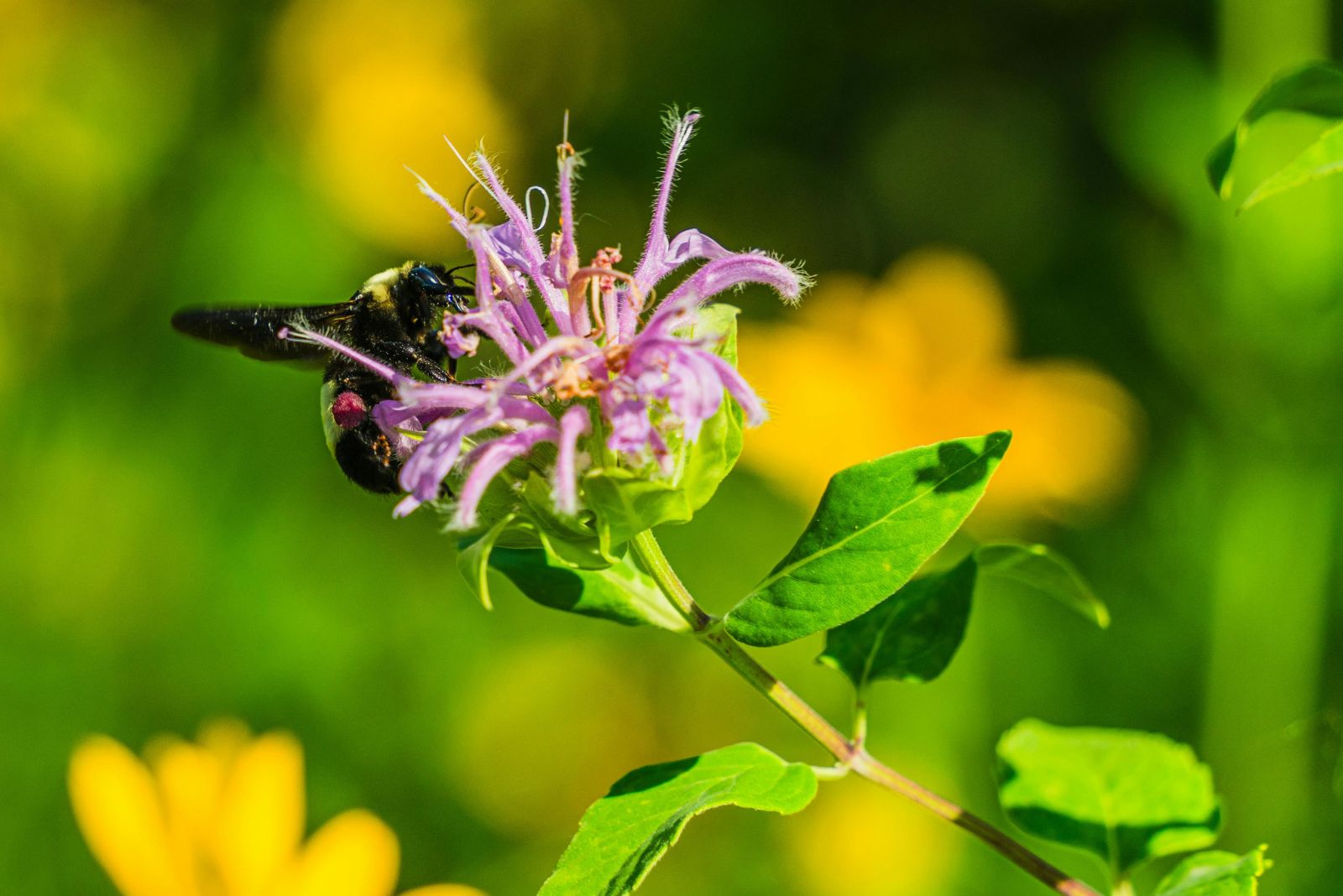
Walk into a North Carolina garden filled with native flowers and you can feel the difference right away. Colors look brighter, pollinators show up faster, and plants seem to grow with less drama.
That is not luck. These flowers are built for the local soil, weather, and long growing seasons, which means they handle heat, rain, and humidity far better than many imports.
Gardeners who switch to natives often notice fewer pests, less watering, and stronger blooms that return year after year. It also feels good knowing your yard is helping butterflies, bees, and birds instead of fighting against nature.
If you are tired of babysitting high maintenance plants and want a garden that works with your environment, this is the easiest upgrade you can make. Once you see what these native blooms can do, you will never look at your flower beds the same way again.
1. Black-Eyed Susan (Rudbeckia Hirta)
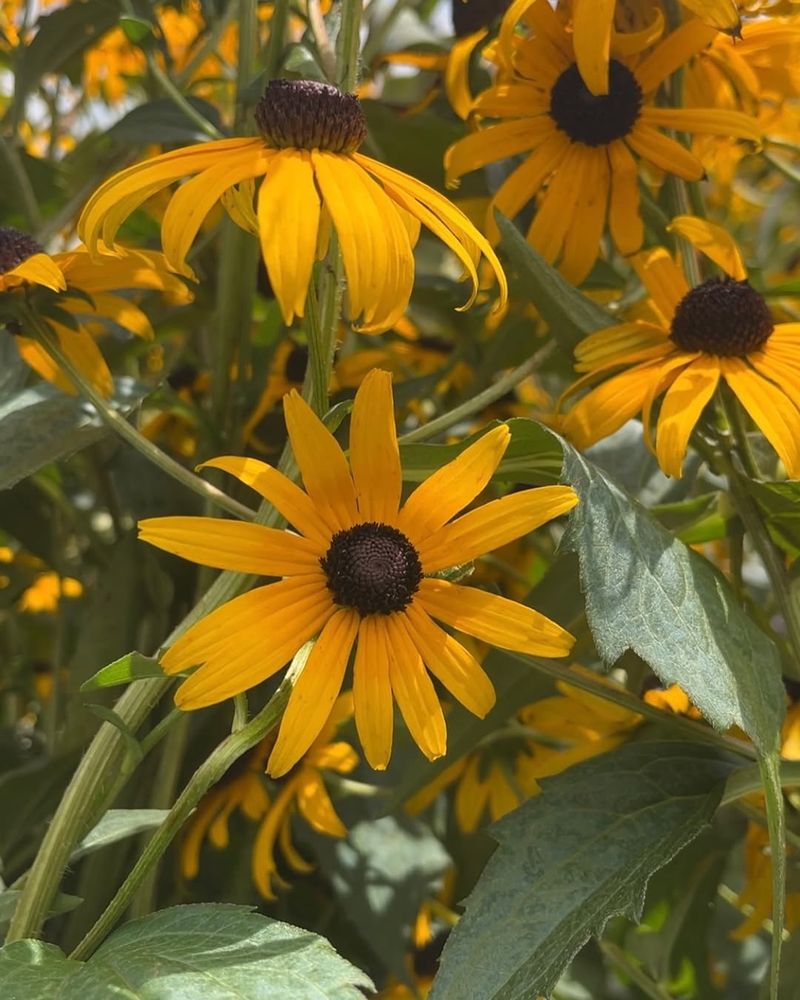
Sunshine seems to pour from every petal of this cheerful wildflower. Black-eyed Susans bring golden warmth to gardens from June through September. Their dark chocolate centers create stunning contrast against brilliant yellow rays.
These tough performers handle North Carolina’s summer heat without complaint. Full sun locations make them happiest, though they tolerate partial shade. Well-drained soil keeps roots healthy, but they adapt to various soil types surprisingly well.
Pollinators absolutely adore these flowers, visiting constantly throughout blooming season. Bees and butterflies find their nectar irresistible, making your garden buzz with life.
Goldfinches enjoy the seeds in fall, adding another wildlife benefit. Planting them in groups creates eye-catching displays that brighten any landscape. They self-seed readily, so expect new plants each spring without extra effort.
Deadheading spent blooms encourages more flowers, though leaving some provides winter interest.
Drought tolerance makes them perfect for low-maintenance gardens once established. Water regularly during their first season, then let nature take over. These native beauties reward minimal care with maximum color year after year.
2. Purple Coneflower (Echinacea Purpurea)
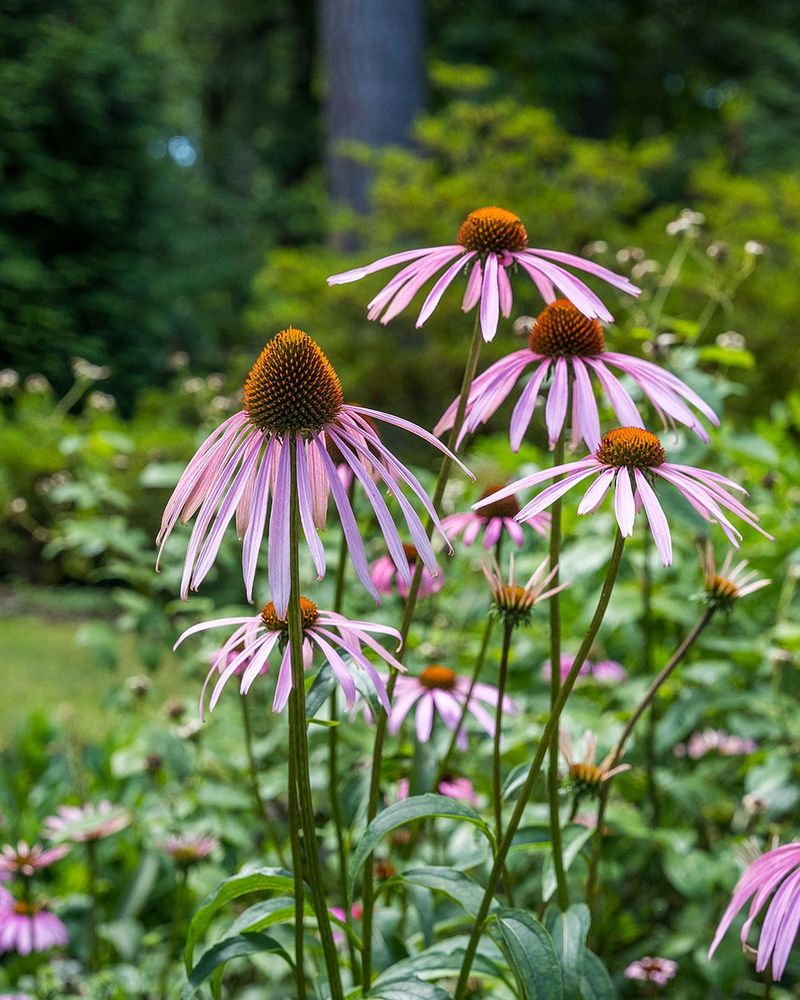
Bold and beautiful, purple coneflowers stand tall like garden sentinels. Their distinctive spiky centers rise proudly above drooping petals.
This architectural beauty creates vertical interest that draws eyes upward through your garden beds.
North Carolina summers can be brutal, but these perennials shrug off drought conditions. Established plants need minimal watering, even during hot spells. Their deep taproots reach moisture that shallow-rooted plants cannot access.
Butterflies and bees swarm these flowers from summer into fall. The long blooming period provides consistent nectar when other plants fade. Hummingbirds occasionally visit, though they prefer tubular flowers more strongly.
Plant them in full sun for best performance and strongest stems. They tolerate poor soil surprisingly well, making them ideal for challenging spots. Space plants about two feet apart to allow good air circulation.
Cut flowers last beautifully in vases, bringing garden charm indoors for days. Seed heads provide winter food for birds and architectural interest.
Some gardeners leave stalks standing until spring for natural beauty and wildlife support throughout colder months.
3. Cardinal Flower (Lobelia Cardinalis)
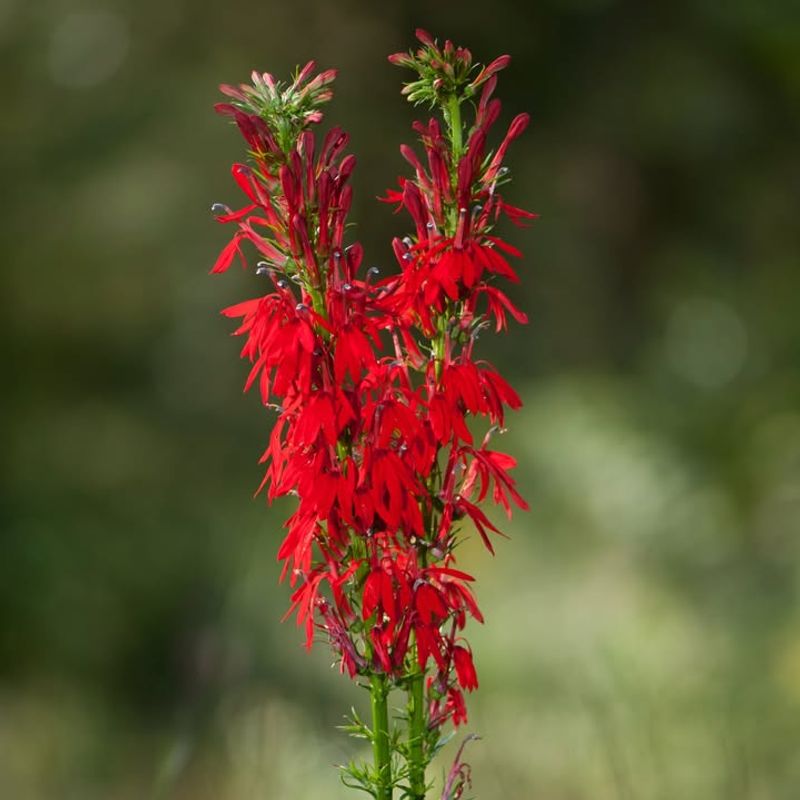
Hummingbirds spot these scarlet spires from impressive distances. Cardinal flowers bloom in the most intense red found in nature.
Their tubular blooms seem designed specifically for hummingbird beaks, and indeed they were. Moisture-loving plants like these thrive near water features or rain gardens. They appreciate consistently damp soil that never completely dries out.
North Carolina’s humid summers provide ideal growing conditions for these moisture-dependent beauties.
Partial shade suits them better than blazing full sun. Morning sun with afternoon shade creates perfect conditions for robust growth. Too much direct sunlight can stress plants and reduce flowering intensity.
These native perennials bloom from midsummer through early fall when gardens need color. The flowering spikes reach two to four feet tall, creating dramatic vertical accents. Plant them in groups for maximum visual impact and hummingbird attraction.
Dividing clumps every few years keeps plants vigorous and blooming abundantly. They self-seed in ideal conditions, gradually naturalizing along stream banks.
Mulching around plants helps retain the consistent moisture they crave for optimal performance and health.
4. Wild Bergamot (Monarda Fistulosa)
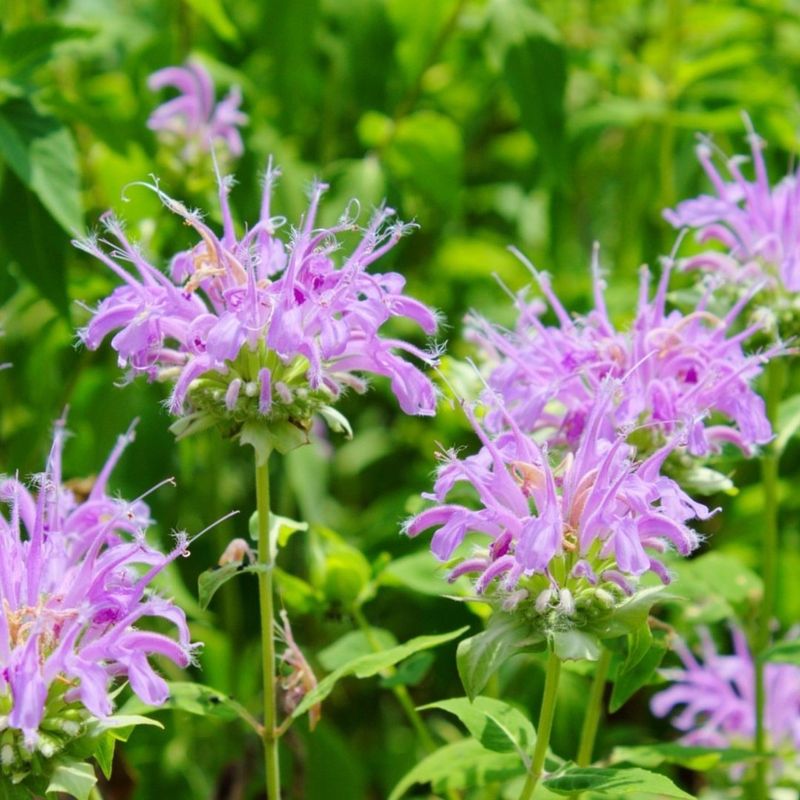
Brush against these plants and enjoy their delightful minty fragrance instantly. Wild bergamot releases aromatic oils that perfume summer gardens naturally.
The scent reminds many gardeners of Earl Grey tea, which traditionally uses bergamot flavoring.
Lavender-pink blooms appear atop square stems throughout midsummer months. Each flower head contains numerous tubular florets arranged in shaggy clusters. Bees and butterflies visit constantly, making these plants pollinator magnets.
Full sun brings out the best flowering and strongest growth. These natives tolerate North Carolina’s clay soils better than many garden plants. Good drainage prevents root problems, though they handle brief wet periods.
Plant spacing matters because good air circulation prevents powdery mildew issues. Leave eighteen to twenty-four inches between plants for healthy growth. Thinning crowded clumps improves air flow and reduces disease pressure significantly.
Deer typically avoid these aromatic plants, making them valuable in areas with browsing pressure. The flowers dry beautifully for arrangements and potpourri projects.
Some gardeners brew leaves into tea, continuing a tradition Native Americans practiced for centuries before modern settlement.
5. Butterfly Weed (Asclepias Tuberosa)
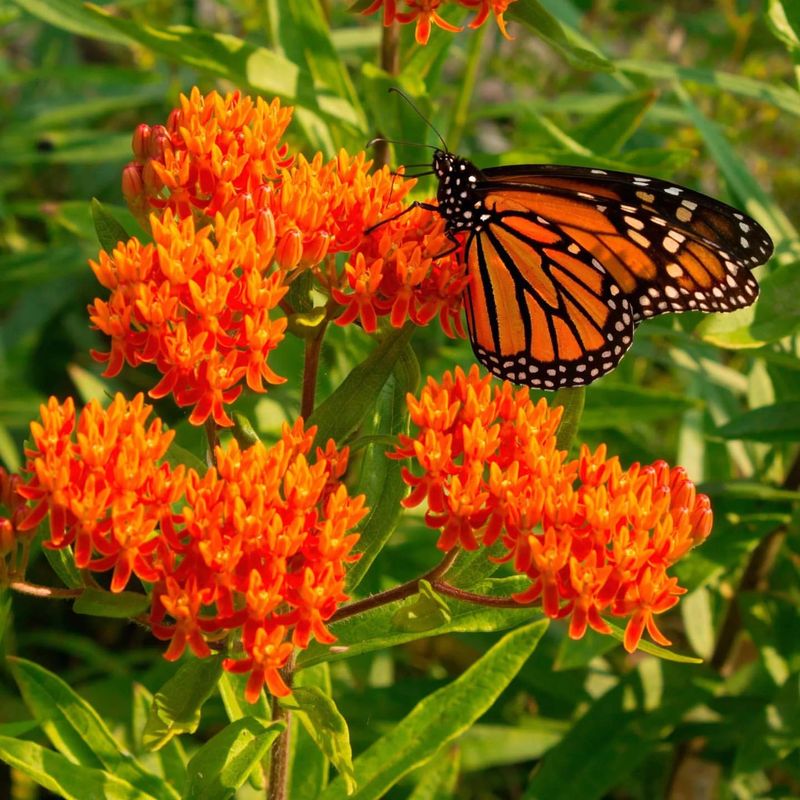
Monarch butterflies depend on milkweeds for survival, and this species delivers brilliantly. Vibrant orange flowers glow like embers in summer gardens.
Flat-topped flower clusters provide perfect landing platforms for butterflies seeking nectar. Sandy or well-drained soils suit these drought-tolerant natives perfectly. They establish deep taproots that make transplanting mature plants nearly impossible.
Start them in their permanent location to avoid disturbing established root systems. North Carolina’s hot summers pose no problems for these tough perennials. They actually thrive in heat that wilts less adapted plants.
Once established, supplemental watering becomes unnecessary except during severe droughts.
Monarch caterpillars munch the foliage, which provides essential nutrients they need. The leaves contain compounds that make monarchs distasteful to predators. Supporting monarchs means accepting some leaf damage as part of the process.
Late emergence in spring often worries gardeners unnecessarily. These plants wait until soil warms before sending up new shoots.
Patience pays off when brilliant blooms appear in June and continue through August, attracting countless pollinators daily.
6. Blue Wild Indigo (Baptisia Australis)
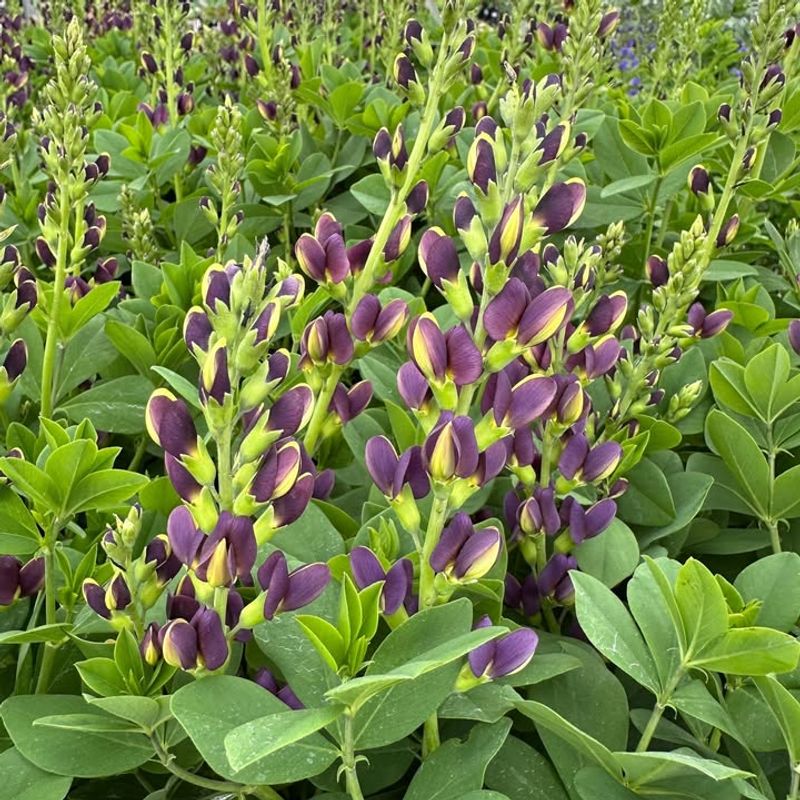
This shrub-like perennial becomes a garden focal point as it matures beautifully. Blue-purple flowers arranged on tall spikes create stunning spring displays. The pea-like blooms hint at this plant’s membership in the legume family.
Nitrogen-fixing bacteria live in root nodules, enriching soil naturally over time. This beneficial relationship means less fertilizer needed for surrounding plants.
The blue-green foliage remains attractive throughout the growing season after flowers fade. Full sun to partial shade accommodates these adaptable North Carolina natives. They tolerate various soil types, though they prefer well-drained conditions.
Established plants develop extensive root systems that make them incredibly drought-tolerant.
Young plants take time establishing, but patience rewards gardeners handsomely. Growth accelerates dramatically in the second and third seasons. Mature specimens can reach three to four feet tall and equally wide.
Seed pods darken to black and rattle when dry, interesting gardeners. Some people collect pods for dried arrangements and craft projects.
The plant’s substantial presence provides structure in perennial borders throughout winter when many plants disappear completely from view.
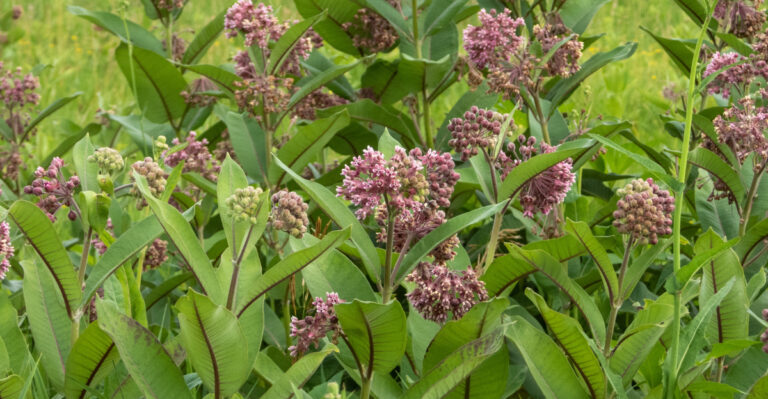
7. Swamp Milkweed (Asclepias Incarnata)
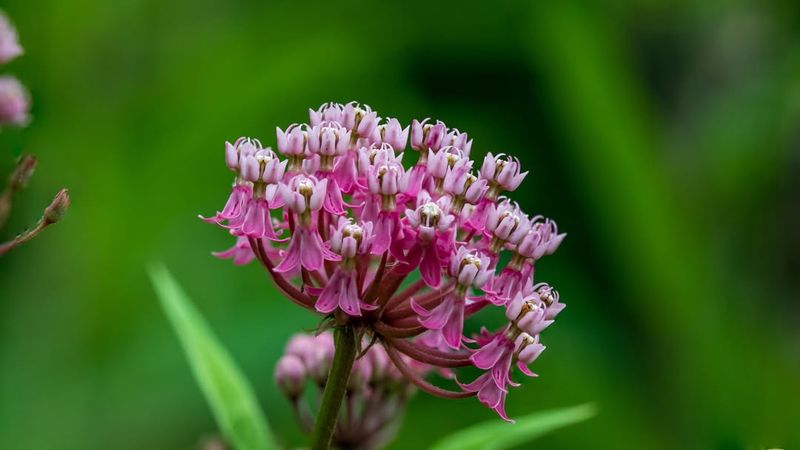
Wet areas challenge many gardeners, but this milkweed thrives where others struggle. Pink flower clusters perfume the air with sweet fragrance in summer.
The blooms attract diverse pollinators beyond just monarchs, including various butterfly species.
Rain gardens and pond edges provide ideal homes for these moisture-loving natives. They handle periodic flooding that would drown less tolerant plants. North Carolina’s rainy periods create perfect growing conditions for robust growth.
Unlike butterfly weed, swamp milkweed tolerates transplanting reasonably well. The fibrous root system adapts to disturbance better than taprooted species. This flexibility makes garden placement easier for landscape designers.
Monarch caterpillars feed on foliage just like other milkweed species do. Providing multiple milkweed types throughout gardens supports larger monarch populations. Diverse plantings ensure caterpillars find food regardless of timing.
The plants reach four to five feet tall in optimal conditions. Their upright growth habit suits back-of-border placements perfectly.
Flowers bloom from June through August, providing consistent nectar sources. Gardeners appreciate their reliable performance in challenging wet sites where few flowering perennials succeed.
8. Eastern Blazing Star (Liatris Spicata)
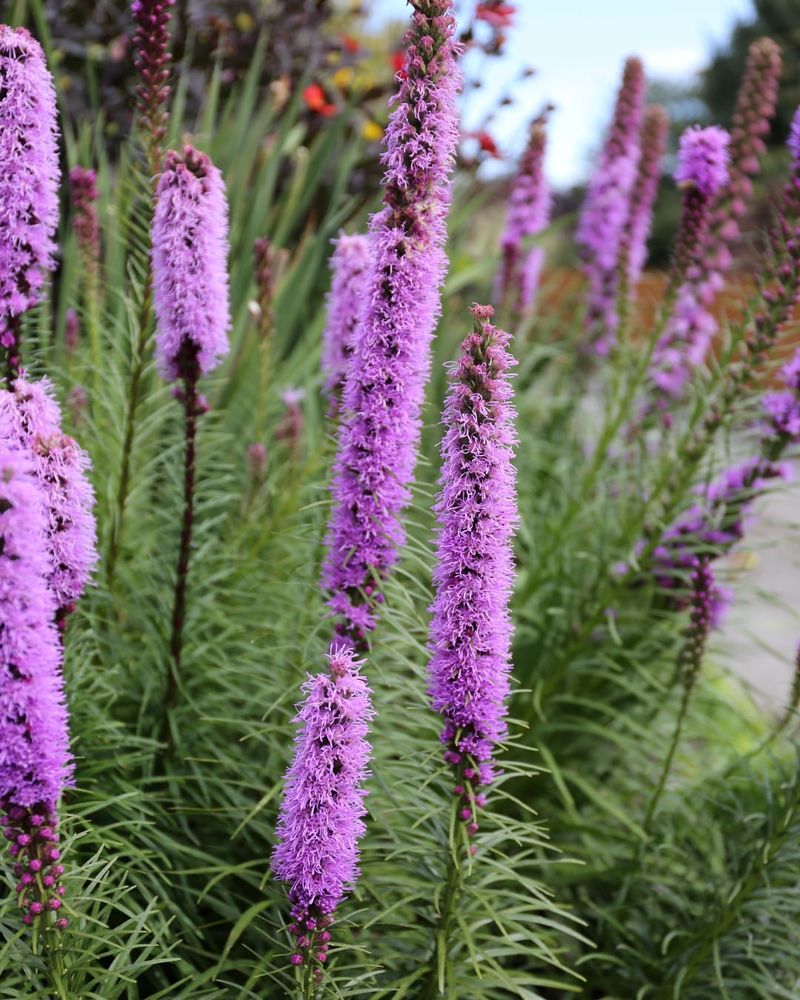
Flower spikes bloom unusually from top to bottom, defying typical flowering patterns. This unique characteristic makes them instantly recognizable in garden settings. The fuzzy purple flowers create bottlebrush-like spikes that rise impressively tall.
Butterflies and bees find these midsummer blooms absolutely irresistible for nectar. The long flowering period extends color when many spring bloomers finish. Goldfinches appreciate seeds in fall, adding another wildlife benefit.
Well-drained soil prevents the corm rot that sometimes affects these plants. North Carolina’s clay soils need amendment with compost for best results. Sandy soils provide ideal drainage without additional preparation.
Full sun locations produce the strongest stems and most abundant flowering. Plants in too much shade tend to flop and need staking. Spacing them eighteen inches apart allows good air circulation around foliage.
Cut flowers last exceptionally well in vases, often two weeks or longer. Florists value them for arrangements because of their unusual form.
Dried flower spikes retain color beautifully for winter decorations. These natives combine beauty with toughness, thriving despite deer browsing and drought stress once established.
9. Foamflower (Tiarella Cordifolia)
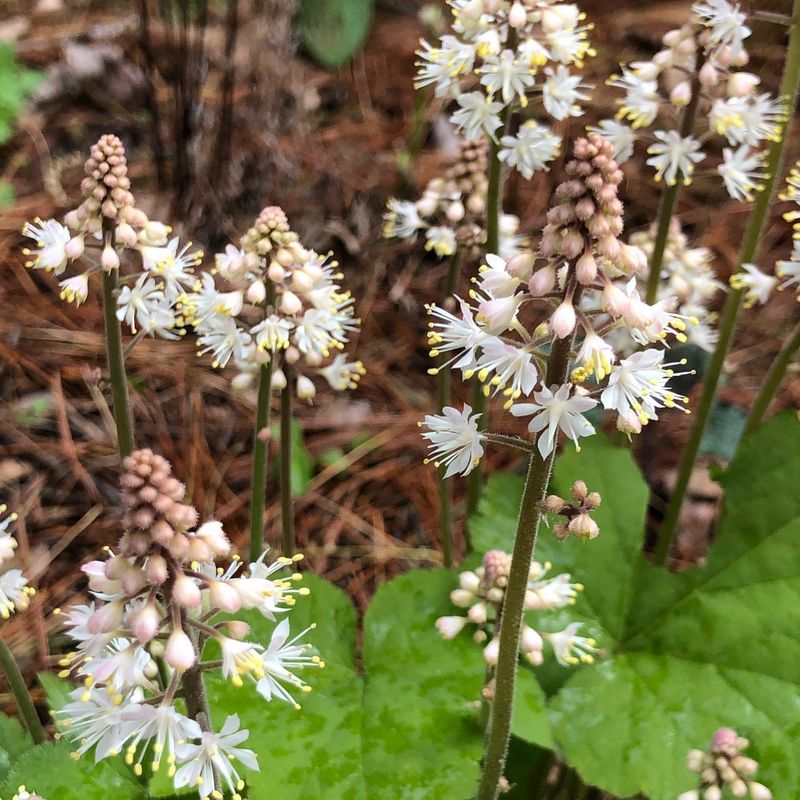
Woodland gardens come alive when foamflowers bloom in spring. Delicate white flowers create foamy sprays above heart-shaped leaves. The airy blooms seem to float above foliage like gentle clouds.
Shade-loving groundcovers like these solve challenging garden problems elegantly. They spread slowly to form attractive mats under trees. North Carolina’s native woodlands provide the perfect template for growing conditions.
Moist, rich soil high in organic matter suits them perfectly. They appreciate leaf mulch that mimics forest floor conditions naturally. Consistent moisture keeps foliage looking fresh throughout the growing season.
Partial to full shade protects leaves from scorching in summer heat. Morning sun with afternoon shade works well in garden settings. Too much direct sunlight bleaches foliage and stresses plants unnecessarily.
The semi-evergreen foliage provides winter interest in milder areas. Leaves often develop burgundy tints in cold weather, adding seasonal color.
They combine beautifully with ferns, hostas, and other shade perennials. These natives require minimal maintenance once established, making them perfect for naturalizing under trees where lawn grass struggles to grow successfully.
10. Virginia Bluebell (Mertensia Virginica)
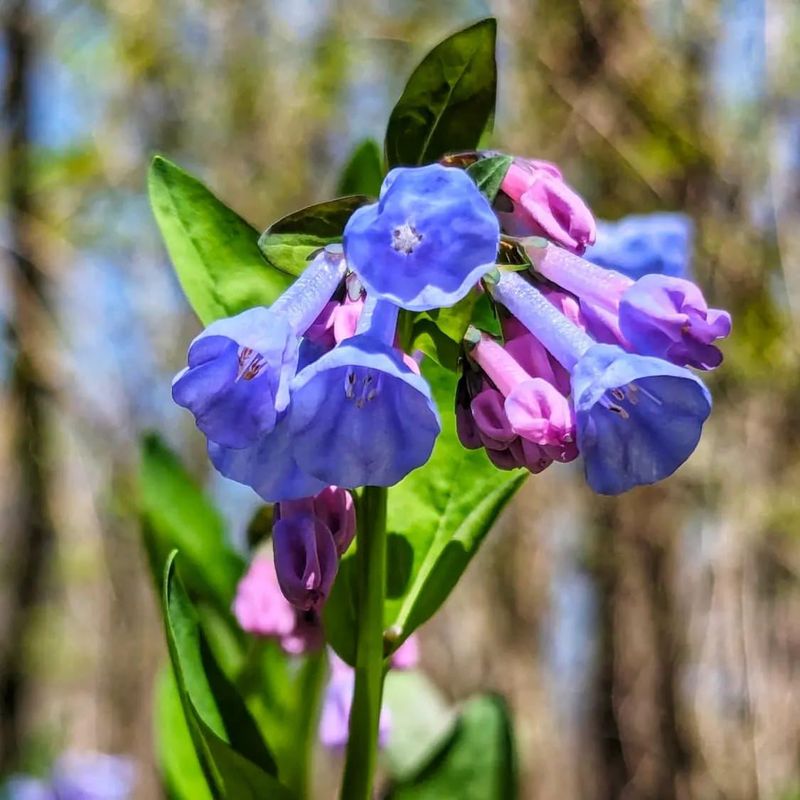
Spring arrives officially when these ephemeral beauties emerge from winter soil. Pink buds open into sky-blue bells that nod gracefully. The color transformation from bud to bloom adds extra interest.
Early timing means they bloom before tree canopies fully leaf out. This strategy allows them to capture spring sunlight before shade deepens. By summer, foliage disappears completely as plants enter dormancy.
Moist, rich woodland soil supports the best growth and flowering. They naturalize beautifully in North Carolina’s native woodland settings. Plant them among later-emerging perennials that hide bare spots after dormancy.
Partial shade suits them once trees leaf out fully in late spring. They tolerate more sun during their active growing period. Consistent moisture during spring growth ensures robust flowering and healthy foliage.
Combining them with ferns and hostas creates layered interest throughout seasons. The ephemeral nature means planning carefully for continuous garden color.
Mark their locations to avoid disturbing dormant bulbs during summer. These native spring ephemerals bring woodland charm to shaded gardens, rewarding patient gardeners with breathtaking blue blooms each April.
11. White Turtlehead (Chelone Glabra)
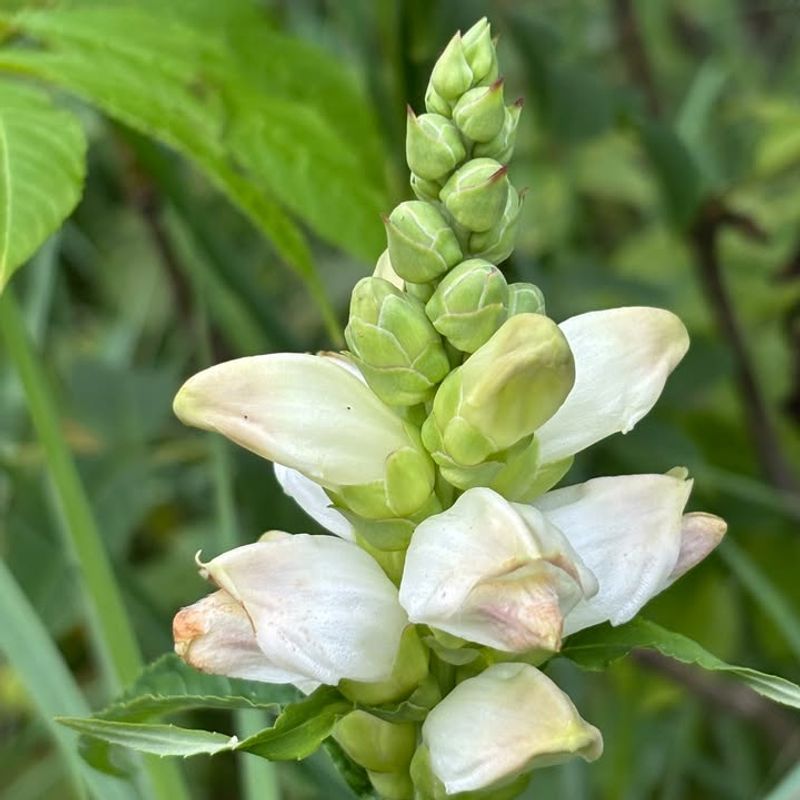
Nature’s sense of humor shines through in these whimsically shaped flowers. White blooms genuinely resemble tiny turtle heads peeking from shells. Children especially enjoy the amusing appearance that inspired the common name.
Wet or consistently moist soil suits these late-season bloomers perfectly. They thrive in bog gardens, rain gardens, and along stream banks. North Carolina’s humid climate provides ideal conditions for vigorous growth.
Partial shade protects them from intense afternoon sun in summer. They tolerate more shade than many flowering perennials, making them valuable. Morning sun combined with afternoon shade creates optimal growing conditions.
Late summer and fall flowering extends garden color when many plants finish. The blooms attract bumblebees that pollinate the unique flower structure.
Baltimore checkerspot butterfly caterpillars feed on foliage, making these plants important for conservation.
Plants reach two to three feet tall with sturdy, upright stems. They rarely need staking despite their height in moist conditions.
Dark green foliage remains attractive even before flowering begins. These unusual natives deserve wider planting in appropriate wet garden sites throughout North Carolina landscapes.