These 7 Native Ground Covers Stay Green All Year In Oregon
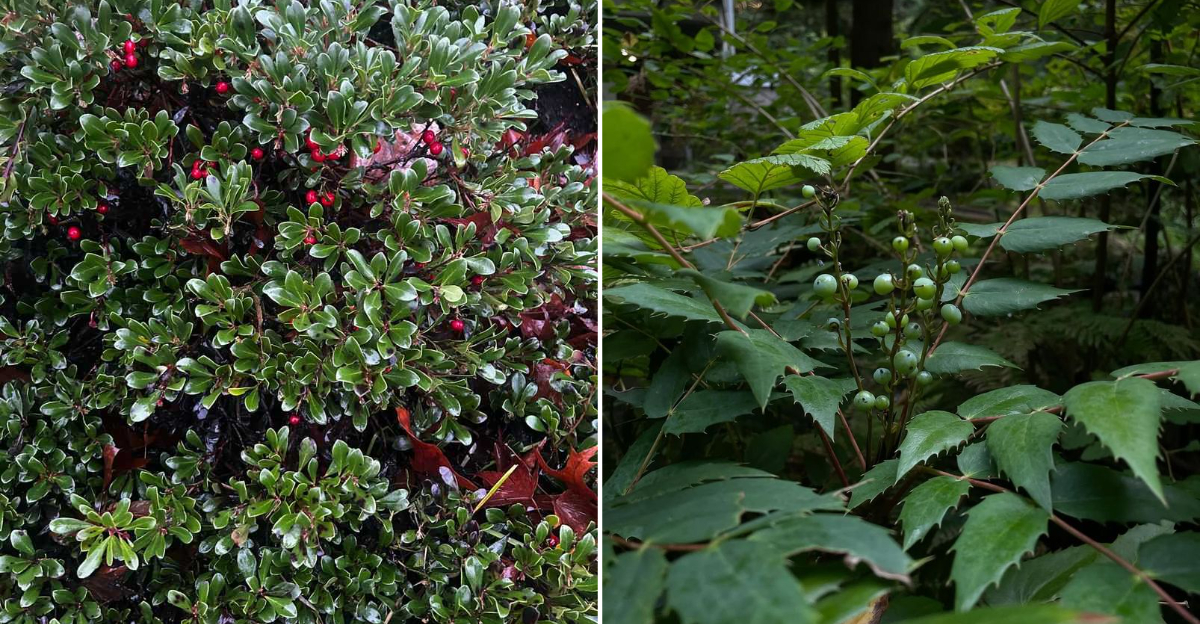
A green garden in the middle of winter feels like a small victory, and the right native ground covers make it possible in Oregon.
These low growing plants spread gently, protect the soil, and keep your landscape looking alive even during the grayest months.
Once established, they handle the local climate with ease, from rainy stretches to cool seasonal shifts, all while asking for very little care.
They help prevent erosion, crowd out weeds, and create a soft, natural carpet under trees, along paths, and across open spaces.
Even better, native varieties support local wildlife and blend beautifully with the surrounding environment.
If you want steady color, simple upkeep, and a yard that looks vibrant year round, these dependable ground covers are ready to do the job quietly and beautifully.
1. Salal (Gaultheria Shallon)
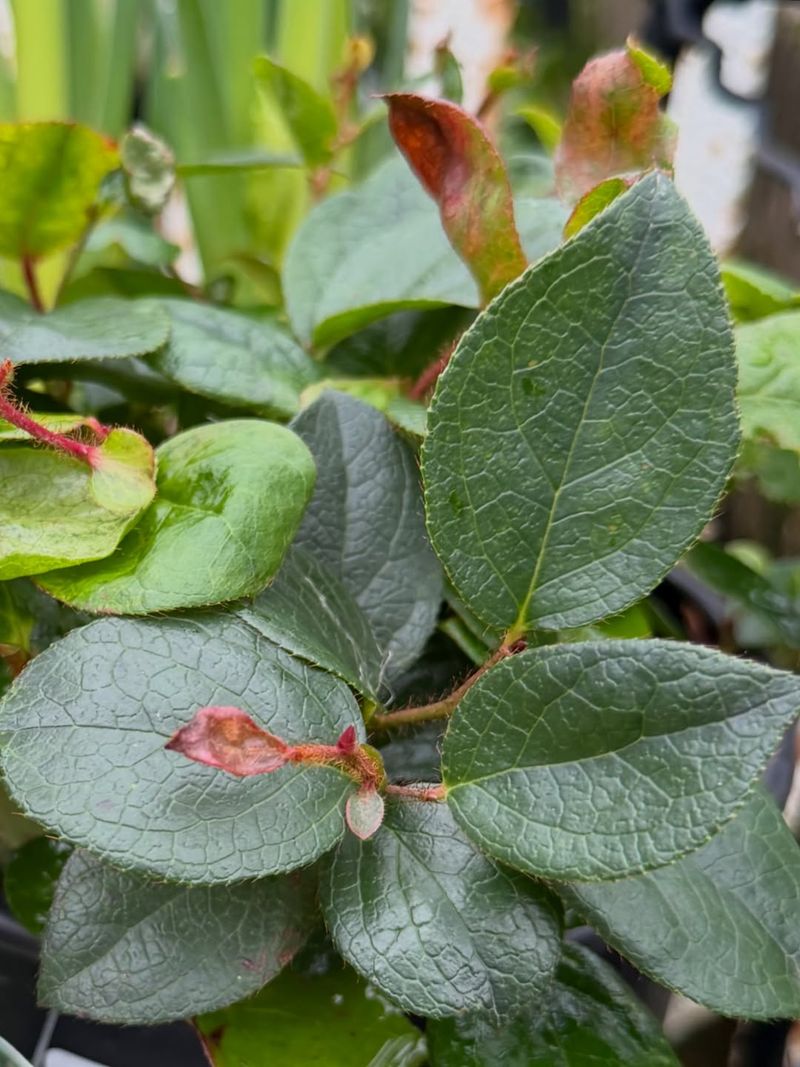
Walk through any Oregon forest and you’ll likely brush against salal’s tough, leathery leaves.
This Pacific Northwest native dominates the understory for good reason, it tolerates deep shade, handles our wet winters beautifully, and stays green and handsome every single month.
The glossy leaves catch light even in dim spots, brightening areas where most plants would sulk.
Salal grows as a low shrubby ground cover, typically reaching one to three feet tall depending on light and soil conditions. In spring, delicate pink bell flowers dangle beneath the foliage, later forming dark blue berries that taste sweet and slightly resinous.
Native peoples harvested these berries for centuries, and they’re still popular in jams and baked goods today.
This plant thrives in acidic soil, making it perfect for planting under rhododendrons, azaleas, or conifers where pH runs low. It spreads through underground runners, eventually forming dense colonies that suppress weeds completely.
Salal tolerates everything from full shade to partial sun, though it grows more compactly in brighter locations.
The biggest mistake gardeners make is planting salal in heavy clay without amending the soil first. Mix in compost or bark to improve drainage and create the woodsy conditions it craves.
2. Oregon Grape, Low Form (Mahonia Nervosa)
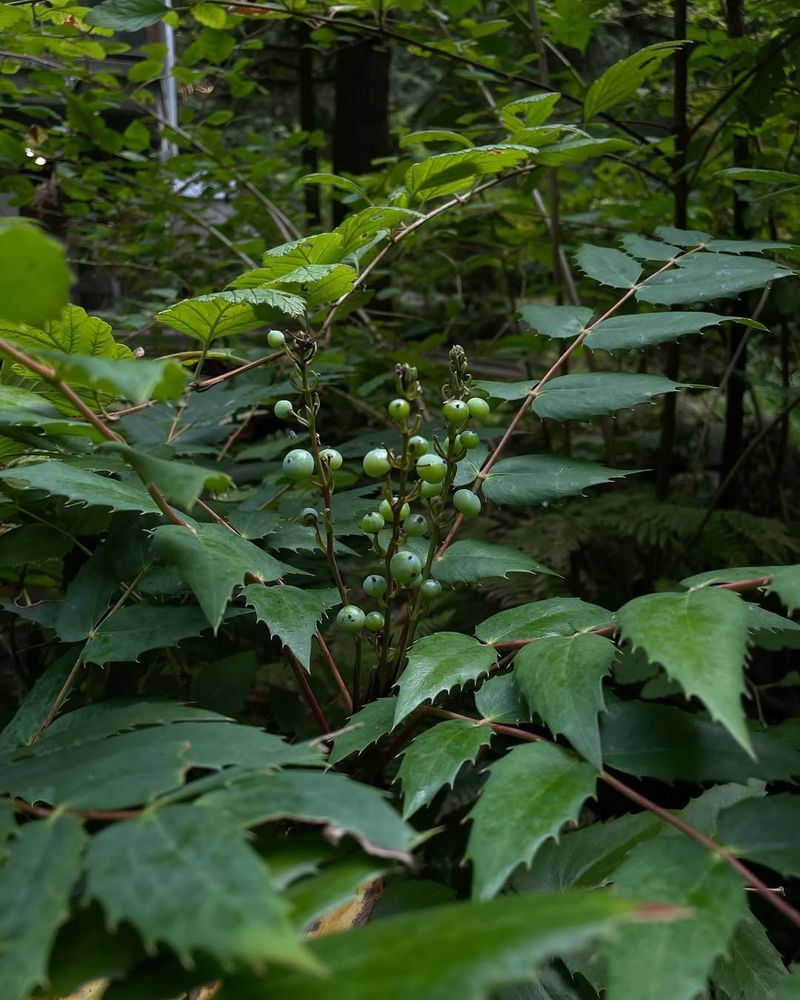
Those holly-like leaves catching your eye in shaded garden corners are likely low Oregon grape, a woodland native that brings year-round structure and surprising seasonal interest.
Unlike its taller cousin, this low-growing form hugs the ground at six to eighteen inches, spreading slowly through rhizomes to create textured evergreen carpets.
The compound leaves emerge bronze in spring, mature to deep green, then shift to burgundy and purple as cold weather arrives.
Bright yellow flower clusters appear in early spring, standing upright above the foliage like tiny torches. These blooms attract early pollinators when few other food sources exist, then develop into dusty blue berries by summer.
Birds feast on these fruits, which are also edible for humans though quite tart.
Low Oregon grape excels in dry shade, that notoriously difficult garden situation where most plants struggle. Once established, it needs virtually no summer water even under thirsty Douglas firs or maples.
The spiny-edged leaves deter foot traffic naturally, making this an excellent choice for areas you want to keep undisturbed.
Plant it in acidic, well-drained soil with plenty of organic matter worked in. Avoid placing it where winter water pools, as soggy conditions can lead to root problems despite Oregon grape’s general toughness.
3. Kinnikinnick (Arctostaphylos Uva-Ursi)
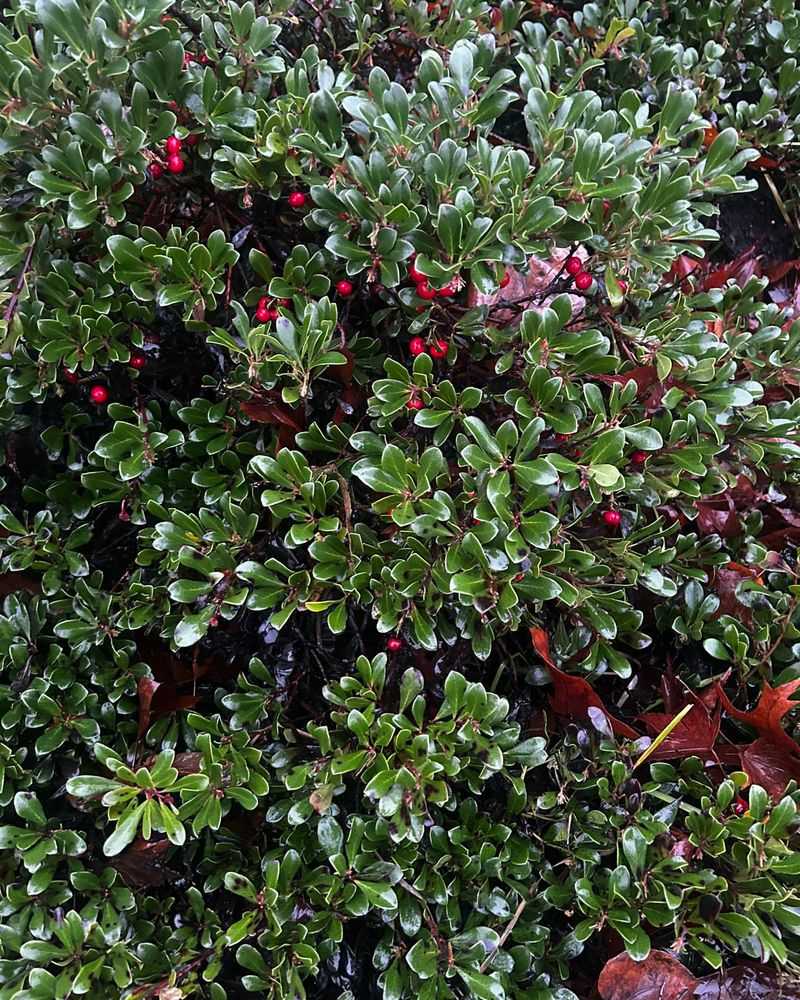
When you need a ground cover that laughs in the face of poor soil and blazing sun, kinnikinnick answers the call with remarkable toughness.
This low-growing native forms dense mats of small, leathery leaves that stay glossy green all year, even when winter storms roll through.
The foliage takes on burgundy tints in cold weather, adding unexpected color when most gardens look drab.
Kinnikinnick spreads slowly but steadily, rooting as it goes and eventually creating a thick carpet that chokes out weeds naturally. Pink bell-shaped flowers appear in spring, followed by bright red berries that birds adore.
It thrives in full sun to partial shade and handles sandy, rocky, or clay soils with equal ease once established.
Many gardeners make the mistake of overwatering this drought-tolerant native, which can lead to root rot in Oregon’s wet winters. Plant it in well-drained spots, especially on slopes or raised areas where water moves away quickly.
It works beautifully as a lawn replacement in sunny areas, around rock gardens, or cascading over retaining walls.
Give kinnikinnick room to spread and resist the urge to fertilize. It prefers lean soil and too much richness actually weakens its naturally compact growth habit.
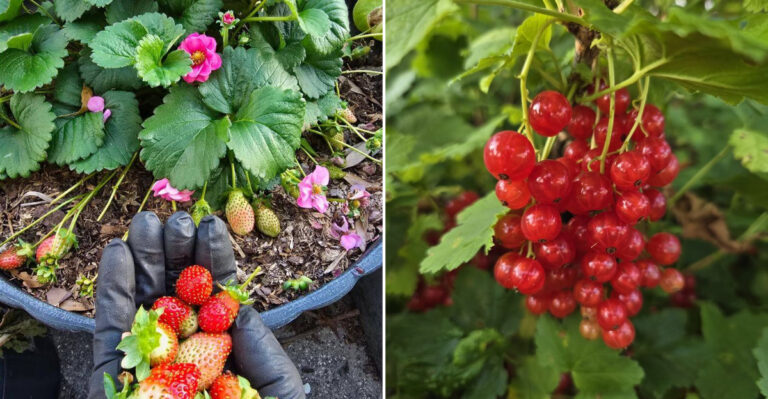
4. Coastal Strawberry (Fragaria Chiloensis)
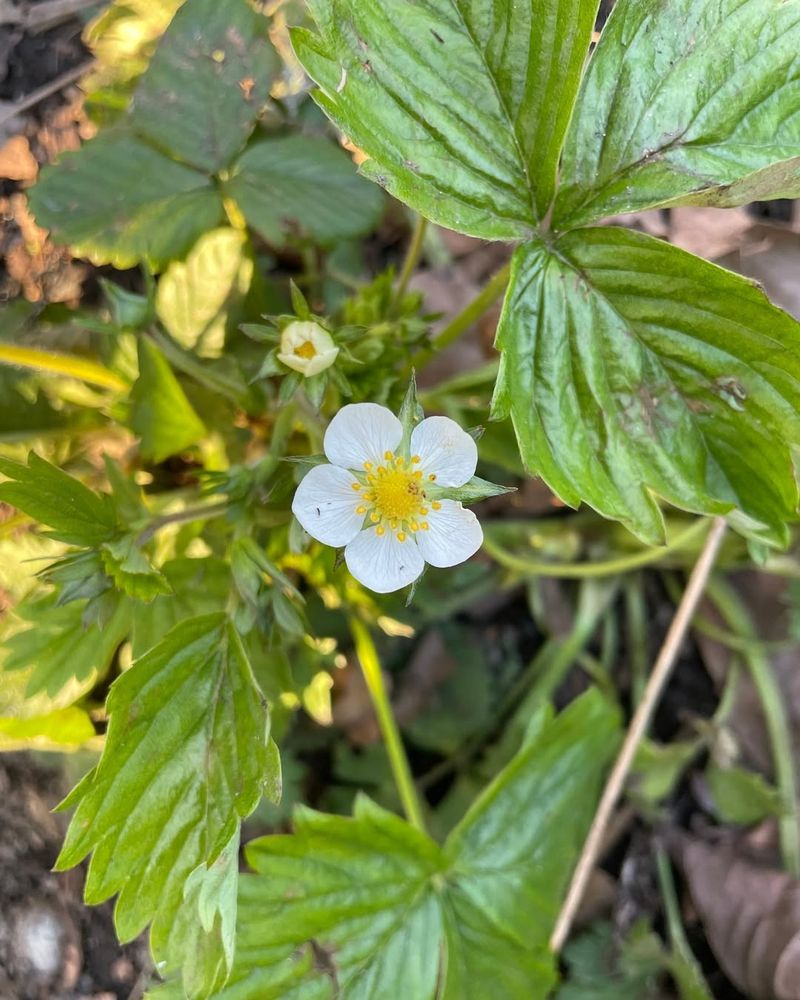
Imagine a ground cover that stays green all winter, blooms with cheerful white flowers, produces edible fruit, and requires almost no care once happy.
Coastal strawberry delivers all this while spreading enthusiastically through runners, quickly filling in bare spots with attractive foliage.
The thick, glossy leaves resist our winter rains beautifully, staying fresh and green when other plants look bedraggled.
This native strawberry grows naturally along Oregon’s coast, thriving in sandy soil and salt spray, but it adapts remarkably well to inland gardens too. White flowers with yellow centers appear from spring through summer, followed by small but flavorful berries.
The fruit tastes sweeter and more intense than typical garden strawberries, though the berries themselves are smaller.
Coastal strawberry performs best in full sun but tolerates light shade, growing more compactly in brighter locations. It spreads quickly once established, making it ideal for erosion control on slopes or as a lawn alternative in areas with light foot traffic.
The dense growth crowds out most weeds naturally.
Many gardeners expect this plant to need rich soil like cultivated strawberries, but coastal strawberry actually prefers lean, well-drained conditions. Overfeeding produces lush foliage but fewer flowers and fruits.
Water regularly the first year, then back off and let it tough out our dry summers.
5. Inside-out Flower (Vancouveria Hexandra)
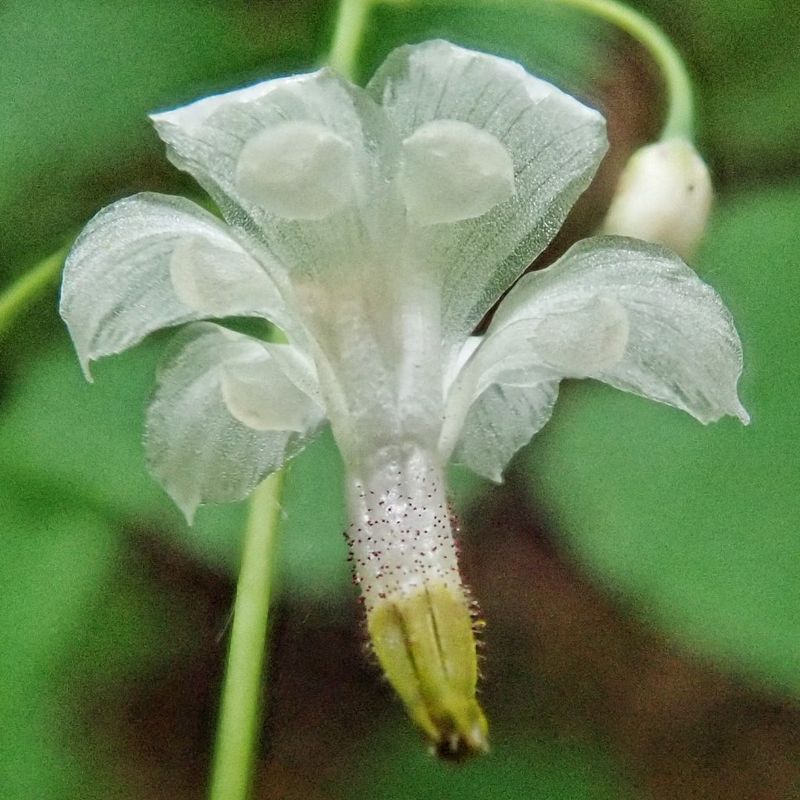
In the dappled light beneath tall trees, inside-out flower creates carpets of delicate-looking foliage that belie its tough constitution.
The compound leaves resemble miniature versions of those found on bleeding hearts or columbines, giving shaded areas an elegant, almost fern-like texture.
Despite appearing fragile, this native stays evergreen through Oregon winters, though the foliage may look a bit tired by late winter before fresh growth emerges.
Come spring, airy stems rise above the foliage bearing clusters of small white flowers with reflexed petals that inspired the common name. These blooms dance in the slightest breeze, adding movement to still woodland areas.
The plant spreads through rhizomes, gradually forming dense colonies that keep soil covered and protected year-round.
Inside-out flower thrives in the dry shade that stumps so many gardeners, particularly under conifers or in rain-shadowed areas near buildings. It tolerates summer drought remarkably well once established, though it appreciates occasional deep watering during prolonged dry spells.
The foliage stays low, typically four to eight inches, making it perfect for the front of shaded borders.
Plant it in well-drained soil enriched with compost or leaf mold. Avoid soggy winter conditions, which can cause the rhizomes to rot.
Give it time to establish before expecting aggressive spread, patience pays off with this slow but steady native.
6. Evergreen Violet (Viola Sempervirens)
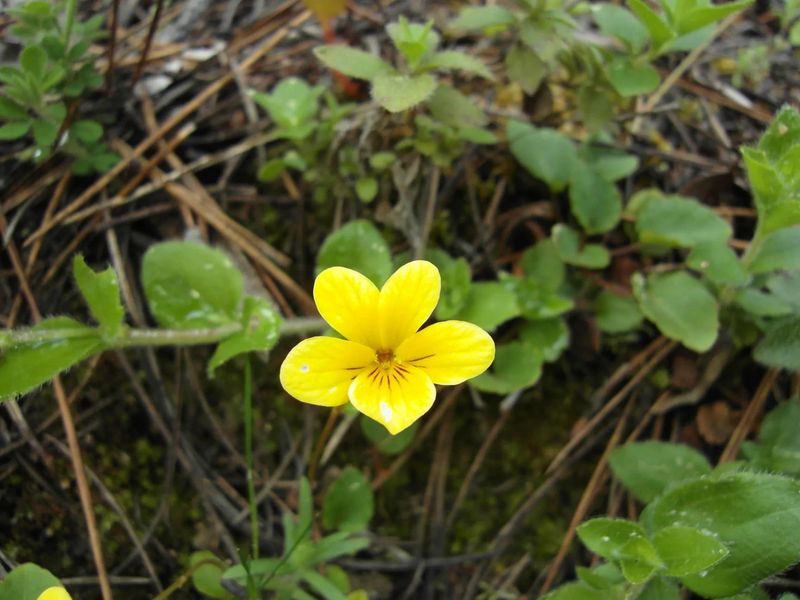
Most people think of violets as fleeting spring bloomers, but evergreen violet keeps its heart-shaped leaves fresh and green through every season.
This delicate native spreads through stolons and self-sowing, creating soft carpets in shaded, moist areas where its cheerful yellow flowers brighten dim corners from early spring through summer.
The flowers appear sporadically even into fall during mild years.
Evergreen violet grows naturally in Oregon’s coastal forests and shaded streamside areas, giving you clues about where it thrives in gardens.
It loves consistent moisture and rich, organic soil, making it perfect for those perpetually damp spots where drainage isn’t great but standing water doesn’t occur.
The low foliage stays under four inches tall, tucking nicely around stepping stones or between taller woodland plants.
This violet tolerates deep shade better than most flowering ground covers, blooming reliably even where sun barely penetrates. It spreads at a moderate pace, filling in without becoming aggressive or invasive like some non-native violet species.
The flowers attract early butterflies and native bees when food sources are scarce.
Don’t let evergreen violet dry out completely during summer, even though it’s a native. It evolved in naturally moist habitats and struggles in drought.
Mulch around plants to retain moisture and add organic matter as it breaks down. Avoid planting in hot, sunny spots where the delicate leaves will scorch.
7. Yerba Buena (Clinopodium Douglasii)
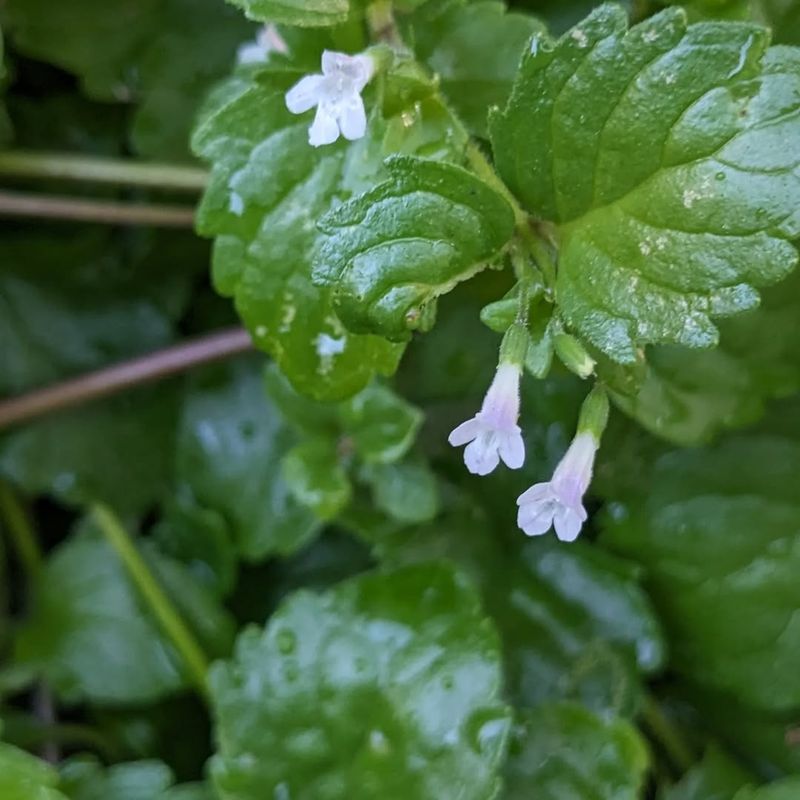
Brush your hand across yerba buena and a fresh, minty scent rises immediately, offering instant aromatherapy in your garden. This low-growing native trails along the ground, rooting as it spreads and forming fragrant evergreen mats that stay attractive through winter.
The tiny rounded leaves pack surprising punch, historically used by indigenous peoples and Spanish settlers for medicinal teas.
Small white or pale lavender flowers dot the foliage in late spring and summer, attracting beneficial insects and adding subtle beauty. Yerba buena grows naturally in partially shaded forest edges and clearings throughout Oregon, adapting to various moisture levels once established.
It tolerates more sun than many woodland natives, growing in everything from bright shade to areas receiving several hours of direct light.
This ground cover works beautifully between stepping stones or in rock gardens where you’ll occasionally brush against it and release that wonderful scent. It spreads moderately, filling in without overwhelming nearby plants.
The evergreen foliage stays low, rarely exceeding three inches in height, making it ideal for small spaces or tight planting areas.
Plant yerba buena in well-drained soil, it tolerates summer dryness quite well but struggles in soggy winter conditions. Many gardeners overwater this tough native, not realizing it evolved to handle Oregon’s distinct wet-winter, dry-summer pattern.
Give it good drainage and step back, letting it naturalize at its own pace.