These Native North Carolina Wildflowers Actually Outperform Black-Eyed Susans In Heavy Clay Soil
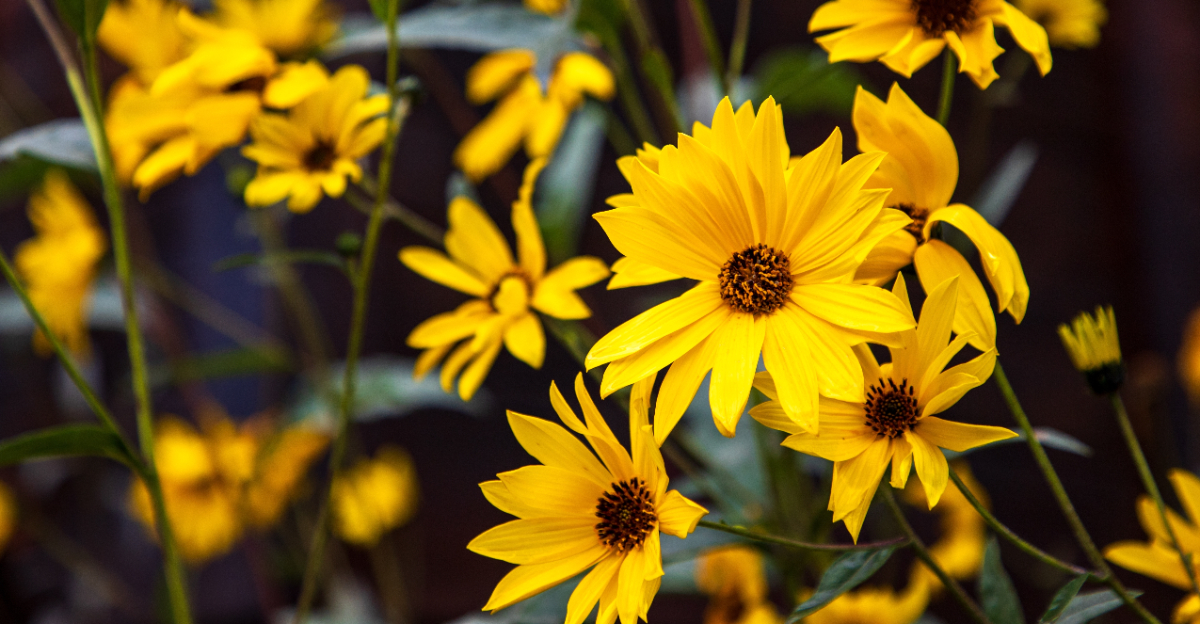
Black-eyed Susans have earned their reputation as tough, reliable wildflowers, and nobody is taking that away from them.
But in North Carolina yards with heavy clay soil, they are not always the best choice, and there are native wildflowers that handle that dense, poorly draining ground with even more confidence.
Clay soil is genuinely difficult. It holds water too long after rain, bakes hard during dry stretches, and makes root establishment a slow, frustrating process for plants that were not built for it.
The natives on this list were, and that difference shows up fast once they are in the ground.
They push through compacted layers, tolerate the waterlogged periods that follow a good rain, and still come back stronger each season without needing soil amendments or extra attention.
If your yard has clay and you have been defaulting to black-eyed Susans out of habit, these alternatives are worth a serious look this planting season.
1. Blue Mistflower (Conoclinium coelestinum)
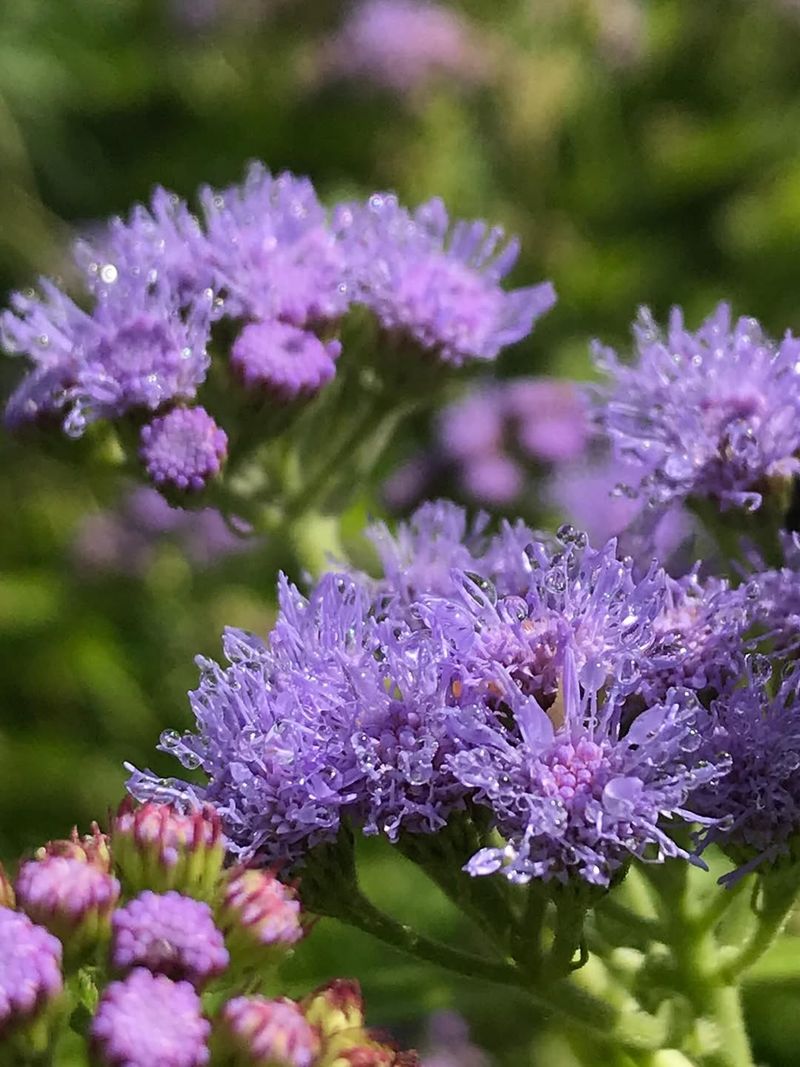
There is something almost magical about the soft, hazy lavender-blue color that Blue Mistflower brings to a late-summer garden.
Native across much of the Eastern United States, including right here in North Carolina, this cheerful wildflower forms spreading colonies that look stunning along stream banks, rain garden edges, and low clay beds. The color alone makes it worth planting.
Heavy clay soil is no obstacle for this tough little native. Blue Mistflower actually performs better in moist, dense soils than in sandy or dry conditions, which gives it a real edge over black-eyed Susans in challenging spots around your yard.
It spreads through underground runners, gradually filling in difficult areas where other plants give up quickly.
Pollinators are completely obsessed with its blooms. Butterflies, especially skippers and sulphurs, flock to the flowers from August through October, making it one of the most valuable late-season pollinator plants available to North Carolina gardeners.
It grows well in part shade too, which opens up even more planting possibilities in a typical backyard. Cutting it back hard in early spring keeps the colony tidy and encourages fresh, vigorous new growth.
For gardeners dealing with soggy clay patches that seem impossible to plant, Blue Mistflower is a genuinely reliable and rewarding solution worth trying this season.
2. Swamp Sunflower (Helianthus angustifolius)
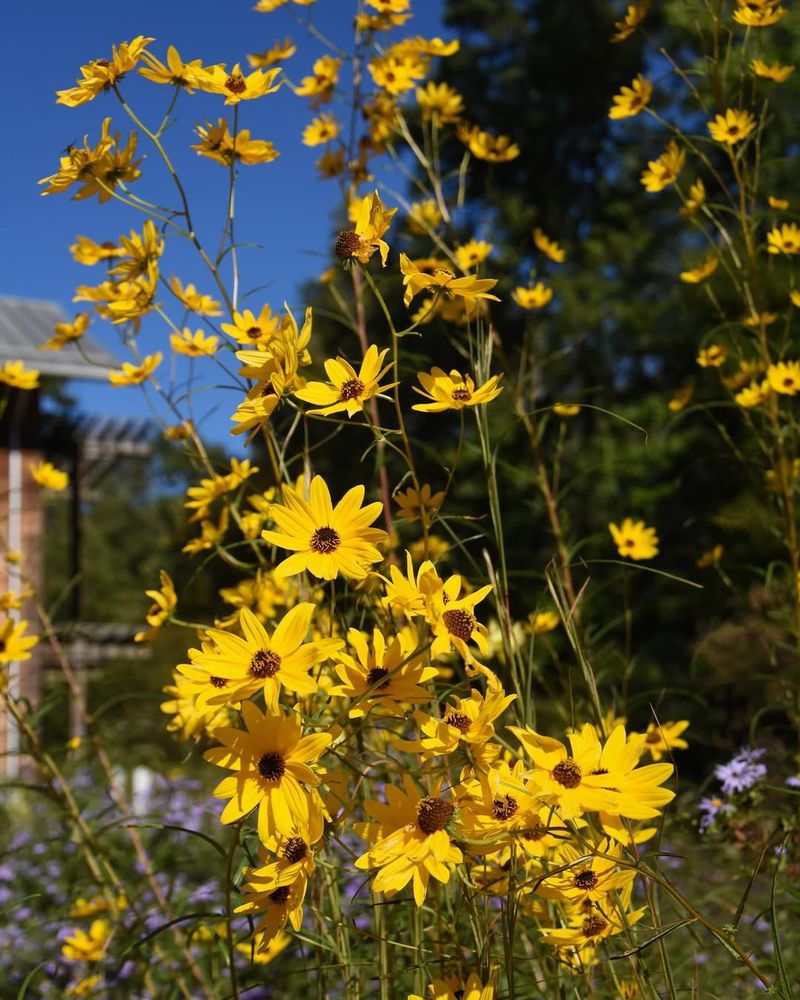
Few plants bring the kind of late-season drama that the Swamp Sunflower delivers in a North Carolina yard.
Standing anywhere from five to eight feet tall, this native powerhouse explodes into hundreds of cheerful yellow blooms right when most other flowers are winding down.
It is a genuine showstopper in the fall garden, and clay soil does not slow it down one bit.
What makes this plant so remarkable is how naturally it adapts to the Piedmont’s dense, moisture-retaining soils. Unlike black-eyed Susans, which can struggle in wet clay, the Swamp Sunflower actually prefers those heavier, damper conditions.
Once established, it spreads steadily to form impressive colonies that fill large spaces with very little effort from you.
Pollinators go absolutely wild for its blooms, with bees and butterflies swarming the flowers from September through November. Native birds, especially goldfinches, feast on the seeds after blooming finishes.
Your North Carolina Garden Changes Every Week. Your Plan Should Too.
Gardening in North Carolina changes quickly throughout the season. Every Friday you’ll receive a simple weekly plan showing exactly what to plant, prune, fertilize, harvest, and protect so you never miss the right timing.
Planting it along a fence line, a rain garden edge, or a low-lying clay bed in your North Carolina landscape gives it the perfect setting to shine.
It needs full sun to perform its best, and you should plan for its enthusiastic spreading habit by giving it plenty of room to grow comfortably.
3. Joe Pye Weed (Eutrochium fistulosum)
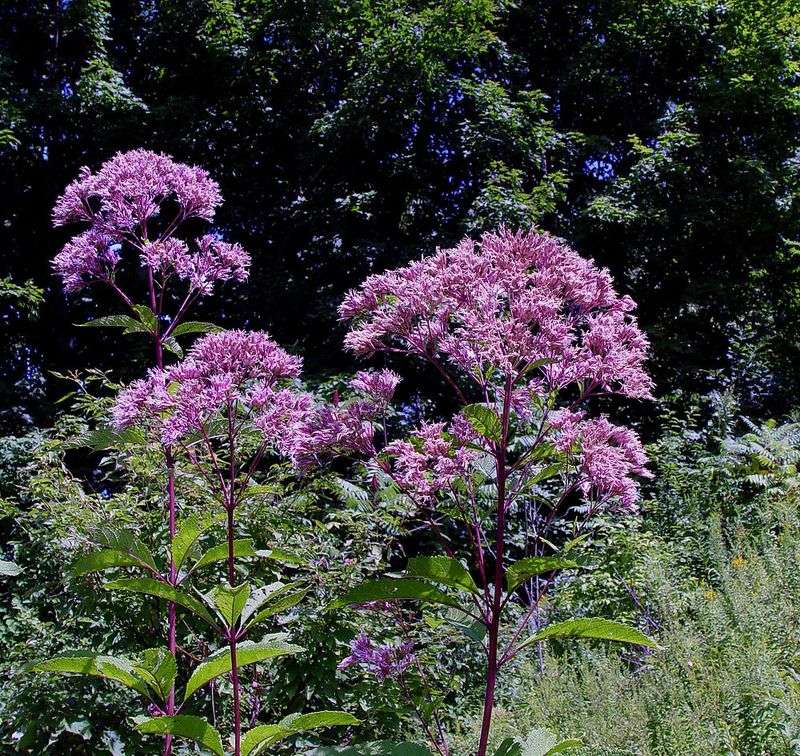
Standing up to ten feet tall with massive rosy-purple flower clusters, Joe Pye Weed is one of those plants that makes visitors stop and stare.
It has a bold, commanding presence in any garden space, and North Carolina’s humid summers and clay-heavy soils suit it perfectly.
This is a plant that was practically made for the conditions that frustrate so many other wildflowers.
Joe Pye Weed naturally grows in moist meadows, low areas, and stream margins across the Southeast, so heavy Piedmont clay feels right at home to it.
Its deep, fibrous root system breaks through compacted soil with ease, improving drainage over time while anchoring the plant firmly through summer storms.
That root strength is a big reason it outperforms shallower-rooted plants in dense clay conditions.
Butterflies love it more than almost any other native plant available to North Carolina gardeners. Tiger swallowtails and monarchs are frequent visitors, making it an outstanding choice for pollinator-focused garden designs.
It blooms from mid-summer into early fall, providing a long window of wildlife value. Plant it toward the back of a border or along a fence where its impressive height becomes an asset rather than a problem.
Pair it with Cardinal Flower or Blue Mistflower for a stunning, wildlife-friendly native planting that handles clay with zero complaints.
4. Cardinal Flower (Lobelia cardinalis)
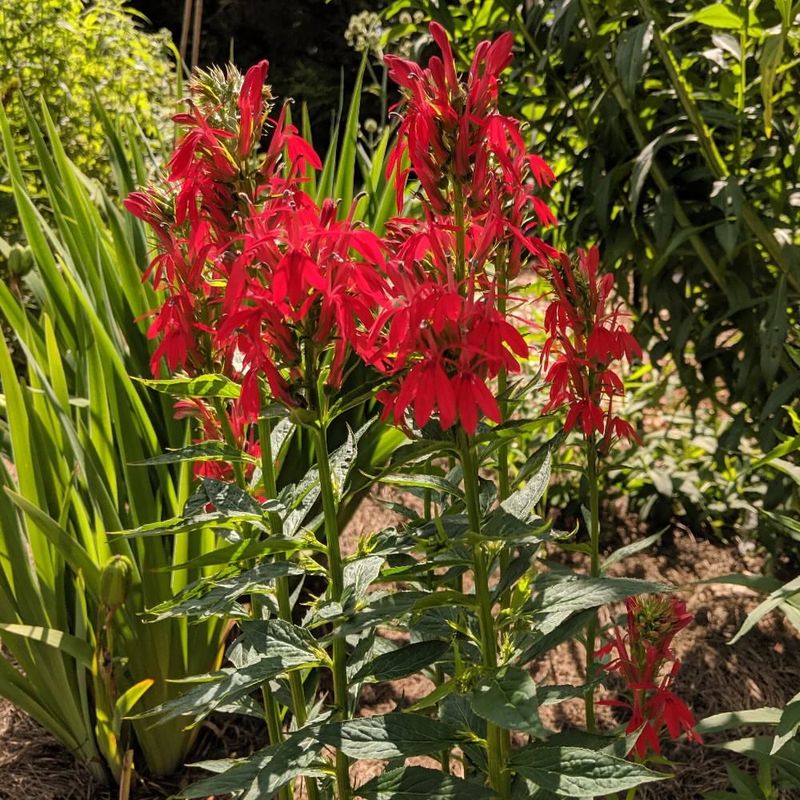
Bright, electric red is not a color that shows up naturally in many gardens, which is exactly what makes Cardinal Flower so exciting.
Its tall spikes of vivid scarlet blooms are almost impossible to ignore, and hummingbirds treat them like a favorite restaurant, returning again and again throughout the summer.
For North Carolina gardeners dealing with wet, heavy clay, this native wildflower is a genuine gift.
Cardinal Flower grows naturally along stream banks, pond edges, and low-lying meadows across North Carolina, which tells you everything about its soil preferences. It does not just tolerate moist clay, it actively thrives in it.
Rain gardens, areas near downspouts, and low spots in the yard that stay wet after heavy summer storms are all ideal planting sites for this brilliant native perennial.
One thing worth knowing is that Cardinal Flower is a short-lived perennial, typically lasting two to three years before it needs to be replaced. The good news is that it self-seeds reliably in moist soil, so new plants pop up naturally to take over from older ones.
Planting it in groups of three or more creates a much bigger visual impact and ensures a steady supply of seedlings.
Full sun to part shade works well, and pairing it with Joe Pye Weed or Turtlehead creates a stunning, hummingbird-friendly planting combination perfectly suited to North Carolina’s challenging clay landscape.
5. Golden Ragwort (Packera aurea)
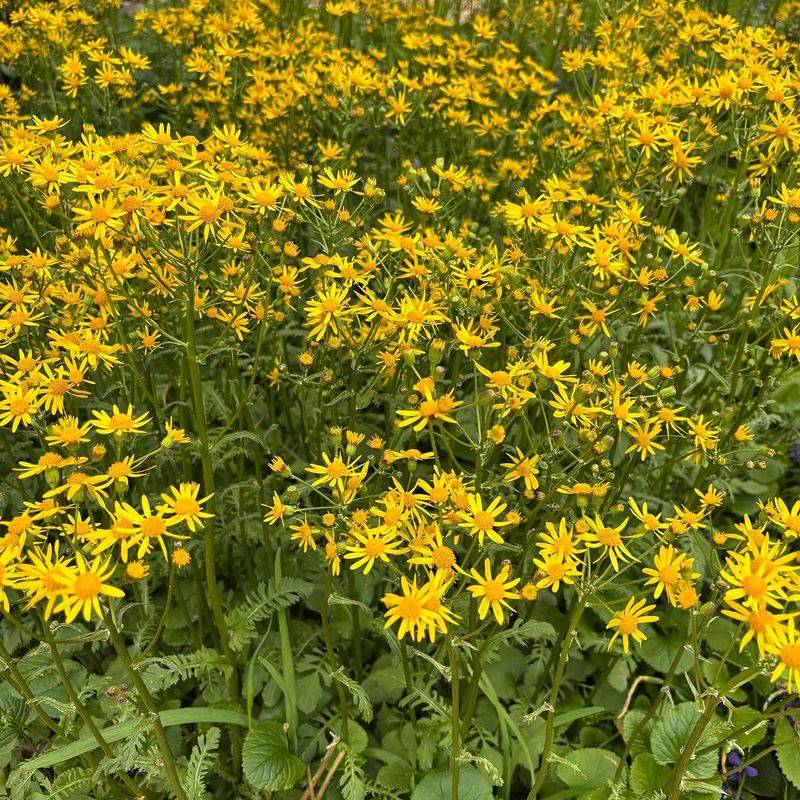
Golden Ragwort might just be the most underrated native wildflower in all of North Carolina.
While it does not have the name recognition of some flashier plants, it quietly does something remarkable: it carpets the ground with cheerful golden-yellow blooms in early spring when almost nothing else is flowering yet.
That early color is a lifeline for native bees emerging after winter.
What really sets Golden Ragwort apart is its ability to thrive in shaded clay sites that most other wildflowers simply cannot handle.
It spreads steadily through both seeds and underground stolons, forming a dense, semi-evergreen ground cover that suppresses weeds and holds soil beautifully on slopes and shaded areas.
North Carolina woodland gardens with heavy clay are exactly where this plant performs at its absolute best.
The heart-shaped basal leaves stay green through most of the winter in the Piedmont and Coastal Plain regions, adding year-round structure to garden beds that might otherwise look bare.
It grows well under deciduous trees, where it catches spring sunlight before the canopy fills in and then rests comfortably in summer shade.
Pairing it with native ferns, wild ginger, or Turtlehead creates a layered, low-maintenance understory planting.
For anyone frustrated by bare, weedy clay patches under trees, Golden Ragwort is one of the most practical and rewarding solutions a North Carolina gardener can plant.
6. New York Ironweed (Vernonia noveboracensis)
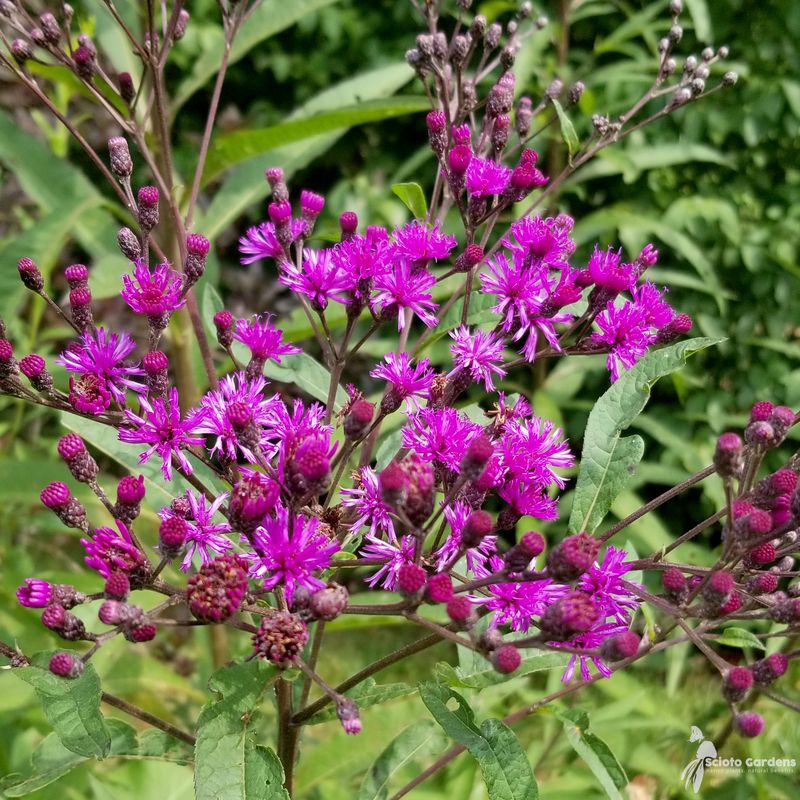
Purple does not get more intense than the blooms on New York Ironweed. This tall, upright native perennial produces clusters of the most vivid, saturated magenta-purple flowers you will find on any plant in a North Carolina garden.
It is bold, it is dramatic, and it absolutely loves the heavy clay soils of the Piedmont and coastal regions.
New York Ironweed naturally grows in moist meadows, roadsides, and stream margins, so it is perfectly suited to the wet clay conditions that challenge so many other garden plants.
Its strong, deep root system anchors it firmly even in waterlogged soil, and it handles North Carolina’s hot, humid summers without skipping a beat. This is a plant that genuinely earns its place in a tough spot.
Pollinators are enormously attracted to its late-summer blooms, which appear from August through October. Bumblebees, monarch butterflies, and swallowtails are among the most frequent visitors, making it an outstanding choice for wildlife-focused plantings.
It grows four to six feet tall, so placing it toward the back of a border or in a naturalized meadow area gives it room to show off without crowding shorter plants.
Cutting the stems back by half in early June, a technique sometimes called the Chelsea Chop, keeps the plant more compact and bushy.
North Carolina gardeners looking for a reliable, pollinator-friendly native that handles clay with confidence will not be disappointed by this one.
7. Obedient Plant (Physostegia virginiana)
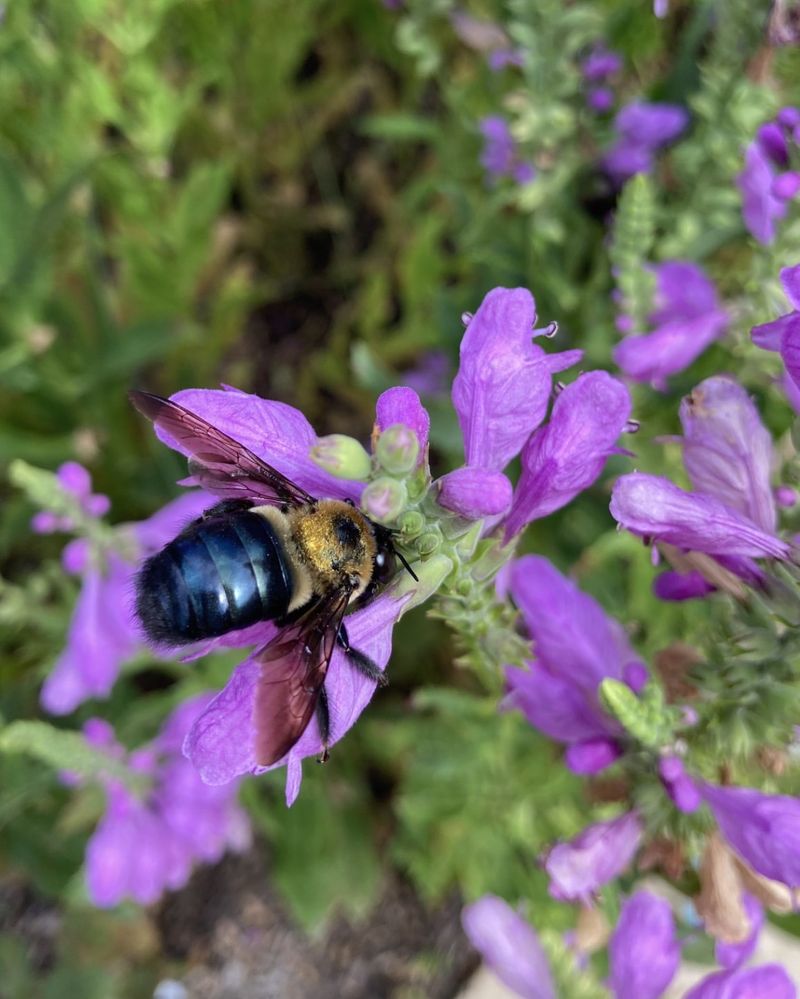
The name Obedient Plant comes from a fun quirk: if you push one of its individual flowers to the side, it stays exactly where you put it, like a tiny botanical puppet.
That playful characteristic aside, this native wildflower is seriously tough, spreading enthusiastically through moist clay soils and producing showy spikes of pink to lavender blooms from late summer into fall.
North Carolina gardeners dealing with heavy, wet clay in full sun spots will find Obedient Plant to be one of the most willing and vigorous performers available.
It spreads through underground rhizomes, filling in difficult areas quickly and forming dense colonies that crowd out weeds naturally.
That spreading habit can be aggressive in ideal conditions, so planting it where it has room to roam or using a root barrier keeps it manageable.
Hummingbirds and bumblebees are particularly fond of its tubular pink flowers, which makes it a strong wildlife garden addition through the later weeks of summer.
The blooms appear from August into October, providing valuable late-season nectar right when many other plants are finishing up.
It grows two to four feet tall and pairs beautifully with Joe Pye Weed, Blue Mistflower, or New York Ironweed in a naturalized clay border.
For low spots, rain garden edges, or wet clay patches that are difficult to plant with anything else, Obedient Plant is a straightforward, rewarding, and genuinely beautiful solution for North Carolina landscapes.
8. Southern Blue Flag Iris (Iris virginica)
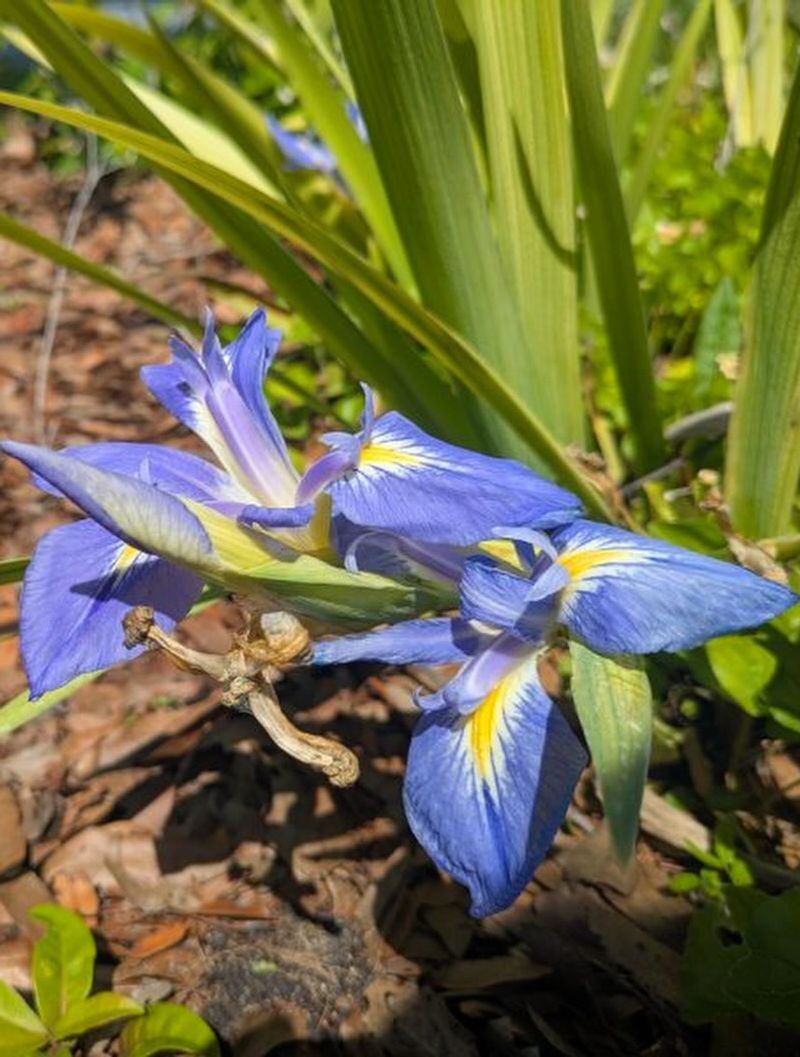
Elegant, graceful, and surprisingly tough, the Southern Blue Flag Iris is one of North Carolina’s most beautiful native plants.
Its soft blue-violet blooms with intricate yellow and white markings look like something from a fine art painting, yet this iris grows naturally in swamps, marshes, and pond edges across the state. Heavy, wet clay soil is essentially its natural habitat.
Most irises prefer well-drained soil, which is exactly why the Southern Blue Flag stands out so strongly. It is specifically adapted to poorly drained, waterlogged clay conditions that would cause most garden plants serious problems.
Low spots in the yard, rain garden basins, areas near drainage ditches, and pond margins are all perfect planting locations for this stunning native wildflower right here in North Carolina.
It blooms in May and June, producing a gorgeous flush of color right as spring is transitioning into summer. The sword-like foliage stays attractive and upright through the growing season, providing structural interest even after the flowers fade.
Pollinators, particularly native bumblebees, are important visitors to the blooms. Planting it in groups of five or more creates a much stronger visual effect and mirrors how it grows naturally in the wild.
Pairing it with Cardinal Flower, which blooms later in summer, creates a seasonal sequence of color in wet clay areas that keeps the garden looking interesting from late spring all the way through early fall. It is a truly rewarding native choice.
9. Turtlehead (Chelone glabra)
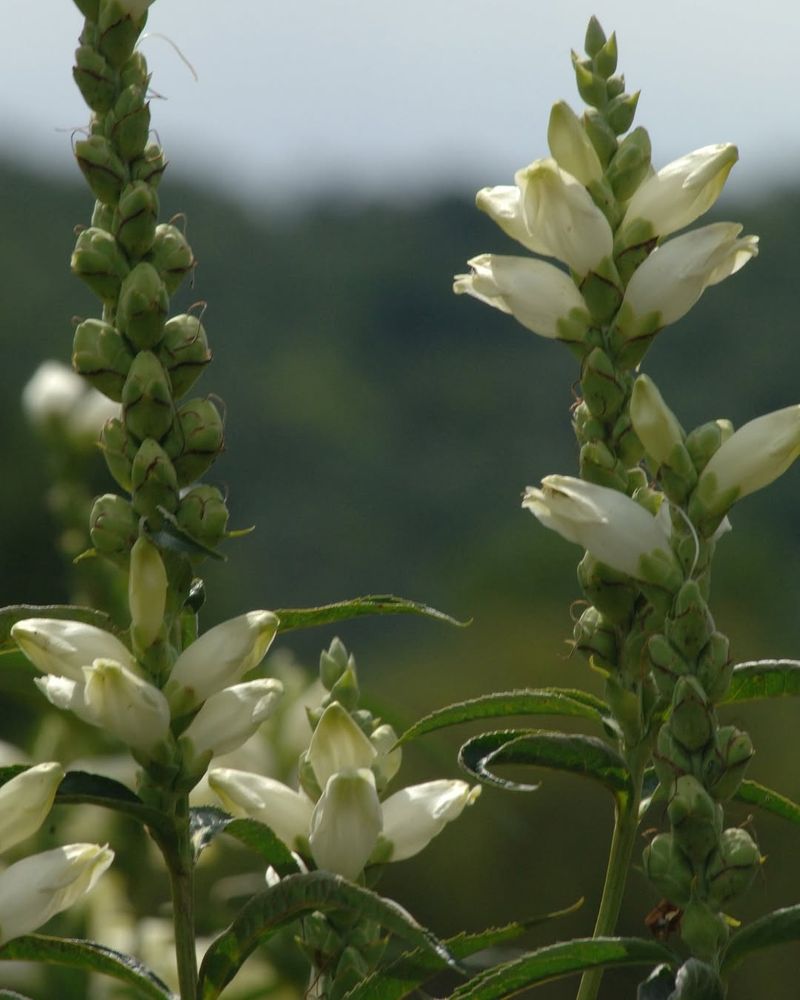
Turtlehead gets its charming name from the shape of its blooms, which really do look remarkably like the head of a turtle poking out of its shell.
Beyond that fun detail, this native perennial is a serious performer in the moist clay conditions found throughout much of North Carolina.
It is one of the most reliable choices for shaded or partially shaded wet spots where other wildflowers struggle to establish.
Growing naturally along stream banks and in moist woodlands across the eastern and central parts of North Carolina, Turtlehead has deep roots in the region’s native plant communities.
It handles dense, heavy clay soil and high summer humidity without any complaints, producing its distinctive white to pale pink blooms from August through October.
That late-season timing makes it especially valuable when the garden needs a fresh burst of interest.
Baltimore checkerspot butterflies have a special relationship with Turtlehead, using it as their primary host plant for laying eggs. Supporting that butterfly alone makes it worth planting in any North Carolina wildlife garden.
It grows two to three feet tall and spreads slowly into tidy clumps that rarely need dividing. Pairing it with Golden Ragwort for spring color and Blue Mistflower for fall color creates a beautiful three-season planting in a moist, shaded clay bed.
Full to part shade works best, and consistent moisture is the main thing it needs to truly flourish and look its absolute best season after season.
10. Wild Blue Indigo (Baptisia australis)
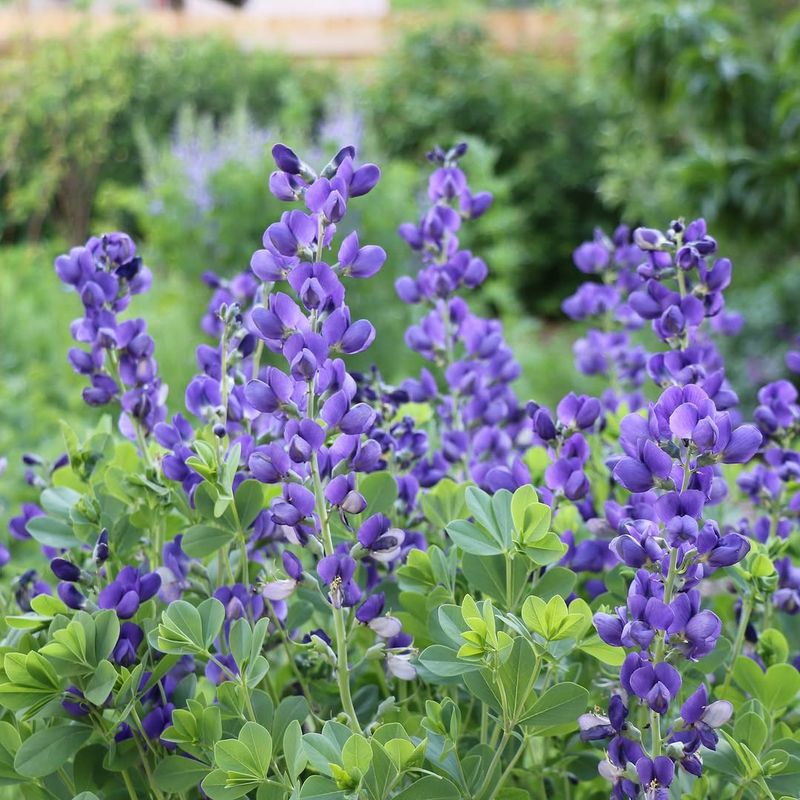
Wild Blue Indigo is the kind of plant that gardeners fall in love with and never stop talking about. Its tall, upright spikes of deep blue-purple flowers appear in late spring, creating one of the most striking displays of any native plant in North Carolina.
But the real secret to its appeal is how incredibly tough and self-sufficient it becomes once it settles into the ground.
Unlike many wildflowers that struggle in heavy clay, Wild Blue Indigo actually develops a deep, woody taproot that drives straight through compacted soil over time.
That powerful root system makes it exceptionally drought-tolerant once established, but it also allows it to access moisture stored deep in clay profiles during dry spells.
North Carolina’s clay-heavy Piedmont soils are well within its comfort zone, especially in full sun locations.
The blue-green foliage looks attractive all season long, and the inflated black seed pods that form after blooming add interesting texture through fall and winter.
Native bumblebees are among its most devoted pollinators, and several native butterfly species use it as a host plant.
One important thing to know is that Wild Blue Indigo is slow to establish, sometimes taking two to three years before it blooms well. Patience pays off enormously with this plant.
Once it is settled, it can live for decades and actually improves with age, becoming a stunning, long-lived centerpiece of any North Carolina native garden planting.