These 10 Native Oregon Plants Bring Bees Back To Your Yard
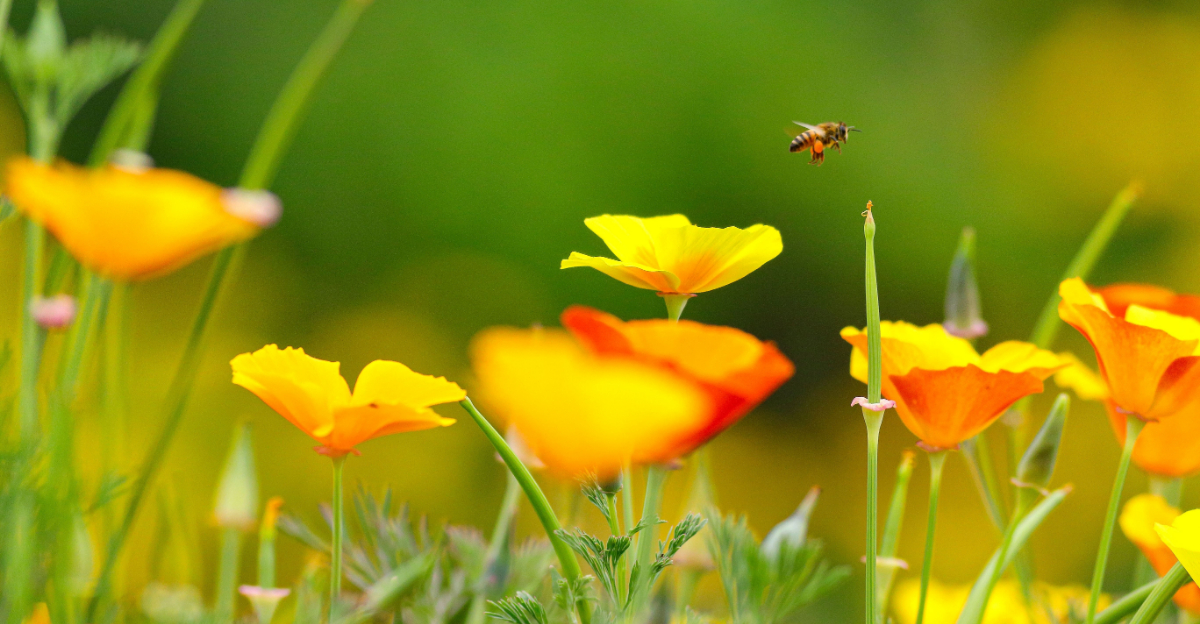
Some mornings in Oregon, the garden feels quieter than it should. The humming of bees is missing, and suddenly that old flower bed feels a little empty.
If you’ve noticed fewer visitors buzzing around your blooms, you’re not alone – our local pollinators need a little extra help getting back on track.
Planting the right native species helps support local pollinators. These plants are adapted to Oregon’s climate and can provide pollen and nectar during key parts of the season.
Even a small corner of your yard can become a favorite stop for these hardworking pollinators.
Get ready to see your garden come alive with movement and color. Once you know which natives draw them in, your yard could become the go-to spot for bees this spring.
1. Vine Maple Buzzing With Morning Visitors
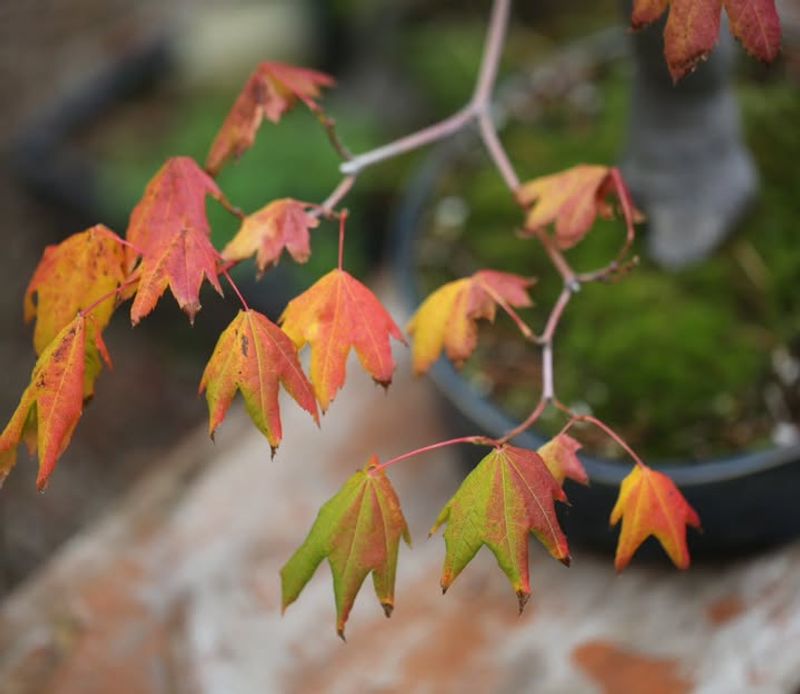
Few plants capture the spirit of an Oregon woodland garden quite like the Vine Maple. Known scientifically as Acer circinatum, this native shrub or small tree grows naturally throughout the Pacific Northwest, thriving in forest edges, stream banks, and shaded garden spots.
Its small but charming reddish-white flowers bloom in early spring, offering one of the first nectar sources of the season for hungry native bees.
What makes Vine Maple so special for pollinators is its timing. It flowers right when bees are first emerging from their winter rest, giving them an early and reliable food source before other plants have woken up.
Bumblebees and mason bees are especially drawn to its blooms, which appear in clusters among the freshly leafing branches.
Beyond its pollinator value, Vine Maple is a genuinely beautiful addition to any Oregon yard. Its leaves turn brilliant shades of orange, red, and gold in the fall, giving you a full season of visual interest.
It grows well in partial shade, making it perfect for spots under taller trees where other plants struggle. Plant it near a water source if possible, since it naturally grows near streams.
Once established, it needs very little care and will reward you with years of bee activity and seasonal color.
2. Blue Giant Hyssop Waving In The Breeze
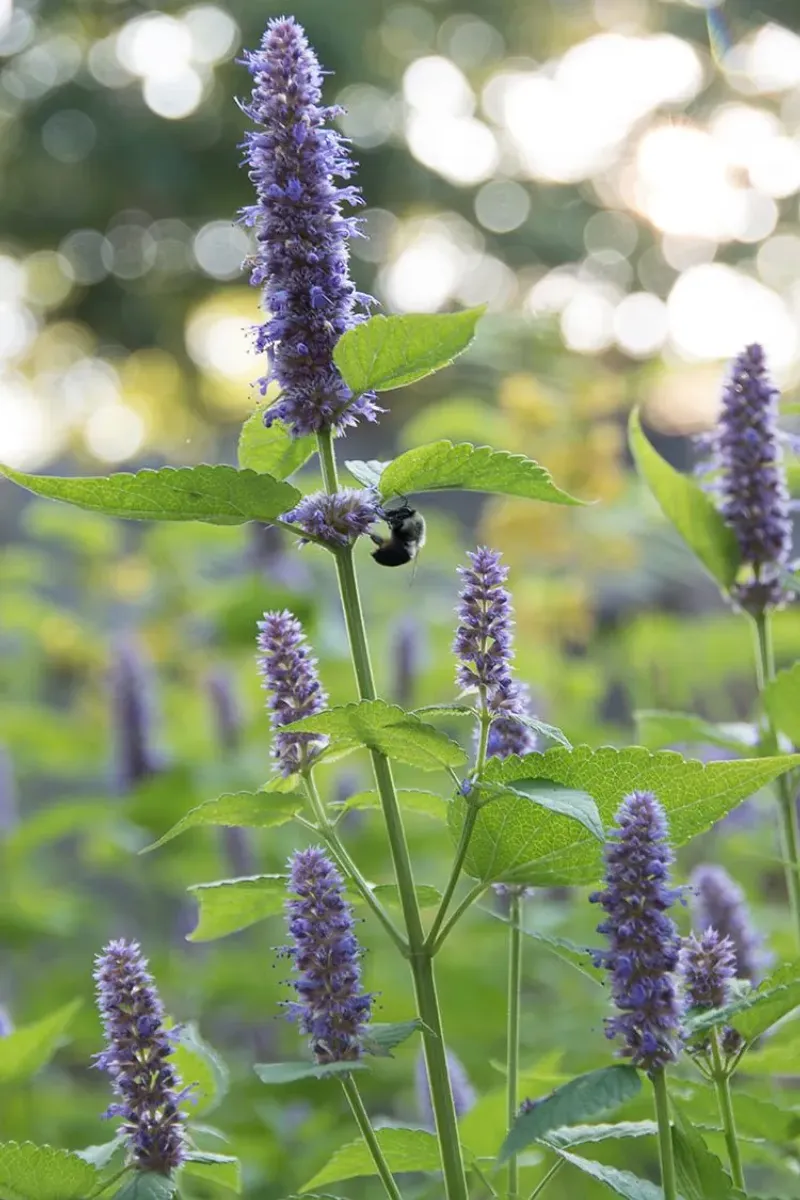
If you have ever wanted a plant that basically operates as a bee magnet from midsummer all the way into fall, Blue Giant Hyssop is your answer. Agastache foeniculum produces tall, densely packed spikes of tubular blue-purple flowers that bloom for weeks on end, giving native bees a long-lasting food source during a time of year when many other plants have already finished flowering.
The scent of Blue Giant Hyssop is part of its charm. The leaves carry a pleasant anise-like fragrance that drifts through the garden on warm afternoons.
Blue Giant Hyssop attracts bumblebees, sweat bees, and occasionally hummingbirds, though pollinator activity can vary depending on local conditions and season. It is one of those plants that makes the garden feel alive in the best possible way.
Blue Giant Hyssop grows well throughout Oregon, handling both the wet west side and the drier conditions east of the Cascades with equal ease. Plant it in full sun to light shade in average to well-drained soil.
It reaches about two to four feet tall, making it a solid mid-border plant. Once it is established, it spreads gently by seed, filling in over time to create a larger pollinator patch.
Cut the spent flower spikes back in late fall or leave them standing for birds to enjoy through winter.
3. Tall Oregon Grape Calling All Pollinators
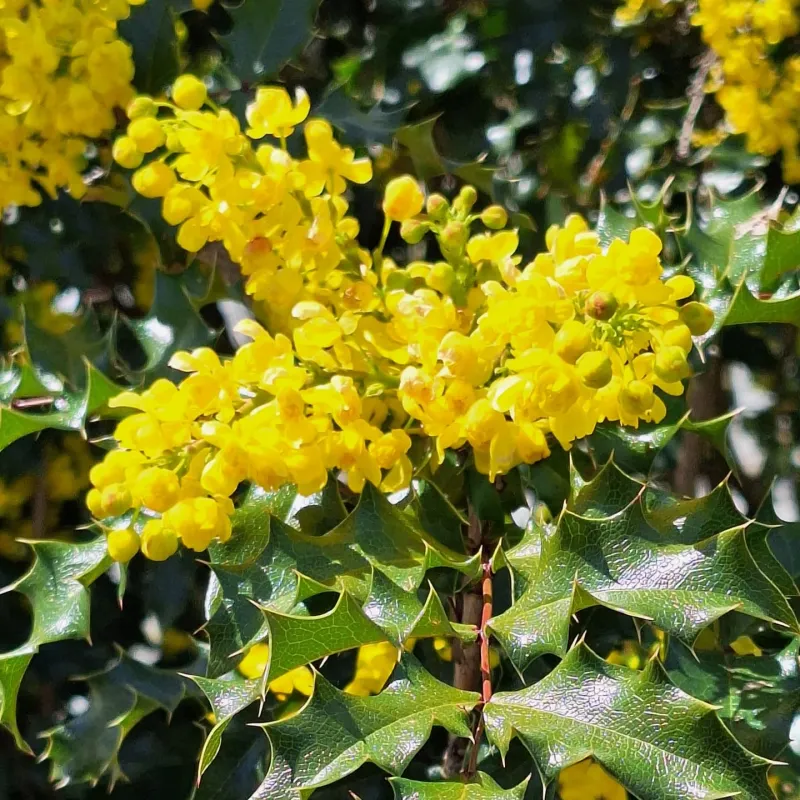
Oregon’s official state flower offers vibrant flowers and fruit that support pollinators and wildlife. Tall Oregon Grape, or Berberis aquifolium, is a tough evergreen shrub that bursts into bloom with large, eye-catching clusters of golden-yellow flowers in early spring.
Those blooms are like a welcome buffet for native bees that are just starting to venture out after winter.
One fun fact most people do not know: Tall Oregon Grape is not actually a grape at all. It belongs to the barberry family, and its dark blue berries, which appear after the flowers fade, are tart but edible and also beloved by birds.
So by planting it, you are feeding both bees and local wildlife at the same time.
For Oregon gardeners, this plant is a dream because it handles tough conditions really well. It tolerates dry summers, poor soil, and even heavy shade, making it one of the most adaptable native shrubs you can put in your yard.
It grows to about three to six feet tall and looks great as a hedge or backdrop plant. Native bumblebees and small sweat bees absolutely love its flowers.
If you want a low-maintenance plant that works hard for pollinators all season long, Tall Oregon Grape is a top choice for any Pacific Northwest garden.
4. Camas Dancing In The Sunlight
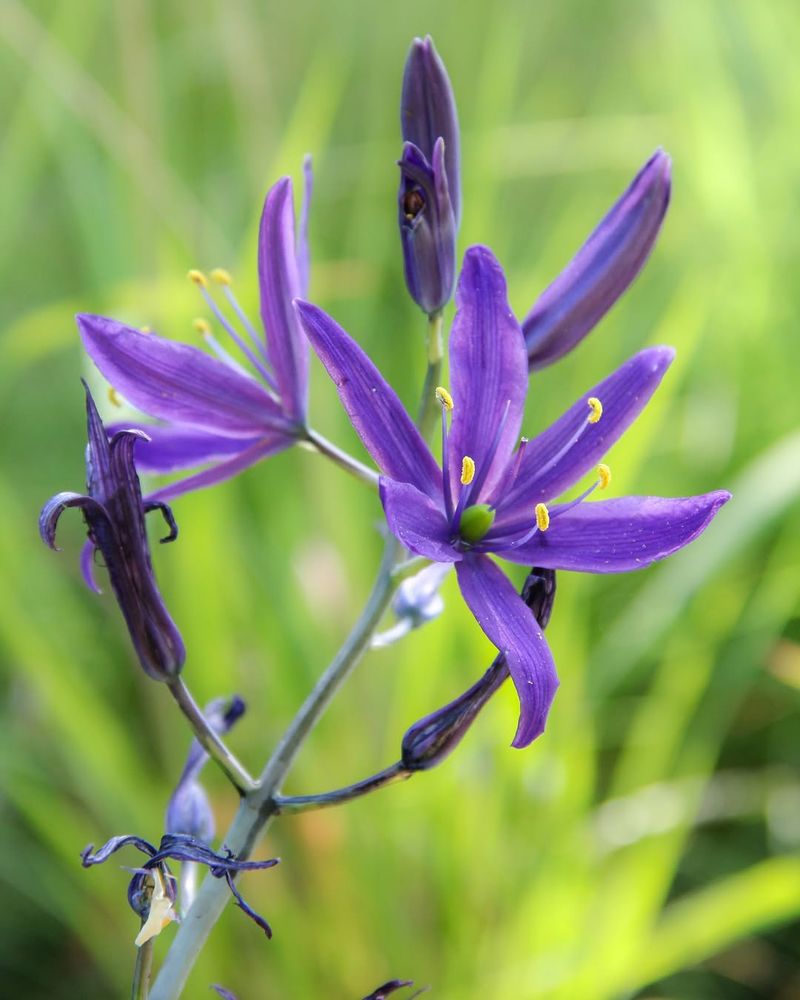
Picture a field of brilliant blue-purple flowers swaying in a late spring breeze, and you have got a pretty good idea of what a camas meadow looks like. Camassia species are native bulb plants with a deep history in Oregon, where Indigenous communities relied on them as an important food source for thousands of years.
Today, they are celebrated just as much for their ability to pull native bees into the garden in huge numbers.
Camas blooms in late spring, right when many bee species are at peak activity. The tall flower stalks, which can reach two feet or more, produce abundant nectar that attracts everything from bumblebees to tiny native sweat bees.
Planting camas in groups creates a visual wow factor while giving pollinators a dense foraging patch they will return to year after year.
Growing camas in your Oregon yard is straightforward. Plant the bulbs in fall in a spot that gets full sun to partial shade and has decent moisture in spring.
It actually does well in areas that stay wet during the rainy season, like low spots in the yard where other plants might struggle. Once established, camas spreads slowly on its own, gradually filling in to create a naturalized meadow look.
It is a plant that connects your garden to Oregon’s deep ecological and cultural roots while doing something genuinely valuable for local pollinators.
5. Tickseed Sprinkling Sunshine Everywhere
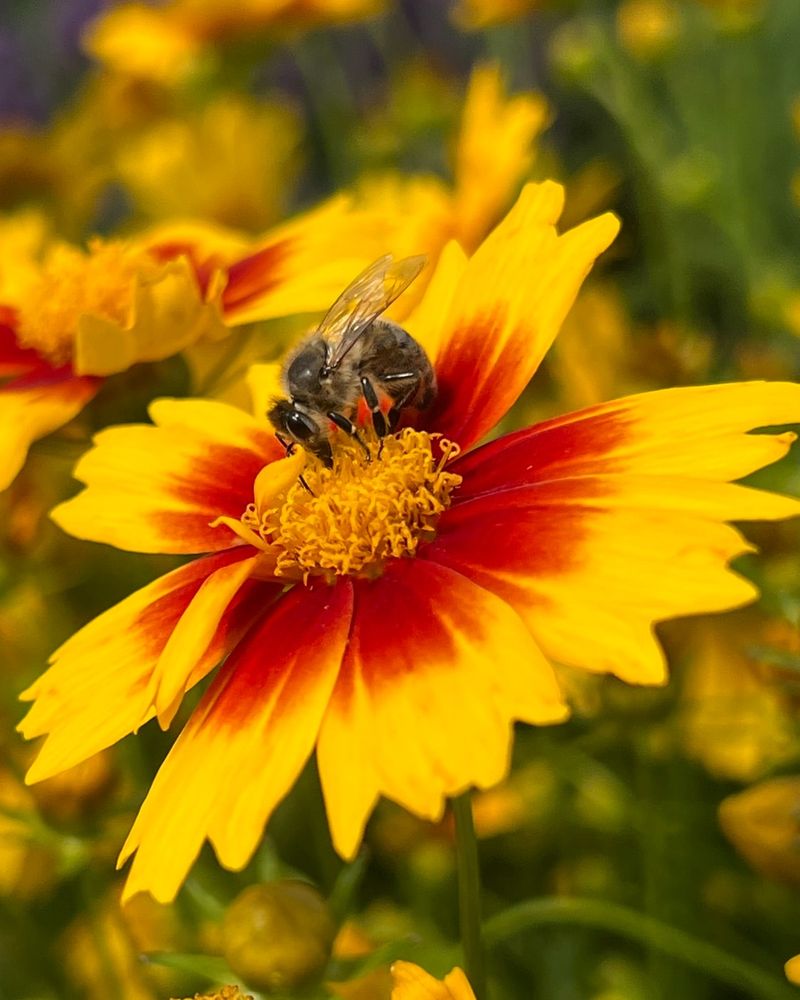
Sunny, cheerful, and almost impossible to ignore, Tickseed brings a burst of golden color to Oregon gardens that lasts from early summer well into fall. Coreopsis, as it is also known, produces bright yellow daisy-like flowers that seem to glow in the sunlight.
Native bees find these blooms absolutely irresistible, and on a warm afternoon you can often spot multiple bee species working the same patch of plants at the same time.
Tickseed is one of those plants that rewards you no matter how much or how little gardening experience you have. It grows quickly, blooms heavily, and tolerates a wide range of soil conditions.
Deadheading the spent flowers, meaning pinching off the old blooms, encourages even more flowers to form, which keeps the bee activity going longer throughout the season. It is a simple trick that makes a big difference.
In Oregon gardens, Tickseed works beautifully as a border plant, in raised beds, or mixed into a pollinator meadow planting. It pairs well with native grasses and other wildflowers, creating a layered, natural look that bees love to explore.
Plant it in a sunny spot with decent drainage and it will come back reliably year after year. If you want a plant that practically manages itself while turning your yard into a busy bee destination, Tickseed deserves a spot at the front of your planting list.
6. Western Serviceberry Sweetening The Scene
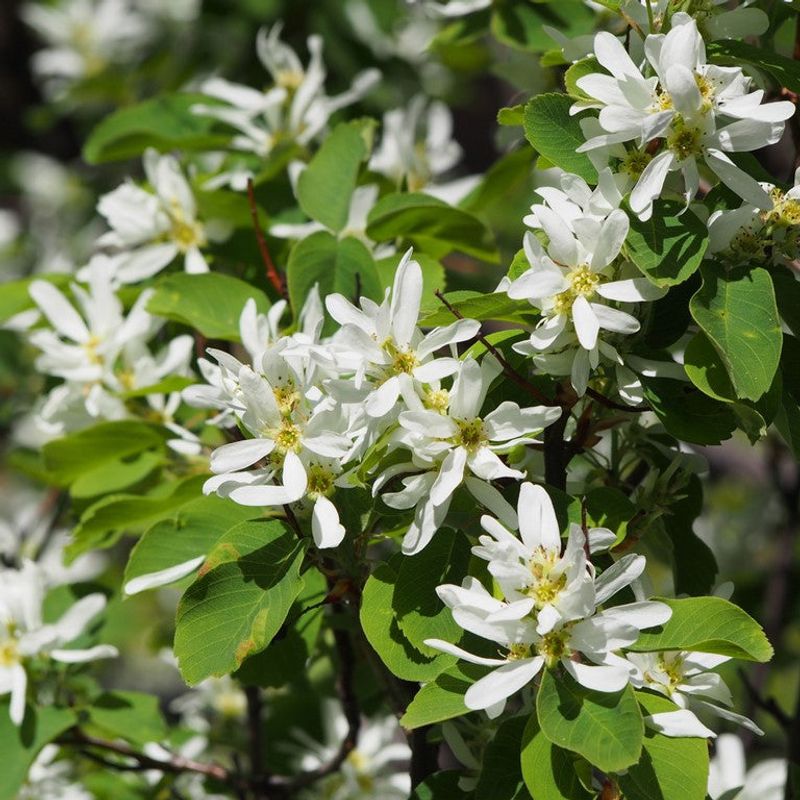
Early spring in Oregon can still feel chilly, but Western Serviceberry does not wait around for perfect weather. Amelanchier alnifolia pushes out its clusters of delicate, star-shaped white flowers almost as soon as the cold starts to ease, making it one of the earliest blooming native shrubs in the Pacific Northwest.
That early timing is a lifesaver for native bees that need food before most other plants have even leafed out.
Beyond the spring flowers, Western Serviceberry offers a bonus round in summer when it produces small maroon-purple berries that taste a bit like blueberries. Birds and wildlife go wild for them, but if you get there first, they are perfectly good for making jam or eating fresh off the branch.
So you are getting a pollinator magnet and a fruit-producing plant all in one.
In terms of garden use, Western Serviceberry is incredibly versatile. It can grow as a multi-stemmed shrub or be trained into a small tree, reaching anywhere from six to fifteen feet depending on how you manage it.
It thrives in Oregon’s varied climates, from the wet west side to drier eastern conditions. Plant it in full sun for the best flowering and fruit production.
Mason bees and bumblebees are especially drawn to it in spring, making it a cornerstone plant for anyone serious about supporting Oregon’s native bee populations.
7. California Lilac Blooming With Bee Friends
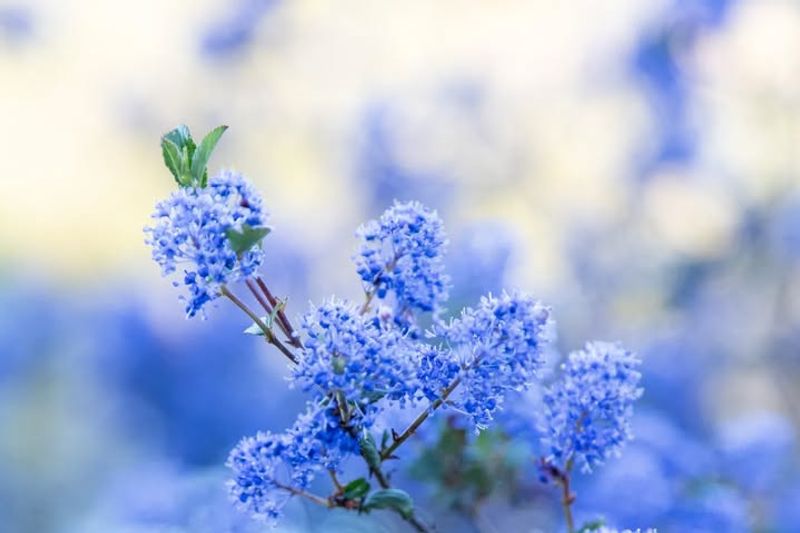
Walk past a California Lilac in full bloom and you will likely hear it before you see it. The buzzing of bees working through those dense clusters of blue flowers is almost constant when Ceanothus is at its peak in late spring.
Native to the western United States, California Lilac can attract pollinators in the Pacific Northwest, though local bee activity may vary depending on region and conditions.
What sets California Lilac apart from other bee-friendly plants is the sheer volume of flowers it produces. The entire shrub can be so covered in blooms that you can barely see the leaves underneath.
That abundance of nectar and pollen makes it an absolute hotspot for bumblebees, sweat bees, and even honeybees. Some gardeners describe standing near a blooming Ceanothus as being surrounded by a living, buzzing cloud.
Once established in your Oregon yard, California Lilac is remarkably low-maintenance. It handles dry summers with ease, preferring well-drained soil and full sun.
Avoid overwatering once it is settled in, because too much moisture can actually harm the roots. It grows anywhere from three to ten feet tall depending on the variety, so there is a size that works for almost any yard.
Pair it with native grasses or other low-water plants for a garden that looks great, supports pollinators, and barely needs watering once summer arrives.
8. Globe Gilia Rolling Out The Red Carpet For Bees
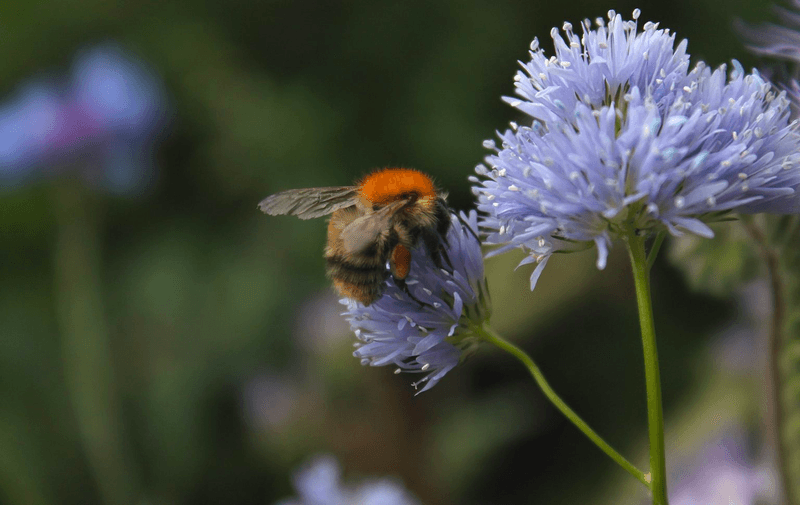
Globe Gilia is the kind of wildflower that looks like it belongs in a dream. Its small, perfectly rounded clusters of lavender-blue flowers sit atop slender stems, nodding gently in the breeze and catching the eye of every passing bee.
Native to western North America, including dry slopes and open meadows in Oregon, Globe Gilia is a natural fit for Pacific Northwest gardens that get plenty of sun and not a lot of summer rain.
What makes Globe Gilia especially interesting is how eagerly small native bees seek it out. Sweat bees, mining bees, and even tiny metallic green bees are regulars at its blooms.
The flowers are small enough that larger bees sometimes overlook them, making Globe Gilia a particularly important resource for the smaller bee species that often get left out of the pollinator conversation.
Growing Globe Gilia from seed is easy and inexpensive. Scatter the seeds in a sunny, well-drained area of your Oregon yard in early spring or even late fall, and they will do most of the work themselves.
It is an annual, meaning it completes its life cycle in one season, but it reseeds freely so it tends to come back on its own each year. Let a few plants go to seed at the end of the season and you will have a self-sustaining patch that keeps giving back to local bees year after year.
9. Lupine Standing Tall For Happy Humming Pollinators
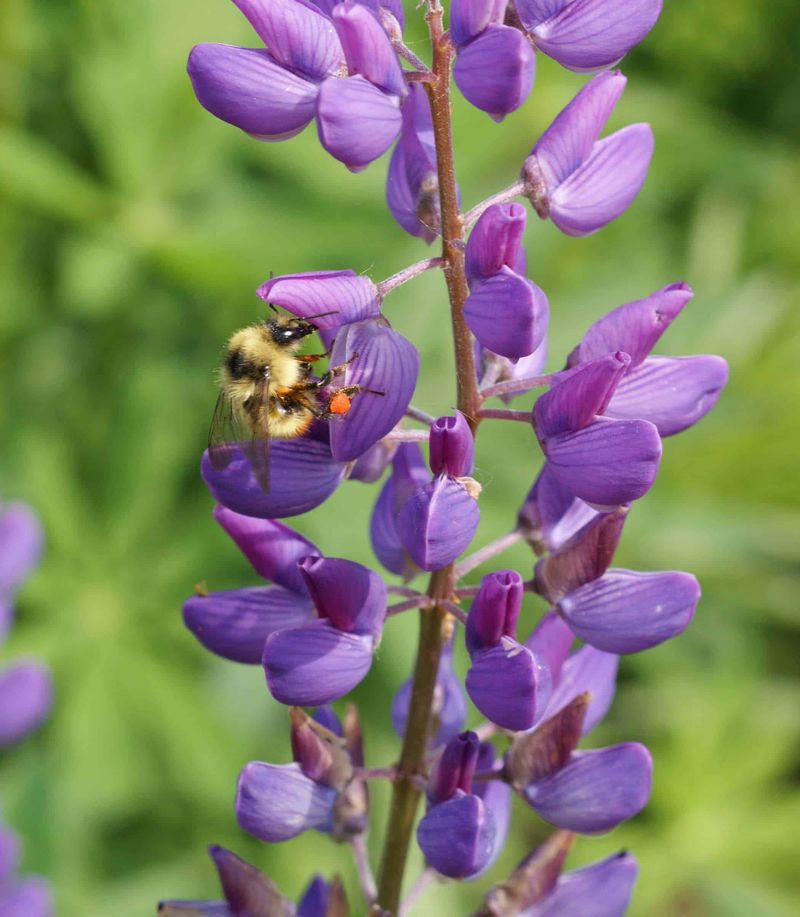
There is something almost theatrical about a patch of Lupine in full bloom. The tall, dramatic flower spikes in shades of purple, blue, pink, and white rise above the feathery foliage like a natural fireworks display.
Lupinus species are native to Oregon and bloom in late spring and early summer, right when bumblebees are at their most active and hungry.
Bumblebees have a special relationship with Lupine. They are one of the few bee species strong enough to push open the flower petals and access the nectar inside, a behavior called buzz pollination.
Watching a big, fuzzy bumblebee work its way up a Lupine spike is one of the most satisfying things you can witness in an Oregon garden. It is a reminder that some plants and their pollinators have evolved together over thousands of years.
Lupine also has a hidden superpower: it fixes nitrogen in the soil. That means it actually improves the ground it grows in, making it a smart companion plant for vegetables and other flowers nearby.
Plant it in full sun with well-drained soil, and avoid overwatering since it is adapted to Oregon’s dry summers. It grows easily from seed and often reseeds on its own.
Whether you plant a single clump or a whole meadow of it, Lupine brings color, structure, and serious bee activity to any Pacific Northwest yard.
10. California Poppy Brightening Every Corner
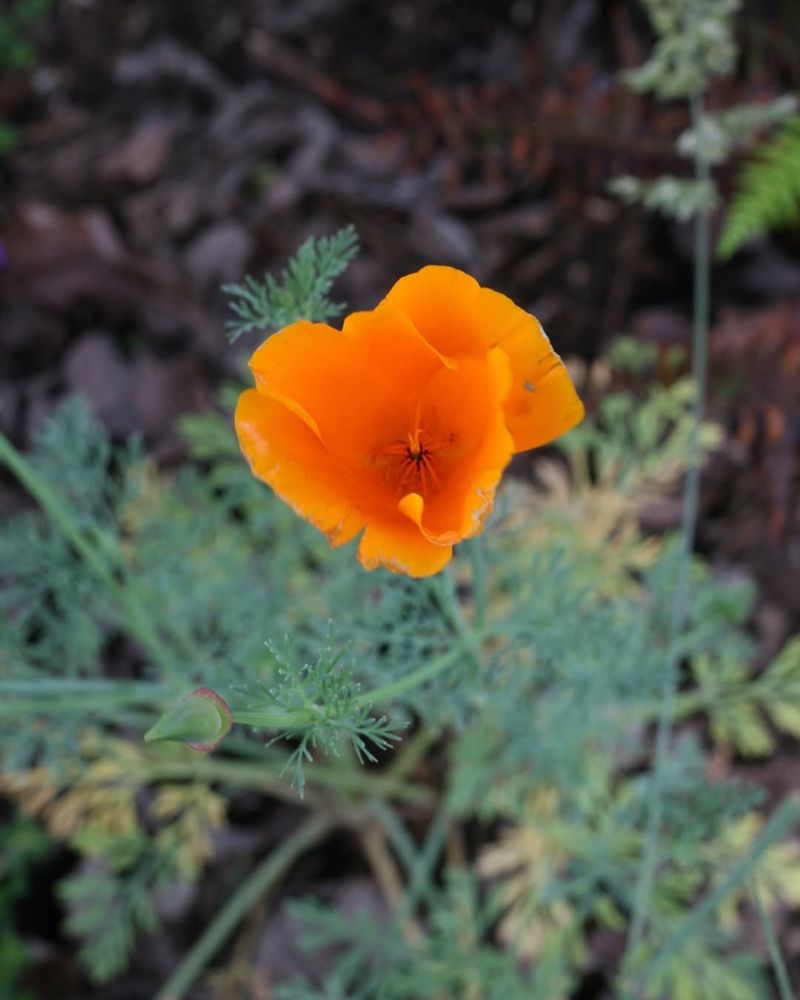
Bright, bold, and unapologetically orange, the California Poppy is one of those wildflowers that stops people in their tracks. Eschscholzia californica grows naturally along the Pacific Coast, including in sunny, open areas of Oregon, and it has been brightening up gardens and roadsides for as long as anyone can remember.
Its silky, cup-shaped flowers open wide in the sunshine, making it easy for native bees to land and collect pollen.
Here is something surprising: California Poppy is actually more valuable for pollen than for nectar. Native bees, especially small mining bees and bumblebees, are drawn to its generous pollen loads, which they collect to feed their young back at the nest.
Watching a bee roll around inside an open poppy flower, coating itself in orange pollen, is one of the most delightful sights an Oregon garden can offer.
California Poppy is one of the easiest wildflowers to grow from seed. Scatter it directly on bare soil in a sunny spot in early spring or fall, and it will sprout and bloom with very little help from you.
It thrives in poor, dry soil, which makes it perfect for those tough spots in your Oregon yard where nothing else seems to want to grow. It reseeds itself freely, so once you plant it, you are likely to have it coming back year after year without any extra effort on your part.