These 7 Native Oregon Shrubs Thrive In Front Yards When Planted In March
A front yard can look a lot more interesting when it features plants that naturally belong in Oregon.
Native shrubs handle the state’s rainy winters and dry summers with far less fuss than many imported landscape plants.
They also attract birds, bees, and butterflies, which adds movement and life right outside your door. Early spring planting gives these shrubs cool soil and steady moisture, the perfect conditions for roots to settle in and start growing strong.
With the right picks, a front yard can deliver flowers, berries, and texture through much of the year while staying surprisingly low maintenance.
1. Red-Flowering Currant
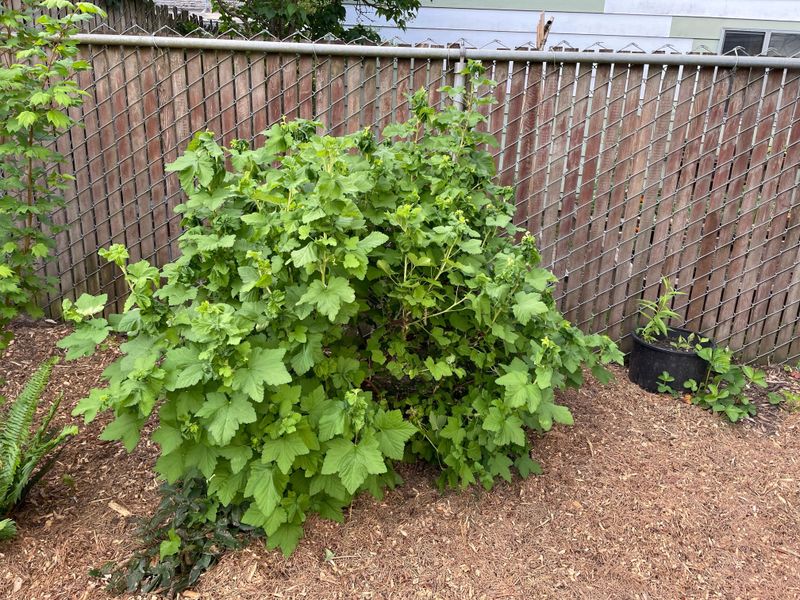
Few sights in an Oregon front yard stop people in their tracks quite like the Red-Flowering Currant bursting into bloom in early spring.
Clusters of deep pink to red flowers appear before the leaves even fully open, making this shrub one of the showiest things you can plant in March.
Hummingbirds and native bees arrive almost immediately, turning your front yard into a little wildlife scene worth watching every morning.
Known scientifically as Ribes sanguineum, this deciduous shrub grows between 6 and 10 feet tall.
It handles full sun and partial shade equally well, which makes it flexible for many different front yard layouts across Oregon.
The lobed, slightly fuzzy leaves add texture even after the blooms fade in late spring.
Planting in March gives the roots time to settle before summer. Water it regularly during the first season, then step back because it becomes quite drought-tolerant once established.
Blue-black berries follow the flowers and give birds another reason to visit. Red-Flowering Currant is low-maintenance, tough, and genuinely beautiful, making it one of the smartest choices any Oregon homeowner can make for their front yard landscape.
2. Oregon Grape
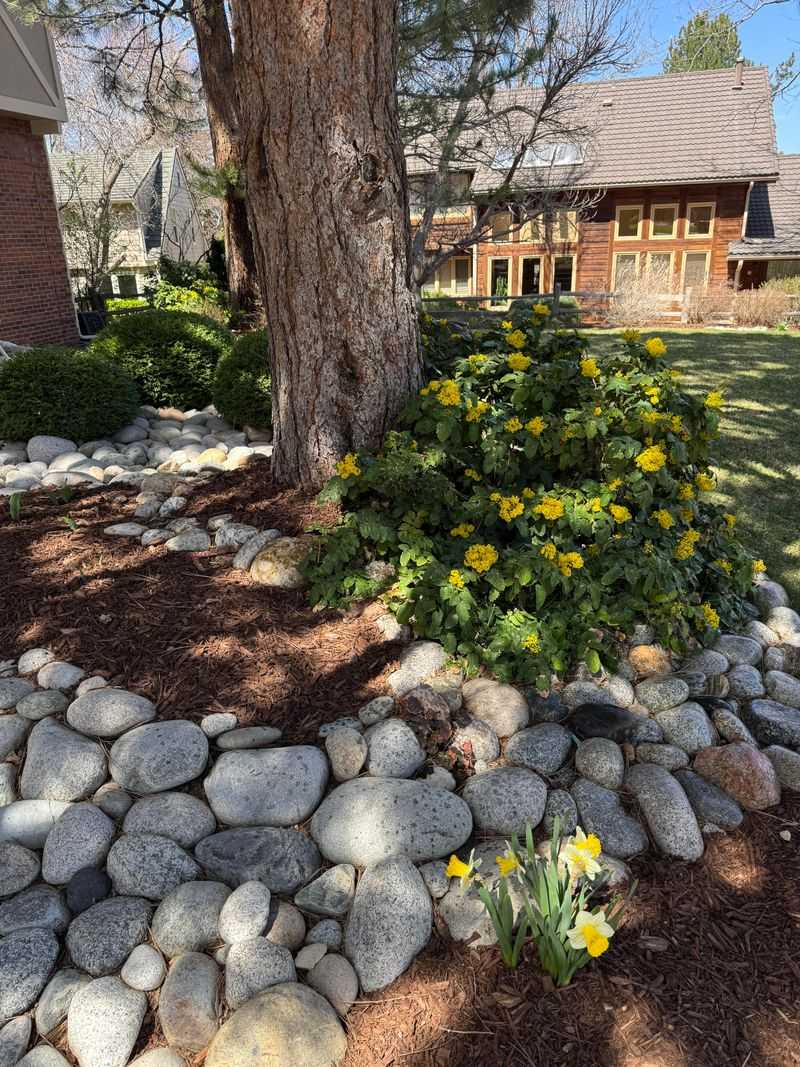
Oregon Grape is the state flower of Oregon, and it earns that honor every single spring. Bright yellow flower clusters push up from spiny, holly-like leaves in early spring, creating a bold and cheerful look in any front yard.
By summer, those flowers become clusters of blue-purple berries that birds absolutely love, so planting this shrub means inviting wildlife to your yard all season long.
Scientifically called Mahonia aquifolium, Oregon Grape is an evergreen shrub that stays attractive year-round. It grows between 3 and 6 feet tall and handles everything from full shade to partial sun, which is a huge advantage for front yards with tricky light conditions.
The glossy, spiny leaves even take on reddish tones in winter, adding unexpected color during the colder months.
March planting works really well for Oregon Grape because the cool, wet weather helps it settle in without stress. It thrives in the Pacific Northwest climate naturally, needing very little extra care once established.
This shrub also works as a natural barrier along walkways or property edges because of its spiny leaves. It is rugged, reliable, and genuinely one of Oregon’s most iconic native plants.
3. Salal
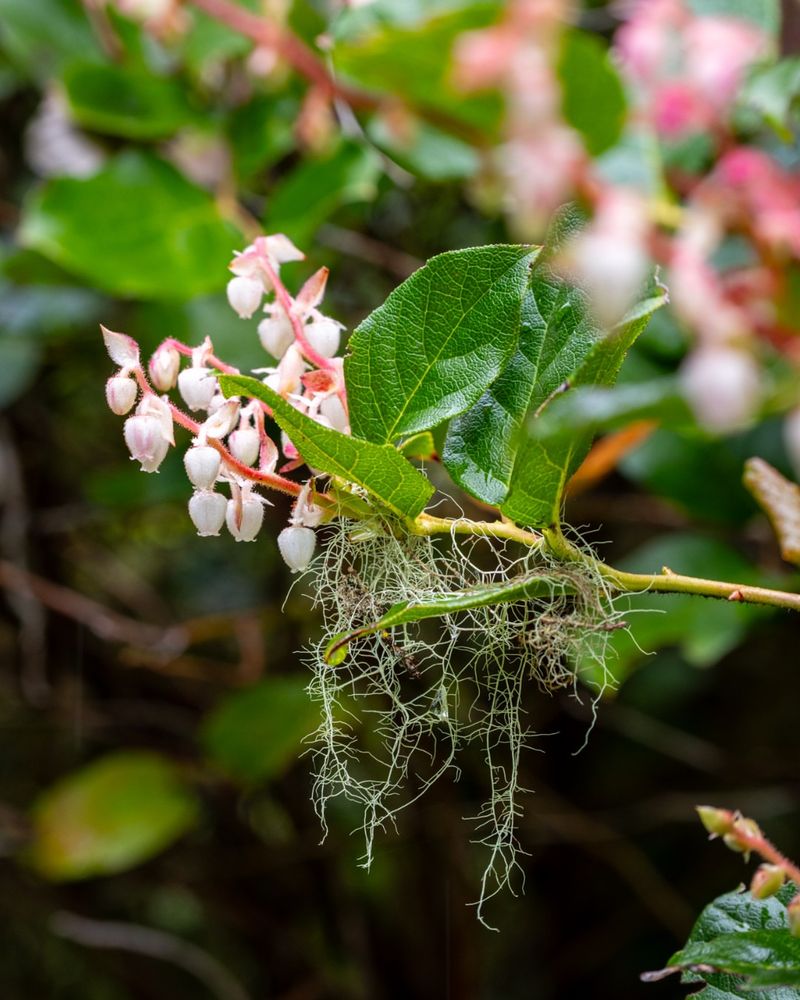
Walk through almost any forest in western Oregon and you will find Salal growing confidently in the understory. That same toughness and adaptability makes it a fantastic choice for shaded or partially shaded front yards where other shrubs struggle to perform.
Gardeners across Oregon have come to appreciate Salal not just for its looks, but for how reliably it fills in difficult spots without much fuss.
Gaultheria shallon, as it is formally known, is an evergreen shrub that typically grows between 2 and 5 feet tall. Its glossy, leathery leaves stay deep green all year, giving your front yard structure and color even through Oregon’s grey winter months.
In late spring, small white to pinkish bell-shaped flowers dangle along the stems in elegant little clusters.
Those flowers turn into dark purple berries by late summer, which were historically eaten by Indigenous peoples of the Pacific Northwest and are still enjoyed by birds today.
Planting Salal in March lets it establish before the dry season, though it genuinely loves Oregon’s natural rainfall.
It spreads gradually over time, slowly filling in garden beds and suppressing weeds in a natural, low-effort way. For shady front yards in Oregon, Salal is practically unbeatable.
4. Evergreen Huckleberry
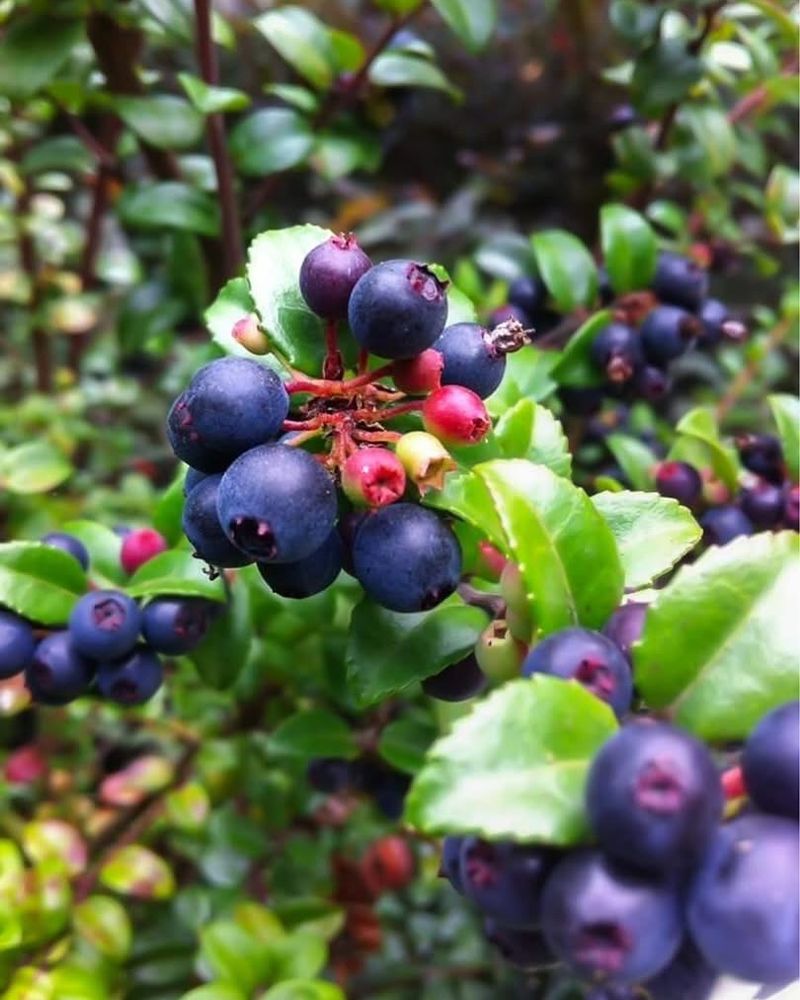
Anyone who has ever picked wild huckleberries in the Pacific Northwest knows how special these plants are.
Evergreen Huckleberry brings that same wild charm right to your Oregon front yard, and it looks polished enough to fit beautifully in a well-designed landscape.
The small, glossy leaves stay on the plant all year, giving it a neat, tidy appearance that works well along pathways or as a foundation planting near the house.
Vaccinium ovatum grows slowly but steadily, reaching between 2 and 8 feet tall depending on light conditions. In partial to full shade, it tends to stay more compact and manageable.
Tiny pink to white bell-shaped flowers appear in spring, followed by small dark blue-black berries in late summer and fall that taste absolutely delicious and attract birds by the dozen.
Planting in March is ideal because Oregon’s spring rains do most of the establishment work for you. Once rooted, Evergreen Huckleberry is remarkably tough and long-lived.
It tolerates the wet winters and dry summers that are typical across much of Oregon without skipping a beat. Florists even prize its cuttings for flower arrangements, so you get a beautiful yard and a bonus harvest all in one plant.
5. Pacific Ninebark
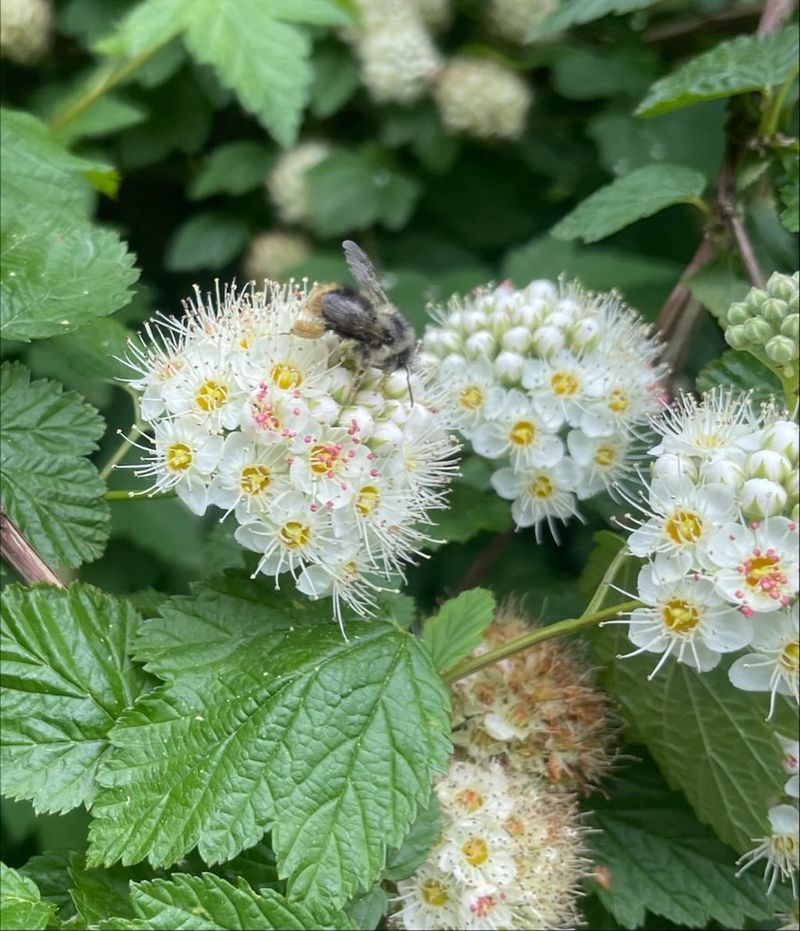
There is something almost sculptural about Pacific Ninebark, especially in winter when its peeling, multi-layered bark becomes the main attraction.
The common name actually comes from the way the bark peels back in layers, revealing different shades of reddish-brown beneath.
It is one of those plants that earns its space in an Oregon front yard during every single season, not just when it blooms.
Physocarpus capitatus is a vigorous, adaptable deciduous shrub that can grow between 6 and 12 feet tall. It produces rounded clusters of white to pale pink flowers in late spring that attract pollinators enthusiastically.
The leaves are deeply lobed and attractive throughout the growing season, and by fall they shift to warm yellow tones before dropping.
One of the best things about Pacific Ninebark is how forgiving it is about growing conditions. It handles wet soils, clay, and even periodically flooded areas, which makes it well-suited to many Oregon front yards that deal with heavy winter rain.
Planting it in March lets the roots spread during the cool, moist season so the shrub is ready to handle summer. Pruning after flowering helps keep it shapely and encourages fresh, healthy growth year after year.
6. Mock Orange
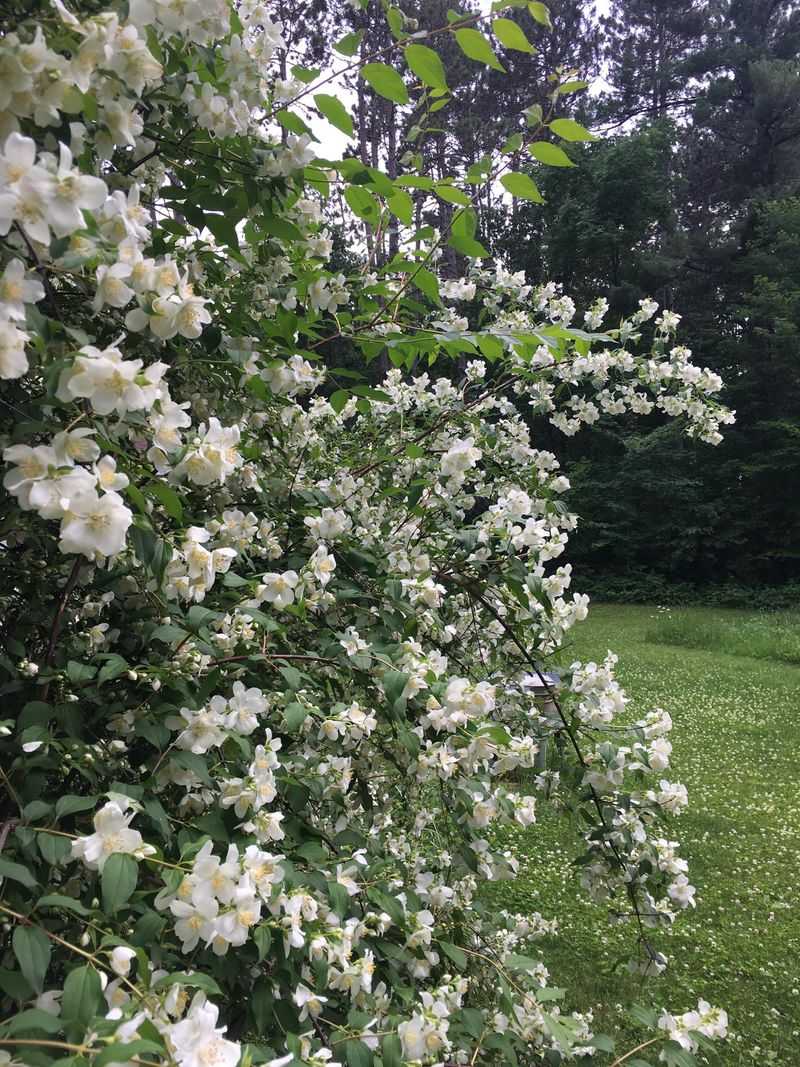
Few things smell better in a Pacific Northwest front yard than Mock Orange in full bloom. The fragrance is sweet, fresh, and just a little citrusy, which is exactly where the common name comes from.
Neighbors will stop and ask what that amazing smell is, and you will get to proudly point at your thriving native shrub doing exactly what it does best.
Philadelphus lewisii is the official state flower of Idaho but grows beautifully across Oregon as well. It is a deciduous shrub reaching 6 to 10 feet tall, with arching branches that fill out naturally into a graceful, rounded shape.
The pure white, four-petaled flowers cover the plant in late spring and attract butterflies, bees, and other pollinators in impressive numbers.
Planting Mock Orange in March gives it time to settle its roots before the blooming season begins. It prefers full sun to partial shade and performs well in most Oregon soil types without needing a lot of extra attention.
Once established, it is quite drought-tolerant through summer. Light pruning right after the flowers fade keeps the plant vigorous and prevents it from getting too woody over time.
For fragrance, wildlife value, and sheer visual impact, Mock Orange delivers in every possible way.
7. Douglas Spirea
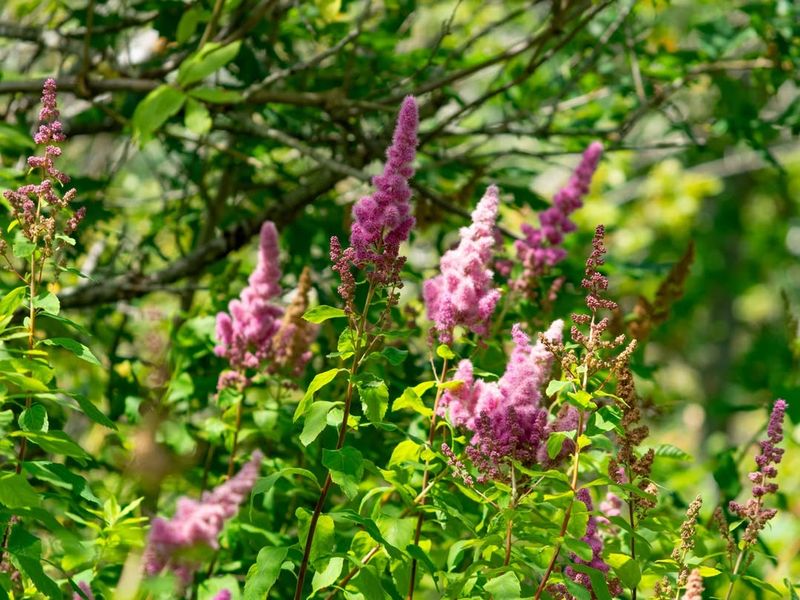
Bright pink flower spikes rising above feathery green foliage make Douglas Spirea one of the most eye-catching native shrubs you can plant in an Oregon front yard.
It blooms in summer when many other native shrubs have finished their show, so it fills a gap in the seasonal color calendar that is hard to cover with other plants.
Butterflies, bees, and hummingbirds all find it irresistible during the bloom period.
Spiraea douglasii is a deciduous shrub that typically grows between 3 and 6 feet tall. It spreads gradually by suckering, which means it can form a nice colony over time if given space, or it can be managed with simple pruning to stay contained.
The narrow, oblong leaves are a pleasant grey-green color that contrasts nicely with the bold pink blooms.
Douglas Spirea naturally grows along streams and in moist meadows across the Pacific Northwest, so it is particularly well-suited to Oregon front yards that stay a bit wet in winter or have low spots that collect water.
Planting in March takes advantage of the natural moisture in the soil. It is also a great choice for slopes or areas where erosion control matters.
Tough, colorful, and genuinely native, Douglas Spirea deserves far more attention than it typically gets from Oregon gardeners.