These Native Pennsylvania Plants Need Almost No Care
Tired of high-maintenance plants that need constant watering, trimming, or special attention? You’re not alone, and many Pennsylvania homeowners have found a better way.
Native plants are a game-changer for gardeners who want beauty without the hassle. These plants have adapted over time to thrive in Pennsylvania’s soil, weather, and climate, meaning they’re built to survive with little effort.
Once established, they need minimal care, resist pests naturally, and bounce back from drought or frost better than most non-native species. Plus, they support pollinators and local wildlife, making your yard more eco-friendly without adding to your to-do list.
Whether you’re starting from scratch or looking to swap out fussy plants, these native picks can save time while still making your landscape shine.
If you’re ready for a beautiful garden that basically takes care of itself, these nearly effortless native plants are a perfect fit.
1. Wild Columbine
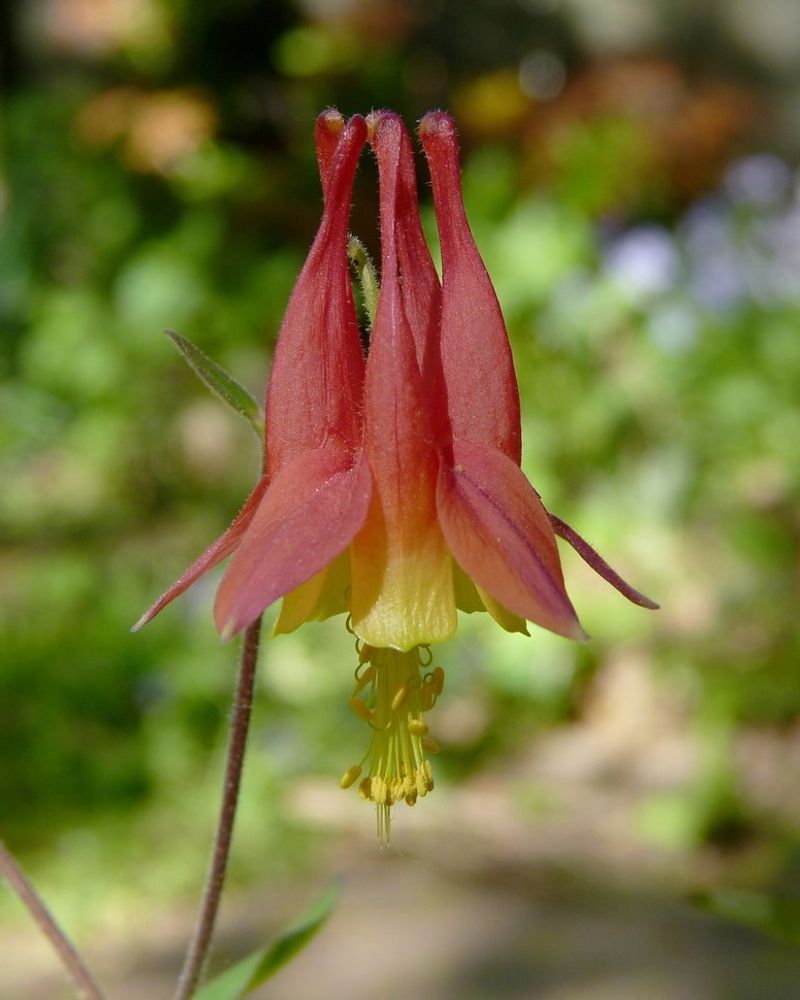
Hummingbirds go crazy for this plant, and you’ll understand why once those red and yellow flowers appear in spring. Wild columbine grows naturally in Pennsylvania woodlands, tucking itself into rocky slopes and shaded areas where other plants struggle.
The bell-shaped blooms dangle gracefully from thin stems, creating a delicate appearance that hides just how tough this plant really is.
Once established in your garden, wild columbine handles drought surprisingly well. The roots dig deep into soil, finding moisture even during dry spells.
You won’t need to drag hoses around or worry during summer vacations. This plant also tolerates various light conditions, from full sun to partial shade, making it adaptable to different spots in Pennsylvania yards.
Gardeners love that wild columbine reseeds itself without becoming invasive. New plants pop up in nearby areas, filling in gaps naturally.
The fernlike foliage stays attractive even after flowers fade, providing texture throughout the growing season. Deer usually leave it alone, which solves a common Pennsylvania gardening headache.
This native perennial reaches about two feet tall and blooms from April through June. It attracts hummingbirds and native bees, bringing life and movement to your garden.
Wild columbine thrives in rocky or sandy soil that drains well, perfect for those challenging spots where grass struggles. Plant it once, and it’ll return year after year without demanding fertilizer, pesticides, or constant attention from you.
2. Black-Eyed Susan
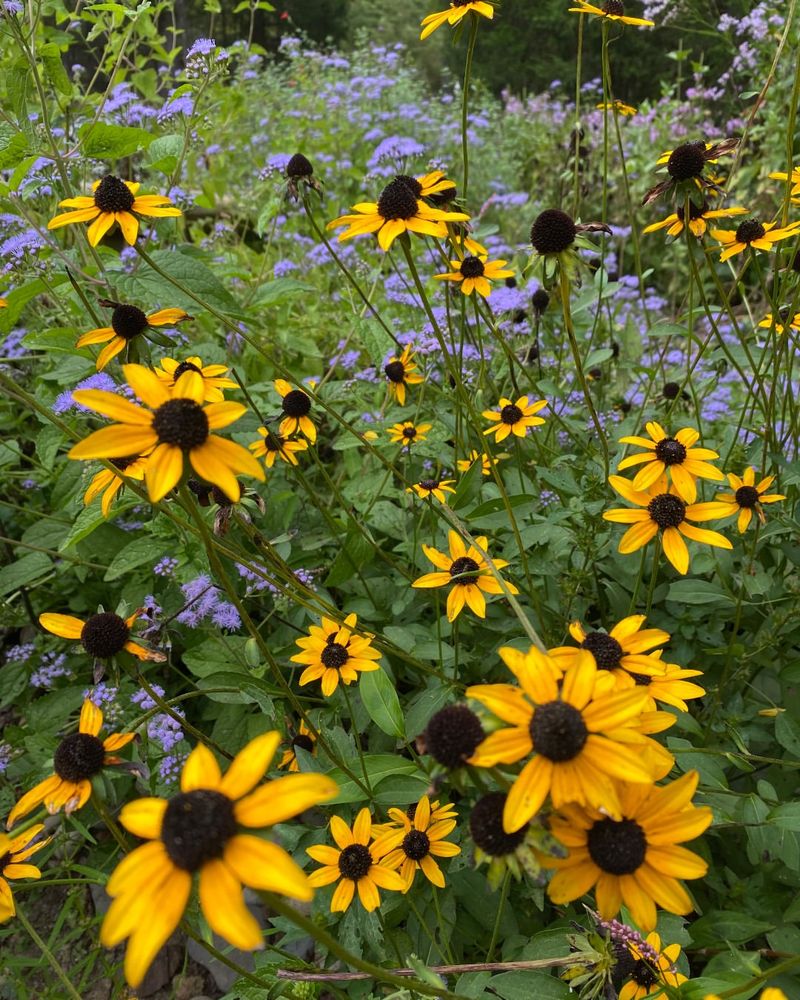
Bright golden petals surrounding dark chocolate centers make black-eyed Susans instantly recognizable across Pennsylvania landscapes. These cheerful flowers bloom from June through September, bringing sunshine to gardens even on cloudy days.
Native Americans used this plant for medicinal purposes, and early settlers welcomed its hardy nature in their new home gardens.
Black-eyed Susans handle Pennsylvania’s weather extremes without complaining. Hot summers don’t bother them, and they bounce back from cold winters reliably.
They’ll grow in average soil without amendments or special treatments. Just give them a sunny spot, and they’ll reward you with months of color.
Butterflies and bees visit these flowers constantly, making your garden buzz with activity. Goldfinches love the seed heads that form after blooming, so leaving spent flowers benefits wildlife through fall and winter.
The plants spread gradually through self-seeding, creating natural drifts that look professionally designed without any planning from you.
These perennials grow about two feet tall and work beautifully in borders, meadows, or alongside driveways. They tolerate clay soil common in many Pennsylvania yards, and they don’t mind occasional drought once their roots establish.
Dividing clumps every few years keeps them vigorous, but even neglected plants continue blooming faithfully. Black-eyed Susans resist most pests and diseases, saving you money on treatments while providing reliable beauty year after year in Pennsylvania gardens.
3. New England Aster
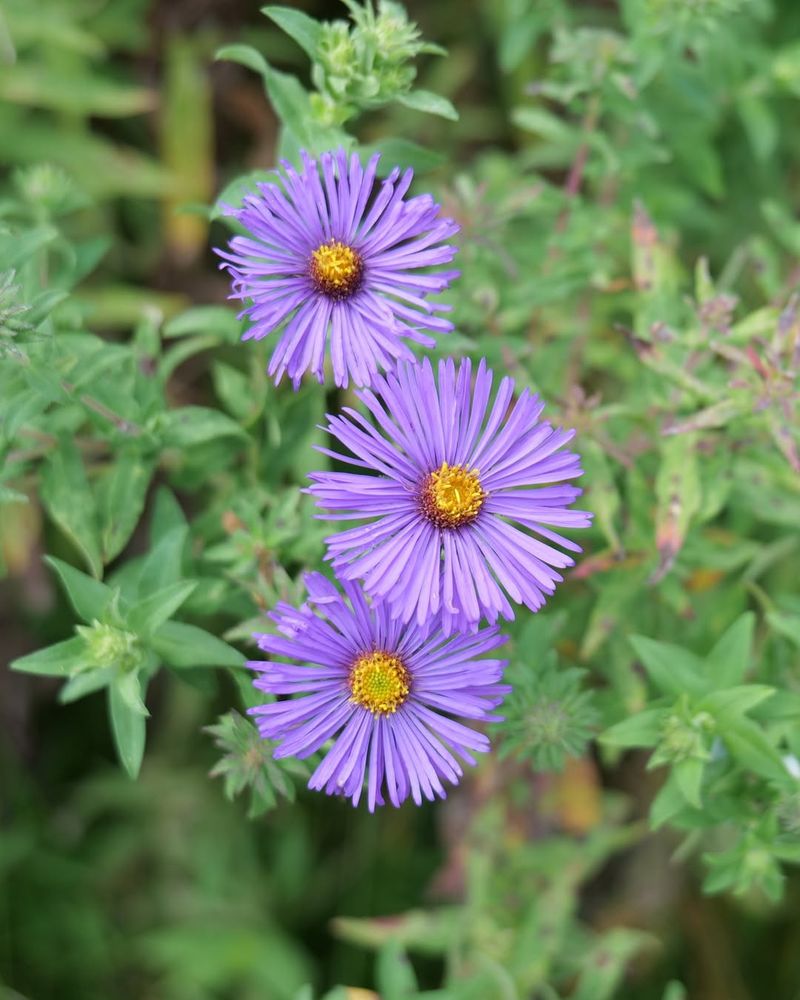
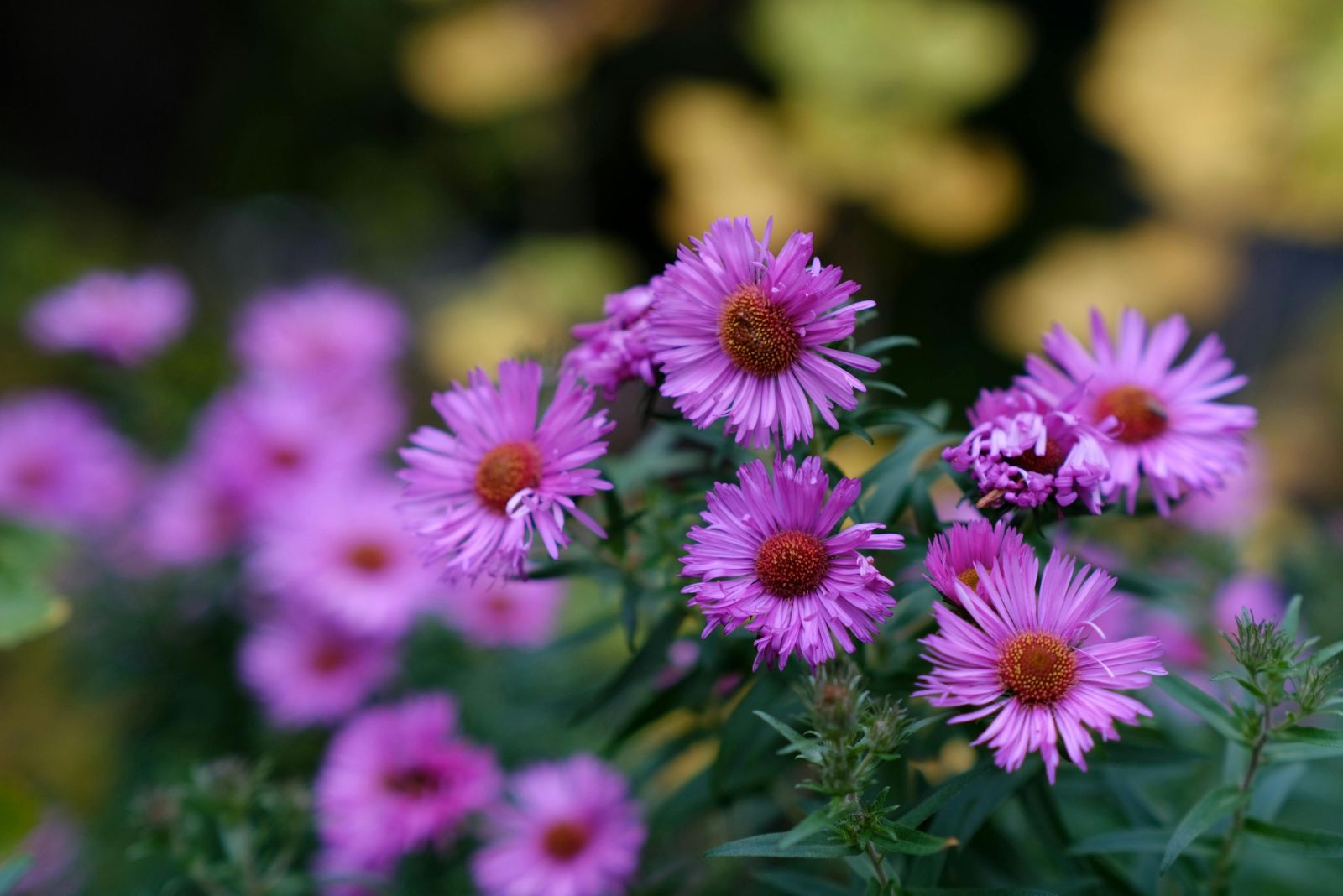
When most flowers call it quits for the season, New England aster bursts into bloom across Pennsylvania. Purple daisy-like flowers cover the plants from August through October, providing crucial late-season nectar for migrating monarch butterflies.
This native perennial grows naturally in meadows and along roadsides throughout the state, proving its ability to thrive without human intervention.
Full sun brings out the best in New England aster, though it tolerates light shade reasonably well. The plants reach three to five feet tall, creating impressive displays without staking or support.
They handle clay soil, sandy soil, and everything in between. Drought doesn’t bother established plants much, and Pennsylvania’s humidity doesn’t trigger the mildew problems that plague non-native asters.
Butterflies, bees, and other pollinators swarm these fall blooms when food sources become scarce.
Leaving the seed heads standing through winter provides food for birds and adds structural interest to dormant gardens. The dried stalks also shelter beneficial insects that help control pests come spring.
New England aster spreads slowly through rhizomes, forming clumps that expand gradually without becoming weedy. Dividing clumps every three years keeps plants vigorous, but even neglected specimens continue blooming reliably.
These natives need no fertilizer and resist most diseases affecting garden plants. Pinching stems in early summer creates bushier plants with more flowers, but unpinched plants still perform beautifully.
For Pennsylvania gardeners wanting fall color and wildlife support without extra work, New England aster delivers consistently year after year.
4. Wild Bergamot
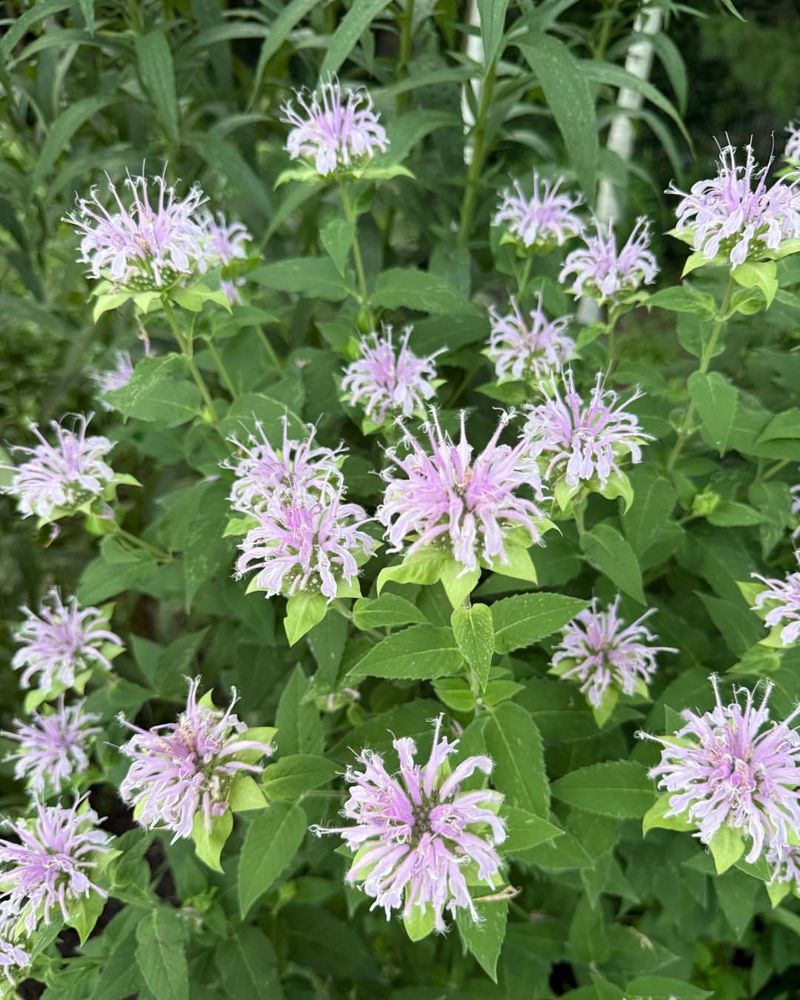
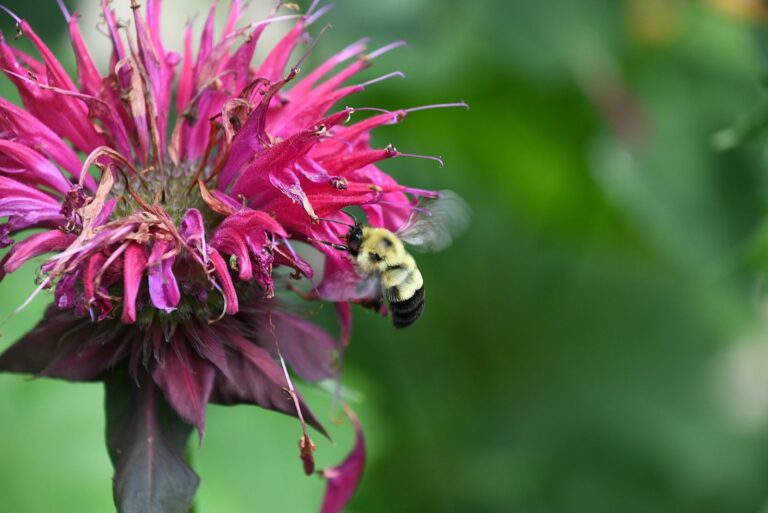
Crush a leaf between your fingers, and wild bergamot releases a wonderful minty aroma that explains its other name: bee balm. Lavender-pink flowers bloom from July through September, forming fuzzy pompoms that butterflies and hummingbirds can’t resist.
This Pennsylvania native grows naturally in prairies and open woodlands, adapting easily to garden conditions without demanding special care.
Hot, dry conditions don’t faze wild bergamot once roots establish. It actually performs better in lean soil than in rich, heavily fertilized beds.
Pennsylvania’s summer heat and humidity suit this plant perfectly, and cold winters cause no problems. The plants grow two to four feet tall with a slightly spreading habit that fills space without aggressive takeover.
Native bees visit wild bergamot constantly, and watching them work the flowers provides entertainment on summer afternoons. The aromatic foliage discourages deer and rabbits from browsing, solving a common Pennsylvania garden problem naturally.
Dried leaves make pleasant tea, connecting you to centuries of traditional use by indigenous peoples and early settlers.
Wild bergamot tolerates clay soil common in many Pennsylvania yards. It handles periodic drought better than most flowering perennials, reducing your watering chores significantly.
The plant resists mildew better than hybrid bee balms, eliminating the need for fungicide sprays. Deadheading spent flowers encourages continued blooming, but even ignored plants keep producing flowers for weeks.
Wild bergamot self-seeds modestly, and unwanted seedlings pull easily when young. For a fragrant, colorful, wildlife-friendly plant that thrives on neglect, this native checks all boxes.
5. Pennsylvania Sedge
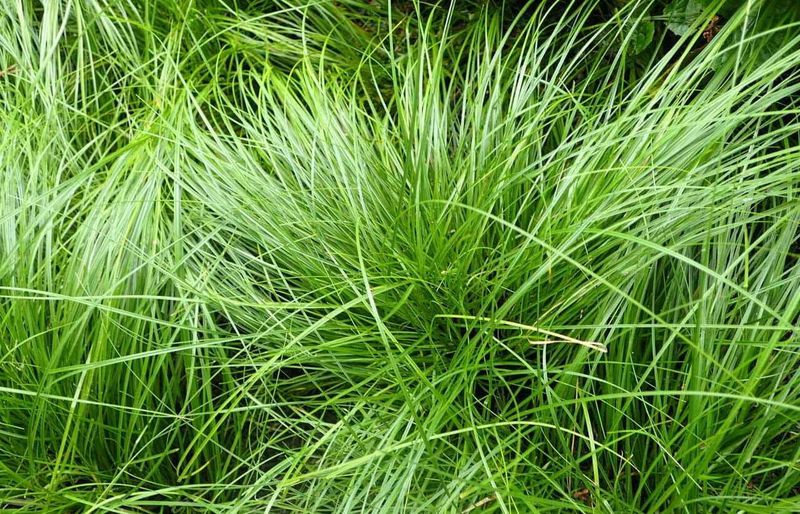
Forget struggling with grass under trees where nothing seems to grow. Pennsylvania sedge solves that problem beautifully while requiring far less maintenance than traditional lawns.
This native groundcover forms soft, flowing carpets of green that move gracefully in breezes. It grows naturally in Pennsylvania woodlands, making it perfectly adapted to local conditions and wildlife needs.
Shade doesn’t just suit Pennsylvania sedge; the plant actually prefers it. Those difficult areas under maples, oaks, or evergreens become lush green spaces without constant reseeding or patching.
The sedge tolerates dry shade remarkably well once established, eliminating the need for irrigation in areas where hoses can’t reach easily. It also handles occasional foot traffic, though it’s not meant for heavy play areas.
This sedge stays relatively short, reaching only six to eight inches tall, so it never needs mowing. The fine-textured foliage creates a soft appearance that contrasts nicely with hostas, ferns, or flowering woodland plants.
Pennsylvania sedge spreads slowly through rhizomes, eventually forming dense mats that suppress weeds naturally without chemicals.
Native insects and small wildlife use this groundcover for shelter and nesting material. It greens up early in spring and stays attractive late into fall across Pennsylvania landscapes.
The sedge tolerates various soil types from sandy to clay, and it doesn’t require fertilizer to maintain good color. Plant plugs about a foot apart in spring or fall, water them occasionally the first season, then basically forget about them.
Pennsylvania sedge keeps looking good year after year without mowing, fertilizing, or constant attention.
6. Blue Flag Iris
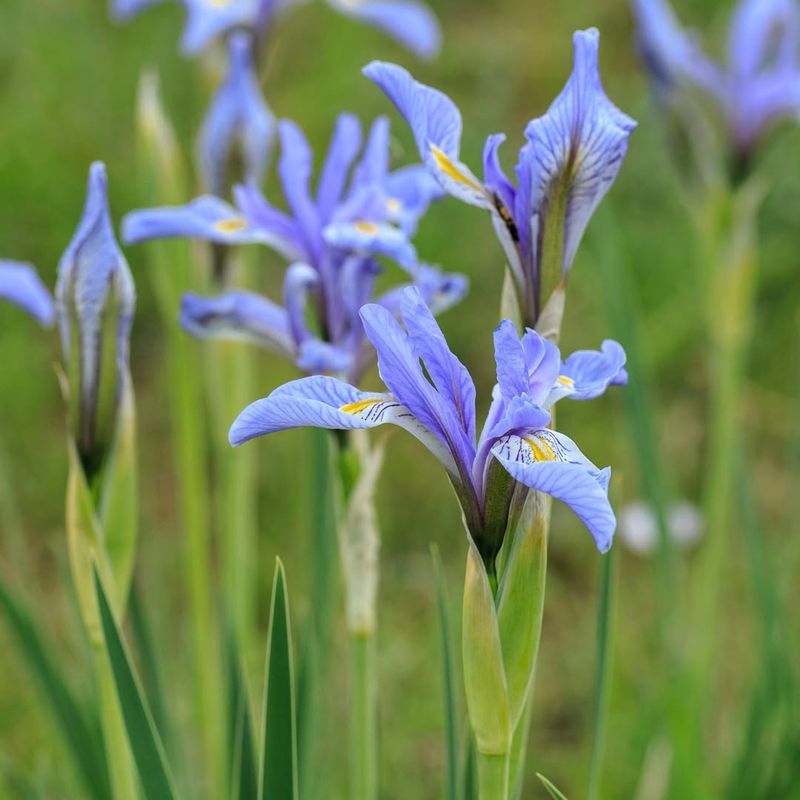
Wet spots in Pennsylvania yards challenge most gardeners, but blue flag iris considers them perfect. This native perennial thrives in moist soil along streams, ponds, or in rain gardens where other plants struggle.
Deep purple-blue flowers bloom in late spring, creating stunning reflections in water and attracting native pollinators to wetland areas.
Blue flag iris handles Pennsylvania’s variable moisture conditions surprisingly well. It tolerates seasonal flooding without rotting and adapts to average garden moisture during drier periods.
The sword-shaped leaves add vertical interest even when plants aren’t blooming, creating texture in water features or boggy areas. Plants grow two to three feet tall, making bold statements without overwhelming smaller gardens.
This iris needs no fertilizer and resists most pests that bother garden plants. Deer avoid it, and diseases rarely cause problems in Pennsylvania landscapes.
The plants spread slowly through rhizomes, forming clumps that expand gradually without becoming invasive like some non-native iris species. Dividing clumps every few years keeps them blooming vigorously, but even neglected plants continue performing reliably.
Blue flag iris works beautifully in rain gardens designed to handle runoff from roofs or driveways. It also thrives in naturally wet areas where drainage is poor, turning problem spots into attractive features.
The flowers attract butterflies and native bees, while seeds provide food for birds in fall. Plant rhizomes in spring or early fall in full sun to partial shade.
Water them regularly the first season, then let Pennsylvania’s natural rainfall handle irrigation. This native iris delivers beauty and function without demanding time or resources from busy gardeners.