These 11 Oregon Native Plants Grow Better When You Divide Them Now
Have you ever noticed some plants in your garden seem to lose their spark after a few seasons? They stop blooming as much, the centers look a bit sparse, and the whole clump just seems tired.
Many native plants actually thrive when you divide them regularly. This process rejuvenates the root system, encourages fresh growth, and often leads to more flowers than you ever imagined.
Dividing plants might sound intimidating, but it’s one of the easiest ways to multiply your garden without spending a dime. You simply dig up the plant, separate it into smaller sections, and replant those sections in new spots or share them with friends!
Native Oregon plants are particularly well-suited to this treatment because they’ve adapted to local conditions and bounce back quickly.
The best time to divide most perennials is during their dormant season or just as they start to wake up in spring. Once you see how well these plants respond, you’ll wonder why you didn’t start dividing them sooner.
Your garden will thank you with healthier plants, more blooms, and that satisfying feeling of helping your landscape reach its full potential.
1. Black-Eyed Susan (Rudbeckia hirta)
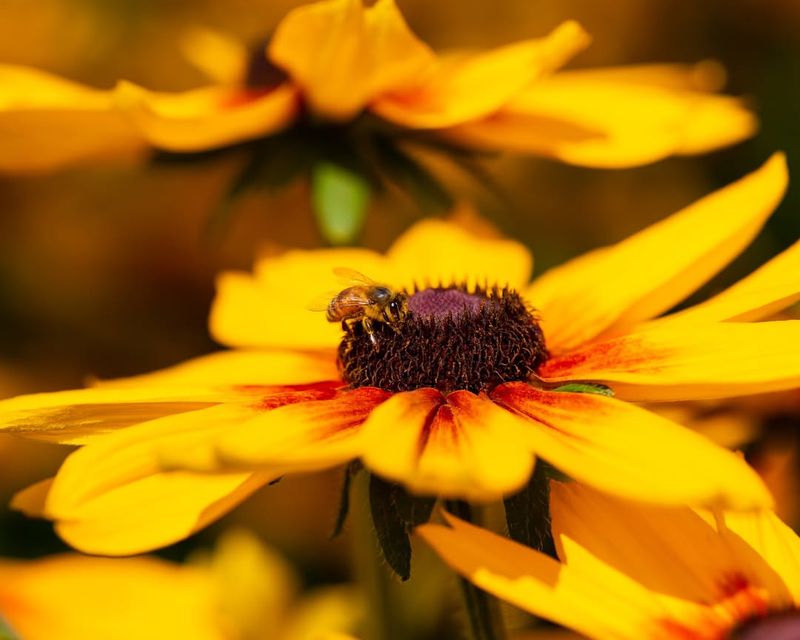
Bright golden petals with dark chocolate centers make Black-Eyed Susans a favorite in sunny gardens across North America. After three or four years, you might notice the center of your clump becomes woody and produces fewer flowers.
That’s your cue to grab a shovel and give this cheerful native some attention. Division works best in early spring or fall when temperatures are mild.
Dig up the entire clump and use your hands or a sharp spade to separate it into sections, making sure each piece has healthy roots and several shoots. You’ll be amazed at how many new plants you can create from one mature clump.
Replant the divisions about 18 inches apart in well-drained soil with plenty of sun. Water them well for the first few weeks until you see new growth emerging.
Black-Eyed Susans aren’t fussy and will reward your efforts with months of sunny blooms that butterflies and bees absolutely adore.
One bonus of dividing is that younger plants tend to be more disease-resistant than older, crowded clumps. You’ll also have plenty of extras to fill in bare spots or share with neighbors who admire your garden.
2. Purple Coneflower (Echinacea purpurea)
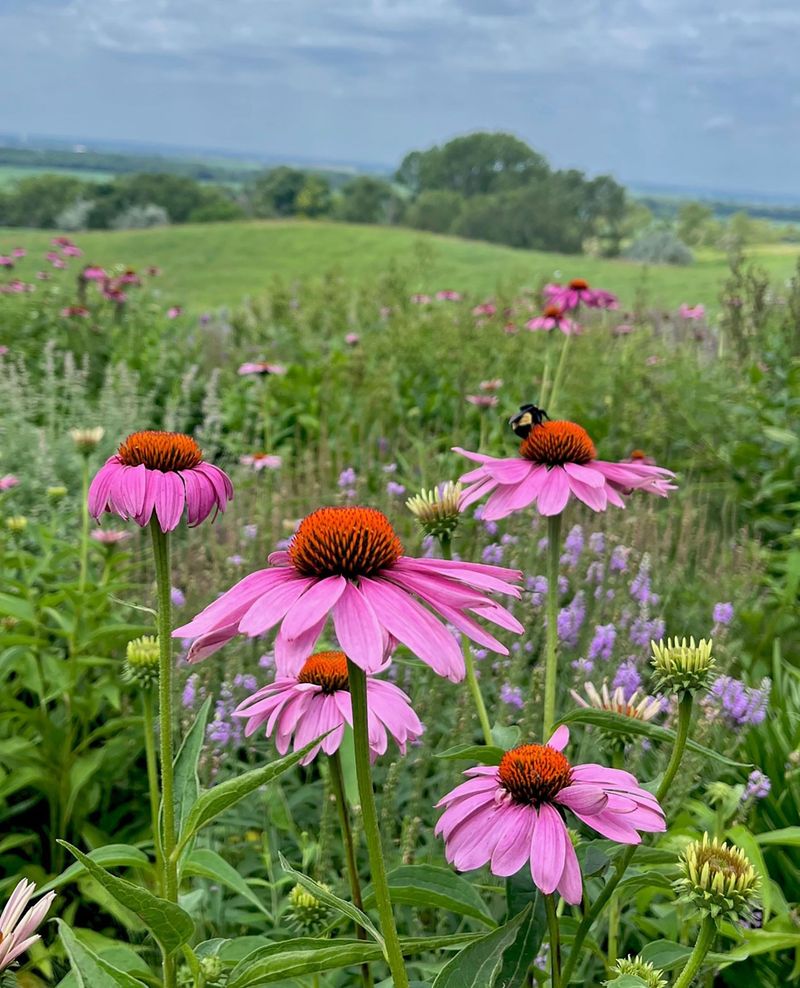
Few native plants command as much attention as Purple Coneflower with its striking pink-purple petals and prominent spiky centers. Goldfinches flock to the seed heads in late summer, creating a delightful show right in your backyard.
Over time, the central taproot can become congested, leading to smaller flowers and weaker plants.
Spring division gives Purple Coneflowers a fresh start. Wait until you see new shoots emerging from the ground, then carefully dig around the plant to preserve as much root as possible.
The taproot can be tough, so you might need a sharp knife to make clean cuts through the crown.
Each division should have at least three to five shoots and a good portion of root attached. Plant them in full sun with excellent drainage, spacing them about two feet apart.
Purple Coneflowers tolerate drought once established, but regular water during the first season helps them settle in nicely.
Divided plants often bloom more profusely than their parent clump, giving you an abundance of flowers for cutting and pollinator support. Your garden will feel more alive with the constant buzz of bees and flutter of butterflies visiting these gorgeous native beauties.
3. Wild Bergamot (Monarda fistulosa)
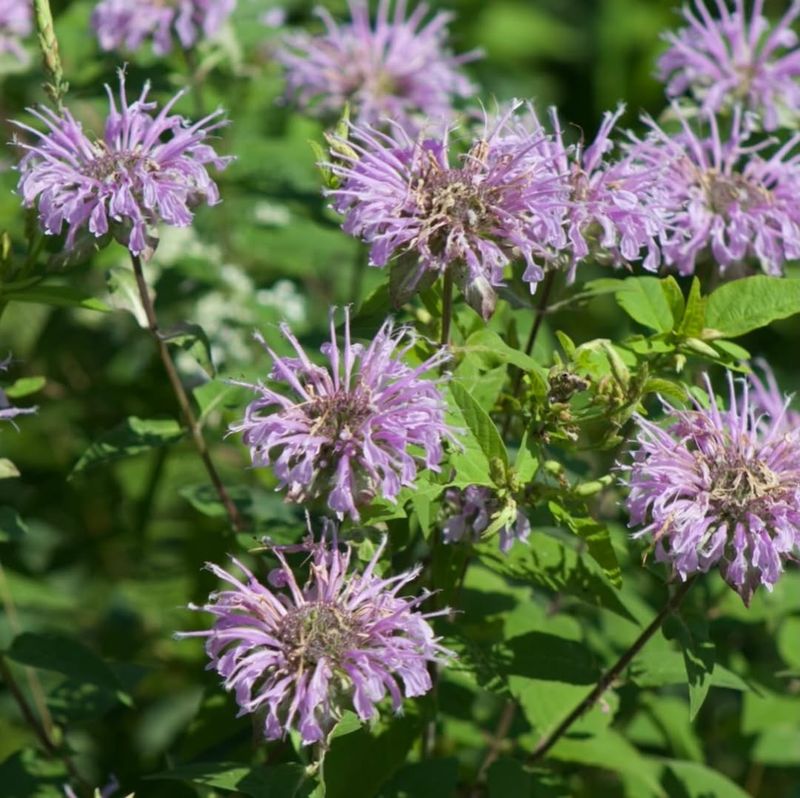
Wild Bergamot spreads through underground rhizomes, creating lovely drifts of lavender flowers that hummingbirds can’t resist. The minty fragrance from the foliage fills the air on warm summer evenings.
Without regular division, this native can become too aggressive and crowd out neighboring plants or develop bare centers.
Early spring is the perfect time to dig up and divide Wild Bergamot. The rhizomes are easy to pull apart with your hands, and each section needs just a few stems and roots to establish successfully.
You’ll likely end up with more divisions than you know what to do with.
Plant divisions in full sun to part shade, spacing them about 18 inches apart. Wild Bergamot tolerates a range of soil conditions but performs best with consistent moisture and good air circulation.
Proper spacing reduces the risk of powdery mildew, a common issue with overcrowded Monarda.
Dividing every two to three years keeps your Wild Bergamot vigorous and blooming heavily. The divided plants will fill in quickly, creating that naturalized look that works so well in cottage gardens and pollinator habitats.
Plus, you’ll have plenty to share with fellow gardeners.
4. New England Aster (Symphyotrichum novae-angliae)
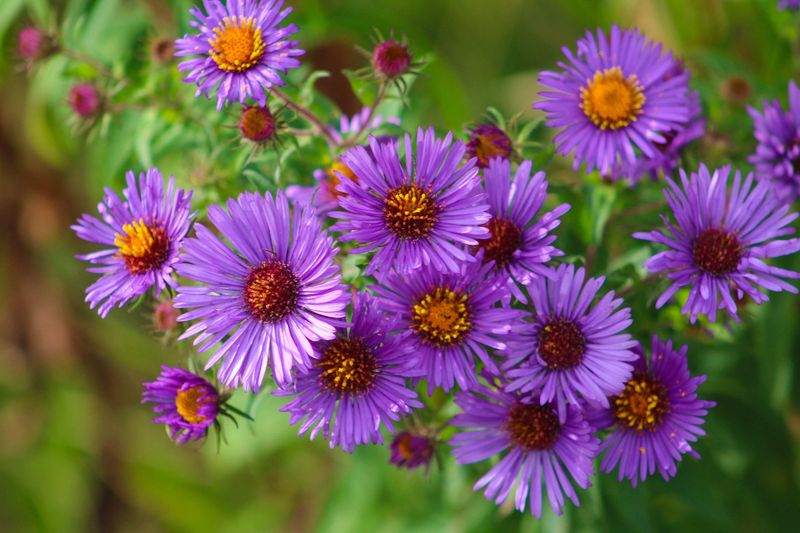
When fall arrives, New England Asters explode with clouds of purple, pink, or white daisy-like flowers that practically glow in the autumn sunshine. Monarch butterflies stop by on their migration south, making these asters essential for pollinator gardens.
After a few years, the center of the clump becomes less productive while the outer edges remain vigorous.
Spring division rejuvenates tired clumps and prevents that hollow center look. Dig up the entire plant and use a sharp spade or knife to cut through the crown, separating it into sections with healthy roots and shoots.
Don’t worry about being too precise because asters are forgiving.
Replant divisions in full sun with moist, well-drained soil. Space them about two feet apart to allow for their spreading habit.
New England Asters can grow quite tall, so consider pinching them back in early summer to encourage bushier growth and reduce the need for staking.
Divided plants establish quickly and bloom just as beautifully as the original. You’ll enjoy a longer display of flowers and healthier plants that resist disease better than crowded clumps.
The extra divisions make wonderful gifts for anyone who loves late-season color.
5. Blue Flag Iris (Iris versicolor)
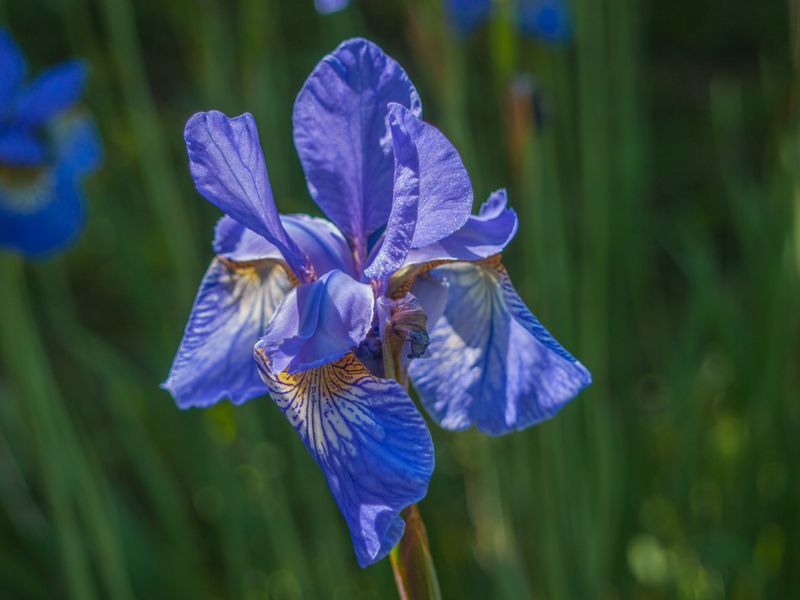
Blue Flag Iris brings elegant purple-blue flowers to wetland edges, rain gardens, and pond margins where few other plants thrive. The sword-shaped foliage remains attractive long after the blooms fade.
Older clumps can become so dense that flowering decreases dramatically, with rhizomes pushing up out of the soil.
Late summer after flowering is the ideal time to divide Blue Flag Iris. Dig up the rhizomes and cut them apart with a sharp knife, making sure each division has a fan of leaves and healthy roots.
Trim the foliage back to about six inches to reduce moisture loss while the plant establishes.
Replant rhizomes just below the soil surface in full sun to part shade. Blue Flag Iris loves moisture and can even tolerate standing water, making it perfect for those tricky wet spots in your yard.
Space divisions about 12 inches apart to give them room to spread.
Freshly divided irises bloom more abundantly and produce healthier foliage. You’ll notice stronger growth and more flower stalks the following spring.
The process is straightforward and gives you plenty of plants to naturalize along streams or create dramatic drifts in your rain garden.
6. Obedient Plant (Physostegia virginiana)
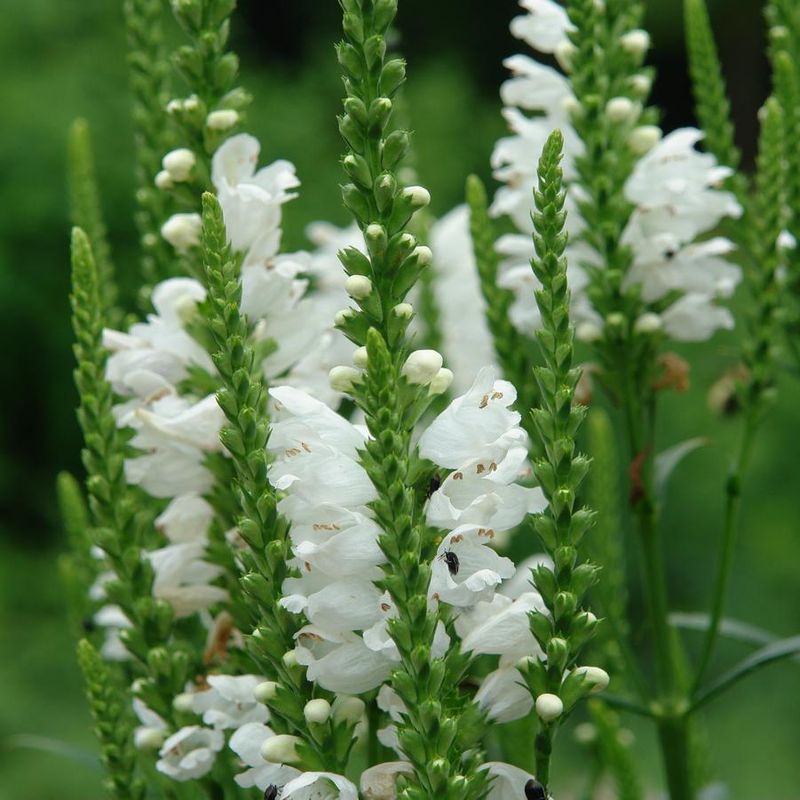
Obedient Plant earned its quirky name because the tubular flowers stay put when you move them to a new position on the stem. Spikes of pink or white blooms appear in late summer, attracting hummingbirds and butterflies to the garden.
The spreading rhizomes can become quite enthusiastic, taking over more space than you originally intended.
Spring or early fall division helps control the spread while keeping plants vigorous. Simply dig up sections of rhizomes and pull them apart with your hands.
Each piece needs just a few stems and roots to grow successfully. You’ll find the process surprisingly easy.
Plant divisions in full sun to part shade with average moisture. Obedient Plant adapts to various soil types but performs best with consistent water.
Space new plants about 18 inches apart, and don’t be surprised if they fill in quickly to form a dense colony.
Regular division every two to three years prevents Obedient Plant from becoming too aggressive while promoting better flowering. The divided sections establish rapidly and bloom the same season if divided in spring.
You’ll appreciate the tidy appearance and abundant flowers that come with well-maintained plants.
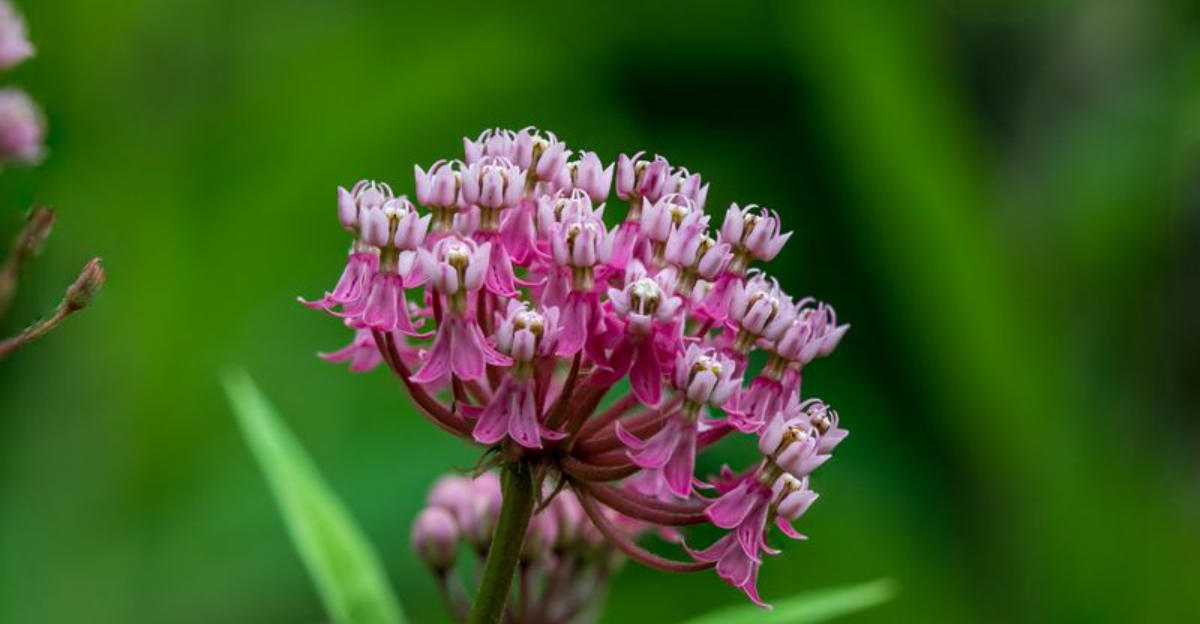
7. Swamp Milkweed (Asclepias incarnata)
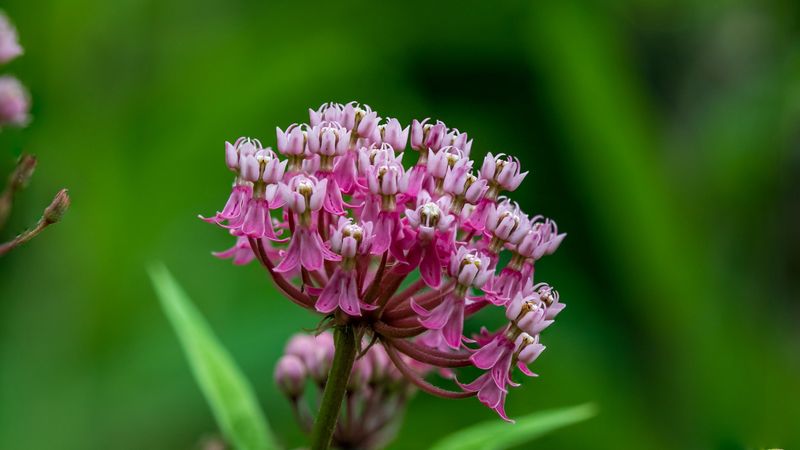
Swamp Milkweed produces clusters of fragrant pink flowers that monarch butterflies consider prime real estate for laying eggs. The tall stems sway gracefully in summer breezes, and the narrow leaves provide food for monarch caterpillars.
Established clumps develop woody crowns that benefit from occasional division to maintain vigor.
Early spring before new growth emerges is the best time to divide Swamp Milkweed. Dig carefully around the plant to avoid damaging the deep roots.
Use a sharp spade to cut through the crown, creating divisions with several buds and a good root system attached.
Replant immediately in full sun with moist to wet soil. Swamp Milkweed thrives in consistently damp conditions but tolerates average garden soil once established.
Space divisions about two feet apart to accommodate their mature size. Water thoroughly and keep the soil moist during the first growing season.
Divided plants recover quickly and often bloom the same year. You’ll notice improved flower production and healthier foliage compared to older, congested clumps.
The extra plants can help you create a butterfly way station or expand your pollinator garden to support declining monarch populations.
8. Goldenrod (Solidago species)
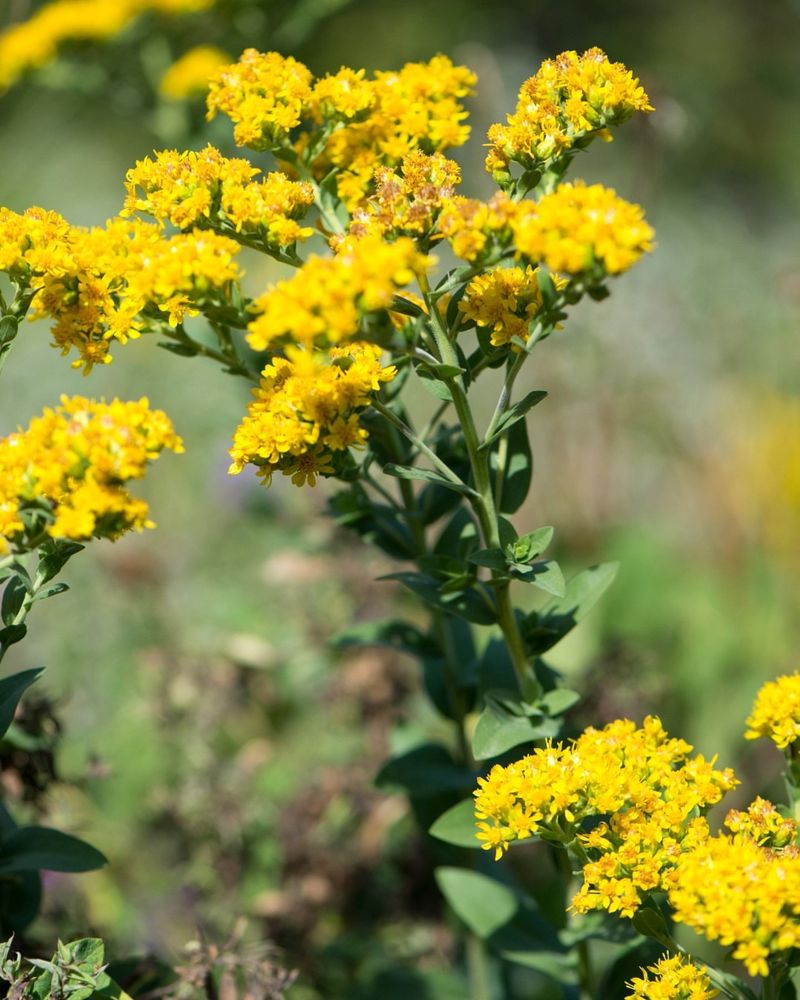
Goldenrod gets blamed for allergies, but the real culprit is ragweed that blooms at the same time. These bright yellow plumes light up late summer gardens and provide crucial nectar for migrating butterflies and bees.
Mature clumps spread through rhizomes and can become dense, with the center losing vigor over time.
Spring division works wonderfully for most Goldenrod species. Dig up the clump and separate it into smaller sections with your hands or a sharp tool.
Each division should have several stems and a healthy root system. The process is straightforward because Goldenrods are tough, adaptable plants.
Plant divisions in full sun with well-drained soil. Most Goldenrods tolerate poor soil and drought once established, making them perfect for low-maintenance landscapes.
Space them about 18 to 24 inches apart depending on the variety. Some species grow quite tall, so place them toward the back of borders.
Divided Goldenrods bloom enthusiastically and resist flopping better than overcrowded clumps. You’ll enjoy the golden display without worrying about plants becoming too aggressive.
The extra divisions are perfect for naturalizing in meadow gardens or creating pollinator habitat in sunny spots.
9. Joe Pye Weed (Eutrochium purpureum)
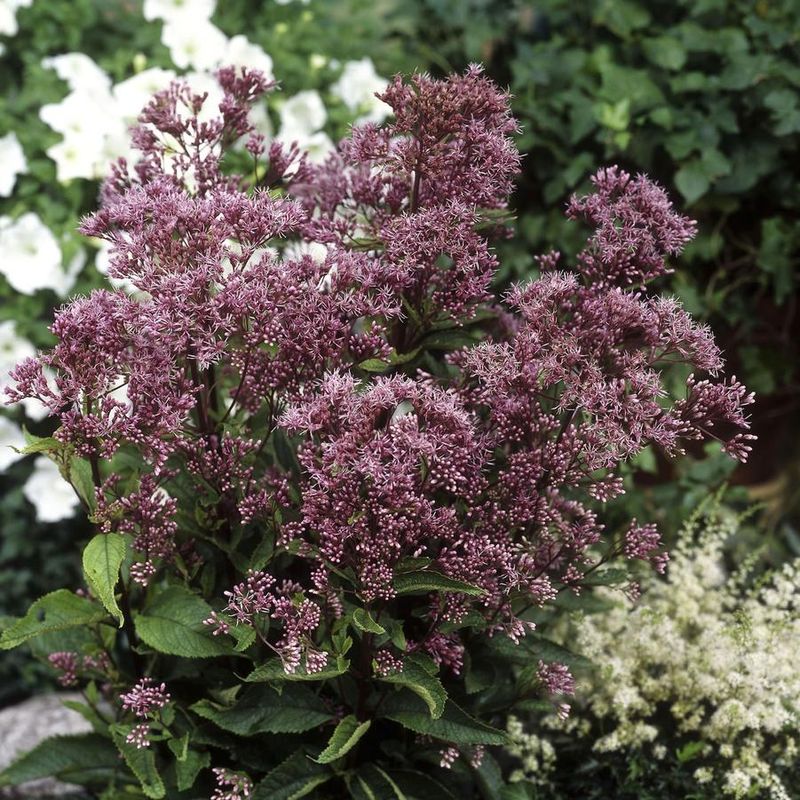
Towering stems topped with dusty rose flower clusters make Joe Pye Weed an architectural statement in any garden. Butterflies swarm the blooms in late summer, creating a magical scene that never gets old.
The massive clumps can become quite woody at the base after several years, reducing flowering and overall plant health.
Early spring division helps rejuvenate older Joe Pye Weed clumps. This plant develops a substantial root system, so you’ll need a sharp spade and some muscle to divide it.
Cut through the crown to create sections with multiple buds and strong roots. Each division can be quite large given the plant’s mature size.
Replant divisions in full sun to part shade with moist, rich soil. Joe Pye Weed appreciates consistent moisture and can tolerate wet conditions that challenge other perennials.
Space new plants at least three feet apart because they grow tall and wide. Mulch around the base to retain moisture.
Divided plants establish quickly and often reach impressive heights the first season. You’ll see improved flowering and sturdier stems that resist wind damage.
The process gives you extra plants to create dramatic backdrops or fill in large spaces where few other natives perform as well.
10. Wild Geranium (Geranium maculatum)
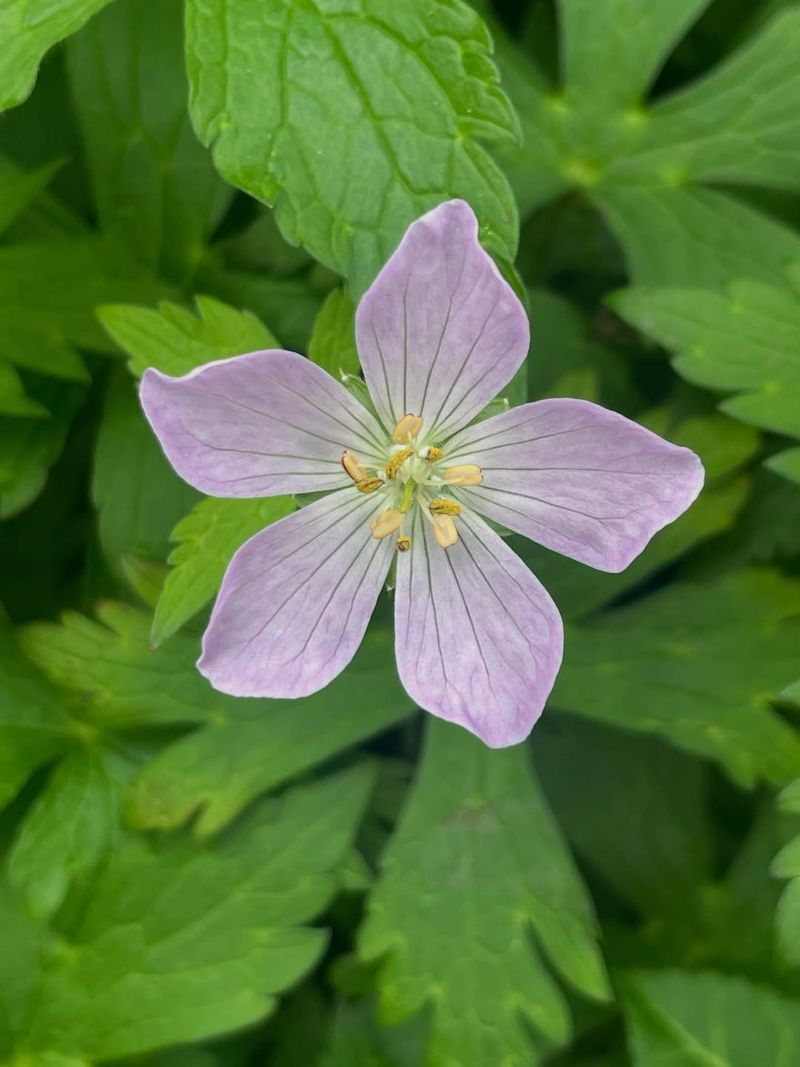
Delicate pink to lavender flowers dance above mounded foliage in spring, making Wild Geranium a charming addition to shade gardens and woodland edges. The attractive foliage often develops reddish tints in fall, extending the season of interest.
Established plants form dense clumps that benefit from division to maintain flowering vigor.
Fall division works best for Wild Geranium, though early spring is acceptable too. Dig up the entire clump and gently shake off excess soil so you can see the rhizomes clearly.
Pull or cut apart sections with several growing points and healthy roots. The fleshy rhizomes separate fairly easily.
Replant divisions in part shade to full shade with rich, well-drained soil. Wild Geranium adapts to various conditions but looks best with consistent moisture and organic matter.
Space new plants about 12 to 15 inches apart. They’ll fill in nicely within a season or two to form attractive groundcover.
Divided Wild Geraniums bloom more profusely and develop better foliage than crowded clumps. The process is simple and gives you plenty of plants to naturalize under trees or create drifts along shaded pathways.
Your woodland garden will feel more established with these lovely native groundcovers spreading throughout.
11. Spiderwort (Tradescantia virginiana)

Three-petaled flowers in shades of blue, purple, pink, or white open each morning and close by afternoon, giving Spiderwort an ephemeral quality that adds charm to any garden.
The grass-like foliage forms dense clumps that can become floppy and less floriferous after a few years.
Division keeps these natives looking their best. Spring or early fall division works equally well for Spiderwort. The fibrous roots and clumping habit make this plant incredibly easy to divide.
Simply dig up the clump and pull it apart with your hands into smaller sections. Each piece needs just a few stems and roots to establish successfully.
Plant divisions in full sun to part shade with average to moist soil. Spiderwort tolerates a wide range of conditions but may flop in too much shade or rich soil.
Space new plants about 12 to 18 inches apart. They’ll quickly fill in to create colorful drifts that bloom for weeks.
Divided Spiderwort produces more flowers and maintains a tidier appearance than older clumps. The foliage stays fresher longer, and plants resist the tendency to sprawl.
You’ll have plenty of divisions to share because Spiderwort is generous once established, creating more plants than most gardeners need in one spot.