These 10 Native Plants Solve Common Garden Problems In Oregon
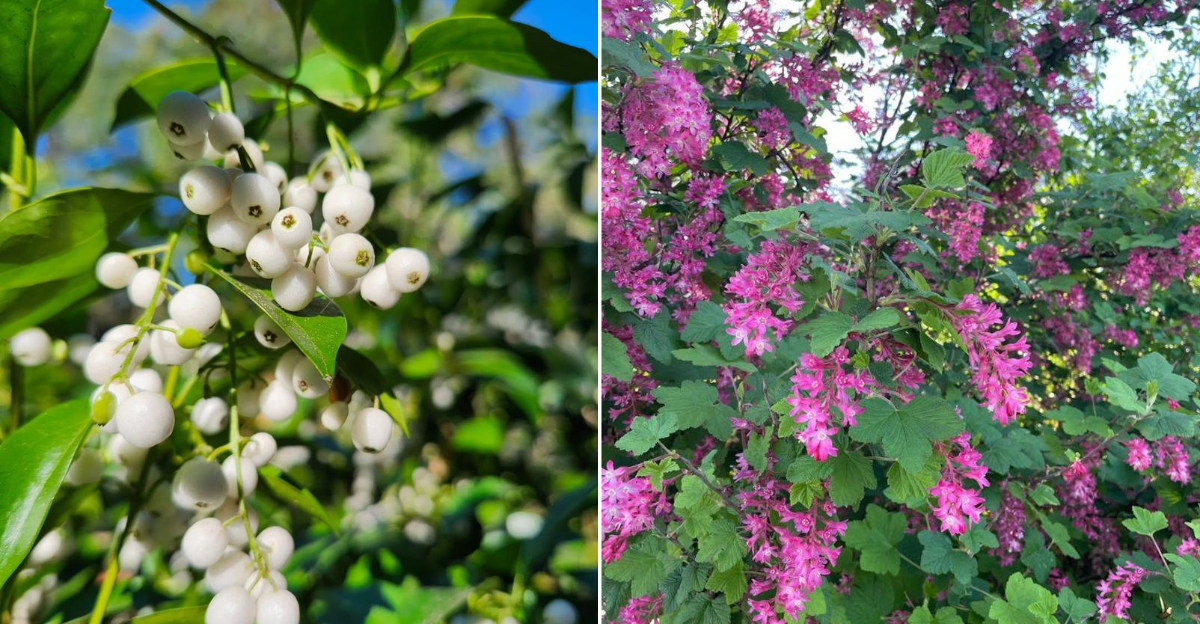
Every Oregon garden has a few problem spots. Maybe it’s a soggy corner that never dries out, a sunny area that bakes in summer, or a slope where nothing seems to stay put.
These issues can feel frustrating, especially when the same plants struggle year after year. But sometimes the simplest solution is already built into the landscape.
Native plants are uniquely suited to Oregon’s conditions because they evolved here. They understand the rain, the dry spells, the soil, and the seasonal shifts better than anything else you could plant.
Instead of fighting common garden problems, they work with them, often turning tricky areas into strengths.
Many Oregon gardeners are discovering that native plants can solve issues like poor drainage, erosion, low pollinator activity, and high maintenance demands. Once established, they tend to need less water, fewer adjustments, and far less worry.
They also bring a natural rhythm to the garden that feels right for the region.
If you’ve been trying to fix the same garden challenges without much success, you’re not alone. Choosing the right native plants can make those problems feel far more manageable.
These native plants are reliable, practical, and well suited to the realities of Oregon gardening, helping your yard work better with less effort.
1. Oregon Grape For Tough Shade And Poor Soil
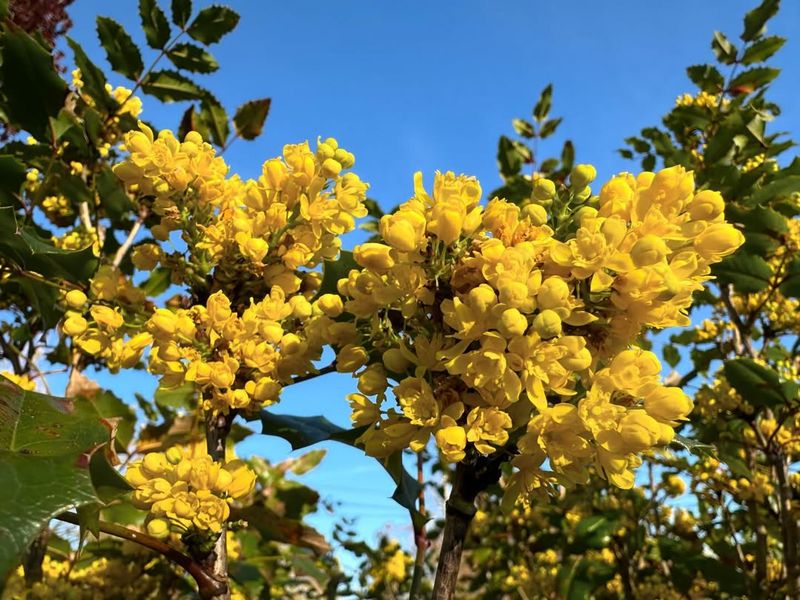
Tall Oregon grape (Mahonia aquifolium) laughs at the spots where nothing else will grow. Got dense shade under a maple tree and soil so hard you can barely dig it?
This evergreen shrub doesn’t care. It sends down deep roots and keeps its glossy, holly-like leaves looking sharp all year, even when everything else has given up.
In spring, clusters of bright yellow flowers appear, filling your garden with color when most plants are just waking up. By summer, those blooms turn into dark blue berries that birds devour.
The foliage adds structure to shady corners, and in fall, some leaves take on burgundy and bronze tones that make your garden look intentional instead of neglected.
Oregon grape tolerates dry shade once it settles in, which is a rare gift in the gardening world. You can plant it under eaves, along north-facing walls, or beneath established trees where other shrubs just sit and sulk.
It doesn’t need rich soil or regular feeding. If you’ve been staring at a bare, root-filled patch wondering what could possibly survive there, this is your answer.
It’s tough, reliable, and surprisingly beautiful for a plant that asks so little in return.
2. Red-Flowering Currant For Early Pollinators
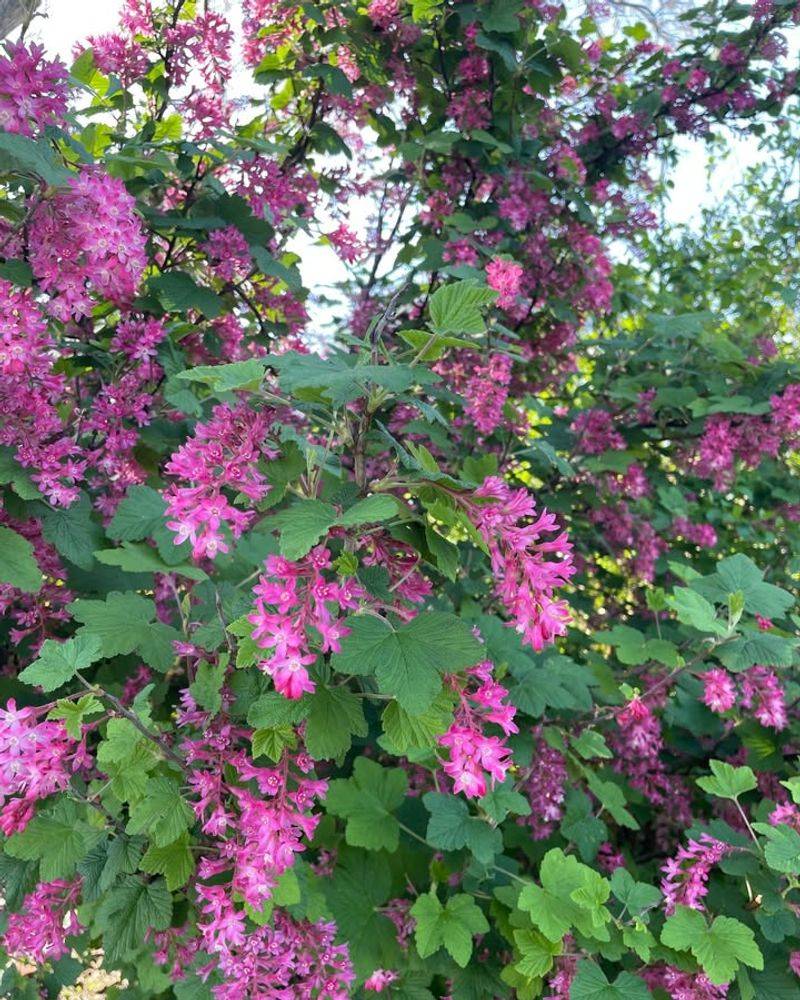
When hummingbirds return to Oregon in late winter, red-flowering currant (Ribes sanguineum) is often the first native plant ready to feed them.
Long before most gardens wake up, this deciduous shrub explodes with dangling clusters of pink to deep red flowers.
It’s like rolling out a welcome mat for pollinators when they need it most.
Red-flowering currant grows fast and fills space quickly, making it perfect for new gardens or areas where you need privacy without waiting five years. It handles part shade to full sun and adapts to a range of soils, from clay to sandy loam.
By midsummer, the flowers turn into small blue-black berries that birds snatch up before you even notice them.
This shrub doesn’t demand fussy care. Once it’s established, it tolerates summer drought and doesn’t need fertilizer or pruning unless you want to shape it.
If you’ve been planting non-native shrubs that bloom late and offer nothing to wildlife, red-flowering currant is a total upgrade. It solves the early-season pollinator problem, adds structure to your landscape, and does it all without asking for much.
Your yard becomes a refueling station for hummingbirds, native bees, and butterflies right when they’re most desperate for food.
3. Sword Fern For Erosion And Woodland Areas
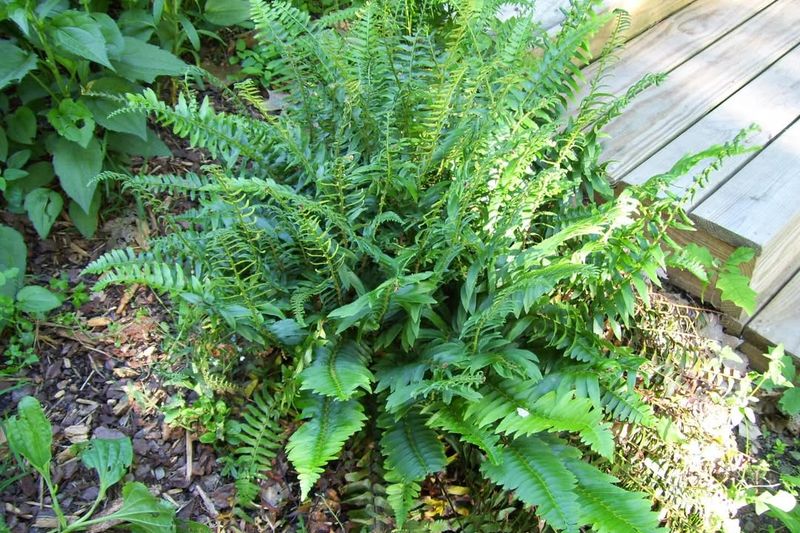
Slopes that wash out every winter and woodland edges that stay perpetually bare finally meet their match with western sword fern (Polystichum munitum). This evergreen fern spreads slowly but steadily, sending out rhizomes that grip soil and hold it in place even during heavy rains.
It’s one of the best natural erosion controls you can plant, and it looks graceful doing it.
Sword fern thrives in the kind of deep shade that defeats most plants. Under cedars, hemlocks, or in the shadow of your house, it unfurls tall, dark green fronds that stay attractive all year.
It doesn’t go dormant in winter, so you get year-round coverage and visual interest when other plants have disappeared.
Maintenance is almost nonexistent. You don’t need to water it once it’s established, and it doesn’t need fertilizer or special soil amendments.
If fronds get tattered by late winter, you can trim them back before new growth emerges in spring, but that’s optional. Sword fern quietly solves the problem of bare, eroding hillsides and shady spots where grass refuses to grow.
It creates a lush, forest-floor look without any of the drama or upkeep that non-native ferns demand. Plant it once, and it’ll hold your soil for decades.
4. Salal For Dry Shade And Groundcover Gaps
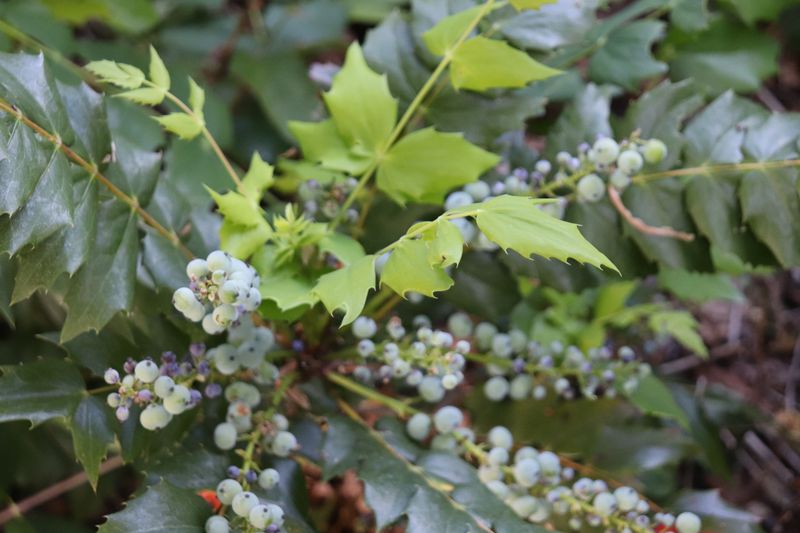
Dry shade is one of the toughest challenges in Oregon gardens, but salal (Gaultheria shallon) handles it like it’s no big deal.
This evergreen shrub spreads slowly into a dense, weed-suppressing mat that fills in gaps under trees, along fences, or anywhere else you’ve given up trying to grow grass.
Once established, it survives summer drought without a single drop of supplemental water.
Salal’s glossy, leathery leaves stay green all year, and in spring, it produces small white or pink bell-shaped flowers that are surprisingly charming up close.
By late summer, dark purple berries appear, birds love them, and they’re edible for humans too, though they’re more interesting than delicious.
The plant grows low in deep shade and taller in brighter spots, adapting its height to available light.
You won’t spend time fussing over salal. It doesn’t need fertilizer, doesn’t get picky about soil, and doesn’t mind being ignored for months at a time.
If you’ve been planting groundcovers that need constant watering or turn brown by August, salal is the low-maintenance replacement you’ve been looking for. It solves the dry shade problem while giving your garden a native, woodland feel that fits right into Oregon’s natural landscape.
Plant it, walk away, and let it do its thing.
5. Vine Maple For Small Spaces And Seasonal Color
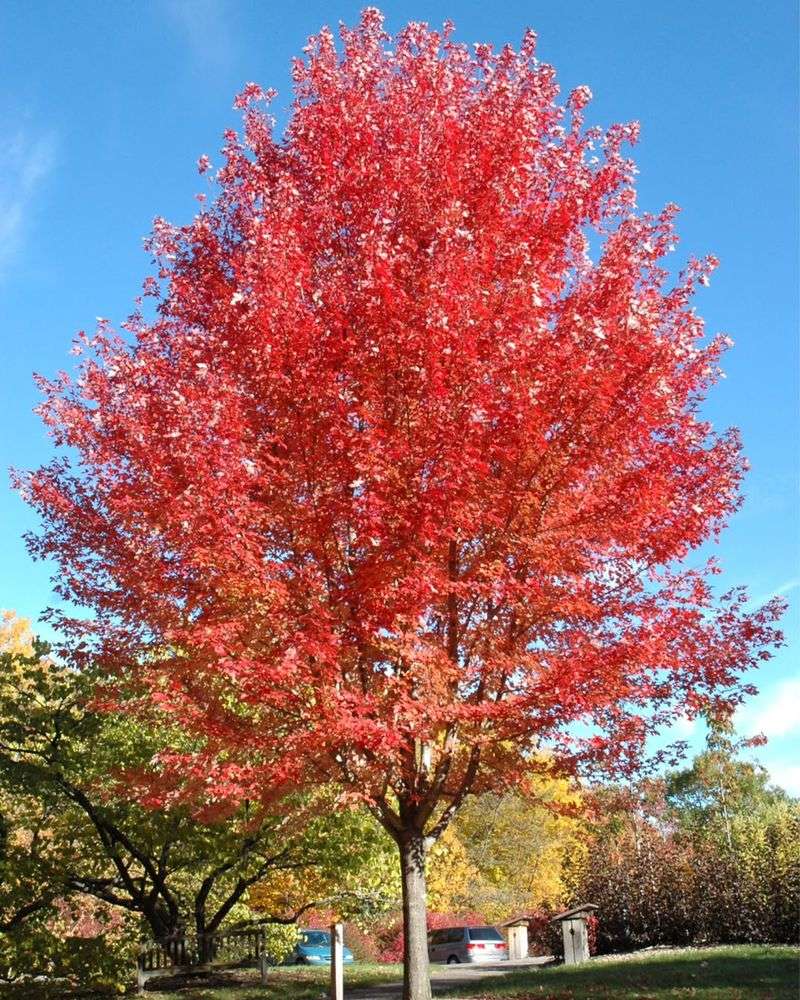
Vine maple (Acer circinatum) is the answer when you want a tree that won’t outgrow your yard or block every bit of light. It naturally grows as a multi-stemmed small tree or large shrub, rarely reaching more than 15 to 20 feet tall.
Its graceful, layered branches fit perfectly into small gardens, courtyards, or tight spaces where a towering Douglas fir would be a disaster.
In spring, vine maple produces delicate red flowers that dangle like tiny lanterns. Summer brings soft green foliage that filters light without creating deep, oppressive shade.
Come fall, the leaves turn brilliant shades of orange, red, and yellow, giving you the kind of seasonal drama that makes your neighbors slow down to look. Even in winter, the smooth, twisting branches add sculptural interest.
Vine maple tolerates a wide range of conditions, from full sun to part shade, and handles both moist and moderately dry soils once established.
It doesn’t need pruning unless you want to shape it, and it doesn’t suffer from the pests and diseases that plague non-native maples.
If you’ve been planting ornamental trees that grow too big, too fast, or demand constant care, vine maple is the native alternative that actually fits your space and your schedule. It solves the small-space problem while delivering year-round beauty.
6. Snowberry For Wildlife And Hard-to-Grow Spots
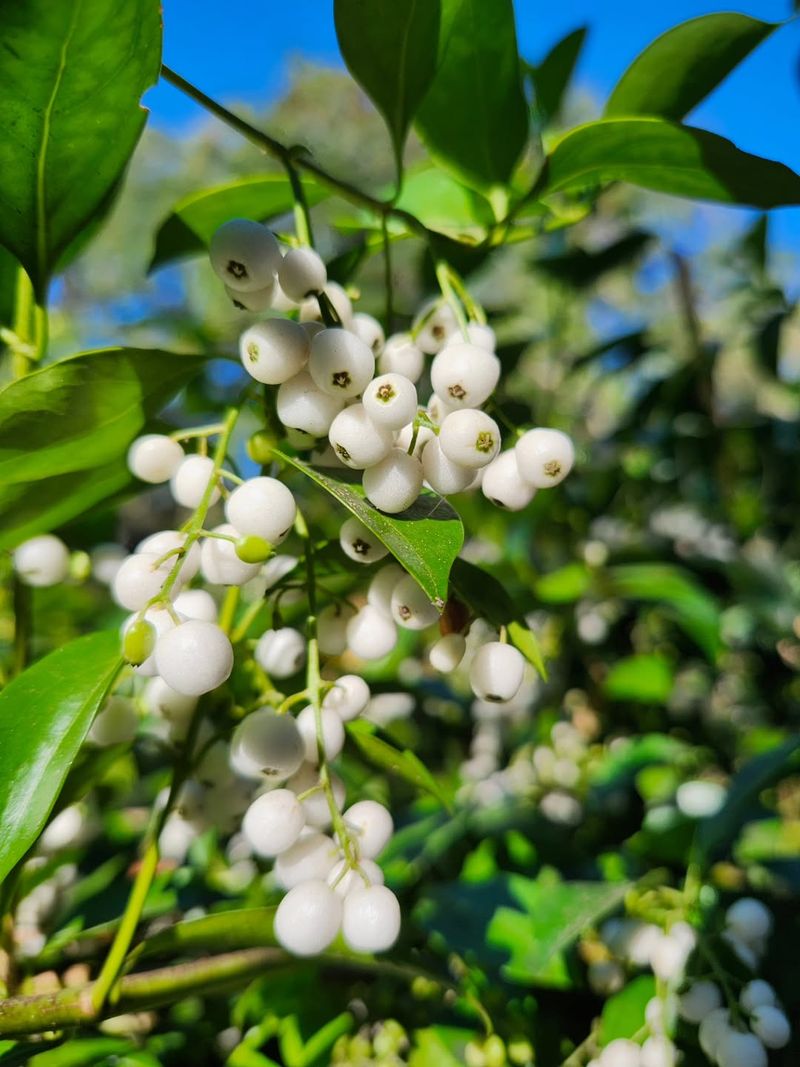
This absolute showstopper thrives in the spots where other plants just give up. It handles poor soil, part shade, summer drought, and even occasional flooding without missing a beat.
If you’ve got a neglected corner, a strip along the driveway, or a patch of ground that’s too dry in summer and too wet in winter, snowberry will settle in and make it look intentional.
In late spring and summer, small pink flowers appear—nothing showy, but pollinators appreciate them. By fall, the plant is covered in clusters of bright white berries that last well into winter, adding unexpected color when the rest of the garden has faded to brown.
Birds, especially waxwings and robins, feast on the berries, and the dense, twiggy growth provides excellent cover for nesting.
Snowberry spreads slowly by rhizomes, forming a thicket that crowds out weeds and fills gaps without becoming invasive. It doesn’t need fertilizer, doesn’t require watering once established, and doesn’t demand your attention.
If you’ve been struggling with a difficult spot that refuses to cooperate, snowberry is the low-effort solution that also supports wildlife. It’s not flashy, but it’s incredibly useful, and that’s exactly what Oregon gardens need in those tricky, forgotten corners.
7. Nootka Rose For Slopes And Natural Barriers
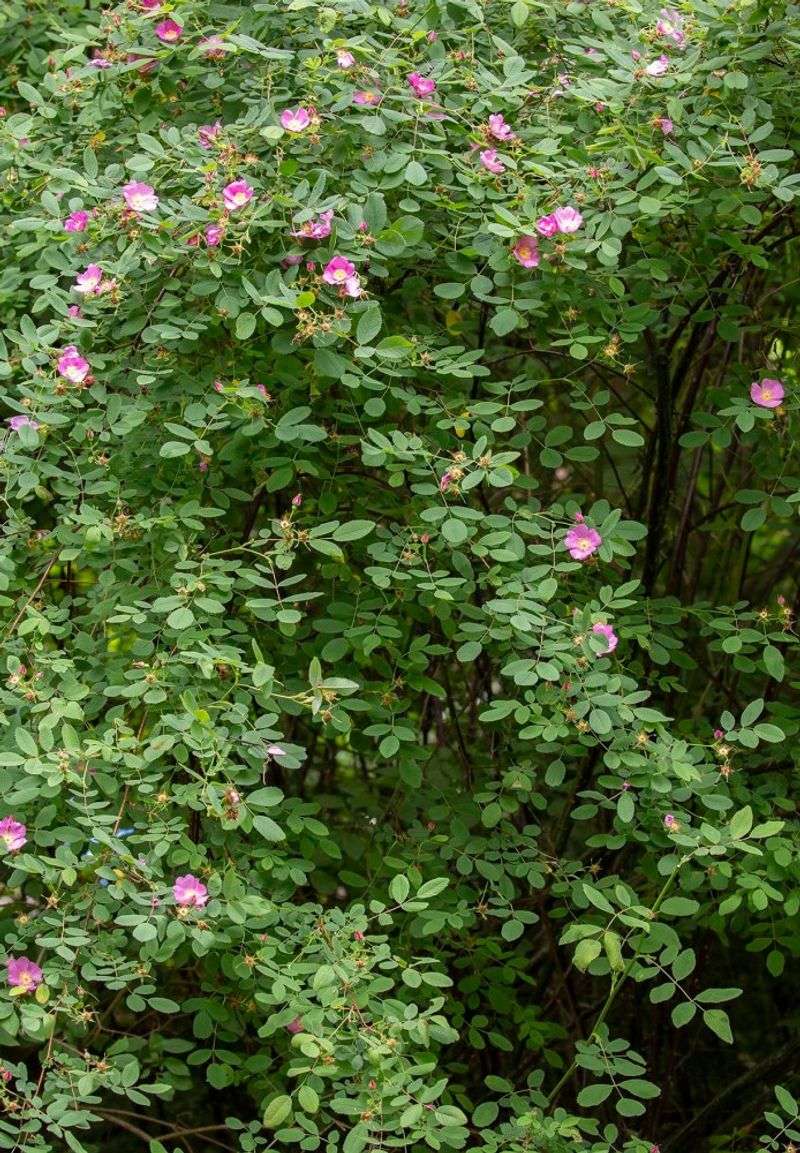
Rosa nutkana is the plant you want when you need something tough enough to hold a slope and dense enough to keep people and critters from cutting through your yard.
This native rose forms a thicket of thorny stems that stabilizes soil, prevents erosion, and creates a natural barrier without looking like a fortress.
It’s beautiful and functional, which is a rare combination.
In late spring, Nootka rose produces large, fragrant pink flowers that smell like heaven and attract native bees and butterflies. By fall, bright red rose hips appear, providing food for birds and wildlife through the winter.
The hips are edible for humans too—high in vitamin C and perfect for teas and jellies if you’re into foraging.
This rose tolerates a wide range of conditions, from full sun to part shade, and handles both dry and moist soils. It doesn’t need the fussing and spraying that non-native roses demand.
No black spot, no aphid invasions, no constant deadheading. Once established, it takes care of itself.
If you’ve been battling a slope that erodes every winter or trying to create privacy without installing a fence, Nootka rose solves both problems at once. It’s tough, fragrant, and wildlife-friendly, and it does all that while looking effortlessly wild and lovely.
8. Douglas Spirea For Wet Areas
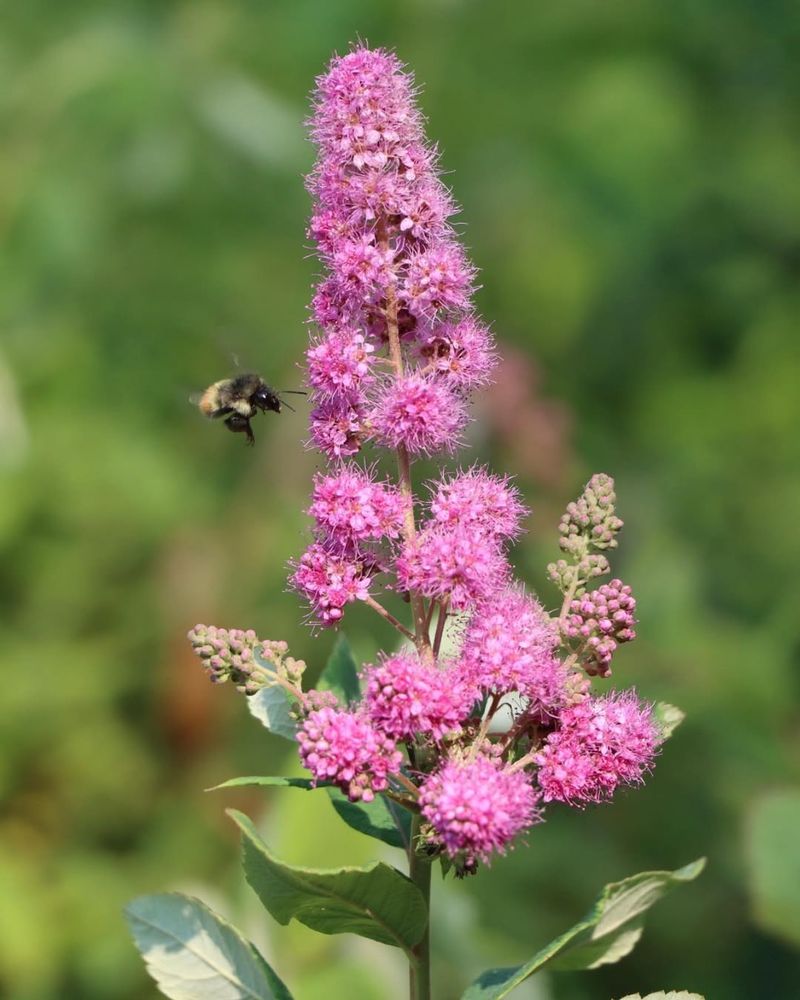
Got a soggy spot that stays wet all winter and into spring? Douglas spirea (Spiraea douglasii) is built for it.
This deciduous shrub thrives in areas with seasonal standing water, along drainage ditches, or in low spots where other plants rot out. It doesn’t just tolerate wet soil—it actually prefers it, which makes it a lifesaver for those problem zones in your yard.
In summer, Douglas spirea produces tall spikes of fluffy pink flowers that rise above the foliage like cotton candy on a stick. Pollinators, especially native bees and butterflies, flock to the blooms.
The flowers last for weeks, giving you continuous color during the hottest months when many other plants are looking tired.
Douglas spirea spreads by rhizomes, forming dense colonies that stabilize wet soil and prevent erosion. It doesn’t need fertilizer, doesn’t require special care, and doesn’t mind being ignored for months at a time.
Once it’s established, it handles summer drought surprisingly well, even after spending winter with wet feet. If you’ve been trying to plant ornamental shrubs in wet areas only to watch them fail, Douglas spirea is the native solution that actually works.
It solves the wet-soil problem while adding summer color and supporting pollinators, all without asking for anything in return.
9. Serviceberry For Multi-Season Interest
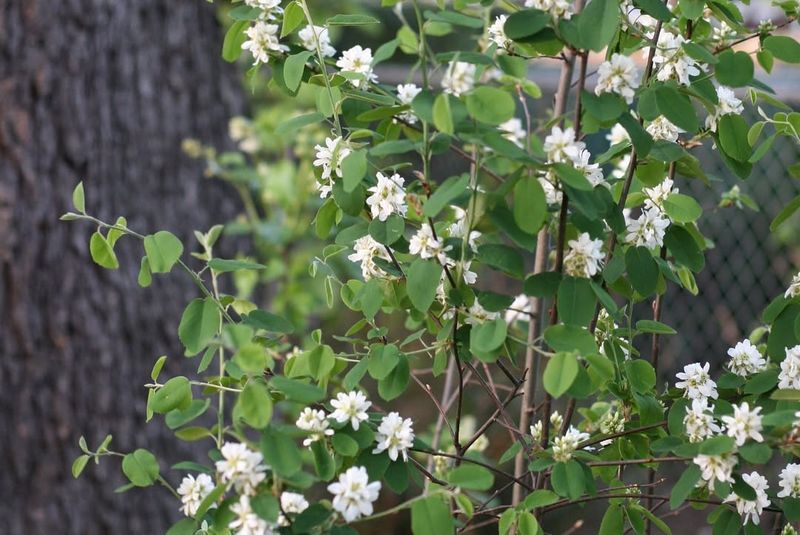
Western serviceberry (Amelanchier alnifolia) is the overachiever of Oregon native plants. It delivers something beautiful in every season, which is exactly what you want in a small garden where every plant has to earn its space.
In early spring, clouds of white flowers appear before the leaves fully emerge, creating a stunning display that rivals any ornamental tree.
By early summer, the flowers turn into sweet, edible berries that taste like a cross between blueberries and cherries. Birds race to get them, but if you’re quick, you can harvest enough for pies, jams, or just snacking in the garden.
The berries are rich in antioxidants and have been a traditional food source for indigenous peoples in the Pacific Northwest for thousands of years.
In fall, the leaves turn brilliant shades of orange, red, and yellow, giving you a show that rivals any non-native ornamental. Even in winter, the smooth gray bark and graceful branching structure add interest.
Serviceberry handles sun or part shade, adapts to various soil types, and doesn’t need much water once established. If you’ve been planting trees that only look good for two weeks a year, serviceberry is the native upgrade that works hard all year long.
It solves the multi-season interest problem while feeding you and the wildlife.
10. Kinnikinnick For Low-Water And High-Traffic Areas
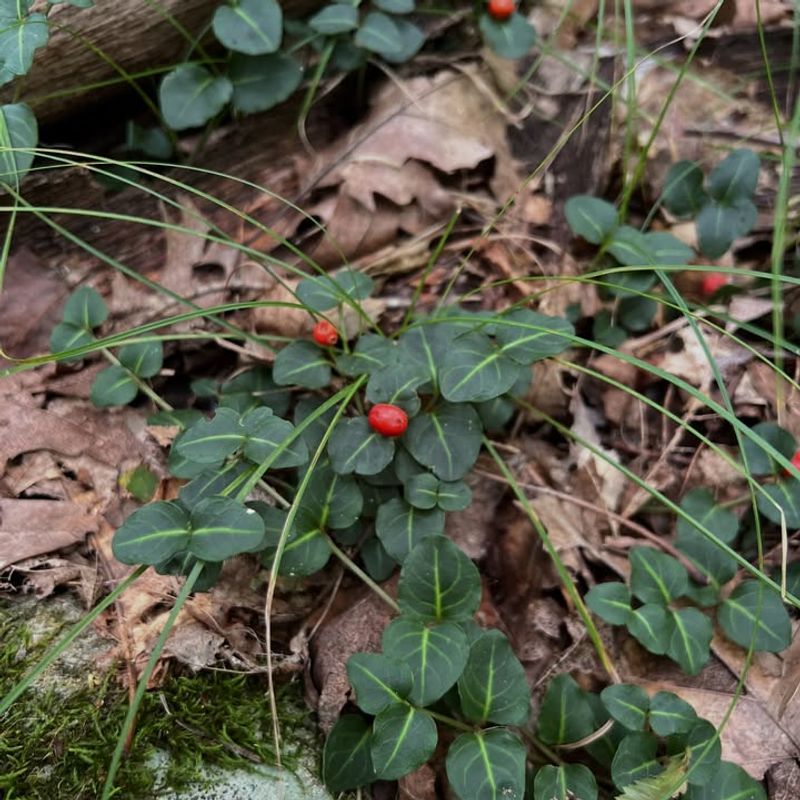
This low-growing evergreen spreads into a dense mat that tolerates occasional walking, stays green all year, and survives summer drought without turning brown or crispy. It’s tough, beautiful, and shockingly low-maintenance.
In spring, kinnikinnick produces small white or pink urn-shaped flowers that bees love. By late summer, bright red berries appear, adding color when most groundcovers have nothing to offer.
The glossy, small leaves stay attractive through winter, and in cold weather, they often take on a bronze or reddish tint that makes your garden look intentional even in January.
Kinnikinnick thrives in well-drained, sandy, or gravelly soils and hates heavy clay or constant moisture. It’s perfect for parking strips, slopes, rockeries, or areas where you want something that looks good but doesn’t need babying.
Once established, it needs almost no water, even during our driest summers. If you’ve been planting groundcovers that demand constant irrigation or turn into a weedy mess, kinnikinnick is the native solution that actually delivers.
It solves the low-water, high-traffic problem while looking polished and put-together all year long.