These Native Plants Will Attract Cardinals And Finches To Your Pennsylvania Yard
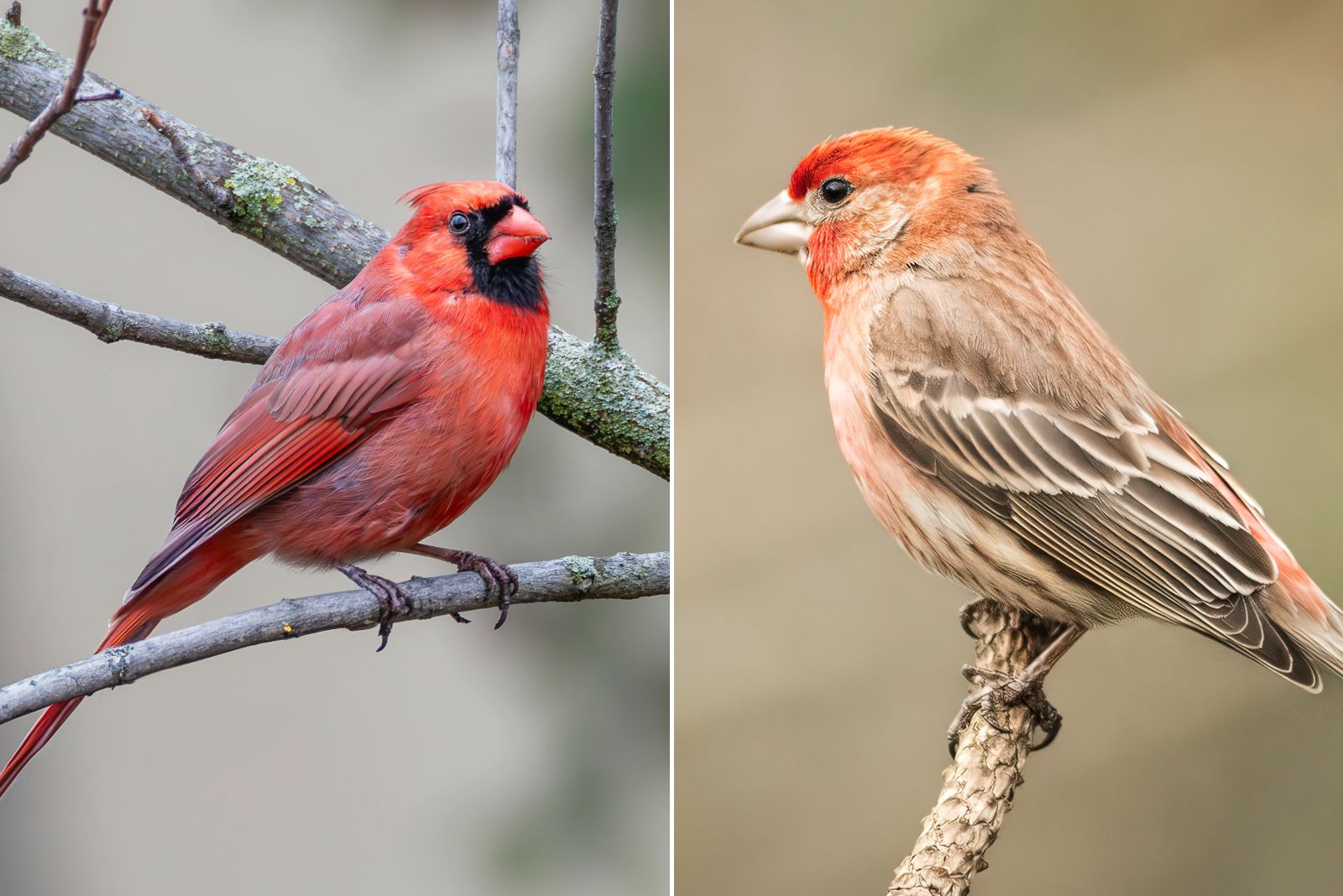
There’s nothing better than looking out your window and seeing bright red cardinals and busy finches flying around your yard.
In Pennsylvania, these beautiful birds are common visitors, but they won’t stop by unless your garden offers what they need.
The good news is that you can attract them naturally by planting the right native plants. These plants provide food, shelter, and safe nesting spots that birds look for all year long.
Instead of relying only on feeders, a bird-friendly yard creates a steady source of natural nutrition and protection. It also supports local wildlife and keeps your landscape healthy.
Whether you have a large backyard or a small garden space, simple plant choices can make a big difference. If you’re ready to turn your yard into a lively bird haven, these native plants are the perfect place to start.
1. Purple Coneflower (Echinacea Purpurea)
Goldfinches absolutely adore purple coneflowers, especially when the blooms turn into seed heads in late summer. You’ll spot these bright yellow birds clinging to the dried centers, pulling out seeds with their small beaks.
Cardinals also visit these sturdy plants, though they prefer foraging for fallen seeds on the ground below.
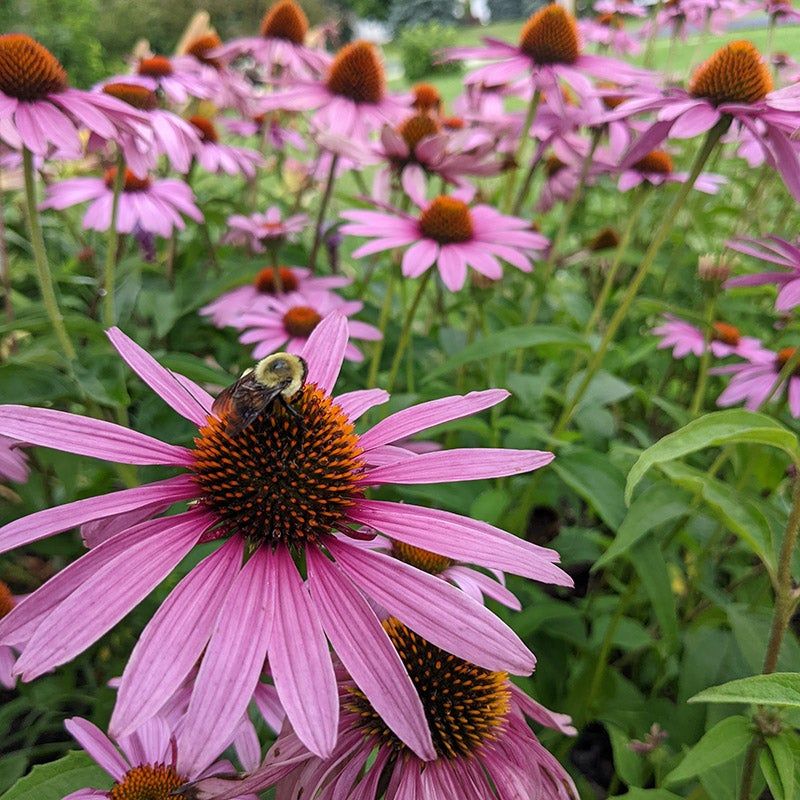
Purple coneflowers grow easily in Pennsylvania soil and tolerate both full sun and partial shade. They bloom from June through August with gorgeous pink-purple petals surrounding a spiky orange center.
The flowers stand tall on thick stems that reach two to four feet high, making them easy for birds to spot from across your yard.
These native perennials require almost no special care once they settle into your garden. Water them during their first growing season, then they become quite drought-tolerant.
Deadheading spent blooms encourages more flowers, but leave some seed heads intact for your feathered visitors.
Plant purple coneflowers in groups of five or more for the biggest impact. Finches prefer dining where multiple plants cluster together, creating a natural buffet.
The clumps also look stunning when dozens of purple blooms sway together in Pennsylvania’s summer breeze.
Beyond attracting birds, these flowers bring butterflies and bees to your yard too. They spread slowly through self-seeding but never become invasive like some garden plants.
Purple coneflowers handle Pennsylvania winters without any protection, returning reliably each spring with fresh green growth that promises another season of bird-watching entertainment.
2. Black-Eyed Susan (Rudbeckia Hirta)
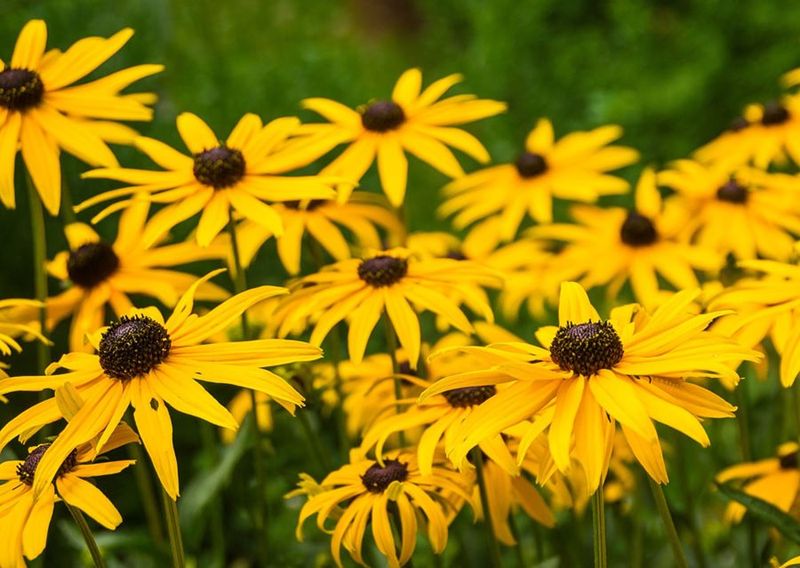
Bright golden petals surrounding chocolate-brown centers make black-eyed Susans impossible to miss in any Pennsylvania landscape.
Cardinals and finches flock to these cheerful flowers from midsummer through fall, feasting on the abundant seeds packed into those dark centers.
The sturdy stems hold up well under the weight of visiting birds, creating perfect perches for dining.
Pennsylvania gardeners love how tough these natives prove to be. Black-eyed Susans thrive in poor soil that would discourage fussier plants, and they bounce back quickly after storms or heavy rains.
They bloom for months, starting in June and continuing until frost arrives in October or November.
These flowers spread naturally through your yard, filling empty spaces with cheerful blooms. They grow one to three feet tall depending on growing conditions and available sunlight.
Full sun produces the most flowers, but they tolerate some afternoon shade in hotter parts of Pennsylvania.
Leave the seed heads standing through winter instead of cutting them back in fall. Finches continue visiting throughout cold months, appreciating the reliable food source when other plants have finished for the season.
Cardinals join them on milder winter days, scratching through snow to reach fallen seeds below.
Black-eyed Susans pair beautifully with purple coneflowers, creating a classic combination that Pennsylvania birds find irresistible.
The yellow and purple color scheme looks gorgeous together while providing varied seed types that appeal to different bird species.
Plant them together for a low-maintenance, bird-friendly garden border that performs year after year.
3. Eastern Red Cedar (Juniperus Virginiana)
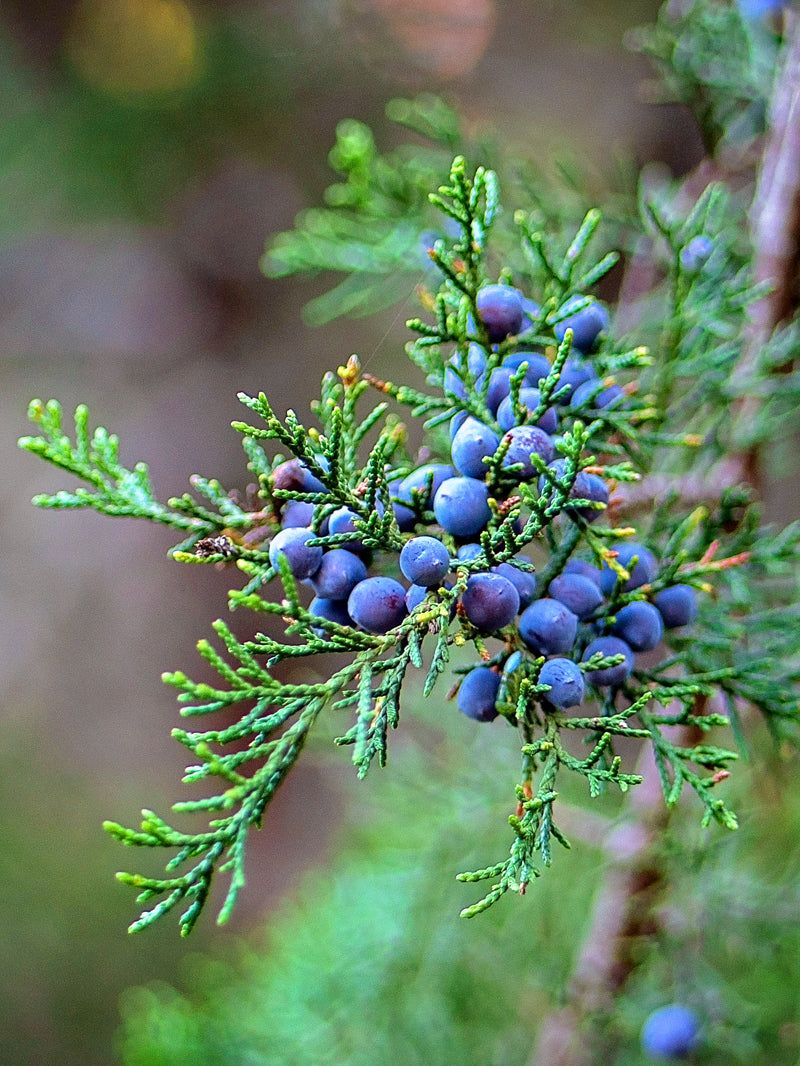
Cardinals choose eastern red cedars as their favorite nesting and shelter spots throughout Pennsylvania. These evergreen trees provide year-round protection from harsh weather and predators, making them essential for any bird-friendly landscape.
The dense, scale-like foliage creates perfect hiding spots where cardinals feel safe raising their young during spring and summer.
Female eastern red cedars produce small blue berries that ripen in fall and persist through winter. Both cardinals and finches eat these berries, though cedars attract many other bird species too.
The berries have a waxy coating that prevents them from spoiling quickly, ensuring food availability during Pennsylvania’s coldest months.
Eastern red cedars grow slowly but eventually reach 30 to 40 feet tall with a pyramidal shape.
Young trees work well in smaller yards, while mature specimens make excellent focal points in larger landscapes. They adapt to almost any soil type found across Pennsylvania, from clay to sandy loam.
Plant male and female trees together to ensure berry production for your birds. Only female trees produce berries, but they need a male nearby for pollination.
Garden centers can help you identify which trees are which when you’re ready to purchase.
These native conifers require minimal maintenance once established in your Pennsylvania yard. They resist most pests and diseases while tolerating drought conditions better than many evergreens.
Their year-round green color provides visual interest when other plants have gone dormant, and cardinals perched against that evergreen backdrop create picture-perfect moments for bird watchers.
4. Sunflowers (Helianthus Annuus)
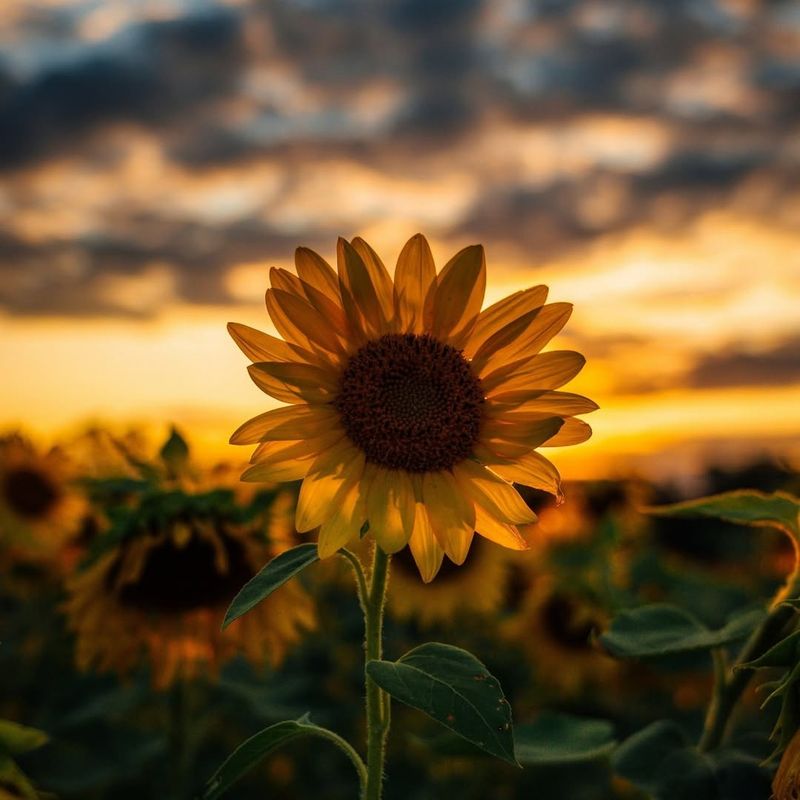
Nothing beats watching finches cling upside-down to giant sunflower heads, pulling out seeds with acrobatic precision. Cardinals prefer waiting below, gathering seeds that fall to the ground during the finches’ enthusiastic feeding.
Planting sunflowers guarantees you’ll see both species visiting your Pennsylvania yard regularly from late summer through fall.
Native sunflowers grow wild across Pennsylvania, but cultivated varieties produce larger seed heads that feed more birds. Choose varieties labeled as having big, single blooms rather than fancy doubles with fewer seeds.
Giant varieties reaching eight to twelve feet tall create dramatic vertical elements while producing massive amounts of bird food.
Sunflowers need full sun and decent soil to perform their best. Plant seeds directly in the ground after Pennsylvania’s last frost, typically mid-May in most areas. They grow quickly, often blooming within 70 to 80 days from planting.
Succession planting keeps sunflowers blooming longer in your yard. Plant new seeds every two weeks through early July to extend the harvest period for your birds.
This strategy ensures fresh seed heads appear continuously rather than all maturing at once.
Let the seed heads dry naturally on the stalks before birds start feeding. The backs of the flower heads turn brown when seeds mature and become ready for harvest.
You can cut some heads to store for winter bird feeding, but leave several standing in the garden where finches can access them naturally.
Pennsylvania winters bring hungry birds to reliable food sources, and dried sunflower heads provide exactly what they need during cold snaps and snowstorms.
5. Serviceberry (Amelanchier Canadensis)
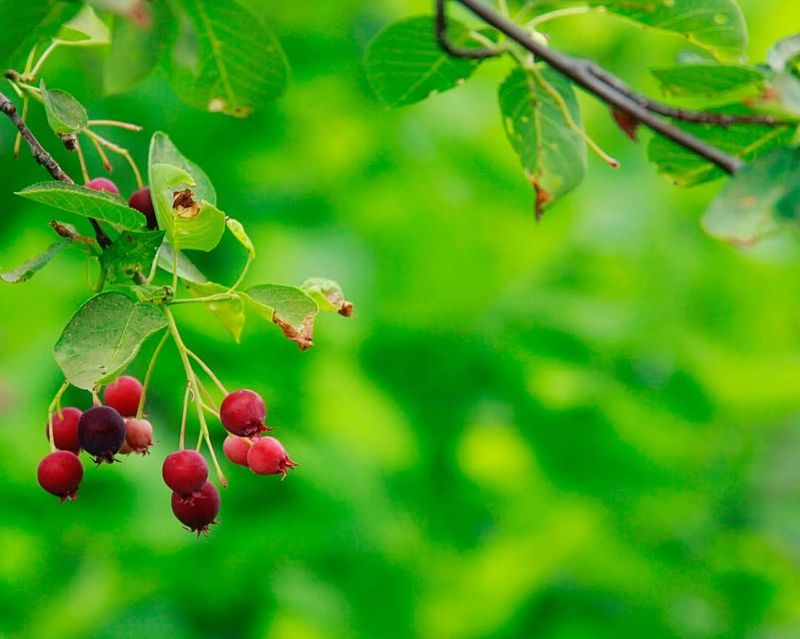
Serviceberries offer something special for Pennsylvania birds during every season. White flowers appear in early spring before most trees leaf out, followed by sweet berries that ripen in June.
Cardinals gobble up these purple-red fruits as fast as they ripen, often competing with robins and catbirds for the tastiest specimens.
This native shrub grows as either a large multi-stemmed bush or a small tree reaching 15 to 25 feet tall.
The growth habit creates perfect nesting spots for cardinals, who appreciate the branching structure and moderate height. Finches visit less frequently but still enjoy the berries when other food sources run low.
Serviceberries adapt to various Pennsylvania growing conditions, from full sun to partial shade. They prefer moist, well-drained soil but tolerate occasional dry spells once their roots establish.
The white spring blooms look stunning against Pennsylvania’s awakening landscape, signaling that warmer weather has finally arrived.
Fall brings another show when serviceberry leaves turn brilliant shades of yellow, orange, and red.
The colorful foliage adds visual interest to your yard while birds continue using the branches for perching and shelter. Smooth gray bark provides winter interest after leaves drop.
Plant serviceberries near windows where you can watch cardinals feasting on the berries without disturbing them. The shrubs work well as hedges or screens, creating natural property boundaries that benefit wildlife.
Pennsylvania gardeners appreciate how serviceberries handle cold winters without any special protection, returning reliably each spring with clouds of white flowers that promise another crop of bird-attracting berries.
6. Goldenrod (Solidago Species)
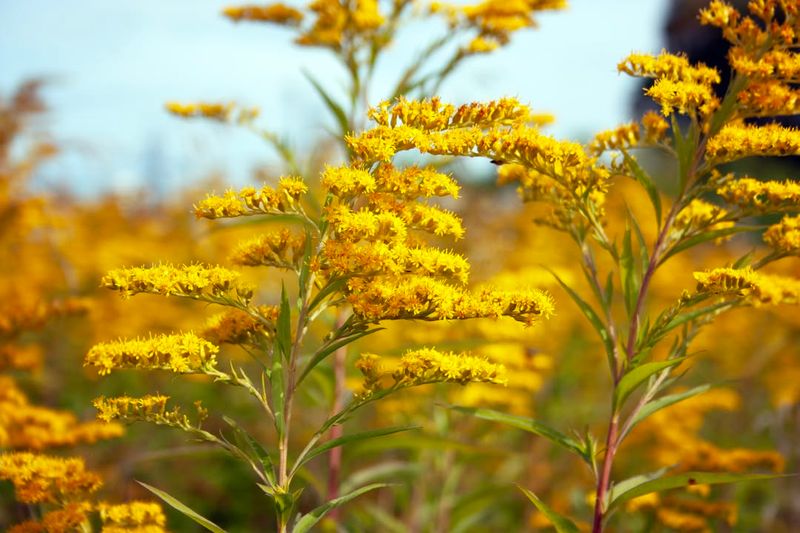
Goldfinches earned their name partly because of their love for goldenrod seeds. These bright yellow birds match the golden flower plumes perfectly, creating a beautiful sight in Pennsylvania yards during late summer and fall.
Cardinals also visit goldenrod patches, though they stick to ground-level foraging for dropped seeds.
Pennsylvania hosts numerous native goldenrod species, all of which attract seed-eating birds. The plants bloom from August through October, providing crucial food sources when many other plants have finished flowering.
Their tall plumes of tiny yellow flowers produce abundant seeds that sustain birds preparing for migration or winter.
Goldenrods get unfairly blamed for causing allergies, but they’re actually innocent. Ragweed, which blooms simultaneously, causes most fall allergy problems.
Goldenrod pollen is too heavy to become airborne, so these valuable native plants deserve a spot in every Pennsylvania bird garden.
These perennials grow two to five feet tall depending on species and growing conditions. They spread through underground rhizomes, creating natural colonies that birds find especially attractive.
Full sun and average soil suit them perfectly, though they adapt to less-than-ideal conditions without complaint.
Goldenrod flowers attract butterflies and beneficial insects before producing seeds for birds. This dual-purpose nature makes them excellent additions to Pennsylvania landscapes focused on supporting wildlife.
The plants require zero maintenance beyond occasional division if they spread too enthusiastically.
Leave the dried seed heads standing through winter so finches can continue feeding during cold months when fresh food becomes scarce across Pennsylvania’s frozen landscape.
7. Staghorn Sumac (Rhus Typhina)
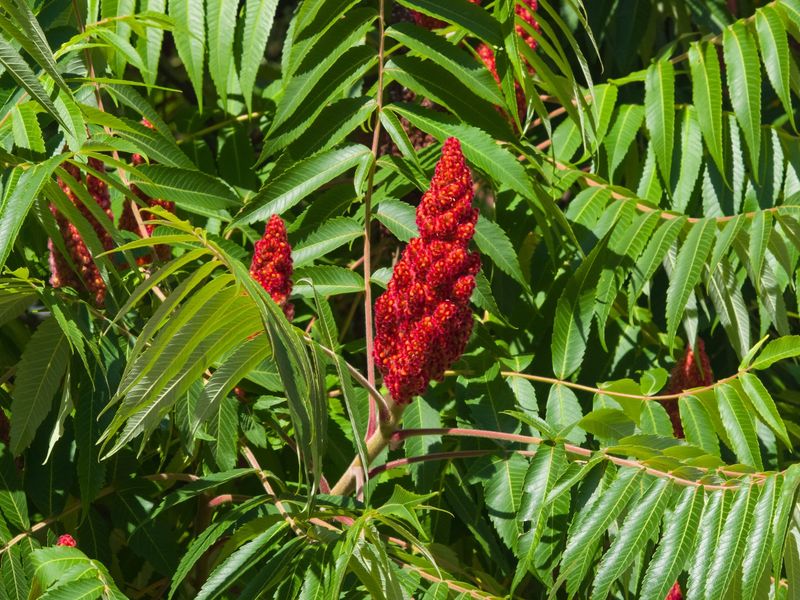
Staghorn sumac’s fuzzy red berry clusters stand out dramatically against Pennsylvania’s winter snow, providing critical food for cardinals when other sources disappear.
The berries persist on branches all winter long, offering reliable nutrition during the toughest months.
Finches also nibble these tart fruits, especially during late winter when their preferred seeds become harder to find.
This native shrub grows quickly, reaching 15 to 25 feet tall with a spreading, colony-forming habit.
The compound leaves turn spectacular shades of orange and scarlet in autumn, creating one of Pennsylvania’s most stunning fall displays. Fuzzy branches resemble deer antlers, giving the plant its common name.
Staghorn sumac thrives in poor soil that discourages other plants. It tolerates drought, erosion-prone slopes, and general neglect while still producing abundant berries for birds.
Pennsylvania gardeners use it for stabilizing banks and filling difficult spots where nothing else grows successfully.
The berries contain high levels of vitamin C and malic acid, giving them a lemony taste that humans can use for making pink lemonade. Birds appreciate this nutritional boost during winter’s energy-demanding conditions.
Cardinals often perch directly in sumac colonies, sheltered by the branching structure while feeding on the convenient berry clusters.
Plant staghorn sumac where it has room to spread, as it forms colonies through root suckers. This spreading habit creates excellent wildlife cover while the berries feed birds.
Pennsylvania winters become more bearable for cardinals and finches when staghorn sumac stands ready with its bright red berry cones, offering sustenance and shelter when they need it most.