These 8 Native Shrubs Thrive In Arizona Front Yards When Planted In Early Spring
Arizona front yards do not get much room for mistakes. Strong sun, dry air, and long hot stretches can make even well intended planting choices look tired faster than expected.
That is why the shrubs placed out front matter so much. They are not just filling space near the house.
They shape how the whole property feels from the street.
Early spring is when that decision starts to feel especially important. The season gives new plants a better window to settle in before the toughest weather takes over, and that can make all the difference later.
It is also the time when many homeowners start looking at bare spots, faded corners, or high maintenance areas and realize the yard needs something more dependable.
Native shrubs stand out for exactly that reason. They already belong in conditions like these, which makes them a practical choice without taking away from the beauty of the space.
The right ones can make a front yard feel more polished, more grounded, and much easier to manage.
1. Creosote Bush Handles Extreme Drought And Harsh Soil
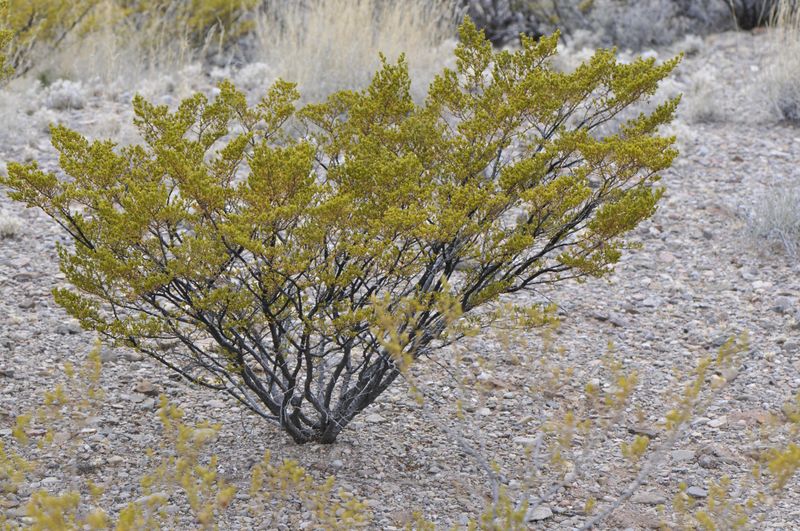
Rain hits the desert, and suddenly the air smells like something ancient and alive — that’s creosote. Few plants in Arizona carry that kind of presence.
Larrea tridentata has been growing across the Sonoran Desert for thousands of years, and it knows exactly what to do with poor, rocky soil and relentless sun.
Plant it in early spring and give it a few deep waterings during its first season. After that, it largely handles itself.
Roots push deep into the ground, chasing moisture that other plants can’t reach. Spacing matters — creosote naturally spaces itself out in the wild, so give each plant room to breathe in your front yard.
Yellow flowers appear in late winter and early spring, small but cheerful against those waxy green leaves. Birds and pollinators appreciate it more than most people expect.
Height runs between four and eight feet depending on water availability and sun exposure. In Phoenix, Tucson, and surrounding areas, it blends naturally into desert landscaping without looking forced or overly designed.
Avoid planting near irrigation-heavy areas since too much water causes root problems. Gravel mulch around the base helps regulate soil temperature and keeps weeds down.
Creosote is genuinely one of the most honest, no-fuss shrubs you can put in an Arizona front yard.
2. Fairy Duster Brings Soft Texture And Seasonal Color
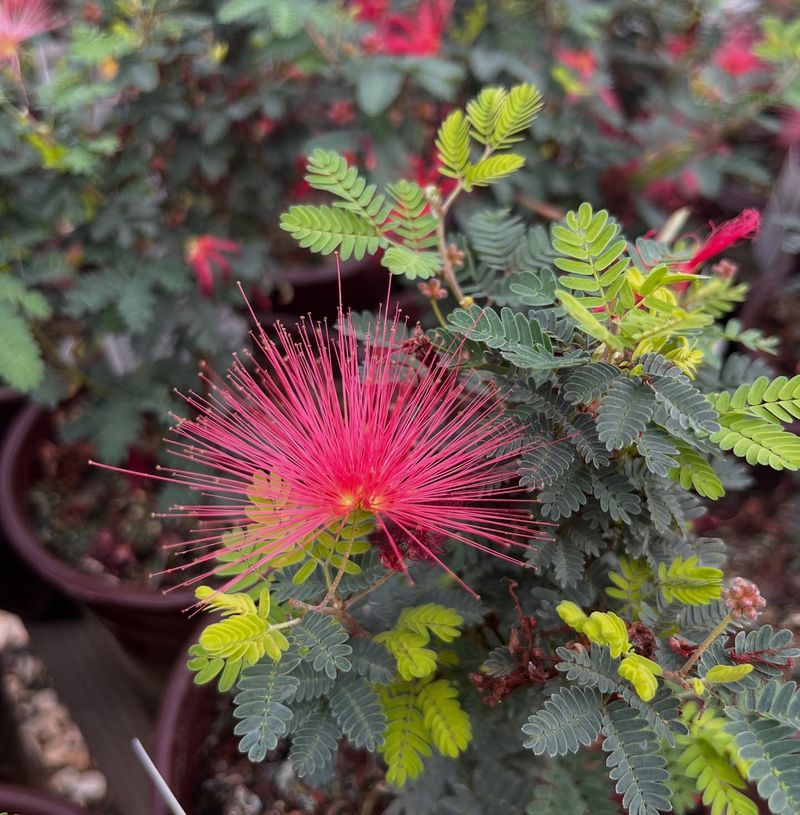
Soft, feathery, and almost whimsical-looking — fairy duster doesn’t look like a plant that could handle Arizona summers, but it absolutely does. Calliandra eriophylla is a tough little shrub hiding behind a delicate appearance, and planting it in early spring gives it exactly the warm runway it needs to settle in.
Blooms show up in late winter through spring, and the flowers look like tiny pink and red paintbrushes exploding outward. Hummingbirds can’t resist them.
Plant height stays modest, usually between two and four feet, making fairy duster a solid choice for front yard borders or low foundation plantings in Tucson or Scottsdale neighborhoods.
Full sun is non-negotiable. Partial shade slows growth and reduces flowering significantly.
Soil doesn’t need to be rich — in fact, overly fertile soil pushes leafy growth at the expense of blooms. Water every week or two during the first spring and summer, then back off as the plant matures.
Pruning lightly after the main bloom cycle encourages a second flush of flowers. Don’t cut it back hard — fairy duster responds better to selective trimming than aggressive shaping.
Pair it with brittlebush or globe mallow for a layered, colorful front yard that feels naturally desert-inspired without requiring constant upkeep. It’s genuinely one of the most charming native shrubs available for Arizona gardeners.
3. Jojoba Thrives With Very Little Water Once Established
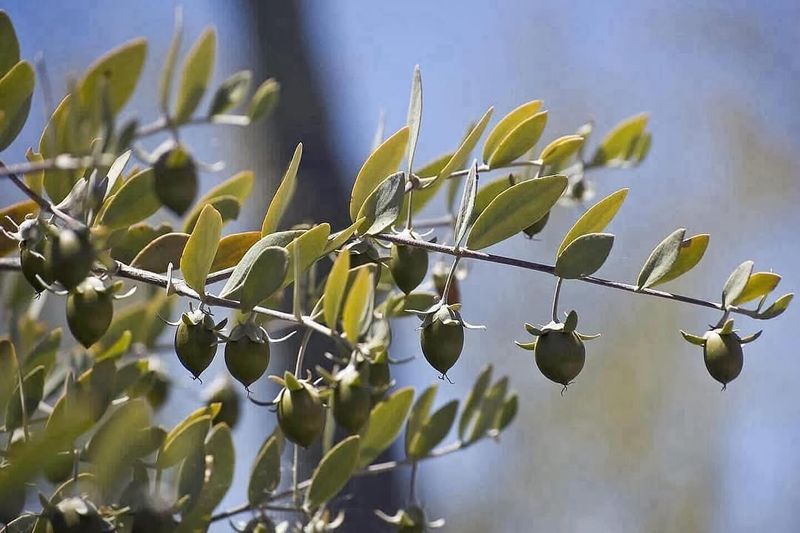
Jojoba is the kind of shrub that rewards patience. Simmondsia chinensis grows slowly at first, but once its roots find their footing in Arizona’s dry soil, it becomes one of the most self-sufficient plants in your front yard.
Early spring planting gives roots the cooler window they need to spread before heat peaks.
Leaves are thick, waxy, and a cool blue-green that looks polished against gravel or decomposed granite. Male and female plants exist separately — if you want the well-known nut production, you’ll need at least one of each nearby.
For pure landscaping purposes, either works fine on its own.
Mature height ranges from three to six feet, occasionally taller in ideal conditions. Jojoba tolerates rocky, alkaline, and sandy soils without complaint — the kinds of conditions that frustrate non-native plants.
Full sun is best, and reflected heat from walls or driveways doesn’t bother it much either.
Water every ten days during the first summer, then gradually stretch the intervals. Overwatering causes more problems than underwatering with this shrub.
It doesn’t need fertilizer and rarely has serious pest issues in Arizona landscapes. Wildlife value is real too — quail and other desert birds feed on the nuts regularly.
For a front yard in Phoenix or Prescott that needs structure without constant maintenance demands, jojoba fits the role quietly and reliably.
4. Brittlebush Adds Silvery Foliage And Bright Spring Blooms
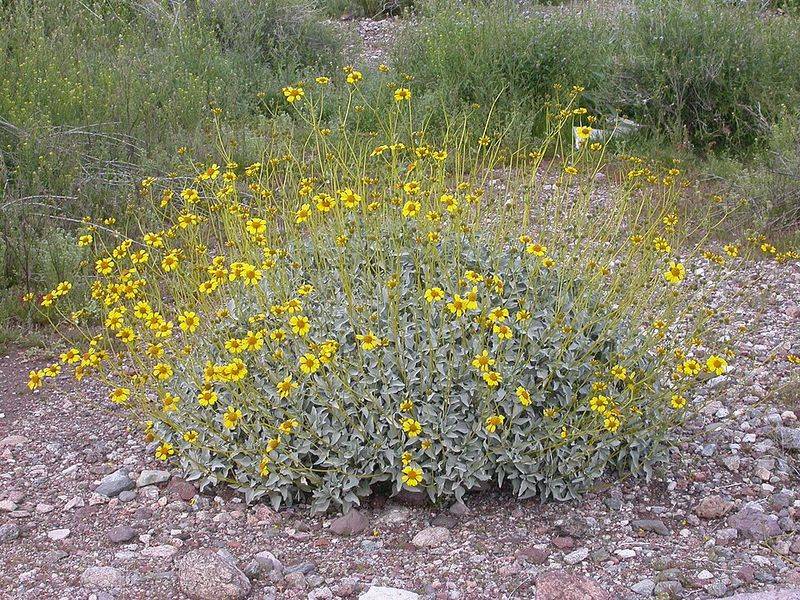
Walk through any wild Arizona hillside in February or March, and chances are you’ll spot waves of yellow — that’s brittlebush doing what it does best.
Encelia farinosa is one of the most visually dramatic native shrubs available for front yard planting, and it’s far tougher than its cheerful appearance suggests.
Silver-gray leaves handle intense reflected heat without scorching, which matters a lot in urban Phoenix or Mesa landscapes where concrete and asphalt push temperatures even higher.
The color contrast between foliage and soil is striking — it looks intentional even when planted casually.
Yellow daisy-like flowers rise on tall stems above the mound of leaves, creating a layered effect that photographs beautifully.
Plant in early spring, water lightly but regularly through the first season, and let it find its rhythm. Brittlebush naturally goes semi-dormant in summer, pulling back on leaf production to conserve energy.
Some gardeners panic at this and overwater — resist that urge. Resume normal light watering in fall when temperatures drop.
Size stays manageable, usually two to five feet tall and wide. It fits easily along walkways, near mailboxes, or as a mass planting along the front of a property.
Combining brittlebush with dark-barked shrubs or cacti creates strong visual contrast. Pruning old stems in late spring keeps the plant tidy and encourages fresh growth heading into the next bloom cycle.
5. Arizona Rosewood Forms Dense Growth In Dry Conditions
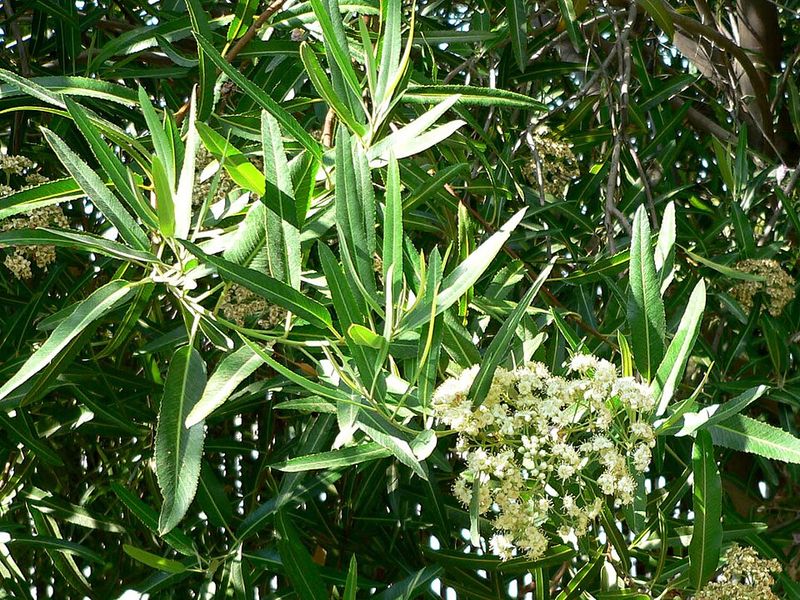
Not every front yard shrub needs to put on a big floral show — sometimes what a landscape needs is structure, density, and reliable green. Arizona rosewood, Vauquelinia californica, delivers exactly that without asking for much in return.
It’s one of the most underused native shrubs in Arizona, and that’s a real missed opportunity.
Leaves are narrow, dark green, and slightly serrated — attractive year-round without seasonal browning or dramatic dormancy cycles. Clusters of small white flowers appear in late spring, subtle but pleasant up close.
Birds use the dense branching for nesting and shelter, which adds real ecological value to a front yard planting.
Growth is upright and can reach eight to fifteen feet over time, making it useful as a privacy screen, hedge, or backdrop for shorter plants. It responds well to shaping if you want to maintain a specific size, though heavy pruning isn’t necessary.
Plant in full sun with excellent drainage — standing water is the one condition it won’t tolerate.
Early spring planting in Tucson or the Verde Valley gives Arizona rosewood a solid start before summer arrives. Water weekly during the first season, then taper off as roots establish.
Soil quality matters less than drainage here — rocky, lean soil is completely fine. It’s a plant that earns its place quietly, building presence over years rather than seasons, and front yards genuinely benefit from that kind of steady, dependable anchor.
6. Desert Senna Produces Yellow Flowers In Warm Seasons
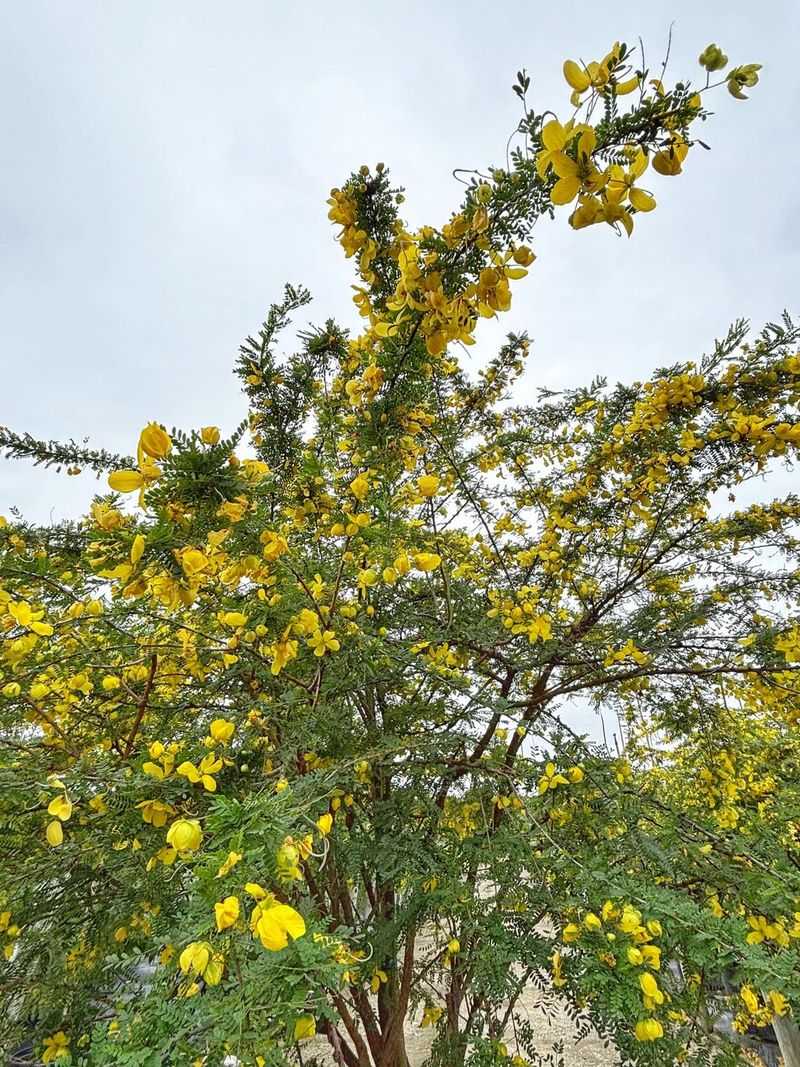
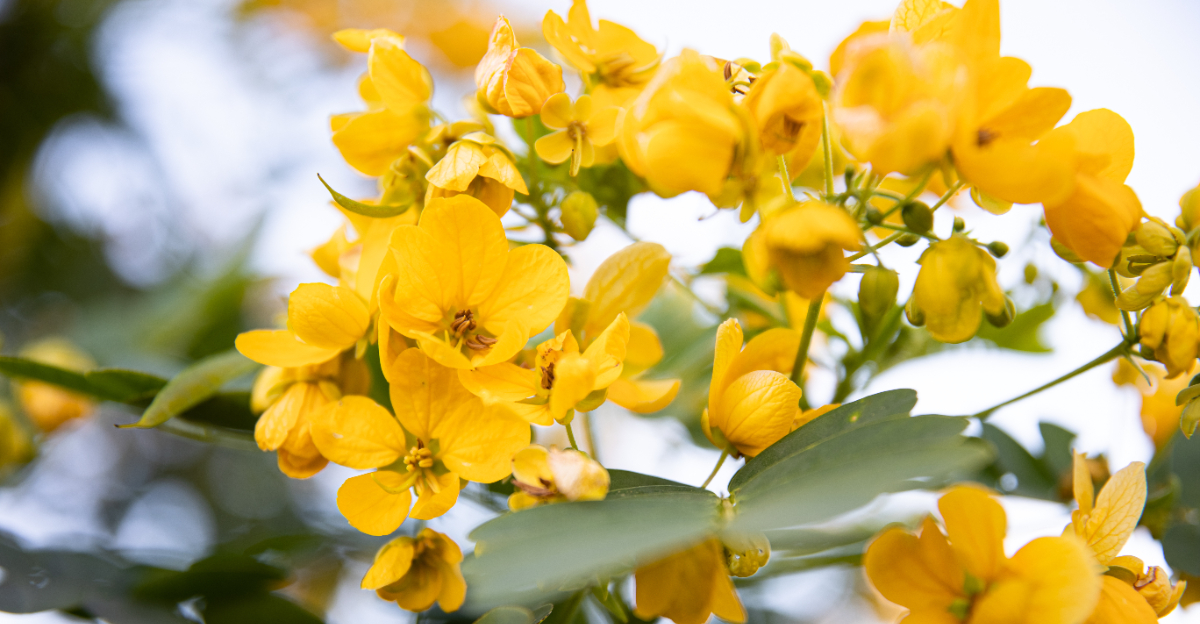
Bright yellow flowers against feathery green foliage — desert senna has a look that feels almost tropical, which makes it a surprising fit for the Arizona desert.
Senna covesii is a native perennial shrub that blooms reliably through warm months, bringing consistent color when a lot of other plants are struggling in the heat.
Plant it in early spring, and by late spring you’ll already see flowers opening. Blooming continues through summer and into fall, which is a longer window than many native shrubs offer.
Pollinators, especially native bees, are strongly attracted to the flowers. If you’re trying to support local pollinator populations in Tempe or Gilbert, desert senna earns its spot quickly.
Height typically reaches two to four feet, with a loose, open branching structure. Full sun is ideal, and the plant handles reflected heat well.
Sandy or gravelly soil suits it better than heavy clay — drainage is the key factor. Water every week or two during the first growing season, then reduce frequency as the plant matures.
Cut stems back by about a third in late fall to encourage fresh, vigorous growth the following spring. Avoid cutting into old woody stems too aggressively — new growth emerges from younger wood.
Desert senna pairs naturally with brittlebush, globe mallow, and fairy duster in layered plantings. It fills mid-height space in a front yard composition without overwhelming neighboring plants or demanding constant attention.
7. Globe Mallow Handles Heat With Long Lasting Blooms
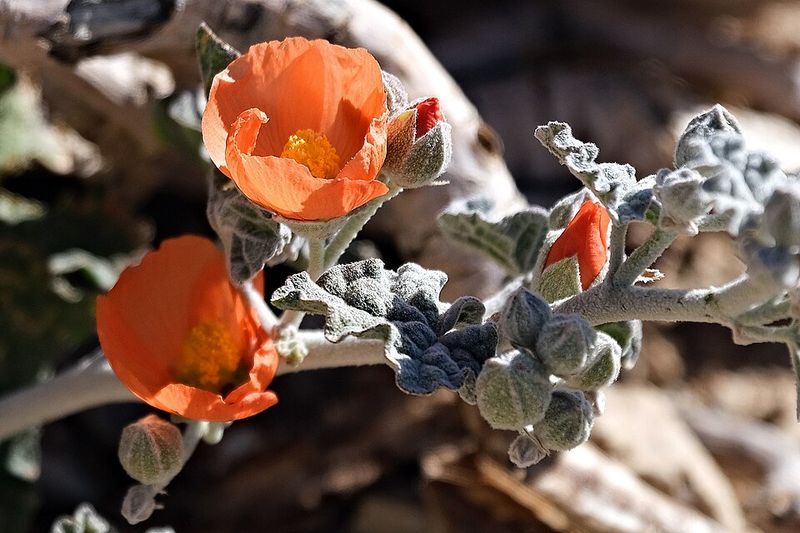
Orange flowers blazing through triple-digit heat — globe mallow earns respect fast in an Arizona front yard. Sphaeralcea ambigua is one of those plants that actually looks better as summer intensifies, which is the opposite of what most ornamental plants do.
Planting in early spring gives it time to anchor before the real heat arrives.
Flower color ranges from coral and orange to pink and lavender depending on the variety. Blooms appear in spring, slow slightly in peak summer heat, then come back strong in fall.
Stems are covered in fine silvery hairs that give the foliage a soft, dusty texture — a practical adaptation that reflects sunlight and reduces water loss.
Height ranges from two to four feet, with an upright, airy habit. Full sun is essential — shaded plants get leggy and produce fewer flowers.
Soil should drain well, but globe mallow isn’t picky about fertility or pH. Water every seven to ten days during the first season in Phoenix or Casa Grande, then reduce as roots spread.
Cut plants back hard in late winter before new growth begins — this is important for keeping the plant full and productive. Without pruning, stems get woody and sparse over time.
Wear gloves when handling globe mallow since the fine leaf hairs irritate skin for some people. Pair it with creosote or jojoba for a front yard planting that covers multiple heights and bloom seasons without much fuss.
8. Desert Lavender Thrives In Full Sun With Low Water Needs
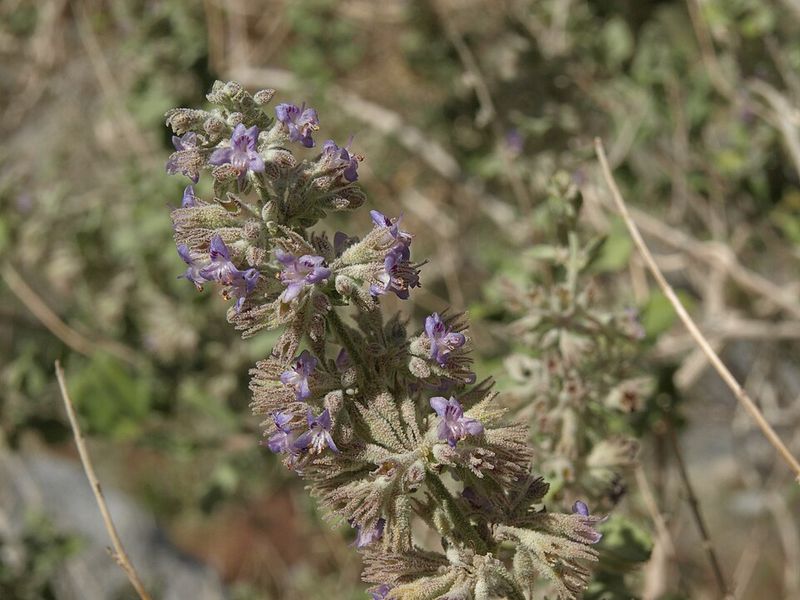
Rub a leaf between your fingers and you’ll understand immediately why desert lavender is worth planting.
Hyptis emoryi releases a clean, herbal fragrance that’s genuinely pleasant — and it does it while surviving in some of the driest, rockiest spots in Arizona.
That combination of sensory appeal and toughness is rare.
Soft purple-blue flowers appear in late winter through spring, small individually but striking in clusters along the stems.
Bees swarm it during bloom season, and the plant becomes a buzzing hub of pollinator activity in front yards across Tucson and the surrounding Sonoran Desert region.
After flowering, the silvery foliage holds visual interest through summer and fall.
Mature size ranges from four to eight feet tall and wide, so give it room. Full sun is non-negotiable — this plant does not perform well in shade.
Rocky, well-drained soil is ideal, and it handles alkaline conditions without any amendments. Water every ten days during the first summer, then pull back significantly as roots settle in.
Pruning after the spring bloom cycle keeps desert lavender from getting too open and leggy. A moderate trim encourages denser branching and better flowering the following year.
Avoid heavy cutting into old wood — new growth comes from younger stems near the branch tips. Planted in early spring in Arizona, it has enough time to push roots deep before summer heat peaks, setting it up for years of reliable performance in your front yard.