These 9 Native Trees Are Perfect For Nesting Birds In Oregon
Songbirds, chickadees, and flickers bring Oregon yards to life, and the right native trees can turn any outdoor space into a safe nesting haven.
Local species offer sturdy branches, protective cover, and the insects birds rely on to raise hungry chicks.
Planting native also supports the wider ecosystem, inviting pollinators, shade, and seasonal beauty while keeping maintenance low. Imagine spring mornings filled with birdsong as tiny nests rest among fresh leaves and swaying twigs.
Even a small yard can host a thriving bird neighborhood with smart tree choices and a little patience. Ready to welcome more flutter, color, and joyful noise into your landscape?
These bird friendly Oregon natives help create shelter, food, and security so feathered visitors return year after year, building nests and raising families right outside your window while your garden grows calmer, greener, and wonderfully alive with nature every single day for you to enjoy fully.
1. Douglas Fir
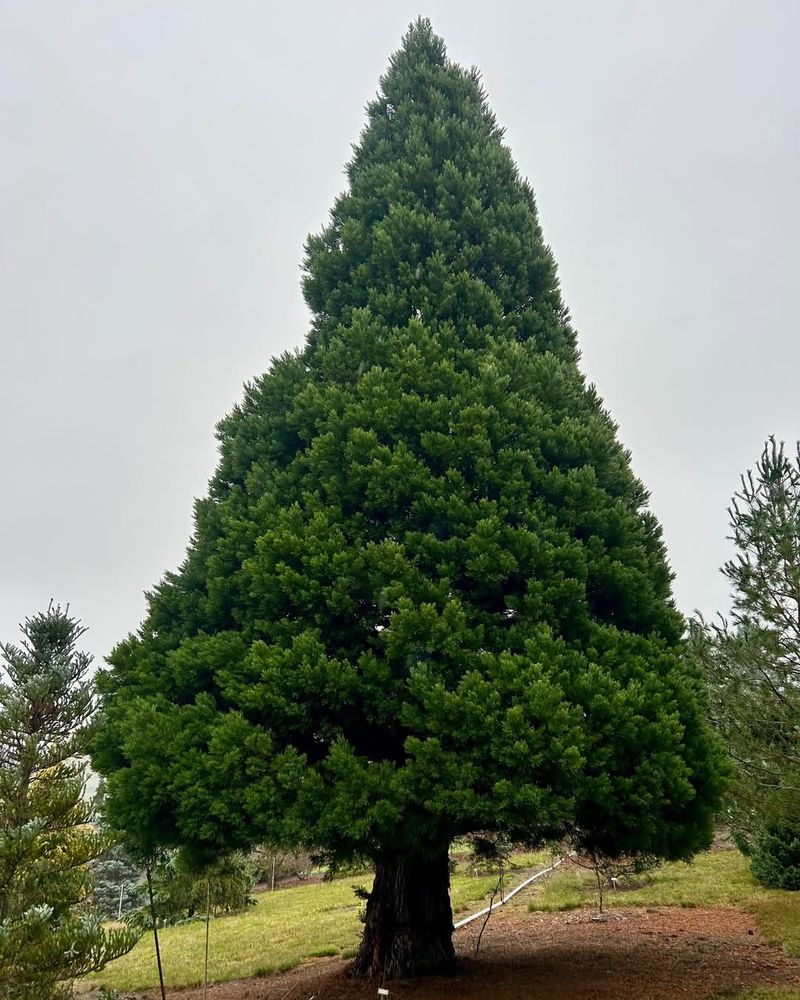
If Oregon had a tree mascot, the Douglas Fir would win by a landslide. Standing tall across the entire state, this iconic evergreen is one of the most important nesting trees for birds in the Pacific Northwest.
Its thick, layered branches create perfect hiding spots for species like the Northern Spotted Owl, Red-tailed Hawk, and Steller’s Jay.
The dense canopy blocks wind and rain, giving nesting birds a safe, sheltered space to raise their chicks. Even smaller songbirds use the Douglas Fir’s rough bark and needle clusters to anchor their nests.
The tree also attracts insects, which many birds rely on to feed their young.
Douglas Firs can grow over 200 feet tall and live for hundreds of years, meaning one tree can support many generations of birds. In Oregon, these trees are found everywhere from the Coast Range to the Cascades.
If you have space in your yard, planting a Douglas Fir is one of the best things you can do for local birds. It grows relatively fast and thrives in Oregon’s mild, moist climate with very little extra care needed.
2. Western Red Cedar

Few trees feel as ancient and welcoming as the Western Red Cedar. With its sweeping, drooping branches and soft, scale-like leaves, this tree has a quiet magic that birds seem to understand instinctively.
Species like the Pacific Wren, Varied Thrush, and Yellow Warbler are regular visitors to cedars found throughout western Oregon.
The shaggy, fibrous bark of the Western Red Cedar is a goldmine for birds that build cozy, cup-shaped nests. They pull strips of the soft bark apart and weave it into their nests for extra warmth and cushioning.
The dense foliage also shields nests from predators and harsh weather.
Western Red Cedars love wet environments, making them a natural fit for Oregon’s rainy western valleys and stream banks. They grow slowly but can reach enormous sizes over time, becoming towering landmarks in the landscape.
Planting one near a water source in your yard creates an ideal habitat corridor for birds moving through the region. These trees also provide year-round cover, which is especially valuable during Oregon’s cold, wet winters when birds need reliable shelter most.
3. Oregon White Oak
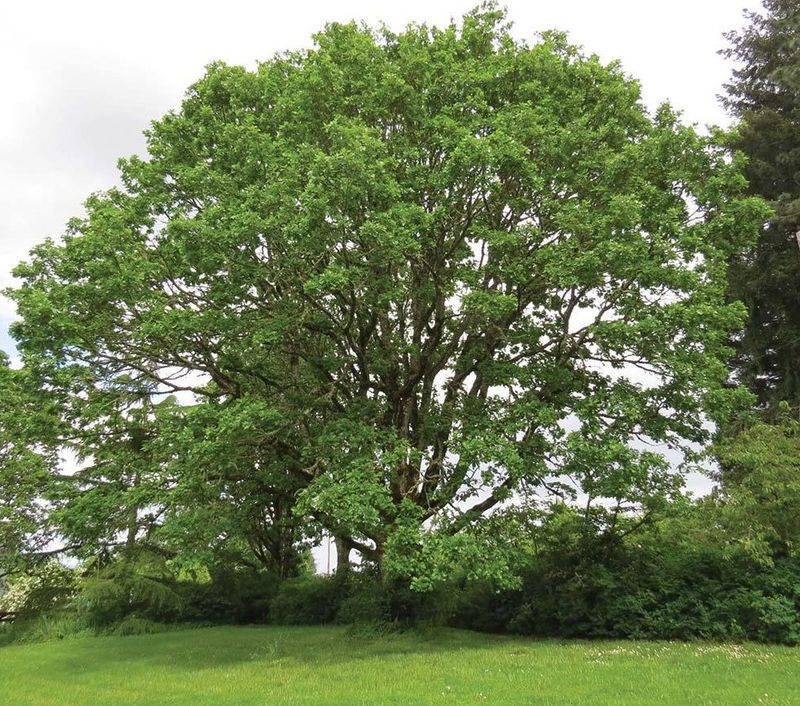
Rugged, wide-spreading, and full of character, the Oregon White Oak is a powerhouse for wildlife. Acorn Woodpeckers, Western Scrub-Jays, and Band-tailed Pigeons are just a few of the birds that flock to this tree throughout the year.
Acorns are a huge food source, but the tree offers much more than just a meal.
The deeply furrowed bark of mature Oregon White Oaks is riddled with crevices and cavities. These natural openings become prime nesting real estate for cavity-nesting birds like owls, woodpeckers, and nuthatches.
Old oaks especially are treasured because they develop more hollows as they age, creating a kind of bird apartment complex.
Found mainly in the Willamette Valley and southern Oregon, the Oregon White Oak thrives in drier, sunnier spots where other trees struggle. It is a slow grower, but incredibly long-lived, sometimes reaching 500 years or more.
Homeowners in Oregon who have one of these oaks on their property are sitting on a true wildlife treasure. Protecting existing oaks and planting new ones helps preserve a habitat that supports dozens of native bird species across the region.
4. Bigleaf Maple
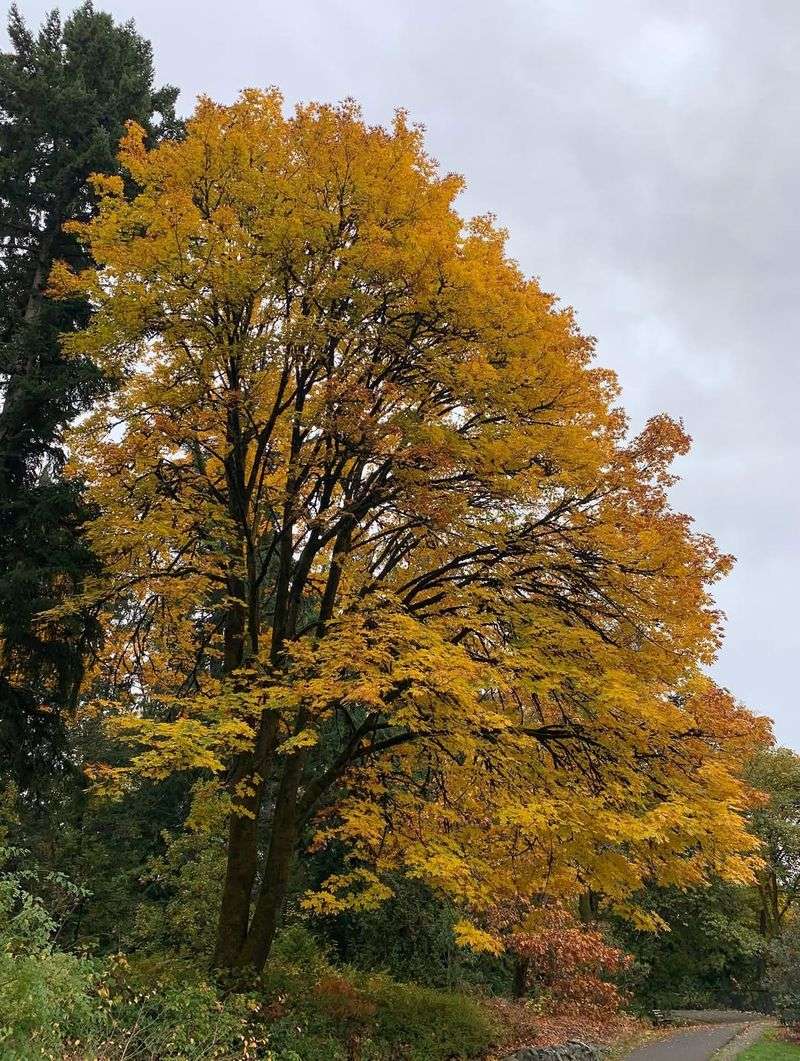
Walk through almost any moist Oregon forest and you will spot the Bigleaf Maple’s giant, hand-shaped leaves catching the light. This tree has a personality all its own, often draped in thick carpets of moss and ferns that cling to its wide branches.
That mossy coating is not just beautiful, it is also incredibly useful for birds.
Many Oregon birds, including the Black-throated Gray Warbler and the Hutton’s Vireo, use clumps of moss pulled from Bigleaf Maples to build their nests. The soft, spongy material insulates eggs and keeps chicks warm during cool spring nights.
The tree’s broad canopy also provides excellent cover from hawks and other predators.
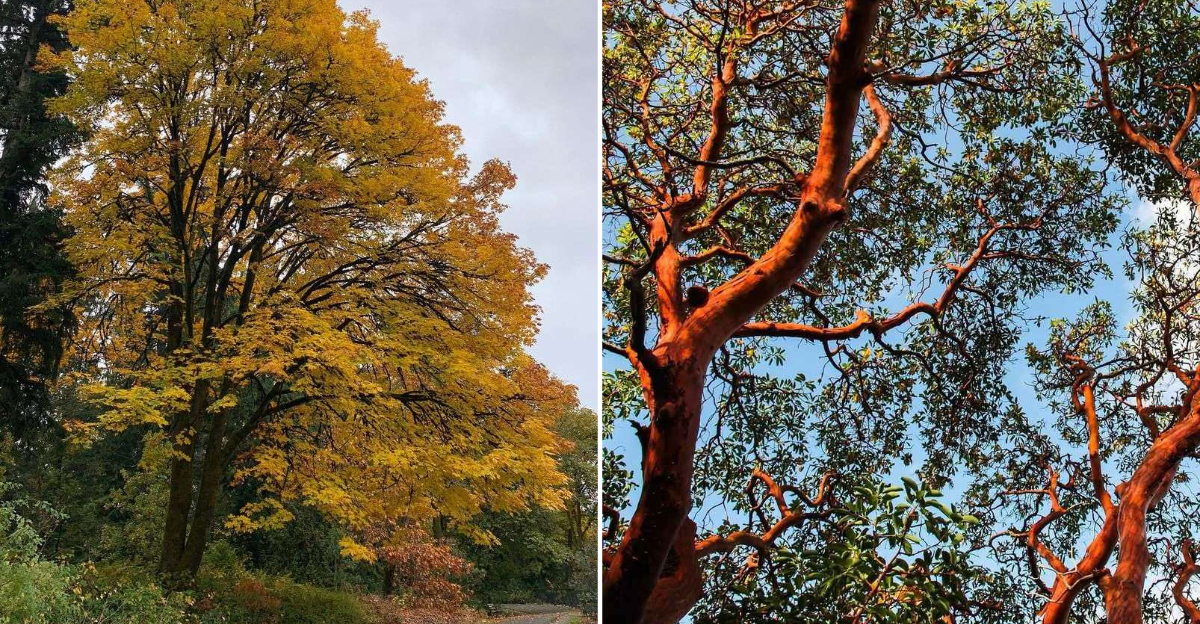
Bigleaf Maples produce winged seeds called samaras that attract finches, grosbeaks, and other seed-eating birds. In fall, the brilliant yellow leaves make the tree easy to spot across Oregon’s hillsides and river corridors.
These maples grow quickly and adapt well to both shaded and open areas, making them a smart choice for anyone looking to boost bird habitat. Plant one near a stream or in a shaded corner of your yard and watch the activity pick up almost immediately.
5. Red Alder
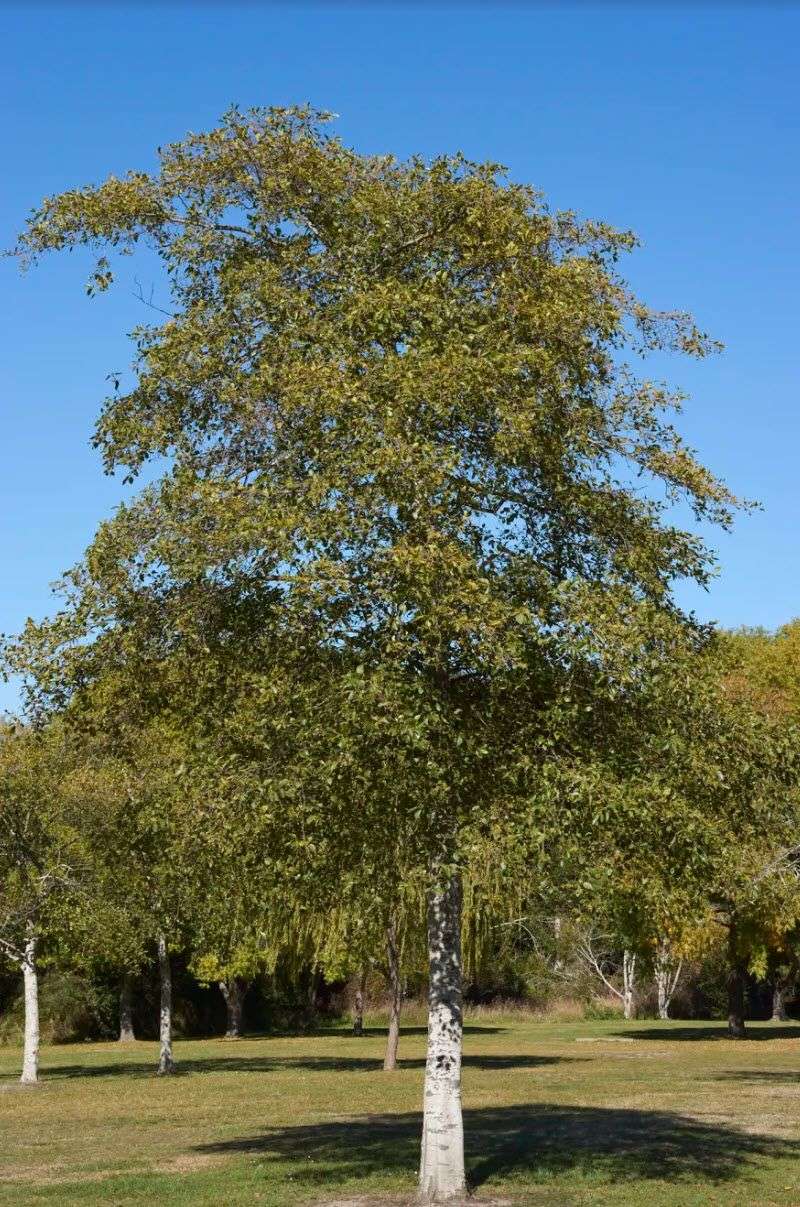
Red Alder is the unsung hero of Oregon’s riparian forests. Growing fast and thick along streams and riverbanks throughout western Oregon, this tree creates dense, bird-friendly corridors that are buzzing with life from spring through fall.
It is not the tallest or most glamorous tree in the forest, but birds absolutely love it.
The catkins and seeds of Red Alder are a favorite food for Common Redpolls, Pine Siskins, and American Goldfinches. These small birds flock to alders in large numbers, especially during winter when other food sources are scarce.
The tree’s branching structure also supports nests built by robins, warblers, and flycatchers during the breeding season.
Red Alder has an interesting trick up its sleeve: it fixes nitrogen in the soil, which improves the health of surrounding plants and trees. This creates a richer, more productive habitat for the insects that birds depend on for feeding their young.
In Oregon, Red Alders are often the first trees to colonize disturbed land, quickly building new habitat where it is needed most. If you live near a wet area or creek, planting Red Alders can transform your land into a thriving bird refuge in just a few years.
6. Pacific Madrone
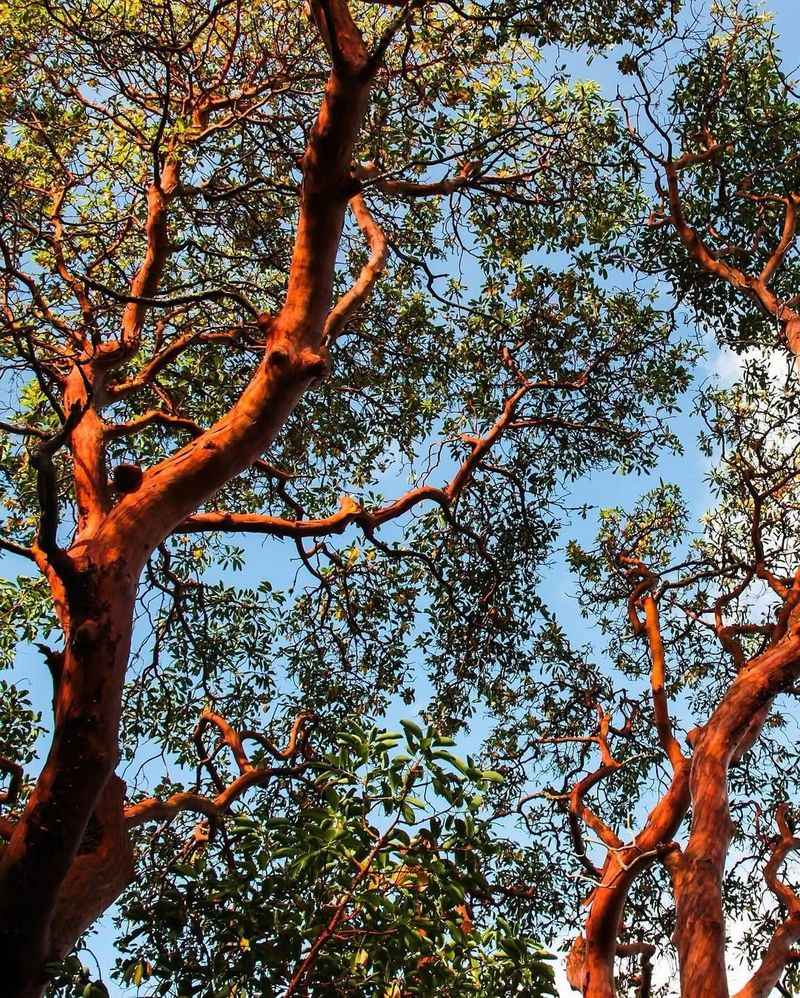
There is no tree in Oregon quite like the Pacific Madrone. Its smooth, peeling bark shifts from green to orange to deep red, making it look almost like it is glowing in the sunlight.
But beyond its striking appearance, the Madrone is a critical food and nesting source for birds along Oregon’s coast and in the Siskiyou Mountains.
The clusters of small white flowers attract insects in spring, and those insects attract insect-eating birds like warblers and flycatchers. By late summer, the tree produces bright red berries that are a feast for Band-tailed Pigeons, American Robins, and Cedar Waxwings.
These birds often arrive in flocks, stripping the berries with enthusiastic speed.
Pacific Madrones prefer well-drained slopes and rocky soils, conditions that are common along Oregon’s coastal ranges. They are evergreen, meaning they provide shelter and perching spots year-round, which is especially helpful during Oregon’s rainy winters.
Madrones can be tricky to grow from transplants, so starting from seed or buying locally grown stock is the best approach. Once established, though, they are tough, long-lived trees that reward patient gardeners with decades of bird activity and year-round visual interest.
7. Black Cottonwood
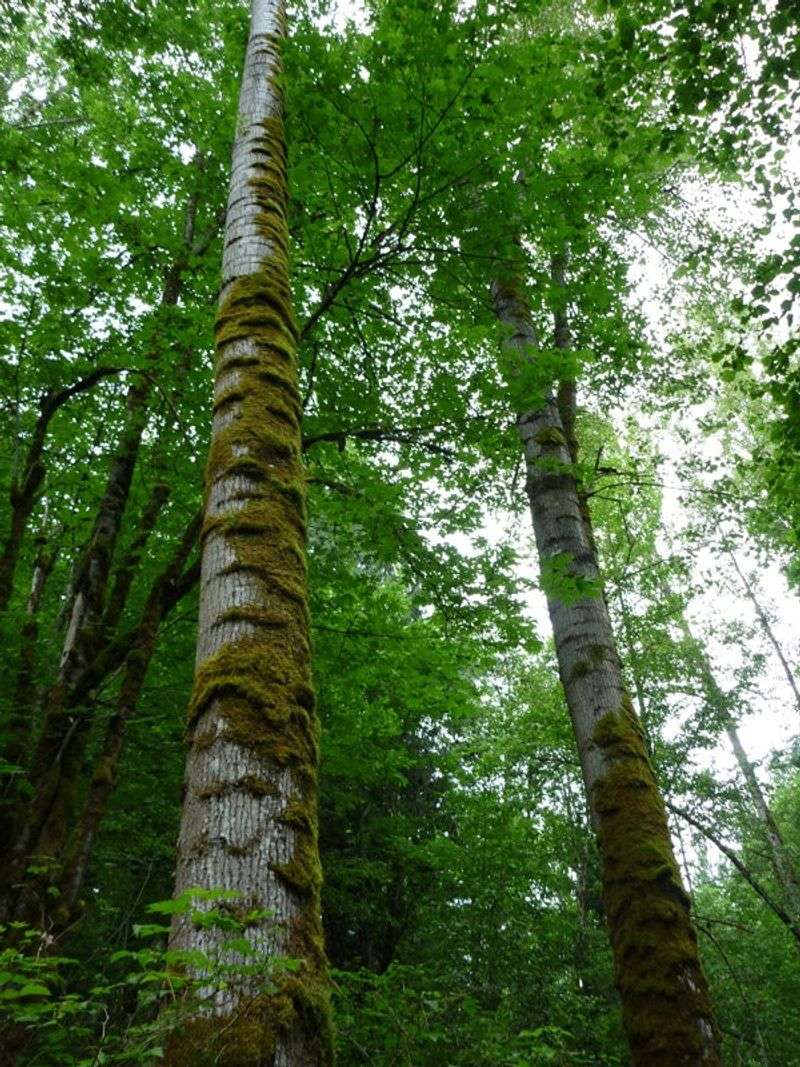
Stand near an Oregon river in early summer and you might think it is snowing. That fluffy white stuff floating through the air is cottonwood seed, and it signals that the Black Cottonwood is doing what it does best: spreading life.
This fast-growing giant is one of the most important riverside trees for birds in the entire Pacific Northwest.
Woodpeckers, especially the large Pileated Woodpecker, carve nesting cavities into the soft wood of Black Cottonwoods. Once the woodpeckers move on, those same holes become homes for owls, mergansers, kestrels, and Wood Ducks.
Essentially, one cottonwood can house an entire community of cavity-nesting birds over its lifetime.
The broad canopy of mature Black Cottonwoods also supports the hanging nests of Baltimore Orioles and the open cup nests of Yellow Warblers. Colonies of these trees along Oregon’s Willamette, Rogue, and Columbia Rivers create vital green corridors that migrating birds follow during their long seasonal journeys.
Black Cottonwoods grow incredibly fast, sometimes adding six feet of height per year. For anyone hoping to restore bird habitat quickly along a wet or riparian area in Oregon, this tree is hard to beat for speed and impact.
8. Vine Maple
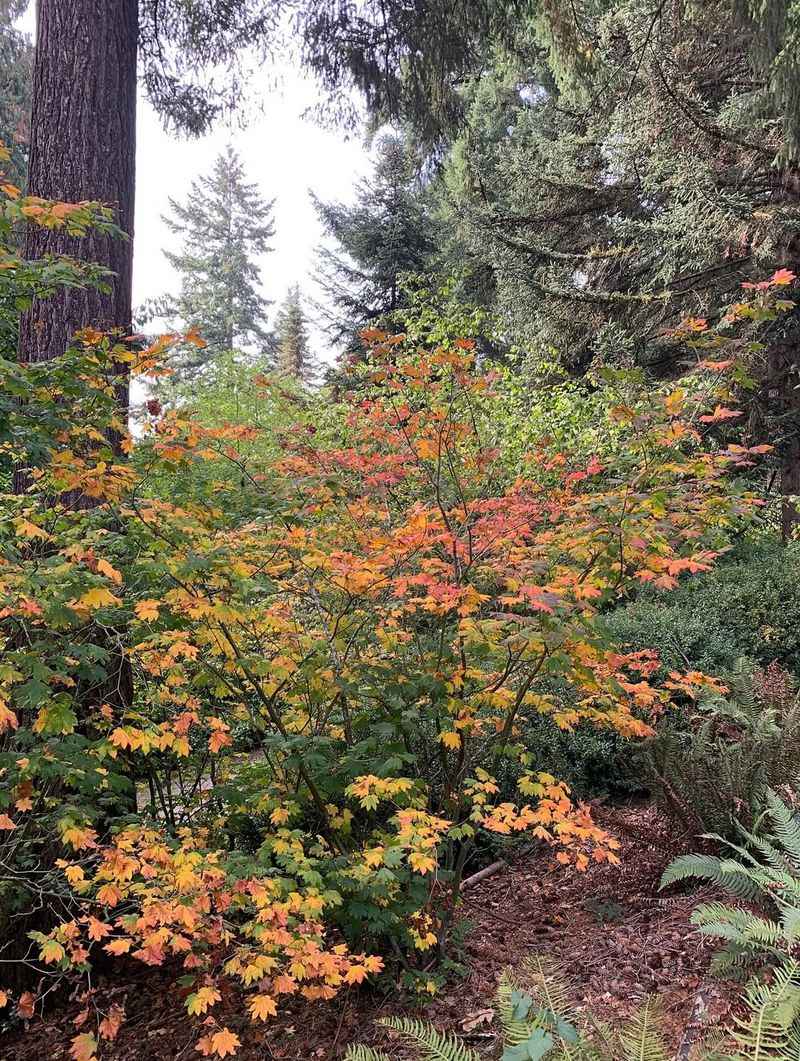
Tucked beneath the towering firs and cedars of Oregon’s forests, the Vine Maple carves out its own cozy niche in the understory. Its twisted, arching stems and delicate, circular leaves give it an almost fairy-tale look, especially in fall when the leaves turn fiery shades of orange and red.
Birds that prefer lower, sheltered nesting spots find the Vine Maple absolutely irresistible.
Species like the Song Sparrow, Orange-crowned Warbler, and MacGillivray’s Warbler often build their nests in the dense, tangled branches of Vine Maples.
The low-growing structure keeps nests well-hidden from aerial predators, while the surrounding canopy provides additional cover.
Insects that live among the leaves and stems give parent birds a nearby food source when feeding nestlings.
Vine Maples grow naturally across western Oregon in moist, shaded areas, often alongside streams or in forest gaps. They are multi-stemmed and shrubby, usually reaching 15 to 25 feet tall.
Their manageable size makes them a great choice for smaller yards or garden edges where space is limited. Planting a Vine Maple near a water feature or in a shaded corner of your Oregon property can quickly attract nesting birds that might otherwise pass your yard by.
9. Serviceberry
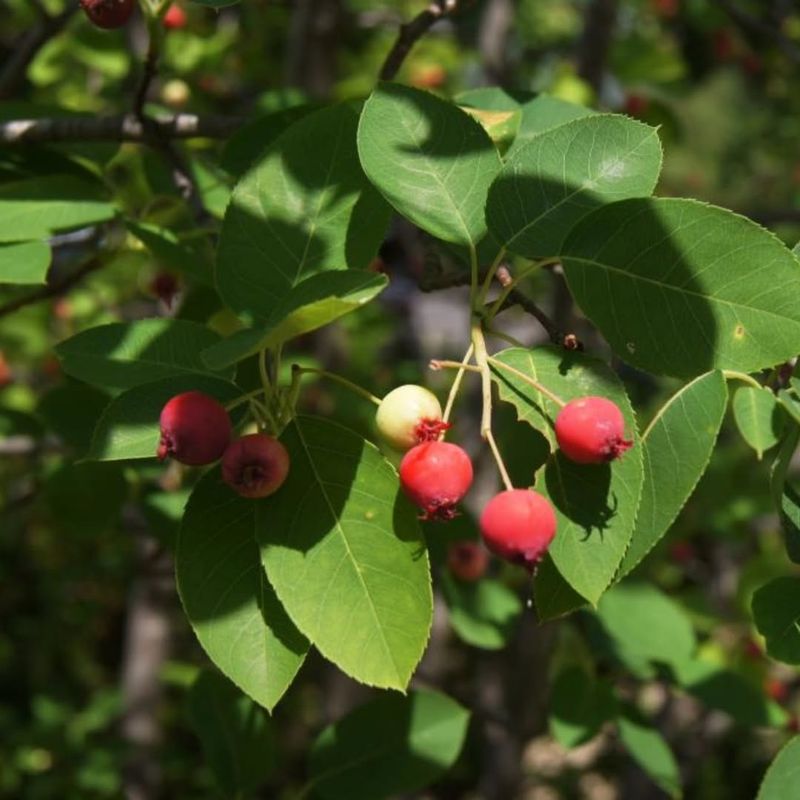
Early spring in Oregon brings one of nature’s most cheerful sights: Serviceberry bursting into bloom with clusters of delicate white flowers before most other plants have woken up. Birds notice right away.
The blossoms attract early-season insects, and those insects draw hungry migrants just passing through the region after a long journey north.
By midsummer, the Serviceberry is loaded with small, blueberry-like fruits that are wildly popular with birds. American Robins, Cedar Waxwings, Swainson’s Thrushes, and Western Tanagers are among the many species that visit to gorge on the sweet berries.
The feeding frenzy can be so intense that a full crop of berries disappears within just a few days.
Beyond food, the Serviceberry’s dense branching makes it a reliable nesting spot for smaller birds like Song Sparrows and Yellow Warblers.
It works well as a shrubby border plant or a small accent tree in Oregon gardens, reaching about 6 to 20 feet tall depending on growing conditions.
It tolerates a wide range of soils and sun exposures, making it one of the most versatile native plants you can add to a bird-friendly Oregon landscape. Plant a few together for maximum impact and you will have birds visiting all season long.