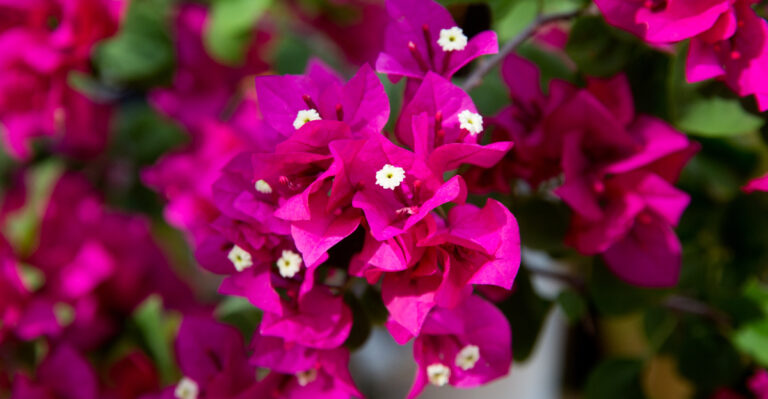
These 13 Native Wildflowers Love California Summer Gardens
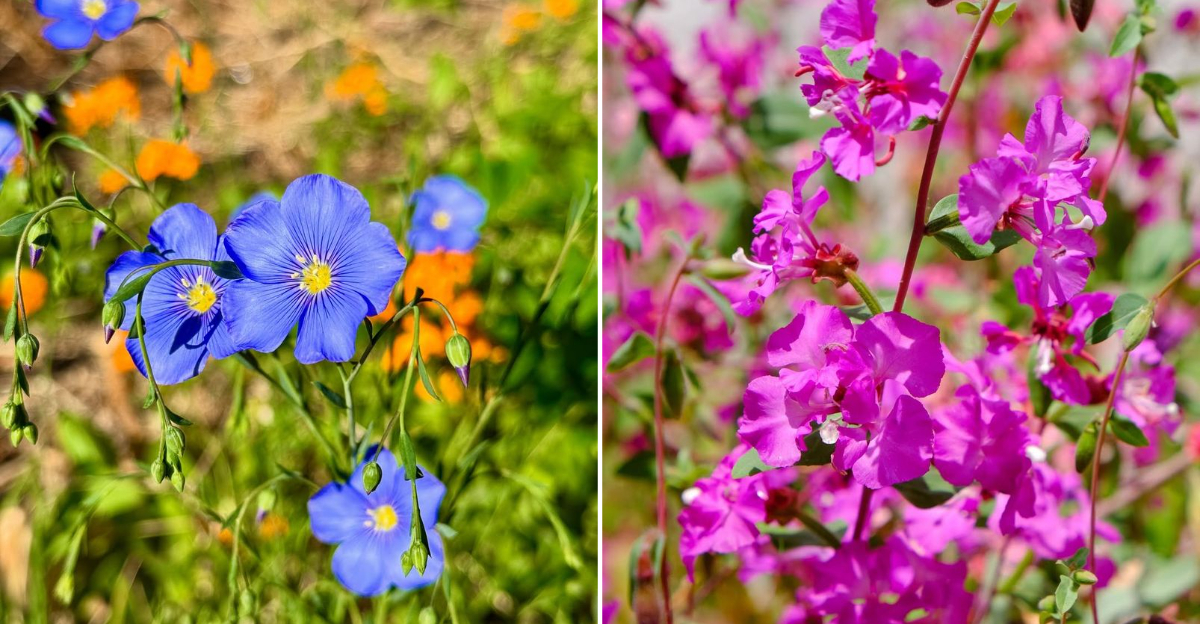
Some flowers just seem made for California summers. While other plants struggle with heat, bright sun, and dry soil, native wildflowers handle it like absolute champions. In fact, many of them actually prefer those long, sunny days.
That’s one of the best things about planting native wildflowers in your garden. These plants evolved right here, so they already know how to deal with California’s warm summers and drier conditions.
Less stress for the plants and less work for you. Sounds like a pretty great deal, right? Even better, many native wildflowers bring incredible color, unique shapes, and tons of pollinators into the garden. Bees, butterflies, and even hummingbirds love them.
If your summer garden could use more color without a lot of extra effort, these native California wildflowers might be exactly what you’re looking for.
1. California Poppy
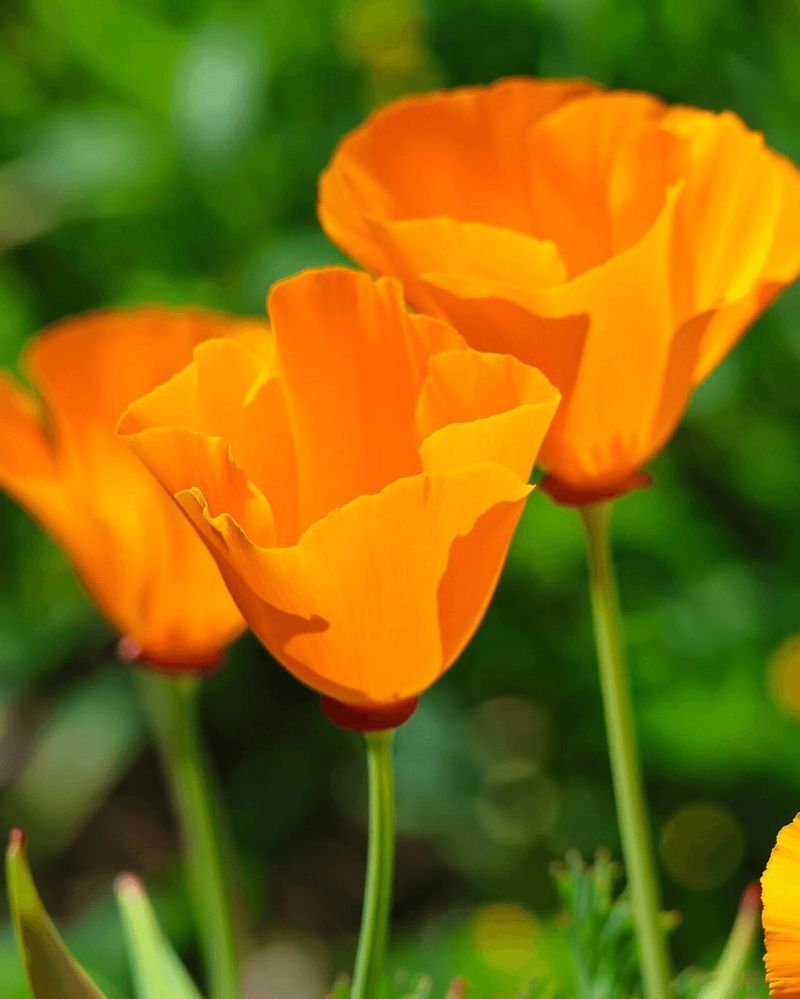
Few flowers represent California as boldly as the California Poppy. It is the official state flower, and for good reason.
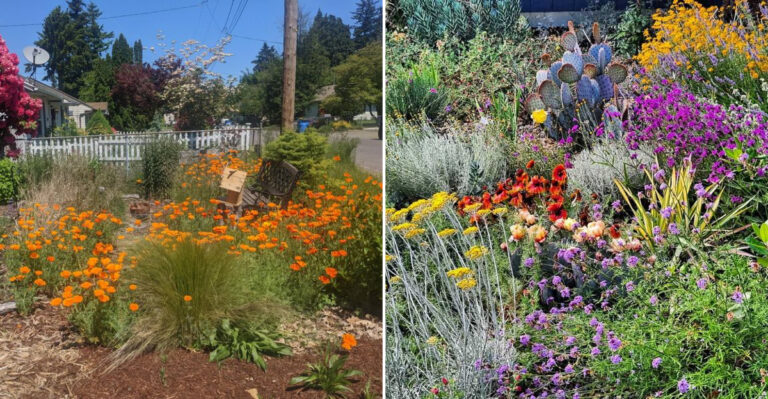
Those cheerful orange blooms are nearly impossible to miss when they carpet hillsides and gardens across the state each spring and summer. Gardeners love them because they practically take care of themselves.
California Poppies thrive in full sun and well-drained soil. They actually prefer poor soil, which makes them ideal for dry, sandy spots where other plants struggle.
You just scatter the seeds directly on the ground in fall or early spring, and they do the rest. No digging, no fussing, no special fertilizers needed.
These flowers are incredibly drought-tolerant, which is a huge bonus for California gardeners dealing with water restrictions. They close their petals at night and on cloudy days, which gives them a fun, almost personality-filled quality.
Native bees absolutely love them. Planting a patch of California Poppies in your garden is one of the easiest ways to add vivid color while also supporting local pollinators.
They reseed themselves each year, so once you plant them, they often keep coming back season after season without any extra effort from you.
2. Tidy Tips
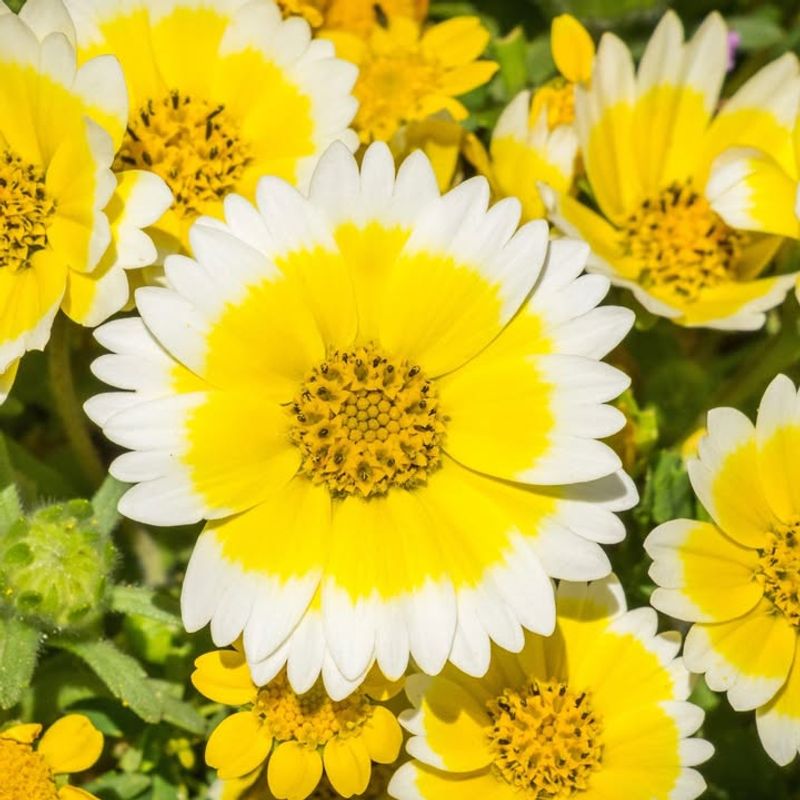
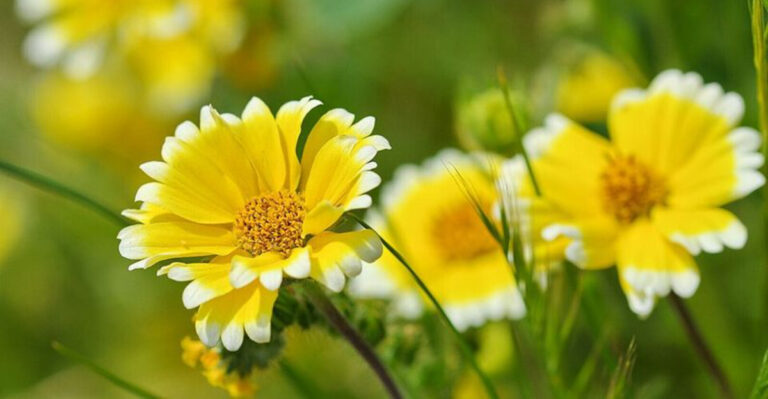
Tidy Tips get their name from the neat white tips on each bright yellow petal, making them look almost like tiny painted daisies. Native to California, these cheerful little flowers are naturals in open fields, roadsides, and home gardens across the state.
They bloom from spring into early summer and bring a fresh, sunny energy to any planting area.
Growing Tidy Tips is straightforward. They prefer full sun and well-drained soil, and they handle dry conditions well once established.
Scatter seeds directly onto prepared soil in fall or early spring for the best results. They grow quickly and do not need much water once they get going, which makes them a great fit for water-conscious California gardeners.
Beyond their looks, Tidy Tips are excellent pollinator plants. Native bees and butterflies visit them regularly, making them a smart addition to any wildlife-friendly garden.
They also mix beautifully with other California natives like poppies and lupines in a wildflower meadow setting. At just six to twelve inches tall, they work well in borders or containers too.
If you want a low-effort, high-reward flower for your California summer garden, Tidy Tips are a wonderful choice worth trying.
3. Blue Flax
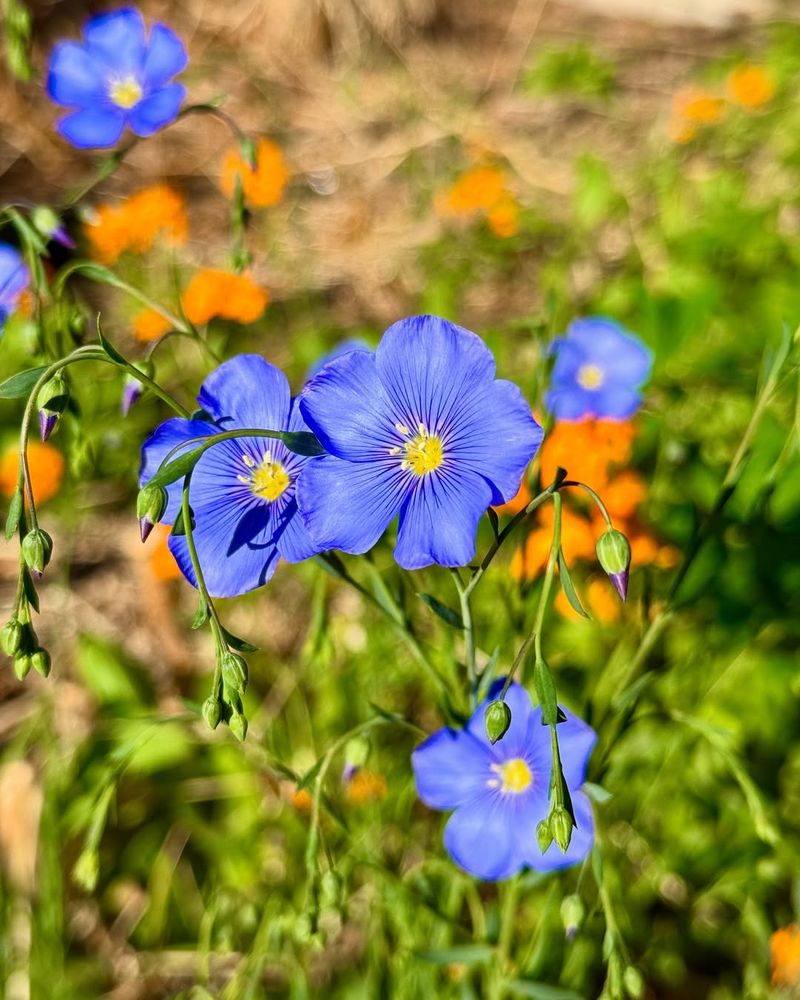
There is something almost magical about a field of Blue Flax in full bloom. The flowers are a soft, clear sky-blue color, and they sway gently in the breeze on slender stems.
Each individual bloom only lasts one day, but the plant produces so many flowers that it looks full and vibrant for weeks. That kind of staying power is exactly what California summer gardens need.
Blue Flax is native to western North America, including many parts of California. It grows well in full sun and tolerates dry, rocky, or sandy soils with ease.
Once established, it needs very little water, which is a real advantage during California’s warm, dry summers. Sow seeds directly in the garden in fall for spring and early summer blooms.
This plant is a favorite among native bees and small butterflies that appreciate its open, accessible blooms. It also looks stunning when planted in drifts or mixed with orange poppies and yellow wildflowers for a bold color contrast.
Blue Flax tends to reseed itself, so it often returns year after year with minimal effort. For gardeners who want flowing, naturalistic beauty in a California summer garden, Blue Flax delivers reliably every single season.
4. Clarkia
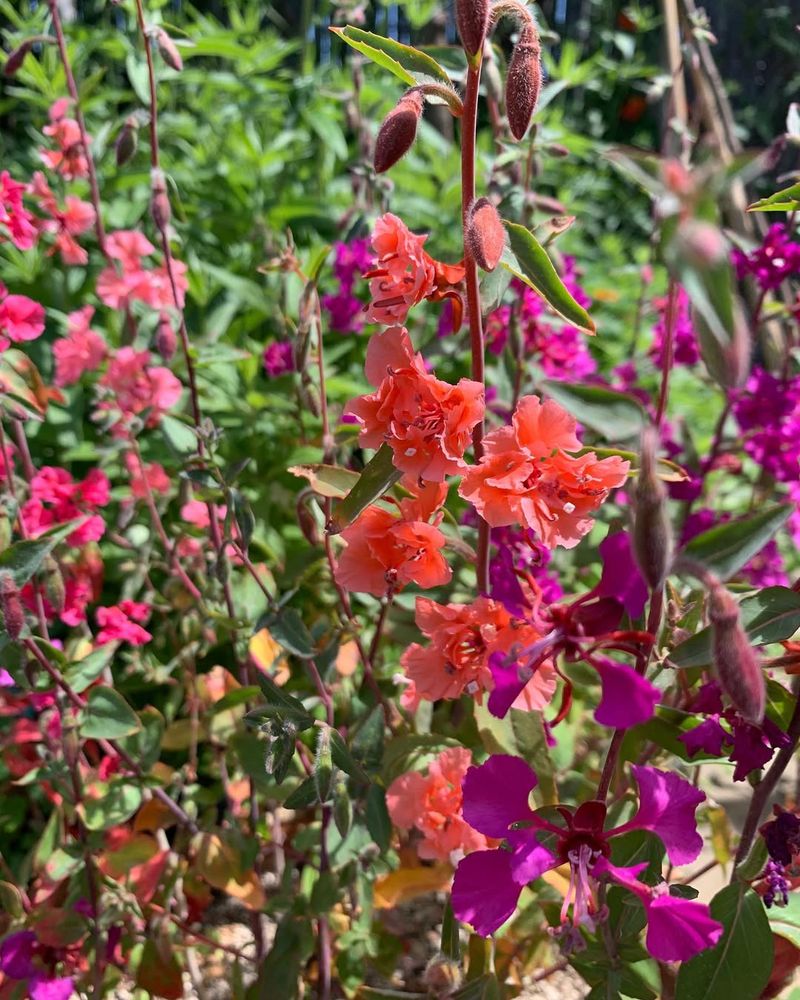
Named after explorer William Clark of the famous Lewis and Clark expedition, Clarkia is one of California’s most beloved native wildflowers. Its cup-shaped blooms come in shades of pink, lavender, and red, and they create a soft, romantic look in any garden.
Clarkia blooms from late spring into early summer, filling in that sweet spot when other flowers are winding down.
One of the best things about Clarkia is how easy it is to grow. It prefers sunny spots with moderate watering and does well in average garden soil.
Direct sow seeds in fall or early spring for best results. Once it gets going, it needs very little attention, making it perfect for beginner gardeners or anyone who wants beauty without a lot of upkeep.
Clarkia is also a fantastic pollinator plant. Native bees are especially drawn to its blooms, and the dense clusters of flowers make it easy for them to feed efficiently.
It works beautifully in wildflower mixes and cottage-style garden beds. In California, it grows naturally in open woodlands and grassy slopes, so it feels right at home in a garden setting.
If you want color, charm, and ecological value all in one plant, Clarkia checks every box.
5. Lupine
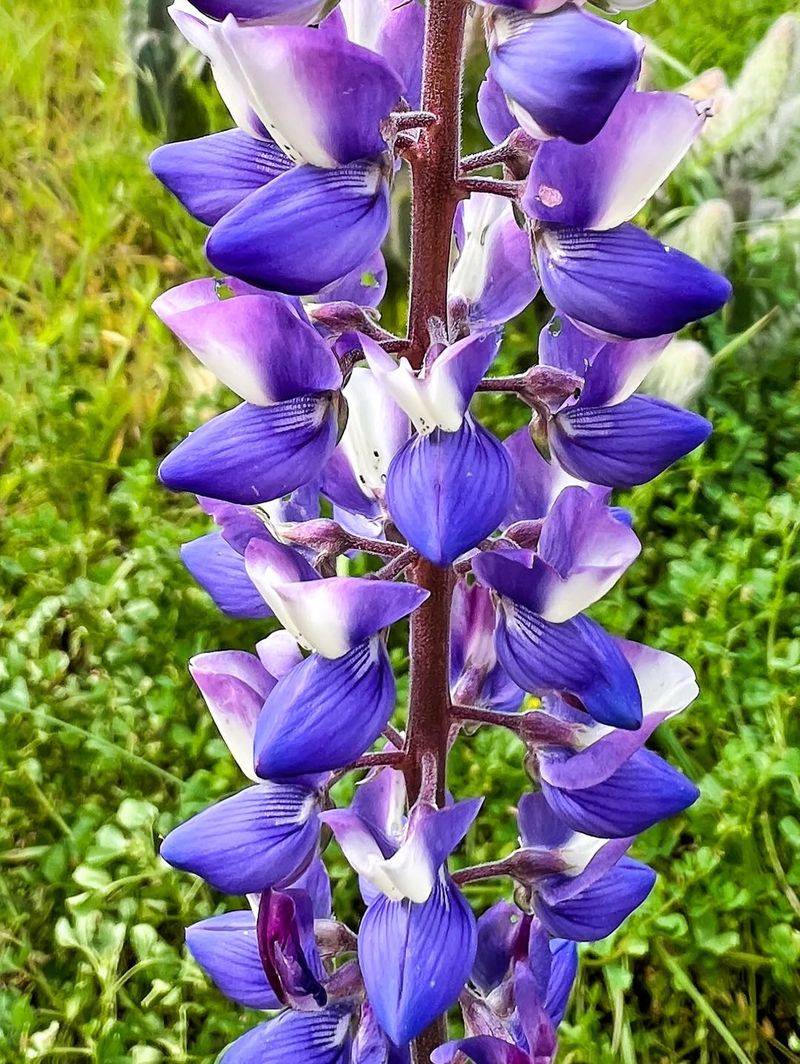
Walk through a California hillside in late spring and you will almost certainly spot Lupine. Those tall, dramatic spikes covered in blue-violet blooms are hard to miss.
Lupines are not just pretty though. They are also incredibly useful plants that naturally add nitrogen back into the soil, which helps other plants nearby grow stronger and healthier.
Lupines prefer full sun and well-drained soil. They are surprisingly drought-tolerant once established, which suits California’s warm summers well.
Plant seeds in fall by scarifying them slightly first, which means lightly scratching the seed coat to help water get in faster. This simple step significantly improves germination rates and gets your plants off to a strong start.
Beyond soil benefits, Lupines are important food sources for native bees and butterflies. The flowers are arranged in a way that makes it easy for bumblebees to land and feed, and some butterfly species depend on Lupine as a host plant for their caterpillars.
Lupines also add real height and drama to a garden bed, growing anywhere from one to four feet tall depending on the variety. For California gardeners who want a plant that works as hard as it looks good, Lupine is a top pick every time.
6. Farewell-to-Spring
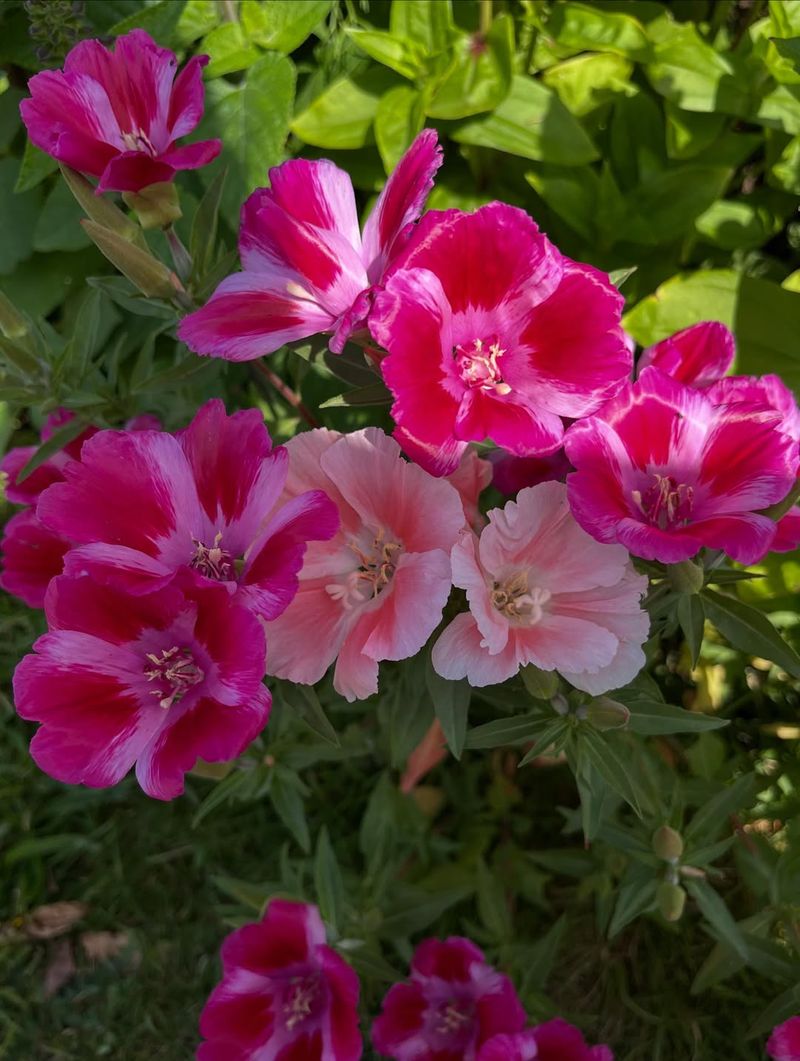
Despite its bittersweet name, Farewell-to-Spring is actually one of the most exciting wildflowers to bloom in California. It shows up just as spring transitions into summer, lighting up dry hillsides and open fields with its showy pink, lavender, or magenta blooms.
The flowers often have darker pink or red spots near their centers, giving them an extra decorative flair that makes them stand out in any garden.
This plant thrives in dry, sunny conditions and poor soils, which makes it perfectly suited for California’s warm, dry summers. It is a cool-season annual that does best when seeds are sown directly in fall.
Farewell-to-Spring does not like to be transplanted, so starting it right in the ground where it will grow is always the better approach.
Native bees are regular visitors to its blooms, and the plant self-seeds readily, meaning it can naturalize in your garden over time with very little help from you. It pairs beautifully with California Poppies and Blue Flax in a mixed wildflower planting.
Farewell-to-Spring can grow up to two feet tall, giving it a nice presence in a border or meadow garden. It is a California native worth celebrating, not just saying goodbye to.
7. Baby Blue Eyes
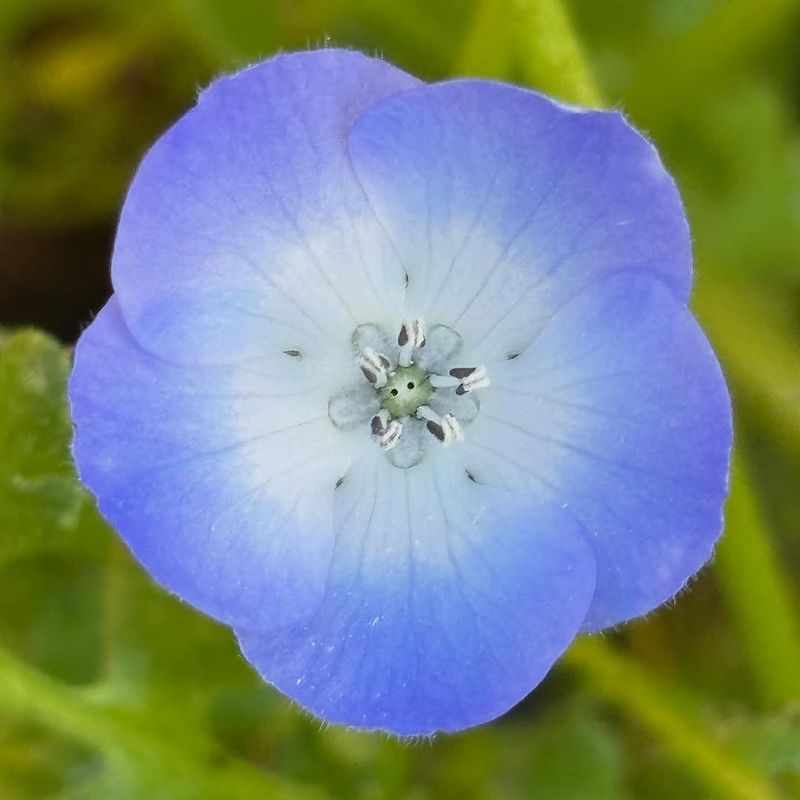
Baby Blue Eyes is one of those wildflowers that makes people stop and look twice. The blooms are a soft, dreamy sky-blue color with crisp white centers, and they carpet the ground in thick, cheerful clusters.
Native to California, this little annual is a springtime and early summer favorite, especially in coastal gardens where temperatures stay cooler and moisture lingers a bit longer.
Unlike many California natives that prefer full, blazing sun, Baby Blue Eyes actually does well in partial shade. This makes it a fantastic option for garden spots that do not get direct sunlight all day.
It prefers moist, well-drained soil and cooler conditions, so it is especially well-suited for gardens near the California coast or in shaded spots under trees or along fences.
Native bees are big fans of Baby Blue Eyes, and the dense clusters of blooms make it easy for them to forage efficiently. It also works beautifully as a ground cover or border plant, spreading softly across garden beds with a natural, relaxed look.
Direct sow seeds in fall for spring blooms. Baby Blue Eyes is short-lived, but it reseeds itself generously, so expect it to pop back up in your California garden year after year without much effort at all.
8. California Bluebell
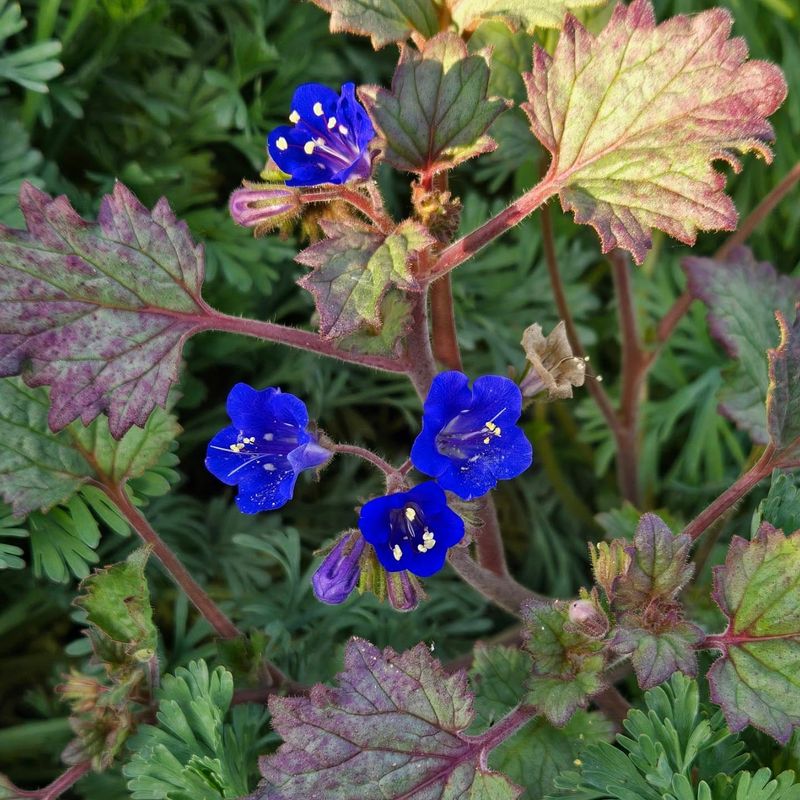
California Bluebell is one of those plants that earns admiring glances from everyone who sees it. The flowers are a rich, vivid purple-blue that almost seems to glow in the California sunshine.
They grow in loose, airy clusters on upright stems, creating a soft, cloud-like effect that looks stunning in wildflower meadows and garden borders alike.
Also known as Phacelia campanularia, California Bluebell is native to the desert regions of southern California. It thrives in full sun and fast-draining, sandy, or gravelly soil.
It is highly drought-tolerant and actually prefers to be kept on the dry side, especially once it is established. This makes it an excellent choice for water-wise California gardens that need color without high maintenance.
One fun fact about California Bluebell is that it is one of the top-rated plants for attracting native bees. Bumblebees and honeybees absolutely love it, and the plant is often used in pollinator garden designs across the state.
Sow seeds directly in fall or early spring for the best results, as it does not transplant well. It grows quickly and blooms generously, often covering itself in flowers just weeks after germination.
For a bold pop of blue in a California summer garden, this is your plant.
9. Desert Marigold
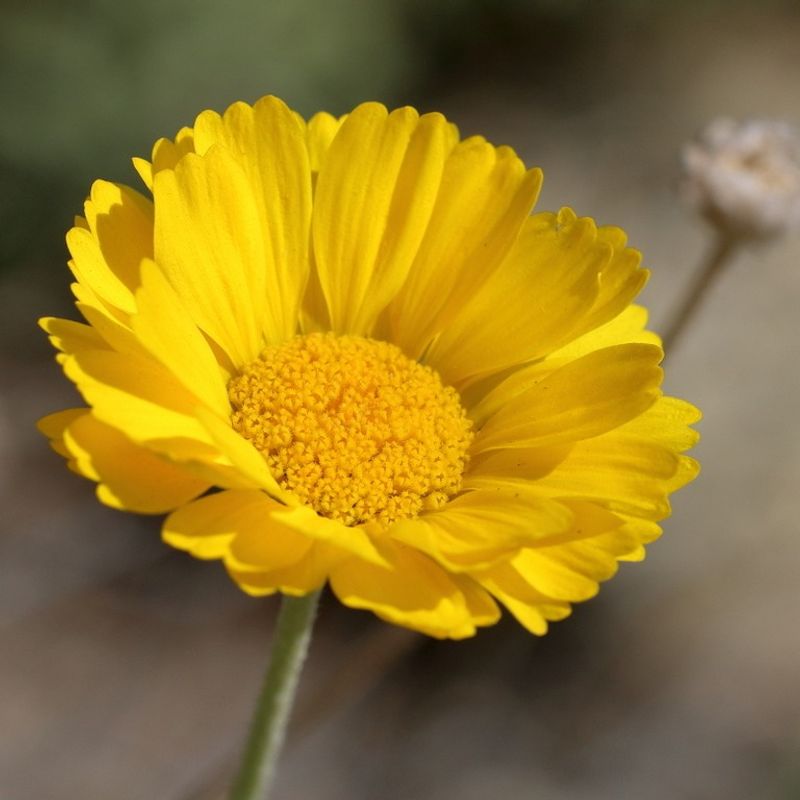
If you want a wildflower that truly loves the California summer heat, Desert Marigold is your answer. Those cheerful, golden-yellow daisy-like flowers keep blooming through the hottest months of the year, long after many other plants have faded.
They sit on tall, slender stems above silvery-gray foliage, creating a bright and airy look that works well in dry, open garden spaces.
Desert Marigold is native to the desert Southwest, including parts of southern California. It thrives in poor, dry, fast-draining soil and full sun.
This plant practically asks to be neglected. It needs very little water once established and actually does worse with too much irrigation, so less really is more with this one.
It is also a short-lived perennial that reseeds itself readily, so it tends to stick around in the garden for years.
Butterflies and native bees are frequent visitors to its blooms, making it a solid choice for pollinator-friendly garden designs. It grows about one to two feet tall and wide, fitting neatly into borders, rock gardens, or naturalized areas.
Pair it with other drought-tolerant California natives like Lupine or Sand Verbena for a low-water summer garden that still bursts with color and life all season long.
10. Scarlet Larkspur
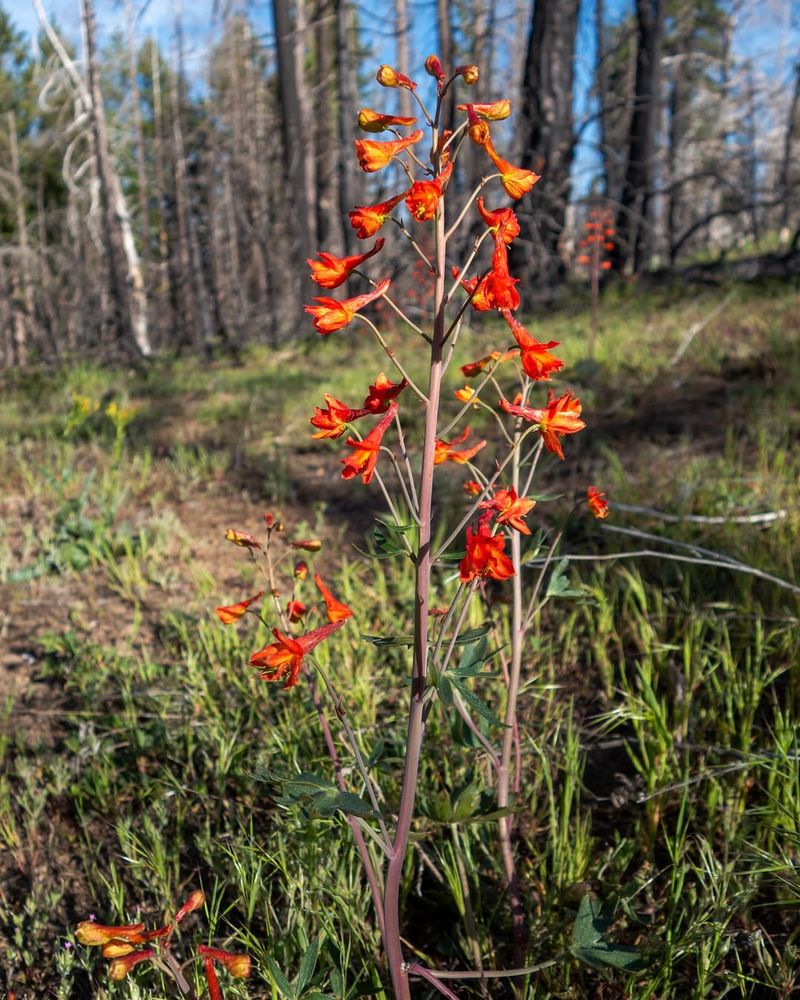
Scarlet Larkspur is the kind of wildflower that makes a bold statement without trying too hard. Its fiery red blooms rise up on tall, slender stems and catch the eye from across the garden.
Native to California, this striking plant grows naturally in open woodlands, chaparral, and coastal scrub areas, giving it a wild, untamed energy that looks beautiful in naturalistic garden designs.
This plant blooms from spring into summer, and it is especially attractive to hummingbirds, which are drawn to its tubular red flowers. Growing Scarlet Larkspur from seed requires a bit of patience because the seeds need a cold stratification period before they will sprout.
The easiest method is to sow them directly in the garden in fall and let winter temperatures do the work naturally.
Scarlet Larkspur prefers well-drained soil and partial to full sun. It tolerates dry conditions well, which suits California’s summer climate.
The plant grows one to three feet tall, adding vertical interest to garden beds. It pairs well with softer-colored natives like Baby Blue Eyes or Clarkia for a striking color contrast.
Keep in mind that all parts of this plant are toxic if eaten, so it is best planted away from areas where small children or pets frequently roam.
11. Elegant Clarkia
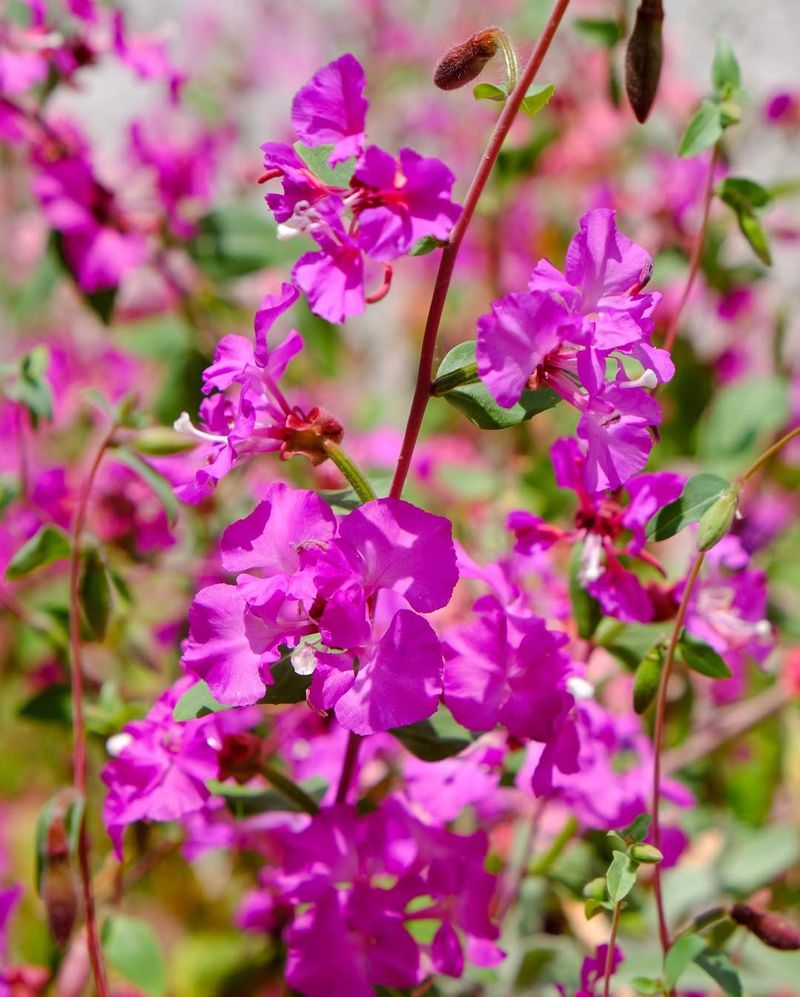
Elegant Clarkia lives up to its name in every way. The blooms are delicate, satiny, and come in gorgeous shades of pink, lavender, and soft purple.
They cluster along upright stems and create a lush, full appearance that looks almost like a bouquet growing straight from the ground. This California native is a favorite for gardeners who want a romantic, cottage-garden feel without a lot of fuss.
Native to California’s grasslands and open slopes, Elegant Clarkia does best in full sun with moderate water. It prefers well-drained soil and does not like to sit in wet conditions.
Direct sow seeds in fall or early spring, and thin seedlings to give each plant enough room to fill out properly. Once established, it grows quickly and blooms generously from late spring into summer.
Elegant Clarkia is a valuable resource for native bees, especially species that specialize in collecting pollen from this plant family. It also works wonderfully as a cut flower, lasting several days in a vase.
Plant it in drifts for the most visual impact, or mix it with California Poppies and Blue Flax for a colorful wildflower blend. In California’s summer gardens, Elegant Clarkia brings a refined, natural beauty that never feels overdone or overly formal.
12. Sand Verbena
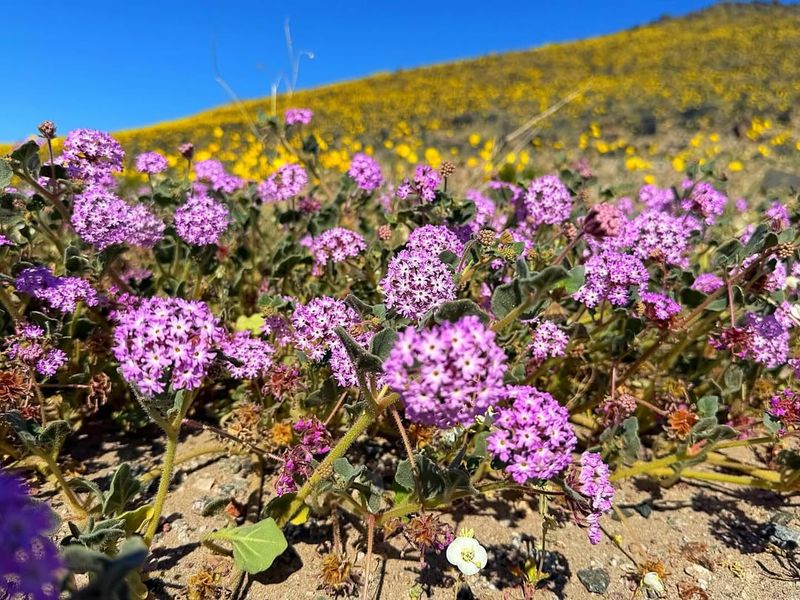
Sand Verbena is one of California’s most underappreciated native wildflowers, and that is a real shame because it is absolutely stunning. The blooms are clustered in round, ball-like heads of vivid pink or purple, and they grow low to the ground on sprawling stems.
Along California’s coastal dunes and sandy beaches, you can spot them spreading across the sand like a colorful living carpet.
As the name suggests, Sand Verbena thrives in sandy, well-drained soil. It loves full sun and handles drought conditions very well once it gets established.
It is a great choice for coastal California gardens, slopes, or any area where the soil tends to be light and dry. It also works beautifully as a ground cover because of its low, spreading growth habit.
The fragrance of Sand Verbena is another reason to love it. The flowers have a sweet, light scent that becomes more noticeable in the evening, attracting night-flying moths along with daytime bees and butterflies.
It blooms from spring through summer and sometimes into fall in warmer California locations. Sow seeds in fall directly where you want them to grow, as transplanting is tricky.
Sand Verbena is a true California coastal gem that deserves a spot in every native garden.
13. Arroyo Lupine
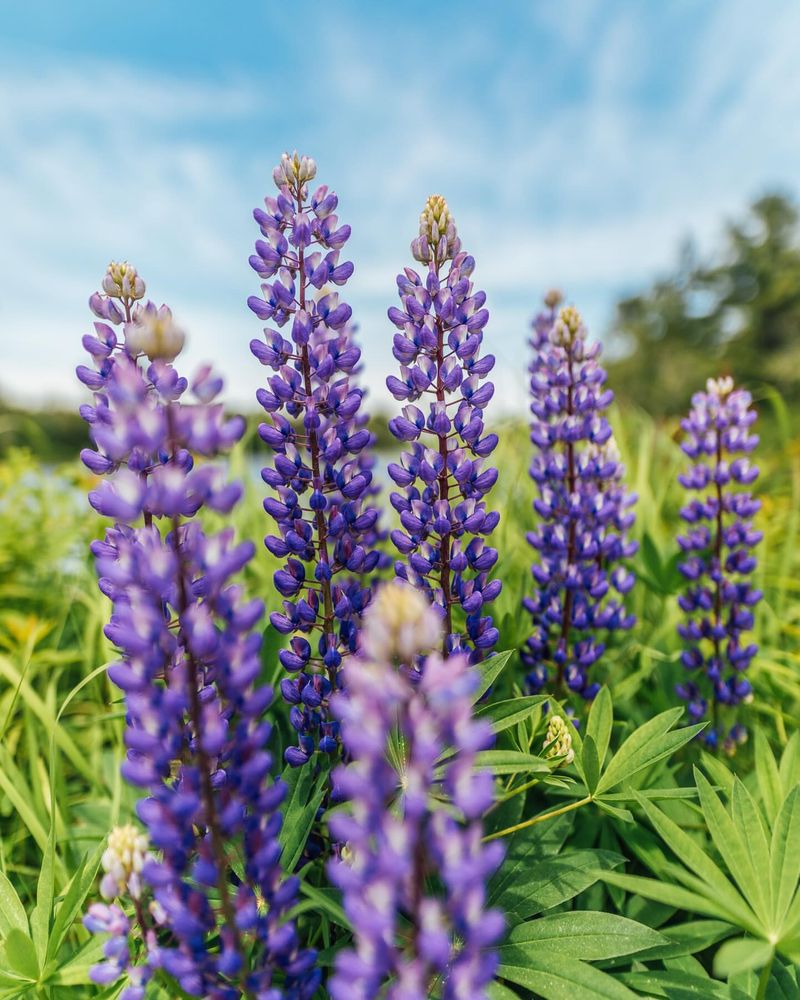
Arroyo Lupine is one of the most common and recognizable wildflowers in California, and it earns that popularity every single season. Its tall spikes of violet-blue flowers rise boldly above deeply lobed, silvery-green leaves, creating a striking display that works in gardens of almost any size.
You will often spot it growing along roadsides, creek beds, and open fields across much of the state.
Like other Lupine species, Arroyo Lupine is a nitrogen-fixing plant, which means it actually improves the soil it grows in. That makes it a smart companion plant for vegetable gardens and flower beds alike.
It grows best in full sun with well-drained soil and handles California’s dry summers quite well once established. Scarify the seeds before planting to speed up germination, then direct sow in fall for spring and summer blooms.
Arroyo Lupine supports a wide variety of native wildlife. Bumblebees are especially fond of it, and several butterfly species use it as a host plant for their larvae.
Birds also feed on the seeds after flowering is done. It grows two to four feet tall, giving it a strong, upright presence in the garden.
For a California summer garden that supports biodiversity and looks spectacular at the same time, Arroyo Lupine is a must-have native plant.