These 10 Night-Blooming Flowers Make California Gardens Come Alive After Dark
California gardens are full of color during the day, but some flowers come alive at night, offering fragrance, beauty, and mystery when the sun goes down.
Night-blooming plants attract pollinators like moths and bats while adding drama and sensory appeal to your garden. Transform your yard into a magical space that thrives after sunset.
These flowers are well-suited to California climates and bloom in the evening or nighttime hours. From fragrant white blossoms to vibrant tropical varieties, they provide stunning color, enticing scents, and a dynamic look for patios, walkways, and borders.
Planting these species adds interest and encourages nighttime wildlife activity. Night-blooming flowers create beauty and life even when the garden sleeps.
California gardeners who incorporate these blooms enjoy a landscape that is vibrant, fragrant, and alive well after dark. Bring nighttime magic and pollinator-friendly beauty to your garden.
1. Moonflower (Ipomoea Alba)
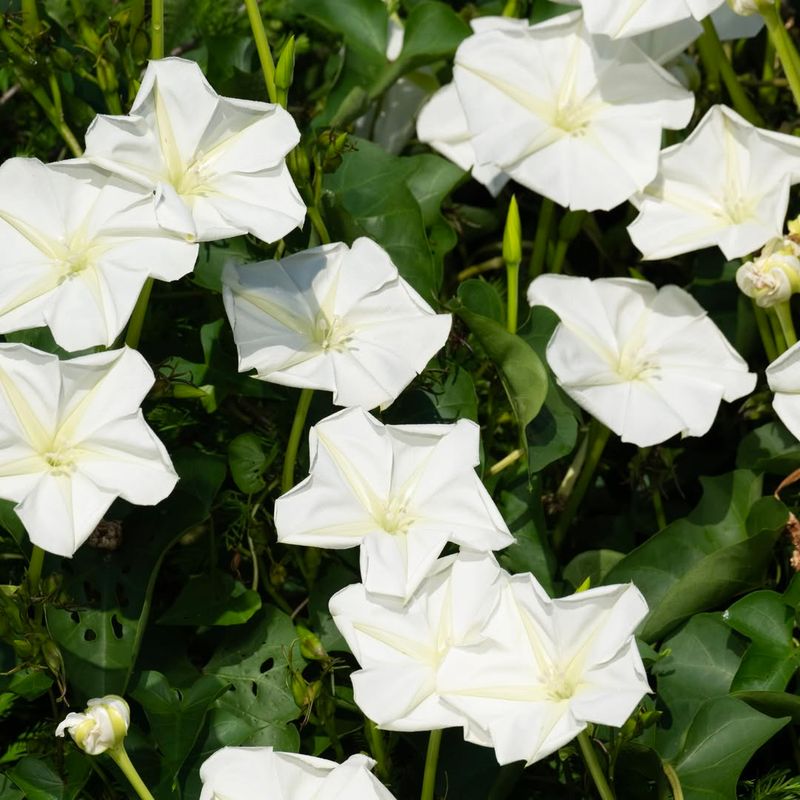
Watching a moonflower unfurl its petals as twilight settles over your garden feels like witnessing pure magic in real time.
These fast-growing vines produce enormous white blooms that can reach six inches across, opening rapidly at dusk and glowing luminously under moonlight like natural lanterns hanging from your fence or trellis.
California’s warm summer nights provide the perfect conditions for moonflowers to thrive, and their tropical nature means they absolutely love the heat that can challenge other garden plants.
The vines grow with impressive speed, sometimes reaching fifteen to twenty feet in a single growing season, making them ideal for quickly covering arbors, pergolas, or unsightly walls.
Their heart-shaped leaves create lush green backdrops during the day, but the real show begins when temperatures cool and those spectacular blooms begin their evening performance.
The flowers emit a subtle, sweet fragrance that attracts sphinx moths, which hover like tiny hummingbirds while sipping nectar.
Growing moonflowers from seed is straightforward, though soaking seeds overnight before planting helps speed germination.
Plant them in full sun with well-draining soil, provide sturdy support for their climbing habit, and water regularly during establishment.
Once settled, they become fairly drought-tolerant, though consistent moisture encourages more prolific blooming throughout the summer and into early fall.
2. Evening Primrose (Oenothera Biennis)
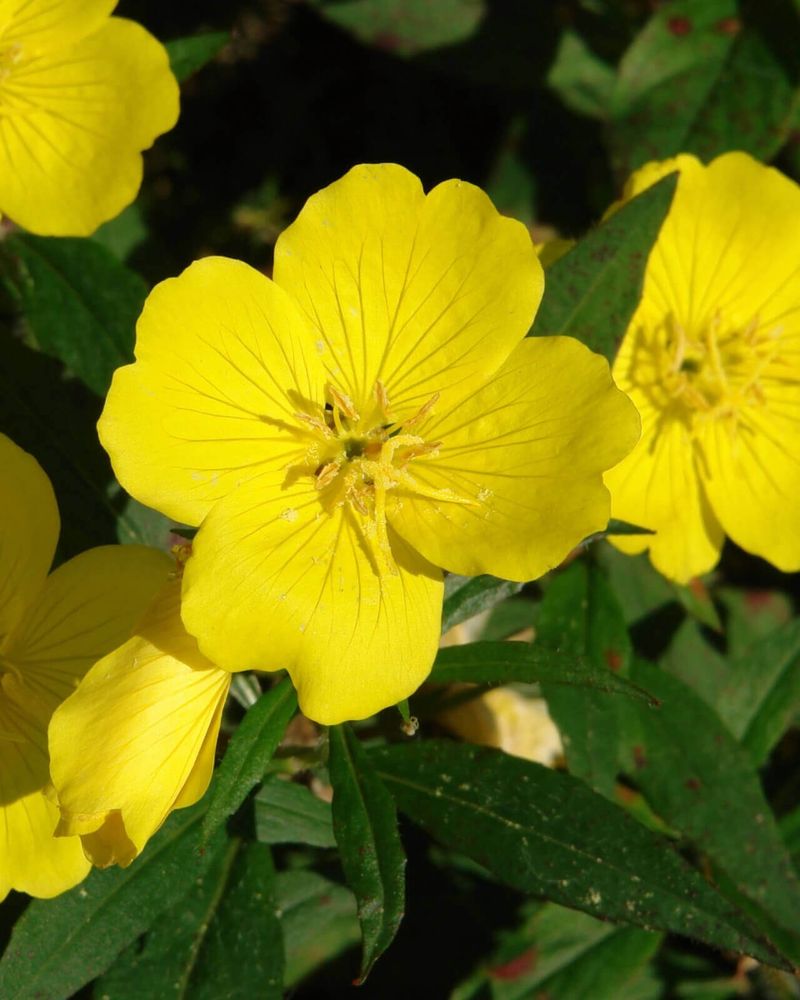
Golden-yellow blooms bursting open at sunset create a spectacular display that announces the arrival of evening in the most cheerful way possible.
Evening primrose earns its name honestly, with flowers that wait patiently through daylight hours before unfurling their delicate petals as shadows lengthen across your garden beds.
These cheerful wildflowers have naturalized throughout California, thriving in conditions that would challenge fussier plants and bringing reliable color to dry, sunny spots where other flowers might struggle.
The blooms attract an array of nighttime pollinators, particularly sphinx moths and other nocturnal insects that appreciate the easy-to-access nectar.
Each flower lasts only one night, but plants produce so many buds that the show continues for weeks on end throughout summer.
The bright yellow petals practically glow in fading light, creating visual interest even before full darkness settles over your landscape.
Evening primrose tolerates poor soil, requires minimal water once established, and reseeds readily without becoming invasive or overwhelming other plants.
This biennial produces a rosette of leaves the first year and flowering stalks the second, but staggered planting ensures blooms every season. The plant also offers medicinal benefits, with oil extracted from seeds used in various health applications.
Growing these beauties means embracing low-maintenance gardening while enjoying nightly floral performances that bring your outdoor space to life.
3. Night-Blooming Cereus (Epiphyllum Oxypetalum)

Few botanical events generate as much excitement as the rare blooming of night-blooming cereus, a cactus that produces flowers so dramatic and fleeting that people host viewing parties to witness the spectacle.
The enormous white blooms can span twelve inches across, with layers of pointed petals surrounding golden stamens, and they release an intoxicating fragrance that fills entire patios with sweet, complex scent reminiscent of vanilla and jasmine combined.
Each flower opens just once, typically lasting only a single night before wilting by morning, making every bloom a precious occasion worth celebrating.
California’s mild climate suits this tropical cactus perfectly, particularly in coastal and southern regions where frost rarely threatens.
The plant itself looks rather unimpressive most of the time, with flat, leaf-like stems that appear somewhat ungainly in containers or hanging baskets.
However, patient gardeners who provide proper care are rewarded with those unforgettable blooming nights that create lasting memories.
Growing night-blooming cereus requires bright indirect light, well-draining cactus soil, and protection from intense afternoon sun that can scorch the stems.
Water moderately during growing season and reduce moisture in winter when the plant rests. The cereus blooms more prolifically when slightly root-bound, so avoid repotting too frequently.
Mature plants may bloom multiple times per year, with buds appearing mysteriously and developing over several weeks before that magical night when everything comes together in spectacular fashion.
4. Four O’Clock Flower (Mirabilis Jalapa)
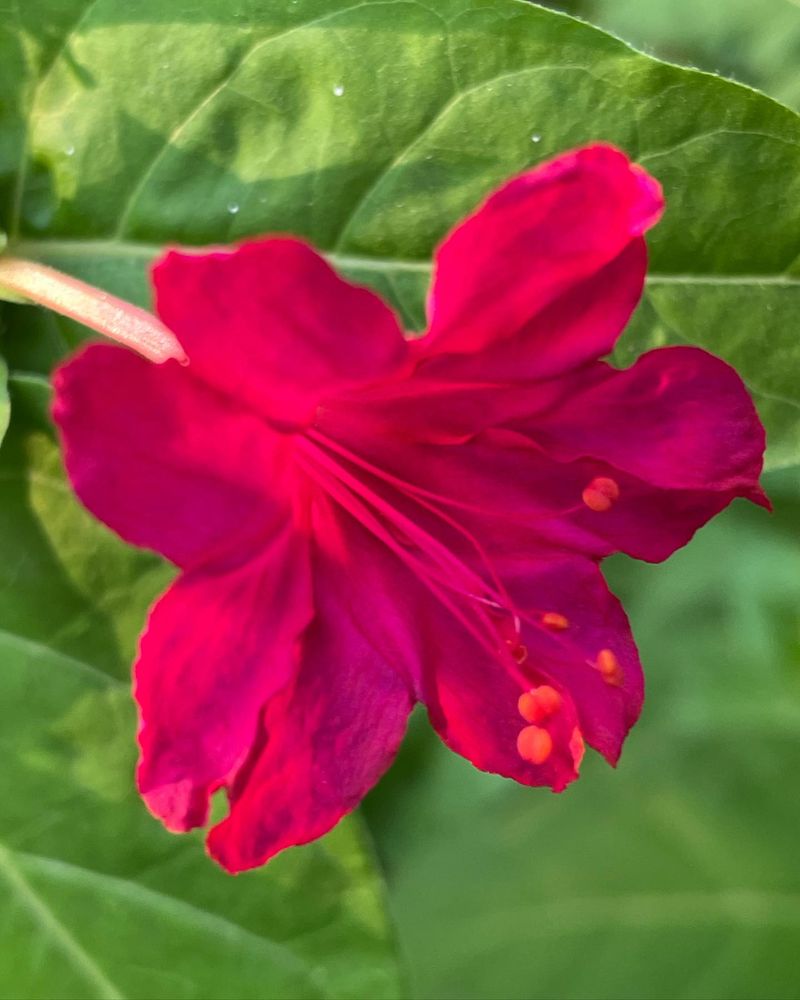
Punctual as a Swiss watch, four o’clock flowers live up to their charming name by opening their trumpet-shaped blooms reliably in late afternoon, transforming from closed buds to fully opened flowers as if responding to an invisible alarm clock.
These old-fashioned garden favorites thrive in California’s heat and tolerate drought conditions that would wilt more delicate plants, making them perfect for water-wise landscapes that still deliver abundant color.
The flowers come in remarkable variety, with blooms appearing in pink, magenta, yellow, white, or even striped combinations, sometimes with multiple colors appearing on the same plant.
Four o’clocks form bushy mounds reaching two to three feet tall and wide, creating substantial presence in borders or containers.
The flowers release subtle sweet fragrance as evening progresses, attracting hummingbirds during opening hours and moths after dark.
Each bloom lasts just one night, but plants produce so many flowers that the display continues throughout summer and fall, often blooming right up until frost arrives in areas that experience winter cold.
Growing four o’clocks requires minimal effort, as these tough plants establish quickly from seed and reseed readily for future seasons.
Plant them in full sun to partial shade with any reasonably well-draining soil, and water occasionally during extended dry spells.
The tuberous roots can be lifted and stored in cold-winter areas, though in most California regions they survive year-round, returning reliably each spring with vigorous new growth.
5. Angel’s Trumpet (Brugmansia)
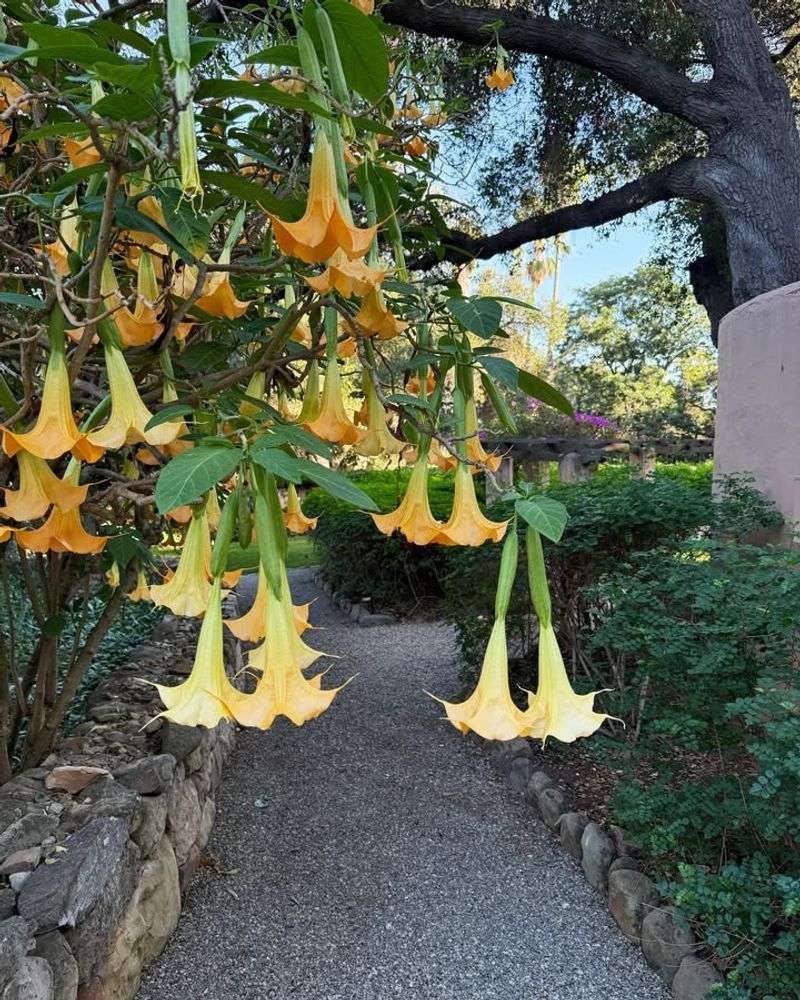
Enormous pendant flowers hanging like elegant bells from tropical shrubs create an unforgettable sight in frost-free California gardens, where angel’s trumpet thrives and blooms prolifically.
The huge trumpet-shaped flowers can reach ten inches long, dangling gracefully from branches and releasing powerful fragrance that intensifies dramatically after sunset, perfuming entire neighborhoods with sweet, intoxicating scent.
Colors range from pure white and soft yellow to peachy-orange and deep pink, with some varieties offering double blooms that look like ruffled party decorations suspended in mid-air.
These fast-growing plants can reach eight to twelve feet tall in favorable conditions, creating substantial focal points in landscapes or large containers on patios and decks.
The large, soft leaves provide lush tropical texture during daytime, but the real magic happens at night when those magnificent blooms release their fragrance and glow softly in moonlight or landscape lighting.
Hummingbirds visit during late afternoon, while moths take over pollination duties after dark. Angel’s trumpet requires consistent moisture, rich soil amended with compost, and protection from strong winds that can damage the large leaves and flowers.
Plant in full sun to partial shade, depending on your specific microclimate, and fertilize regularly during growing season to fuel the impressive flower production.
In coastal California, brugmansia grows as a permanent shrub, while gardeners in colder inland areas can grow them in containers and move them to protected locations during winter cold snaps.
6. Tuberose (Polianthes Tuberosa)
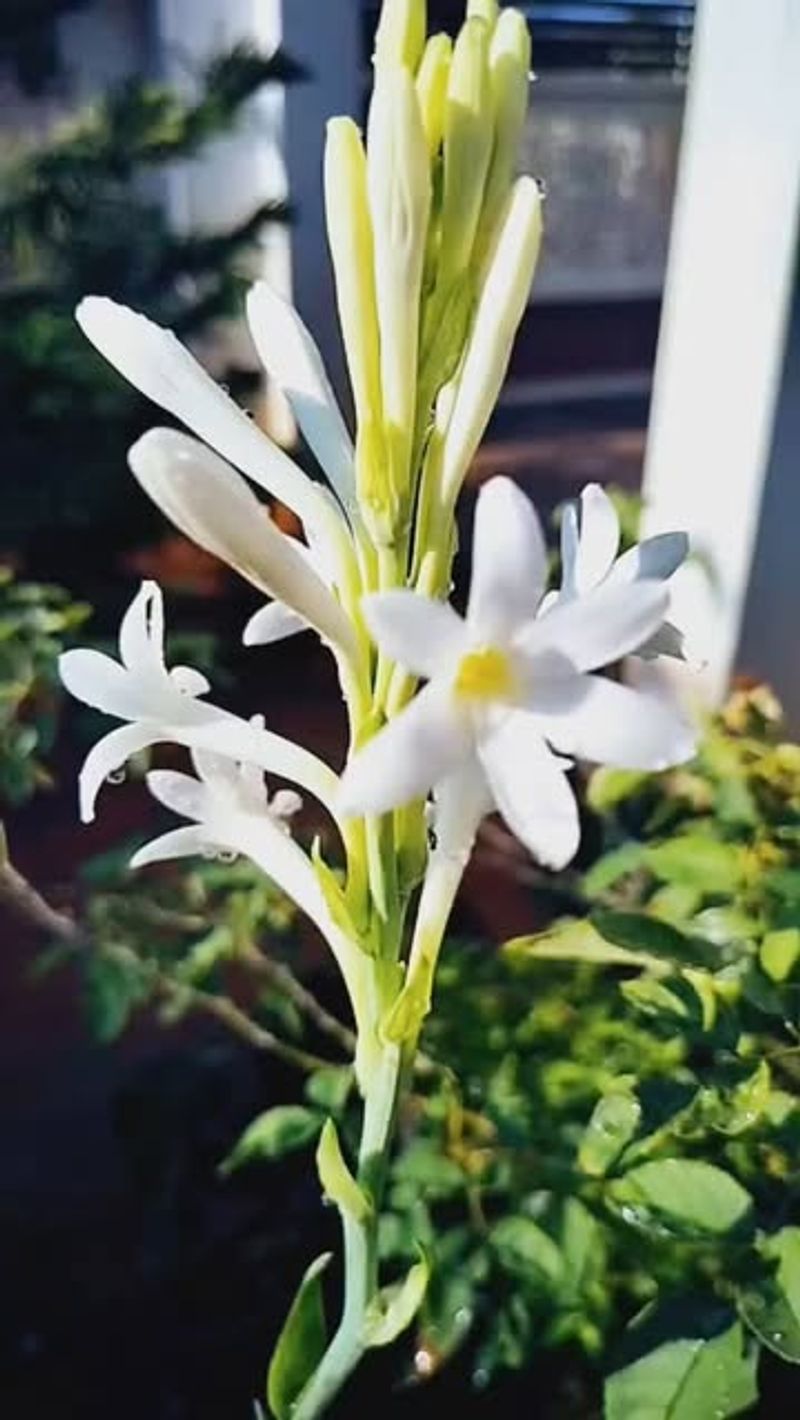
If fragrance were a competition, tuberose would claim the championship trophy without breaking a sweat, producing one of the most intensely perfumed flowers in the entire plant kingdom.
The creamy white blooms appear on tall spikes that rise elegantly from grass-like foliage, with each spike holding multiple flowers that open sequentially from bottom to top, extending the blooming period over several weeks.
The scent becomes most powerful during evening hours, filling gardens with rich, sweet fragrance that combines hints of jasmine, orange blossom, and something uniquely its own that perfumers have tried to capture for centuries.
Southern and Central California provide ideal growing conditions for these tender bulbs, which appreciate warm soil, sunshine, and moderate water during their active growing season.
The plants emerge in spring, develop through early summer, and typically bloom in late summer or early fall, timing their spectacular floral display for those warm California evenings when outdoor living reaches its peak.
Cut flower enthusiasts treasure tuberose spikes for arrangements, as a single stem can perfume an entire room.
Plant tuberose bulbs in spring after soil warms, setting them about two inches deep in well-draining soil enriched with organic matter.
Choose a location receiving full sun and provide regular water during growth and blooming. After flowering finishes and foliage yellows, reduce water and allow the bulbs to rest.
In mild-winter areas, bulbs can remain in the ground year-round, while gardeners in colder regions should lift and store them indoors until spring returns.
7. Night Gladiolus (Gladiolus Tristis)
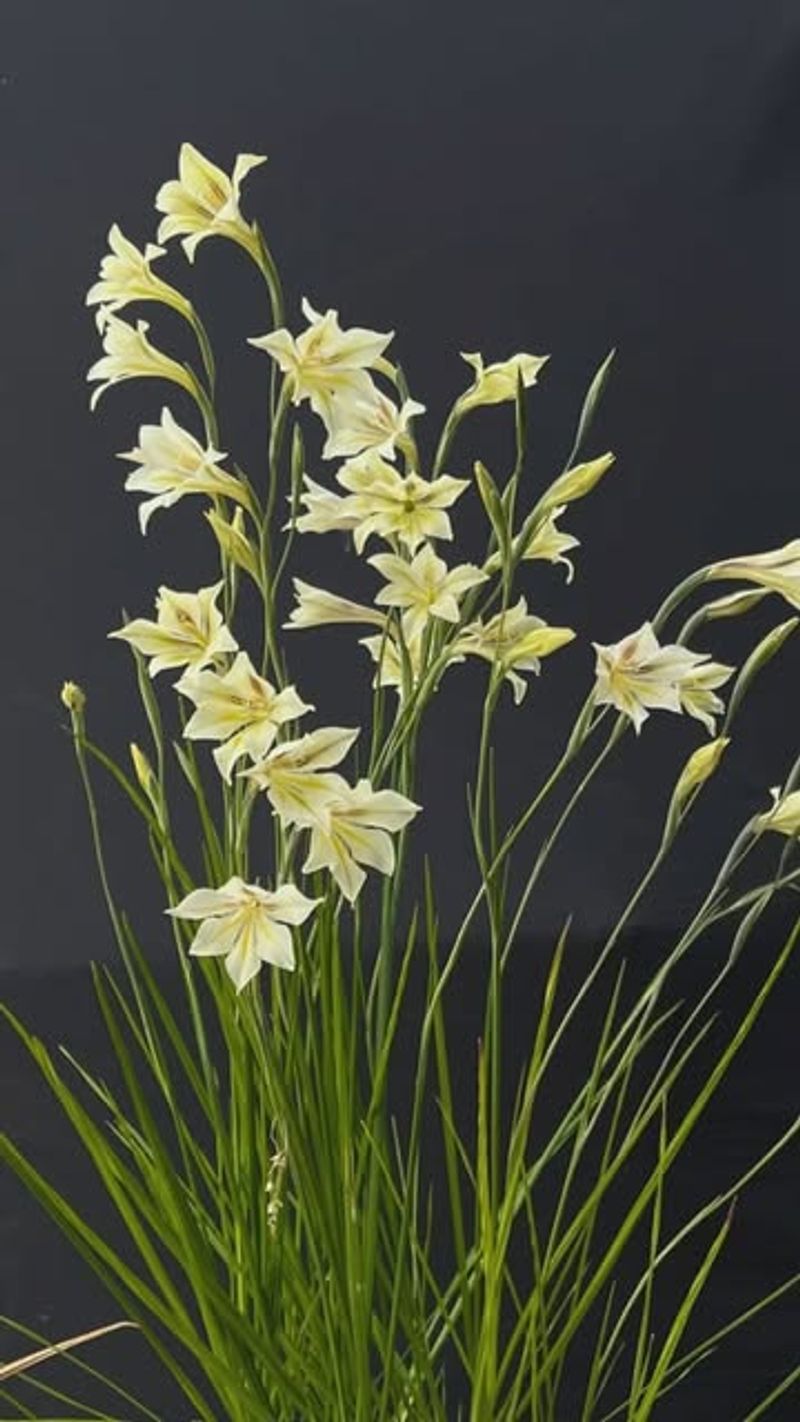
While most people picture bold, colorful spikes when they think of gladiolus, this lesser-known cousin takes a completely different approach with pale, delicate flowers that wait for evening to reveal their true beauty and sweet fragrance.
Night gladiolus produces slender stems topped with cream-colored or pale yellow blooms marked with subtle greenish tints, creating an understated elegance that fits perfectly in cottage gardens or naturalistic plantings.
The flowers release their strongest perfume after sunset, attracting night-flying moths that serve as primary pollinators in the plant’s native South African habitat.
Mild coastal California climates mirror the Mediterranean conditions where night gladiolus thrives naturally, making it an excellent choice for gardeners seeking unusual bulbs that perform reliably without fussy requirements.
The plants reach two to three feet tall with narrow, grass-like foliage that blends easily among other perennials and shrubs. Blooming typically occurs in spring, though timing varies slightly depending on when corms were planted and local climate conditions.
Plant night gladiolus corms in fall for spring blooming, setting them about four inches deep in well-draining soil with full sun to light shade.
The plants appreciate moderate water during growth but prefer drier conditions during summer dormancy after foliage fades.
These corms naturalize beautifully in appropriate climates, multiplying gradually over years and creating expanding drifts of fragrant evening blooms.
Their subtle beauty and delightful scent make them conversation starters among garden visitors who discover something special happening after dark.
8. Flowering Tobacco (Nicotiana Alata)
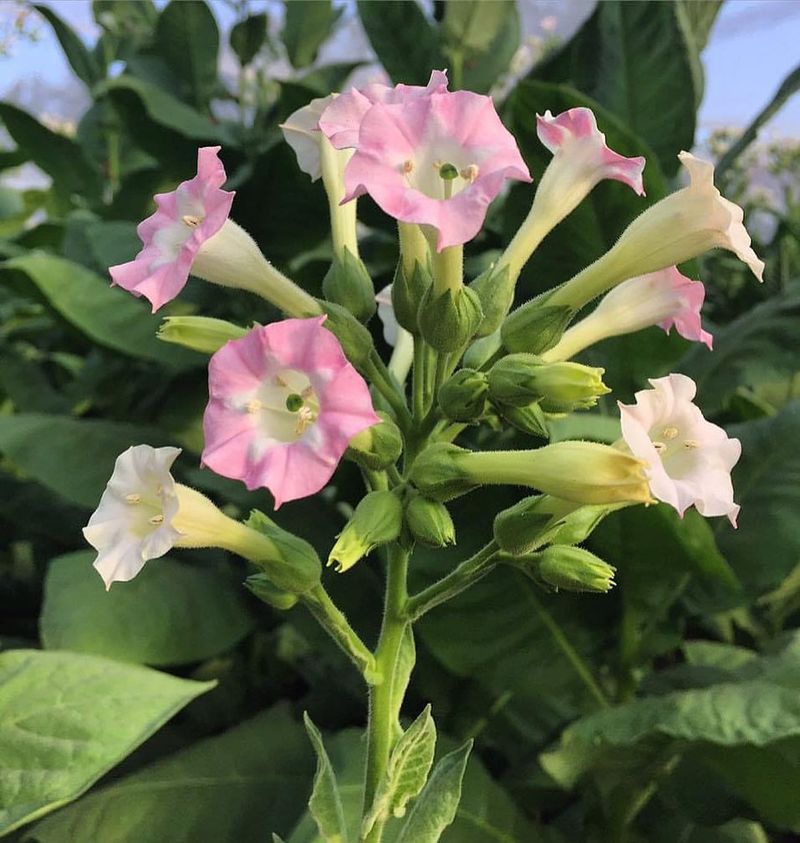
Cottage garden charm meets practical pollinator support in flowering tobacco, an old-fashioned annual that produces tubular blooms in shades of white, pink, red, and lime green throughout the growing season.
The flowers remain partially closed during bright daylight hours but open fully as evening approaches, simultaneously releasing powerful sweet fragrance that carries surprisingly far on still air.
This scent serves as a beacon for sphinx moths and other nocturnal pollinators that hover near the blooms, probing deep into the long floral tubes to reach nectar while inadvertently transferring pollen between plants.
Modern hybrid varieties have been bred for showier daytime flowers, but heirloom types like the species nicotiana offer superior fragrance and more pronounced evening-blooming behavior.
Plants typically reach two to three feet tall, with sticky foliage and loose clusters of flowers held above the leaves on branching stems.
The blooms appear continuously from early summer through fall, requiring only occasional deadheading to maintain tidy appearance and encourage ongoing flower production.
Start flowering tobacco from seed indoors six to eight weeks before the last frost, or direct-sow after danger of cold has passed. Plant in full sun to partial shade with moist, well-draining soil enriched with compost.
Regular water keeps plants blooming vigorously, though established specimens tolerate brief dry periods.
Flowering tobacco reseeds readily in favorable conditions, often appearing voluntarily in subsequent years and creating charming surprises in unexpected garden locations where their evening fragrance can be appreciated anew.
9. Night Phlox (Zaluzianskya Capensis)
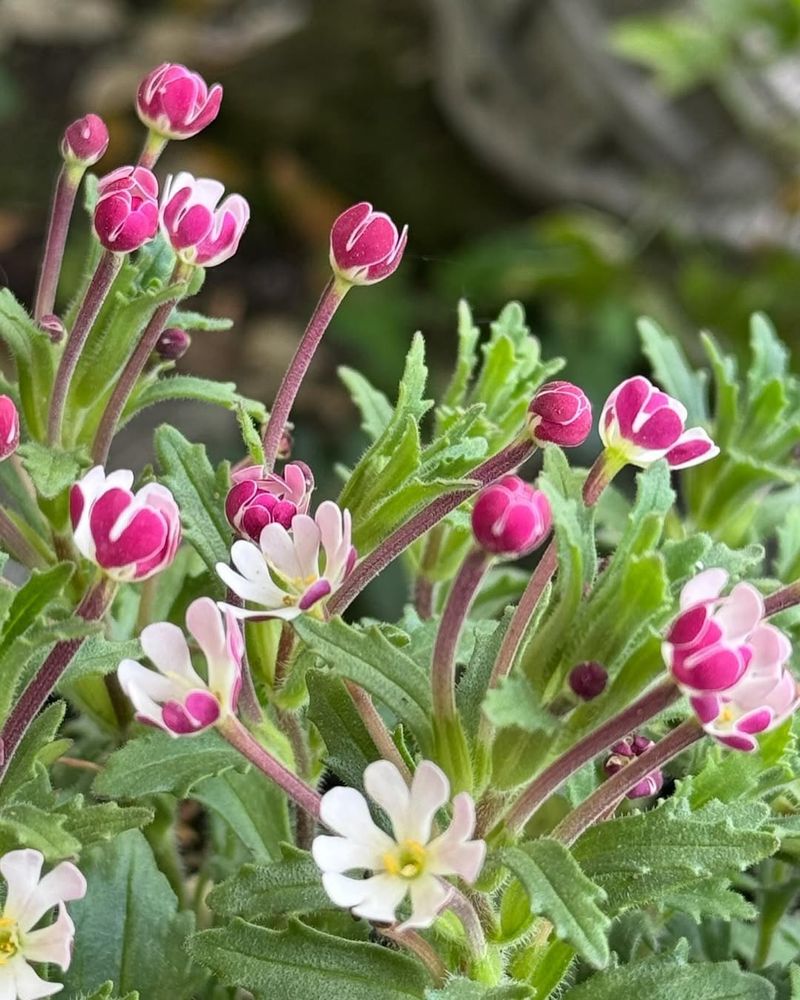
Tiny flowers packing enormous fragrance punch make night phlox a delightful discovery for gardeners seeking something unusual and wonderfully scented for evening enjoyment.
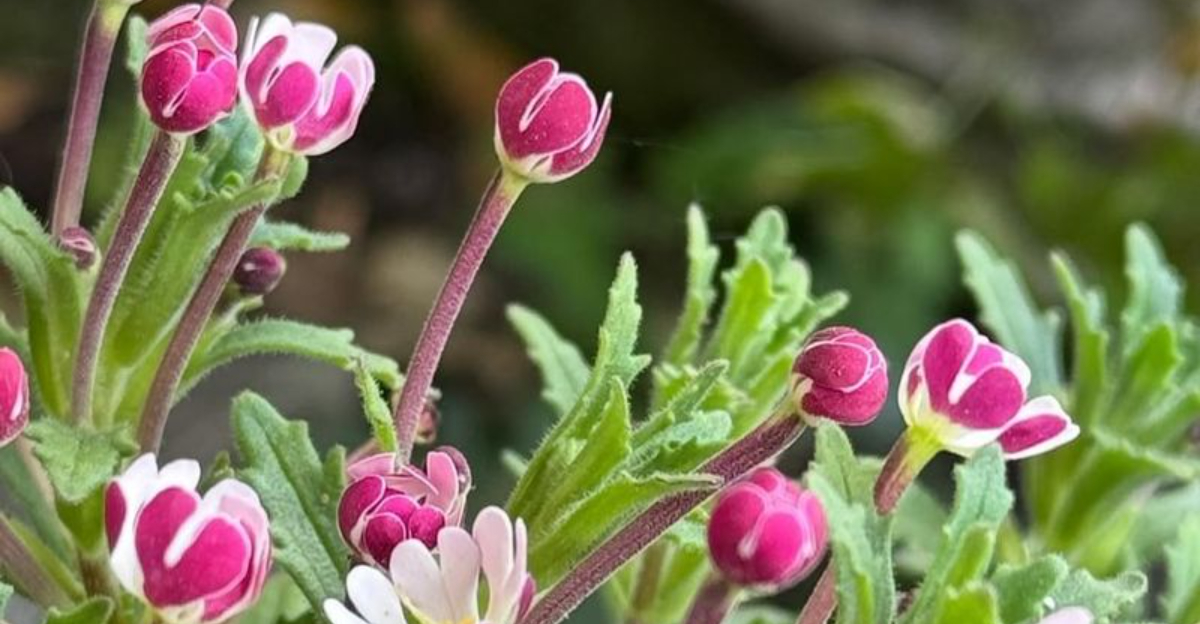
The small blooms feature deep maroon or purple backs with white interiors, creating striking contrast that becomes most visible when flowers open fully at dusk.
During daylight hours, the petals fold closed, showing primarily their darker backs and giving little hint of the transformation to come.
As evening arrives, they unfurl to reveal their white faces and release intense vanilla-honey fragrance that seems impossibly strong for such diminutive flowers.
This South African native adapts beautifully to California flower beds, rock gardens, and container plantings, where its low-growing habit and spreading nature create attractive groundcover effects.
Plants typically reach only six to twelve inches tall but spread wider, forming mats of narrow foliage dotted with countless small blooms throughout the growing season.
The fragrance concentration makes night phlox perfect for planting near patios, along pathways, or in containers positioned where evening relaxation happens and the scent can be fully appreciated.
Grow night phlox from seed or nursery transplants, setting plants in full sun to partial shade with well-draining soil. The plants prefer moderate water and benefit from occasional feeding during active growth.
In mild California climates, night phlox may behave as a short-lived perennial, though many gardeners treat it as an annual and replant each season.
Deadheading spent blooms encourages continued flowering and prevents excessive self-seeding, keeping plants compact and tidy while maximizing that wonderful evening fragrance display.
10. Casablanca Lily (Oriental Lily Types)
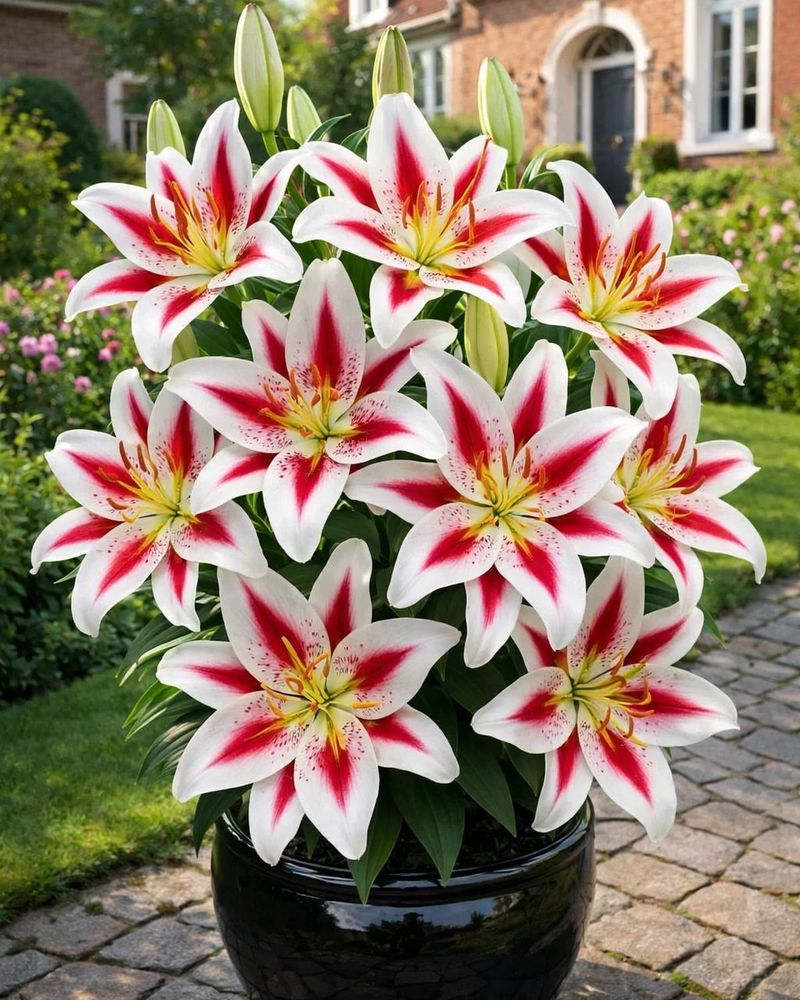
Sophisticated elegance meets intoxicating fragrance in oriental lilies, particularly the famous Casablanca variety whose enormous pure-white blooms represent the pinnacle of lily breeding achievement.
These spectacular flowers can span ten inches across, with recurved petals surrounding prominent stamens dusted with rusty-orange pollen that contrasts beautifully against the pristine white.
While the blooms certainly impress during daylight hours, their fragrance intensifies dramatically after sunset, releasing waves of sweet, spicy perfume that transforms gardens into luxurious outdoor rooms worthy of special occasions and romantic evenings.
California’s moderate growing zones suit oriental lilies perfectly, particularly in areas with warm days and cooler nights that these bulbs appreciate for optimal flowering.
The plants produce substantial stems reaching three to five feet tall, each topped with multiple huge blooms that open sequentially and provide weeks of enjoyment.
Beyond Casablanca, other oriental varieties offer pink, deep rose, and bi-colored options, all sharing that characteristic powerful evening fragrance that makes them garden treasures.
Plant oriental lily bulbs in fall or early spring, setting them six to eight inches deep in well-draining soil enriched with compost or aged manure.
Choose locations with full sun to partial shade, ensuring excellent drainage since these bulbs rot in soggy conditions. Provide consistent moisture during growth and blooming, and stake tall varieties to prevent wind damage.
After flowering finishes, allow foliage to remain until it yellows naturally, feeding the bulb for next season’s performance and ensuring those magnificent fragrant blooms return year after year.