These Night-Blooming Flowers Maker Arizona Gardens Glow After Dark

When the Arizona sun finally sets, your garden doesn’t have to disappear into the dark. In fact, this is when some of the most beautiful flowers come to life.
Night-blooming plants open after sunset, filling the air with soft fragrance and glowing petals. Your garden can shine brightest at night.
Imagine stepping outside on a warm desert evening and seeing flowers slowly open under the stars. The show starts after dark.
These blooms don’t need sunlight to steal attention. Arizona nights were made for this kind of magic.
Perfect for hot climates, night-blooming flowers handle the heat and reward you when most plants are resting. Whether you enjoy quiet patio time or late-night walks, these flowers turn ordinary evenings into something special.
Once you add them to your garden, sunset won’t feel like the end of the day, it will feel like the beginning.
1. Queen Of The Night Cactus
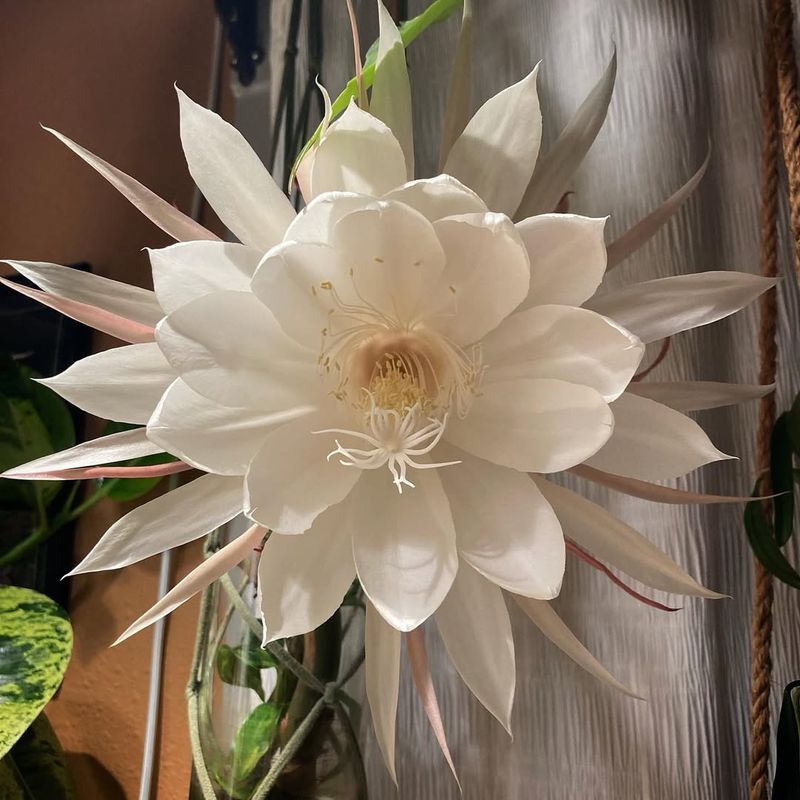
Blooming just once or twice per year, this legendary cactus puts on a show that Arizona gardeners wait months to witness.
The flowers open after sunset and stay open for only a few hours before wilting by dawn, making each bloom a special event worth staying up late to see.
Native to the Sonoran Desert regions that include parts of Arizona, this plant has adapted perfectly to the state’s climate and needs very little water or maintenance once established in the ground.
The massive white flowers can reach up to twelve inches across and release an intoxicating vanilla-like fragrance that fills entire yards.
Each bloom consists of dozens of delicate petals surrounding a center packed with golden stamens that seem to glow in moonlight or porch lights.
The plant itself looks rather unremarkable during the day, with long, flat stems that drape over walls or climb up trellises, but this unassuming appearance makes the nighttime transformation even more dramatic.
Arizona gardeners often host viewing parties when their Queen of the Night prepares to bloom, inviting friends and neighbors to witness nature’s fleeting masterpiece.
The exact bloom date can be predicted by watching for buds that swell and point upward rather than drooping down.
Many people in Arizona communities share bloom alerts on social media so fellow plant lovers don’t miss the show. Growing this cactus in Arizona gardens connects people to ancient desert traditions while creating unforgettable summer memories.
2. Evening Primrose
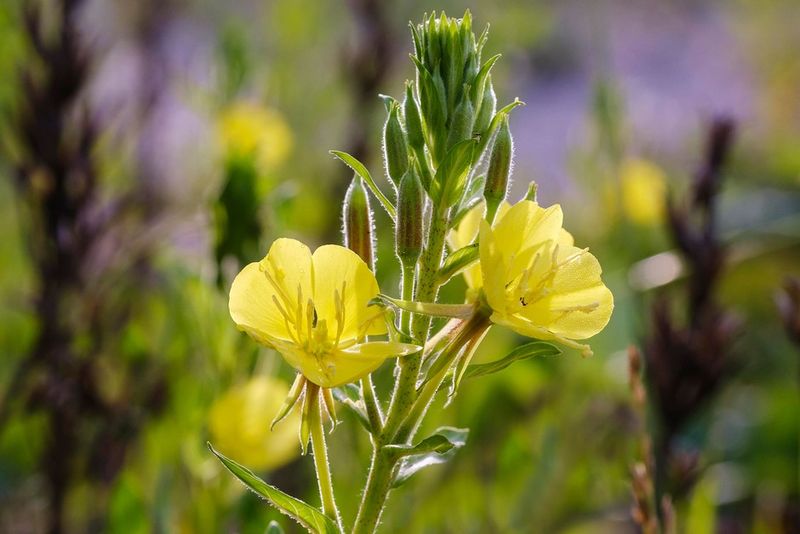
Carpets of cheerful yellow blooms appear across Arizona roadsides and gardens when evening primrose opens its flowers at dusk.
Unlike many night bloomers that close by morning, these sunny blossoms often remain open through the next day, giving admirers an extended viewing window.
The plant spreads easily in Arizona’s sandy soils and tolerates the intense heat that challenges many other flowering species, making it a reliable choice for low-maintenance landscapes throughout the state.
Each flower features four heart-shaped petals arranged in a symmetrical cross pattern that measures about two inches across.
The bright yellow color practically glows in twilight and early morning light, creating cheerful splashes of color that contrast beautifully with Arizona’s earthy desert tones.
Butterflies and moths both visit these flowers, along with native bees that forage in early morning hours before temperatures climb too high.
Arizona wildflower enthusiasts particularly appreciate how evening primrose naturalizes in disturbed areas, softening harsh landscapes with waves of golden blooms from spring through fall.
The plant requires almost no supplemental watering once roots establish, drawing moisture from deep in the soil during Arizona’s dry seasons.
Seeds spread readily, so new plants pop up in unexpected places, bringing pleasant surprises to Arizona gardens year after year. This adaptable wildflower proves that night-blooming plants can be both beautiful and practical for water-conscious Arizona homeowners.
3. Night-Blooming Jasmine
Walk outside on a warm Arizona evening and you might suddenly encounter the most powerful floral fragrance imaginable, even before spotting the source.
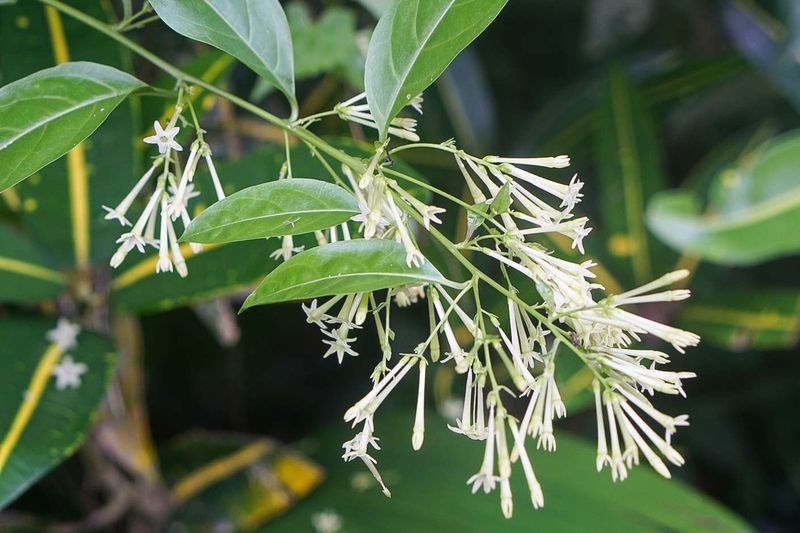
Night-blooming jasmine produces small, tubular greenish-white flowers that look rather ordinary but pack an extraordinary perfume punch that carries across entire neighborhoods.
Arizona gardeners either love or avoid this plant based purely on fragrance preference, as the scent can be overwhelming in enclosed spaces but magical in open gardens.
The shrub grows vigorously in Arizona’s warm climate, reaching heights of eight to ten feet with minimal care or pruning. Clusters of flowers open in waves throughout summer and fall, with peak blooming occurring during Arizona’s monsoon season when humidity levels rise.
Each individual flower is small, but plants produce hundreds at once, creating a cumulative effect that announces their presence from impressive distances.
Many Arizona homeowners plant night-blooming jasmine near patios or bedroom windows to enjoy the evening fragrance, though others prefer keeping it farther from the house.
The plant handles Arizona’s heat beautifully and continues blooming even during the hottest months when many other flowers take a break.
Pollinators including sphinx moths navigate toward the flowers using scent cues, performing important ecological roles in Arizona gardens after dark.
Despite the common name, this plant isn’t a true jasmine but belongs to the nightshade family, proving that names can be deceiving in the plant world.
4. Moonflower Vine
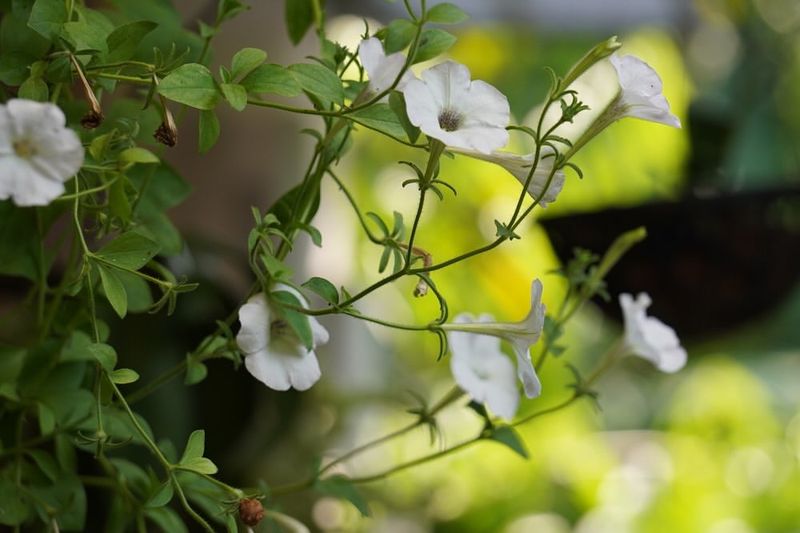
Imagine morning glory flowers enlarged to the size of dinner plates and programmed to open at sunset instead of dawn. Moonflowers deliver exactly that experience, unfurling enormous white blooms that seem almost supernatural in their size and luminosity.
Arizona gardeners treasure these vines for covering fences, arbors, and ramadas with lush foliage and nightly floral displays that continue from late spring through the first frost.
Each flower spirals open in a matter of minutes once the opening process begins, providing live entertainment for anyone patient enough to watch.
The pure white petals reflect moonlight and artificial lighting beautifully, creating glowing focal points in Arizona gardens after dark.
A light, sweet fragrance accompanies the visual display, attracting hawk moths that hover like hummingbirds while feeding on nectar with their long tongues.
Growing moonflowers in Arizona requires providing afternoon shade in the hottest areas, though plants tolerate full sun in higher elevation communities.
The vines grow quickly from seed, often reaching fifteen feet or more in a single season, making them excellent choices for covering unsightly walls or creating privacy screens.
Arizona monsoon rains encourage especially vigorous growth and heavy blooming, turning ordinary garden structures into magical nighttime destinations.
Seeds are large and easy to handle, making moonflowers a fun project for beginning gardeners and children exploring Arizona’s unique growing conditions and discovering how plants adapt to different schedules than humans follow.
5. Sacred Datura
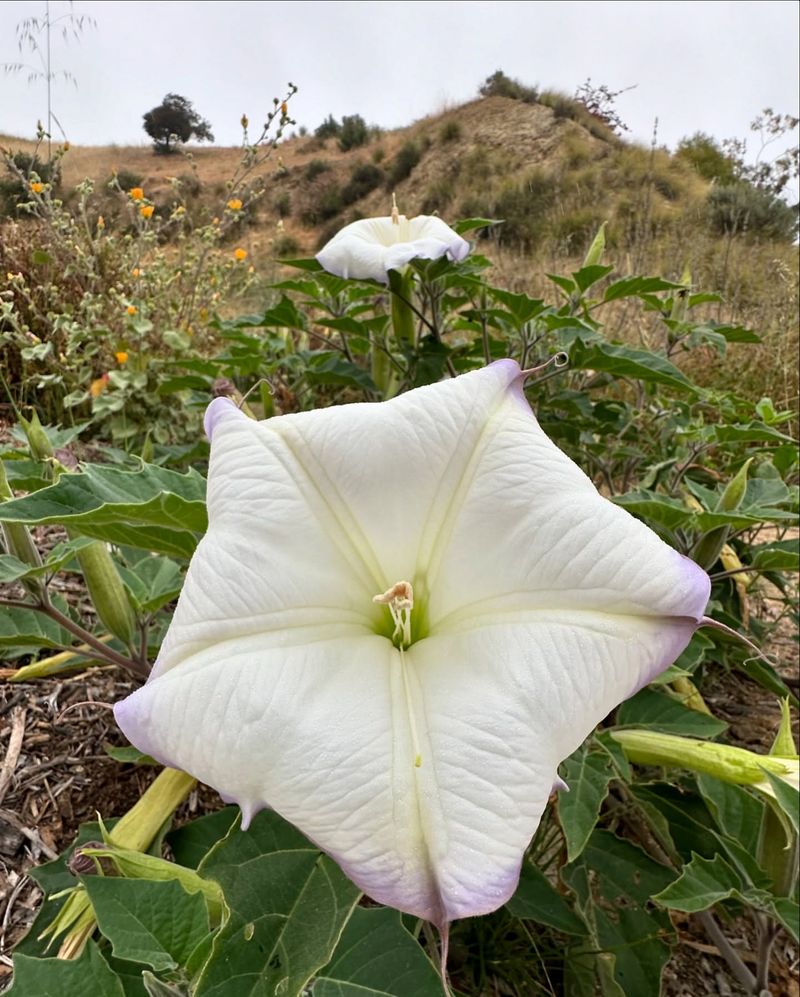
Trumpet-shaped blooms as large as teacups emerge from this Arizona native as evening approaches, earning it numerous folk names including desert thorn apple and sacred datura.
The flowers are architectural marvels, with five-pointed tips that flare outward from long tubular bases, creating dramatic silhouettes against Arizona sunsets.
Found growing wild along roadsides throughout Arizona, this plant has deep cultural significance to many Native American tribes who have lived in the region for thousands of years.
Flowers open in shades of white or pale lavender, sometimes with purple tinges along the veins that create subtle patterns visible in good light. The blooms last through the night and into the following morning before wilting in Arizona’s intense midday heat.
Each plant produces numerous flowers over an extended season, rewarding Arizona gardeners with reliable nighttime displays from spring through fall whenever temperatures and moisture conditions align favorably.
Sacred datura grows as a sprawling plant with large, soft leaves that spread across the ground in a casual arrangement.
Arizona’s native pollinators including sphinx moths have co-evolved with this plant over millennia, creating specialized relationships that benefit both species.
While beautiful, all parts of this plant contain compounds that should never be consumed, so Arizona gardeners with young children often choose to admire it in wild settings rather than cultivating it at home.
Seeing sacred datura blooming in Arizona’s natural landscapes provides powerful connections to the region’s ecological and cultural heritage.
6. Night-Blooming Cereus
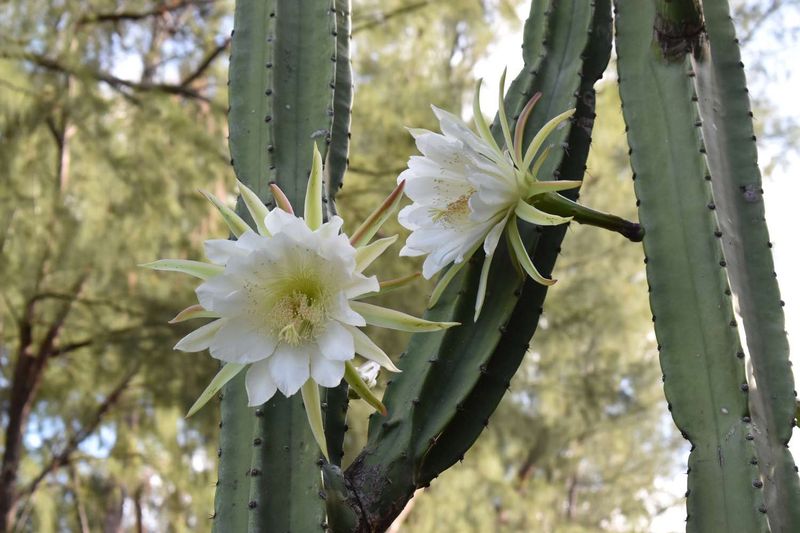
Often confused with Queen of the Night, this related cactus species offers similar dramatic blooms but with slightly different timing and appearance.
Night-blooming cereus flowers tend to be somewhat smaller and appear more frequently throughout Arizona’s warm season rather than just once or twice annually.
The stems grow as long, pencil-thin branches that look rather scraggly during daylight hours, causing some Arizona gardeners to mistake them for weeds or damaged plants before witnessing their nighttime transformation.
When bloom time arrives, elongated buds swell and curve upward, signaling that flowers will open that evening. The white blooms feature numerous narrow petals arranged in starburst patterns around prominent centers filled with creamy stamens.
Fragrance varies between individual plants, with some producing strong vanilla or lily scents while others offer only subtle perfumes that require getting close to detect.
Arizona gardeners can grow night-blooming cereus in containers or directly in the ground, tucking the unimpressive stems behind showier plants until bloom season arrives.
The cactus tolerates Arizona’s temperature extremes well but appreciates some shade during the most intense summer afternoons in low-desert regions.
Established plants in Arizona gardens often bloom multiple times between April and September, with individual flowers opening for just one night before fading.
Sharing cuttings of night-blooming cereus has become a tradition among Arizona gardening communities, with plants passing between friends and neighbors who want to experience the magic in their own spaces.
7. Four O’Clock Flowers
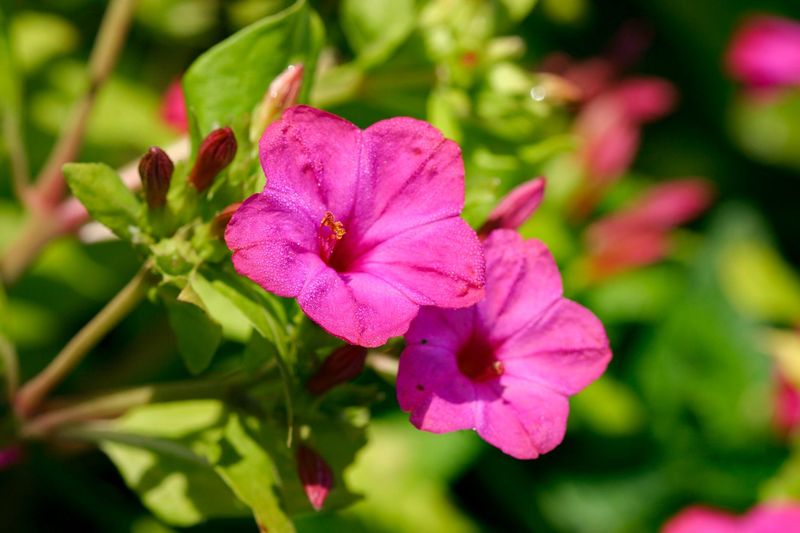
Right on schedule like a reliable friend, four o’clocks open their colorful blooms in late afternoon, usually between 4 and 5 PM, explaining their charmingly literal common name.
Arizona gardeners appreciate how these tough plants handle extreme heat and poor soil without complaint, blooming prolifically from summer through fall across all regions of the state.
Individual plants often produce flowers in multiple colors simultaneously, with pink, magenta, yellow, and white blooms appearing on the same stems in cheerful, unpredictable combinations.
Each trumpet-shaped flower measures about an inch across and releases a light, sweet fragrance that attracts hummingbirds in late afternoon and moths after darkness falls.
The blooms stay open through the night and well into the following morning, closing only when Arizona’s sun climbs high and temperatures rise past comfortable levels.
Plants form bushy mounds that can reach three feet tall and equally wide, filling spaces quickly and providing reliable color throughout Arizona’s longest, hottest months.
Four o’clocks reseed enthusiastically in Arizona gardens, returning year after year without replanting and often spreading to new locations where seeds land in favorable spots.
The plants form large tuberous roots that store water, allowing them to survive Arizona’s dry periods without irrigation once established.
Children enjoy the predictable opening time, learning to tell time by watching flowers respond to environmental cues.
Arizona heirloom gardens often include four o’clocks that have been growing in the same spots for generations, connecting current gardeners to past residents who appreciated these reliable performers.
8. Desert Willow
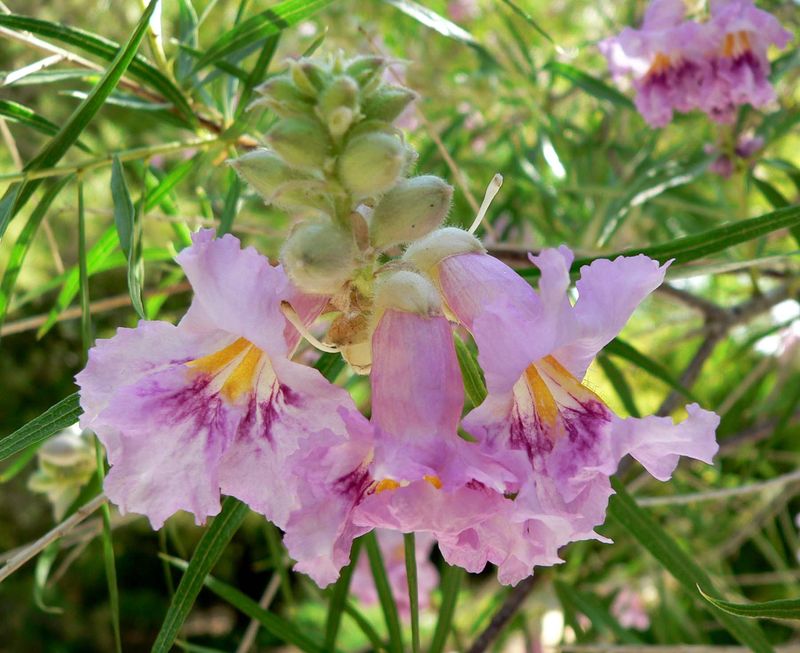
Technically a tree rather than a true willow, this Arizona native produces orchid-like flowers that open in the evening and perfume the air with a scent reminiscent of violets.
The blooms appear in shades ranging from white through pink to deep burgundy, with most varieties showing attractive throat markings that guide pollinators toward nectar rewards.
Desert willow thrives throughout Arizona from low deserts to mountain foothills, adapting to different elevation zones while maintaining its graceful appearance and reliable blooming habits.
Trees grow quickly in Arizona landscapes, reaching fifteen to twenty feet tall with arching branches that create dappled shade without blocking too much sunlight from reaching plants below.
The narrow leaves resemble true willow foliage, giving the tree its common name despite belonging to a completely different plant family.
Flowers appear in clusters at branch tips throughout summer, with peak blooming occurring during Arizona’s monsoon season when increased humidity and occasional rains encourage especially heavy flower production.
Arizona landscapers frequently recommend desert willow for residential gardens because it combines beauty with toughness and extremely low water requirements once established.
The evening-blooming habit means that homeowners returning from work encounter trees at their most fragrant and attractive, providing natural stress relief after long days.
Hummingbirds visit the flowers throughout the day, while moths take over pollination duties after sunset in Arizona gardens.
Seeds develop in long, bean-like pods that persist through winter, adding textural interest even after flowering concludes for the season across Arizona’s varied climate zones.