These Night-Blooming Flowers Will Transform Your North Carolina Garden At Night
When the sun sets in North Carolina, your garden doesn’t have to go quiet. In fact, that’s when a whole new world can wake up.
Night-blooming flowers open after dark, filling the air with soft fragrance and glowing beauty. Your garden’s best moment might be after sunset.
Imagine stepping outside on a warm evening and watching flowers slowly come to life. The magic doesn’t need daylight.
Night gardens feel calm, romantic, and a little surprising. This is when your garden tells a different story.
Perfect for North Carolina’s climate, these flowers thrive in warm nights and reward you when most plants are sleeping.
Whether you enjoy evening walks, backyard dinners, or peaceful porch time, night-blooming flowers turn ordinary nights into something unforgettable. Once you see them bloom, you’ll never look at nighttime the same way again.
1. Moonflower
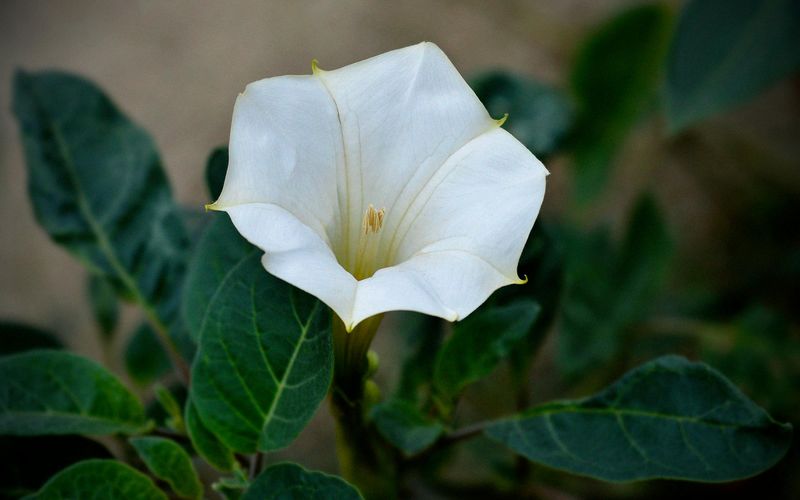
Moonflowers earn their name honestly, unfurling massive white blooms that can reach six inches across once twilight arrives.
These vines grow vigorously throughout North Carolina’s growing season, climbing trellises, fences, or arbors with enthusiasm that sometimes surprises first-time gardeners.
The flowers release a sweet, almost intoxicating fragrance that fills your entire yard on warm summer evenings.
Plant moonflower seeds directly in your garden after the last frost date, usually mid-April in most North Carolina locations. They prefer full sun during the day and well-drained soil that’s been enriched with compost.
Water regularly during establishment, but once mature, these plants tolerate dry spells remarkably well.
Each bloom lasts only one night before closing by mid-morning, but a healthy vine produces dozens of buds throughout the season.
Watch closely around 8 PM during peak summer months and you can actually see the spiral petals unfurl in real time. Kids absolutely love this natural time-lapse show.
Pair moonflowers with morning glories for continuous blooms, since morning glories open at dawn just as moonflowers close.
The vines look nearly identical during the day, creating a seamless transition between night and day bloomers in your North Carolina garden space.
2. Night-Blooming Jasmine
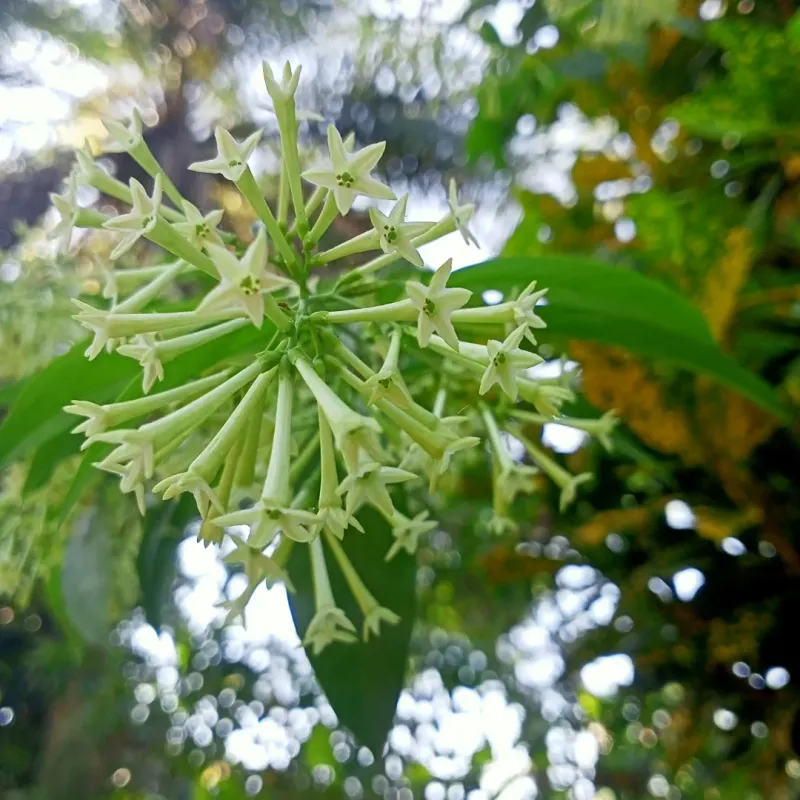
Few plants can match the incredible perfume that night-blooming jasmine releases after sunset. This tropical shrub thrives in North Carolina’s warmer zones, particularly in coastal and southern regions where winter temperatures rarely dip below freezing.
The small, tubular white flowers appear unremarkable during daylight hours, but their fragrance carries across entire neighborhoods once darkness falls.
Gardeners in the piedmont and mountain areas of North Carolina should grow night-blooming jasmine in containers that can be moved indoors before the first frost. The plant adapts well to pot culture and actually blooms more reliably when slightly root-bound.
Place containers near patios, bedroom windows, or outdoor seating areas where you’ll enjoy the scent most.
Night-blooming jasmine flowers appear in waves throughout summer and fall, with the strongest fragrance occurring during humid evenings.
Some people find the scent overwhelming, so plant it where the breeze won’t carry the perfume directly into open windows if you’re sensitive to strong smells. Others can’t get enough and plant multiple specimens.
Water consistently during active growth and feed monthly with a balanced fertilizer. Prune in early spring to maintain shape and encourage bushier growth that produces more flowering stems throughout the season.
3. Evening Primrose
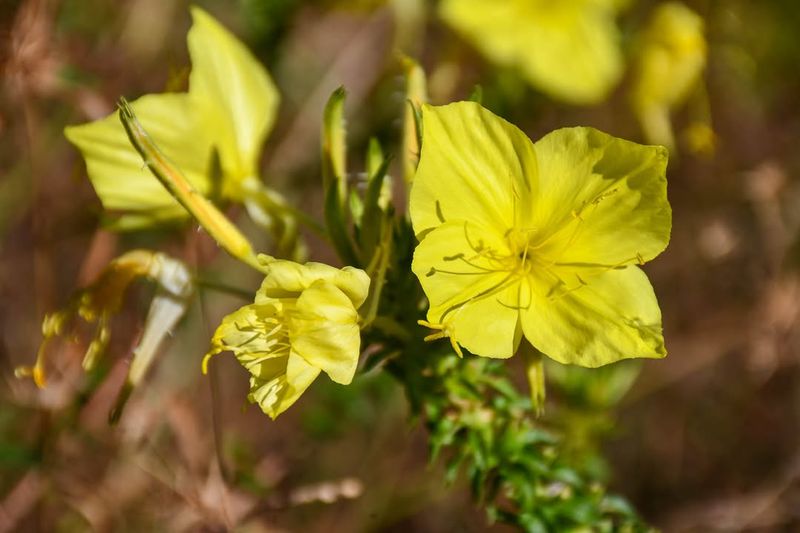
Bright yellow blooms pop open with surprising speed on evening primrose plants, creating cheerful spots of color that practically glow in twilight conditions.
Native to North America, these wildflowers have naturalized throughout North Carolina, appearing along roadsides and in meadows where they reseed freely.
The four-petaled flowers measure two to three inches across and attract sphinx moths that hover like tiny hummingbirds.
Evening primrose grows easily from seed scattered directly in your garden bed during fall or early spring. The plants prefer full sun and tolerate poor, dry soil better than rich, amended beds.
In fact, too much fertilizer or water produces leggy plants with fewer flowers in North Carolina’s climate.
Blooms open around dinnertime and last through the following morning before wilting in afternoon heat. The flowers have a light, sweet fragrance that’s pleasant without being overpowering.
Deadheading spent blooms encourages more flower production, but leaving some seedheads allows plants to self-sow for next year’s display.
This biennial forms a low rosette of leaves during its first year, then sends up flowering stalks two to four feet tall in its second season.
Plant new seeds each year to ensure continuous blooms in your North Carolina moon garden, creating a reliable display that requires minimal maintenance.
4. Four O’Clock Flowers
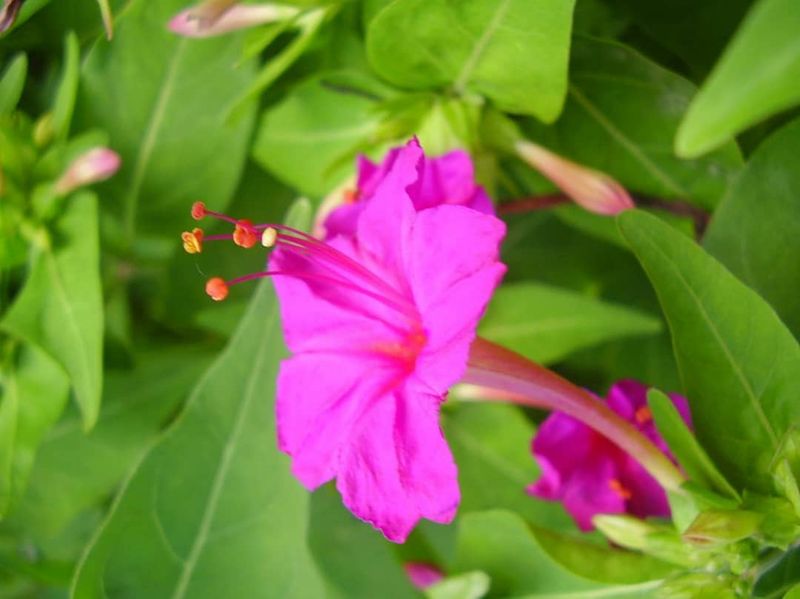
Right on schedule, four o’clocks begin opening their trumpet-shaped blooms in late afternoon, earning their quirky common name through reliable timing.
These old-fashioned flowers come in vibrant shades of pink, magenta, yellow, white, and even bicolored combinations that add exciting pops of color to evening gardens across North Carolina.
The bushy plants reach two to three feet tall and equally wide, creating substantial presence in flower beds.
Four o’clocks grow from tuberous roots that can be dug and stored over winter in colder parts of North Carolina, though many gardeners treat them as self-sowing annuals instead.
The plants reseed enthusiastically, sometimes appearing in unexpected spots the following spring. Seeds are large and easy to collect if you want to control where they grow next year.
Plant four o’clocks in full sun to part shade after danger of frost has passed. They tolerate heat, humidity, and drought remarkably well once established, making them perfect for North Carolina’s sometimes challenging summer conditions.
Water during extended dry periods, but otherwise these flowers practically take care of themselves.
The fragrance varies by flower color, with some varieties offering sweet perfume while others have little scent. Blooms stay open all night and through the next morning on cloudy days, providing extended enjoyment of their cheerful colors in your outdoor space.
5. Night-Blooming Cereus
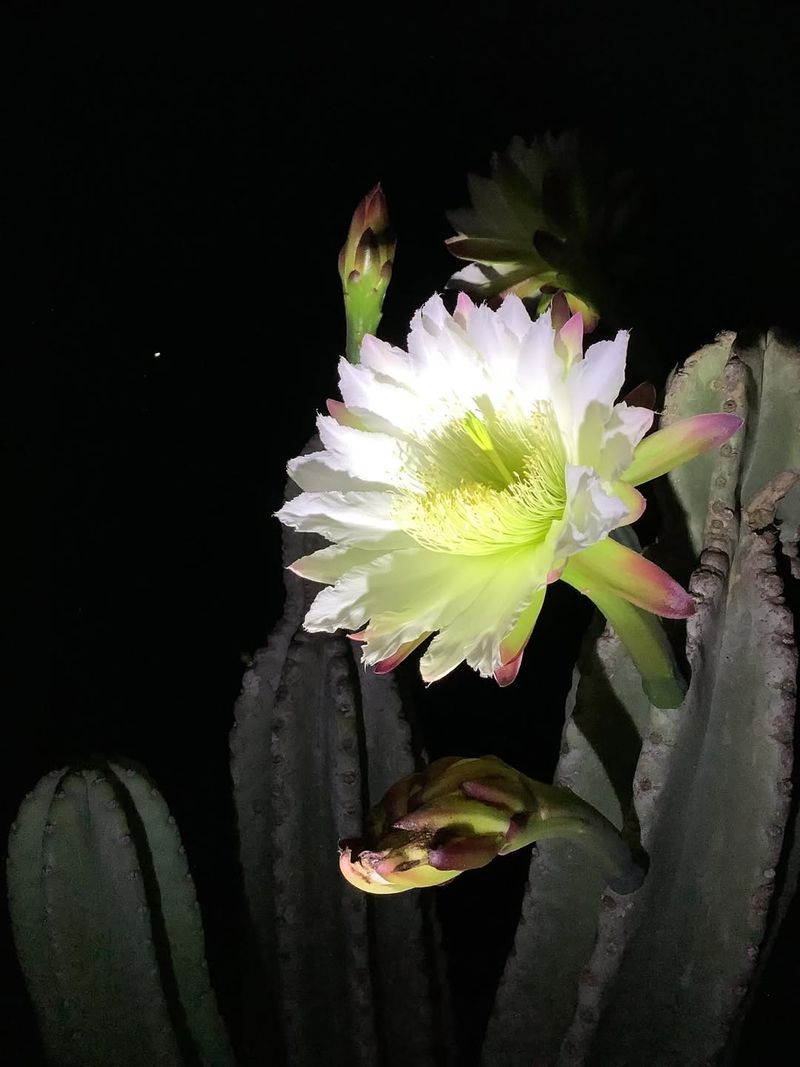
Often called the Queen of the Night, this spectacular cactus produces blooms so stunning that people host viewing parties when buds are about to open.
The enormous white flowers can measure ten inches across with dozens of delicate petals surrounding a center filled with golden stamens.
Each bloom lasts only one night, making the experience feel precious and fleeting for lucky observers in North Carolina.
Growing night-blooming cereus requires patience since plants may take several years to reach blooming maturity. The cactus produces long, flat, leaf-like stems that look ungainly during the day but serve as the perfect backdrop for those incredible flowers.
In North Carolina, grow this tropical cactus in containers that can be moved indoors during winter months or kept in a greenhouse.
Place your night-blooming cereus where it receives morning sun but afternoon shade, especially during North Carolina’s hot summer months. Water when the soil dries out completely, and feed monthly during the growing season with cactus fertilizer.
The plant tolerates neglect better than excessive attention, so resist the urge to fuss over it constantly.
Watch developing buds carefully because they open quickly once they begin, usually between 9 PM and midnight.
The flowers release an intense, sweet fragrance that some describe as vanilla-like while others detect notes of water lily. Invite friends over to witness this natural wonder that happens just once per bloom.
6. Nicotiana
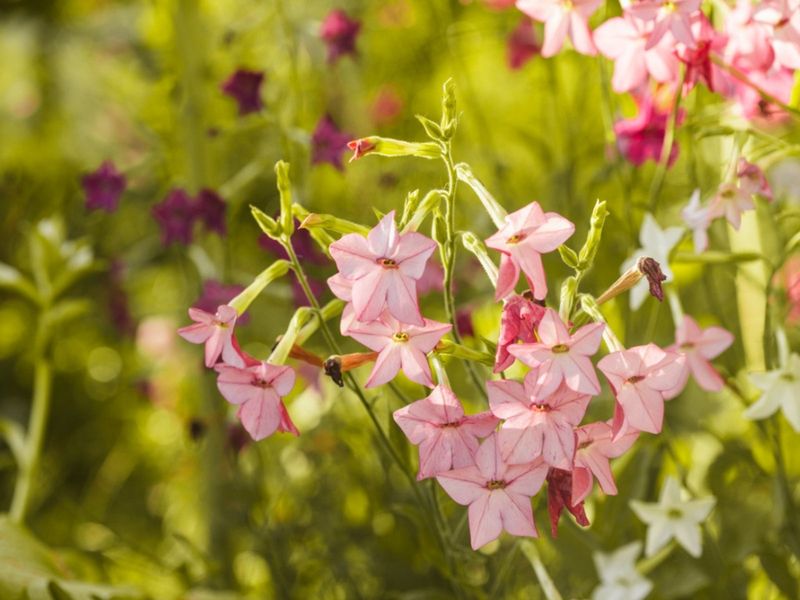
Also known as flowering tobacco, nicotiana brings old-world charm to modern North Carolina gardens with tubular blooms that release their fragrance after sundown.
White varieties produce the strongest scent, though pink, red, and lime green cultivars add interesting color options for gardeners who want visual variety.
The flowers attract hummingbird moths that visit throughout evening hours, providing entertainment for anyone sitting outside.
Nicotiana grows easily from seed started indoors six weeks before your last frost date or purchased as transplants from local North Carolina garden centers.
The plants prefer rich, well-drained soil and consistent moisture, though they tolerate brief dry spells once established.
Space them twelve to eighteen inches apart since they can spread wider than expected by mid-summer.
Taller varieties reach three to four feet and may need staking in areas with strong afternoon thunderstorms common across North Carolina. Dwarf types stay under two feet and work well in containers or along border fronts.
Deadheading encourages continuous blooming, but plants often reseed if you leave some spent flowers to mature.
The fragrance intensifies on humid evenings, filling your garden with a sweet, slightly spicy scent that’s noticeable from surprising distances. Plant nicotiana near seating areas, along walkways, or beneath windows where you’ll appreciate the perfume most.
These flowers bloom from early summer until frost, providing months of evening enjoyment in your outdoor space.
7. Datura
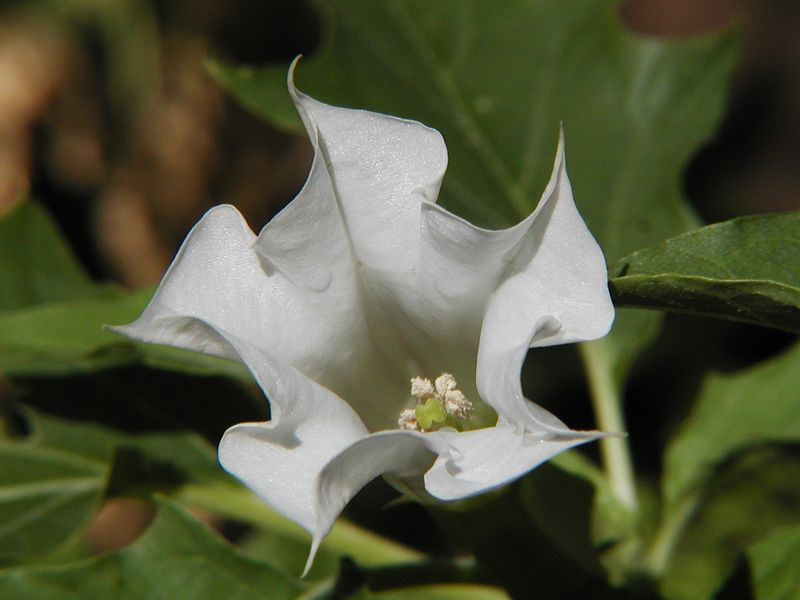
Dramatic trumpet-shaped blooms measuring up to eight inches long make datura an unforgettable addition to North Carolina moon gardens. The flowers hang downward from sturdy stems, opening in early evening with petals that unfurl in a spiral pattern.
Most varieties bloom in pure white, though some cultivars offer purple or yellow options that still provide the reflective quality needed for nighttime visibility.
Every part of datura contains toxic compounds, so plant it away from areas where children or pets play frequently. Despite this caution, many North Carolina gardeners grow datura successfully, appreciating its architectural presence and stunning blooms.
The large, coarse leaves create bold texture during daylight hours before flowers steal the show after dark.
Plant datura in full sun and rich soil that drains well but retains some moisture. These heavy feeders benefit from monthly applications of balanced fertilizer throughout the growing season.
In North Carolina’s coastal and southern regions, datura may reseed or even overwinter as a short-lived perennial, while gardeners in colder areas treat it as an annual.
Each flower lasts one night, but mature plants produce multiple buds that open over several weeks. The fragrance varies by species, with some offering intense sweetness while others smell faintly lemony.
Watch for sphinx moths and other nocturnal pollinators that visit the blooms, creating a living display of nature’s nighttime ecosystem right in your yard.
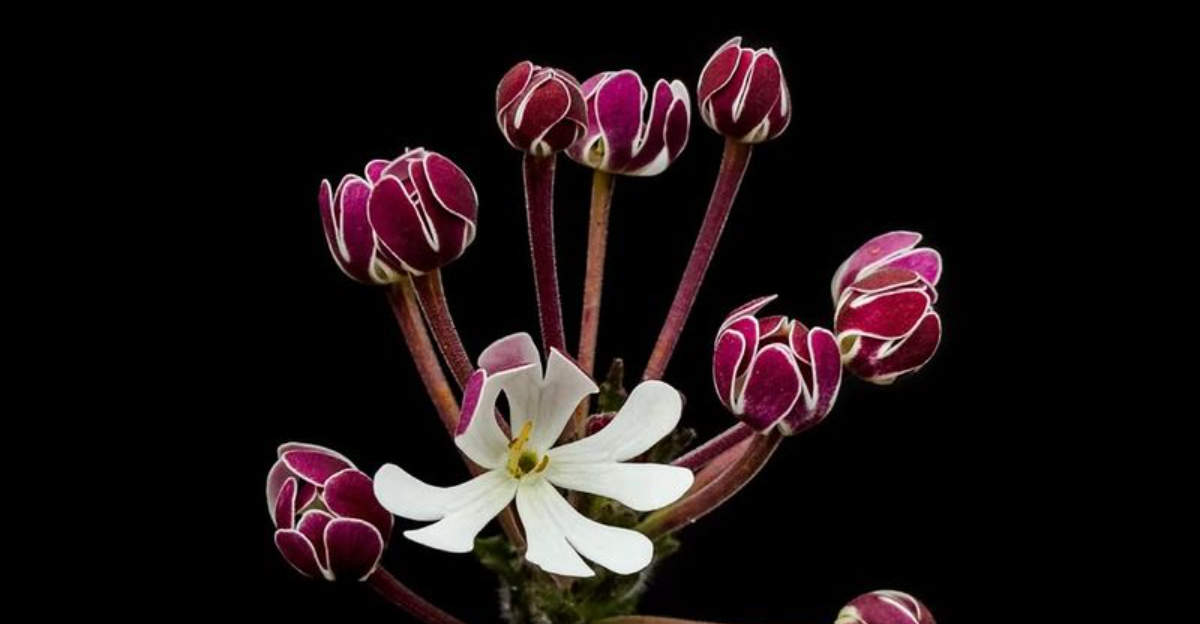
8. Night Phlox
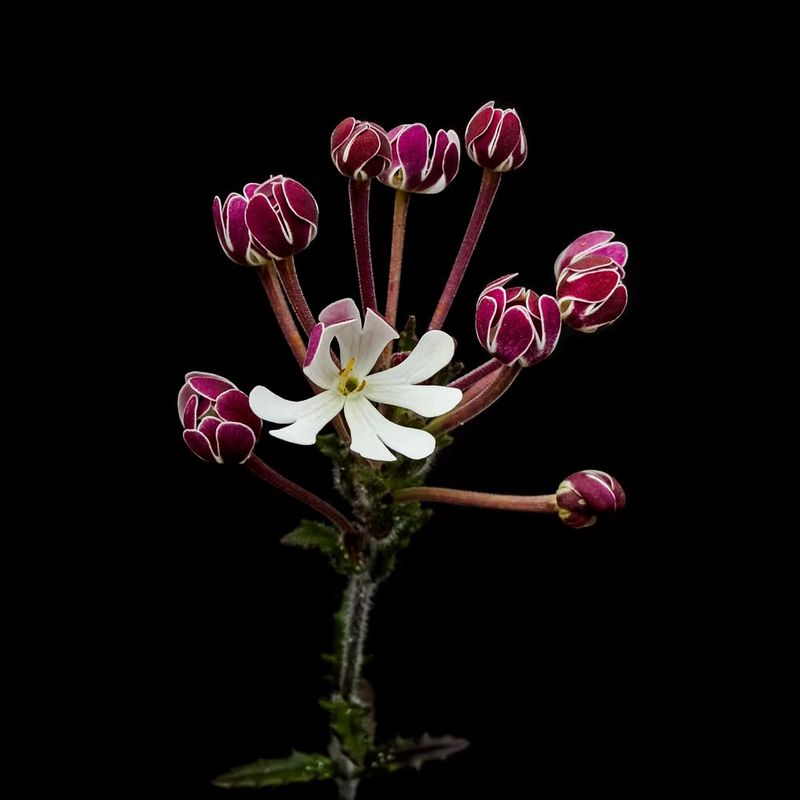
Delicate white or pale lavender flowers cover night phlox plants from summer through fall, creating a frothy display that seems to float in the darkness.
Also called midnight candy, this annual releases a honey-sweet fragrance after sunset that draws moths and other beneficial insects to your North Carolina garden.
The small flowers measure only about an inch across, but plants produce them in such abundance that the overall effect feels lush and romantic.
Night phlox grows quickly from seed sown directly in the garden after your last frost date. The plants prefer full sun to light shade and average soil that doesn’t stay soggy.
They tolerate North Carolina’s summer heat better than many fragrant flowers, continuing to bloom even during the hottest weeks of July and August when other plants struggle.
These low-growing plants reach only twelve to eighteen inches tall, making them perfect for border fronts, container edges, or tucked between taller perennials. The fine-textured foliage stays attractive all season, providing a soft backdrop for the starry flowers.
Water during dry spells, but avoid overhead watering late in the day since wet foliage overnight can encourage fungal problems.
Night phlox often reseeds in North Carolina gardens, appearing reliably each spring without requiring replanting. The volunteers usually show up in slightly different spots, creating a natural, cottage-garden feel that looks planned but effortless.
Combine night phlox with other low-growing evening bloomers for a carpet of fragrance and light-colored flowers.
9. Tuberose
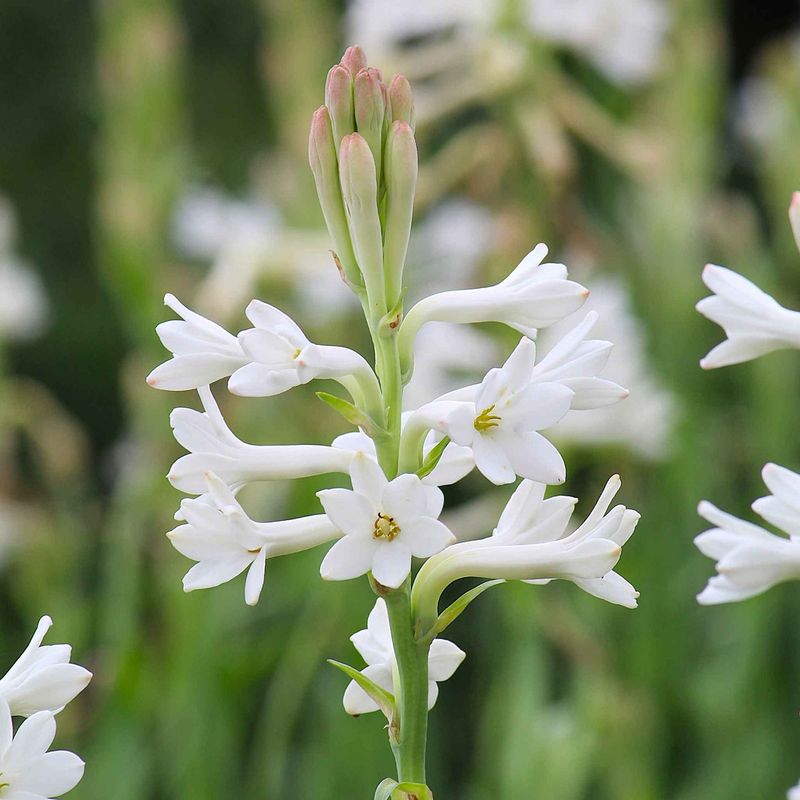
Legendary for producing one of the most intoxicating fragrances in the plant kingdom, tuberose fills North Carolina gardens with perfume so powerful that a single stalk can scent an entire yard.
The waxy white flowers grow in spikes along tall stems, opening from bottom to top over several weeks.
Each individual bloom resembles a small gardenia with thick petals that seem almost artificial in their perfection.
Tuberose grows from bulbs that should be planted after soil warms in spring, usually late April or early May across most of North Carolina. Choose a location with full sun and excellent drainage since these bulbs rot quickly in soggy conditions.
Plant them four inches deep and six inches apart, then water thoroughly to settle soil around the roots.
The plants take their time getting established, often not blooming until late summer or early fall in North Carolina’s climate. Patience pays off when those flower spikes finally appear and release their incredible fragrance during evening hours.
The scent combines notes of jasmine, orange blossom, and honey in a complex perfume that’s been prized by perfumers for centuries.
Tuberose bulbs aren’t winter-hardy in most North Carolina locations, so gardeners must dig them after foliage yellows in fall. Store the bulbs in a cool, dry location and replant next spring for another season of spectacular fragrance.
Container growing offers an alternative, allowing you to move pots to protected locations during cold months while enjoying the blooms near patios or entryways.