These North Carolina Flower Buds Are Most At Risk During April Cold Snaps
April can be a tense time for North Carolina gardeners, especially when flower buds start swelling just as cold snaps return. After a few warm days, many plants move ahead too fast and begin opening earlier than they should.
That is when trouble starts. A sudden drop in temperature can damage tender buds overnight and leave shrubs, trees, and perennials with fewer blooms than expected.
In some cases, the plant stays healthy but the flower show is greatly reduced. That can be frustrating when everything looked ready to burst into color just days before.
North Carolina weather is known for these spring swings, which makes certain buds far more vulnerable than others. The plants that bloom early or break dormancy fast often face the biggest risk.
Knowing which flower buds are most exposed during April cold snaps can help gardeners protect them before the damage is done.
1. Azaleas
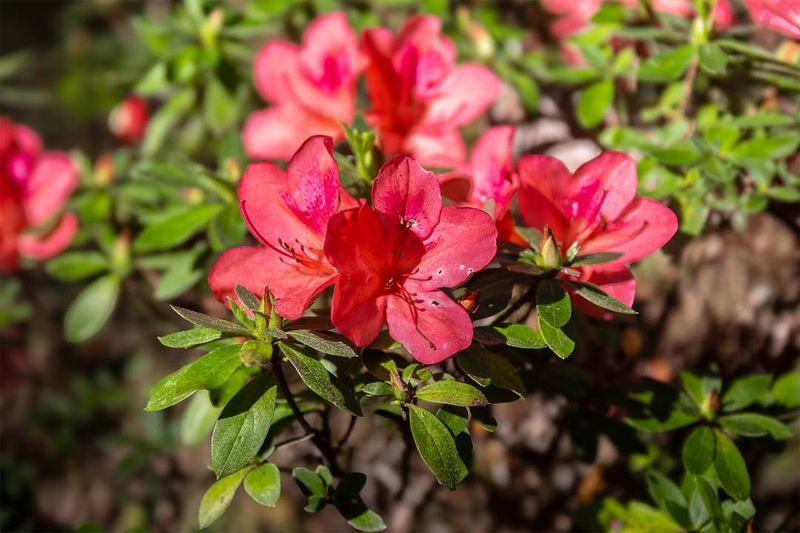
Few sights in a North Carolina garden stop you in your tracks quite like a full-blooming azalea. These showstoppers burst into color from March through April, painting entire yards in shades of pink, red, white, and purple.
The problem is that their flower buds and open blooms are incredibly tender, and one cold night can wipe out weeks of stunning color.
In the Piedmont and mountain regions of North Carolina, late April freezes are not unusual at all. Early-blooming varieties are the most exposed because they push out flowers before the weather has truly settled.
Once those buds have swollen or cracked open, even a brief dip into the low 30s can cause serious browning and collapse of the petals.
Protecting your azaleas before a cold snap is well worth the effort. Draping a lightweight frost cloth over smaller shrubs in the evening and removing it in the morning can make a big difference.
Avoid pruning azaleas in fall or late summer, since that removes the buds that would have bloomed the following spring. Mulching around the base of the plant also helps keep soil temperatures steady during those unpredictable April nights.
Paying attention to the forecast and acting quickly is truly the best tool a North Carolina gardener has in their corner during this tricky season.
2. Flowering Dogwood
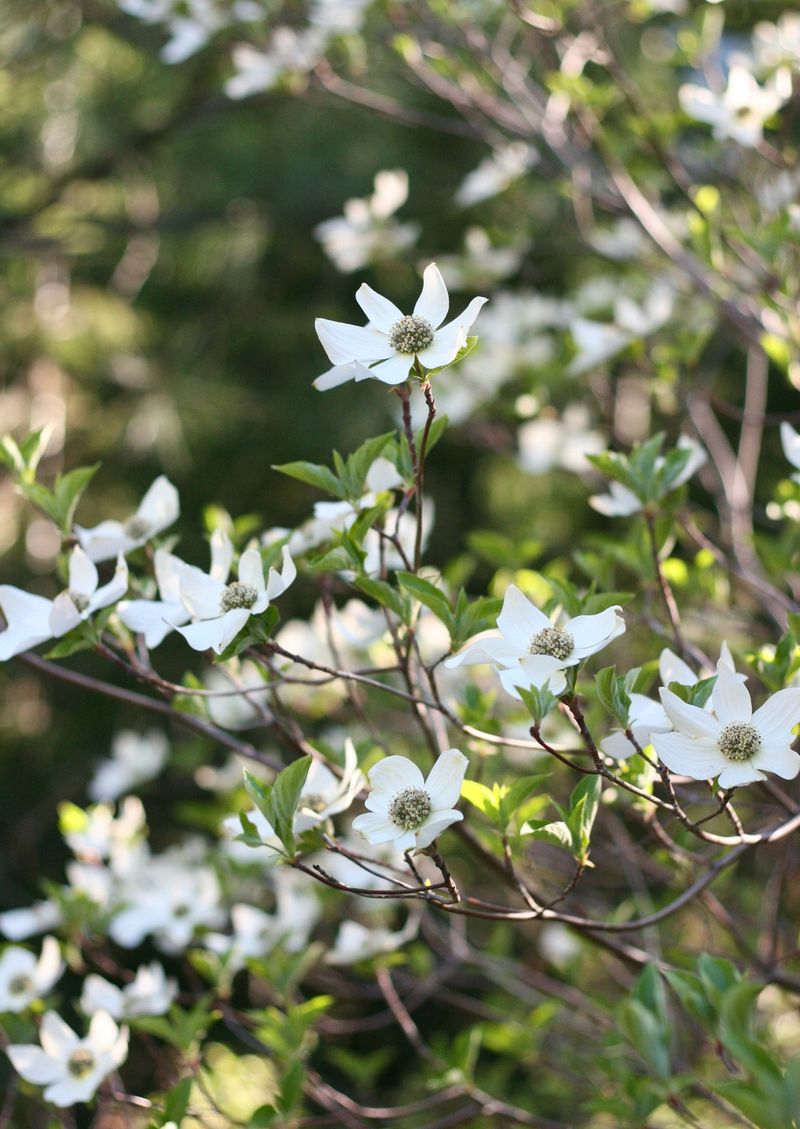
The Flowering Dogwood is practically the symbol of a North Carolina spring. Cornus florida begins opening its iconic white or pink bracts in early to mid-April, making it one of the most anticipated blooms of the entire season.
Those bracts are not actually petals but petal-like structures that frame the tiny true flowers at the center, and they are surprisingly fragile when temperatures drop.
A sudden April cold snap can turn those beautiful white bracts brown and limp almost overnight. Once that browning happens, the spring display is essentially gone for the year, since dogwoods only bloom once.
The damage is most visible in North Carolina’s inland counties and higher mountain elevations, where cold air tends to settle into low areas and linger longer than expected.
Young dogwood trees are especially vulnerable because they have not yet developed the same cold hardiness as mature specimens.
If you have a newly planted dogwood in your yard, covering it loosely with a breathable frost cloth before a predicted freeze can help protect those precious buds.
Planting dogwoods on slightly elevated spots rather than in low-lying areas also reduces their exposure to cold air pooling.
Keeping the tree well-watered going into a cold stretch helps too, since hydrated plant tissue handles temperature swings much better than dry tissue does. A little planning goes a long way with this beloved North Carolina native.
3. Eastern Redbud
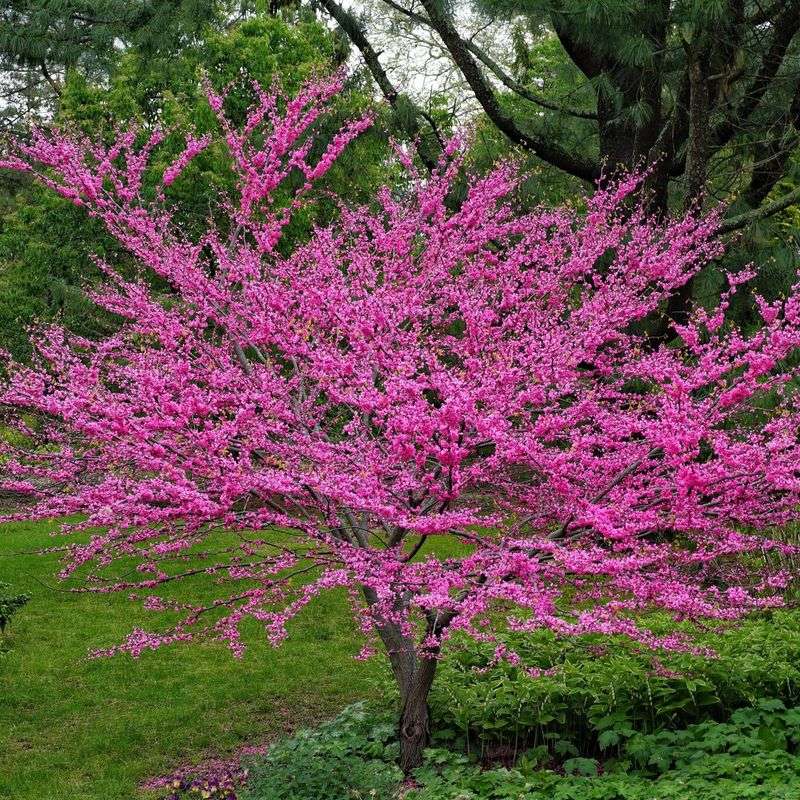
There is something almost magical about an Eastern Redbud in full bloom, with its bright magenta-pink flowers bursting directly from bare branches before a single leaf appears.
Cercis canadensis is one of the earliest-blooming trees in North Carolina, typically reaching peak color from late March into early April.
That early timing is exactly what puts it at such high risk when a surprise cold snap rolls through.
Because the Redbud blooms so early in the season, its exposed flower buds can take a real hit from late cold snaps, particularly in inland areas and higher elevations across North Carolina.
Temperatures that dip below 28 degrees Fahrenheit for even a few hours can damage open flowers significantly, turning them brown and causing them to drop before they have had a chance to shine.
One interesting fact about Redbuds is that they are actually in the legume family, making them distant relatives of beans and peas.
Gardeners in North Carolina who want to help their Redbuds through a cold snap can try wrapping the canopy of younger trees with frost cloth on nights when temperatures are predicted to fall sharply.
Established, larger Redbuds are harder to cover but tend to bounce back more reliably. Choosing a planting spot with good air drainage, away from frost pockets, also gives Redbuds a natural advantage when April temperatures turn unpredictable and cold nights linger longer than expected.
4. Bigleaf Hydrangea
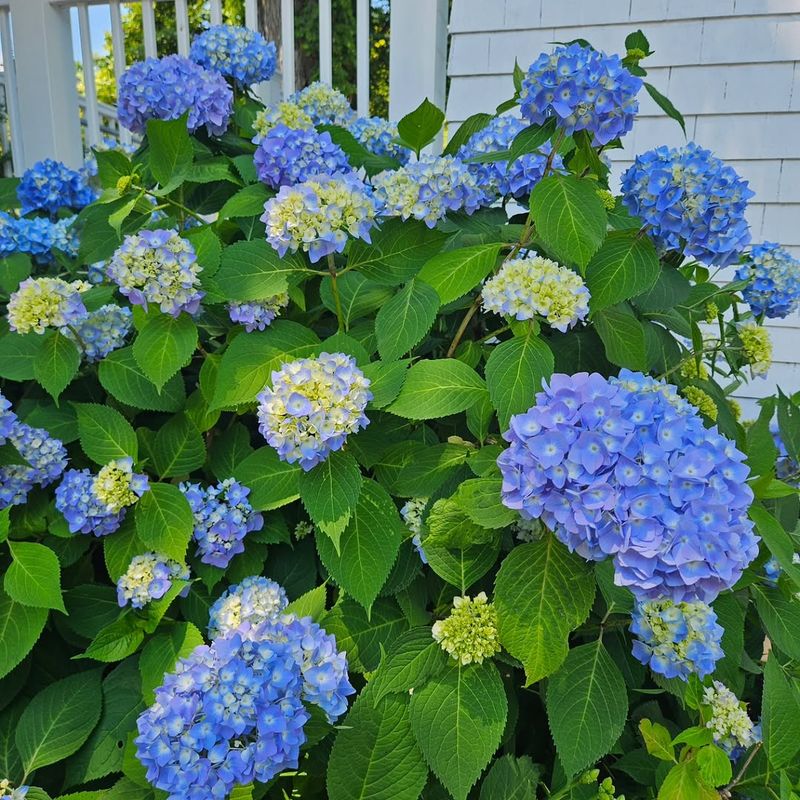
Bigleaf Hydrangeas are some of the most beloved shrubs in North Carolina gardens, and for good reason. Their big, rounded flower clusters in shades of blue, pink, and purple are a summer staple across the state.
But here is the catch: Hydrangea macrophylla forms its flower buds on old wood, meaning the buds that will produce this summer’s blooms are already sitting on the plant right now, exposed to whatever weather April decides to throw at them.
When a warm early spring encourages those buds to swell ahead of schedule, they become especially vulnerable to any late frost that follows.
A temperature drop into the upper 20s or low 30s can damage or finish off those swollen buds completely, leaving you with a full, healthy-looking shrub come summer that produces little to no flowers.
It is one of the most frustrating experiences for North Carolina gardeners who have been looking forward to those blooms all winter long.
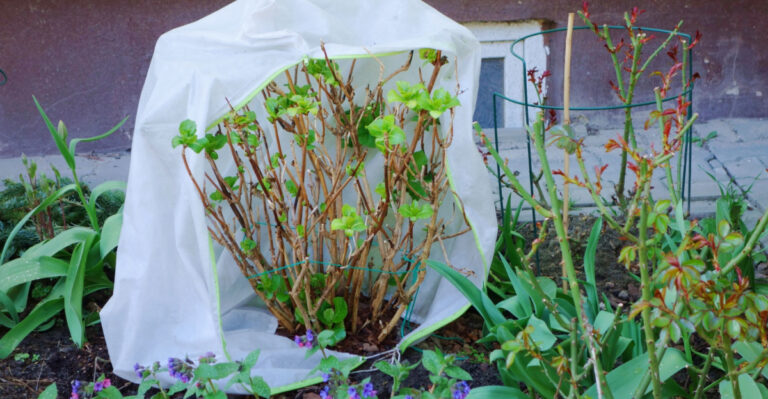
The good news is that there are practical steps you can take to protect your Bigleaf Hydrangeas. Covering the shrubs with burlap or frost cloth before a predicted cold snap, and removing the cover once temperatures rise in the morning, can save those buds.
Avoid pruning Bigleaf Hydrangeas in fall since that removes next season’s flower buds entirely. Selecting newer reblooming varieties like Endless Summer, which can bloom on both old and new wood, also provides a nice backup if early buds do get caught by a late North Carolina freeze.
5. Camellia (Spring-Blooming Types)
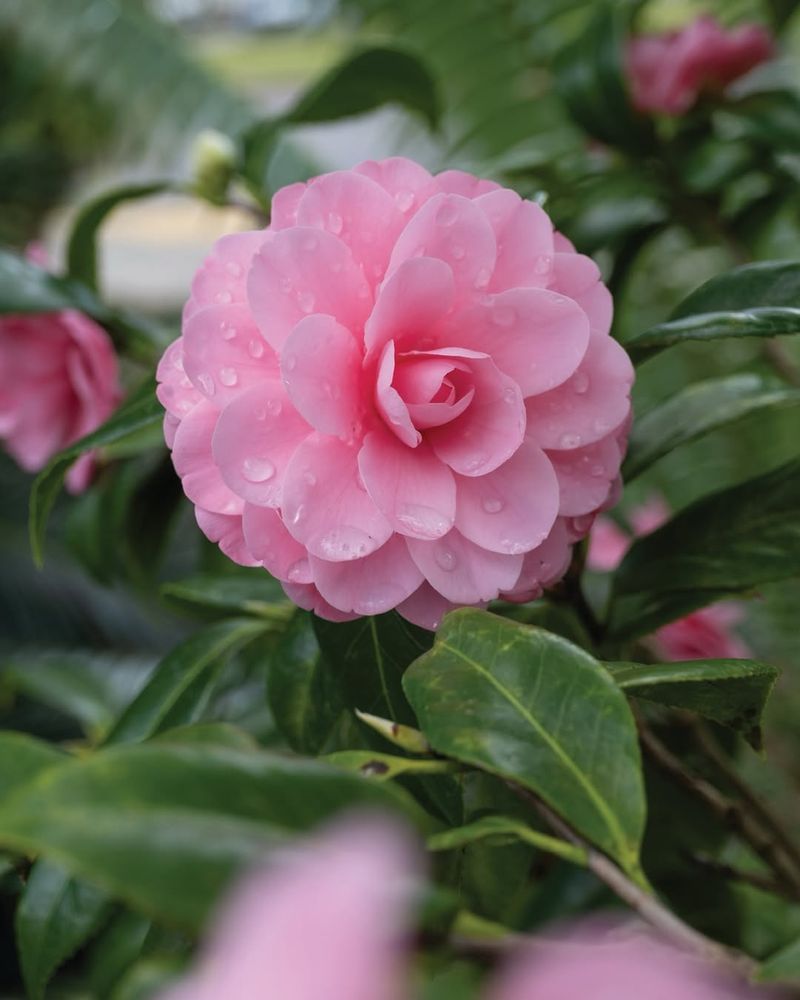
Camellias have a reputation for being tough, elegant shrubs, and in many ways they earn that reputation. But Camellia japonica, the Japanese Camellia, blooms from late winter into early spring, which puts its beautiful buds directly in the path of North Carolina’s most unpredictable weather.
When a cold snap arrives in April after a stretch of mild days, those buds can turn brown and drop before they ever fully open.
The browning happens fast and it is hard to miss. A bud that looked perfectly healthy on Monday morning can look completely ruined by Tuesday after a freezing night.
This is especially heartbreaking because Camellia blooms are genuinely stunning, with their waxy, rose-like flowers in shades of red, pink, and white.
Gardeners in the coastal plain and Piedmont regions of North Carolina tend to see more Camellia damage from spring cold snaps than those farther inland, simply because the plants are more commonly grown there.
Siting your Camellia thoughtfully makes a real difference in how well it handles cold snaps. Planting on the north or east side of a building protects buds from the warmest afternoon sun, which can cause buds to open prematurely and then get hit hard by a cold night.
Mulching heavily around the base helps regulate soil temperature too. On nights when frost is forecast, a simple bedsheet draped loosely over the shrub can protect those gorgeous buds and give you a full, breathtaking bloom display to enjoy through the rest of the season.
6. Peach Trees
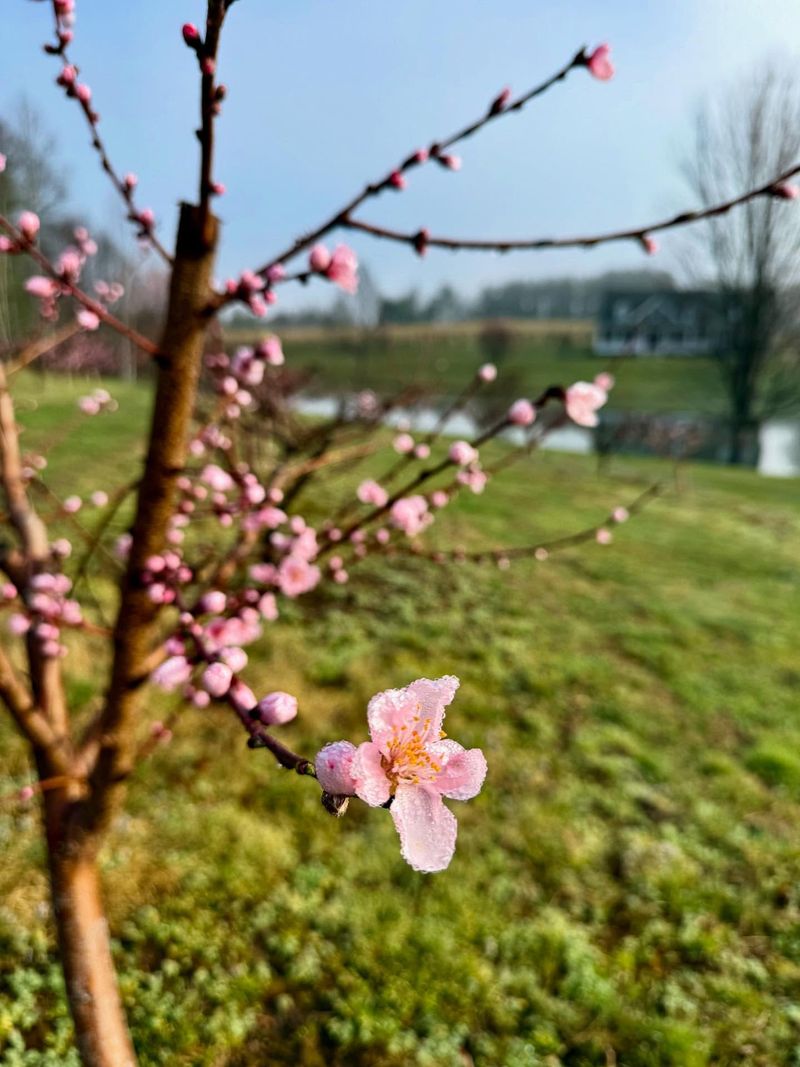
North Carolina has a long and proud history of peach growing, with the Sandhills region producing some of the finest peaches in the entire Southeast.
But that beautiful tradition comes with real risk every single spring, because Prunus persica blooms early and those blossoms are extremely sensitive to cold temperatures.
Once the flowers open, even a brief dip to 28 degrees Fahrenheit can cause serious damage to the reproductive parts of the bloom.
When peach blossoms get hit by a late April freeze, the result is not just a loss of pretty flowers. It means a significant reduction in fruit production for the entire season.
Commercial peach growers in North Carolina watch spring forecasts obsessively for exactly this reason, and home orchardists should do the same.
The pistil inside the open flower is the most vulnerable part, and once it is damaged by cold, that blossom will not develop into fruit no matter how well the tree is cared for afterward.
Home gardeners with small peach trees have a few protective options available. Wrapping the trunk with insulating material and covering smaller trees with frost cloth on cold nights can help reduce damage.
Windbreaks and good site selection, like planting on a gentle slope where cold air drains away naturally, also help. Some growers even run sprinklers during a freeze, since the ice that forms around the blooms actually insulates them from temperatures that would otherwise cause harm.
It sounds counterintuitive, but the science behind it is very well established and widely used across North Carolina orchards.
7. Blueberries
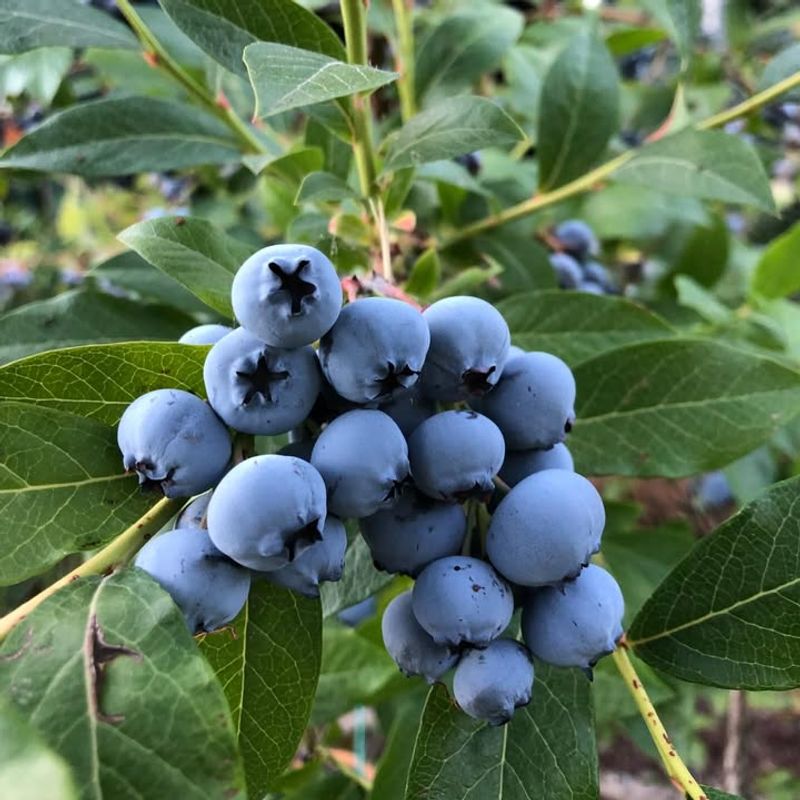
Blueberries are one of North Carolina’s most important fruit crops, and the state ranks among the top blueberry producers in the entire country.
Vaccinium corymbosum, the Highbush Blueberry, typically pushes out its small, bell-shaped flowers from March into April, right in the heart of the season when late cold snaps are still a very real possibility.
Those dainty white flowers may look tough, but they are actually quite sensitive to freezing temperatures.
When blueberry flowers are fully open, temperatures at or below 28 degrees Fahrenheit can damage them enough to prevent fruit from setting. In central and western North Carolina, where cooler temperatures persist longer into spring, this is a recurring concern for both commercial growers and backyard gardeners.
Even partial damage to the flower cluster can noticeably reduce the berry yield come summer, which is disappointing after months of anticipation.
There are several smart ways to protect blueberry plants during a cold snap. Overhead irrigation is commonly used by large commercial operations, since the water releases heat as it freezes and keeps the plant tissue slightly warmer than the surrounding air.
Home gardeners can drape lightweight row cover fabric over their blueberry bushes before a cold night and remove it once morning temperatures climb above freezing.
Planting blueberries in a location with good air circulation and avoiding frost pockets are also smart long-term strategies.
Choosing varieties that bloom slightly later in the season can also reduce the risk of losing a full harvest to one unexpected cold night in North Carolina.
8. Magnolias (Early Blooming Types)
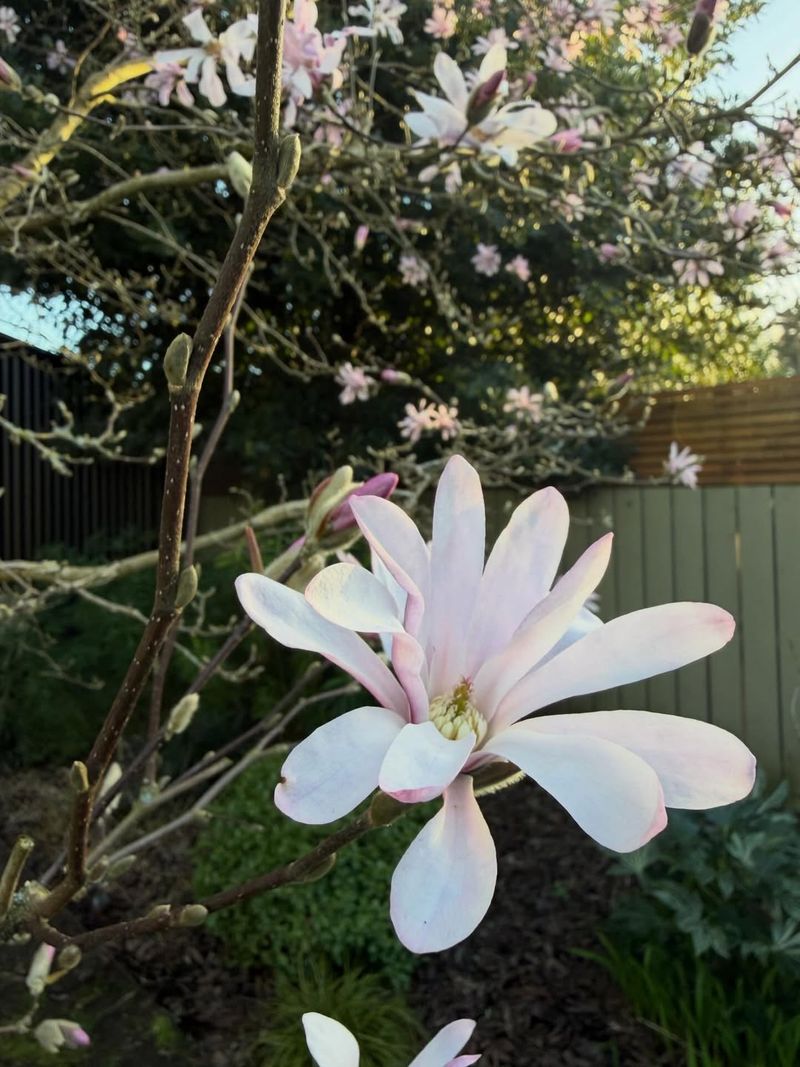
Star Magnolia, known botanically as Magnolia stellata, is one of the showiest early-spring bloomers you can plant in a North Carolina garden. Its large, white, star-shaped flowers open in late winter or very early spring, often before the last frost date has passed.
That bold, early timing is part of what makes it so exciting to watch, but it is also exactly what puts those gorgeous flowers in the path of late cold snaps every single year.
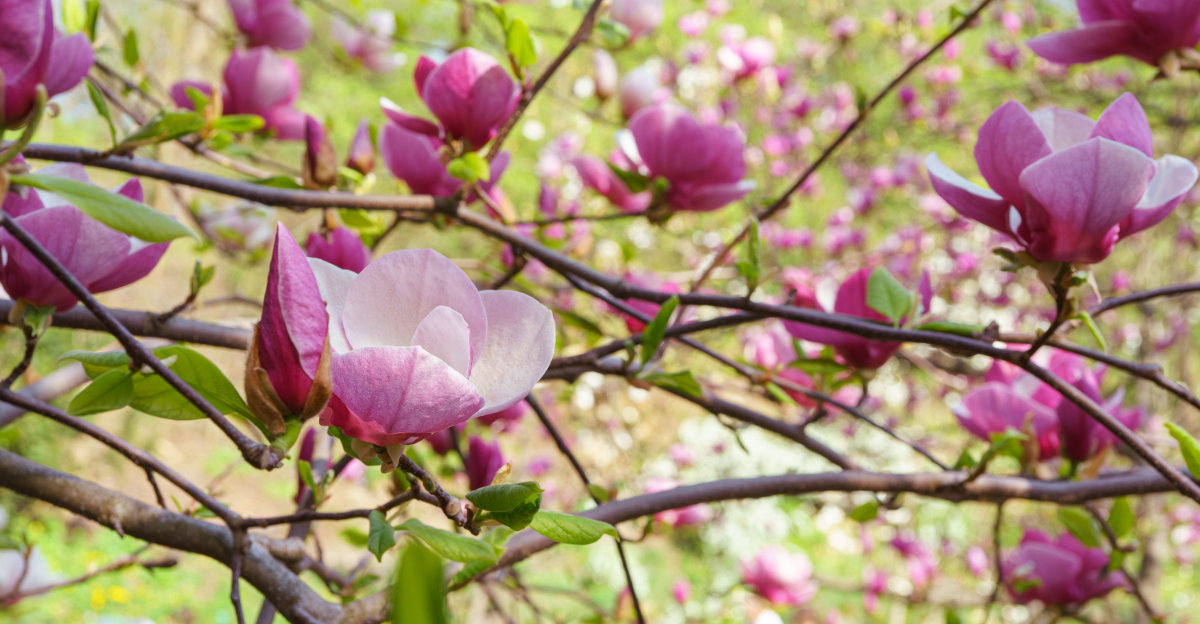
When frost hits an open Magnolia stellata bloom, the petals turn an unmistakable rusty brown and collapse inward, which gardeners sometimes call frost burn.
The tree itself stays perfectly healthy and will return to bloom again next year, but the current season’s flower display can be completely ruined by a single cold night.
This is especially common in North Carolina’s Piedmont and mountain communities, where April temperatures can swing dramatically within just a day or two.
Planting early magnolias on a north-facing slope or in a spot that receives morning shade can slow the warming of the buds in early spring, which actually delays bloom time slightly and reduces the chance of frost damage.
Waiting to plant until after the last average frost date in your specific area of North Carolina is another helpful strategy.
Covering younger trees with frost cloth on nights when temperatures are predicted to drop sharply can also protect those stunning blooms. With a little planning and some well-timed protection, early magnolias can reward North Carolina gardeners with a spectacular spring show year after year.