These Ohio Lawn Mistakes Keep Weeds Coming Back
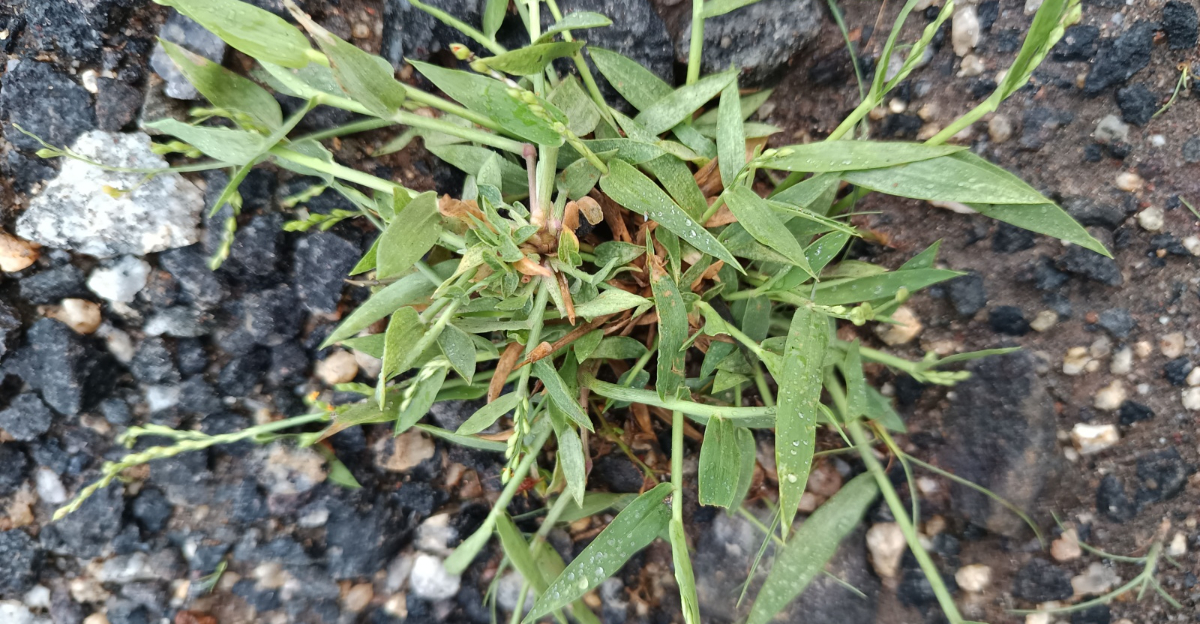
Every year in Ohio, homeowners invest time, money, and real effort into creating a thick, healthy lawn, yet the same stubborn weeds return like they own the place. Freshly treated yards promise progress in early spring, only to lose ground by midseason.
The cycle repeats so often that frustration turns into resignation. Many assume weeds are simply part of living in Ohio’s climate, something to manage rather than prevent.
What most people never realize is that the problem often begins long before the first weed breaks the surface. The issue is rarely about effort.
It is rarely about buying the right product. It often traces back to overlooked habits and timing that quietly shape the health of the turf.
Weeds do not win by accident. They take advantage of conditions that make their growth easier and your grass weaker.
Until those underlying patterns change, the same unwelcome comeback will continue season after season.
1. Thin Or Patchy Lawns Invite Weeds
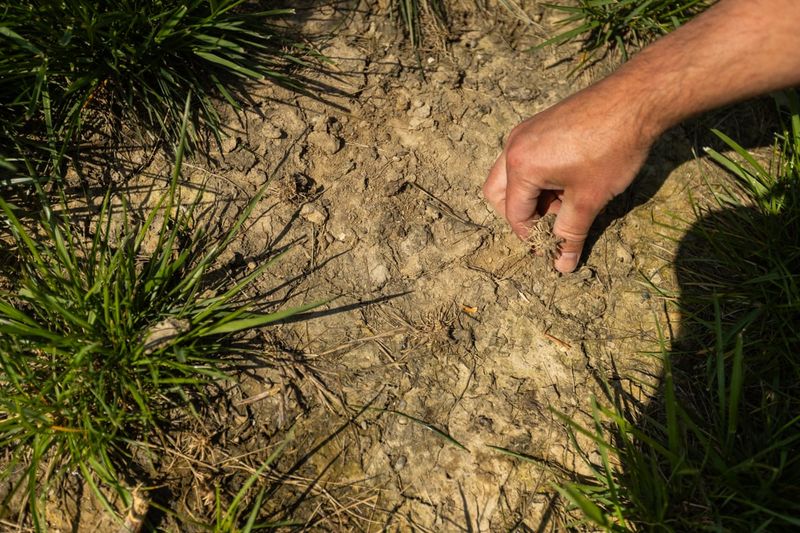
Bare spots in your lawn act like welcome mats for weed seeds. When grass isn’t thick enough to cover the soil completely, sunlight reaches the ground and triggers dormant weed seeds to sprout.
Dense turf is your best defense because it blocks light and crowds out invaders before they can establish roots.
Ohio lawns struggle with thin areas for several reasons. Heavy foot traffic, pet damage, disease, and insect activity all create openings.
Winter stress on cool-season grasses can also leave weak spots come spring. These gaps give opportunistic weeds like crabgrass, dandelions, and clover the perfect chance to move in.
Overseeding is your most powerful tool for thickening your lawn. Late summer through early fall is ideal timing in Ohio, when soil temperatures remain warm but air temperatures cool down.
Choose quality seed blends suited for your yard’s conditions, whether sunny, shady, or mixed.
Proper fertilization supports thick growth too. Soil testing through Ohio State University Extension helps you understand exactly what nutrients your lawn needs.
Feeding at the right times, especially in fall, encourages root development and denser turf that naturally resists weeds.
Addressing thin areas promptly prevents small problems from becoming major weed infestations.
2. Fertilizing Timing Makes All The Difference
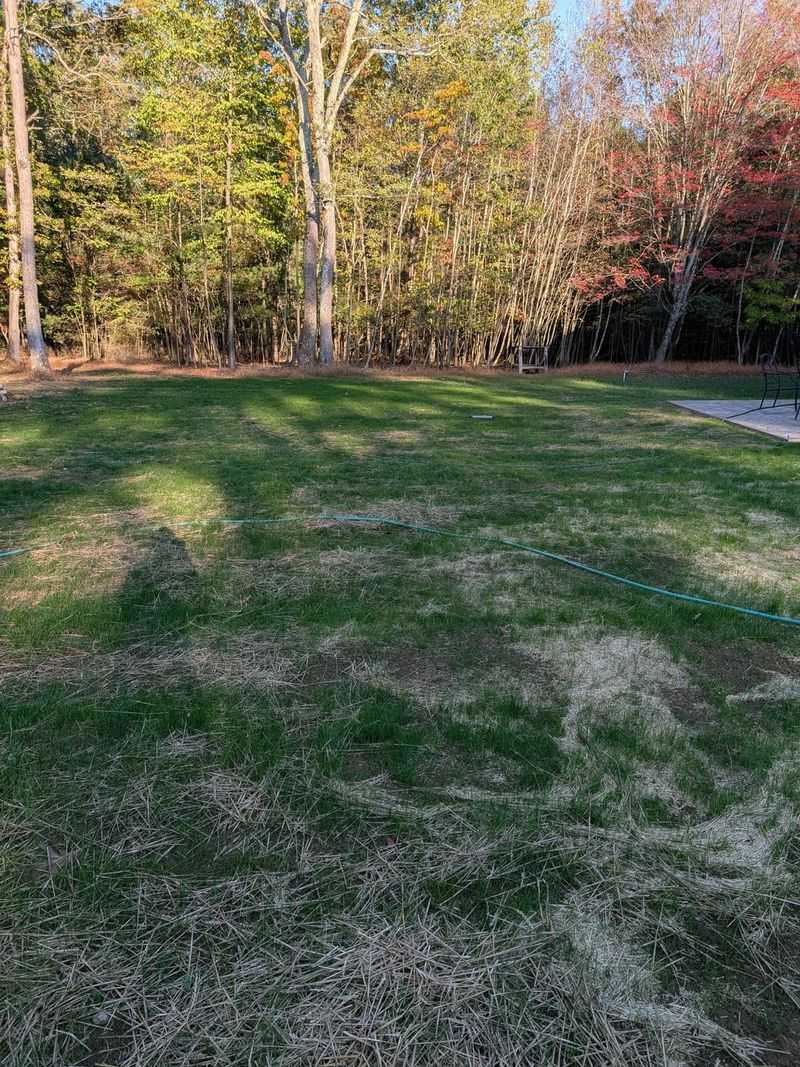
Timing your fertilizer applications correctly separates thriving lawns from struggling ones. Cool-season grasses in Ohio have specific growth patterns that dictate when they need nutrients most.
Feed at the wrong time, and you waste money while encouraging weeds that thrive under those conditions.
Fall fertilization is absolutely critical for Ohio lawns. According to Ohio State University Extension research, September through November feeding strengthens root systems, improves winter hardiness, and promotes early spring green-up.
Strong roots mean thick turf that crowds out weeds naturally. Many homeowners make the mistake of heavy spring feeding, which pushes leafy growth during stressful summer months.
Late spring and early summer fertilization should be light or skipped entirely. Heavy nitrogen during hot weather stresses cool-season grasses and creates favorable conditions for summer annual weeds like crabgrass.
Your grass naturally slows growth when temperatures rise, so forcing it with fertilizer weakens the plants.
Soil testing removes guesswork from fertilization. Ohio State offers affordable testing that tells you exactly which nutrients your soil lacks.
This prevents over-application of phosphorus or potassium while ensuring you provide what grass actually needs.
Following research-based timing recommendations keeps your lawn healthy and competitive against weeds throughout the year.
3. Mowing Too Short Weakens Your Grass
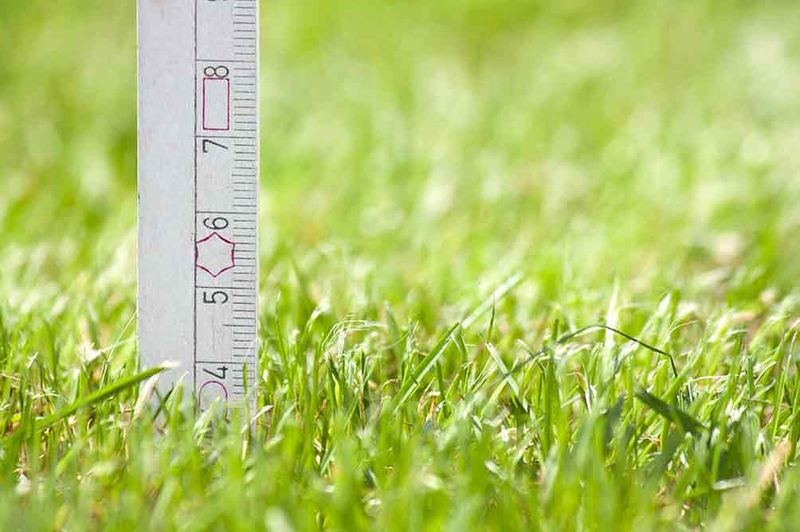
Scalping your lawn might seem like it saves time between mowings, but cutting grass too short creates serious problems. Short grass develops shallow roots, struggles during dry periods, and allows sunlight to reach the soil where weed seeds wait to germinate.
Proper mowing height is one of the simplest ways to prevent weed problems.
Kentucky bluegrass, tall fescue, and perennial ryegrass perform best when maintained at three to four inches tall. This height allows grass blades to shade the soil, blocking light that weed seeds need.
Taller grass also develops deeper root systems that access moisture and nutrients more effectively, making your lawn naturally more resilient.
The one-third rule guides every mowing session. Never remove more than one-third of the grass blade length at once.
Cutting more than this stresses plants, weakens them, and opens opportunities for weeds to establish. If your lawn grows too tall, raise the mowing height gradually over several cuts rather than scalping it back down.
Sharp mower blades matter too. Dull blades tear grass instead of cutting cleanly, leaving ragged edges that turn brown and stress the plant.
This weakens your turf and creates entry points for disease.
Sharpen blades at least twice per season to maintain clean cuts that keep grass healthy and competitive against weeds.
4. Overwatering Or Underwatering Encourages Weed Growth
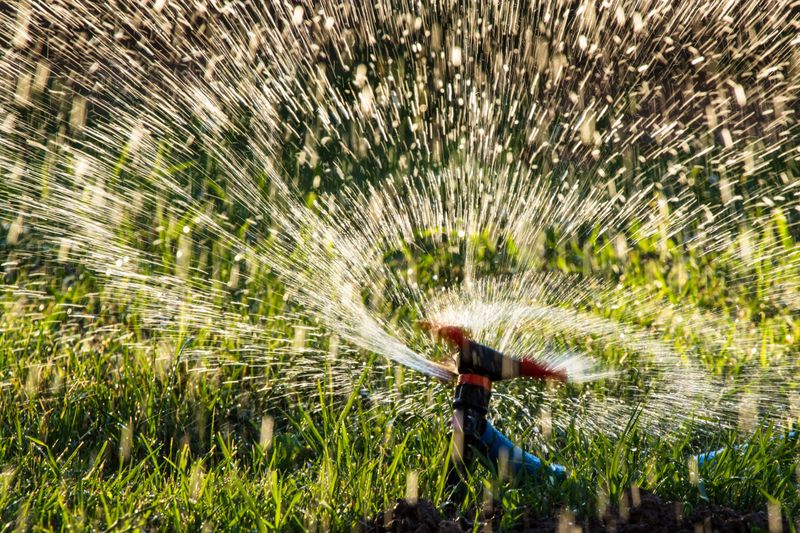
Water management directly impacts whether grass or weeds dominate your lawn. Both overwatering and underwatering create conditions that favor different weed species while weakening desirable turfgrass.
Getting irrigation right strengthens grass roots and helps your lawn outcompete invaders.
Frequent shallow watering is one of the worst mistakes Ohio homeowners make. Daily light sprinklings keep the soil surface moist, which is exactly what many weed seeds need to germinate.
Shallow watering also encourages grass roots to stay near the surface, making your lawn vulnerable to drought stress and weed invasion.
Deep, infrequent watering builds strong lawns. Grass roots grow deeper when they must search for moisture, creating plants that withstand stress better.
Most Ohio lawns need about one inch of water per week, including rainfall. Apply this amount in one or two sessions rather than spreading it across daily watering.
Morning watering between 4 and 10 AM gives grass blades time to dry before evening, reducing disease risk. Water deeply enough that moisture penetrates six inches into the soil.
Use a screwdriver or soil probe to check depth. This encourages roots to grow down instead of staying shallow.
Proper watering creates dense, healthy turf that naturally resists weed establishment and spreads.
5. Missing Pre Emergent Timing Lets Weeds Take Over
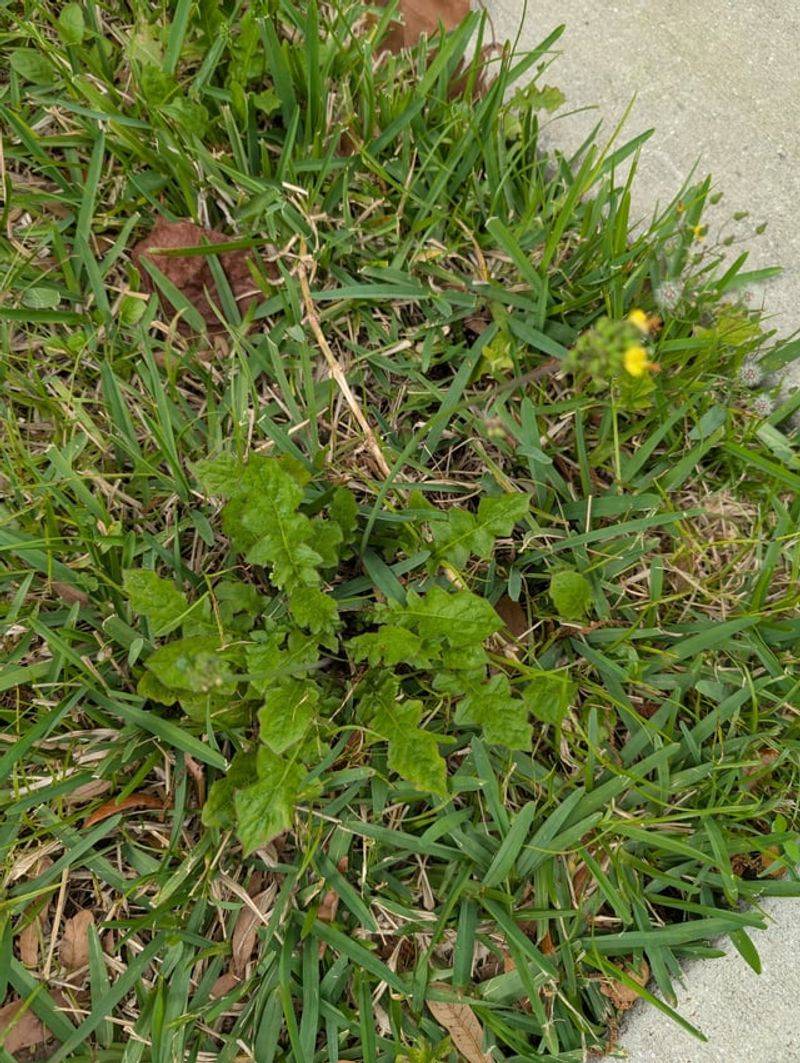
Pre-emergent herbicides stop weeds before they ever appear, but only when applied at precisely the right time. These products create a chemical barrier in the soil that prevents weed seeds from developing roots.
Miss the application window, and you’ll spend all summer fighting weeds that could have been stopped easily.
Crabgrass is the main target for spring pre-emergent applications in Ohio. Soil temperature, not calendar date, determines correct timing.
Apply when soil temperatures reach 50 to 55 degrees Fahrenheit at a two-inch depth for several consecutive days. In most Ohio locations, this occurs between mid-April and early May, roughly when forsythia bushes finish blooming.
Fall pre-emergent applications target different weeds. Products applied in late August through September prevent winter annual weeds like henbit, chickweed, and annual bluegrass.
These weeds germinate in fall, overwinter as small plants, then explode with growth in early spring before you can treat them effectively.
Application technique matters as much as timing. Follow label rates carefully because too little product fails to create an effective barrier, while too much wastes money and can harm grass.
Water the product in lightly after application to move it into the soil where weed seeds germinate.
Pre-emergent herbicides work best when combined with proper cultural practices that keep grass thick and competitive.
6. Compacted Soil Creates The Perfect Weed Environment
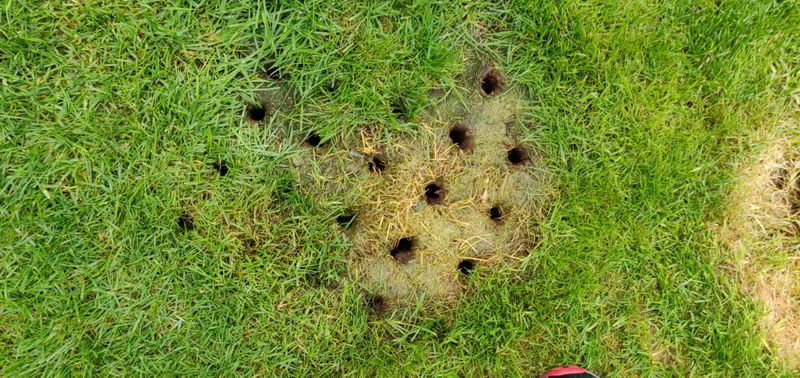
Compacted soil suffocates grass roots while creating ideal conditions for certain weeds to thrive. When soil particles press tightly together, air spaces disappear, water infiltration slows, and roots cannot penetrate deeply.
Grass struggles in these conditions, but many weeds adapted to poor soil move right in.
High-traffic areas suffer most from compaction. Walkways, play areas, and spots where vehicles park regularly develop hard, dense soil.
Clay soils common in many Ohio areas compact more easily than sandy soils. Even regular foot traffic from family activities gradually compresses soil over time.
Core aeration is the most effective solution for compacted lawns. This process removes small plugs of soil, creating channels that allow air, water, and nutrients to reach root zones.
Fall is ideal timing in Ohio for aerating cool-season grasses, though spring aeration works too if done early. Severely compacted lawns benefit from aeration twice annually.
Thatch buildup compounds compaction problems. This layer of withered grass stems and roots between green grass and soil blocks water and air movement.
Thatch over half an inch thick should be removed through dethatching or aggressive aeration. Improving soil structure through aeration encourages deep grass root growth, creating dense turf that naturally prevents weed establishment and outcompetes existing weeds for resources.
7. Low Quality Seed Leads To Long Term Weed Problems
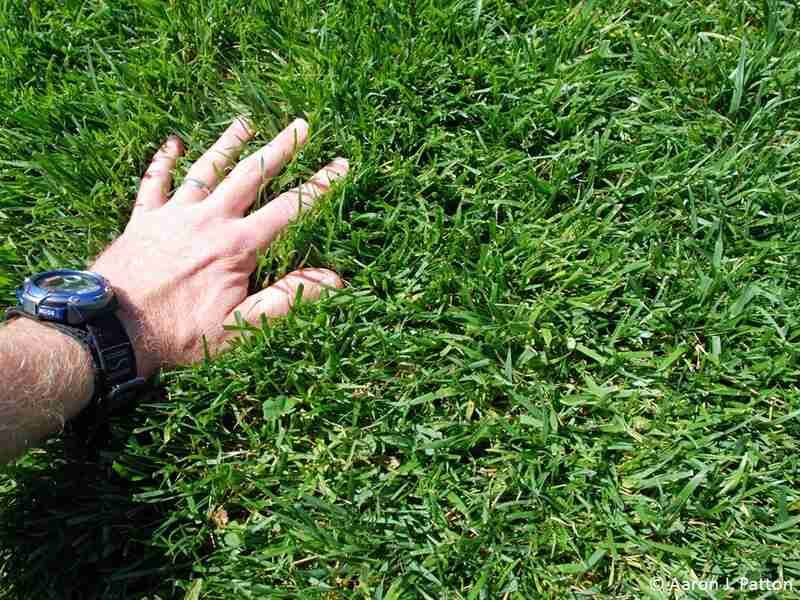
Cheap grass seed often contains more than just grass. Low-quality seed mixes include weed seeds, other crop seeds, and inert matter that wastes your money and introduces problems directly into your lawn.
Reading seed labels carefully and choosing certified seed prevents years of weed battles.
Seed labels tell you everything you need to know. Look for high germination rates above 85 percent and low weed seed content below 0.5 percent.
The noxious weed seed line should read zero. Inert matter should be minimal.
Certified seed meets strict purity standards and undergoes regular testing to ensure quality.
Ohio lawns perform best with specific grass varieties. Kentucky bluegrass blends offer excellent cold tolerance and self-repair ability.
Tall fescue varieties handle heat and drought better while requiring less water. Perennial ryegrass germinates quickly and blends well with other species.
Choose varieties developed for Midwest conditions through university turfgrass breeding programs.
Avoid generic bargain mixes that list annual ryegrass or contain large percentages of undesirable species. Annual ryegrass grows fast initially but doesn’t persist, leaving bare spots where weeds establish.
Some cheap mixes include bentgrass, which requires completely different management than typical Ohio lawns.
Investing in quality certified seed from reputable suppliers establishes a strong lawn foundation that resists weeds naturally for years to come.
8. Ignoring Early Weeds Makes The Problem Worse
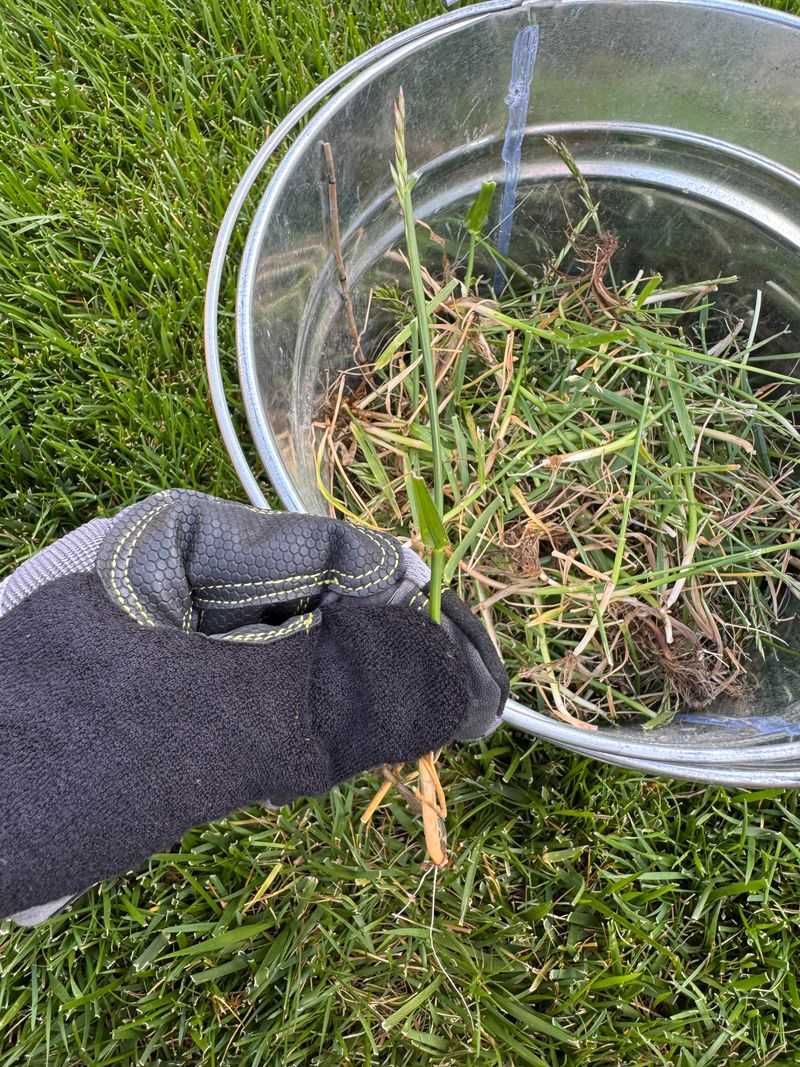
Small weed problems become massive infestations when ignored. A single dandelion plant produces thousands of seeds that spread across your lawn and into neighbors’ yards.
Crabgrass plants create thousands more seeds before frost. Addressing weeds early, before they reproduce, prevents exponential growth of your weed population.
Proper identification comes first. Different weeds require different control strategies.
Broadleaf weeds like dandelions, clover, and plantain respond to selective herbicides that don’t harm grass. Grassy weeds like crabgrass need different products or prevention strategies.
Ohio State University Extension offers excellent identification guides with photos and control recommendations.
Spot treating individual weeds works better than blanket applications for small infestations. Hand pulling young weeds before they develop extensive root systems removes them completely without chemicals.
For herbicide spot treatments, apply products directly to weed foliage on calm days when rain isn’t forecast for 24 hours. This minimizes product use while maximizing effectiveness.
Cultural practices reduce future weed pressure more effectively than chemicals alone. Maintaining proper mowing height, fertilizing correctly, watering deeply, and keeping grass thick addresses the underlying conditions that allow weeds to establish.
Healthy, dense turf naturally outcompetes weeds for light, water, and nutrients.
Combining early intervention with excellent cultural practices creates long-term weed control without constant chemical applications or endless hand pulling sessions.