These 9 Ohio Native Shrubs Are Perfect For Front Yards
Your front yard is a handshake with the neighborhood, yet most homeowners settle for the same tired, high-maintenance boxwoods found in every suburban sprawl. You are likely wasting weekend hours pruning temperamental imports that provide zero benefit to the local ecosystem.
It is time to reclaim your curb appeal with plants actually built for the Buckeye State. Ohio’s landscape offers rugged, stunning alternatives that thrive in heavy clay and unpredictable winters without constant pampering.
These native powerhouses deliver explosive spring blooms, architectural winter interest, and vibrant fall transitions that stop traffic.
By swapping generic nursery staples for native cultivars, you slash your water bill and transform a static lawn into a living gallery for songbirds and butterflies.
Stop fighting against the local climate and start working with it. Elevate your home’s exterior with the resilient, low-maintenance beauty of Ohio’s finest botanical exports.
1. Plant Serviceberry For Four Season Front Yard Interest
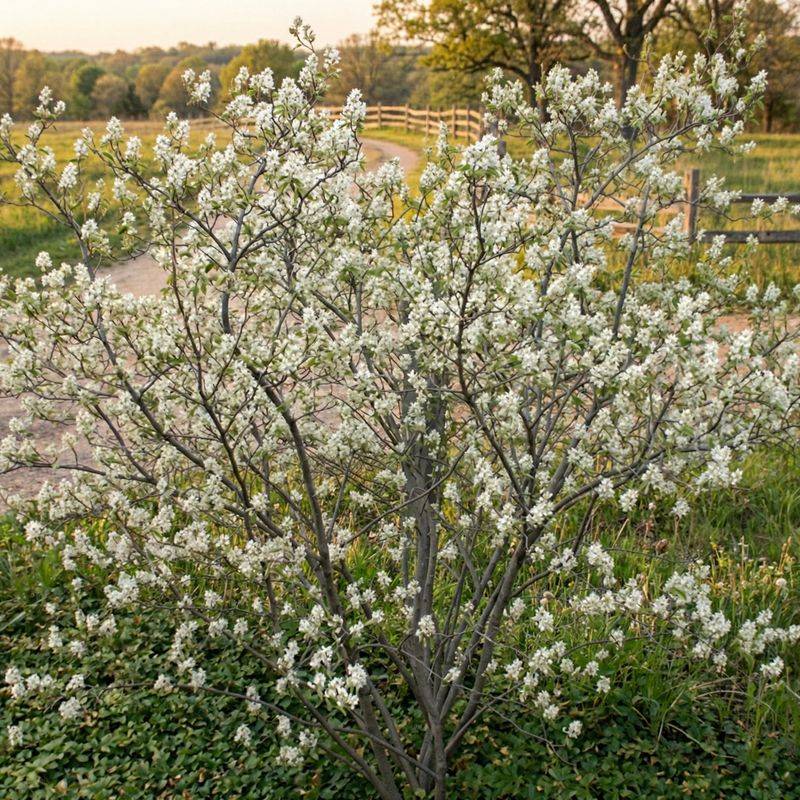
Few shrubs work as hard across all four seasons as serviceberry, known botanically as Amelanchier species. In early spring, before most other plants have even leafed out, serviceberry bursts into clusters of delicate white flowers that look almost like snow against bare branches.
That early bloom is a genuine gift for Ohio pollinators, especially native bees emerging after a long winter.
Come summer, the small, blueberry-like fruits ripen to a deep purplish-red. They are edible and sweet, popular with both birds and people.
Do not be surprised if robins and cedar waxwings find your shrub before you do. The berries disappear fast, but the show does not stop there.
Fall brings some of the most reliable orange and red color in the native shrub world. Serviceberry foliage turns warm shades of amber, red, and orange, rivaling the best ornamental trees for seasonal drama.
In winter, the smooth gray bark and graceful branching structure give the front yard an elegant, sculptural quality.
Most serviceberry varieties grow between eight and twenty feet tall, so placement matters. Use a multi-stemmed form near a corner or as a focal point beside a front walk.
They prefer well-drained soil and full sun to light shade, both common conditions across Ohio yards.
2. Choose Red Twig Dogwood For Bold Winter Color
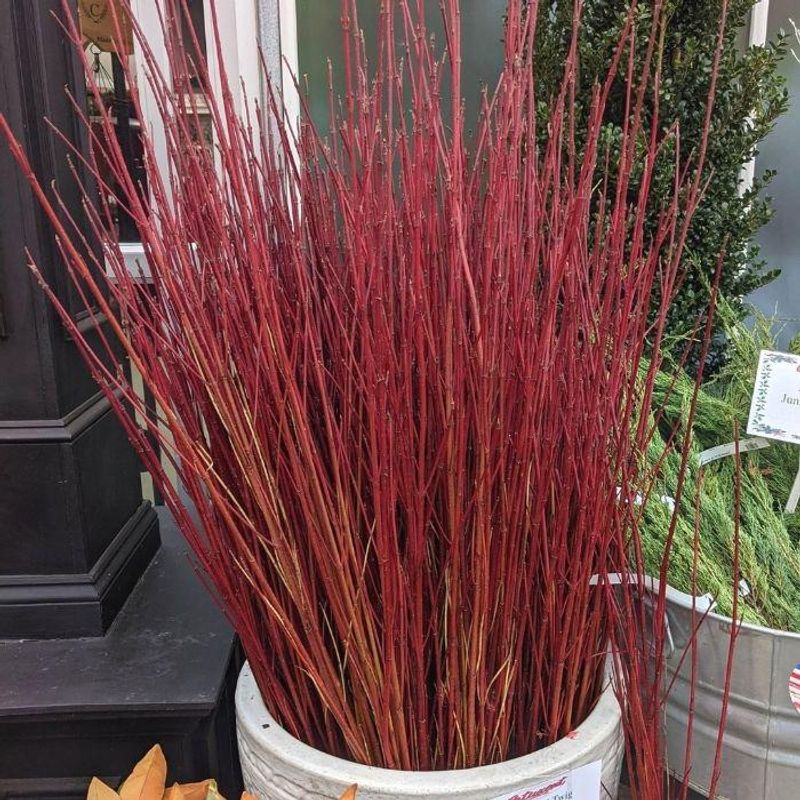
Winter in Ohio can feel long and gray, and that is exactly why red twig dogwood earns its place in so many front yards across the state. When snow blankets the ground and most plants disappear into dormancy, the brilliant crimson stems of Cornus sericea light up the landscape like nothing else.
Planted near a walkway or along a foundation, the color is impossible to miss.
The trick to keeping those stems looking their best is periodic renewal pruning. The youngest stems produce the most vivid red color, so cutting back about one-third of the oldest canes each late winter keeps the display sharp.
Beyond winter, the shrub offers white flower clusters in spring and white berries that birds consume quickly.
Red twig dogwood is remarkably tolerant of Ohio’s heavy clay soils and wet areas, conditions that stress many other ornamentals. It spreads gradually by suckering, which can fill a space beautifully but does require occasional management to keep it contained in a tidy front yard setting.
Compact cultivars like Kelseyi or Baileyi are ideal for smaller Ohio front yards, staying under five feet. Full sun intensifies the stem color, though partial shade is tolerated.
Plant it where winter sun can backlight those red stems for a truly dramatic effect.
3. Add Oakleaf Hydrangea For Shade Loving Structure
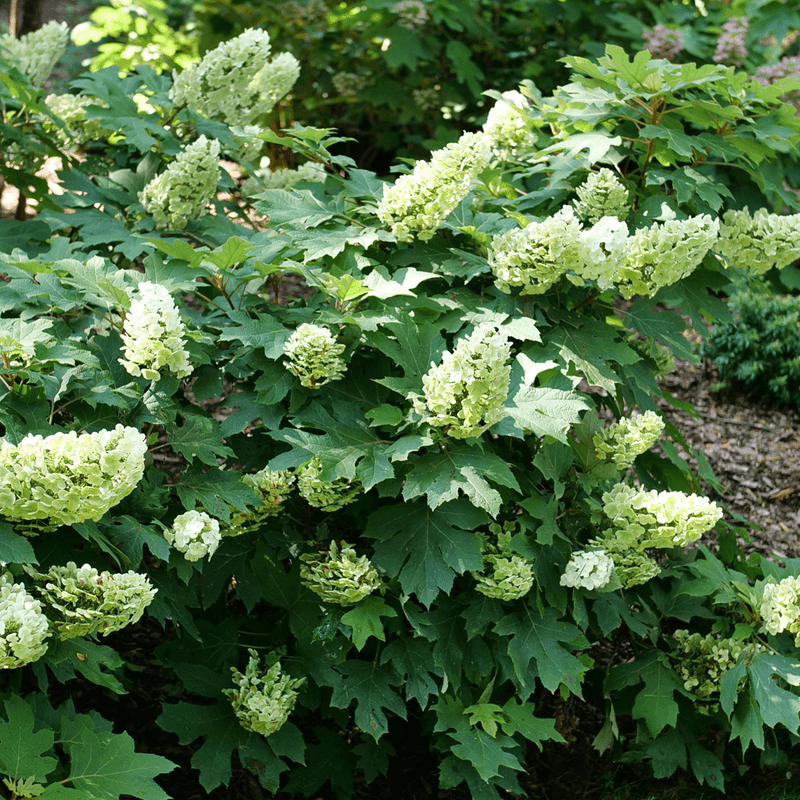
Shady front yards can be a real challenge when it comes to finding shrubs with genuine visual impact. Oakleaf hydrangea, Hydrangea quercifolia, solves that problem with authority.
Native to the southeastern United States and reliably hardy across Ohio, this shrub brings bold texture, impressive blooms, and dramatic fall color to spots where many ornamentals simply struggle.
The large, cone-shaped flower clusters open creamy white in early summer and gradually age to parchment and then dusty rose as the season progresses. Because the dried flower heads persist through winter, the shrub offers visual interest for months after bloom.
The leaves themselves are striking, shaped like oversized oak leaves with deep lobes that create strong textural contrast against finer-textured plants nearby.
Fall foliage on oakleaf hydrangea is genuinely spectacular, turning shades of burgundy, orange, and crimson before dropping. The exfoliating cinnamon-colored bark then becomes the winter feature, adding warmth and character to the front yard even in the coldest months.
Mature plants typically reach six to eight feet tall and wide, so give them room. They prefer moist, well-drained soil rich in organic matter and perform best in part shade, making them a natural fit for the north or east side of an Ohio home.
Minimal pruning keeps them looking their best.
4. Grow Virginia Sweetspire For Brilliant Fall Foliage
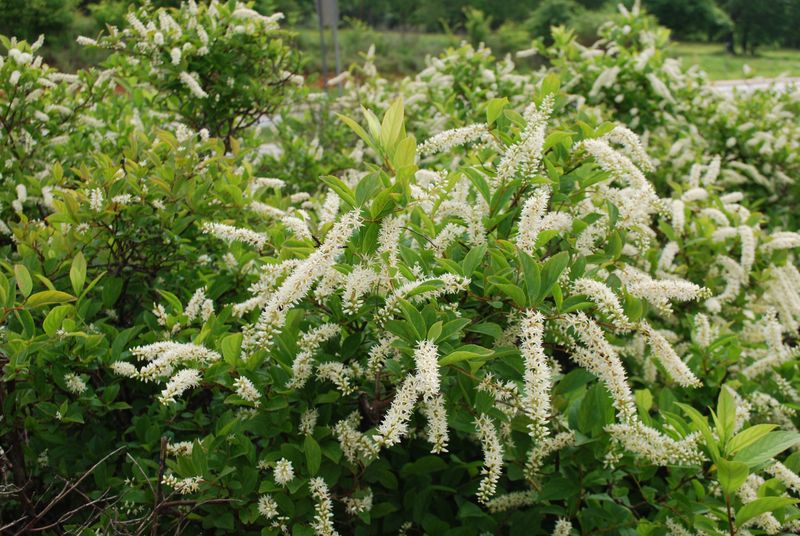
Virginia sweetspire, Itea virginica, is one of those native shrubs that quietly overdelivers in almost every season. It does not shout for attention in the nursery, but plant it in your Ohio front yard and it earns its spot year after year with minimal fuss.
The arching, graceful habit gives it a natural, relaxed look that works well in both formal and casual landscape designs.
In early summer, the shrub produces slender, fragrant white flower spikes that drape elegantly from the branch tips. The scent is light and sweet, noticeable on warm evenings when you are near the front walk.
Pollinators, particularly native bees, visit the flowers consistently throughout the bloom period.
Fall is where Virginia sweetspire truly shines. The foliage transitions through shades of orange, red, and deep burgundy, often holding color well into late autumn.
Unlike some shrubs that drop their leaves quickly, sweetspire tends to keep its fall color for several weeks, extending the curb appeal season.
One of its best traits for Ohio gardeners is adaptability to wet or moist soils, a common condition in many Ohio yards after heavy rain. It also tolerates part shade with ease.
Mature plants reach about three to five feet tall and spread by suckering, which helps fill a bed naturally over time without becoming aggressive.
5. Pick Ninebark For Tough Urban Conditions
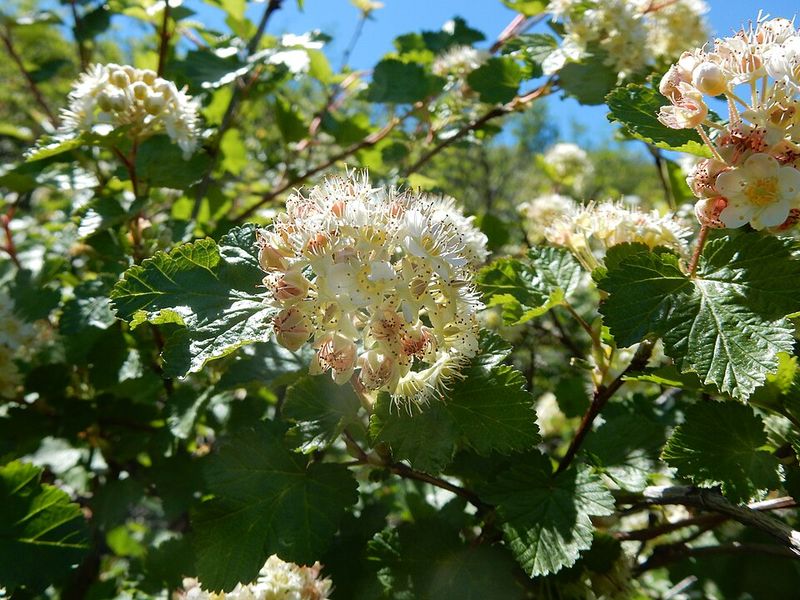
Ninebark, Physocarpus opulifolius, has a reputation among Ohio horticulturists as one of the toughest native shrubs available for residential use. It handles compacted soils, urban pollution, drought, and cold with equal composure, which makes it a go-to recommendation for front yards in Columbus, Cleveland, Cincinnati, and every smaller Ohio city in between.
The common name comes from the exfoliating bark that peels back in multiple layers, revealing warm cinnamon and tan tones beneath. That peeling bark is most visible in winter, adding genuine textural interest when the garden needs it most.
In late spring, clusters of small white to pinkish flowers cover the plant and attract native bees and other pollinators.
Modern cultivars have expanded the design possibilities considerably. Dark-leaved selections like Diablo or Coppertina bring deep burgundy or copper foliage through the growing season, creating strong color contrast against lighter-colored homes or neighboring green plants.
These cultivars typically reach five to eight feet tall, though compact options like Little Devil stay under three feet, perfect for smaller Ohio front yards.
Ninebark performs best in full sun but tolerates partial shade without complaint. It adapts to a wide range of soil types, including Ohio’s notoriously heavy clay.
Pruning immediately after flowering keeps the shape tidy and encourages fresh growth with the most vibrant foliage color through summer.
6. Install Buttonbush For Pollinator Friendly Curb Appeal
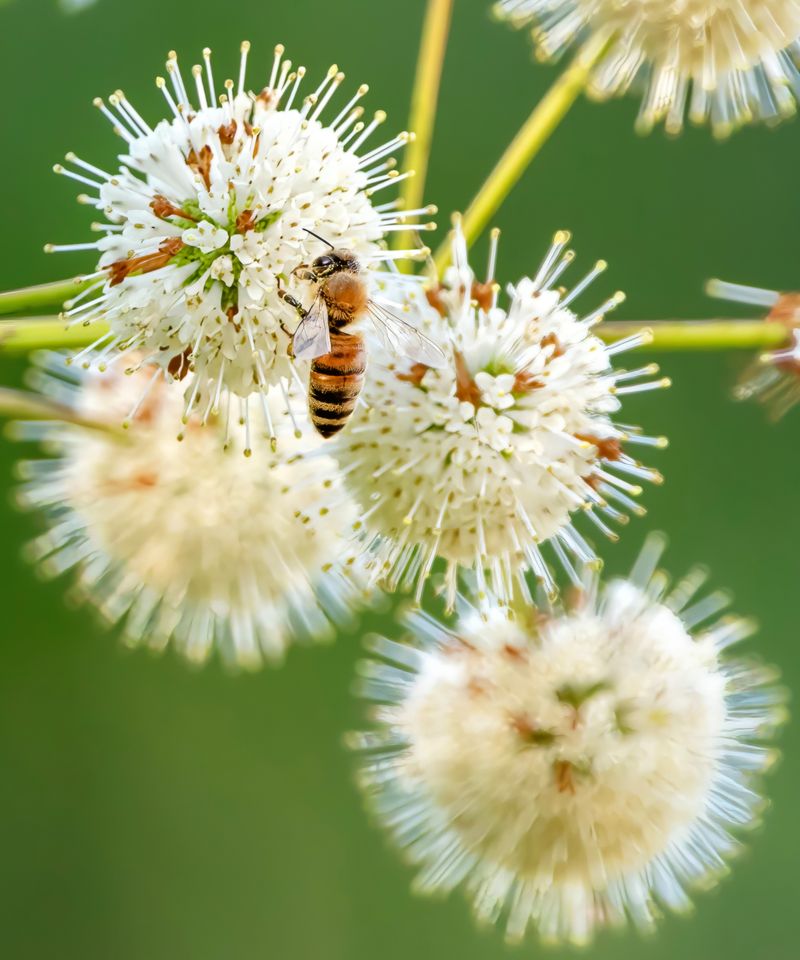
There is nothing quite like buttonbush in bloom. Cephalanthus occidentalis produces perfectly round, one-inch flower balls covered in tiny white blooms with protruding stamens, giving them a spiky, almost otherworldly appearance.
When those blooms open in midsummer, they draw an extraordinary range of pollinators, including bumblebees, sweat bees, skippers, and swallowtail butterflies, making the shrub a genuine pollinator magnet.
Buttonbush is native to Ohio and naturally occurs along stream banks, pond edges, and low-lying wet areas throughout the state. That origin tells you something important about its placement in a front yard: it performs best where moisture is consistently available.
Low spots that collect water after rain, areas near downspouts, or bioswales are ideal locations where buttonbush will thrive rather than simply survive.
The glossy, deep green leaves provide a clean backdrop for the unusual flowers, and the round seedheads that follow persist into winter, offering some structural interest and food for waterfowl. The shrub typically reaches six to twelve feet at maturity but responds well to pruning in early spring, which keeps it at a manageable size for front yard use.
Full sun to partial shade suits buttonbush well. Ohio homeowners with persistently wet or poorly drained front yard areas will find this shrub solves a common landscape problem while delivering exceptional wildlife value and genuinely distinctive curb appeal throughout the summer months.
7. Try Black Chokeberry For Wildlife And Glossy Leaves
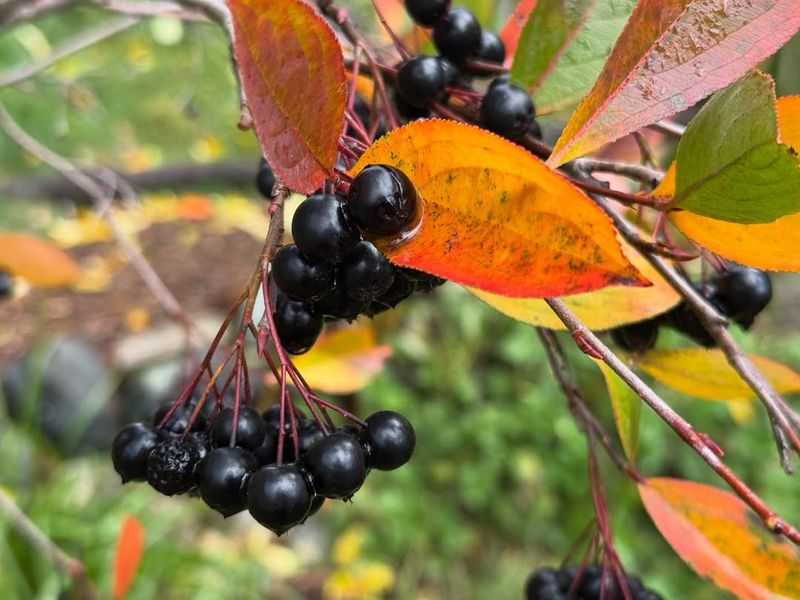
Aronia melanocarpa, commonly called black chokeberry, punches well above its weight class when it comes to multi-season interest in Ohio front yards. Spring brings clusters of small white flowers with pink anthers that give the plant a delicate, lacy appearance.
Those flowers are followed by glossy, dark green leaves that maintain a clean, polished look throughout the summer growing season.
By late summer and into fall, the dark berries ripen to a deep glossy black, hanging in clusters against foliage that is simultaneously turning brilliant shades of red and orange. The contrast between the dark fruit and the fiery fall leaves is genuinely striking and creates real curb appeal during a season when many shrubs look tired.
Birds, particularly robins and mockingbirds, consume the berries eagerly.
Black chokeberry is a reliable performer across Ohio’s USDA hardiness zones, tolerating both wet and dry soil conditions with flexibility that few native shrubs can match. It spreads modestly by suckering, forming a dense colony over time that works well as a foundation grouping or mass planting along a front yard bed.
Most plants reach three to five feet tall and wide, keeping them manageable without constant pruning. Full sun produces the best fruit set and fall color, though part shade is tolerated.
For Ohio homeowners wanting a low-effort shrub that supports wildlife without sacrificing aesthetics, this one belongs on the short list.
8. Select New Jersey Tea For Compact Sunny Spaces
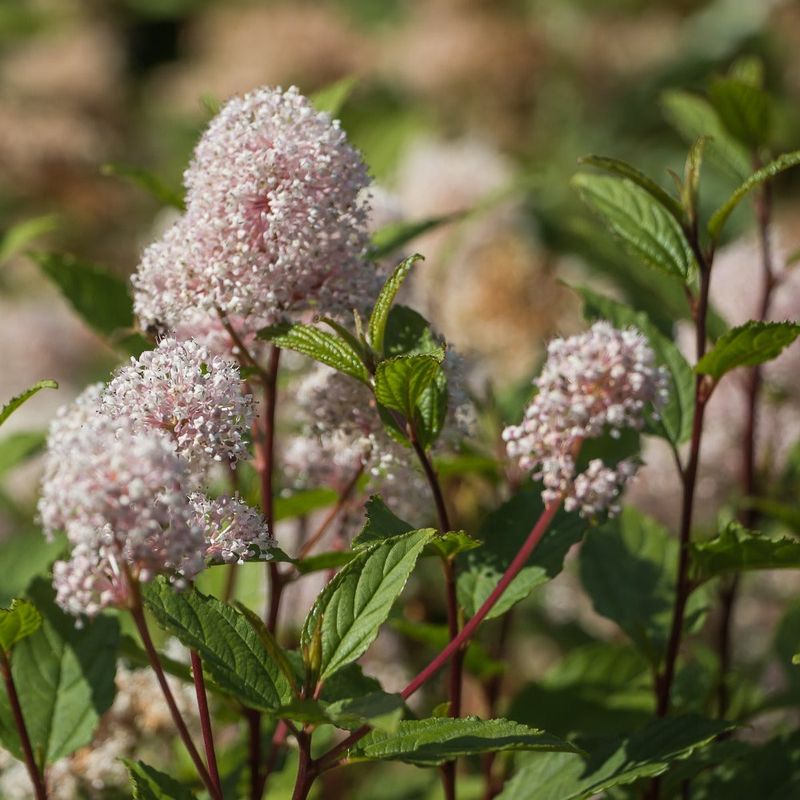
New Jersey tea, Ceanothus americanus, is a native shrub that deserves far more attention in Ohio front yards than it typically receives. Compact and well-behaved, it rarely exceeds three feet in height, making it an excellent choice for foundation plantings, low borders, or any sunny front yard spot where a smaller-scale native shrub is needed.
The tidy, rounded habit fits naturally into formal and informal designs alike.
The fluffy white flower clusters appear in late spring to early summer and are a reliable food source for native bees, bumblebees, and various butterfly species. Historically, the leaves were used as a tea substitute during the American Revolution, which is where the common name originates.
That little piece of history makes it a fun conversation piece when guests notice the plant in your yard.
One of New Jersey tea’s most impressive traits is its deep taproot, which makes it exceptionally drought-tolerant once established. That taproot also contains nitrogen-fixing bacteria, meaning the plant actually improves soil fertility over time without any intervention from the gardener.
For Ohio yards with dry, lean, or sandy soils, this shrub is a natural match.
Full sun is essential for strong performance. New Jersey tea does not compete well with heavy shade or aggressive neighboring plants, so give it an open, sunny position.
Established plants require virtually no supplemental watering or fertilizing, making this one of the lowest-maintenance native shrubs available for Ohio front yards.
9. Frame Your Entry With Smooth Hydrangea For Reliable Summer Blooms
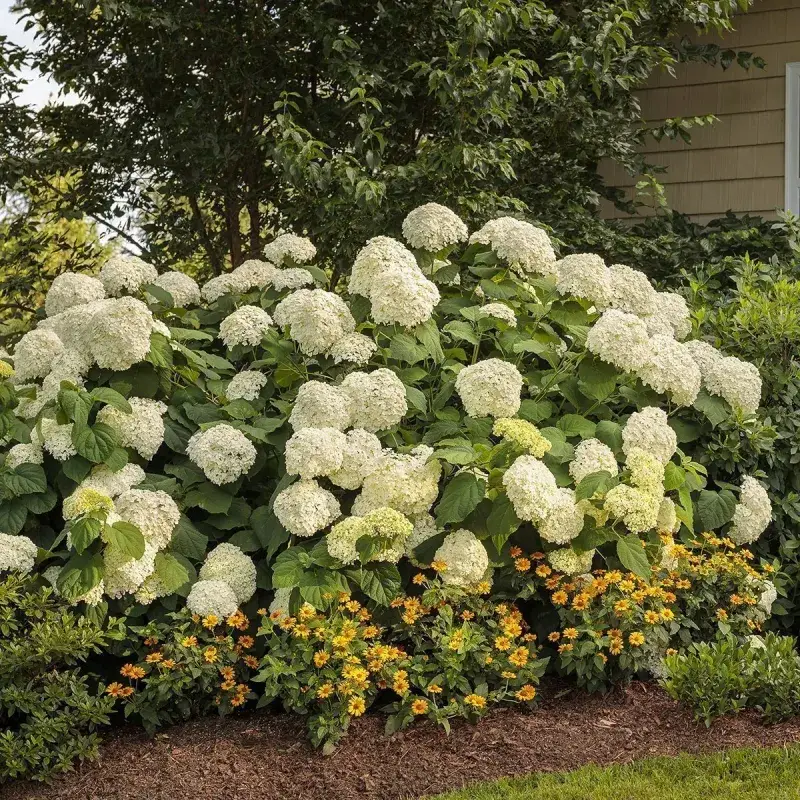
Smooth hydrangea, Hydrangea arborescens, is a native Ohio shrub with a bloom season that feels almost unfairly generous. Large, rounded flower heads in bright white open reliably each summer, typically from June through August, and the display is consistent year after year regardless of winter severity.
That reliability is a major advantage in Ohio, where late cold snaps can damage flower buds on non-native hydrangeas.
Because smooth hydrangea blooms on new wood produced each spring, the previous season’s stems do not need to survive winter intact for flowering to occur. Ohio gardeners can cut the shrub back hard in late winter or early spring and still expect a full, lush bloom display by midsummer.
That simplicity makes it one of the most forgiving shrubs in the native plant palette.
The cultivar Annabelle is the most widely grown selection, with flower heads that can reach twelve inches across. Incrediball is another strong choice with sturdier stems that hold the heavy blooms upright without flopping.
Both work beautifully flanking a front entry, lining a walkway, or anchoring a foundation bed near the house.
Smooth hydrangea prefers moist, well-drained soil and performs well in full sun to part shade, making it adaptable to many Ohio front yard conditions. It typically reaches three to five feet tall.
Regular moisture during the first season after planting helps it establish quickly, after which it becomes remarkably self-sufficient across Ohio’s variable climate.