These Ohio Perennials Hate Late Freezes (Protect Them Before It’s Too Late)
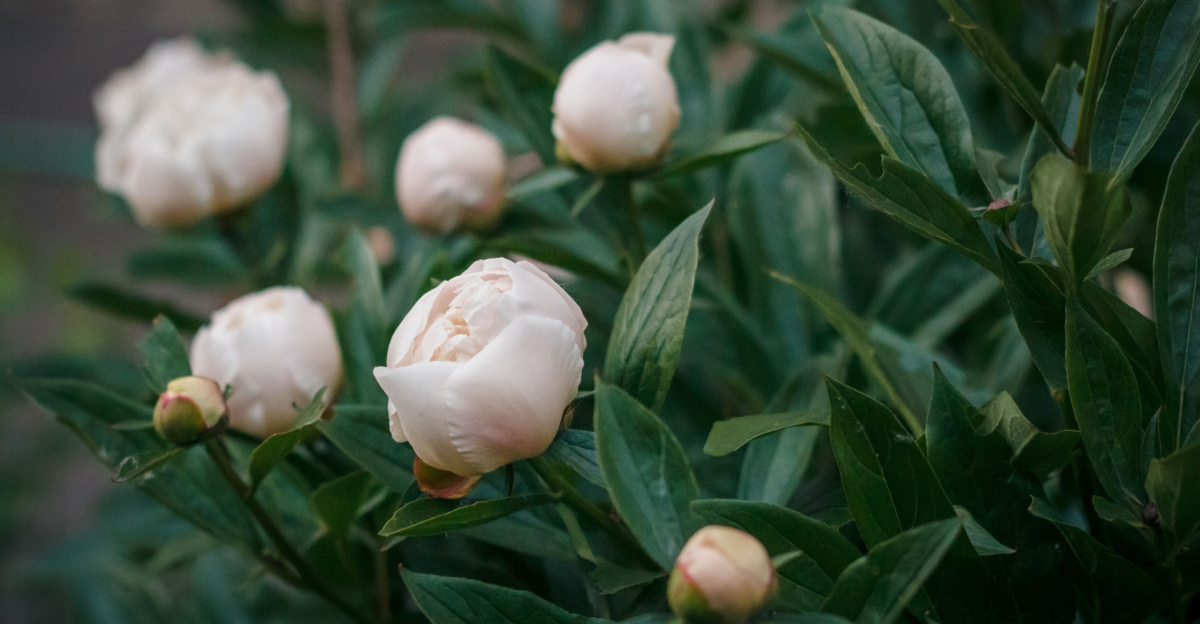
Warm spring days in Ohio often spark early growth, fresh shoots rising with promise across garden beds. Then a sudden late freeze strikes without warning, turning tender new growth dark, limp, and lifeless overnight.
Some perennials recover, yet others suffer lasting damage that steals an entire season of blooms and vigor. Many gardeners react too late, unaware that certain plants face far greater risk when temperatures plunge after early warming.
These vulnerable favorites may look strong, yet hidden weakness leaves them exposed when cold returns. One overlooked night can undo weeks of healthy growth and careful planning.
Before the next cold snap creeps in, learn which perennials struggle most against late freezes and why early protection can mean the difference between a thriving display and a season of loss.
1. Bleeding Heart Tender Growth Burns Fast
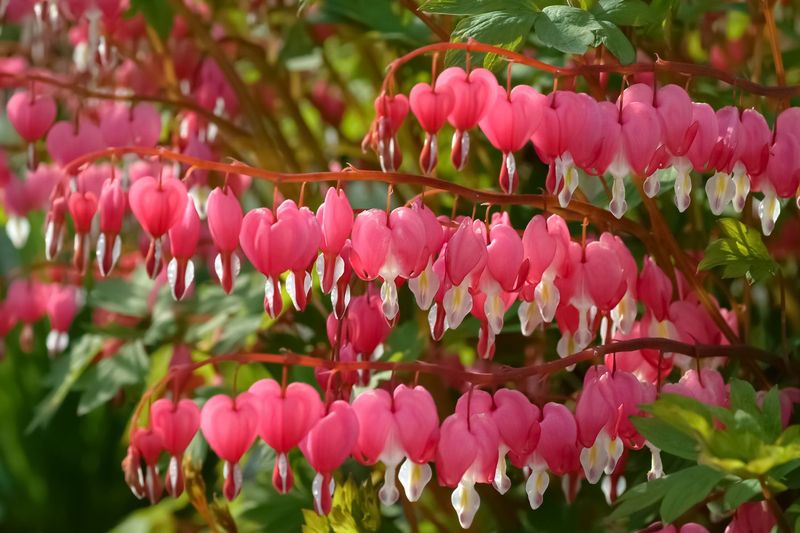
One of the earliest perennials to emerge in Ohio gardens, bleeding heart sends up soft shoots as soon as soil temperatures rise. Those tender stems and unfurling leaves contain lots of moisture, making them extremely vulnerable when temperatures drop below freezing.
A single cold night can turn healthy green growth into blackened, mushy tissue that collapses by morning.
The damage happens quickly because bleeding heart tissue has thin cell walls that rupture when ice crystals form inside. Once the cells burst, there’s no reversing the injury.
The plant usually recovers by sending up new shoots from the crown, but this delays flowering by several weeks and weakens the overall display.
Protection works best when applied before sunset on nights when frost threatens. Pile loose mulch like shredded leaves or straw around the base, creating a four-inch layer that insulates the crown.
For plants already showing growth, drape lightweight fabric or old sheets over the foliage, securing the edges with stones or stakes. Remove coverings the next morning once temperatures rise above freezing.
This simple routine prevents tissue damage and keeps your bleeding heart on schedule for its beautiful spring show in Ohio gardens.
2. Peonies Early Buds Can Be Damaged
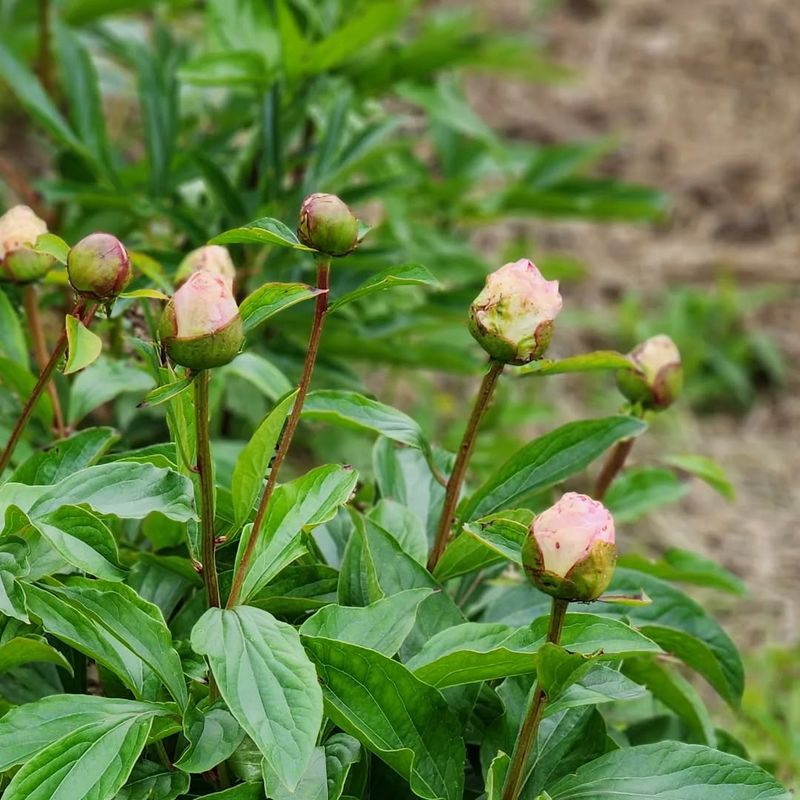
Peonies start pushing through Ohio soil in March, and those burgundy shoots look tough enough to handle anything. Appearances fool you here.
While mature peony stems tolerate cold reasonably well, the developing buds inside those shoots remain sensitive to hard freezes, especially when they’ve started swelling in preparation for bloom.
When temperatures drop into the low twenties, ice can form inside bud tissue and damage the flower embryo. You won’t see the injury right away.
The shoots keep growing and the buds keep developing, but when bloom time arrives, flowers may fail to open properly, show brown streaks, or simply blast and never form at all.
Protecting peony buds requires timing and attention to weather forecasts. When a late freeze threatens after shoots have emerged, mound loose mulch around the base, covering the lower portions of the stems.
If buds are already visible and swelling, add a layer of fabric row cover or an old blanket on freeze nights. The key is preventing rapid temperature drops around the buds.
Ohio gardeners who protect their peonies through April cold snaps typically see fuller, healthier blooms come Memorial Day.
3. Hosta Leaves Scorch After Cold Nights
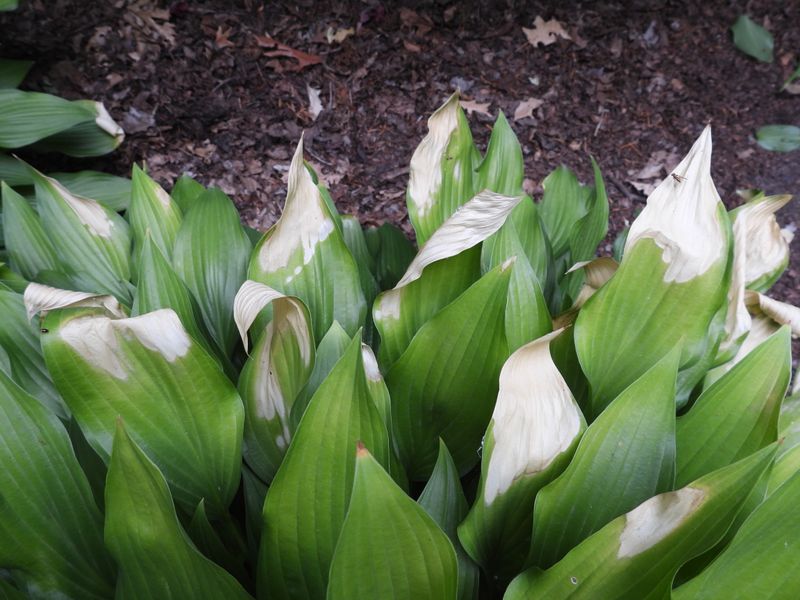
Hostas wait until spring seems settled before unfurling their leaves, but Ohio weather doesn’t always cooperate. Once those leaves start unrolling, they become frost magnets.
The broad, thin tissue holds moisture and lacks protective barriers, so freezing temperatures cause visible scorching that turns leaf edges brown and creates unsightly damage patterns across the foliage.
The good news is that frost damage on hostas rarely threatens the plant’s survival. The crown stays safely underground, and new leaves can emerge if early ones get severely burned.
The bad news is that damaged foliage looks terrible all season. Those brown edges and scorched sections never heal or turn green again, leaving your hostas looking ragged until they go dormant in fall.
Prevention saves your hostas’ appearance and your own frustration. When late freezes threaten in April or May, cover emerging hostas with plastic bins, cardboard boxes, or fabric draped over stakes.
Even a single layer of newspaper laid over unfurling leaves provides surprising protection. Remove coverings promptly the next morning so plants don’t overheat.
Ohio gardeners who take these simple steps enjoy pristine hosta foliage all season instead of brown-edged leaves that announce winter’s last punch.
4. Brunnera Soft Foliage Suffers In Frost
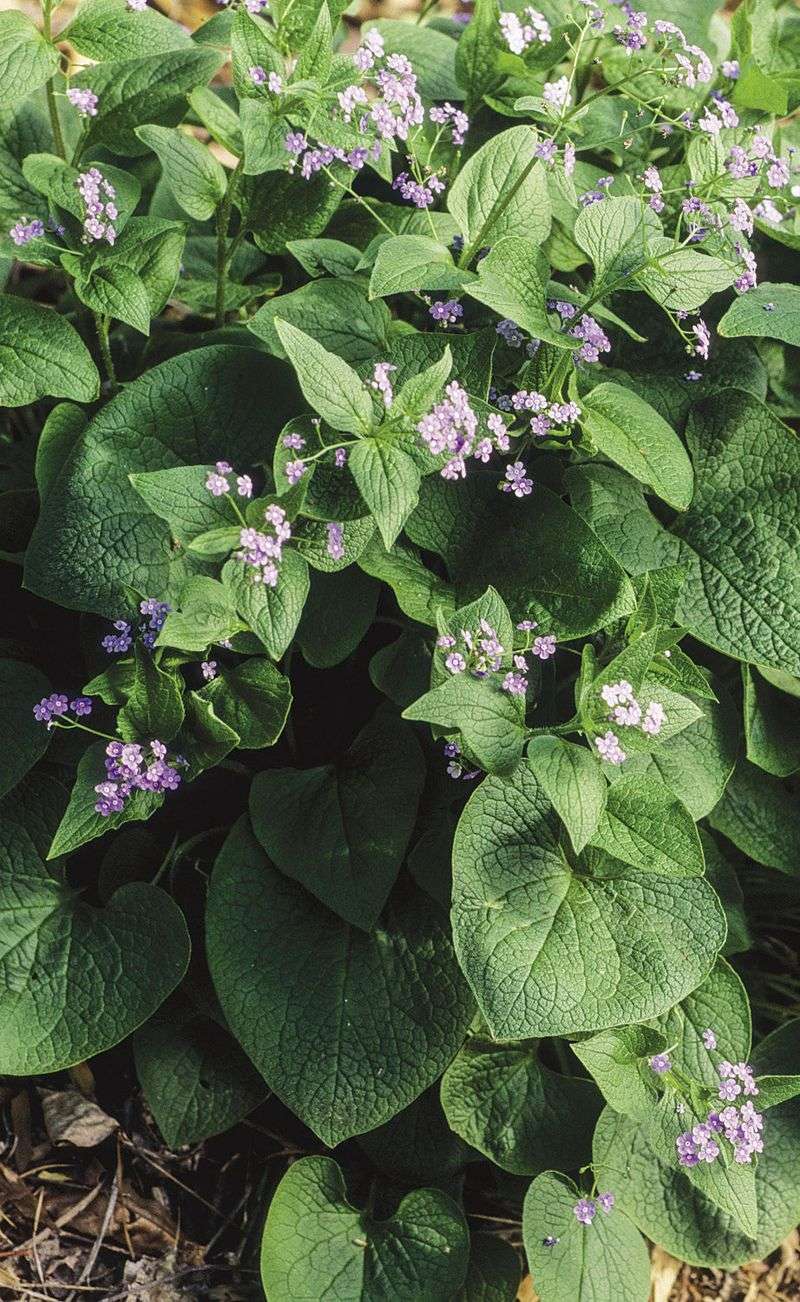
Often called Siberian bugloss, brunnera seems like it should handle cold without complaint. After all, it comes from regions with harsh winters.
However, the soft new foliage that emerges in Ohio springs lacks the toughness of mature leaves, and those charming blue flowers appear when frost still threatens. Both leaves and blooms suffer noticeably when temperatures drop below freezing after growth begins.
Brunnera’s delicate tissue structure means frost damage shows up quickly and obviously. Leaves develop dark patches, edges curl and brown, and flowers collapse on their stems.
The plant recovers by producing new foliage, but the damaged leaves persist for weeks, creating an unattractive appearance in what should be a fresh spring display.
Protecting brunnera works especially well because these plants typically grow in defined clumps that are easy to cover. When frost threatens, drape lightweight fabric directly over the foliage, or create a tent using stakes and old sheets.
For smaller plantings, upturned buckets or large plastic containers work perfectly. The goal is trapping warmer air around the plant overnight.
Remove coverings by mid-morning.
Ohio gardeners who protect their brunnera through late cold snaps enjoy those lovely blue flowers and silvery leaves without the distraction of frost-damaged foliage.
5. Astilbe Fresh Shoots Struggle In Cold Snaps
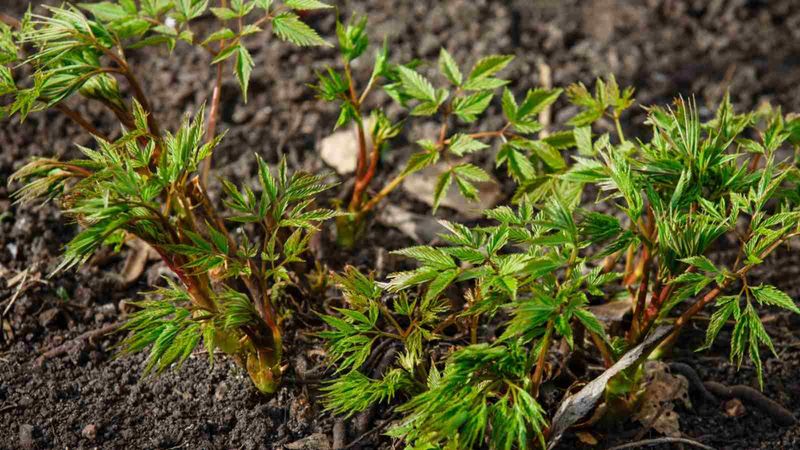
Astilbe sends up fresh shoots in early spring, and those stems look promising with their reddish tint and ferny appearance. What you’re seeing is extremely tender growth that hasn’t developed any cold hardiness yet.
When late freezes hit Ohio gardens in April, astilbe shoots can collapse completely, turning black and mushy within hours of exposure to temperatures in the twenties.
The vulnerability comes from astilbe’s preference for moist conditions. Those shoots contain high water content, and when that water freezes, it ruptures cell walls throughout the stem.
Unlike some perennials that only show surface damage, astilbe often experiences injury deep into the tissue. Recovery takes longer because the plant must generate entirely new shoots from the crown rather than simply replacing damaged leaves.
Protecting astilbe requires keeping those tender shoots above freezing overnight. Pile loose mulch like shredded leaves or compost around emerging growth, creating a four to six-inch insulating layer.
For plants in exposed locations, add fabric row cover or old blankets on freeze nights, draping material over stakes to avoid crushing the delicate foliage. Water plants thoroughly the day before a predicted freeze, as moist soil holds heat better than dry soil.
Ohio gardeners who protect their astilbe through spring cold snaps see earlier blooms and stronger plants overall.
6. Columbine Buds Are Sensitive To Freezing
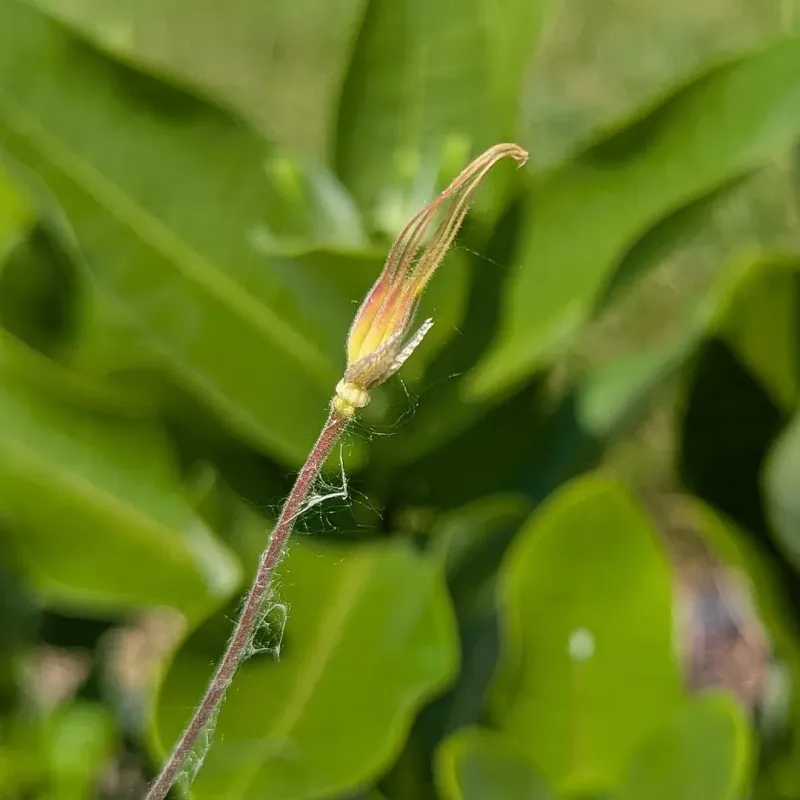
Columbine blooms earlier than many perennials, which puts it directly in the path of Ohio’s late freezes. The plants develop flower buds while nights still dip below freezing, and those buds contain all the structures needed for those distinctive spurred flowers.
When temperatures drop into the twenties, ice forms inside bud tissue and damages the developing petals and stamens before they ever open.
You won’t always see the injury immediately. Buds may continue swelling and stems keep growing, but when bloom time arrives, flowers open incompletely, show brown streaks, or simply shrivel without ever displaying their typical form.
The plant survives just fine, but you lose much of the spring flower show that makes columbine worth growing.
Protecting columbine buds takes minimal effort but makes a noticeable difference in bloom quality. When frost threatens after buds have formed, cover plants with lightweight fabric, old sheets, or even large cardboard boxes.
The covering doesn’t need to touch the foliage. Creating a tent over the plant traps warmer air and prevents rapid temperature drops around those sensitive buds.
Remove coverings the next morning once the sun is up and temperatures rise.
Ohio gardeners who protect their columbine through April cold snaps enjoy those charming flowers in full glory rather than disappointing partial blooms.
7. Baptisia Early Growth Can Be Set Back
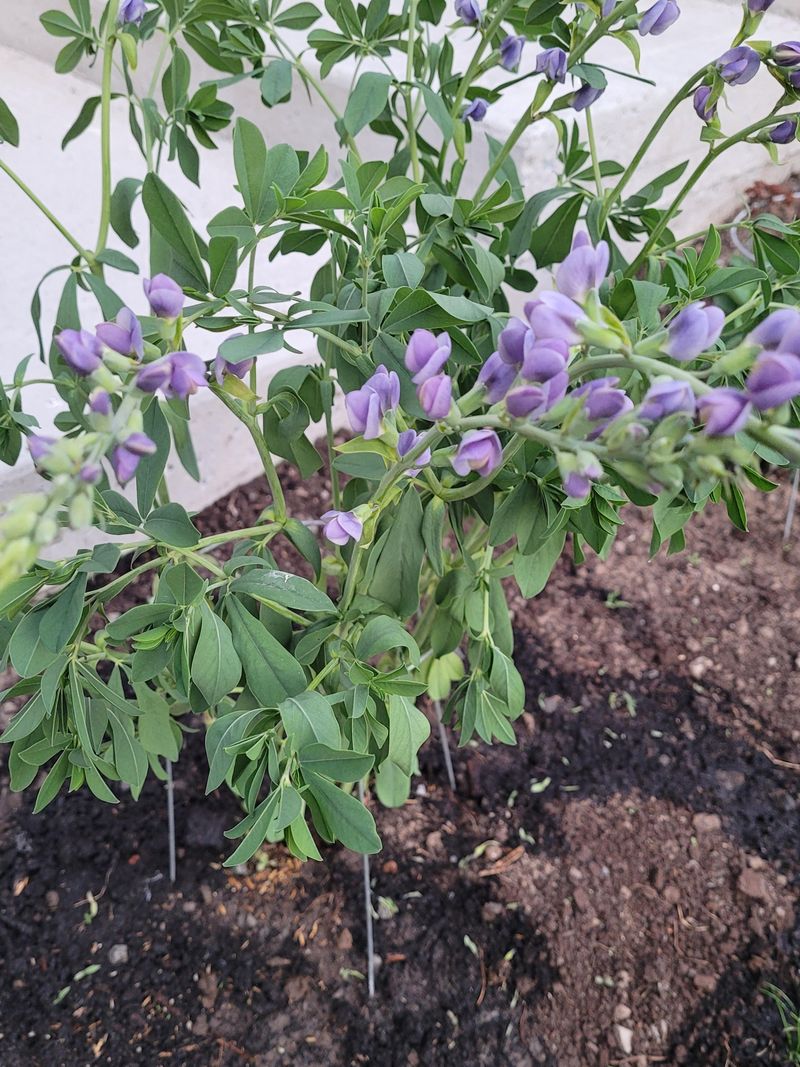
Baptisia earns its reputation as a tough native perennial, but that toughness develops over time. Early spring growth emerges soft and succulent, lacking the thick cuticle and sturdy stems that mature baptisia develops by summer.
When Ohio gardens experience late freezes in April or May, those tender shoots can blacken and collapse, setting the plant back several weeks in its growth cycle.
The setback matters because baptisia blooms on current season’s growth. When frost destroys early shoots, the plant must regenerate from the crown before it can resume growing toward bloom.
This delays flowering and reduces the overall size of the plant for that season. While baptisia always recovers, protection prevents these frustrating setbacks.
Protecting young baptisia growth works best with loose mulch piled around the base when cold threatens. Shredded leaves, straw, or compost create insulation that moderates temperature swings around emerging shoots.
For plants in exposed areas, add fabric row cover on freeze nights, draping it loosely over the foliage. The goal isn’t creating a sealed environment but rather preventing rapid temperature drops.
Remove coverings and pull back mulch once freezing weather passes.
Ohio gardeners who protect their baptisia through spring cold snaps see earlier blooms and more robust plants that reach their full potential each season without weather-related delays.
8. Hardy Geranium Foliage Shows Frost Damage
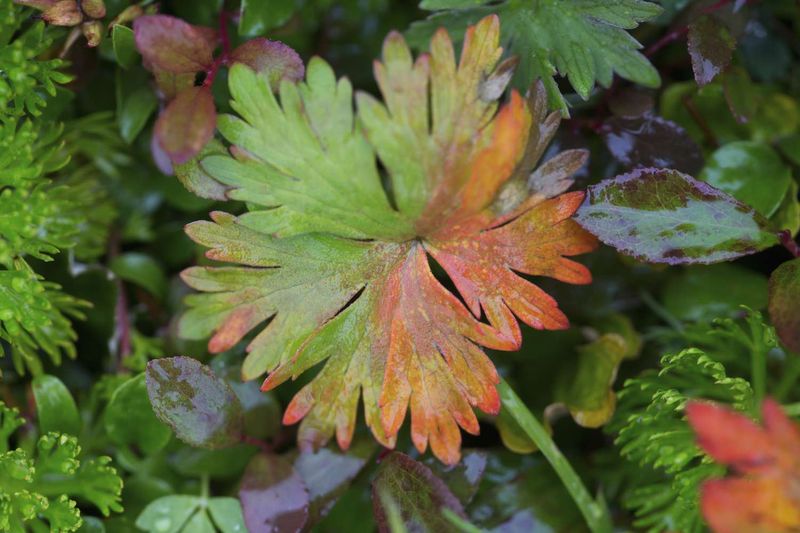
Hardy geraniums start growing early in Ohio springs, sending up fresh foliage that looks healthy and vigorous. That early growth habit puts them at risk when late freezes arrive.
The leaves, while tougher than some perennials, still contain enough moisture to suffer frost burn when temperatures drop into the twenties. Damaged foliage develops brown edges, dark patches, and an overall scorched appearance that persists all season.
The frustrating part about frost damage on hardy geraniums is that it’s purely cosmetic. The plants survive just fine and continue growing, but those damaged leaves never recover their fresh green color.
They remain spotted and brown-edged until the plant goes dormant in fall. Since hardy geraniums function as foliage plants as much as flowering ones, this damage significantly reduces their ornamental value throughout the growing season.
Protection prevents the cosmetic damage that makes hardy geraniums look shabby. When late freezes threaten, cover plants with lightweight fabric, old sheets, or even newspapers laid directly over the foliage.
For larger plantings, fabric row cover draped over stakes works efficiently. The covering traps warmer air around the leaves and prevents rapid temperature drops that cause tissue damage.
Remove coverings the next morning.
Ohio gardeners who protect their hardy geraniums through spring cold snaps enjoy pristine foliage all season rather than frost-damaged leaves that detract from the garden’s appearance.