These 8 Ohio Shrubs Will Suffer If You Prune Them Too Late

Warm spring days send many Ohio gardeners straight into the yard with pruners in hand.
Shrubs look shaggy after winter, and a quick trim feels like the perfect way to tidy things up.
Yet that simple cleanup can quietly erase an entire season of blooms. Many popular shrubs across Ohio set their flower buds months before spring arrives.
Those buds sit through winter, waiting for the first stretch of warm weather. One wrong round of pruning removes them long before they ever open.
The result surprises many homeowners. Healthy green shrubs fill the yard in May and June, yet flowers never appear.
The problem rarely comes from poor soil or harsh weather. Timing usually takes the blame.
A few well loved landscape shrubs demand pruning at very specific moments during the growing season. Learn that window and the payoff shows up every spring with fuller branches, richer color, and gardens that burst back to life across Ohio neighborhoods.
1. Late Cuts Steal Next Spring’s Lilac Blooms

Walking past a lilac in full bloom is one of those small joys that Ohio gardeners look forward to all winter long. That sweet fragrance and those dense purple clusters make lilac one of the most beloved shrubs across the state.
But many homeowners unknowingly rob themselves of next year’s show by pruning at the wrong time.
Lilacs bloom on old wood, meaning the flower buds for next spring are already forming on this year’s growth shortly after the current blooms fade. Ohio State University Extension advises pruning lilacs immediately after flowering, typically in late May or early June in most parts of Ohio.
Waiting until midsummer or fall means cutting off those carefully developed buds before they ever open.
The rule of thumb most horticulture experts follow is a two-week window right after the last flower drops. During that window, you can shape the shrub, remove old or crossing branches, and thin out crowded growth without touching the new buds forming below.
Avoid the temptation to do a big cleanup in August or September. Those late cuts feel productive, but they are quietly stealing next April’s fragrant display right off the shrub.
2. Prune Forsythia Late And The Yellow Show Is Gone

Few sights signal the true arrival of Ohio spring like forsythia exploding into bright yellow along fences and driveways before most other plants have even woken up. That bold early color is the reason so many homeowners plant forsythia, and it is also the reason late pruning is such a costly mistake with this shrub.
Forsythia blooms on old wood, developing its flower buds on the current season’s stems shortly after spring flowering ends. If you wait until fall or even late summer to pull out the hedge trimmers, those buds are already gone.
University horticulture programs consistently recommend pruning forsythia within four to six weeks after it finishes blooming, usually by late May or early June in Ohio’s climate.
A good approach is to remove about one-third of the oldest, thickest stems at ground level each year right after flowering. This renewal pruning keeps the shrub open, encourages fresh new growth that will carry next year’s buds, and maintains a natural arching shape.
Shearing forsythia into a tight ball is tempting for a tidy look, but it reduces flowering and goes against the shrub’s natural growth habit. Prune smart and the yellow show returns every single spring.
3. Late Pruning Wipes Out Next Year’s Azalea Flowers
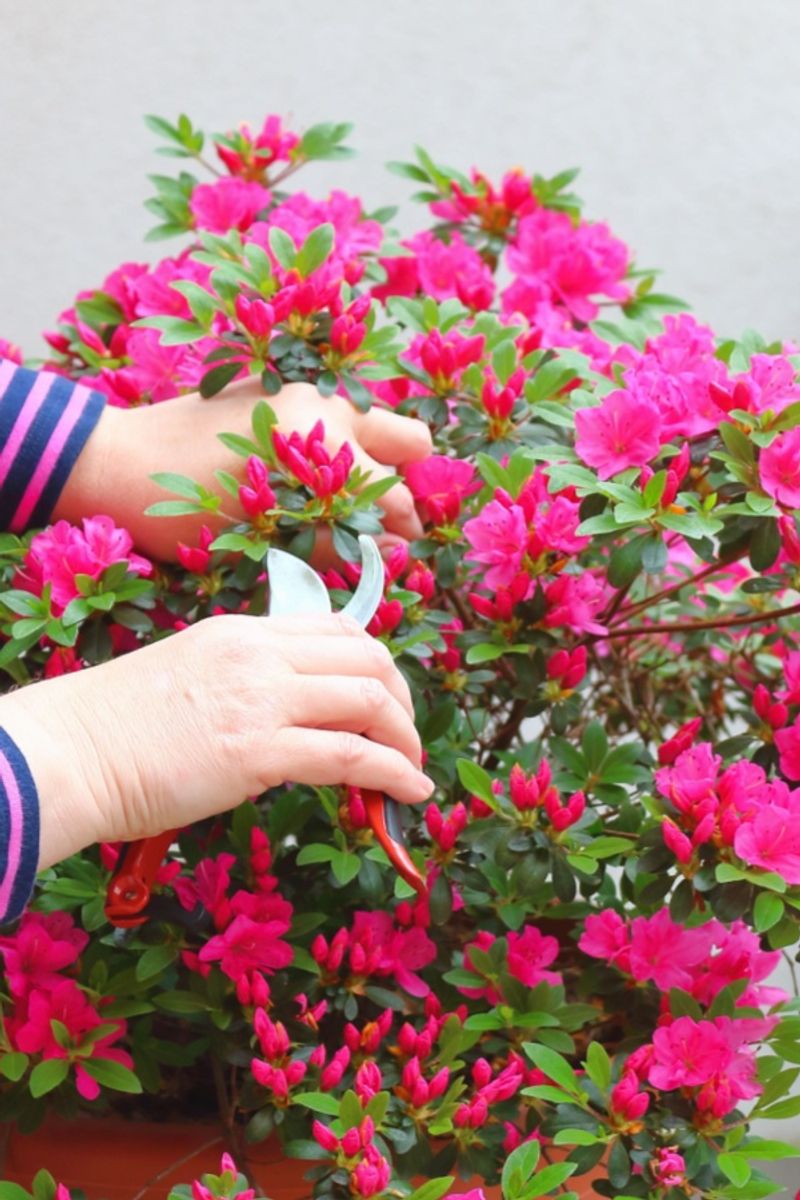
Azaleas put on one of the most dramatic color displays Ohio landscapes have to offer every spring, with blooms that range from soft pink to deep red and vivid purple. Getting that show to repeat year after year depends almost entirely on one thing: pruning at the right time.
Azaleas are classic old-wood bloomers. They begin setting next year’s flower buds almost immediately after the current flowers drop, usually by midsummer.
Pruning in late summer, fall, or even early spring before bloom removes those buds entirely, leaving gardeners with a healthy-looking shrub that simply refuses to flower come April.
Ohio State University Extension and university horticulture guides strongly recommend pruning azaleas within a few weeks of bloom completion, typically by late June at the very latest for most Ohio growing zones. Light shaping is usually all that is needed since azaleas naturally maintain a tidy mounded form.
Removing declined wood or crossing branches right after flowering keeps the plant healthy without sacrificing next season’s buds. Ohio gardeners in shadier spots should also know that too little sunlight reduces bud set regardless of pruning timing, so site selection matters just as much as the calendar when it comes to reliable azalea performance.
4. Weigela Loses Its Spring Bloom With Late Cuts

Weigela has become a staple in Ohio home landscapes over the past few decades, and it is easy to see why. The arching branches covered in tubular pink, red, or white flowers attract hummingbirds and look stunning from May through early June.
Some newer varieties even rebloom lightly in summer, but the main flower show always comes from old wood.
That means the branches that grew this year are already carrying the buds for next spring’s display. Prune those branches in late summer or fall and you are removing exactly what the shrub needs to perform next season.
University horticulture sources recommend pruning weigela right after the primary bloom period ends, usually in June for most of Ohio.
Cutting back immediately after flowering lets the shrub push out new growth through the rest of summer and fall. That fresh growth then hardens off before Ohio winters set in, carrying well-developed buds into the following spring.
You can remove about one-third of the oldest wood at the base to keep the plant vigorous and open. Avoid heavy pruning in August or later since new growth stimulated that late will not have enough time to mature before cold weather arrives in Ohio.
5. Viburnum Buds Are Already Set So Prune Early

Viburnum is one of those shrubs that earns its keep in an Ohio landscape across multiple seasons, offering spring flowers, summer berries, and brilliant fall color all from the same plant. With dozens of species and cultivars available, viburnums are widely planted across Ohio, and most of the spring-blooming types share one important characteristic: they bloom on old wood.
Snowball viburnum, doublefile viburnum, Korean spice viburnum, and many other popular spring-blooming types set their flower buds during the previous growing season. Pruning in late summer or fall strips those buds away before they ever get a chance to open.
Ohio State University Extension and university plant science programs recommend pruning spring-blooming viburnums right after flowering concludes, typically in late May or June across most of Ohio.
A light touch is usually enough. Removing withered, damaged, or crowded branches right after bloom keeps the shrub healthy and shapely without sacrificing next year’s flower buds.
If a viburnum has become overgrown, a gradual renewal approach over two to three years is far better than one dramatic late-season cutback. Summer-blooming viburnum varieties follow different timing rules, so always confirm which type you have before picking up the pruners.
6. Late Pruning Means No Spring Flowers For Quince

Flowering quince is one of the earliest shrubs to put on a show in Ohio, often bursting into vivid orange, red, or coral blooms while most of the landscape is still brown and bare. That early color is a genuine highlight of the Ohio spring garden, and it is entirely dependent on buds that formed the previous growing season.
Quince is a committed old-wood bloomer. The flower buds develop on stems that grew during the current year, then those buds sit through the entire Ohio winter waiting to open in late March or early April.
Prune those stems away in fall or late summer and the display simply disappears the following spring.
Most university horticulture sources recommend pruning flowering quince right after it finishes blooming, which in Ohio typically falls sometime in April or early May depending on the year and location. At that point, you can remove about one-third of the oldest, woodiest stems at the base to encourage fresh new growth.
That new growth will carry next year’s buds. Quince tends to produce thorny, tangled growth over time, so annual post-bloom pruning not only protects flowering but also keeps the shrub manageable and safer to work around in the garden.
7. Cut Mock Orange Too Late And Blooms Vanish
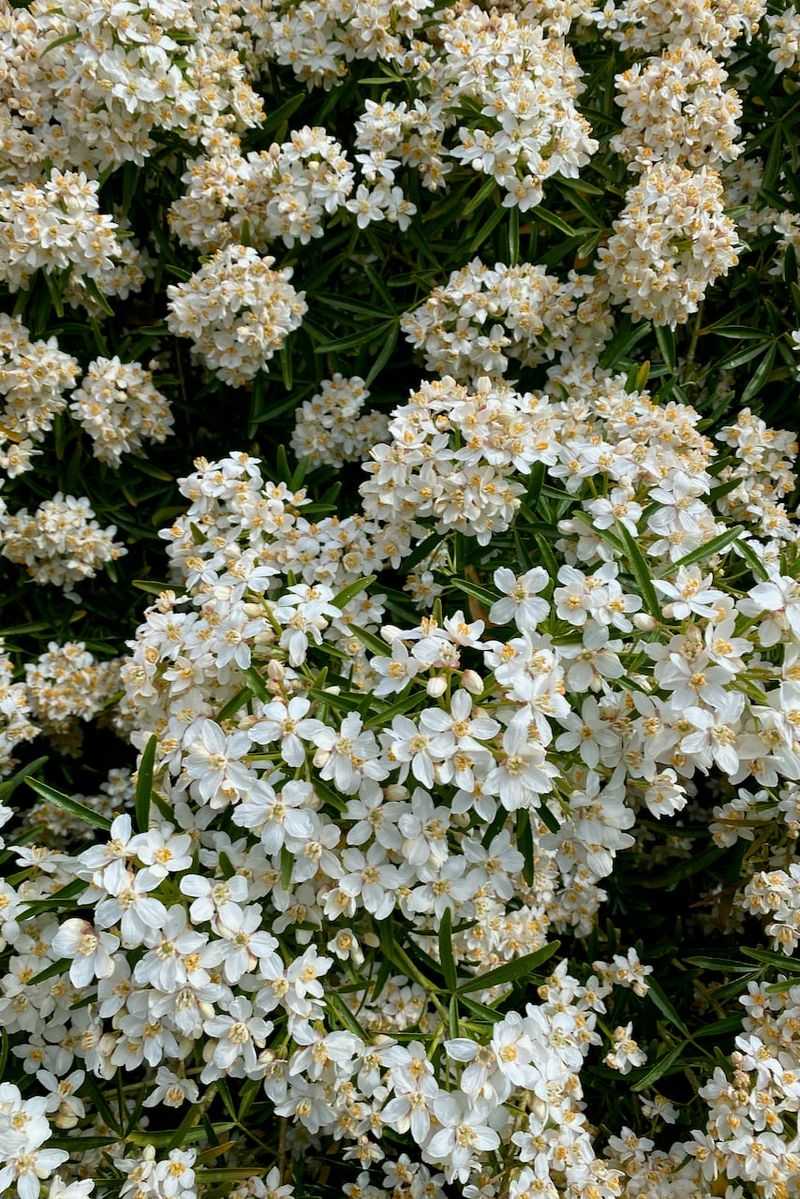
There is something almost old-fashioned and wonderful about mock orange in full bloom. Those clusters of white, intensely fragrant flowers have been filling Ohio gardens with a sweet citrusy scent for generations, and the shrub is remarkably tough once established.
But even this reliable performer will stop flowering if it gets pruned at the wrong time of year.
Mock orange blooms on the previous season’s wood. The branches that grew this year are the ones that will carry flowers next spring and early summer.
Cutting those branches back in fall or early spring before bloom removes the buds along with the wood, and the result is a perfectly healthy shrub with zero flowers come June.
The best time to prune mock orange is immediately after the flowers fade, which in Ohio usually means sometime in June or early July depending on the variety. Right after bloom, you can remove the oldest, thickest stems at the base and lightly shape the outer growth.
This approach encourages vigorous new shoots that will mature through summer and fall, then deliver a strong bloom the following season. Ohio gardeners who skip a year of pruning and let mock orange go unpruned will find it getting quite large, but the flowers will still be there.
8. Oakleaf Hydrangeas Lose Blooms When Pruned Late

Not all hydrangeas follow the same rules, and that is where a lot of Ohio gardeners run into trouble. Smooth hydrangeas and panicle hydrangeas bloom on new wood and can be pruned in late winter without any problem.
Oakleaf hydrangeas are a completely different story, and mixing them up leads to a whole season without flowers.
Oakleaf hydrangeas bloom on old wood, meaning the buds for next year’s dramatic white cone-shaped flower clusters are already developing on this year’s stems by late summer. Pruning in fall, late summer, or early spring before growth begins removes those buds entirely.
The shrub pushes out healthy foliage but no flowers, which is a disappointing result for a plant that can be so spectacular in an Ohio landscape.
Ohio State University Extension and other horticulture resources recommend pruning oakleaf hydrangeas shortly after flowering concludes, typically in late summer right after the blooms begin to fade. At that point, you can remove withered wood, cut back overly long stems, and tidy the shape without sacrificing next year’s buds.
Oakleaf hydrangeas also offer outstanding fall foliage color and attractive peeling bark in winter, making them a true four-season shrub worth protecting with correct pruning habits every year.