These 9 Oregon Shrubs Benefit From Light Spring Feeding
Spring in Oregon is one of the most exciting times in the garden. Oregon gardens do not wake up all at once.
As winter slowly loosens its grip, shrubs begin stirring beneath the surface, pushing out fresh growth while the soil is still cool and damp. That early stretch of the season is the perfect time to give certain shrubs a gentle nutritional boost.
Not every plant needs fertilizer in spring, and overfeeding can actually do more harm than good. But some shrubs truly benefit from a light feeding just as new growth starts.
A small dose of the right nutrients can encourage stronger stems, richer foliage, and more abundant blooms as the weeks warm up.
The key is knowing which shrubs appreciate that extra support and keeping the feeding light and balanced. With a thoughtful approach, you can set your landscape up for a healthy, vibrant season without overwhelming your plants or your soil.
1. Rhododendrons
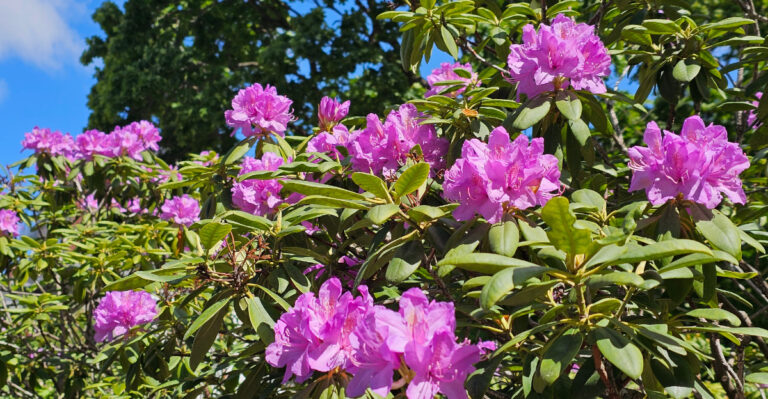
Few plants are as closely tied to the Pacific Northwest as the rhododendron. In Oregon, these bold, evergreen shrubs are practically a garden staple, and for good reason.
They put on a stunning show of blooms every spring, but only when they get the right care at the right time.
Early feeding makes a real difference for rhododendrons. As soon as you notice new growth starting to push out in late winter or early spring, that is your signal to act.
Use a fertilizer made specifically for acid-loving plants, since rhododendrons prefer soil with a lower pH.
Apply a light amount around the base of the shrub, keeping it away from the main stem. Water it in well after applying.
Oregon’s rainy season often helps with this naturally.
Avoid feeding too late in the season. Late fertilizing can encourage soft new growth that is more vulnerable to frost damage. Stick to early spring and let the plant do the rest of the work.
Rhododendrons planted in Oregon’s Willamette Valley tend to thrive because the climate suits them so well. Give them a gentle nutritional boost and they will reward you with weeks of gorgeous color.
2. Azaleas
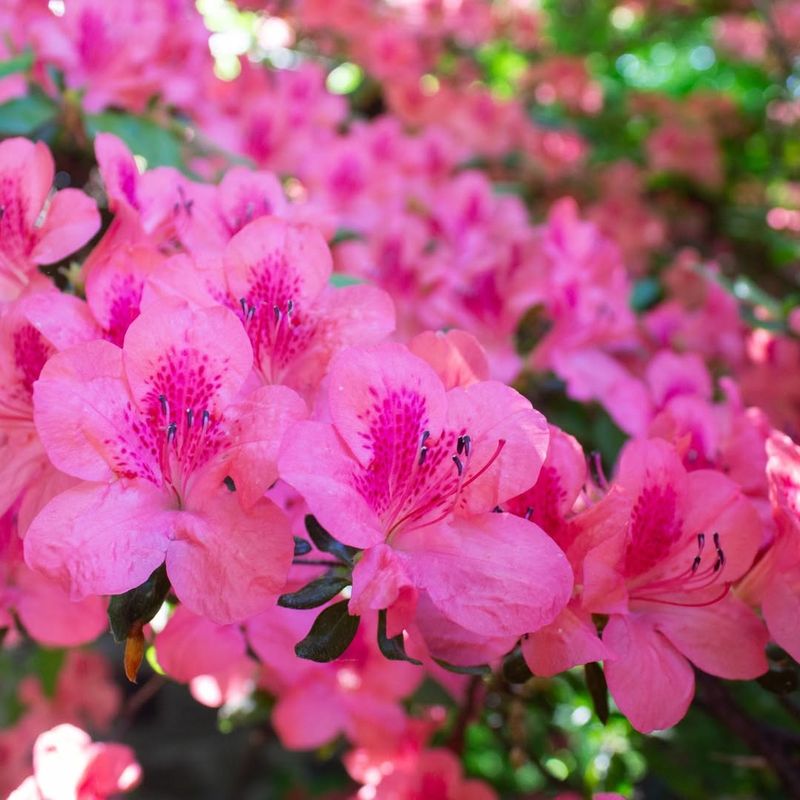
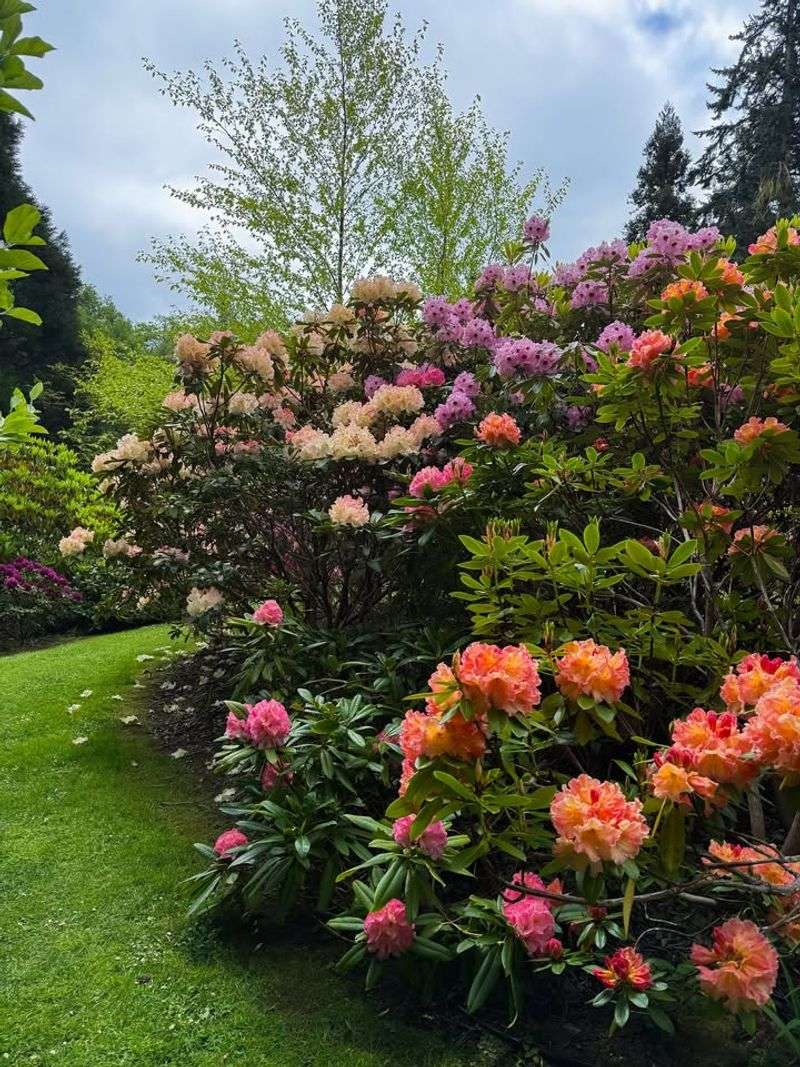
These shrubs burst into color almost overnight, covering themselves in blooms that range from soft white to vivid coral and deep magenta. In Oregon, they are a beloved fixture in both home gardens and public parks.
Like their rhododendron cousins, azaleas are acid-lovers. They respond well to a light feeding of slow-release, acid-formulated fertilizer in early spring, just before or right as new growth begins.
Getting the timing right is everything with azaleas.
Feed them too early and the nutrients may wash away before the plant can use them. Feed them too late and you risk pushing tender new growth that may not harden before cooler nights return. Early to mid-spring is the sweet spot for most Oregon gardeners.
Keep the fertilizer away from the trunk and spread it evenly under the canopy of the shrub. A light watering after application helps move nutrients into the root zone where they are needed most.
Azaleas planted in the shade of tall Douglas firs or along the shaded side of a home often need a little extra attention. A well-timed feeding helps them stay strong and bloom beautifully season after season.
3. Camellias (After Blooming)
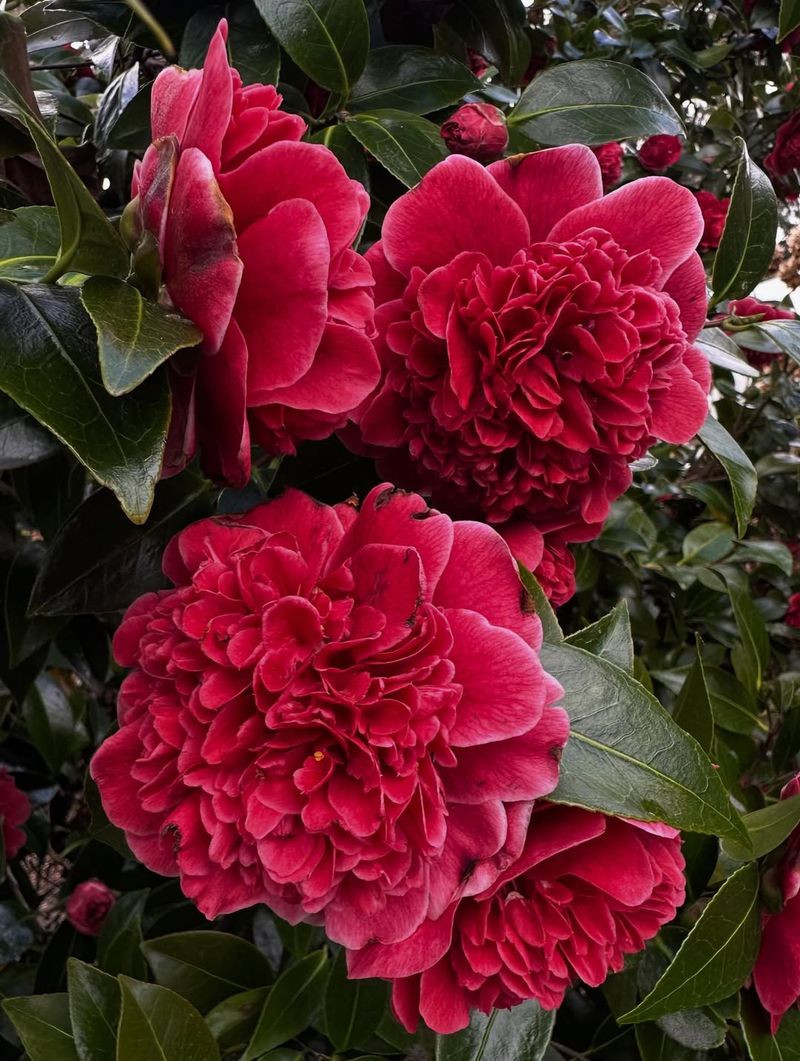
Camellias are elegant, long-lived shrubs that bloom in late winter through early spring in Oregon.
They are unique because the best time to feed them is right after they finish flowering, not before. Feeding too early can interfere with their bloom cycle.
Once the last flowers drop, the camellia shifts its energy toward new leaf and stem growth. That is the perfect window to apply a light, balanced fertilizer or one made for acid-loving plants.
The roots are active and ready to absorb nutrients quickly.
In Oregon’s mild coastal and valley climates, camellias can grow quite large over time. A well-fed camellia produces glossy, dark green leaves and sets stronger buds for next year’s flowers.
Skipping the post-bloom feeding often leads to smaller blooms the following season.
Spread the fertilizer evenly around the drip line of the shrub, which is the outer edge of the canopy. Avoid piling it near the base or trunk. Water thoroughly after applying to help nutrients reach the root zone.
One helpful tip for Oregon gardeners: if you have clay-heavy soil, consider mixing in some compost around the base of your camellia each year. It improves drainage and adds organic matter that benefits the plant over the long term.
4. Hydrangeas
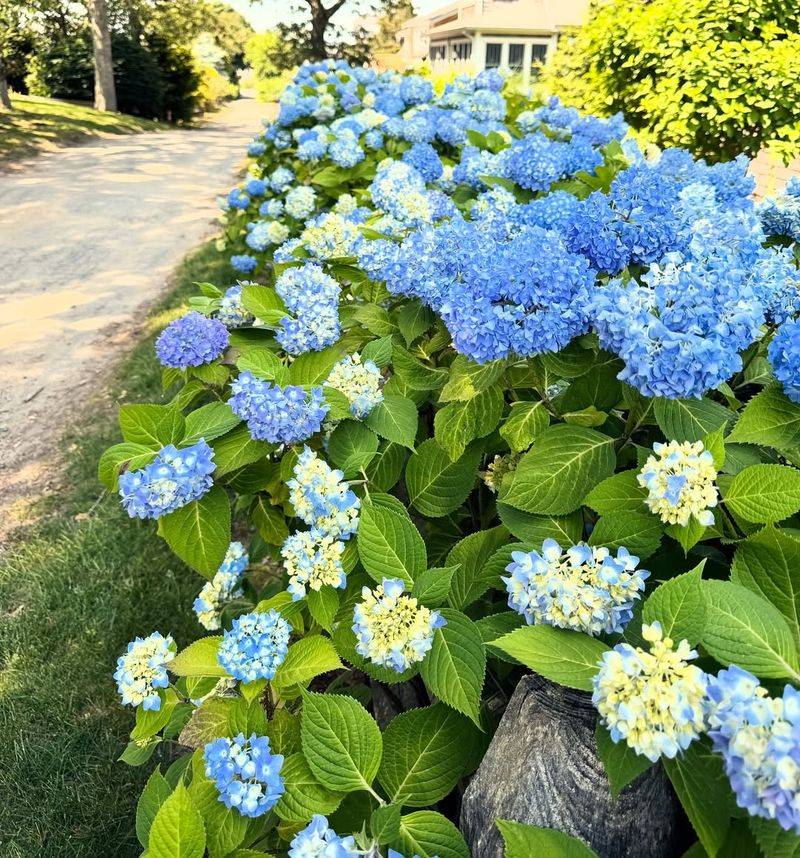
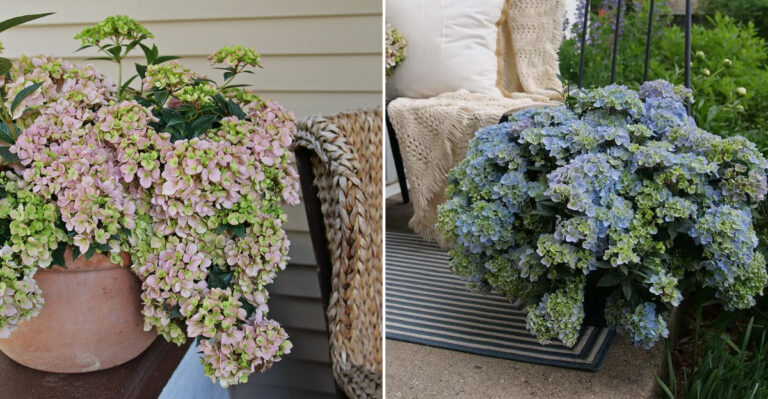
Walk through almost any Oregon neighborhood in summer and you will spot hydrangeas in full, glorious bloom. These big, bold shrubs produce flower clusters that can last for months, and they are surprisingly easy to care for with just a little attention in spring.
Early spring is the ideal time to give hydrangeas a light feeding. As soon as you see green buds beginning to swell on the stems, apply a balanced, slow-release fertilizer.
This gives the plant a steady supply of nutrients as it ramps up for the growing season.
One thing that makes hydrangeas extra interesting in Oregon is that soil pH can actually change their flower color.
Acidic soil tends to produce blue flowers, while more alkaline soil shifts them toward pink. Adding sulfur to the soil lowers pH, while lime raises it.
Do not over-fertilize hydrangeas. Too much nitrogen pushes leafy green growth at the expense of flowers.
A balanced fertilizer, or one slightly lower in nitrogen, gives you the best balance of healthy foliage and abundant blooms.
Hydrangeas love Oregon’s moisture, but they do best with good drainage. If your soil stays soggy after rain, consider raising the planting area slightly or amending with compost to improve drainage and give roots room to breathe.
5. Roses
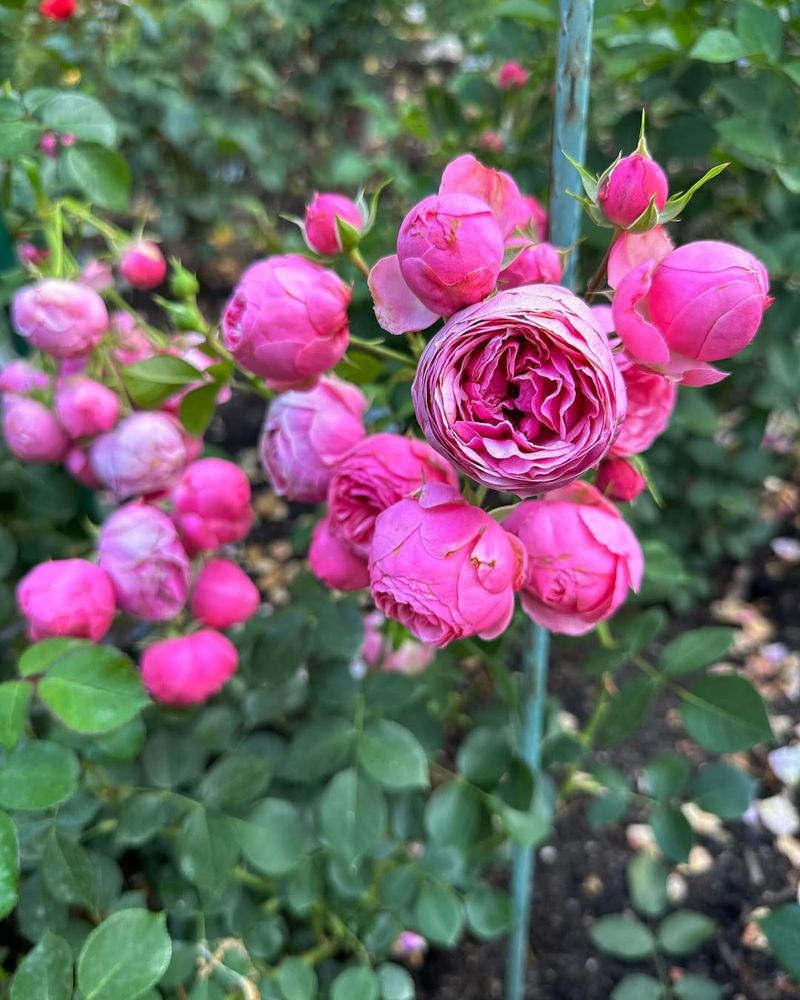
Oregon gardeners know that a little early-season care pays off in a big way when it comes to roses.
These classic shrubs respond beautifully to a light feeding in early spring, right when the new leaf buds begin to open up and unfurl.
A fertilizer formulated specifically for roses works best. These blends usually contain a balanced mix of nitrogen, phosphorus, and potassium, along with trace minerals that roses need to stay healthy.
Some even include ingredients that help strengthen the plant against common fungal issues, which are especially relevant in Oregon’s wet spring climate.
Apply the fertilizer after you have done your spring pruning. Pruning first, then feeding, gives the rose a clean start and directs energy toward the new growth you want to encourage. Always water well after fertilizing.
Roses planted in Oregon’s Willamette Valley benefit from regular feeding through the growing season, but the first application in spring sets the tone for everything that follows. Think of it as giving the plant a strong foundation to build on.
Mulching around the base of your rose bushes after feeding helps retain moisture and keeps weeds down.
A two-inch layer of wood chips or bark mulch works well and slowly adds organic matter to the soil as it breaks down.
6. Blueberries
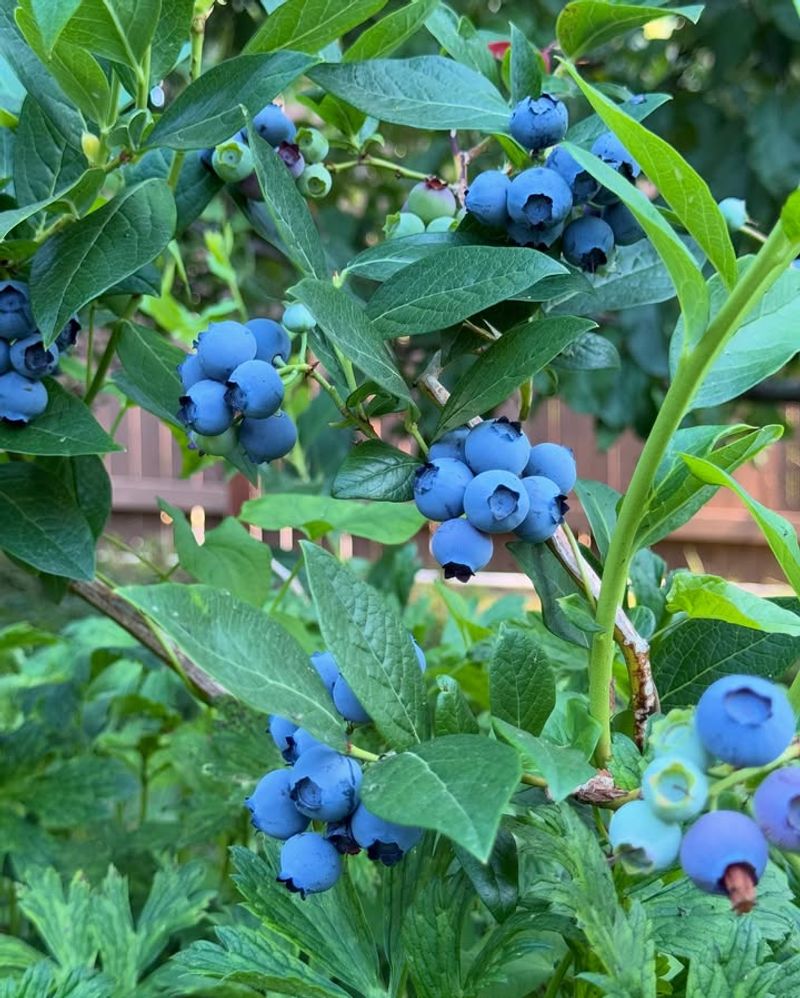
Blueberries are one of the most rewarding shrubs you can grow in Oregon. They produce delicious fruit every summer, but they need the right soil conditions and a well-timed feeding to perform at their best.
Oregon’s naturally acidic soils in many areas make it a great place to grow blueberries.
Feed blueberries in early spring before they flower. Use a fertilizer made for acid-loving plants or one specifically labeled for blueberries.
Ammonium sulfate is a popular choice among Oregon growers because it lowers soil pH while also providing nitrogen.
Split your fertilizer application into two doses. Apply the first in early spring as buds begin to swell, and the second about four to six weeks later.
This prevents nutrient overload and gives the plant a steady, manageable supply throughout the growing season.
Avoid fertilizers that contain chloride, which can harm blueberry roots. Also, keep fertilizer away from the crown of the plant to prevent burn.
Blueberries grown in Oregon’s Willamette Valley and coastal regions thrive with consistent care. A well-maintained blueberry shrub can produce fruit for decades.
Start with good soil prep, feed lightly in spring, and you will enjoy buckets of fresh berries year after year.
7. Spirea
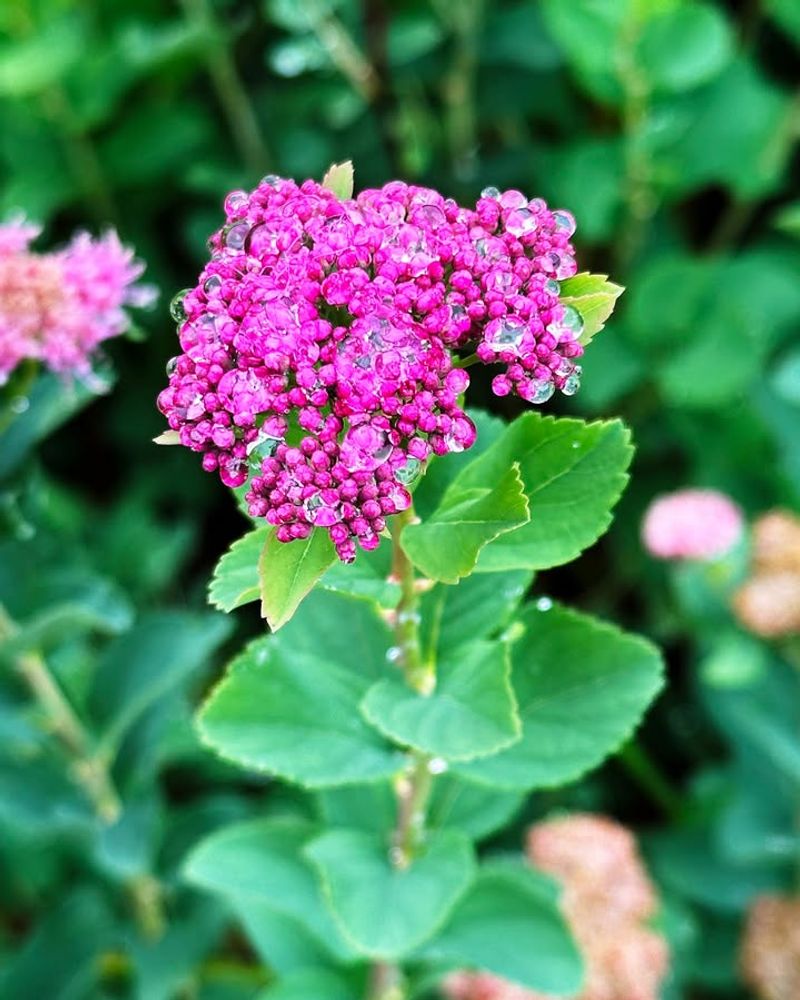
Spirea is one of those dependable, hardworking shrubs that never seems to get enough credit.
It blooms reliably every year, requires minimal fuss, and looks great in almost any garden style. In Oregon, spirea is a popular choice for hedges, borders, and foundation plantings.
Early spring feeding gives spirea a boost just as it begins waking up from winter dormancy. A light application of a balanced, granular fertilizer is all it needs. Sprinkle it around the drip line and water it in well. That is really all there is to it.
Spirea is not a heavy feeder, so resist the urge to apply more than recommended. Too much fertilizer can lead to excessive leafy growth with fewer flowers. The goal is a healthy, well-rounded plant that blooms freely.
After the first flush of bloom fades, a light trim can encourage a second round of flowers on many spirea varieties.
This is especially true for the popular Goldflame and Neon Flash types, which are commonly found in Oregon garden centers.
One thing gardeners love about spirea is its toughness. It handles Oregon’s wet winters and dry summers without much complaint.
Give it a light feeding in spring and an occasional trim, and it will be one of the most reliable plants in your yard.
8. Viburnum
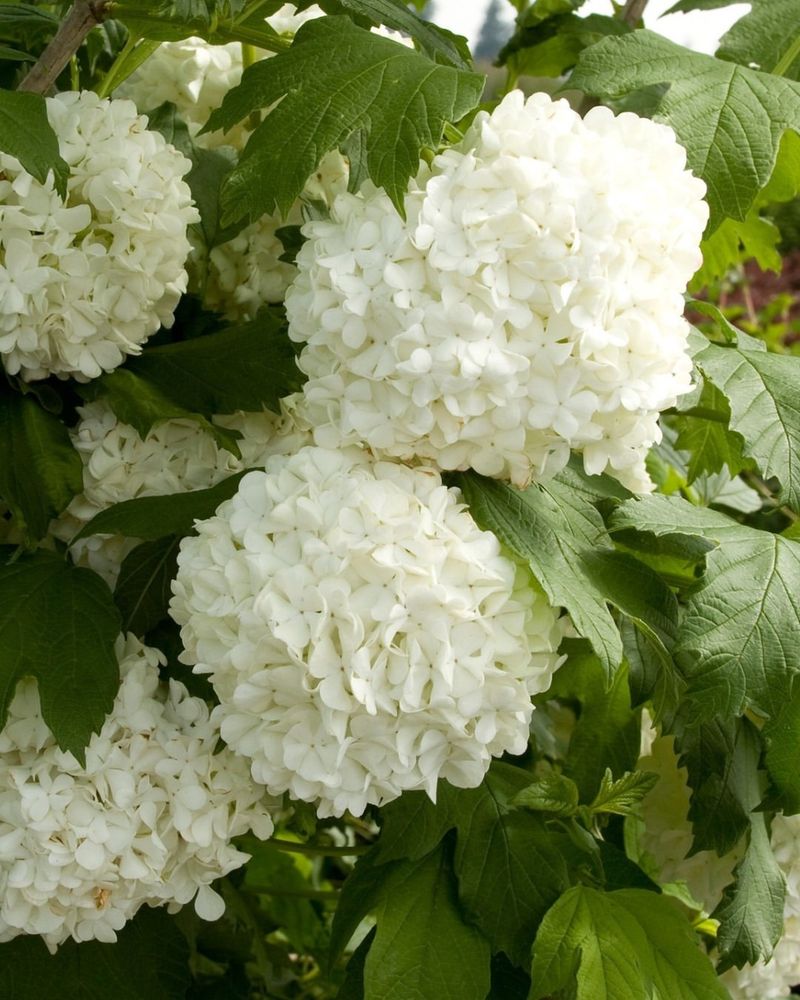
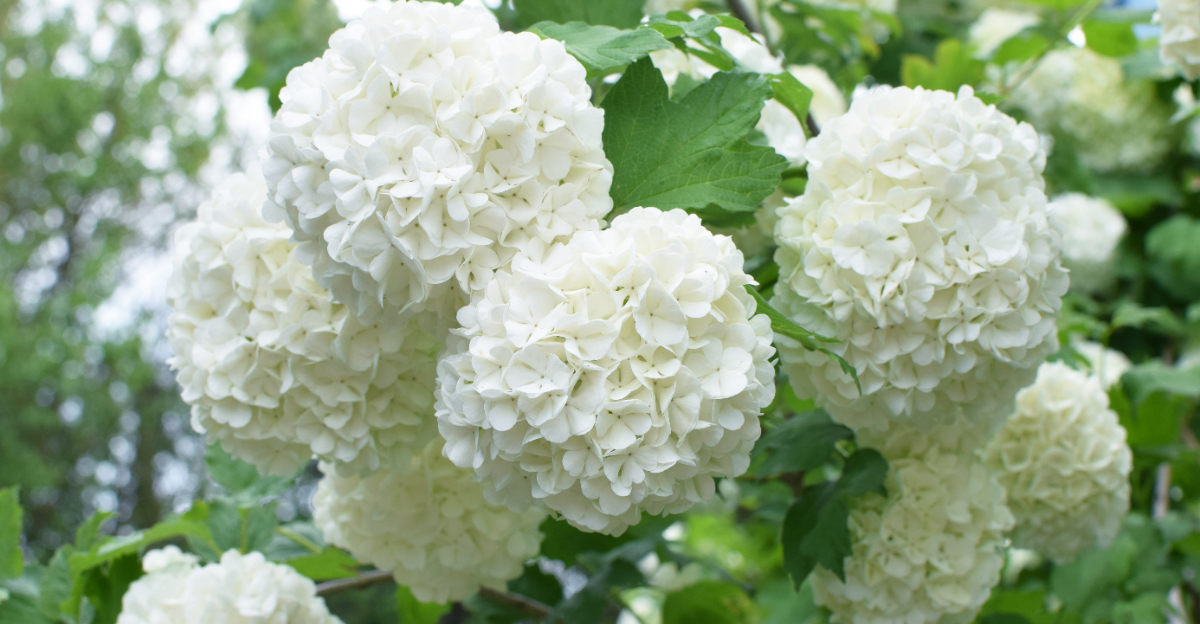
There is something quietly spectacular about a viburnum in full bloom. The clusters of small, fragrant flowers appear in early to mid-spring, often before most other shrubs have fully woken up.
In Oregon, viburnums are prized for their multi-season interest, offering flowers in spring, berries in fall, and colorful foliage as temperatures drop.
A light feeding in early spring helps viburnum put on its best show. Use a balanced slow-release fertilizer and apply it just as new growth begins to emerge.
The plant will use those nutrients to support both flowering and the development of healthy new stems and leaves.
Viburnums are generally low-maintenance, but they do appreciate a little annual attention. Along with feeding, check the base of the plant for any winter damage and clear away dead wood if needed.
Good airflow through the center of the shrub helps prevent fungal issues, which can be a concern in Oregon’s wetter regions.
Most viburnum varieties grow well in Oregon’s climate, from the coast to the interior valleys. Some, like Korean spice viburnum, are especially fragrant and make wonderful additions near patios or walkways where you can enjoy the scent up close.
Consistent care from year to year builds a stronger, more floriferous shrub over time. A little feeding each spring adds up to years of beauty.
9. Evergreen Huckleberry
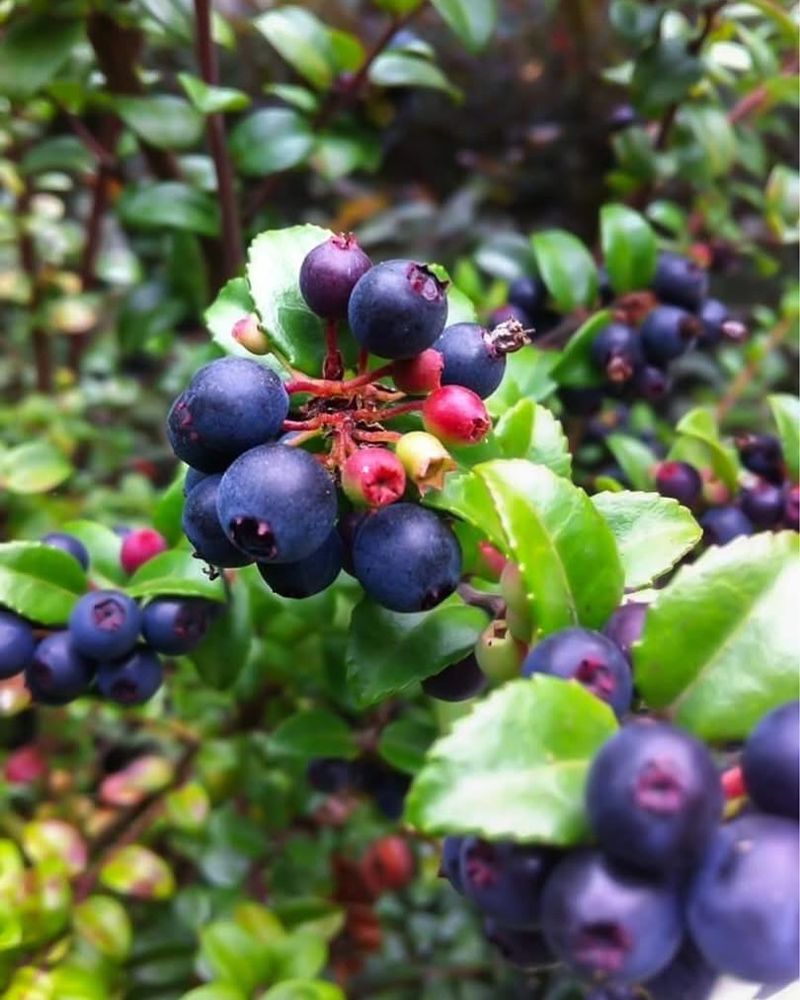
Native to the Pacific Northwest, evergreen huckleberry is a shrub that feels right at home in Oregon.
It grows naturally along the coast and in shaded forest edges, producing small, flavorful berries that wildlife and humans both enjoy. Adding it to your garden means connecting with the natural landscape of the region.
Even though it is a native plant, evergreen huckleberry still benefits from a light early feeding, especially when grown outside its ideal forest habitat.
Use a fertilizer designed for acid-loving plants in early spring, applying a modest amount around the drip line of the shrub.
This plant is a slow grower, so patience is key. But a well-fed evergreen huckleberry develops into a beautiful, dense shrub with glossy leaves that look great year-round. The berries that follow in late summer and fall are a bonus worth waiting for.
In Oregon gardens, evergreen huckleberry works well under the dappled shade of conifers or along the north-facing side of a building. It does not love full sun or dry conditions, so choose its location thoughtfully.
Mulching with wood chips helps retain moisture and mimics the forest floor conditions this plant prefers. Feed lightly, water during dry spells, and let this native beauty settle in. Over time, it becomes one of the most rewarding shrubs in any Oregon garden.