These 10 Oregon Spring Blooms Make Hummingbirds Stick Around
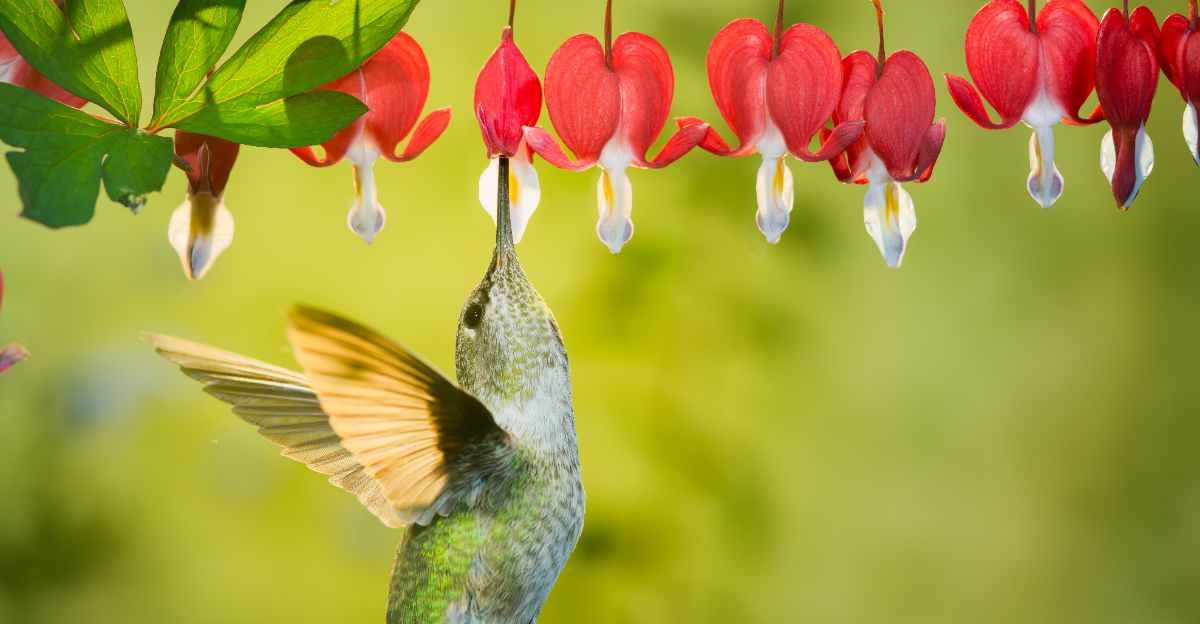
Hummingbirds don’t hang around by accident. They stay where the flowers keep coming.
In Oregon, spring is the moment when these tiny flyers start searching for reliable nectar sources, and the right blooms can turn your garden into a daily stop on their route.
Bright colors, tubular shapes, and long bloom times make certain plants impossible for hummingbirds to ignore.
Add a few of these to your yard and you’ll start seeing more hovering, darting, and midair feeding right outside your window. Even small gardens and containers can make a big impact.
These spring bloomers don’t just look beautiful. They create a steady food supply that keeps hummingbirds returning again and again.
Get ready to meet the plants that transform ordinary Oregon gardens into buzzing, fluttering hummingbird hangouts.
1. Red Flowering Currant
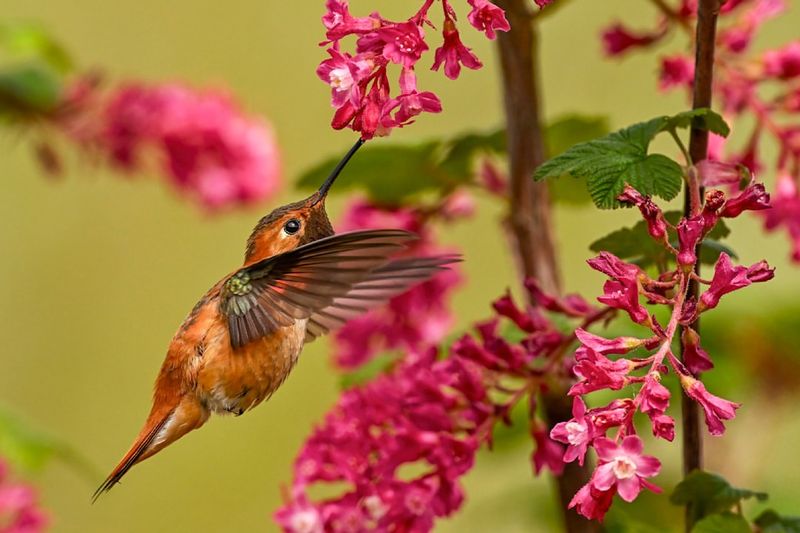
Bright pink to deep red flowers dangle like tiny bells from the branches of this Oregon native shrub. Red flowering currant blooms early in spring, often appearing in March when hummingbirds first arrive back in the state.
The tubular shape of each flower fits perfectly with a hummingbird’s long beak and tongue.
This shrub grows well throughout Oregon, from coastal areas to mountain foothills. It can reach six to ten feet tall and wide, making it an excellent backdrop plant for gardens.
The flowers appear before many other spring blooms, giving hungry hummingbirds an early food source when they need it most.
Gardeners love how easy this plant is to grow in Oregon’s climate. It tolerates both sun and partial shade, and once established, it handles dry summer conditions without much extra water.
The berries that follow the flowers also attract other wildlife to your yard.
Native Americans traditionally used various parts of this plant for food and medicine. Today, it remains one of the best choices for attracting hummingbirds to Oregon gardens.
Plant it near windows where you can watch the birds feed up close.
2. Salmonberry
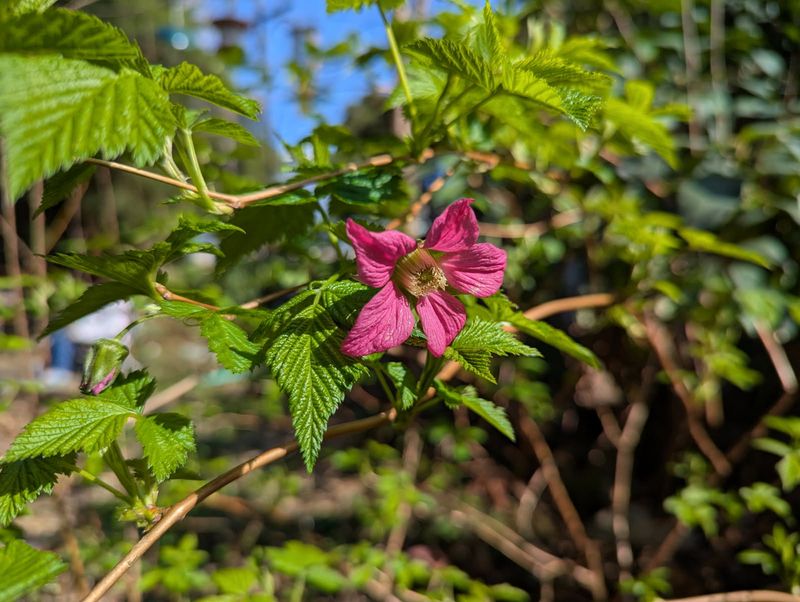
Magenta-pink flowers burst open on salmonberry bushes throughout Oregon’s wetland areas and stream banks. Each bloom looks like a wild rose, with five petals surrounding a cluster of yellow stamens in the center.
Hummingbirds visit these flowers repeatedly throughout the day, hovering to sip nectar while their wings blur with motion.
Salmonberry thrives in moist, shady spots where many other plants struggle. Along Oregon’s coast and in forested valleys, you’ll find these shrubs growing naturally beside creeks and in damp woodlands.
The plants can spread to form dense thickets, providing cover for small birds and other wildlife.
Orange to red berries appear later in spring, giving the plant its common name. These berries look similar to raspberries but have a unique, mild flavor.
Both people and birds enjoy eating them fresh off the bush.
If your Oregon property has a wet area that’s hard to landscape, salmonberry offers an excellent solution. The plants help prevent erosion while creating beautiful habitat.
Hummingbirds appreciate having this reliable nectar source in shadier garden spots where sun-loving flowers won’t grow as well.
3. Oregon Grape
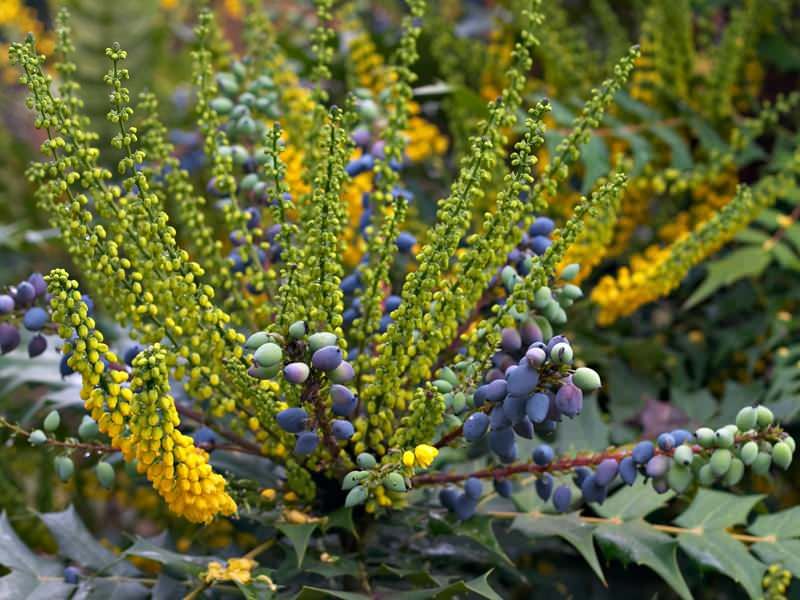
Clusters of cheerful yellow flowers stand out against the dark, glossy leaves of Oregon grape in early spring. This state flower of Oregon produces sweet-scented blooms that attract hummingbirds along with bees and other pollinators.
The holly-like leaves stay green year-round, making this plant attractive even when not flowering.
Two main types grow throughout Oregon: tall Oregon grape, which can reach six feet high, and low Oregon grape, which stays under two feet. Both varieties produce the same bright yellow flower clusters.
Hummingbirds don’t show much preference between the two, visiting whichever is blooming nearby.
Oregon grape grows naturally in forests throughout the state, from sea level to mountain elevations. It handles shade extremely well, making it perfect for planting under trees where grass struggles.
The plants also tolerate drought once their roots establish, requiring minimal care in Oregon landscapes.
Dark blue berries develop after flowering, though they’re quite tart for human taste. Native peoples used these berries for food and made yellow dye from the roots.
Modern gardeners value Oregon grape as a low-maintenance evergreen that supports hummingbirds and other wildlife while looking attractive in all seasons.
4. Columbine (Western Red Columbine)
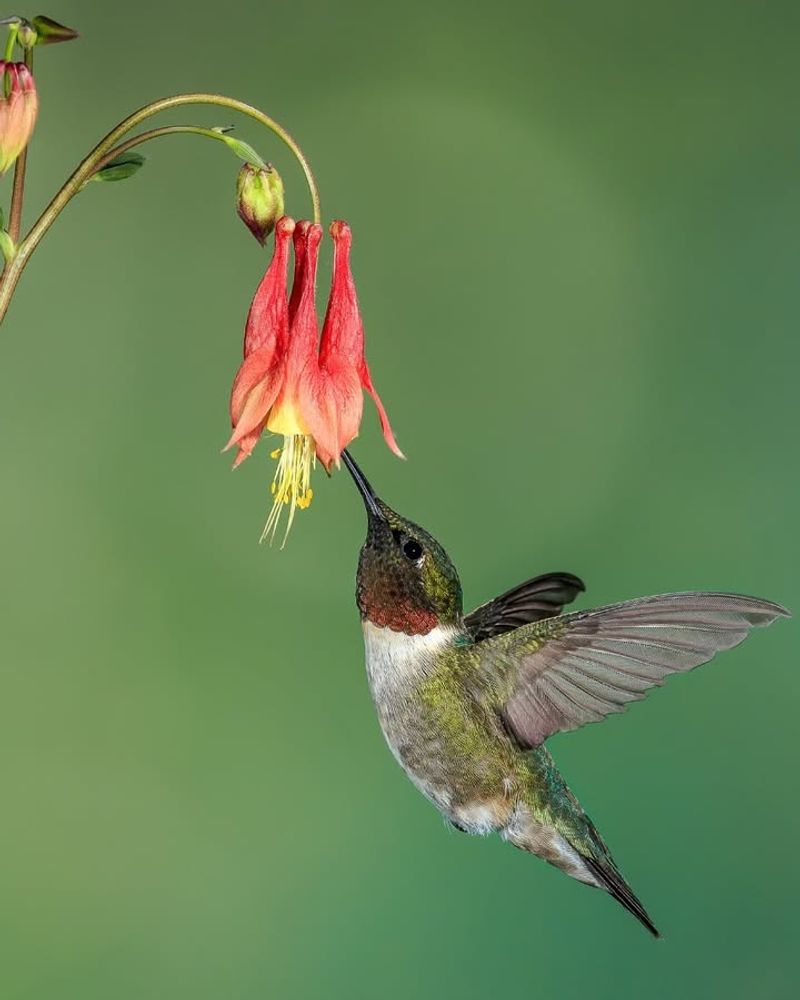
Nodding red and yellow flowers dance on thin stems when western red columbine blooms across Oregon. Each flower has five red petals that extend backward into long spurs filled with nectar.
Yellow inner petals surround the center, creating a two-tone effect that catches the eye of passing hummingbirds.
The unique shape of columbine flowers evolved specifically for hummingbird pollination. The long spurs keep the nectar out of reach for most insects, but hummingbirds can easily access it with their specialized beaks.
Watching a hummingbird work these flowers is like seeing a lock and key fit together perfectly.
Western red columbine grows wild in Oregon’s forests and rocky areas, especially in the Cascade Mountains. It prefers partial shade and moist soil, though established plants handle some dryness.
The delicate-looking foliage resembles maidenhair fern, adding texture to shady garden spots even when the plant isn’t blooming.
This perennial comes back year after year, gradually forming larger clumps. It blooms from late spring into early summer, extending the nectar season for Oregon hummingbirds.
Gardeners find it easy to grow from seed, and plants often self-sow to create natural-looking drifts of color in woodland gardens.
5. Manzanita
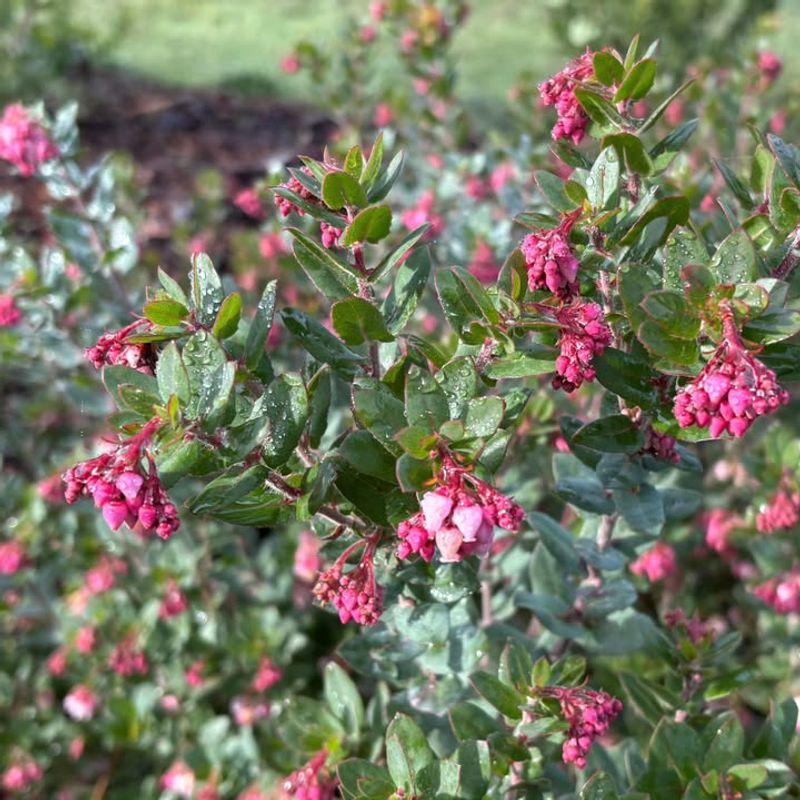
Small pink or white bells hang in clusters from the twisted branches of manzanita shrubs. These urn-shaped flowers appear in late winter to early spring, providing one of the first nectar sources for Oregon hummingbirds.
The smooth, red-brown bark peels in thin sheets, creating year-round visual interest in the garden.
Several manzanita species grow naturally in southern and central Oregon, particularly in drier regions. These evergreen shrubs have adapted to survive hot, dry summers with minimal water.
The thick, waxy leaves reduce water loss, allowing the plants to thrive where other flowering shrubs might struggle.
Hummingbirds visit manzanita flowers constantly during the bloom period. The small size and shape of the flowers work perfectly for these tiny birds.
Watching multiple hummingbirds compete for access to a blooming manzanita creates quite a show in early spring.
Once established, manzanita needs almost no supplemental water in Oregon gardens. It grows slowly but steadily, eventually forming a sculptural shrub with distinctive architecture.
The plants work well in rock gardens, on slopes, and in areas where you want a low-water landscape that still supports wildlife throughout the year.
6. Indian Plum (Osoberry)
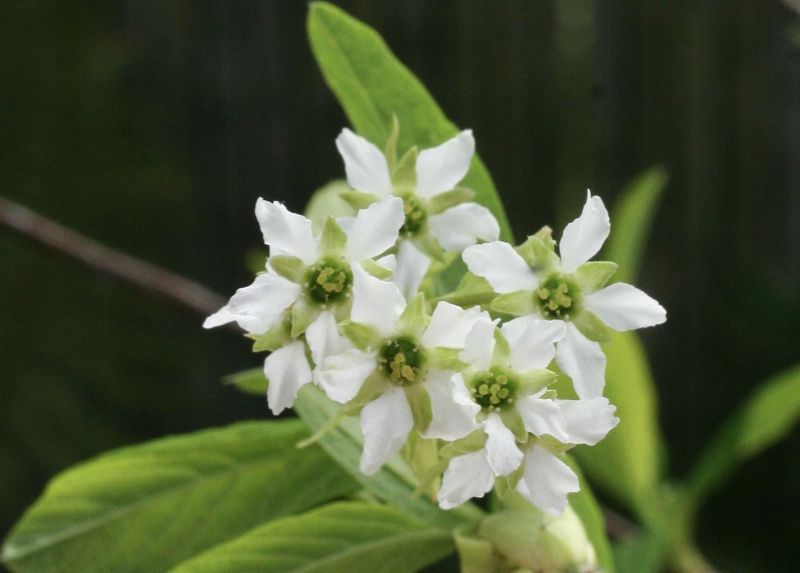
White flower clusters appear on bare branches when Indian plum blooms in February or March across Oregon. This native shrub leafs out and flowers earlier than almost any other woody plant in the Pacific Northwest.
The small, bell-shaped white flowers hang in graceful clusters, swaying gently in spring breezes.
Hummingbirds returning to Oregon in early spring depend on these early bloomers for survival. Indian plum provides crucial nectar when few other flowers are available.
The plant grows naturally along streams and in moist woodlands throughout western Oregon, often forming dense thickets in shady spots.
After flowering, oval leaves emerge with a distinctive cucumber-like scent when crushed. Small purple fruits develop by early summer, giving the plant its common name.
Birds and small mammals eat these fruits, though they taste quite bitter to most people.
Gardeners who want to support hummingbirds should consider planting Indian plum in moist, shady areas. The shrubs can reach fifteen feet tall but tolerate pruning to keep them smaller.
They spread slowly by underground runners, making them useful for naturalizing in woodland gardens where you want to create habitat for Oregon wildlife.
7. Bleeding Heart
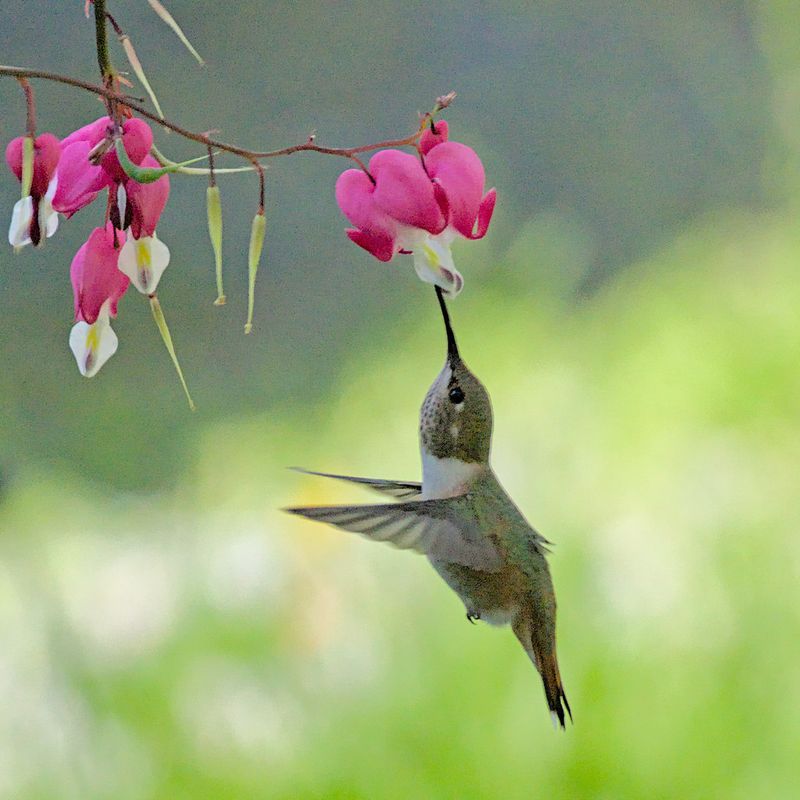
Heart-shaped pink flowers dangle from arching stems like tiny lockets on a chain. Pacific bleeding heart grows wild in Oregon’s moist forests, creating drifts of soft pink color in shady spots.
Each flower has an outer heart shape with a white inner petal that looks like a drop of liquid hanging from the heart’s point.
While many gardeners know the Asian bleeding heart varieties sold at nurseries, Oregon’s native Pacific bleeding heart offers similar beauty with better local adaptation. It blooms in spring, providing nectar for hummingbirds in woodland areas.
The fern-like foliage looks delicate but the plants are quite tough once established.
This perennial prefers shade and consistent moisture, making it perfect for Oregon gardens with damp, shady corners. It pairs beautifully with ferns, hostas, and other shade-loving plants.
The foliage often goes dormant by midsummer, so plant it with companions that will fill in the space later in the season.
Hummingbirds appreciate the horizontal orientation of bleeding heart flowers, which makes hovering and feeding easier. The plants spread slowly to form clumps, and established plants can be divided to create more.
Oregon gardeners find this native easier to grow than imported varieties, as it’s already adapted to our climate and soil conditions.
8. Honeysuckle (Native Trumpet Honeysuckle)
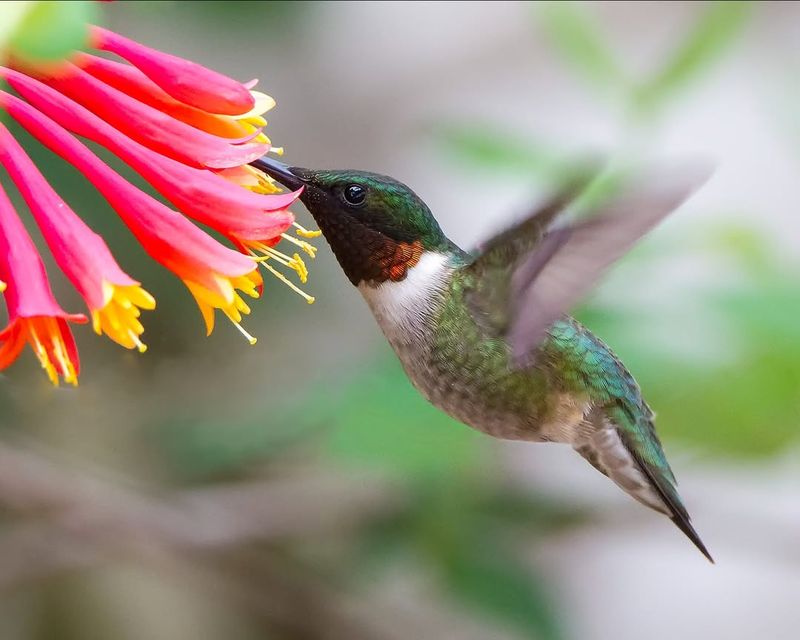
Tubular orange-red flowers cluster at the tips of twining vines when trumpet honeysuckle blooms throughout Oregon. Each flower is perfectly shaped for hummingbird feeding, with a long tube that keeps the nectar accessible only to birds with long beaks and tongues.
Unlike invasive honeysuckle species, native trumpet honeysuckle provides excellent wildlife value without becoming weedy.
This deciduous vine climbs by twining around supports, making it perfect for trellises, fences, and arbors. It can reach fifteen to twenty feet long, creating vertical interest in Oregon gardens.
The blue-green leaves often have a whitish coating underneath, and the new growth shows attractive reddish tints.
Hummingbirds visit trumpet honeysuckle repeatedly throughout the day during its long bloom period. The flowers appear in late spring and often continue sporadically through summer.
This extended blooming season makes it especially valuable for keeping hummingbirds around your Oregon property for months.
Orange-red berries follow the flowers, providing food for songbirds later in the season. The plant grows well in sun to partial shade and tolerates a range of soil conditions once established.
Gardeners should avoid planting non-native honeysuckle species that can escape cultivation and crowd out Oregon’s native plants in natural areas.
9. Penstemon
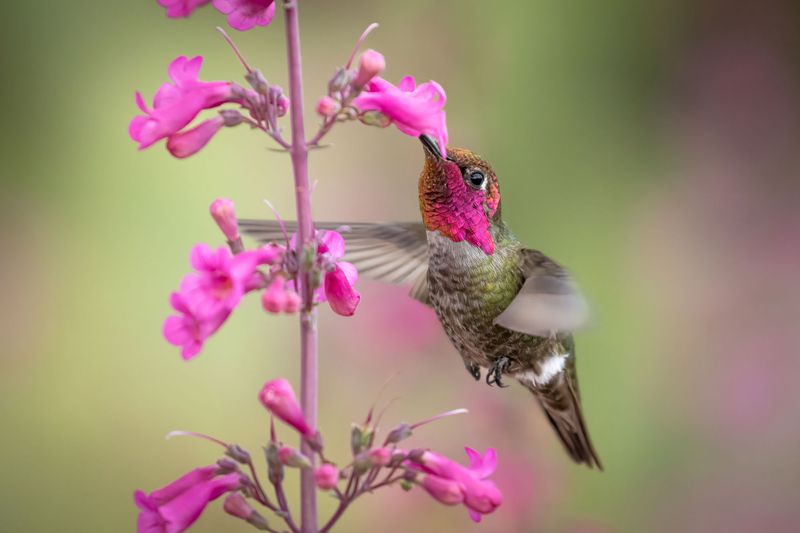
Spikes of tubular flowers in shades of blue, purple, pink, or red rise above the foliage when penstemon blooms. Oregon has numerous native penstemon species, each adapted to different regions and conditions across the state.
The flowers have two lips that create a landing platform for bees, but hummingbirds prefer to hover while feeding.
Different penstemon species bloom from late spring through summer, providing nectar over an extended season. Some prefer dry, rocky areas while others grow in mountain meadows or forest edges.
This diversity means Oregon gardeners can find a penstemon species suited to almost any sunny garden spot.
The tubular flower shape makes these plants especially attractive to hummingbirds. As the birds push their beaks deep into the flowers for nectar, pollen dusts their heads and gets transferred to the next flower they visit.
This pollination relationship has developed over thousands of years in Oregon’s ecosystems.
Most penstemon species need excellent drainage and full sun to thrive. They handle drought well once established, making them perfect for low-water gardens.
The plants form clumps of attractive foliage that looks good even when not in bloom, and many species have evergreen or semi-evergreen leaves that provide winter interest in Oregon landscapes.
10. Lupine
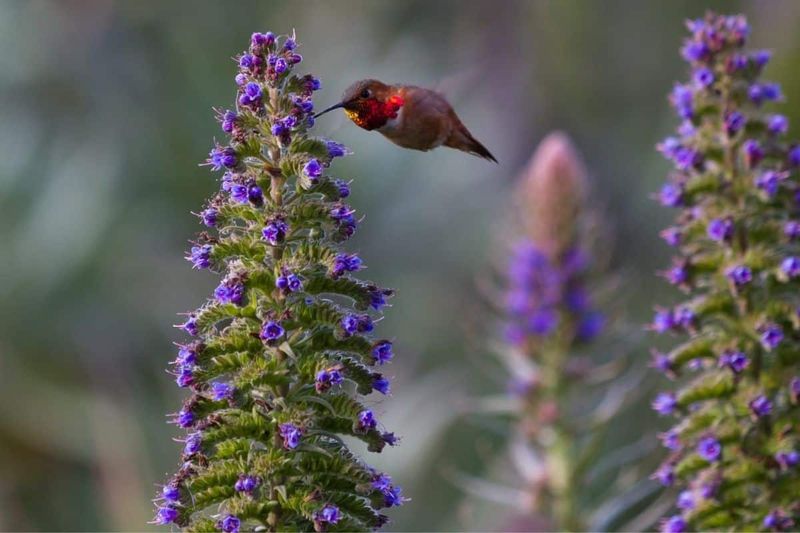
Tall spikes of pea-like flowers in purple, blue, pink, or yellow create dramatic vertical accents when lupines bloom across Oregon. Each flower spike can hold dozens of individual blossoms arranged in a spiral pattern up the stem.
The distinctive palm-shaped leaves grow in a rosette at the base, with smaller leaves along the flowering stems.
Several lupine species grow naturally throughout Oregon, from coastal dunes to mountain meadows. Hummingbirds visit lupine flowers regularly, though bees are often the primary pollinators.
The birds seem especially attracted to pink and red lupine varieties, hovering beside the flower spikes to reach the nectar inside each bloom.
Lupines have a special relationship with soil bacteria that allows them to capture nitrogen from the air and convert it into a form plants can use. This makes them excellent for improving poor soils.
Oregon gardeners often plant lupines in new gardens or disturbed areas to help build soil fertility naturally.
The plants bloom in late spring to early summer, creating stunning displays in sunny meadows and gardens. They prefer well-drained soil and full sun, though some species tolerate partial shade.
Once established, lupines often self-sow, creating larger displays over time that attract more hummingbirds and other pollinators to your Oregon landscape.