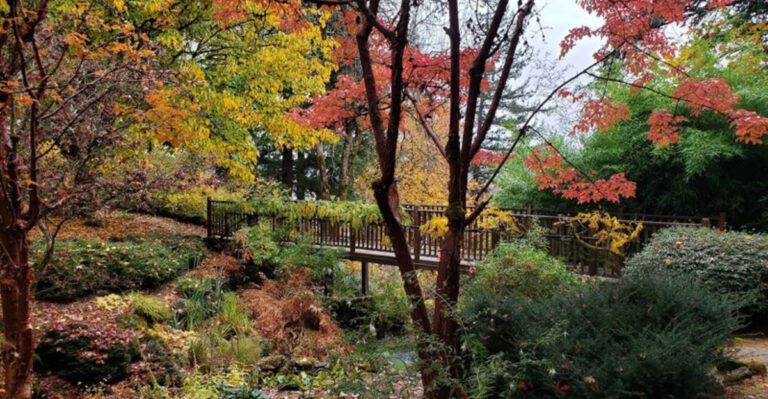
These Outdoor Potted Plants Keep Their Color Through Oregon Spring Weather
Spring in Oregon is basically a high-stakes game of weather roulette. One minute you are basking in a glorious sunbreak, and the next you are dodging a literal wall of hail while the wind tries to turn your patio umbrella into a kite.
It is a tough environment for a delicate flower, and many gardeners end up with a graveyard of soggy, faded petals by mid-April.
If you are tired of your porch looking like a gloomy disaster every time a cold front rolls through, you need greenery that can actually handle the drama.
Finding the right balance means picking species that laugh at a frost warning and keep their vibrant hues through a week of solid gray skies. Forget those finicky beauties that wilt at the first sign of a breeze.
We are looking at the heavy-duty performers that bring instant curb appeal to your doorstep. You can have a porch that looks like a professional botanical display without constantly dragging heavy pots into the garage.
1. Heucheras
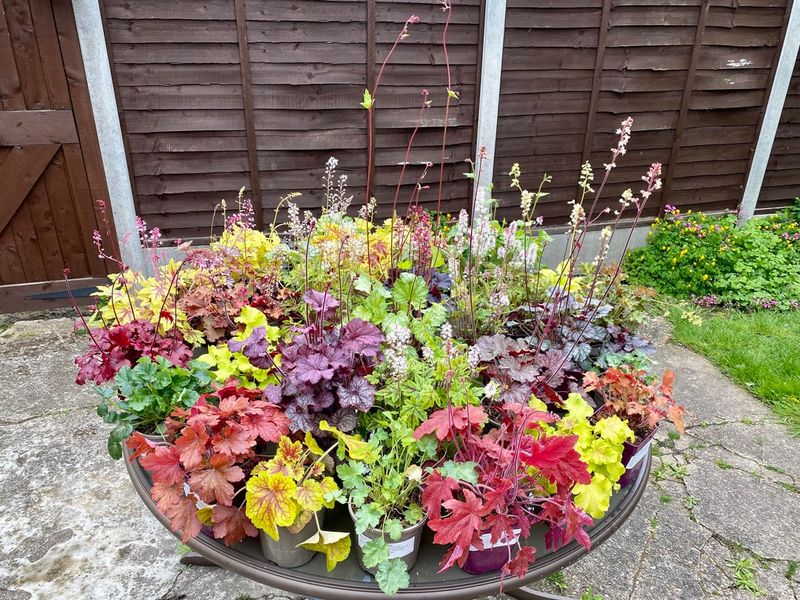
Not every great container plant needs flowers to turn heads. Heucheras, also known as coral bells, prove that bold foliage can be just as eye-catching as any bloom.
Their leaves come in an almost unbelievable range of colors, including deep burgundy, bright lime green, warm caramel, and silvery purple. They add drama to any pot.
Oregon’s cool, moist spring climate suits heucheras very well. They prefer partial shade, which makes them ideal for covered patios, north-facing porches, or spots under trees.
While they do produce delicate little flower spikes in spring and early summer, the foliage is really the main attraction. The colors tend to look even richer after a bit of rain, which Oregon certainly provides.
Plant heucheras in a well-draining potting mix that holds some moisture. Avoid letting the soil dry out completely, but also make sure your containers drain well.
In the Willamette Valley and along the Oregon coast, they thrive with very little fuss. Pair them with flowering plants like violas or primroses for a stunning contrast of texture and color.
Heucheras are long-lived and come back year after year, making them an excellent investment for your container garden.
2. Pansies
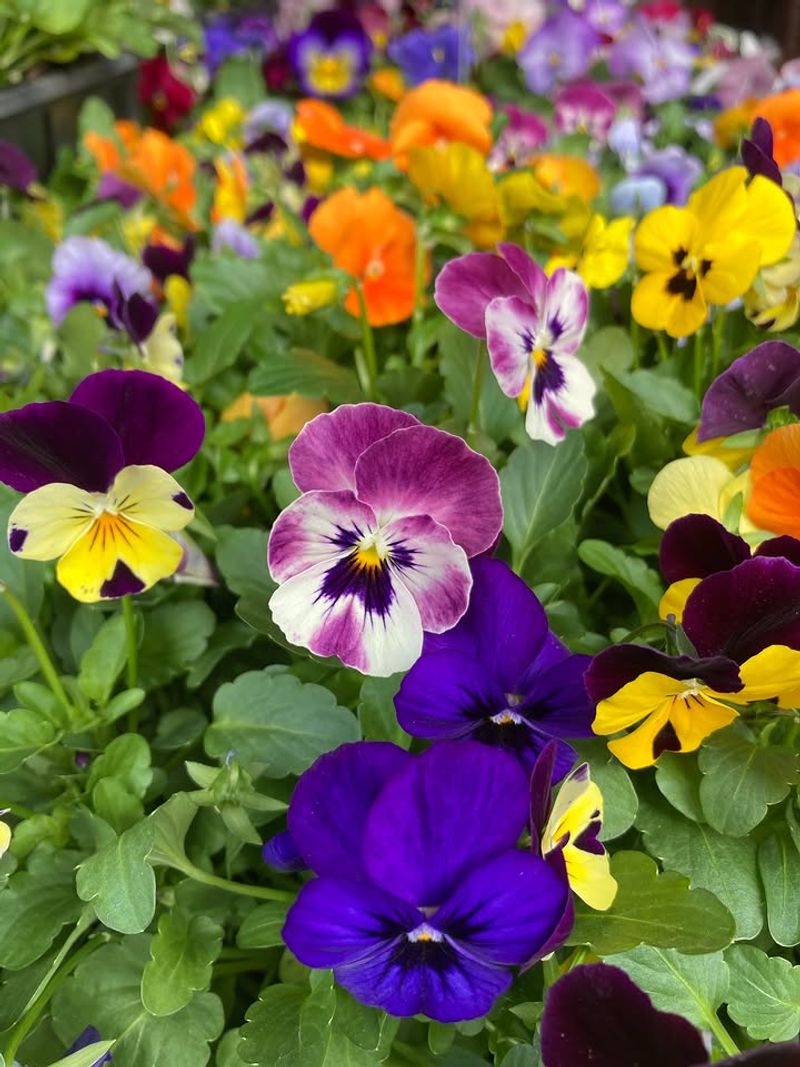
Few plants bring as much cheerful energy to a cold morning as pansies do. These little flowers are practically made for Oregon’s unpredictable spring weather.
They love cool temperatures and can even bounce back after a light frost, which makes them one of the most dependable choices for early spring containers in the Pacific Northwest.
Pansies come in a huge range of colors, from deep purple and bright yellow to soft lavender and bold orange. You can mix and match shades in a single pot for a fun, eye-catching display.
They work especially well in window boxes and hanging baskets, too.
Plant them in well-draining potting mix and place your containers in a spot that gets at least four to six hours of sunlight. In western Oregon, where rain is frequent, make sure your pots have drainage holes so the roots do not sit in standing water.
Deadhead spent blooms regularly to encourage more flowers. With a little care, pansies will keep your outdoor space looking vibrant from late winter all the way through late spring, giving you weeks of reliable, cheerful color.
3. Heather
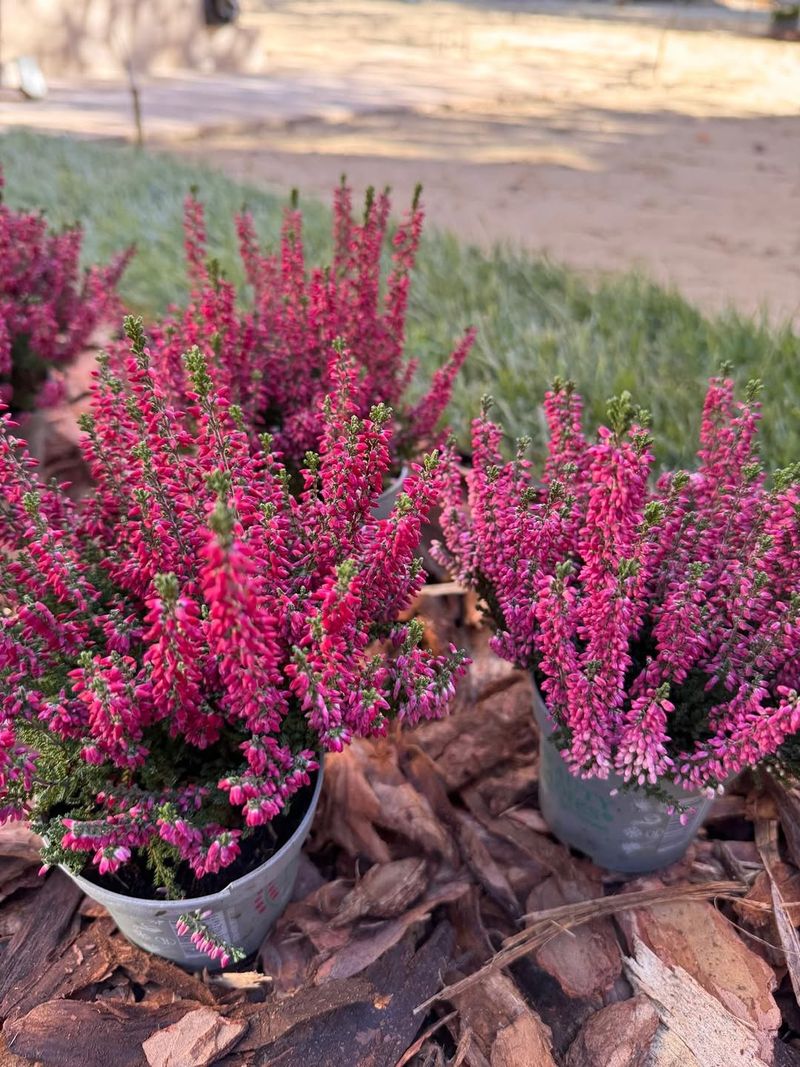
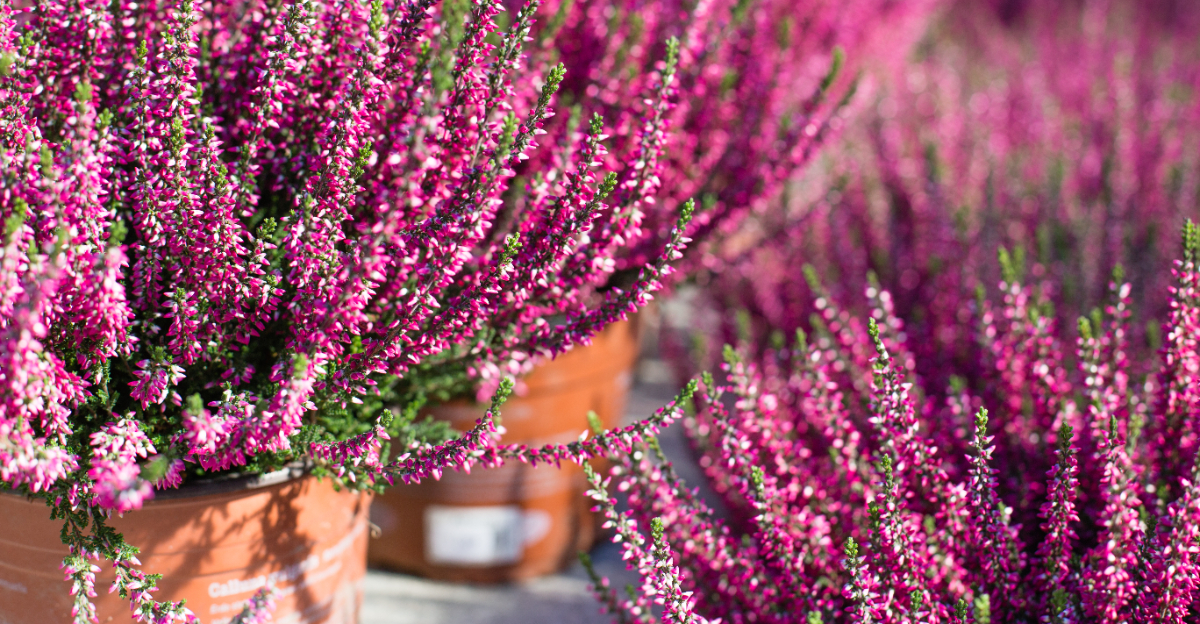
Heather has a rugged, romantic quality that feels perfectly at home in the Pacific Northwest. Its tiny, densely packed flowers cover the plant in shades of pink, purple, white, and red, creating a soft, cloud-like effect that is genuinely beautiful.
And because heather is evergreen, it looks good even when it is not in full bloom.
Oregon’s cool, moist springs are almost ideal for heather. It originally comes from the moorlands of Scotland and Ireland, where the weather is similarly wet and unpredictable.
So when Oregon delivers gray skies and drizzle, heather barely notices. It just keeps growing and blooming without complaint.
That kind of resilience is exactly what you want in a container plant.
Heather needs acidic, well-draining soil to thrive. Use a potting mix designed for acid-loving plants, or blend in some peat moss.
Place your containers in a spot that gets full sun for the best flowering, though it can tolerate light shade. Avoid overwatering, as heather does not like soggy roots.
In the rainy western Oregon climate, containers with excellent drainage are a must. Trim lightly after blooming to keep the plant compact and encourage fresh growth for the following season.
4. Hebe
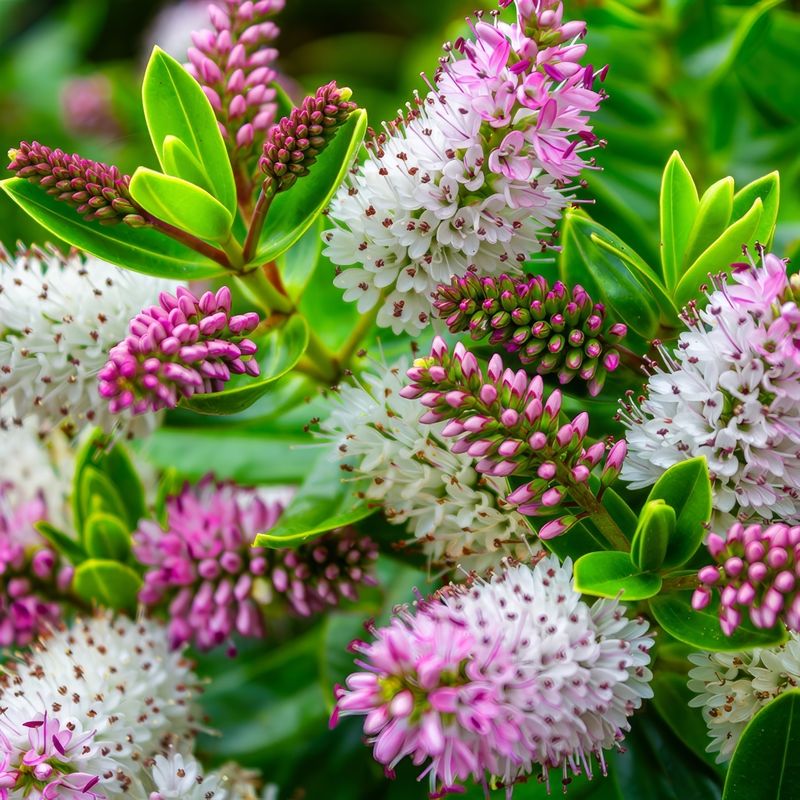
This is a plant that does not always get the recognition it deserves, but gardeners in the Pacific Northwest who discover it tend to become instant fans. This compact, evergreen shrub produces glossy leaves and pretty flower spikes in shades of purple, pink, and white.
It looks polished and tidy in a container, which makes it a great choice for front porches and entryways.
Native to New Zealand, hebe is well-adapted to cool, maritime climates, which means Oregon is practically a home away from home for this plant. It handles rain, wind, and mild frost with ease.
Along the Oregon coast, where salt air and persistent moisture challenge many plants, hebe holds up beautifully. In the Willamette Valley, it thrives through the long, wet spring season without skipping a beat.
Plant hebe in well-draining potting mix and choose a spot that gets full sun to partial shade. Water it regularly during dry stretches, but make sure the container drains freely.
Hebe does not need a lot of fertilizer, but a light feeding in early spring will encourage fresh growth and more flowers. Prune lightly after flowering to maintain its neat shape.
It is a reliable, attractive plant that earns its place in any Oregon spring container garden.
5. Tassel Fern
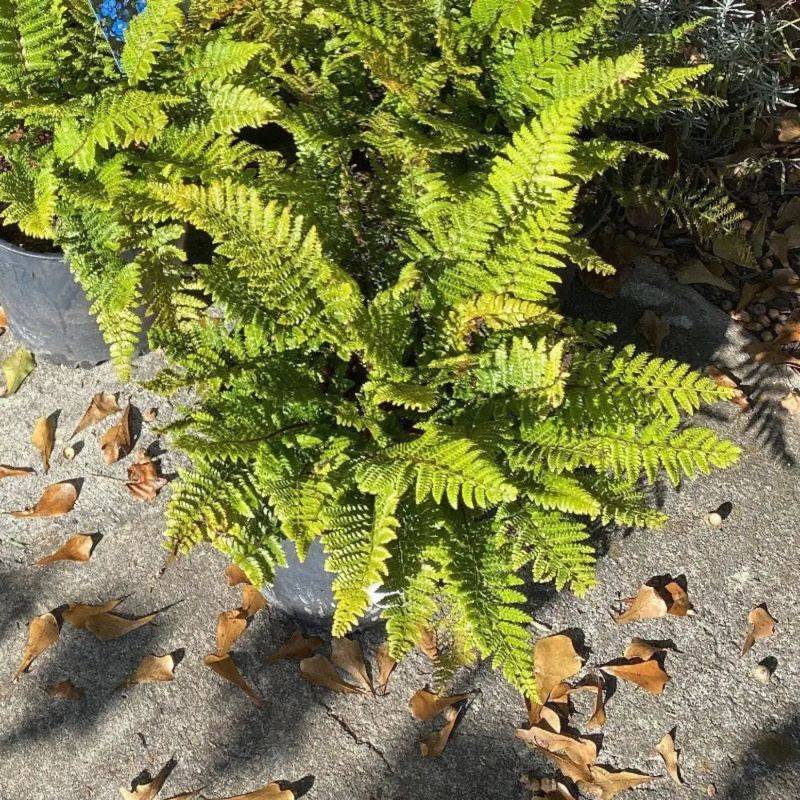
If you have a shady corner of your porch or patio that feels dull and lifeless, the tassel fern might be exactly what you need. With its rich, dark green fronds and graceful arching shape, this plant brings a lush, forest-like feel to any container.
It looks like something you might find growing wild along a misty Oregon trail.
Tassel ferns are evergreen and incredibly tough. They handle Oregon’s cool, wet spring conditions like champions, staying green and full even during the rainiest weeks of the season.
Unlike some ferns that look beaten up by wind and rain, the tassel fern keeps its elegant appearance all season long. That makes it a fantastic anchor plant for mixed containers or a striking solo specimen in a tall pot.
Plant tassel ferns in rich, moisture-retaining potting mix and place them in deep to partial shade. They do not like direct afternoon sun, which can scorch their fronds.
Keep the soil consistently moist but never waterlogged. In Oregon’s wet spring climate, you may need to water less than you think.
Feed with a balanced fertilizer in early spring to support healthy new growth. Pair them with heucheras or hellebores for a stunning, shade-loving container combination that looks incredible all spring long.
6. Violas
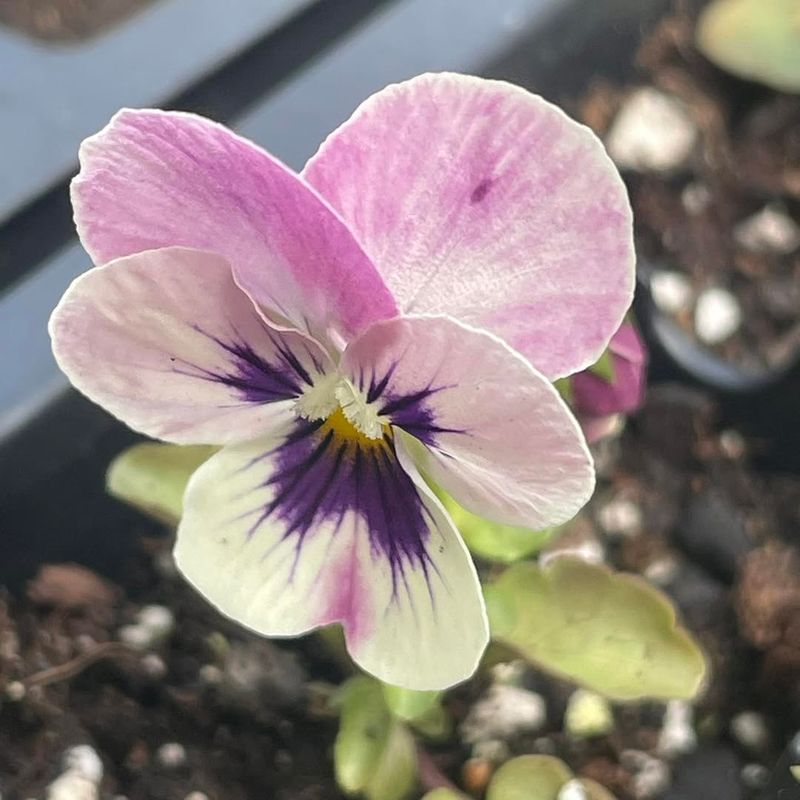
If pansies are the bold cousins of the flower world, violas are the charming, low-key relatives that quietly steal the show. They are smaller than pansies but just as tough, and they actually tend to bloom even more freely.
In Oregon’s cool spring climate, violas are absolute troopers.
One thing that makes violas special is their ability to self-seed. If you let a few spent flowers go to seed, you might find sweet little violas popping up in nearby pots next season.
That is a fun bonus for any gardener who loves surprises. They also tolerate light frost without complaint, which is a big deal in a state where spring temperatures can dip unexpectedly.
Violas do best in containers with rich, moist, well-draining soil. Place them where they get morning sun and some afternoon shade, especially during warmer spring days.
Along the Oregon coast, where conditions stay cool and misty, violas practically thrive on their own. Water them consistently but avoid soaking the soil.
A slow-release fertilizer at planting time will keep them blooming strong. These tiny flowers pack a lot of personality into a small pot.
7. Ornamental Kale
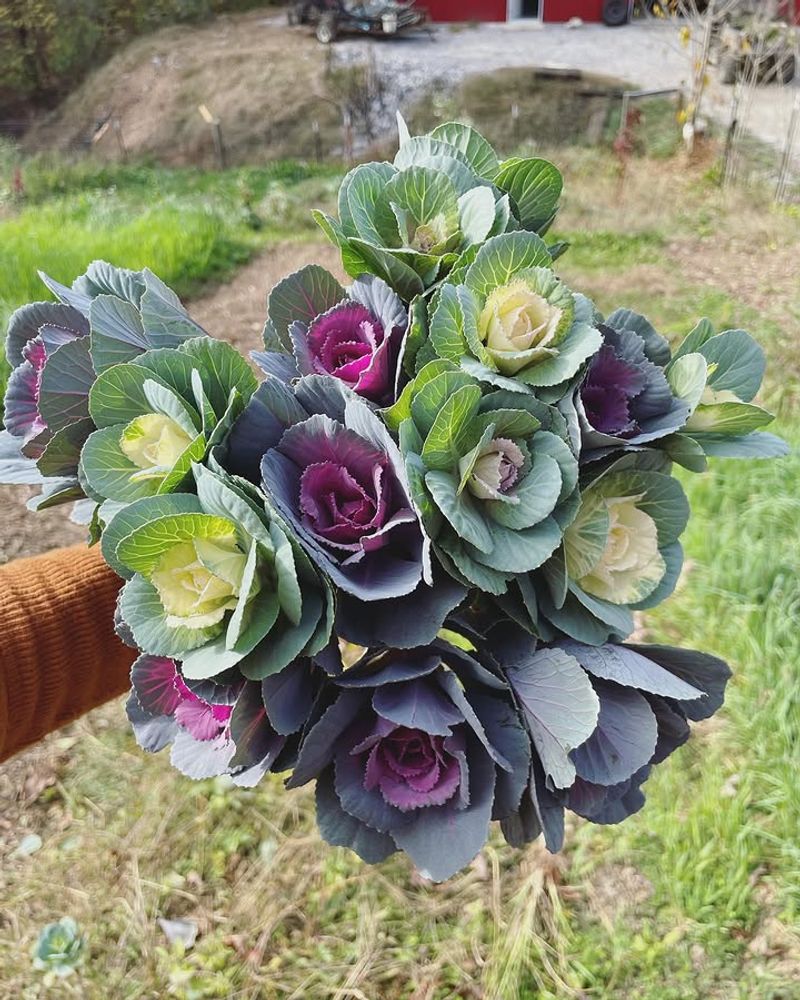
There is something almost sculptural about ornamental kale. Its tightly ruffled leaves form a rosette shape that looks almost too perfect to be real.
The colors, ranging from creamy white and soft pink to deep purple and blue-green, become even more vivid when temperatures drop. That makes it a surprisingly stunning choice for Oregon’s chilly spring mornings.
Ornamental kale is a cool-season plant through and through. It actually looks its best when the weather is cold and damp, which means it fits right into an Oregon spring without missing a beat.
While it is not typically grown for its flavor, it is technically edible, which is a fun conversation starter when guests notice it on your porch.
Plant ornamental kale in large containers with well-draining potting soil. It needs at least six hours of sunlight to develop its best color, so choose a sunny spot on your patio or deck.
Water regularly but do not let the roots sit in soggy soil. In eastern Oregon, where springs can be drier, check soil moisture more frequently.
Pair it with trailing plants like violas or ivy to soften the edges of your containers and create a layered, professional-looking display.
8. Hellebores
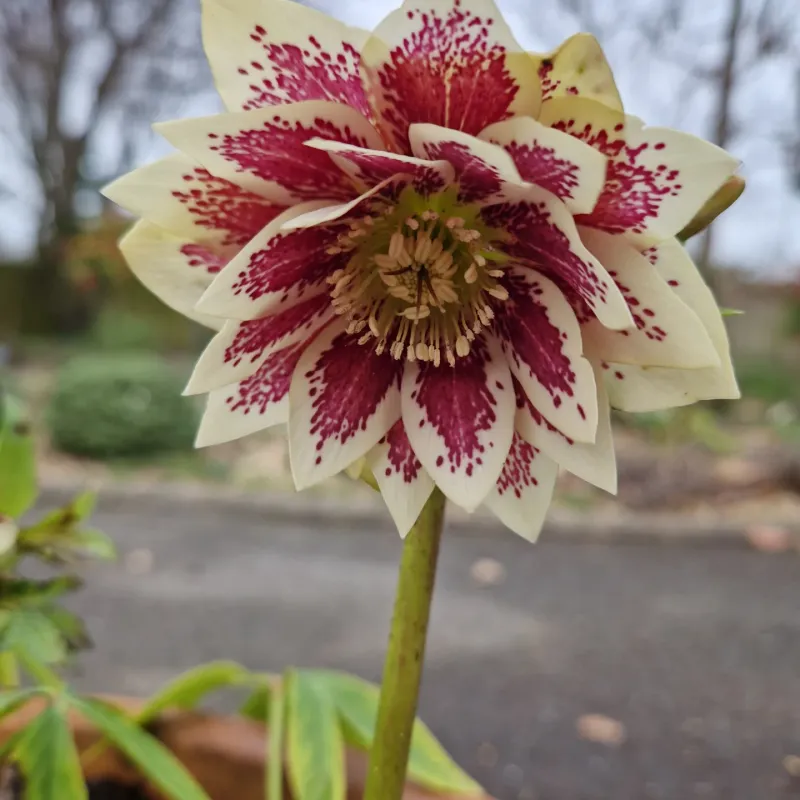
Long before most other plants even think about waking up, hellebores are already showing off their elegant, nodding blooms. Sometimes called the Lenten Rose, this plant starts flowering in late winter and keeps going well into spring.
For Oregon gardeners, that kind of early-season color is incredibly valuable.
Hellebores have a quiet, sophisticated beauty. Their flowers hang downward like little bells, in shades of creamy white, blush pink, deep plum, and nearly black.
The blooms last for weeks, and even after the petals drop, the seed pods add interesting texture to your containers. The leathery, dark green leaves stay attractive year-round.
What makes hellebores especially great for Oregon is their love of shade and moisture. They are perfectly at home under a covered porch or in a shaded corner of your patio where other plants might struggle.
Plant them in rich, well-draining potting mix and water them regularly during dry spells. They are slow to establish but incredibly rewarding once they settle in.
If you want a plant that feels both mysterious and refined, hellebores are a wonderful choice for your spring container garden anywhere in Oregon.
9. Primroses
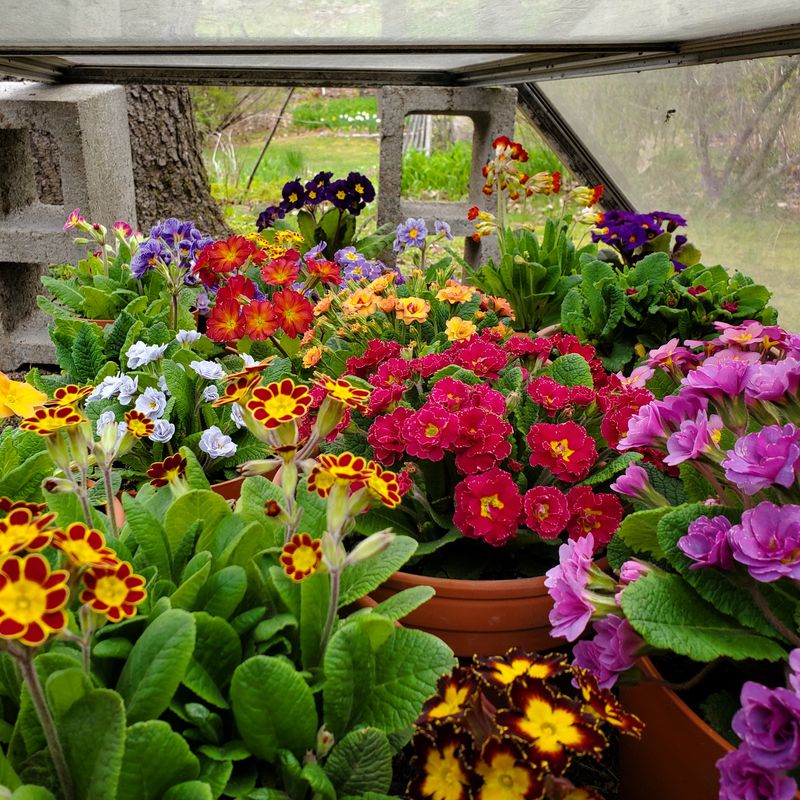
Walk through any Oregon garden center in early spring and you will spot primroses immediately. Their bold, jewel-bright flowers practically leap off the shelves.
Primroses are one of the most cheerful signs that spring has arrived, and they thrive in exactly the kind of cool, damp conditions that Oregon delivers in abundance.
These plants love moisture and partial shade, which makes them a natural fit for the Pacific Northwest. You can find them in nearly every color imaginable, including rich red, sunny yellow, soft pink, and vivid purple.
Many varieties even have contrasting centers, which adds an extra layer of visual interest to your pots.
Primroses prefer consistent watering but hate having wet roots, so always use containers with good drainage. A shaded porch or a spot that gets filtered morning light is ideal.
If temperatures warm up quickly in your part of Oregon, move your pots to a cooler location to extend the blooming season. Feed them with a balanced liquid fertilizer every couple of weeks for the best results.
Primroses are relatively short-lived as perennials in containers, but their spectacular spring show makes them absolutely worth planting fresh each year.
10. Carex
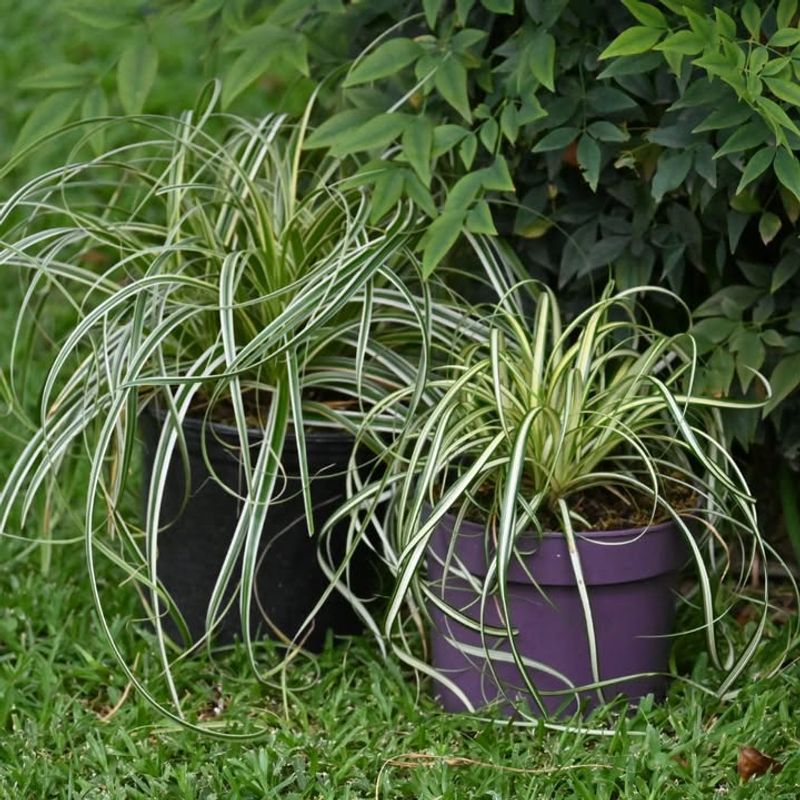
This is one of those plants that garden designers absolutely love but everyday gardeners sometimes overlook.
Also known as sedge, it is a grass-like plant with arching blades that come in colors ranging from warm bronze and golden yellow to bright green and creamy white.
It adds movement and texture to containers in a way that few other plants can match.
What makes carex such a smart choice for Oregon spring containers is its toughness. It handles cool temperatures, rain, and even occasional frost without flinching.
In the Willamette Valley and along the Oregon coast, where conditions stay cool and wet for much of the spring, carex looks absolutely at home. It is also evergreen in mild climates, so it provides color even before other plants wake up.
Carex grows well in partial shade to full sun, depending on the variety. Use a well-draining potting mix and water consistently.
It pairs beautifully with flowering plants like pansies, primroses, or heucheras, acting as a graceful backdrop that makes the blooms pop. Trim away any brown tips in early spring to keep it looking tidy.
Once established in a container, carex is remarkably low-maintenance and long-lasting throughout the Oregon spring season.