These Overlooked Native North Carolina Perennials Outperform Coneflowers In Heat And Humidity
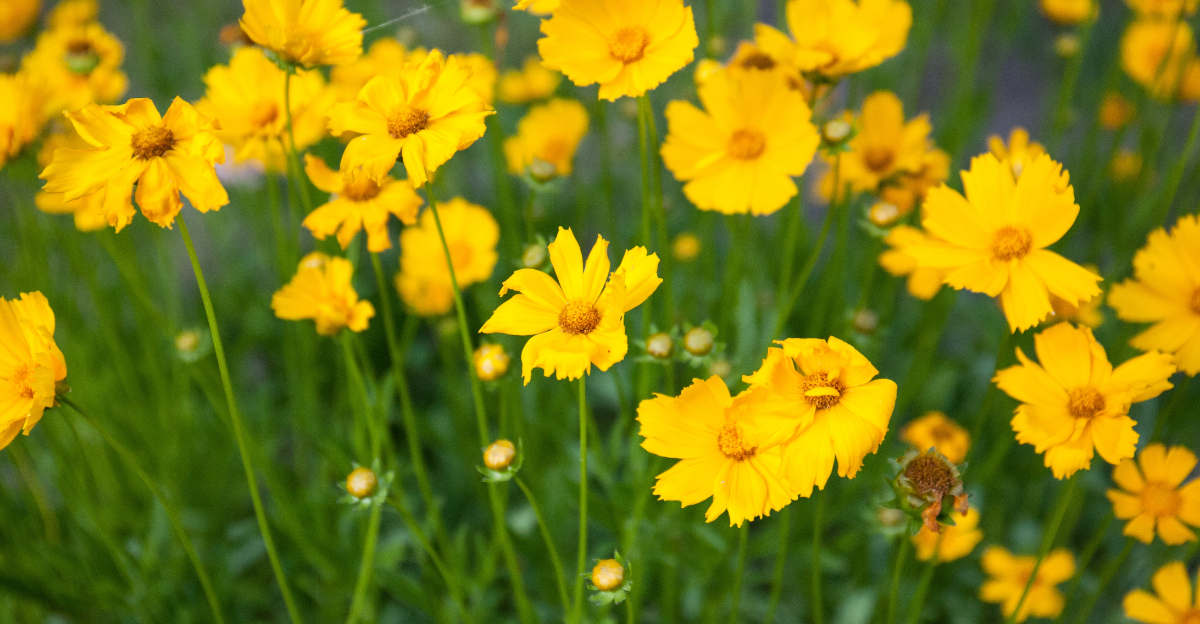
Coneflowers get a lot of attention in North Carolina gardens, but they are not the only perennials that can handle long stretches of heat and sticky summer air. In fact, some overlooked native plants perform even better once the weather turns tough.
These underused perennials are built for local conditions, so they often stay healthier, bloom with less stress, and ask for less care along the way.
While coneflowers can sometimes fade or struggle in certain spots, these native standouts keep pushing through with strong color, texture, and lasting garden value.
Some attract pollinators in huge numbers, while others bring a softer, more natural look that fits beautifully into southern landscapes. If you want plants that can take North Carolina’s summer heat in stride, these hidden gems deserve far more attention.
They may not be as famous as coneflowers, but they can easily outshine them where it matters most.
1. Narrowleaf Mountain Mint (Pycnanthemum tenuifolium)
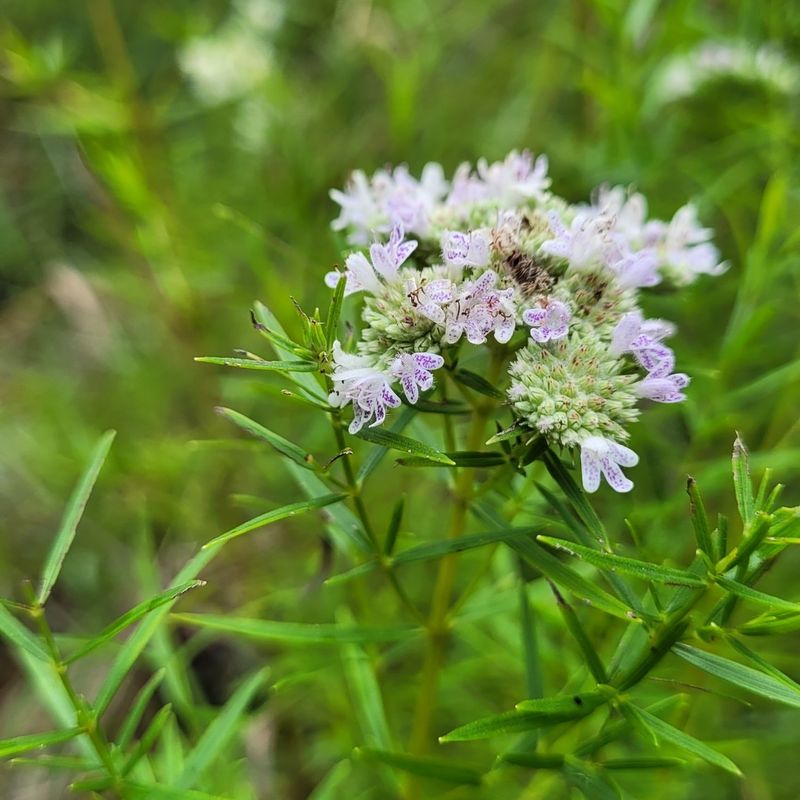
Few plants work as hard through a sweltering North Carolina summer as narrowleaf mountain mint. While other perennials droop and fade in the humidity, this fine-textured beauty just keeps going.
Its tiny white flowers open in dense clusters, and the whole plant carries a refreshing minty scent that floats through the garden on hot afternoons.
Pollinators absolutely swarm this plant. Bees, wasps, beetles, and butterflies all show up in numbers that would make any coneflower jealous.
Studies have shown that mountain mint attracts a wider variety of pollinator species than almost any other native perennial, making it a genuine powerhouse for garden biodiversity right here in North Carolina.
Growing it is surprisingly easy. Plant it in full sun and average, well-drained soil, and it will handle drought and humidity without complaint.
It spreads steadily over time, filling gaps and creating a lush, airy groundcover that looks effortless. Cutting it back after the first bloom flush encourages a fresh round of flowers.
It reaches about two to three feet tall, fits beautifully into meadow plantings or mixed borders, and rarely needs any extra attention once established.
For gardeners who want maximum wildlife value with minimum fuss, this overlooked native is one of the best choices available in the Carolinas.
2. Swamp Milkweed (Asclepias incarnata)
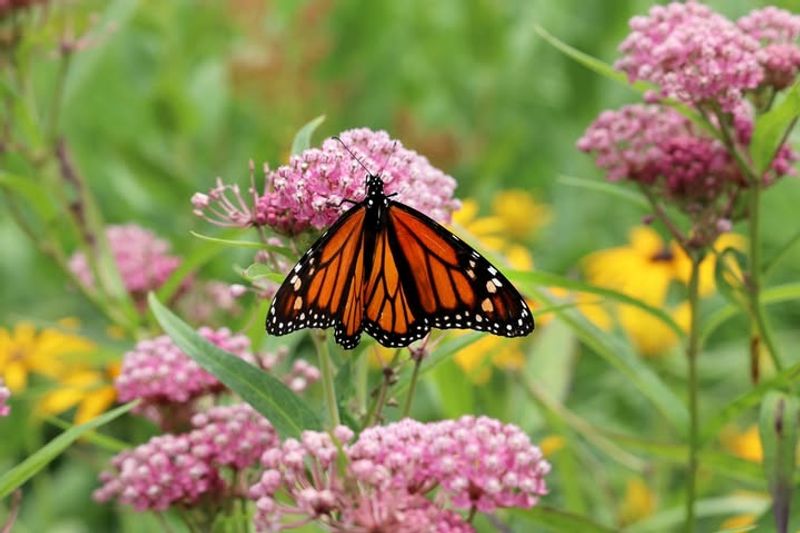
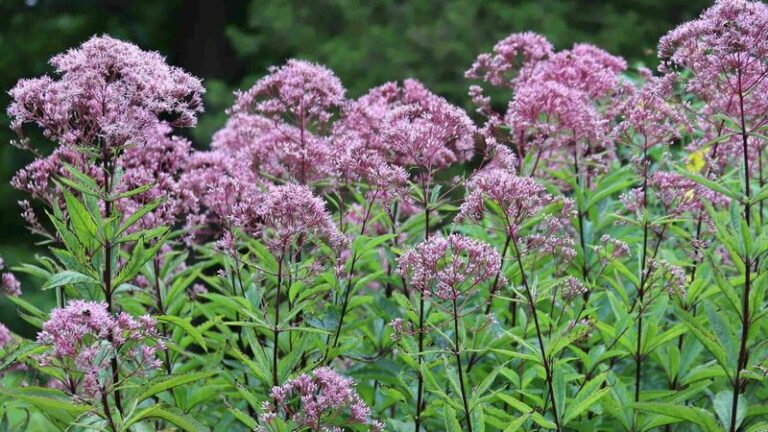
Swamp milkweed is one of those plants that surprises you. Most people hear the word “swamp” and picture something scraggly and wild, but this native perennial is actually elegant, with rosy pink flower clusters that bloom beautifully through the hottest, muggiest weeks of a North Carolina summer.
It stands tall at four to five feet and looks genuinely stunning in the garden.
Unlike coneflowers, which can struggle in wet or poorly draining spots, swamp milkweed genuinely thrives in moist conditions. It handles humidity like a champion and bounces back from heavy rain without skipping a beat.
Monarch butterflies depend on it as a host plant, laying their eggs on the leaves so caterpillars can feed. Watching monarchs visit your garden is one of the most rewarding experiences any North Carolina gardener can have.
Your North Carolina Garden Changes Every Week. Your Plan Should Too.
Gardening in North Carolina changes quickly throughout the season. Every Friday you’ll receive a simple weekly plan showing exactly what to plant, prune, fertilize, harvest, and protect so you never miss the right timing.
Plant swamp milkweed in full sun to part shade and give it consistent moisture, especially during its first season. Once it settles in, it becomes remarkably self-sufficient.
It spreads slowly by rhizomes, forming tidy clumps over the years. Because it goes dormant in winter, marking its spot helps so you don’t accidentally disturb it in spring.
This native gem supports pollinators, handles tough conditions, and brings genuine beauty to any yard across the Carolinas season after season.
3. Goldenrod (Solidago rugosa)
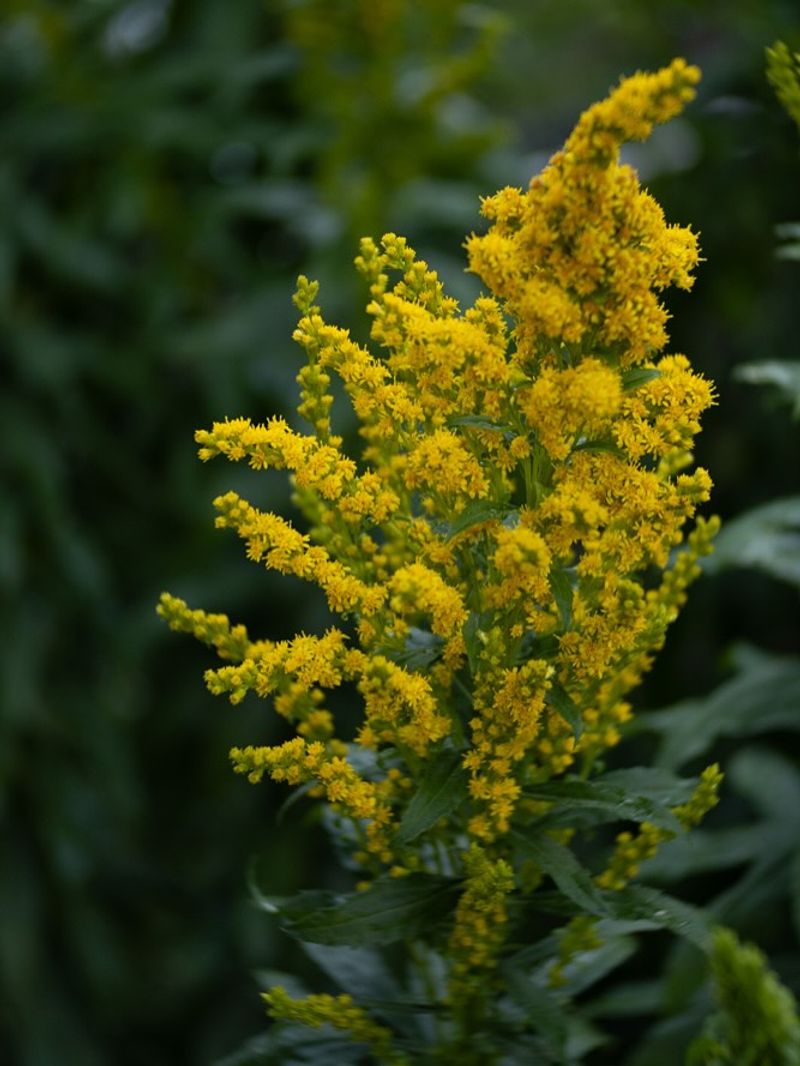
Goldenrod has a bit of a reputation problem. For years, people blamed it for causing allergies, but that’s actually ragweed doing the damage.
Goldenrod is completely innocent, and once you clear its name, you’ll realize you’ve been missing out on one of North Carolina’s most spectacular late-season natives. The bright golden plumes light up the garden just when everything else starts looking tired.
Solidago rugosa, sometimes called wrinkleleaf goldenrod, is especially tough. It handles heat, humidity, poor soils, and even partial shade far better than most coneflower varieties.
It blooms from August into October, filling that tricky late-summer gap when pollinators are still active but fewer plants are flowering. Bees especially love it, often covering the arching stems in impressive numbers on warm afternoons throughout the Carolinas.
Gardeners sometimes worry goldenrod will take over, but wrinkleleaf goldenrod is actually well-behaved compared to some of its relatives. Give it average to moist soil and full sun to light shade, and it will reward you with reliable, gorgeous color every year.
Cutting it back by half in early June delays bloom time and keeps plants compact and sturdy.
Pair it with ironweed or blue mistflower for a stunning late-summer color combination that practically manages itself and looks absolutely wild in the best possible way for any North Carolina landscape.
4. Black-Eyed Susan (Rudbeckia hirta)
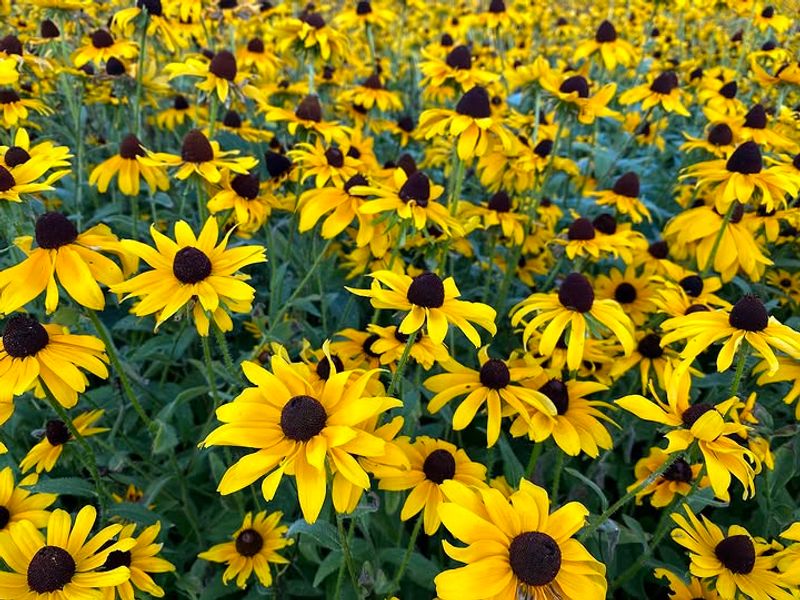
There is something deeply cheerful about a field of black-eyed Susans in full bloom. These golden, dark-centered flowers have been brightening North Carolina gardens for generations, and they earn every bit of that loyalty.
While coneflowers can sulk in intense heat and waterlogged soil, black-eyed Susans just shrug it off and keep blooming from June all the way through October.
Rudbeckia hirta handles a remarkable range of conditions. It grows in clay, sandy soil, poor soil, and everything in between.
Full sun brings out the best blooms, but it tolerates light shade without losing much performance.
The flowers attract butterflies and native bees consistently, and the seed heads that form in fall become a reliable food source for goldfinches and other small birds that visit Carolina yards.
One of the best things about black-eyed Susans is how quickly they establish. Younger plants settle in fast and start blooming their first season, which gives new gardeners a real confidence boost.
They self-seed generously, so a small planting can become a sweeping drift over a few years without any extra effort. Deadheading extends the bloom period nicely, but leaving some seed heads standing through winter adds texture and supports wildlife.
For sheer reliability in the face of North Carolina heat and humidity, few natives match what this classic yellow wildflower delivers year after year.
5. Bee Balm (Monarda fistulosa)
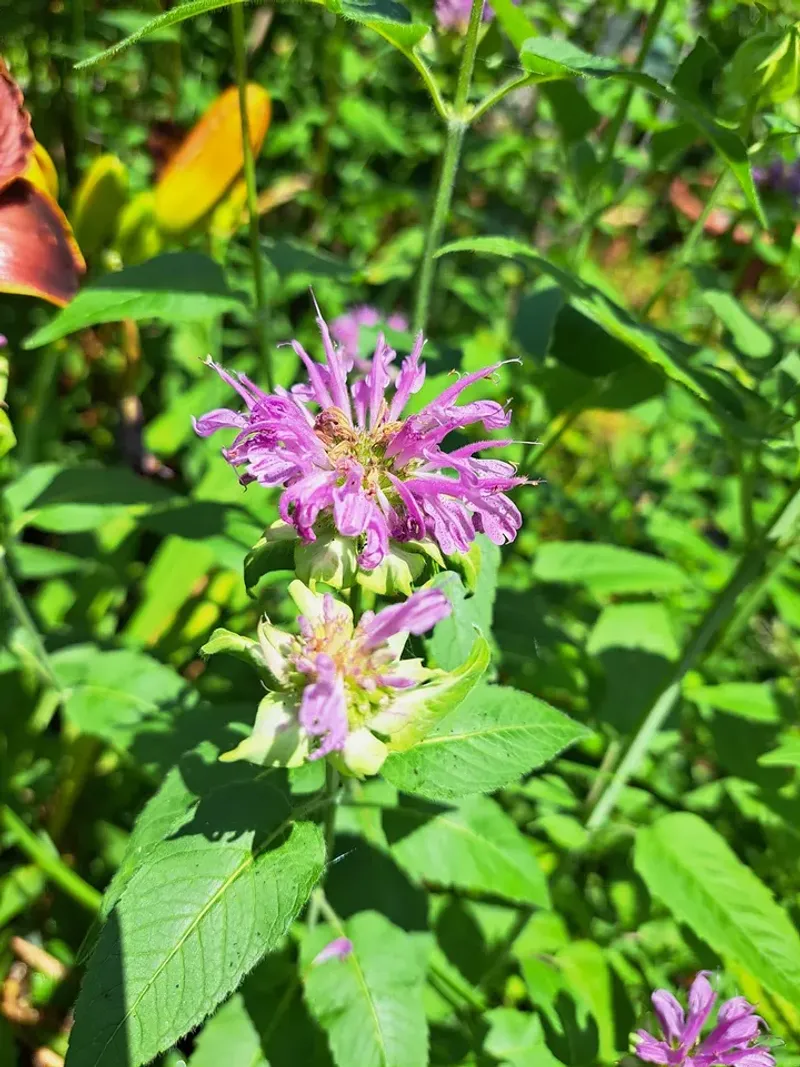
Wild bergamot bee balm smells incredible. Rub a leaf between your fingers and you get this warm, oregano-like fragrance that immediately makes the garden feel alive.
Monarda fistulosa is the native species best suited to North Carolina’s heat and humidity, producing lavender-pink flower heads that bloom from midsummer onward and draw in an almost ridiculous number of pollinators.
Hummingbirds, bumblebees, sphinx moths, and swallowtail butterflies all show up for bee balm. It performs in conditions that would stress coneflowers, especially in gardens with heavier clay soils or spots that hold moisture after rain.
Yes, powdery mildew can appear on the leaves in late summer, but the plant keeps flowering right through it. Choosing the species form over hybrid cultivars gives you better mildew resistance and stronger overall toughness in Carolina conditions.
Plant bee balm in full sun for the best bloom production, though it handles part shade well too. It spreads by underground runners, forming wider clumps each year.
Dividing it every few years keeps it vigorous and prevents the center from going bare. Cutting plants back hard after the first bloom flush often triggers a second round of flowers in late summer.
At three to four feet tall, it works beautifully as a mid-border plant, adding bold color and incredible wildlife value to any North Carolina garden throughout the warmest months of the year.
6. Coreopsis (Coreopsis lanceolata)
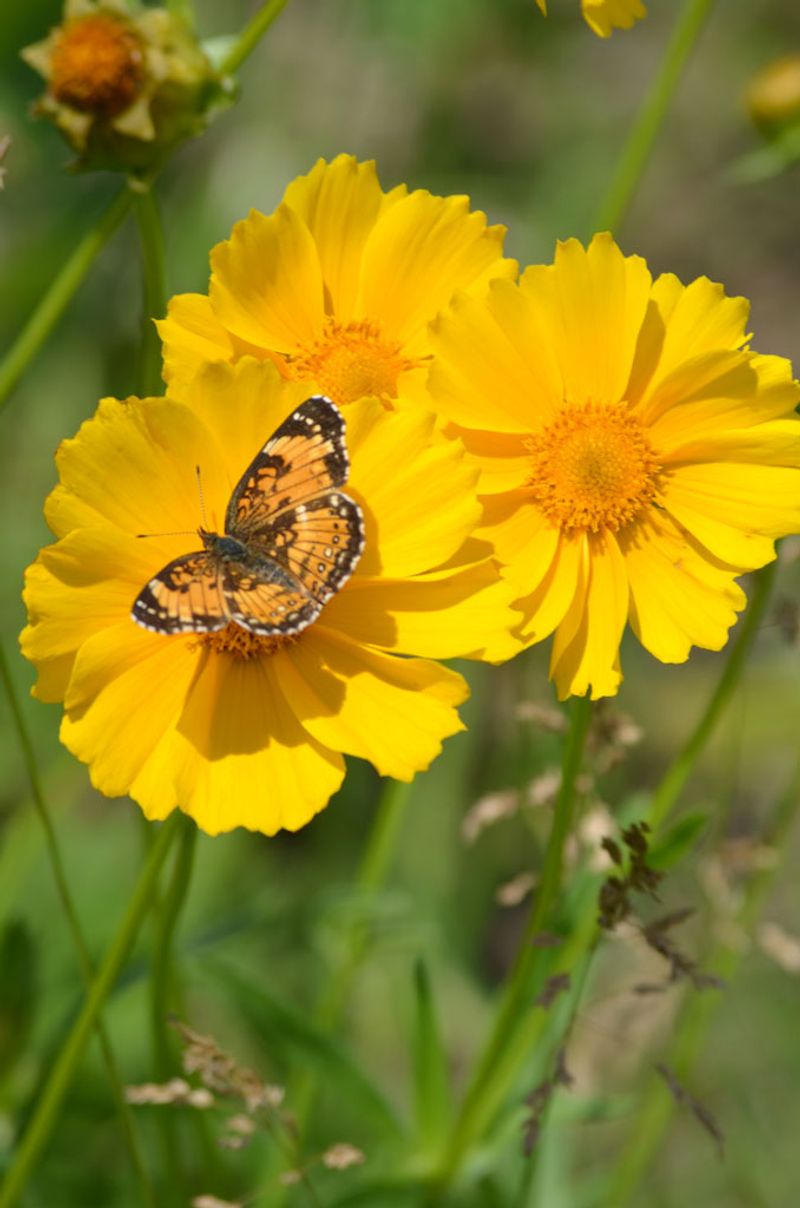
Sunny, cheerful, and almost impossible to discourage, lanceleaf coreopsis is one of those natives that makes gardening feel effortless.
The bright yellow daisy-like flowers start appearing in late spring and keep going well into summer, often beating coneflowers to the party by several weeks.
In North Carolina, that early start matters because it extends your garden’s color season considerably.
Coreopsis lanceolata thrives in full sun and well-drained soil, and it handles drought with real toughness once established. Poor, sandy soil? No problem. A slope that bakes in the afternoon sun?
Perfect. This plant actually performs better in leaner conditions, which makes it ideal for spots in Carolina yards where other perennials struggle to get a foothold.
It rarely needs fertilizing and looks best when left to grow naturally.
The flowers are magnets for native bees and small butterflies, and the seed heads attract finches in late summer and fall. Deadheading spent blooms extends flowering significantly, but even without it, coreopsis gives a generous show.
Plants form tidy clumps that spread modestly over time, making them easy to manage. Dividing clumps every three years keeps them flowering at full strength.
At one to two feet tall, coreopsis works beautifully at the front of a border or scattered through a meadow planting. For a plant that asks for almost nothing and gives back so much, this native is truly hard to beat anywhere in North Carolina.
7. Ironweed (Vernonia noveboracensis)
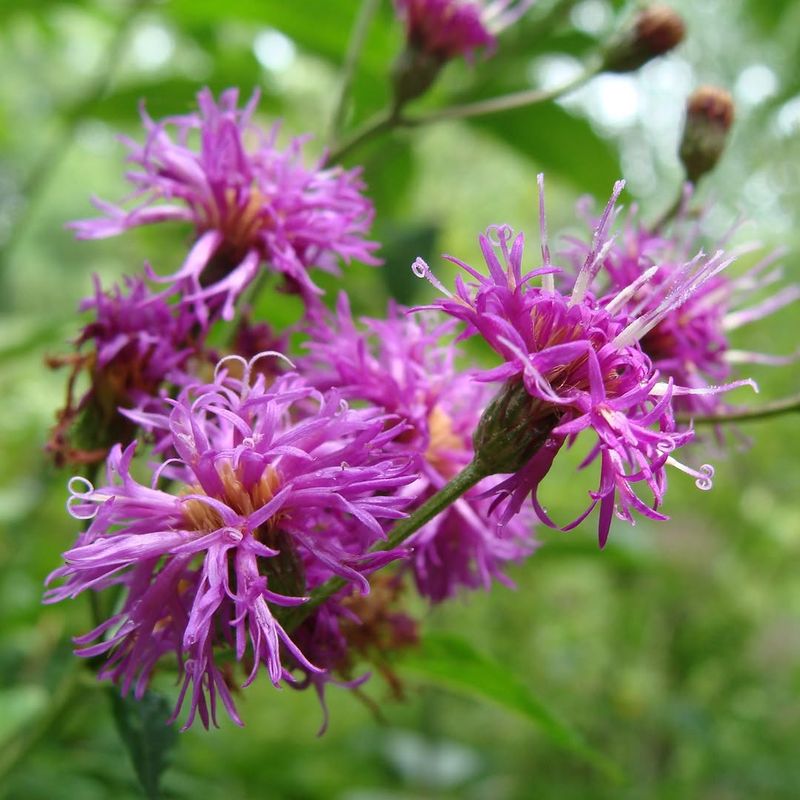
Bold, towering, and unapologetically purple, ironweed is one of those plants that stops people in their tracks.
Vernonia noveboracensis sends up stems that can reach six feet or more, topped with clusters of the most vivid, electric purple flowers you will find in any North Carolina garden.
It blooms in late summer when many perennials have already wrapped up, arriving right when the garden needs a boost most.
Ironweed earns its name from its tough, wiry stems that stand up to wind, rain, and the relentless humidity of a Carolina August without flopping over. It thrives in moist to wet soils and handles poor drainage in spots where coneflowers would simply give up.
Monarch butterflies and bumblebees are particularly fond of it, visiting the flowers heavily right through September and into early fall.
Plant ironweed in full sun to part shade and give it consistent moisture for the best results. It works beautifully at the back of a border or naturalized along a rain garden edge where moisture collects.
The height can feel dramatic at first, but pairing it with goldenrod or swamp milkweed creates a stunning late-season combination that feels completely at home in a North Carolina landscape.
Cutting plants back by one-third in early summer keeps them shorter and more compact without sacrificing bloom quality.
Once established, ironweed is remarkably self-sufficient and comes back stronger every single year.
8. Blue Mistflower (Conoclinium coelestinum)
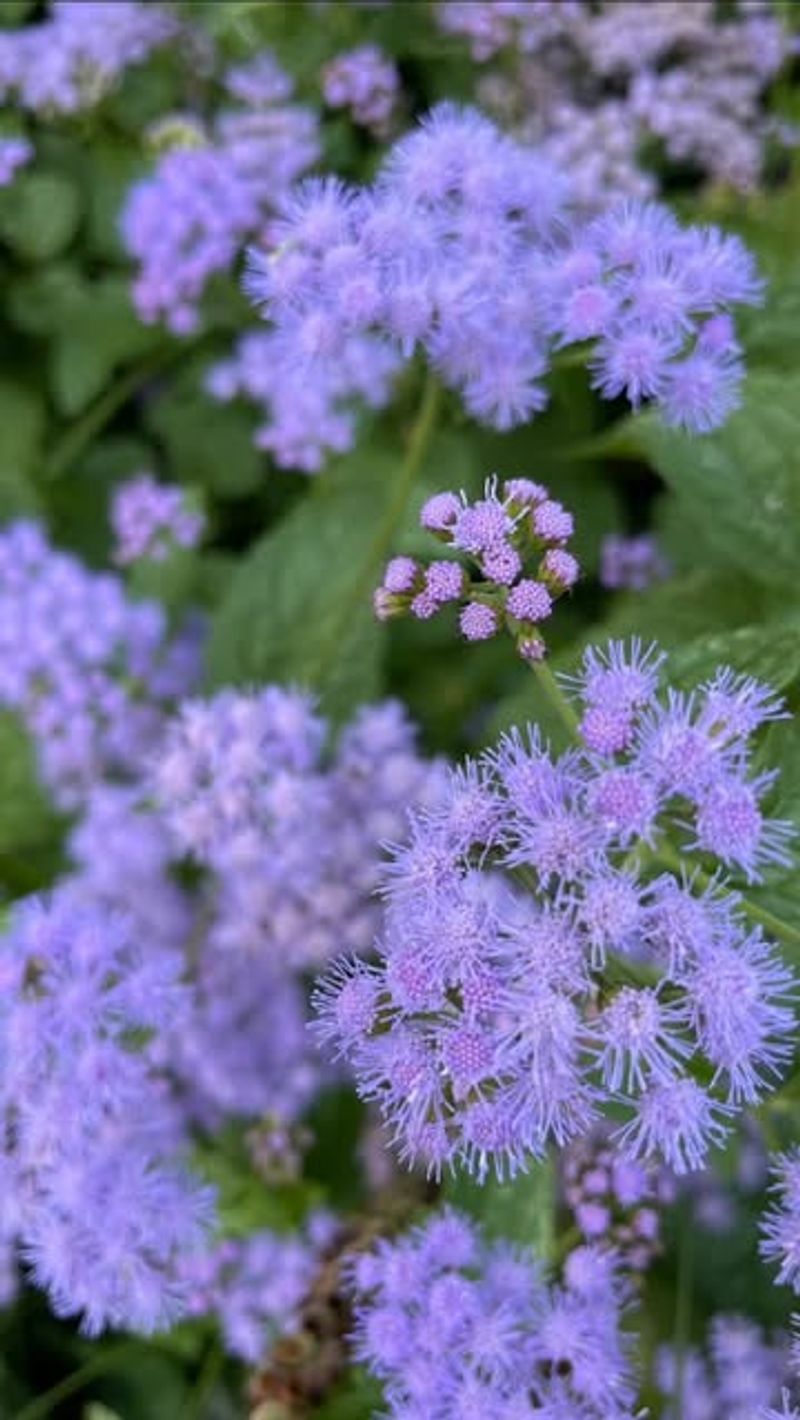
Imagine a plant that looks like it was dusted with soft blue-purple clouds. That is exactly the effect blue mistflower creates when it blooms in late summer and fall, covering itself in fluffy, ageratum-like flowers that seem to glow in the garden.
Conoclinium coelestinum is one of the most underused natives in North Carolina, and honestly, that’s a real shame because it’s spectacular.
Blue mistflower thrives in heat and humidity in a way that coneflowers simply cannot match.
It actually prefers moist conditions and handles partial shade gracefully, making it perfect for spots under the edge of a tree canopy or along a shady border where other perennials thin out.
Butterflies, especially skippers and sulphurs, flock to the blooms throughout September and October when nectar sources are getting scarce across the Carolinas.
The plant spreads by rhizomes and can form wide, dense colonies over time, which is a feature rather than a flaw if you have space to fill. Containing it with edging or planting it in spots where spreading is welcome keeps it manageable.
It grows one to three feet tall and pairs beautifully with goldenrod or ironweed for a wild, naturalistic late-season display. Cutting it back hard in spring encourages fresh, vigorous growth.
For shady, moist corners of a North Carolina yard that need color when summer is winding down, blue mistflower is genuinely one of the best solutions available.