These Pennsylvania Wild Edibles Must Be Left Alone On State Game Lands
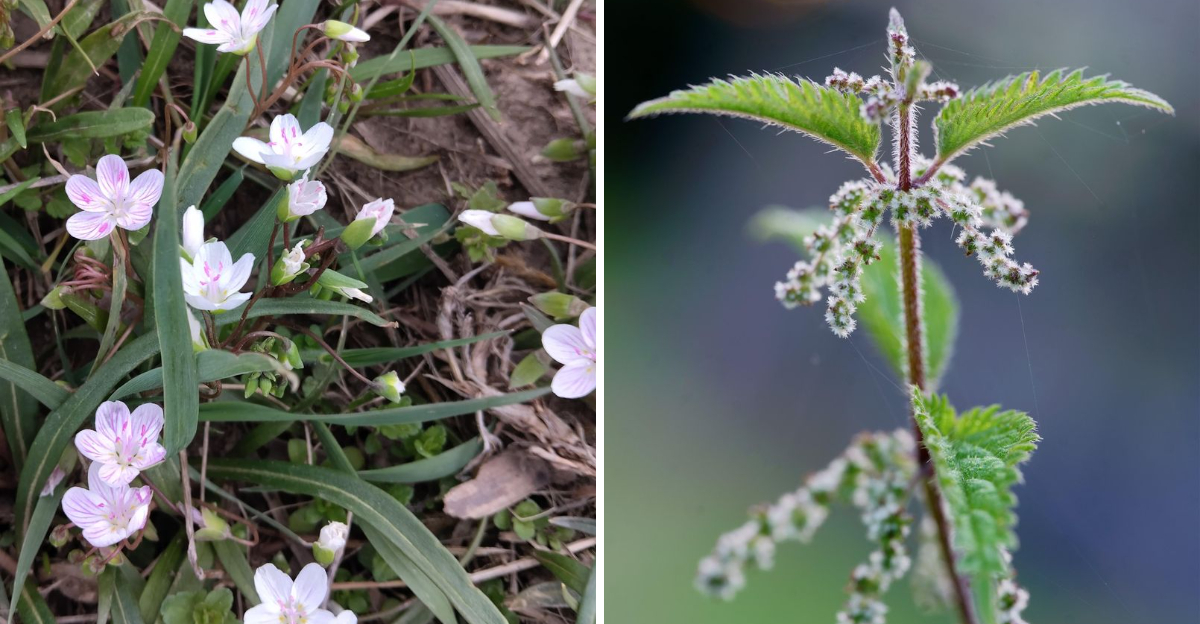
A spring walk on Pennsylvania State Game Lands can feel like a treasure hunt you are not supposed to finish.
Ramps scent the air. Fern tips curl beside cold streams. Tiny woodland flowers open before the trees leaf out. A sharp-eyed hiker might spot ginseng, goldenseal, wild onion, or cattails and start thinking about supper.
That is the moment to keep walking.
State Game Lands are not free-for-all foraging spots.
Pennsylvania regulations prohibit planting, gathering, cutting, digging, removing, or injuring plants and plant parts on lands under Game Commission control, with only narrow exceptions on State Game Lands for mushrooms and fruits of berry-producing plants.
The rule is not trying to ruin anyone’s spring fun. It protects habitat, soil, roots, pollinators, wetlands, and the next person’s chance to see the same patch.
So which tempting wild edibles should stay exactly where they are?
All of them on State Game Lands, but these six are the ones most likely to test your restraint.
1. Leave Ramps Rooted On Game Lands
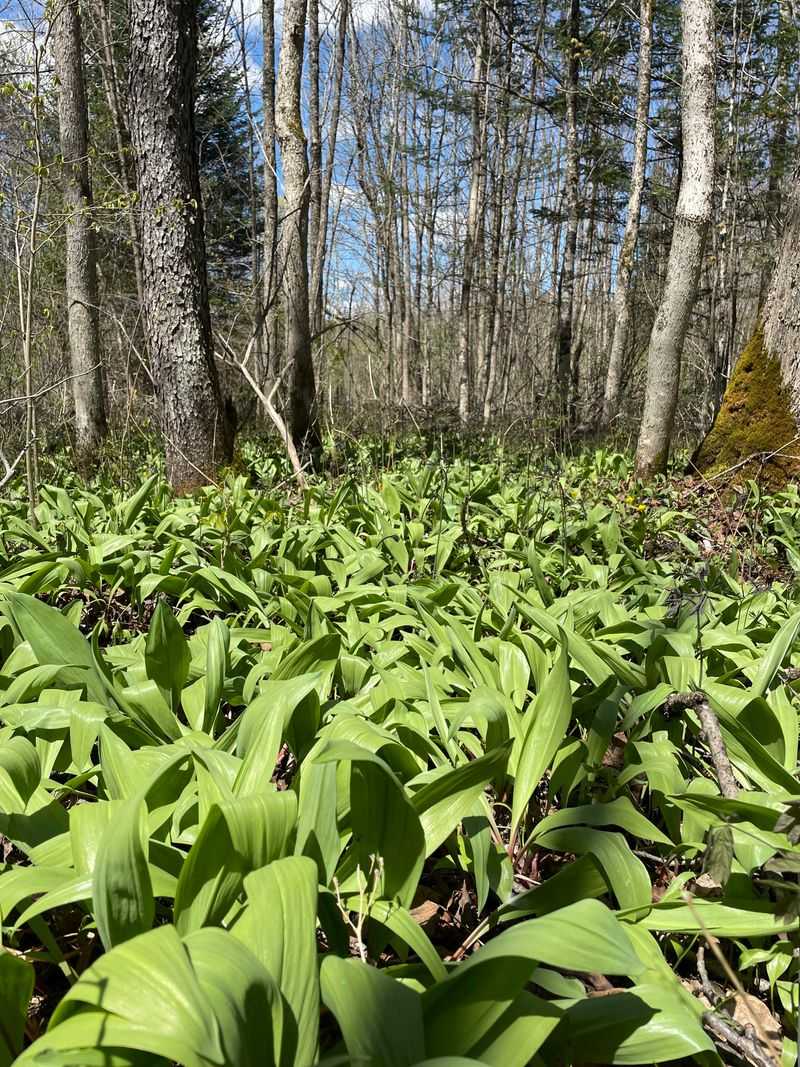
Ramps make hikers slow down before they even see them.
That sharp onion-garlic scent rising from damp spring woods feels like a secret invitation. The leaves are broad, green, and easy to spot once you know the look. In Pennsylvania forests, a healthy ramp patch can feel like wild food treasure.
On State Game Lands, it still stays in the ground.
The issue is not just legality, though that part is clear. The bigger problem is how ramps grow. Pulling bulbs removes the whole plant, and a patch does not recover fast from that kind of harvest.
A colony that took years to build can look smaller for many springs after heavy digging. Even leaf clipping can stress a patch when too many people repeat the same “just a few” decision.
That math gets ugly on public land. One careful forager might seem harmless. Fifty careful foragers can turn a thriving patch into a memory with muddy holes.
Ramps also help mark rich, moist woodland habitat that supports many other spring plants and insects. The patch is more than a seasoning.
Take a photo instead. Notice the slope, the leaf litter, and the companion plants. Come back next year and watch the colony spread at its own pace.
If ramps belong on your plate, buy them from a grower or plant them in your own woodland garden.
On Game Lands, the best harvest is restraint with a good view.
2. Leave American Ginseng In Place
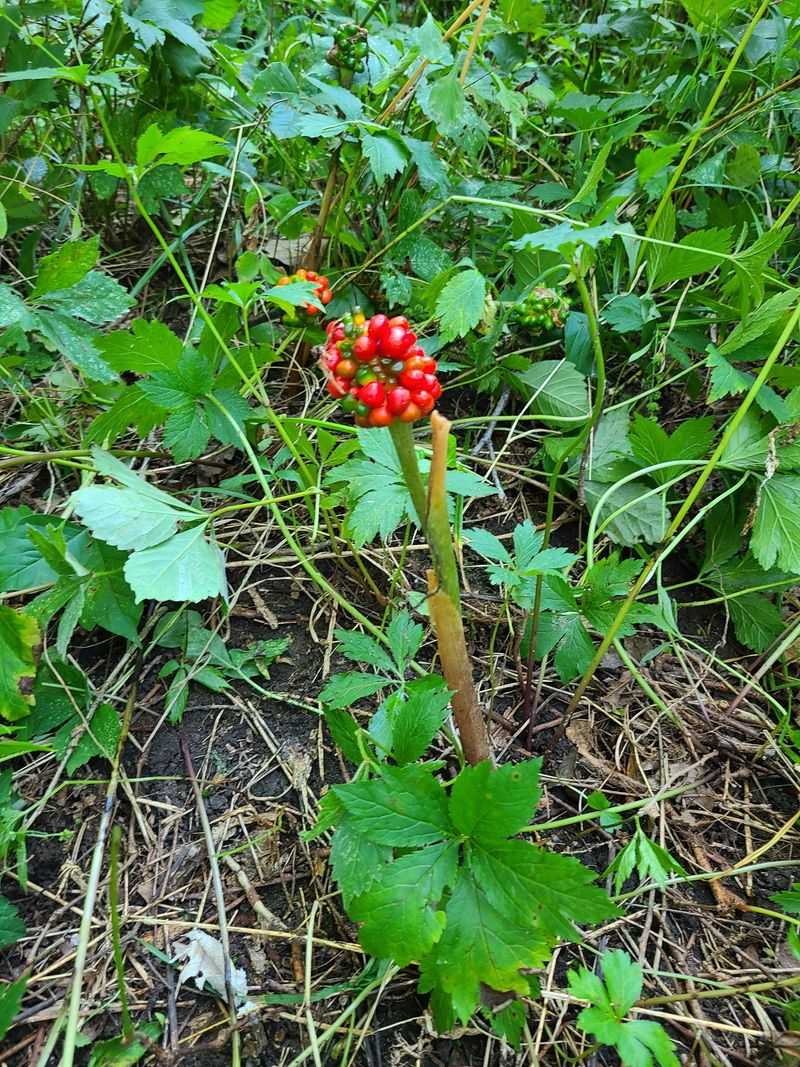
American ginseng is the plant people notice a little too intensely.
Its slow growth, market value, and long history of collection have made it one of Pennsylvania’s most watched woodland plants.
DCNR classifies American ginseng as a Pennsylvania Vulnerable plant, and state guidance says collection is not permitted on state lands, including state parks, state forests, and state game lands.
That applies even if the plant looks mature. It applies even if berries are red. It applies even if someone promises to replant the seeds.
Your Pennsylvania Garden Changes Every Week. Your Plan Should Too.
Gardening in Pennsylvania changes quickly throughout the season. Every Friday you’ll receive a simple weekly plan showing exactly what to plant, prune, fertilize, harvest, and protect so you never miss the right timing.
State Game Lands are not the place to dig it.
Ginseng can take years to reach reproductive strength. Older plants with several prongs represent a long investment from the forest, not a quick find for a pocket or market bag.
Poaching pressure has already made many wild colonies harder to find. Deer browsing, habitat change, and repeated digging add more pressure.
If you see ginseng, keep the location quiet. A public post with exact coordinates can create trouble for the plant faster than you might expect.
Notice signs of digging if they appear. Fresh holes, scattered leaves, or missing plants in a known patch may be worth reporting to the Pennsylvania Game Commission.
For people who want ginseng legally, cultivation is the cleaner path. It can be grown in suitable woodland gardens with proper care.
On Game Lands, a standing ginseng plant is more valuable as living heritage than as a root in someone’s hand.
3. Protect Goldenseal From Wild Harvest
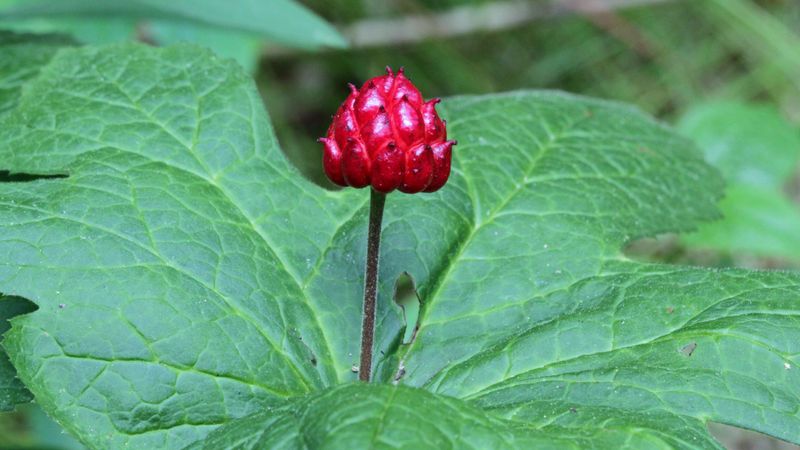
Goldenseal does not shout for attention.
It grows low in rich woods, with wrinkled leaves and a quiet presence that can disappear into the spring understory. Once you know the plant, though, it becomes easy to understand why wild colonies need protection.
Pennsylvania lists goldenseal as one of its Vulnerable plants, alongside American ginseng and yellow lady’s-slipper orchid. DCNR describes that category as plants at risk from removal from native habitats for personal or commercial use.
That matters because goldenseal is often targeted for its rhizome. Taking the underground stem removes the plant and breaks the colony’s slow spread.
On State Game Lands, digging it is already off the table under the plant-removal rules. Its vulnerable status adds one more reason to leave it untouched.
Goldenseal colonies do not behave like fast annual weeds that fill in after a little disturbance. They can take time to expand, and soil disruption around them can affect nearby spring wildflowers too.
Do not scrape around the base to “confirm” what you found. Do not break a leaf for a closer look. A photo is enough.
If you want goldenseal for a woodland planting, look for cultivated nursery stock from a reputable source. That supports legal supply and keeps pressure off wild populations.
Finding goldenseal in the woods should feel like a conservation win.
The right move is to admire it, protect the location, and leave the soil smooth behind you.
4. Keep Fiddleheads Beside Forest Streams
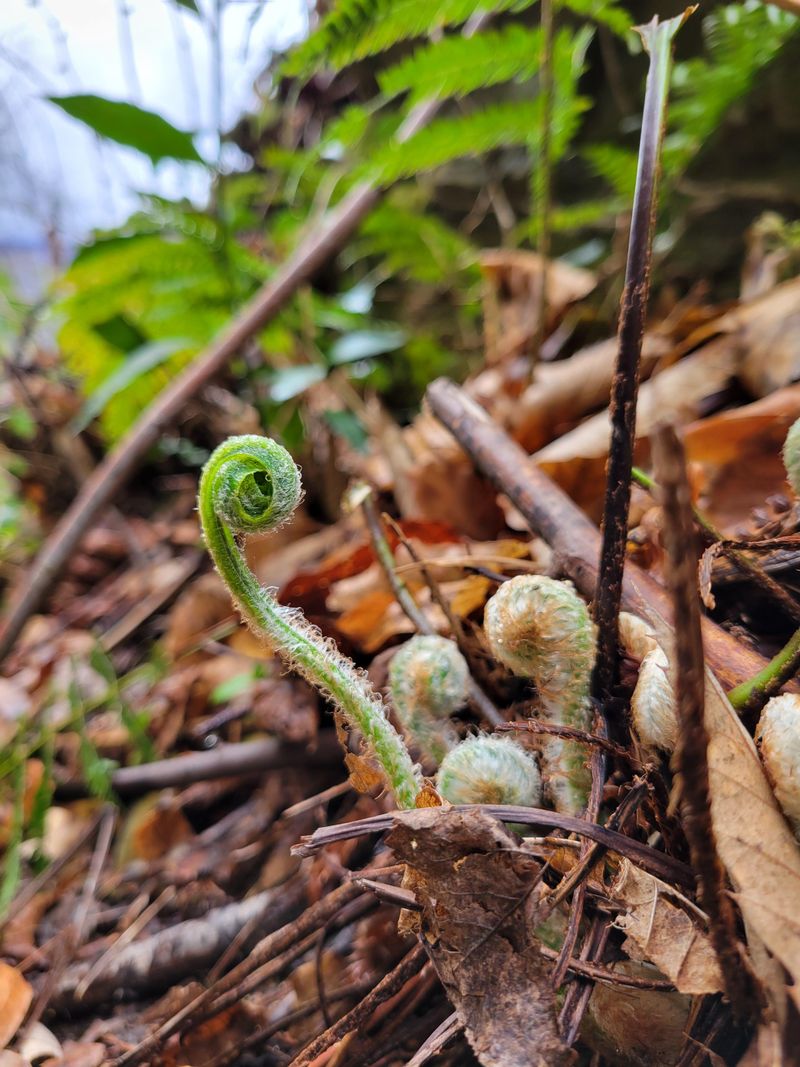
Fiddleheads make spring feel edible.
Those tight green coils pushing from damp streambanks look fresh, tender, and almost impossible to ignore. Ostrich fern is the one many foragers seek, and it grows in Pennsylvania, especially in moist places that already feel like early spring magic.
On State Game Lands, the answer is still no.
The plant-removal rule does not vanish because the shoot is young or common. Picking fiddleheads means removing new growth from the fern crown, and digging or trampling around streambanks can disturb the exact soil those roots help hold.
That stream edge matters. Fern colonies help soften runoff, shade small habitat pockets, and hold banks through spring rain.
There is also an identification issue. Pennsylvania has many ferns, and not every young fern coil is the same plant. Penn State notes ostrich fern grows across Pennsylvania and cautions that tender ostrich fern fiddleheads are toxic if not fully cooked.
That warning belongs mostly to private-land foraging, since Game Lands collection is not allowed anyway. Still, it is a useful reminder that “looks like a fiddlehead” is not enough.
Do not clip a few for the pan. Do not dig around the crown. Do not trample a wet bank for a closer angle.
Step back, take the photo, and let those fronds unfurl.
The stream will look better for it, and the fern patch gets to keep doing its quiet work.
5. Skip Spring Beauty Tubers On Public Land
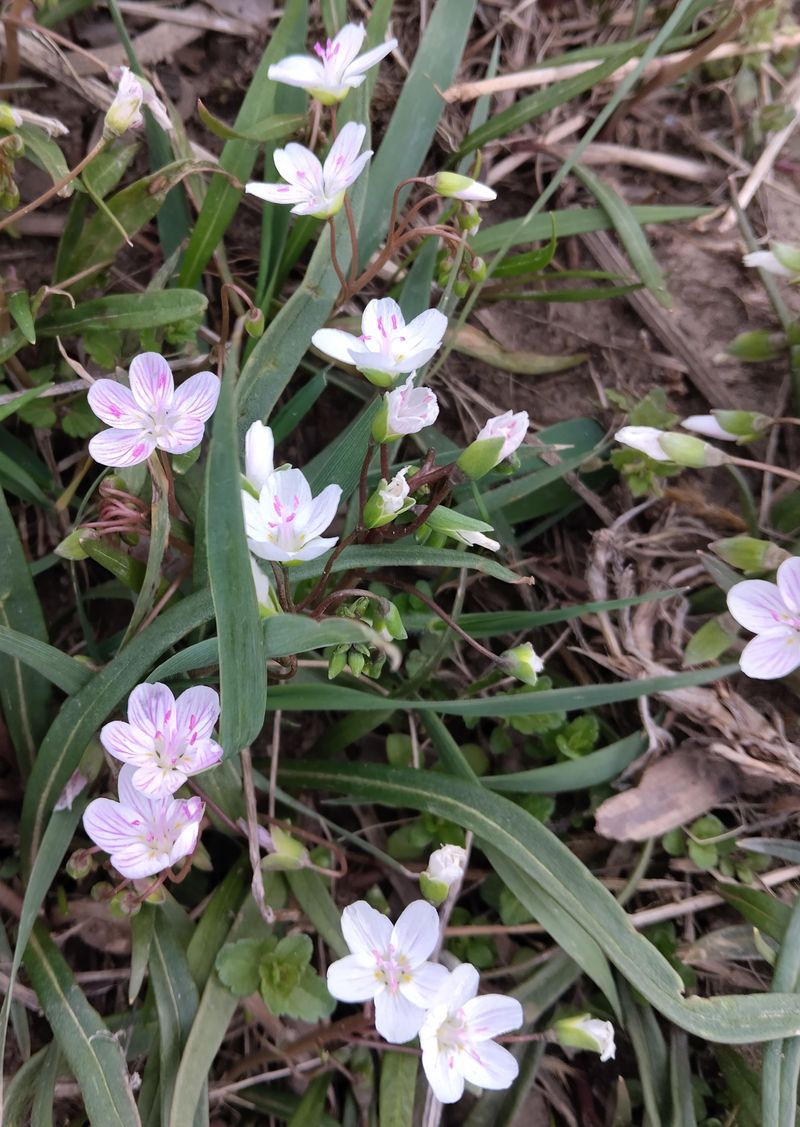
Spring beauty looks too delicate to have a secret underground snack.
The flowers appear early, low, and sweet, with pale petals traced in pink. Beneath each plant sits a small tuber, which is why some foraging circles give it charming food names.
That charm does not change the rule.
Digging spring beauty tubers removes the plant and disturbs the soil. On State Game Lands, that kind of plant removal is not allowed without the proper permission.
A tiny tuber may feel insignificant, but a whole patch supports far more than one curious hiker.
Spring beauty blooms early, which makes it valuable for small native bees waking up before many bigger flowers open. Those bees need scattered early food sources, and a carpet of spring beauty can become a quiet little breakfast station.
That is much better than turning the patch into a series of holes.
The plant also disappears after spring. Once the leaves fade, the underground tuber rests until the next season. Digging during bloom takes away next year’s flower before it ever has a chance.
Enjoy the timing instead. Spring beauty is one of those plants that tells you the woodland is shifting seasons.
Crouch down for a photo. Notice the leaf litter. Watch for pollinators working the flowers.
The tuber is not the prize on public land.
The yearly return of the patch is the prize, and it only happens when the plants stay put.
6. Leave Cattail Shoots In Protected Wetlands
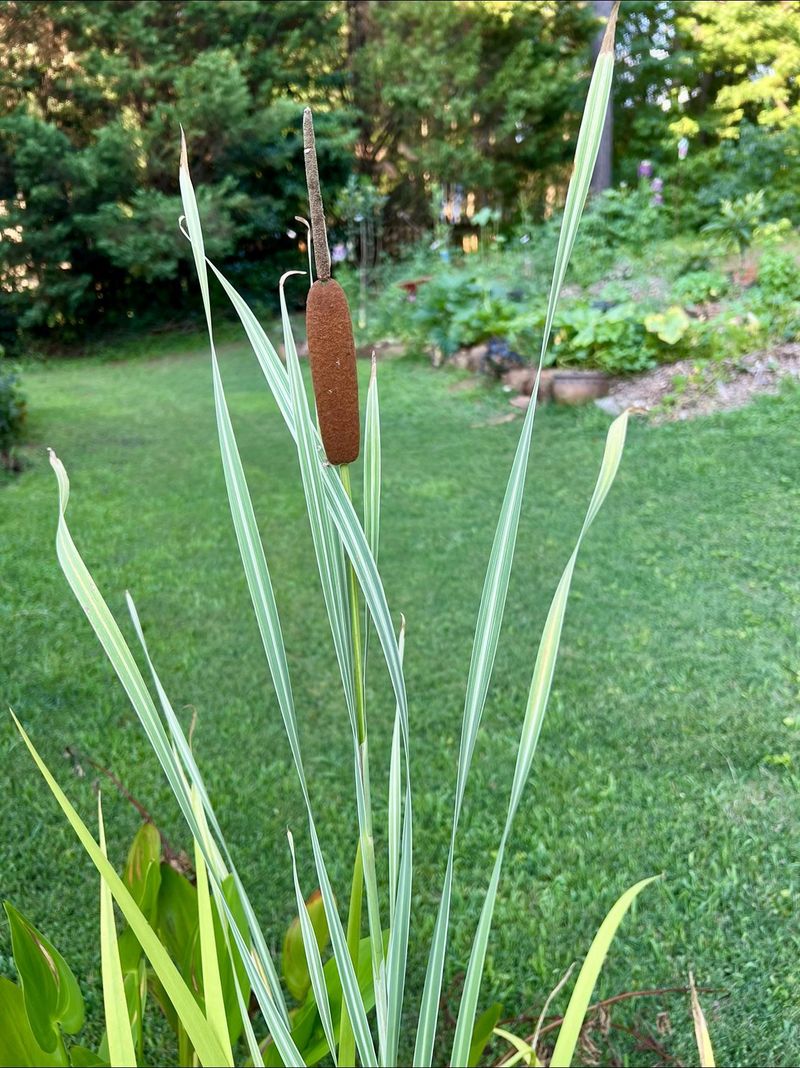
Cattails are not just edible wetland scenery.
They are structure. They hold muddy edges, shelter birds, slow water, and help create the thick cover that makes wetlands so productive. Young shoots may be familiar to foragers, but on State Game Lands, they belong to the marsh.
Harvesting cattail shoots or rhizomes means entering wet soil and disturbing plants that wildlife use. That can compact saturated ground, break stems, stir sediment, and disrupt nesting or hiding places.
Wetlands already do hard work. They filter water, buffer floods, and support frogs, insects, birds, and small mammals. A cattail stand may look ordinary from the trail, but it is busy.
State Game Lands plant rules apply there too. Wetland settings can also carry additional legal concerns, so wading in with a knife or digging tool is a particularly bad plan.
There is another reason to keep hands off. Young wetland shoots can be confusing, and some non-cattail plants are not safe to eat. On public land where collection is prohibited, there is no reason to gamble on identification.
Stay on established paths and firm ground. Wetland edges can be fragile, slippery, and easy to damage.
Watch for herons, red-winged blackbirds, dragonflies, and muskrats instead. That is a better use of a cattail marsh than turning it into a snack stop.
A marsh does not need your harvest.
It needs your distance.
7. Leave Stinging Nettles For Wildlife Cover
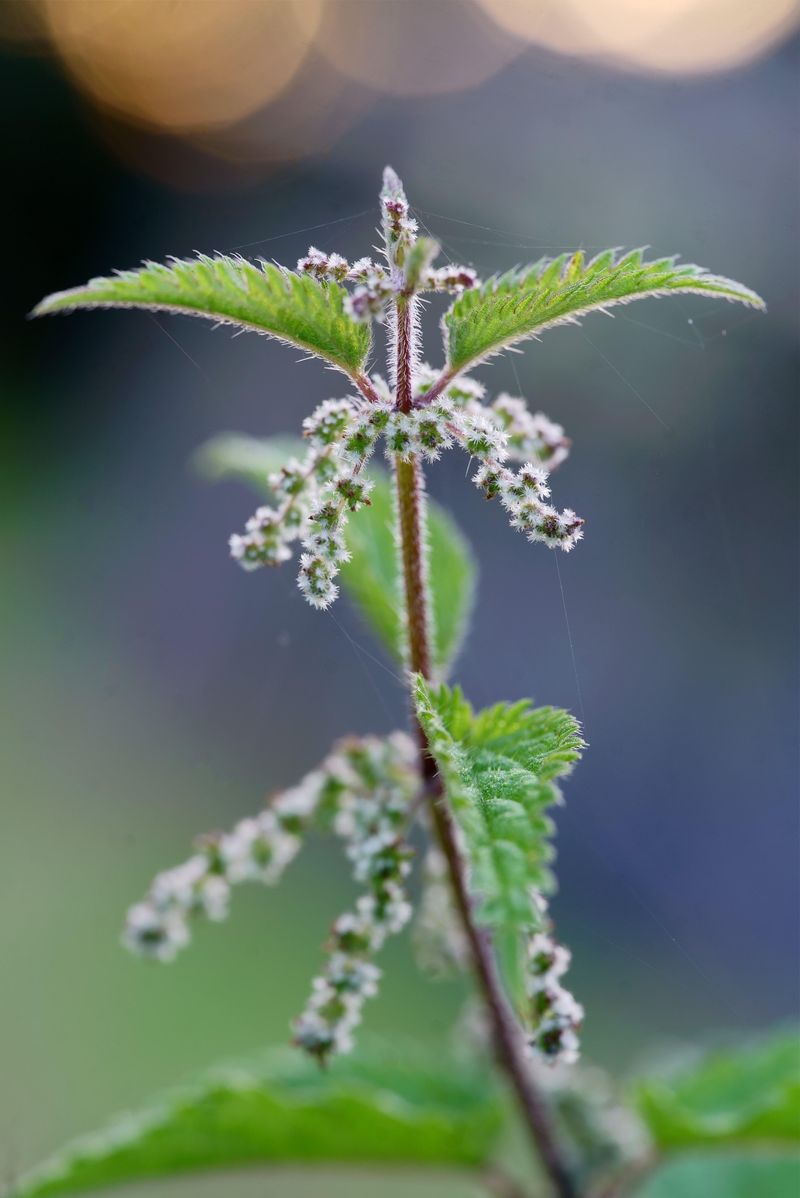
Stinging nettle is the wild edible that announces itself with consequences.
Brush it with bare skin, and the tiny hairs can leave a sharp sting that makes the plant hard to forget. Still, young nettle shoots have a long history as cooked spring greens, which makes them tempting to foragers who know how to handle them.
On Pennsylvania State Game Lands, leave them alone.
Picking nettle tops still means gathering plant material, and Game Lands rules do not create a general exception for wild greens. Even common plants belong to the habitat when they grow on land managed for wildlife.
Nettles also do more than irritate ankles. Dense patches create cover for small animals, hold moist soil along edges, and support insects that use the leaves. A patch that looks like a nuisance to one hiker may be useful habitat to something smaller.
Do not cut a bag of young shoots for soup. Do not dig the roots. Do not trample the patch to reach “cleaner” growth in the middle.
If you enjoy nettles as food, grow them in a controlled home patch or buy dried nettle from a reputable source.
On Game Lands, the smartest move is distance with respect. Long sleeves help too.
This plant may not look precious, but wild habitat is built from ordinary plants doing ordinary work.
8. Keep Mayapple Fruit And Roots Untouched
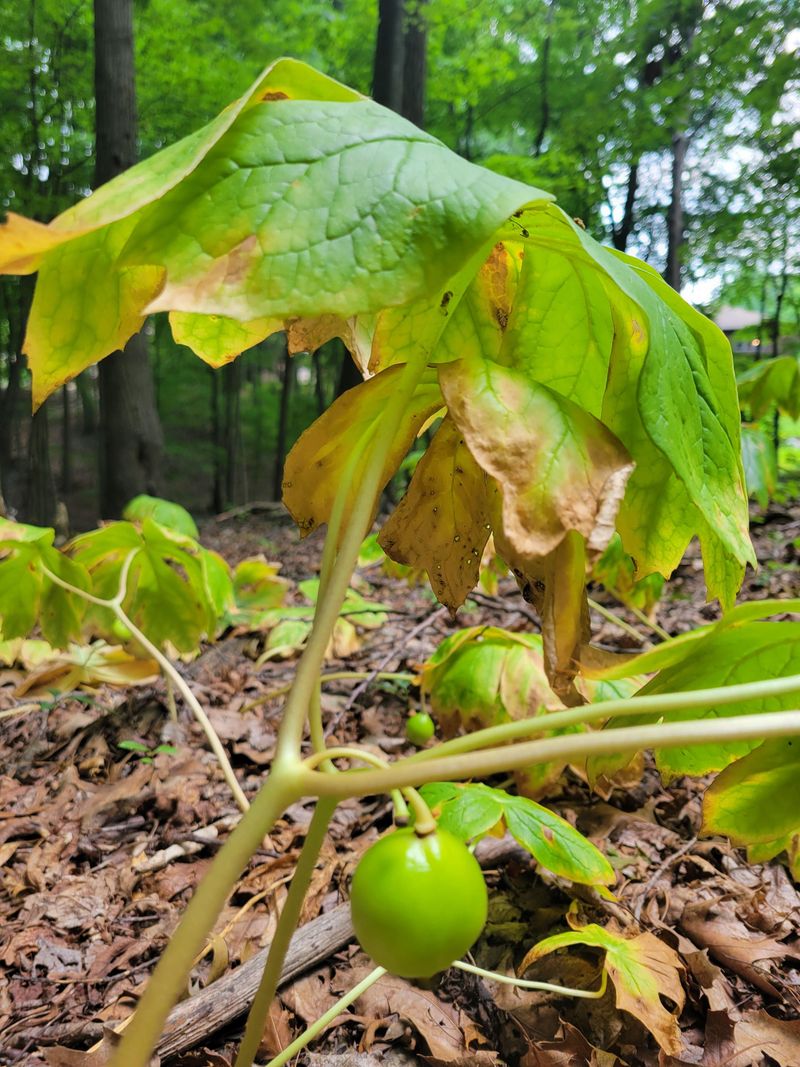
Mayapple looks like a tiny umbrella colony on the forest floor.
The broad leaves rise in spring, the white flower hides beneath them, and later a small yellow fruit may form. That ripe fruit has a foraging reputation, but this is not a plant to casually sample, and it is not one to collect on State Game Lands.
The unripe fruit, leaves, stems, seeds, and roots contain toxic compounds. That alone makes mayapple a risky plant for beginners.
The legal side is simpler. On State Game Lands, digging roots, cutting plant parts, or gathering wild edibles is not broadly allowed. The plant should stay where it grows.
Mayapple colonies spread through rhizomes, forming broad patches over time. Digging around them can break those underground stems and disturb the spring wildflower layer that supports early-season insects.
Wildlife uses the fruit too. Box turtles and other animals may eat ripe mayapples and help move seeds through the landscape. That gives the fruit a role beyond human curiosity.
Take a photo when the leaves unfold like little green parasols. Watch the patch change from flower to fruit to summer fade.
Do not taste-test. Do not dig. Do not assume “edible when ripe” means fair game.
Mayapple is best treated as one of those woodland plants that is fascinating enough without becoming dinner.