These 8 Perennial Veggies Keep Growing Back Year After Year In Georgia
Fresh planting does not have to happen every season to keep a Georgia garden productive, and that is what makes certain vegetables stand out right away.
Once they take hold, they return on their own and continue to produce without starting from scratch each year.
This kind of reliability changes how the garden feels over time. Beds stay established, harvests come back without extra effort, and the overall setup becomes easier to manage from one season to the next.
Not every vegetable can handle that cycle, especially with Georgia’s heat and changing conditions. The ones that can hold their ground bring steady growth and a more consistent yield without constant replanting.
With the right choices in place, the garden begins to work with you instead of demanding a full reset every year.
1. Sorrel Regrows Early And Produces Tangy Leaves
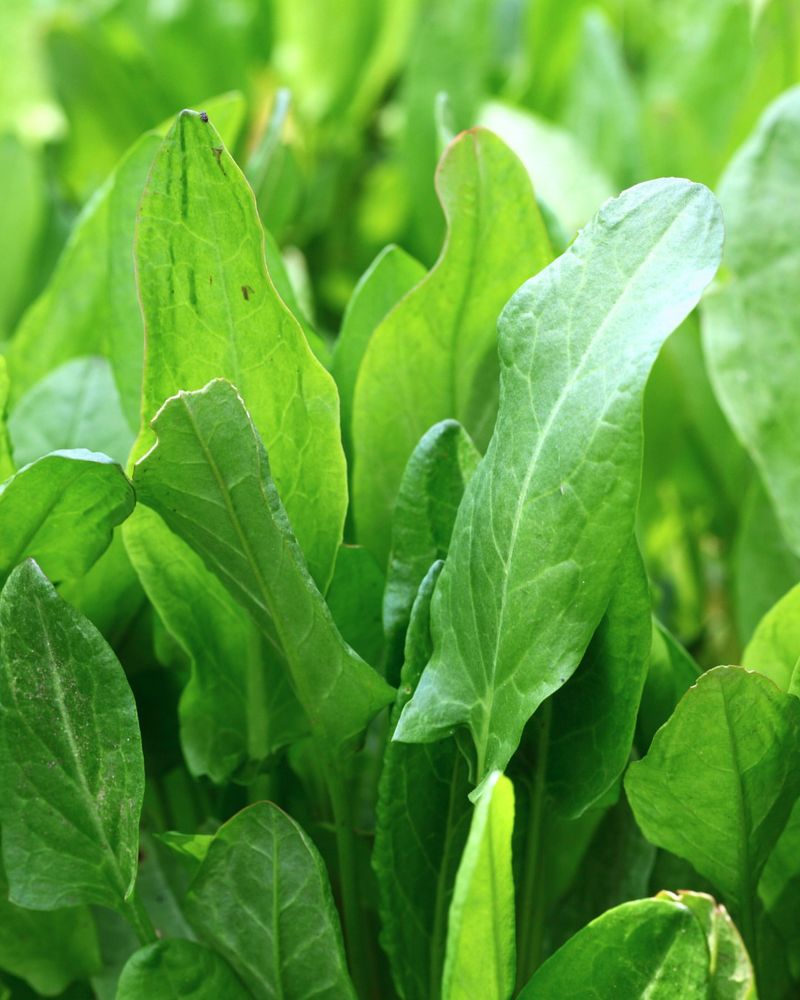
Sorrel is probably the most underrated perennial vegetable you can grow in Georgia, and it earns its spot every single year by being one of the first things to leaf out in late winter.
The flavor is sharp and lemony, which might catch you off guard the first time you taste it straight from the plant.
Cooked into soups or stirred into sauces, that tartness mellows into something genuinely delicious.
Plant it once in a partially shaded bed, and sorrel will handle Georgia’s heat better than most leafy greens. Full sun works too, but afternoon shade helps keep the leaves from going bitter during summer.
Cut it back hard when it starts to bolt, and new growth usually follows within a couple of weeks.
French sorrel is a reliable variety for Georgia gardeners because it stays more compact and handles humidity without much trouble. Divide the clumps every few years to keep production strong.
Sorrel rarely needs much attention beyond occasional watering during dry spells, and it bounces back after even rough winters across most of Georgia’s growing zones.
Sorrel keeps producing tender leaves early in the season when very little else is ready to harvest. Regular harvesting helps maintain fresh growth and prevents the plant from becoming too tough or overly sharp in flavor.
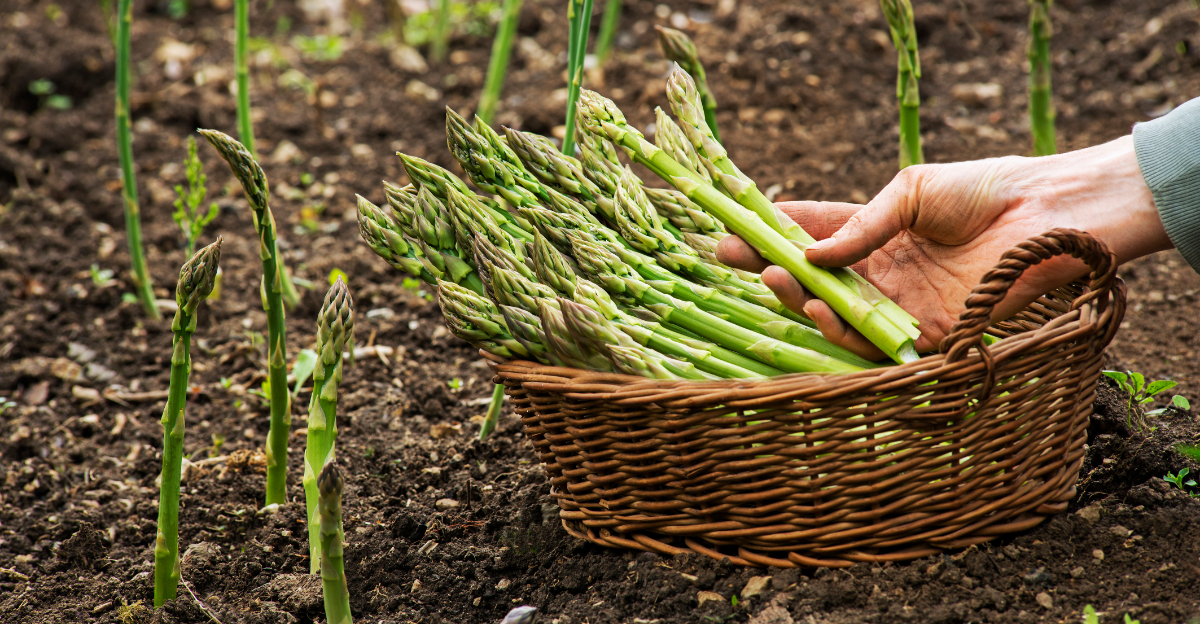
2. Asparagus Returns Each Spring With Strong New Spears
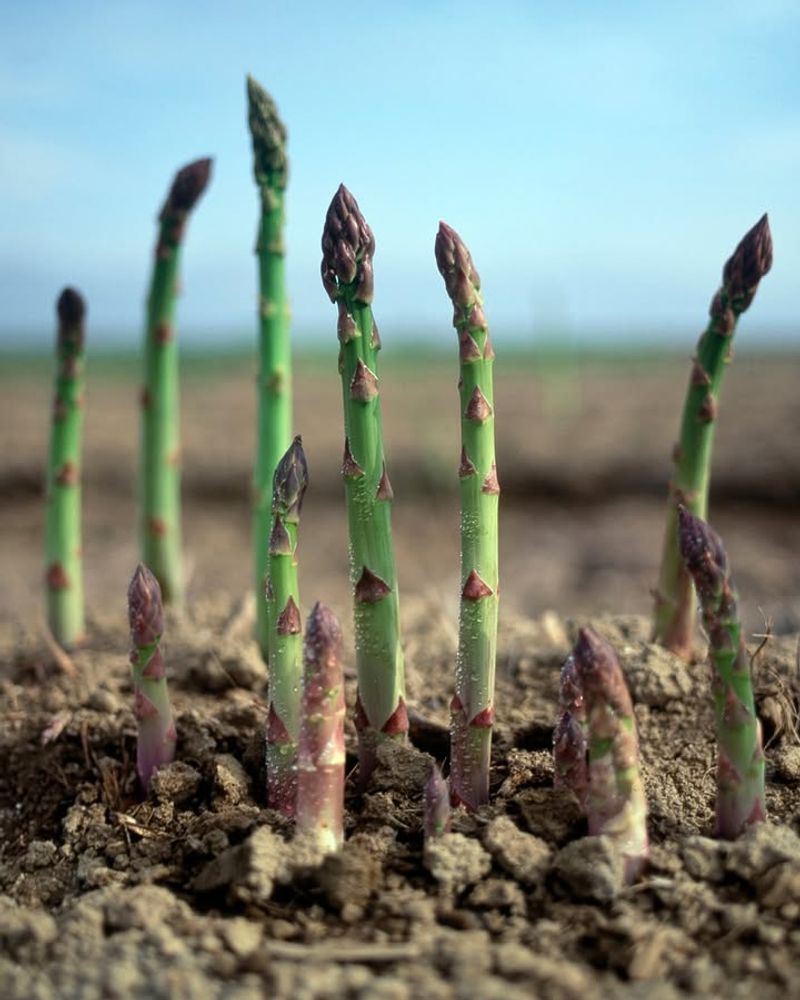
Few things feel more rewarding in a Georgia garden than watching asparagus spears push right up out of the ground each spring without any extra effort from you. Plant crowns in a sunny, well-drained bed with some compost worked in, and those roots will settle in and start producing.
Most gardeners see their first real harvest in the second or third year after planting.
Patience is the one thing asparagus demands. Skip harvesting too early, and the roots will build enough energy to keep producing for 15 to 20 years in the right spot.
Jersey Knight and Purple Passion are two varieties that tend to handle Georgia’s climate well without too much fuss.
Raised beds work especially well if your soil has drainage issues, which is common in parts of Georgia with heavy red clay. Mulching around the crowns helps keep weeds down and moisture in during the hotter months.
Once the plants are established and producing, a light side-dressing of fertilizer in early spring gives them a solid boost heading into the season.
Once the harvest window closes, letting the ferns grow tall helps the roots store energy for the next season. Cutting them back in late fall or early winter keeps the bed tidy and sets the plants up for another strong return.
3. Horseradish Regrows From Roots With Vigorous Growth
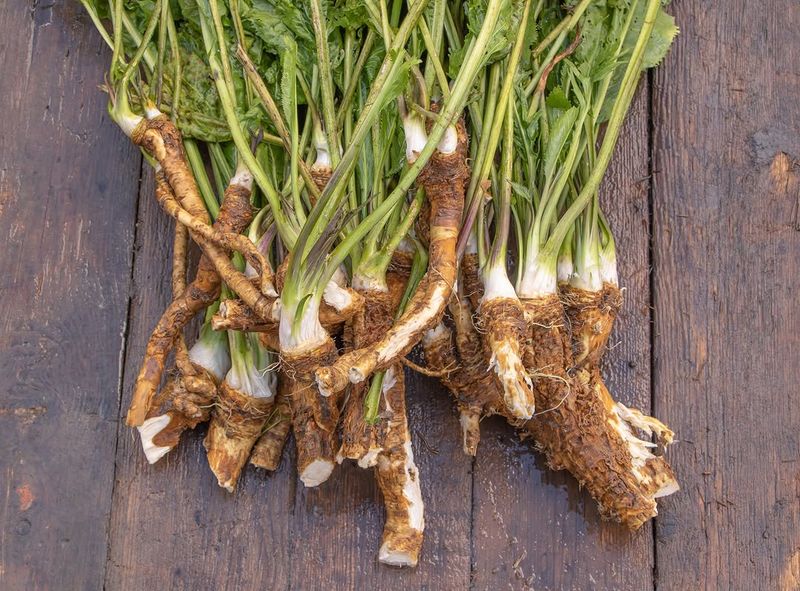
Horseradish is one of those plants that practically refuses to quit. Plant a root cutting once, and it will come back season after season with almost no encouragement from you.
The flavor of freshly grated homegrown horseradish is nothing like what comes in a jar from the grocery store — it hits harder and tastes sharper in the best possible way.
Across Georgia, horseradish performs best in areas with cooler winters, particularly in the northern part of the state. The roots need a cold period to develop their signature heat and pungency.
In warmer zones farther south, the plant still grows, but the roots tend to be milder and sometimes less productive.
Give it a spot with full sun and loose, deep soil so the roots can expand without running into hard clay. Harvest in late fall or early winter after the first cold snap, which concentrates the flavor.
Leave some root pieces in the ground, and new shoots will appear the following spring. Contain it if space is limited, because the roots spread outward over time and can pop up in unexpected places around your garden beds.
Once established, horseradish needs very little care beyond occasional watering during dry stretches. Digging up the roots each year helps control its spread and keeps the plants producing strong, flavorful harvests.
4. Perennial Kale Regrows And Produces Leaves Over Time
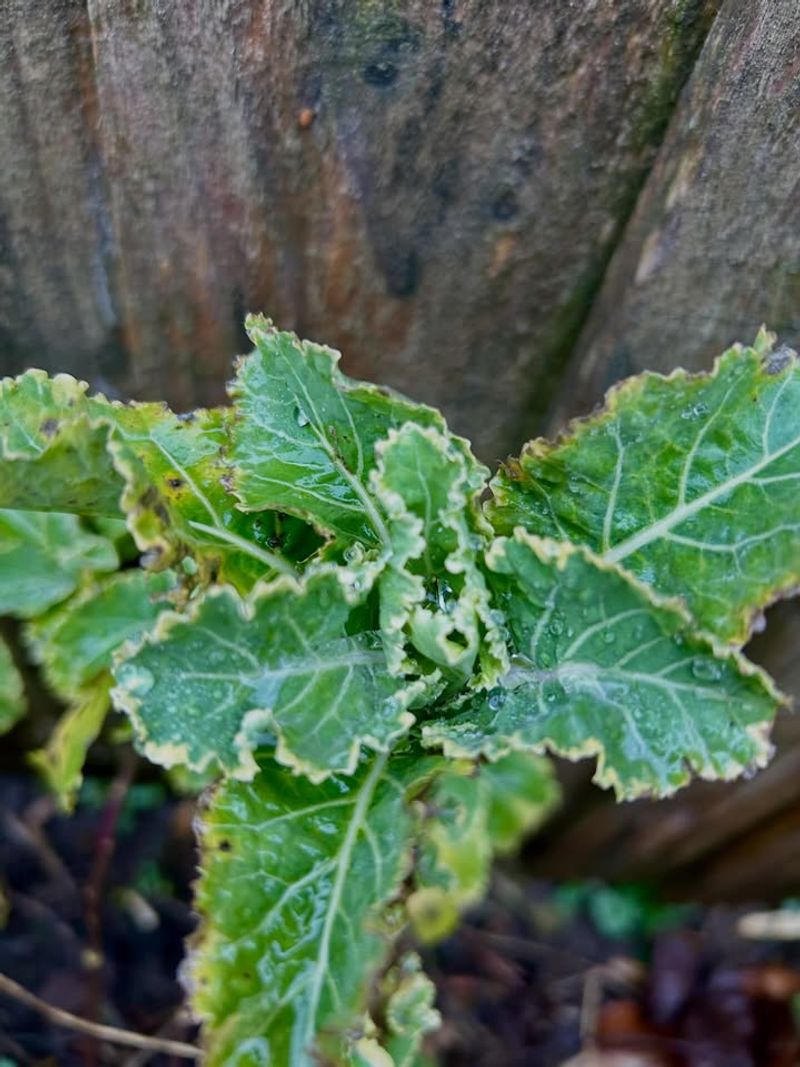
Standard kale needs replanting every year, but perennial varieties like Daubenton kale skip all that and just keep going. In Georgia’s climate, these plants can produce leaves for several years from a single planting.
The flavor is similar to regular kale but slightly milder, which makes it easier to use raw in salads without any bitterness getting in the way.
Daubenton kale spreads by sending out side shoots that root where they touch the soil, so one plant can slowly expand into a small patch over time. Trim those side shoots and stick them in moist soil to start new plants — it really is that straightforward.
Sharing cuttings with other Georgia gardeners is one of the best ways this variety gets passed around.
Plant in full sun with decent drainage and some compost mixed into the bed before you start. Perennial kale handles Georgia summers better than most people expect, especially with a layer of mulch to keep the roots cooler.
Harvest outer leaves regularly and the center keeps pushing out new growth. Avoid stripping the plant too heavily at once, and it will stay productive through most of the year.
Once established, Daubenton kale needs very little attention beyond occasional watering during dry spells. Cutting it back lightly from time to time keeps the plant full and encourages steady new growth.
5. Garlic Chives Return Each Year And Spread Slowly
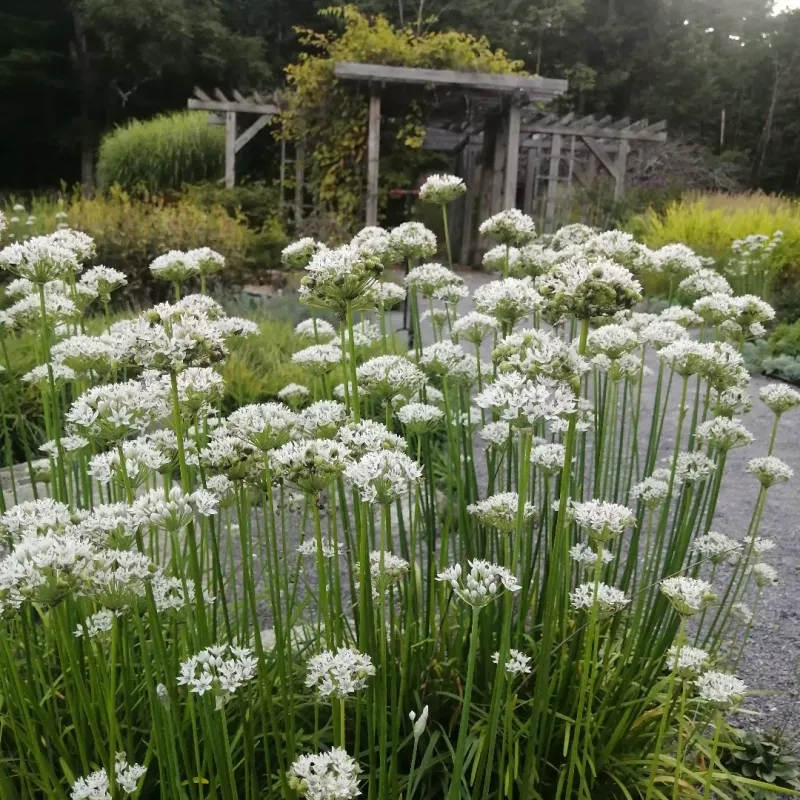
Garlic chives have a flavor that lands somewhere between regular chives and mild garlic, and that combination makes them useful in the kitchen almost year-round.
Plant them once in a sunny corner of your Georgia garden and they will reliably return each spring, spreading outward gradually over the seasons.
They are a lot tougher than they look.
Unlike standard chives, the leaves are flat rather than hollow, and the plants produce clusters of small white flowers in late summer that are actually edible. Those flowers attract pollinators too, which is a nice bonus for any vegetable garden.
If you want to keep the plants from spreading too aggressively, snip off the flower heads before they go to seed.
Garlic chives are forgiving about soil quality, which makes them a solid fit for Georgia gardens where the ground can be heavy with clay or sandy depending on the region.
They do best with regular watering during dry summer stretches but bounce back quickly after a dry spell.
Dividing the clumps every two or three years keeps them vigorous and prevents overcrowding. Use the leaves fresh, dried, or frozen — they hold their flavor reasonably well through different preservation methods.
Garlic chives keep producing fresh leaves through much of the growing season with very little effort. Regular cutting encourages new growth and helps keep the clumps tidy and manageable over time.
6. Walking Onions Return Each Year And Multiply Naturally
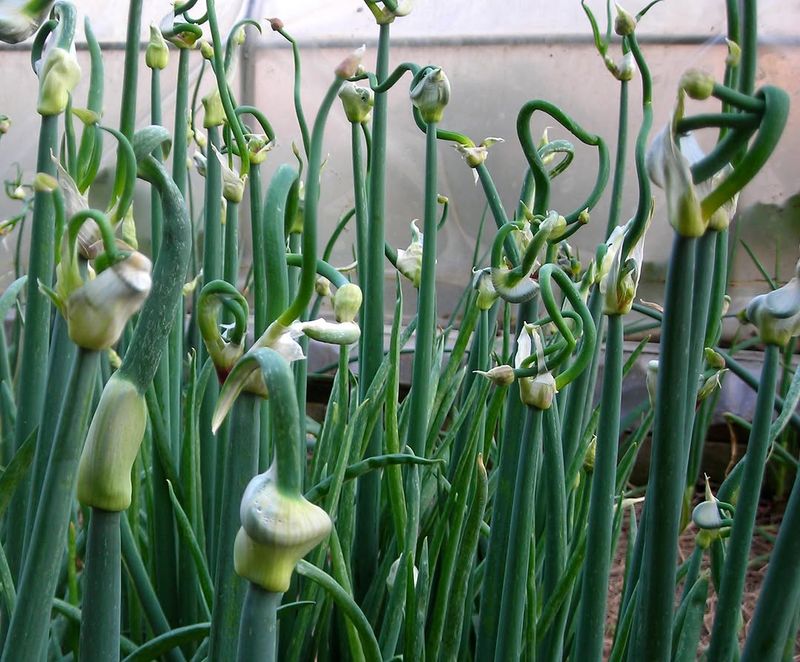
Walking onions get their name from the way they move across the garden on their own. Bulblets form at the tops of the stalks, the stalks bend under the weight, and the bulblets touch the ground and root in a new spot.
Over a few seasons, a single plant can walk its way across a decent stretch of your Georgia garden bed without any help from you.
Both the green tops and the underground bulbs are edible, and the flavor is stronger than a regular green onion with a sharper bite. Harvest the tops early in the season when they are young and tender.
The bottom bulbs can be dug up in fall, though leaving some in the ground means they will return the following year.
Walking onions are cold-hardy enough to survive Georgia winters without any special protection, even in the northern mountain counties where temperatures drop harder. They prefer full sun and reasonably well-drained soil.
Sandy loam works great, and raised beds make harvesting the small bulbs much easier than digging through dense clay. Plant a few in a dedicated bed, and within two or three seasons you will have more than enough to share with neighbors.
Letting a few tops fall and root naturally helps build a thicker patch over time. Cutting back excess plants keeps the bed from getting overcrowded.
Even a small starting cluster can turn into a steady, reliable harvest within a couple of seasons.
7. Groundnut Produces Edible Tubers And Returns Each Season
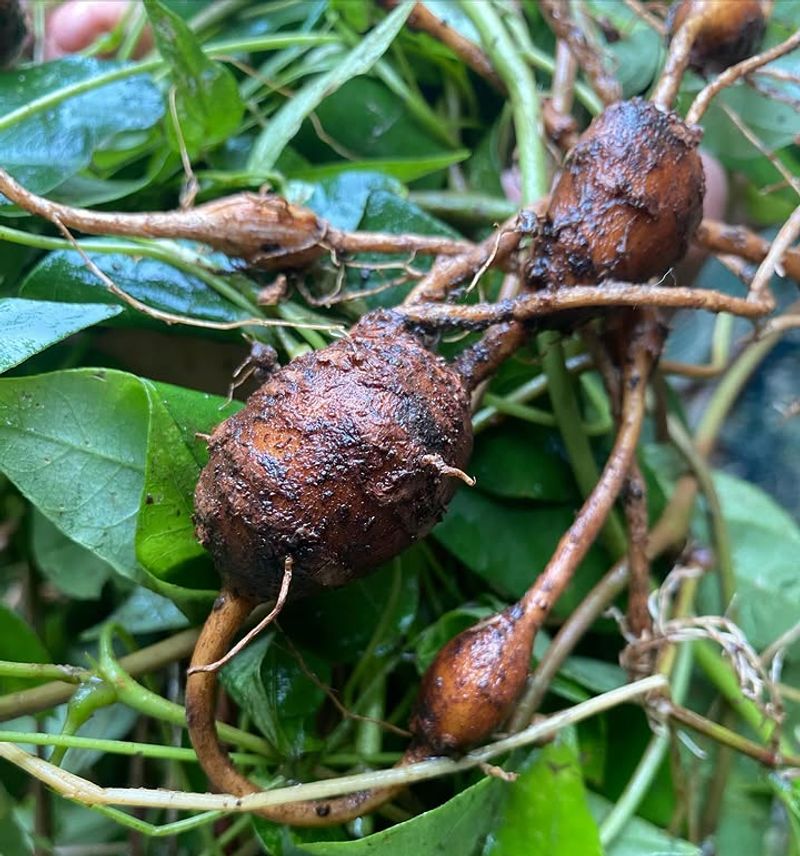
Groundnut, also called hopniss or Indian potato, is a native North American plant that produces small edible tubers along its roots underground.
It was a staple food for many Indigenous peoples long before European settlers arrived, and it grows naturally across much of the eastern United States, including Georgia.
Planting it in your garden means tapping into something that genuinely belongs here.
The tubers taste somewhat like a nutty, starchy potato and can be roasted, boiled, or fried. They are smaller than regular potatoes, so harvesting takes a bit more patience.
Leave some tubers in the ground at harvest time and the plant will come back the following season without any replanting needed.
Groundnut is a vining plant, so give it something to climb — a trellis, a fence, or even nearby shrubs work fine. It handles partial shade better than most edible plants, which makes it useful in spots where other vegetables struggle.
Georgia’s warm soil temperatures help the tubers size up well through summer and into fall.
Established patches tend to produce more generously over time as the root network expands, though results will vary depending on your soil type and how much moisture the plants receive through the season.
Once established, groundnut needs very little maintenance beyond occasional watering during dry periods. Harvesting carefully helps avoid damaging smaller tubers that will keep the patch going strong for the next season.
8. Jerusalem Artichoke Produces Edible Tubers And Returns Each Season
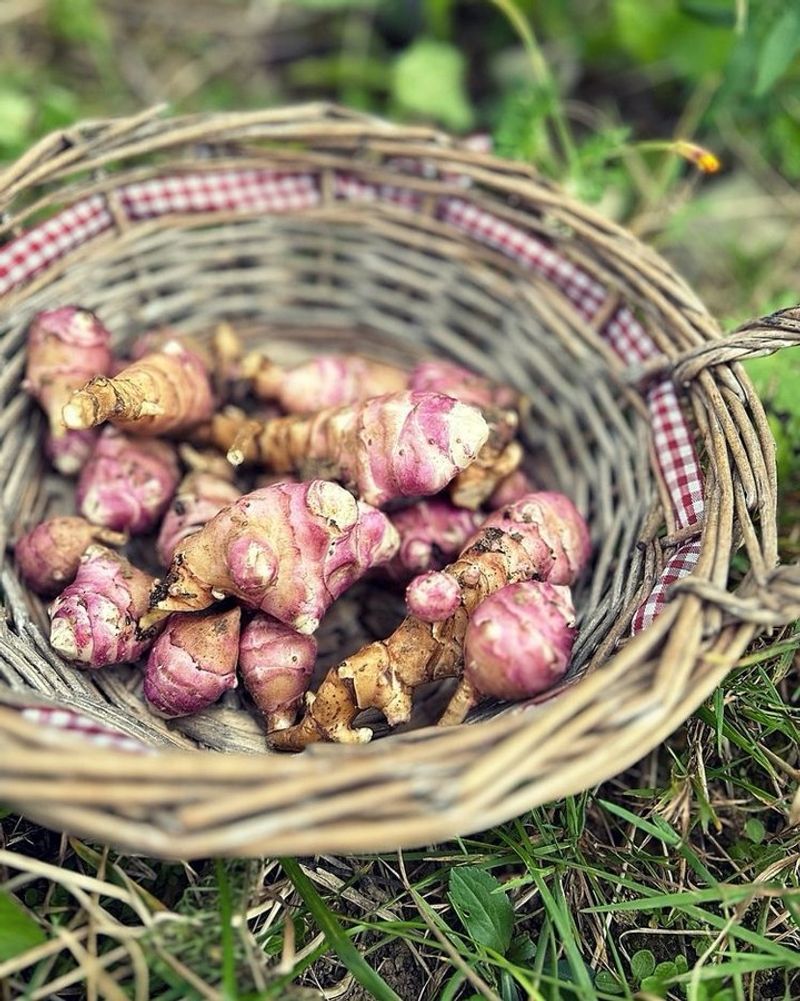
Jerusalem artichokes, sometimes called sunchokes, are related to sunflowers and look the part — tall stalks with cheerful yellow blooms that show up in late summer.
Below the surface, the plants produce knobby tubers that have a crunchy, slightly nutty flavor when eaten raw and a creamy texture when roasted.
They are genuinely good eating once you figure out how to use them.
Plant one tuber in spring, and by fall you will have a cluster of new ones ready to harvest. Georgia’s warm soil speeds up tuber development, and most gardeners find the plants spread more than expected after the first year.
Harvesting regularly keeps the patch from getting out of hand.
Sunchokes handle Georgia summers without much complaint, tolerating heat and occasional dry stretches better than many root vegetables. They prefer full sun but will still produce in partial shade, just with somewhat smaller tubers.
Work some compost into the bed before planting to improve yields, especially in heavy clay soils common across much of Georgia.
One practical note: start with a small patch and expand from there, because these plants spread enthusiastically once established in a spot they like, and managing a large patch takes consistent effort each harvest season.
Leaving a few tubers in the ground after harvest ensures the plants return without any extra work. Cutting back tall stalks in late fall helps keep the bed tidy and easier to manage the following seaso