These Perennials Can Outcompete Weeds In Ohio Yards
Tired of fighting weeds that take over your yard every year? You’re not alone!
Ohio gardens are notorious for stubborn, fast-growing weeds that seem impossible to control. The good news is some perennials can do the hard work for you.
These plants grow strong, spread effectively, and help reduce weed growth, giving your garden a fuller, cleaner look without constant weeding.
By choosing the right varieties, you can enjoy vibrant flowers, lush foliage, and a low-maintenance yard that stays beautiful all season.
With a little planning and smart placement, these perennials make weeds less of a problem and let you spend more time enjoying your outdoor space instead of battling it.
1. Daylilies Form Dense Clumps That Crowd Out Weeds
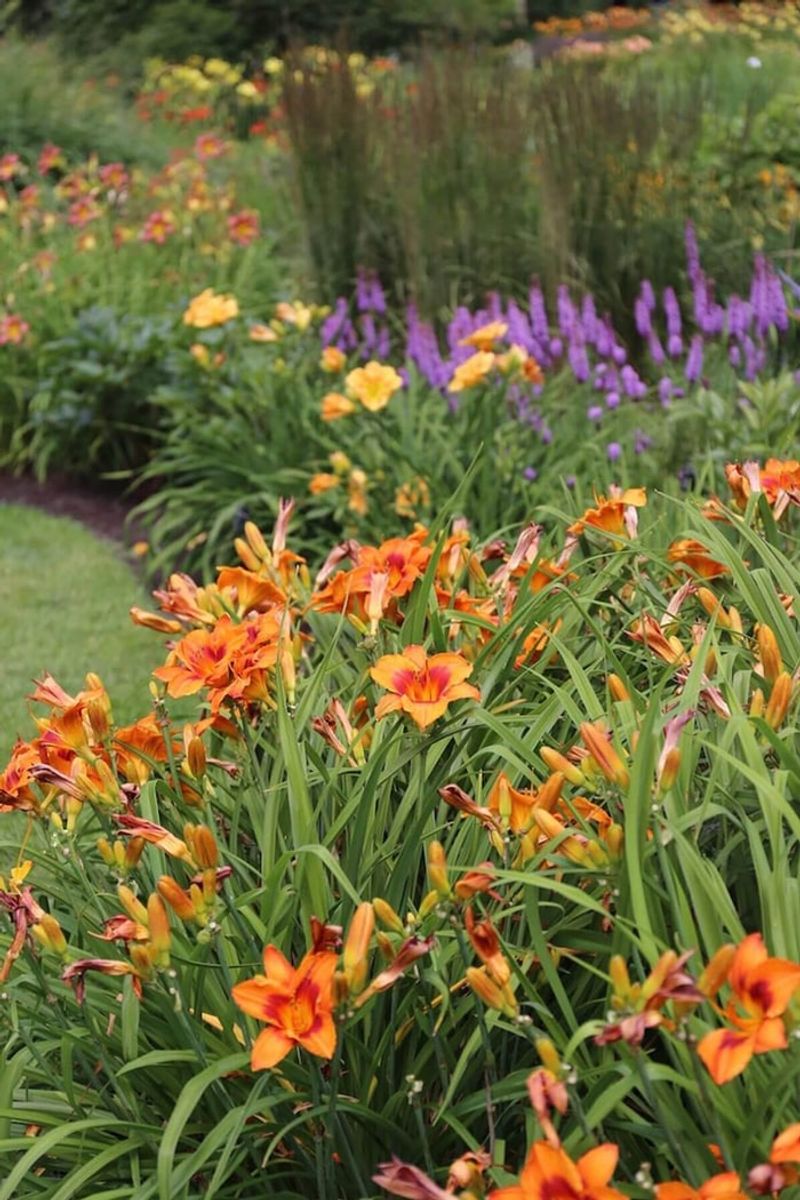
Few perennials match the weed-suppressing power of daylilies when it comes to filling garden beds with lush, low-maintenance growth. Their thick, arching foliage emerges early in spring and quickly forms dense clumps that shade the soil beneath, making it difficult for weed seeds to get the light they need to sprout.
Over time, daylilies expand steadily, creating solid masses of greenery that leave little room for unwanted plants to gain a foothold.
These reliable bloomers thrive in full sun to partial shade and adapt to a wide range of Ohio soils, from heavy clay in northern counties to lighter loam in central regions. They tolerate dry spells but prolonged wet soil can lead to root rot.
Once established, their root systems grow thick and fibrous, competing effectively with weeds for nutrients and water.
For best weed suppression, space daylilies about 18 to 24 inches apart and let them fill in naturally over two or three seasons. Mulching lightly around young plants helps reduce weeds while they establish.
Daylilies bloom for several weeks in summer, offering vibrant color alongside their practical weed-blocking benefits.
Maintenance stays minimal with daylilies. Simply remove spent flower stalks and trim back old foliage in late fall or early spring.
They benefit from division every 3 to 5 years to maintain vigor and flowering. Their vigorous growth and spreading habit help reduce weed pressure significantly without requiring constant attention or aggressive management in Ohio landscapes.
2. Hostas Blanket Shady Ground With Thick Leaves
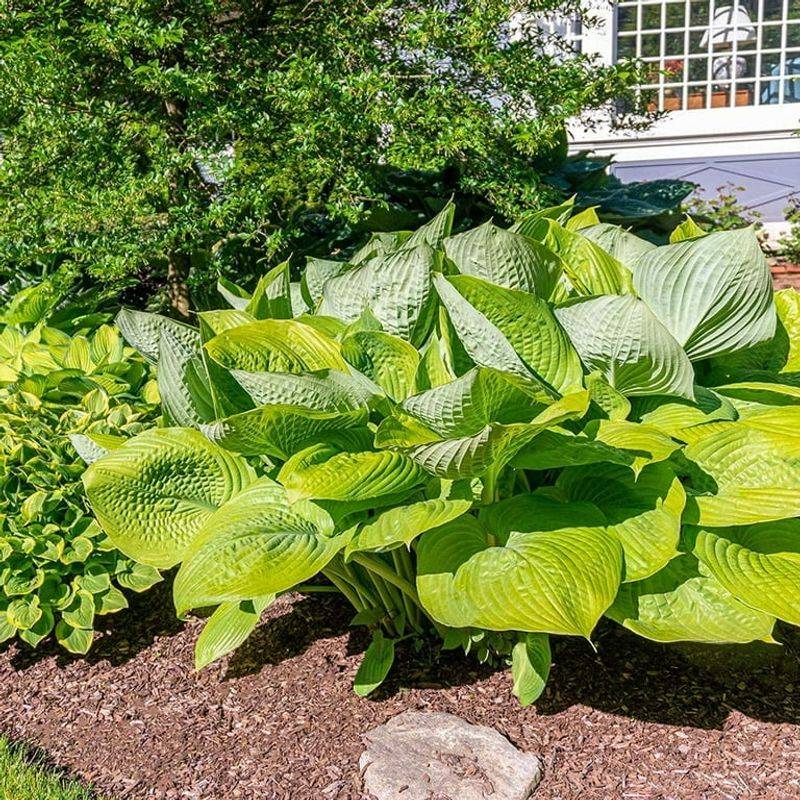
Shady spots in Ohio yards often become weed havens because many sun-loving perennials struggle in low light. Hostas change that equation completely with their broad, overlapping leaves that create natural weed barriers in areas where grass and other plants fail to thrive.
Their foliage emerges in spring and quickly expands into thick mounds that block sunlight from reaching the soil surface, limiting weed germination throughout the growing season.
Hostas flourish in partial to full shade and prefer the moist, rich soils common in many Ohio gardens. They handle the heavier clay soils found in northern regions particularly well, though they appreciate good drainage.
Varieties range from small cultivars perfect for tight spaces to large specimens that can spread three feet or more, giving you options for different areas of your landscape.
Plant hostas about 12 to 36 inches apart depending on the mature size of the variety you choose. Closer spacing creates faster ground cover and better weed suppression.
A layer of mulch around young plants helps keep weeds down while hostas establish their root systems and fill in gaps. In Ohio, deer browsing and slug damage are the most common problems with hostas.
These shade lovers need minimal care once settled. Water during dry periods, especially in summer, and remove old foliage in fall after frost.
Hostas spread gradually through their root systems, forming dense clumps that help shade out weeds without becoming difficult to manage in Ohio gardens.
3. Black Eyed Susans Fill Sunny Beds And Block Weeds

Sunny garden beds across Ohio come alive with the cheerful blooms of black-eyed Susans, but many varieties of these native perennials (such as Rudbeckia hirta and Rudbeckia fulgida) offer more than just bright color. Their sturdy stems and branching growth habit create dense stands that effectively reduce weed pressure in areas with full sun exposure.
As plants mature, they form spreading clumps that fill in bare soil and limit space for weeds to establish.
Black-eyed Susans thrive in full sun and tolerate a wide range of soil conditions, from the clay-heavy ground in northern Ohio to sandier soils in other areas. They handle both drought and occasional moisture well, making them reliable performers across all regions of the state.
Their moderately deep, fibrous root systems help them compete effectively with weeds for water and nutrients.
Space plants about 18 to 24 inches apart for good coverage. They spread through self-seeding and slowly expanding root systems, gradually creating larger colonies that naturally suppress weeds without aggressive spreading.
Some varieties are short-lived perennials or biennials and persist mainly through reseeding. Mulch lightly around young plants during their first season to reduce weed competition while they establish.
These low-maintenance perennials bloom from mid-summer into fall, providing long-lasting color. Deadhead spent flowers if you want to control self-seeding, or leave seed heads for winter interest and bird food.
Cut back old stems in early spring before new growth emerges. Black-eyed Susans help reduce weed pressure while supporting pollinators and adding reliable color to Ohio landscapes.
4. Purple Coneflowers Stand Strong Against Weed Pressure

Native to prairies and open woodlands, purple coneflowers bring both beauty and practical weed-suppressing qualities to Ohio gardens. Their sturdy stems grow upright in tight clumps, and their basal foliage creates a dense layer near the soil that helps shade out weed seedlings.
As plants mature over several seasons, they form substantial clumps that effectively limit weed growth without spreading aggressively, though they may reseed freely in open soil.
Purple coneflowers prefer full sun but tolerate light shade, adapting to various Ohio soils, including clay when drainage is adequate and well-drained loam. They handle dry conditions better than many perennials, making them suitable for areas that receive less consistent moisture.
Their deep taproots help them compete with weeds while also making established plants quite drought-tolerant.
Plant coneflowers about 18 to 24 inches apart to allow room for their clumps to expand. They spread slowly through self-seeding if you leave spent flower heads in place, gradually creating larger colonies that increase weed suppression over time.
Young plants benefit from a thin layer of mulch to reduce weed competition during establishment.
Maintenance stays simple with purple coneflowers. Deadhead blooms if you prefer to control self-seeding, or leave seed heads for birds and winter interest.
Cut back old stems in late winter or early spring. These tough perennials bloom from mid-summer into fall, attracting pollinators while helping reduce weed pressure naturally in Ohio landscapes.
5. Bee Balm Spreads To Form A Natural Weed Barrier
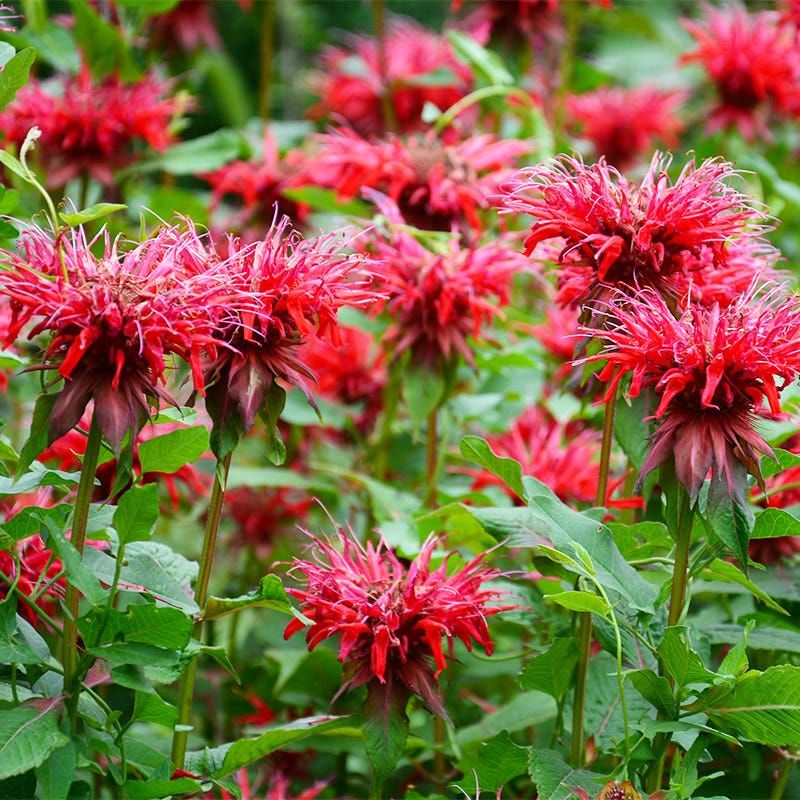
When you need a vigorous grower that fills space quickly and reduces weed pressure, bee balm delivers reliable results in Ohio gardens. This spreading perennial forms expanding colonies through underground stems, creating dense patches of foliage that shade soil and limit weed germination.
Its upright stems grow thickly together, leaving little room for weeds to push through once bee balm becomes established.
Bee balm thrives in full sun to partial shade and prefers moist, well-drained soil, though it adapts to various conditions across Ohio. It performs particularly well in areas with consistent moisture, such as rain gardens or beds with amended soil.
The plant spreads naturally but can be managed easily by removing outer shoots if you need to contain its growth. In Ohio, bee balm often spreads quickly and may overtake small beds unless divided regularly.
Space bee balm plants about 18 to 24 inches apart initially. They fill in gaps within two seasons, forming solid stands that effectively suppress weeds.
Mulching around young plants helps reduce weed competition while roots establish and spreading begins. Powdery mildew is common in humid Ohio summers, especially in areas with poor air circulation.
This native perennial blooms in mid-summer with tubular flowers that attract hummingbirds, bees, and butterflies. Deadhead spent blooms to extend flowering and reduce self-seeding.
Cut back stems after flowering or in early spring. Divide clumps every few years if they become too dense or if you want to control spread.
Bee balm helps reduce weed pressure naturally while supporting pollinators in Ohio landscapes, though its spreading habit means it works best where you have room for expansion.
6. Creeping Phlox Covers Soil With A Blooming Carpet

Slopes, rock gardens, and sunny edges benefit greatly from the mat-forming growth of creeping phlox, which creates a dense living carpet that naturally suppresses weeds. This low-growing perennial spreads horizontally across the ground, forming thick layers of needle-like foliage that block light from reaching soil beneath.
Once established, creeping phlox creates such dense coverage that few weeds can penetrate its tightly woven stems.
Creeping phlox thrives in full sun and well-drained soil, making it ideal for areas where water doesn’t collect. It handles rocky or sandy soils well and tolerates drought once roots establish.
This ground cover is hardy across all of Ohio when planted in well-drained soil.
Space plants about 12 to 15 inches apart for relatively quick coverage. They spread steadily through trailing stems that root where they touch soil, gradually forming solid mats that effectively reduce weed pressure.
Improve drainage before planting in heavy clay soils, as wet conditions can weaken plants.
Creeping phlox blooms heavily in spring, creating sheets of color in pink, purple, white, or blue. After flowering, trim back stems lightly to encourage dense growth and maintain tidy appearance.
This ground cover needs little maintenance beyond occasional watering during extended dry periods. Its spreading habit helps reduce weed growth naturally while creating beautiful seasonal displays in Ohio landscapes.
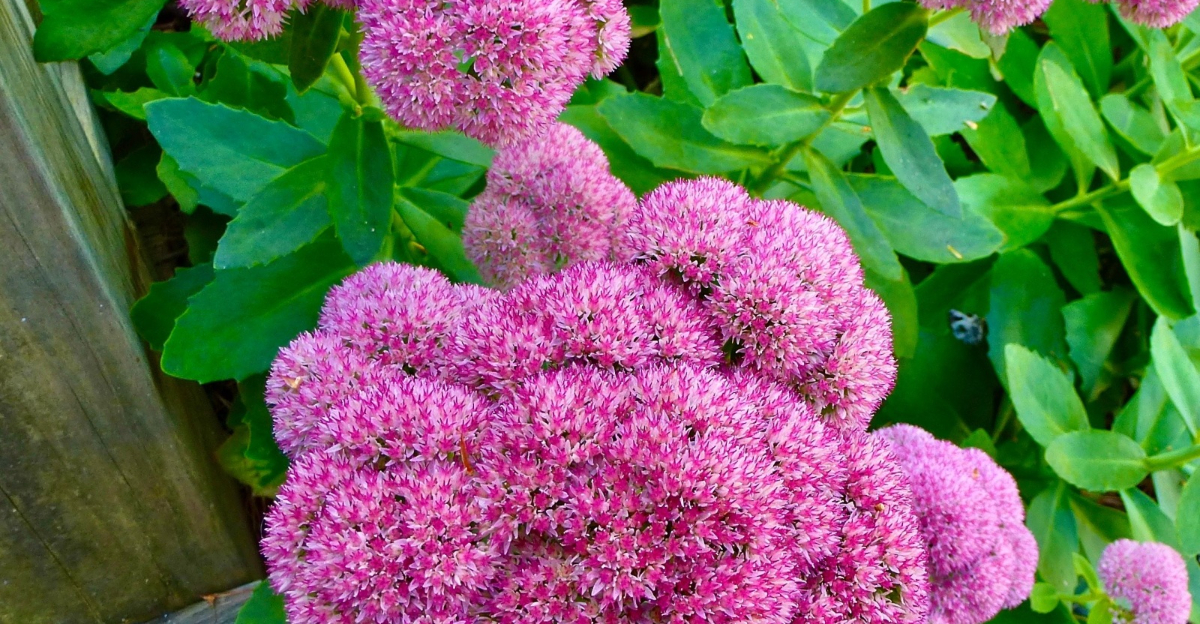
7. Sedum Thrives Where Weeds Struggle To Grow
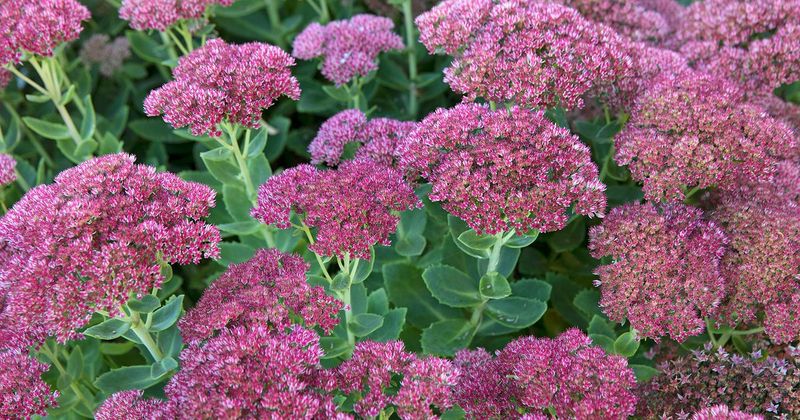
Dry, sunny spots that challenge many perennials become ideal growing conditions for sedum, which thrives in lean soils and hot exposures where weeds often struggle to establish. These succulent perennials form dense mats or upright clumps with thick, fleshy leaves that create solid ground coverage, shading soil and limiting weed germination.
Their ability to store water in their leaves helps them outcompete weeds in conditions that would stress other plants.
Sedum prefers full sun and well-drained soil and may struggle in poorly drained clay. Various species work across Ohio, from low-growing mat-formers perfect for edges and slopes to taller varieties that create substantial clumps.
They tolerate drought exceptionally well once established, making them reliable in areas with less consistent moisture. In Ohio, winter wetness is a more common cause of plant loss than cold temperatures.
Space low-growing sedums about 6 to 12 inches apart for ground cover, or place taller varieties 18 to 24 inches apart. They spread gradually through creeping stems or expanding clumps, forming dense growth that naturally suppresses weeds without aggressive spreading.
Avoid overwatering or planting in areas with poor drainage, as wet conditions can weaken plants.
Sedum blooms in late summer or fall, attracting pollinators with clusters of small flowers. Leave spent flower heads through winter for visual interest, then trim back in early spring if needed.
These tough perennials need minimal care and help reduce weed pressure naturally in challenging spots where other plants struggle to grow in Ohio landscapes.
8. Switchgrass Builds Deep Roots That Push Weeds Out
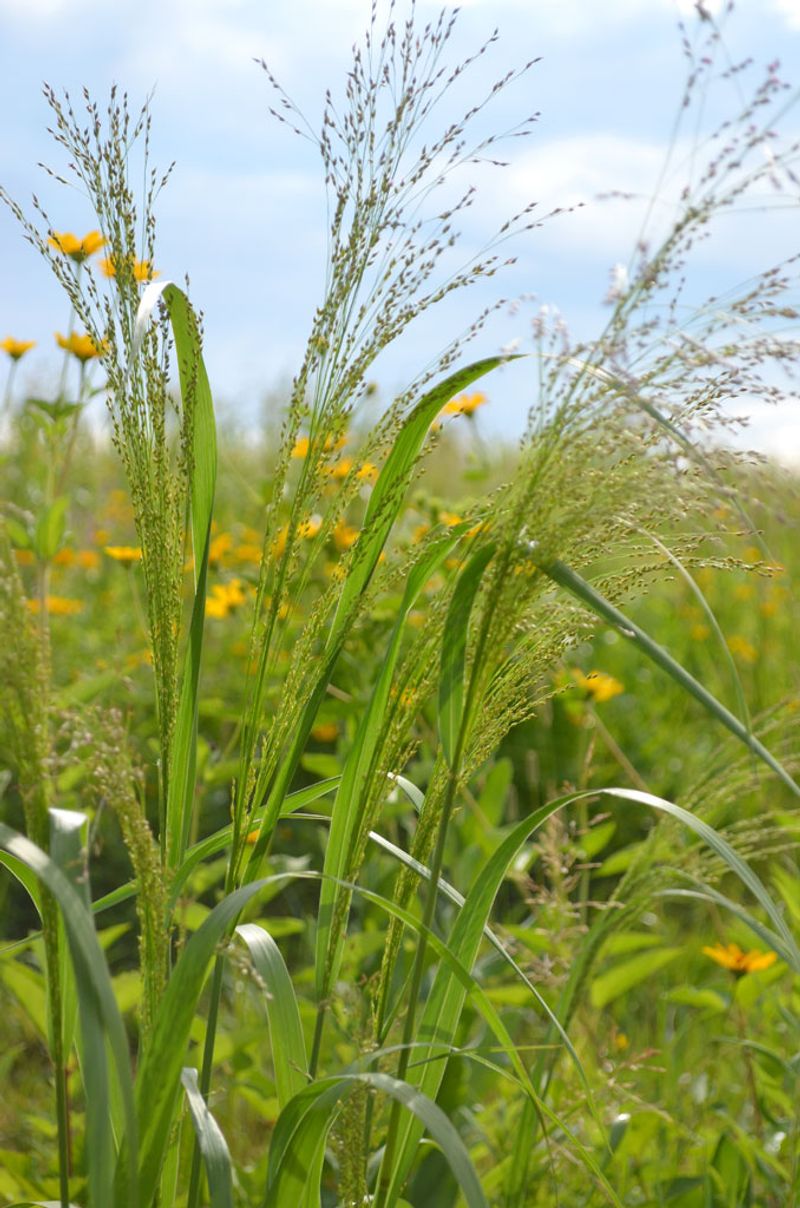
Native prairie grasses like switchgrass bring natural weed suppression to Ohio landscapes through their vigorous root systems and dense upright growth. This clump-forming grass develops extensive roots that reach deep into soil, competing effectively with weeds for water and nutrients while creating thick stands of foliage that shade the ground.
As clumps mature and expand, they form solid masses that reduce space for weeds to establish.
Switchgrass thrives in full sun and adapts to a wide range of Ohio soils, from heavy clay in northern regions to lighter soils elsewhere. It handles both dry conditions and occasional wet periods, making it versatile across different landscape situations.
Plants grow in tidy clumps, though seedlings may appear nearby from self-seeding, giving you a vigorous grower that stays manageable.
Space switchgrass about 24 to 36 inches apart depending on the variety you choose. Clumps expand gradually over several seasons, eventually forming substantial masses that effectively suppress weeds.
Their deep root systems establish over time, increasing both drought tolerance and weed-competing ability.
This native grass adds four-season interest with green summer foliage, airy fall seed heads, and golden winter color. Cut back old growth in late winter or early spring before new blades emerge.
Switchgrass needs minimal maintenance once established and helps reduce weed pressure naturally while providing habitat for birds and beneficial insects. Its growth and spreading habits vary based on soil moisture and fertility, but it remains well-behaved in Ohio gardens.
Even dense perennials will not stop all weeds. Maintaining mulch, minimizing bare soil, and proper plant spacing remain the most effective long-term weed prevention methods in Ohio landscapes.