These 10 Perennials Should Wait Until Spring In Oregon

Right now, in the middle of an Oregon winter, you might be looking out at your garden through a gray sky and wondering how it’s really doing out there.
The beds are quiet, the plants look a little rough, and everything feels paused.
Have you ever stepped outside in your coat, maybe just to check on things, and thought about what you should have cut back or what you’re glad you didn’t?
Winter has a way of making us second-guess our fall choices.
Some stems are bent, some leaves are soggy, and it’s tempting to want to clean everything up.
But many perennials are actually grateful you left them alone.
Those old stalks and bits of growth are still working, helping protect roots from cold snaps and soaking up all that Oregon moisture.
Even when it doesn’t look like much is happening, there’s a lot going on below the soil.
If you’re feeling unsure, you’re not alone.
Most of us are just doing our best to care for our gardens through these long, wet months.
It’s okay if things look messy for now.
That’s part of the season.
These perennials were meant to rest this way, and come spring, you’ll be glad you gave them the quiet time they needed.
1. Dahlias

Dahlias bring stunning blooms in every color imaginable, from deep burgundy to sunny yellow.
These showstoppers need warm soil to get started, which makes spring the perfect time for Oregon gardeners to plant them.
Cold, wet ground can cause their tubers to rot before they even have a chance to sprout.
Wait until the soil temperature reaches at least 60 degrees Fahrenheit before tucking dahlia tubers into your garden bed.
This usually happens in late April or early May in most Oregon regions.
The warmer conditions help tubers develop strong roots quickly.
Dahlias appreciate full sun and well-draining soil enriched with compost.
Space them about 18 to 24 inches apart to give each plant room to grow.
Stake taller varieties early to support their heavy blooms later in the season.
These beauties bloom from mid-summer through fall, providing continuous color when many other flowers start to fade.
Regular deadheading encourages more flowers and keeps plants looking tidy.
With proper care, dahlias reward you with armfuls of gorgeous cut flowers for your home all season long.
2. Cannas
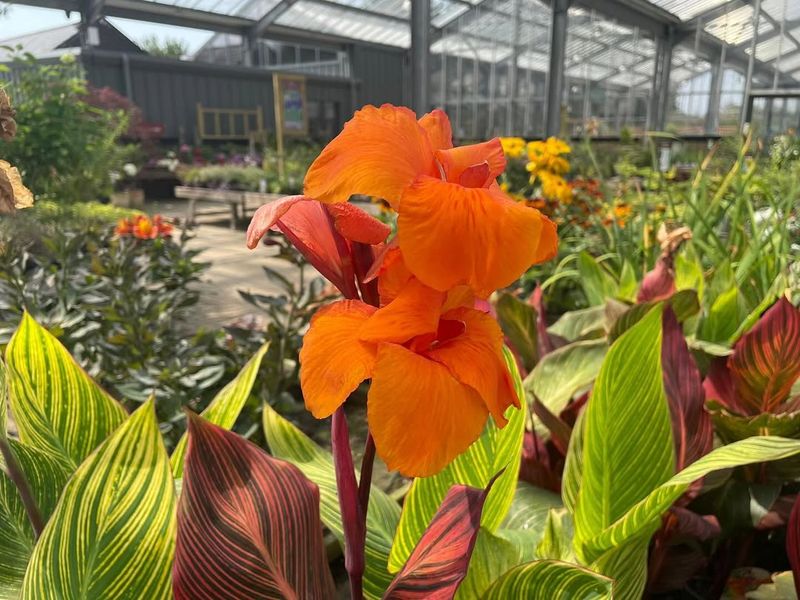
Bold and tropical-looking, cannas add dramatic flair to any garden with their large paddle-shaped leaves and bright flower spikes.
These heat-loving perennials absolutely cannot tolerate frost, so spring planting is essential in Oregon.
Their rhizomes need consistently warm soil to wake up and grow properly.
Plant canna rhizomes after the last frost date has passed and soil temperatures stay reliably above 60 degrees.
In most Oregon areas, this means waiting until mid to late May.
Planting too early risks rotting the rhizomes in cold, damp conditions.
Cannas thrive in rich, moist soil with plenty of organic matter mixed in.
Choose a spot that receives at least six hours of direct sunlight daily for the best flowering.
These plants can grow quite tall, reaching four to six feet, so place them toward the back of borders.
Water cannas regularly during the growing season, as they prefer consistent moisture.
Fertilize monthly with a balanced plant food to support their vigorous growth and abundant blooms.
Their bold texture and bright colors create eye-catching focal points that last from summer through the first frost.
3. Crocosmia

Crocosmia produces arching sprays of tubular flowers in fiery shades of red, orange, and yellow that hummingbirds find irresistible.
While some established crocosmia can handle Oregon winters, newly planted corms benefit greatly from spring planting.
This gives them the entire growing season to develop strong root systems before facing winter weather.
Wait until mid to late spring when soil temperatures warm up and frost danger passes.
Plant crocosmia corms about three inches deep and six inches apart in groups for the most striking display.
They prefer well-draining soil and can tolerate partial shade, though they bloom best in full sun.
These cheerful perennials multiply readily, forming attractive clumps of sword-shaped foliage over time.
Their flowers appear in mid to late summer, creating vibrant waves of color that dance in the breeze.
The blooms make excellent cut flowers and add a wildflower charm to arrangements.
Crocosmia requires minimal maintenance once established.
Water regularly during the first growing season to help roots develop.
After that, they handle dry spells quite well, making them perfect for water-wise gardens that still want plenty of color and wildlife appeal.
4. Gladiolus
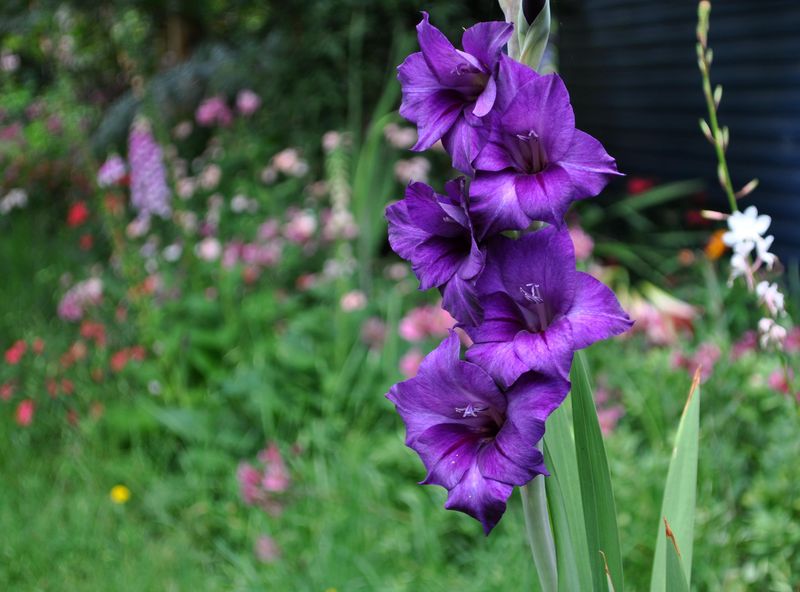
These gorgeous plants have stems that tower above the garden with their impressive spikes of ruffled flowers that open from bottom to top.
These classic cottage garden favorites need warm soil to thrive, making them poor candidates for fall planting in Oregon.
Their corms can rot quickly in cold, wet winter conditions.
Plant gladiolus corms in spring after the soil warms to at least 55 degrees Fahrenheit.
For continuous blooms throughout summer, try staggered plantings every two weeks from late April through June.
Place corms about four to six inches deep and six inches apart in well-draining soil.
Choose a sunny location protected from strong winds, as tall gladiolus stems can topple over during storms.
Staking helps keep the flower spikes upright and looking their best.
These plants prefer consistent moisture but dislike soggy conditions, so water deeply but infrequently.
Gladiolus blooms make spectacular cut flowers that last up to two weeks in a vase.
Cut stems when the bottom two or three flowers just start opening for the longest vase life.
Their elegant spikes come in nearly every color, from pure white to deep purple, allowing you to match any garden color scheme perfectly.
5. Begonias
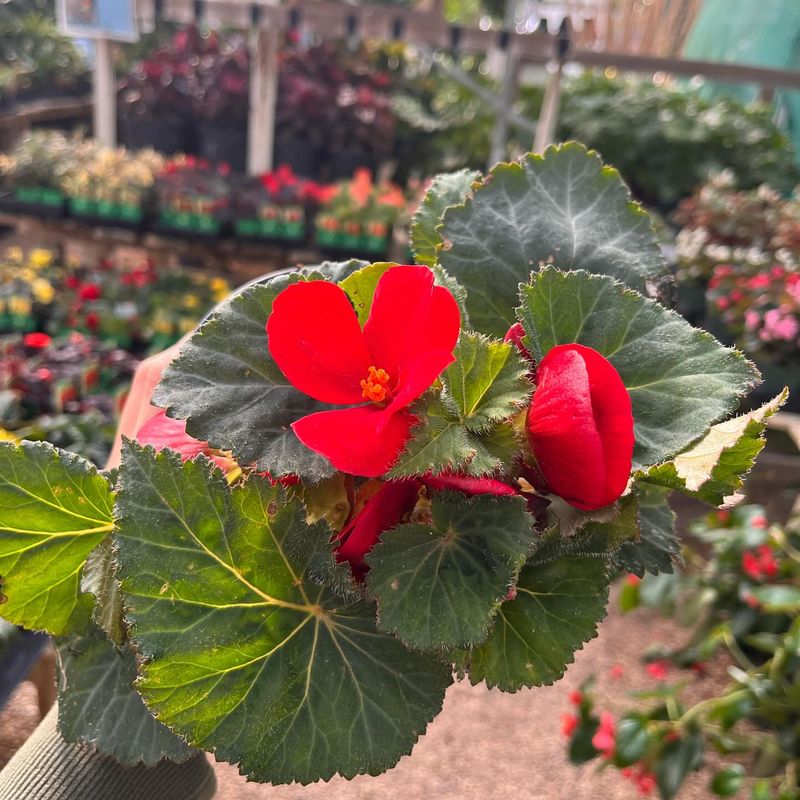
Tuberous begonias offer lush, rose-like blooms and attractive foliage that brightens shady spots throughout summer.
These tender perennials cannot survive Oregon winters outdoors, and their tubers need warm conditions to sprout successfully.
Spring planting gives them the best start possible.
Start begonia tubers indoors in late March or early April, placing them hollow-side up in pots filled with moist potting mix.
Keep them in a warm spot until shoots appear.
Transplant them outdoors after all frost danger passes, usually in mid to late May in most Oregon locations.
Begonias prefer partial to full shade and rich, well-draining soil amended with plenty of compost.
They need consistent moisture but hate sitting in waterlogged soil, which can cause tuber rot.
Apply a layer of mulch around plants to help retain moisture and keep roots cool.
These beauties bloom continuously from early summer until the first frost.
Pinch off spent flowers regularly to encourage more blooms and maintain a tidy appearance.
Feed begonias every two to three weeks with a diluted liquid fertilizer to support their vigorous growth and abundant flowering throughout the season.
6. Agapanthus
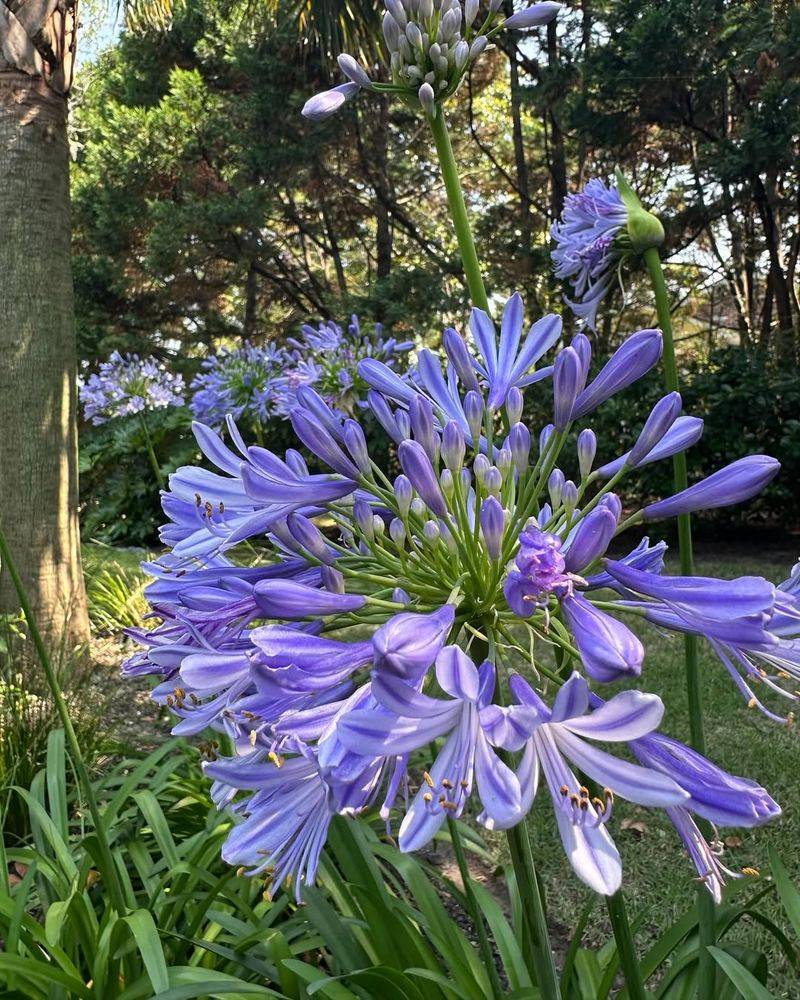
Frequently called lily-of-the-Nile, Agapanthus produces stunning globe-shaped flower clusters atop tall, sturdy stems.
While some varieties tolerate cold better than others, spring planting gives all types the best chance to establish before winter arrives in Oregon.
Their fleshy roots need time to settle in and grow strong.
Plant agapanthus rhizomes in late spring after the soil warms thoroughly, typically in May.
Choose a sunny spot with well-draining soil, as these plants dislike wet feet during winter.
Set rhizomes about two inches deep and 12 to 18 inches apart, with the growing point facing upward.
These elegant perennials form attractive clumps of strap-like foliage that stays green in mild Oregon winters.
Their dramatic flower clusters appear in mid to late summer, creating striking vertical accents in borders and containers.
Colors range from deep blue-purple to white, with many shades in between.
Agapanthus prefers infrequent but deep watering once established.
Too much moisture, especially during winter, can cause root rot.
In colder Oregon regions, apply a thick layer of mulch around plants in late fall to protect roots from freezing temperatures and improve their chances of returning each spring.
7. Penstemon
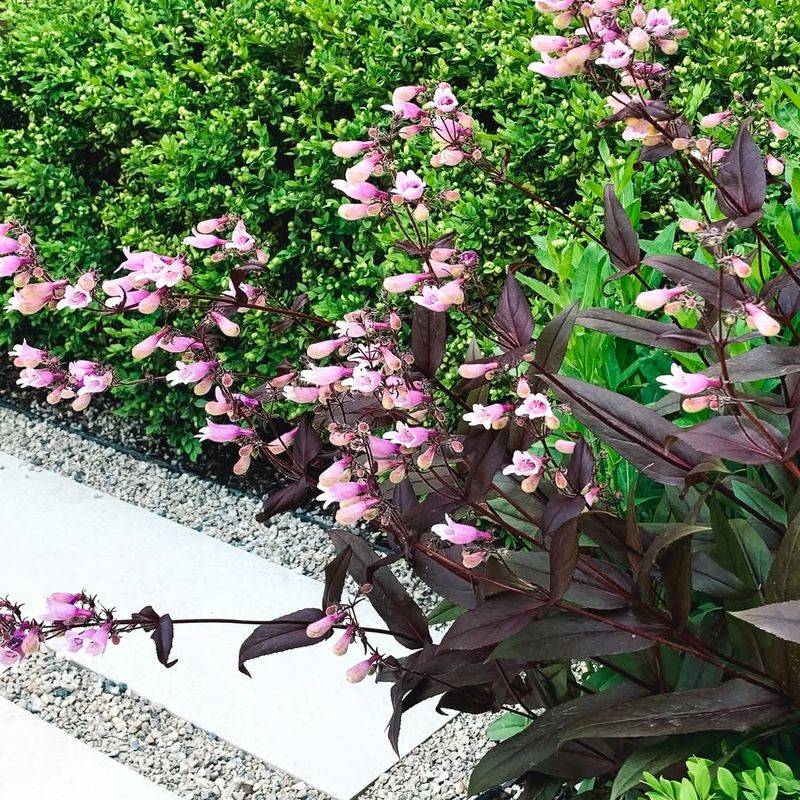
Penstemon species native to drier climates struggle when planted in fall in Oregon because they cannot handle sitting in cold, wet winter soil.
These tubular-flowered beauties attract hummingbirds and bees but need excellent drainage to survive.
Spring planting allows their roots to establish during warmer, drier months.
Wait until mid to late spring to plant penstemons, giving the soil time to warm and dry out from winter rains.
Choose the sunniest, best-draining spot in your garden, ideally on a slope or raised bed.
Amend heavy clay soil with gravel or coarse sand to improve drainage dramatically.
These western natives produce spikes of tubular flowers in shades of pink, purple, red, and blue throughout summer.
Their semi-evergreen foliage adds texture to the garden even when plants are not blooming.
Most varieties grow one to three feet tall, depending on the species.
Penstemons require minimal water once established and actually perform better with some neglect.
Overwatering or rich soil causes floppy growth and increases disease problems.
Cut back spent flower stems to encourage a second flush of blooms.
These tough perennials reward careful siting with years of colorful, low-maintenance performance.
8. Gaillardia

Commonly called blanket flower, Gaillardia brightens gardens with cheerful daisy-like blooms in warm sunset colors.
While established plants handle Oregon winters reasonably well, newly planted gaillardias benefit from spring planting.
This timing allows roots to develop fully before facing winter moisture and cold.
Plant gaillardia in late spring after the soil dries out and warms up nicely.
These prairie natives demand excellent drainage and full sun to thrive.
They tolerate poor, sandy, or rocky soil better than rich, heavy clay, making them perfect for challenging garden spots.
Blanket flowers bloom prolifically from early summer through fall, creating waves of red, orange, and yellow flowers with distinctive burgundy centers.
Deadheading spent blooms encourages continuous flowering and prevents excessive self-seeding.
Plants typically grow 12 to 24 inches tall and spread slowly to form loose clumps.
Gaillardias need very little care once established.
Water sparingly, as too much moisture causes root rot and encourages disease problems.
Avoid fertilizing, which produces weak, floppy growth.
These tough, drought-tolerant perennials shine in hot, dry spots where other plants struggle, attracting butterflies and other beneficial pollinators all season long.
9. Salvia
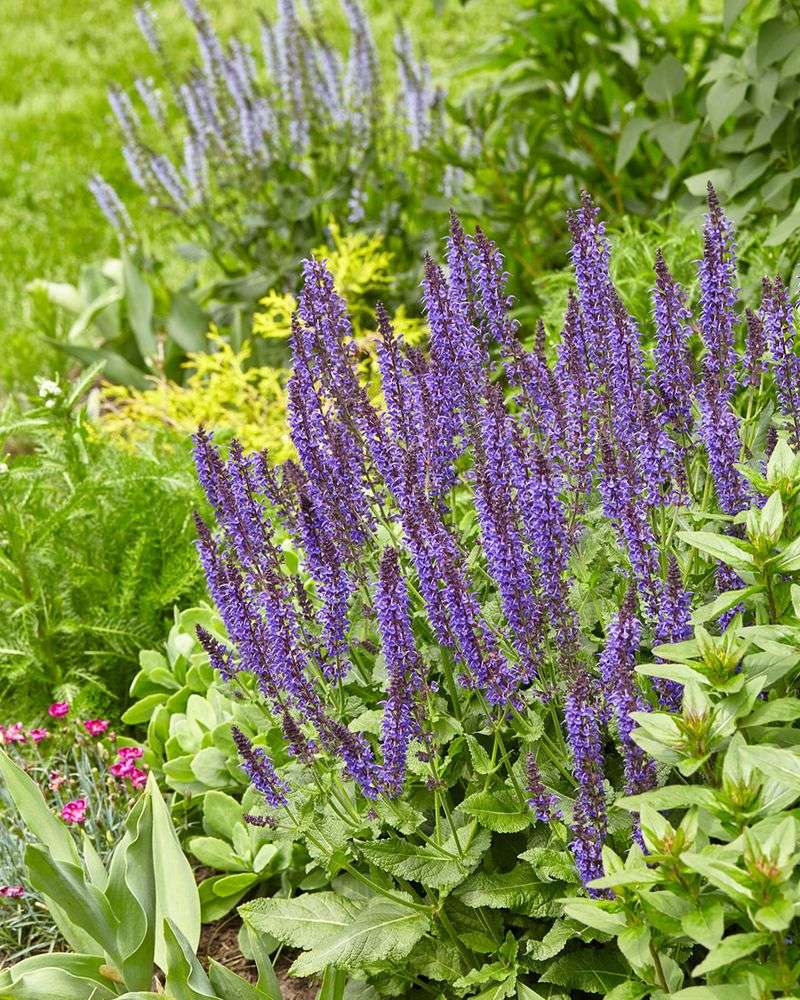
Many salvia varieties, particularly those from Mediterranean climates, dislike Oregon’s wet winter conditions.
While some hardy types handle fall planting, tender salvias need the protection that spring planting provides.
Warm soil temperatures help these aromatic perennials establish strong root systems quickly.
Plant salvias in mid to late spring after frost danger passes completely.
Select a location with full sun and excellent drainage, as soggy winter soil proves fatal to many types.
Space plants 12 to 18 inches apart, depending on the variety’s mature size.
Salvias produce spikes of tubular flowers that hummingbirds and butterflies adore.
Colors range from deep purple and blue to pink, red, and white.
Their aromatic foliage adds fragrance to the garden and deters deer and rabbits.
Most varieties bloom from early summer through fall with regular deadheading.
These plants prefer moderate watering during the growing season but need much less moisture in winter.
Cut back spent flower stems to encourage repeat blooming.
In late fall, leave foliage intact to provide some winter protection for the crown.
Trim back dead stems in early spring just as new growth emerges from the base of the plant.
10. Echinacea
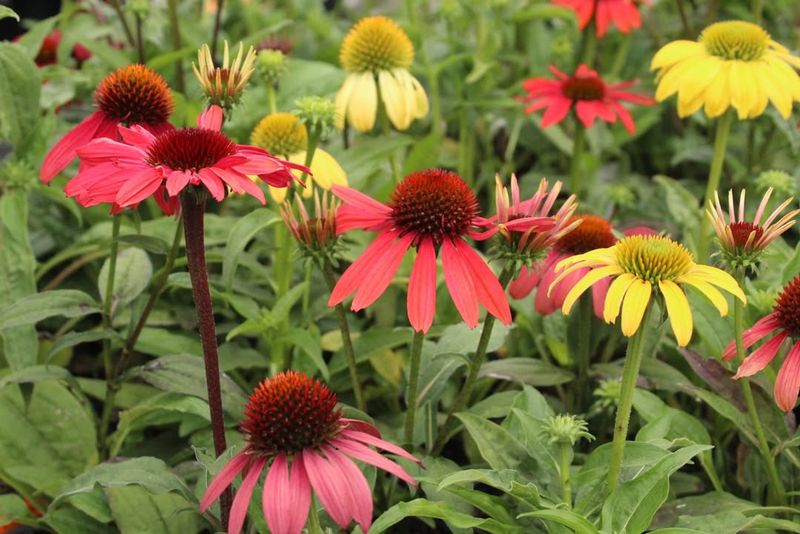
Echinacea, or coneflower, ranks among the most popular perennials for good reason.
However, nursery-grown plants in pots often struggle when planted in fall in Oregon.
Their roots have not adapted to outdoor conditions, and transplant shock combined with winter stress can set them back significantly or worse.
Wait until spring to plant container-grown echinacea, ideally in April or May.
This gives plants the entire growing season to develop extensive root systems and adjust to your garden conditions.
Choose a sunny spot with well-draining soil, as these prairie natives dislike wet feet.
Coneflowers produce distinctive daisy-like blooms with prominent central cones surrounded by drooping petals.
Traditional varieties feature purple-pink flowers, but modern hybrids come in orange, yellow, white, and red.
Plants typically grow two to four feet tall and bloom from mid-summer through early fall.
These tough perennials attract butterflies, bees, and goldfinches, which love eating the seeds from spent flower heads.
Leave dried flowers standing through winter to provide food for birds and visual interest.
Cut back old stems in early spring before new growth emerges.
Echinacea tolerates heat, humidity, and drought once established, making it perfect for low-maintenance gardens.