These Pink Perennials Will Brighten Any Garden Space In Pennsylvania
Pink blooms have a way of instantly lifting a garden’s mood, and in Pennsylvania, perennials that return year after year make that color even more rewarding. These plants bring soft, cheerful tones that contrast beautifully with green foliage and other seasonal flowers.
From pale blush to vibrant magenta, pink perennials create layers of color that feel lively and inviting throughout the growing season.
Perennials are ideal for Pennsylvania gardens because they return reliably, handling local weather, soil, and seasonal shifts. They provide structure and continuity, filling beds, borders, and containers with long-lasting color.
Many also attract pollinators like bees and butterflies, adding movement and life to your yard.
Choosing pink perennials adds charm, warmth, and balance to garden spaces, whether you have a small backyard, a sprawling landscape, or a cozy container arrangement.
With the right selection, your Pennsylvania garden can stay bright, cheerful, and full of life from spring through fall.
1. Peony
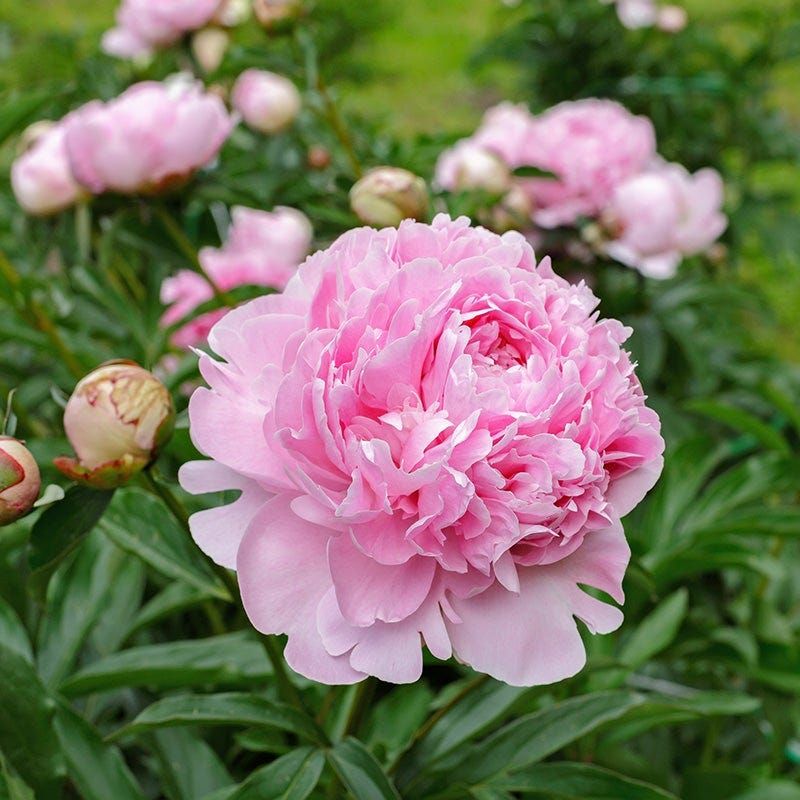
Few flowers can match the drama and beauty that peonies bring to Pennsylvania gardens each late spring. These magnificent plants produce blooms as large as softballs, with layers of silky petals in shades ranging from pale blush to deep rose pink.
The fragrance alone makes them worth growing, filling your garden with a sweet perfume that attracts both people and beneficial insects.
Peonies are incredibly long-lived plants that can thrive for decades in the same spot. Some Pennsylvania gardens have peony plants that have been blooming for over fifty years.
They handle our cold winters beautifully, actually needing that chill period to produce their spectacular spring flowers. Plant them in full sun with well-drained soil, and they will reward you year after year.
Once established, these plants need very little attention beyond occasional watering during dry spells. They rarely face serious pest problems and grow stronger each season.
The sturdy stems support those heavy blooms well, though you might want to add some support rings if you live in an area with heavy spring rains.
Pennsylvania’s climate provides exactly what peonies need to flourish, making them one of the most reliable pink perennials you can choose for your garden space.
2. Astilbe (Pink Varieties)
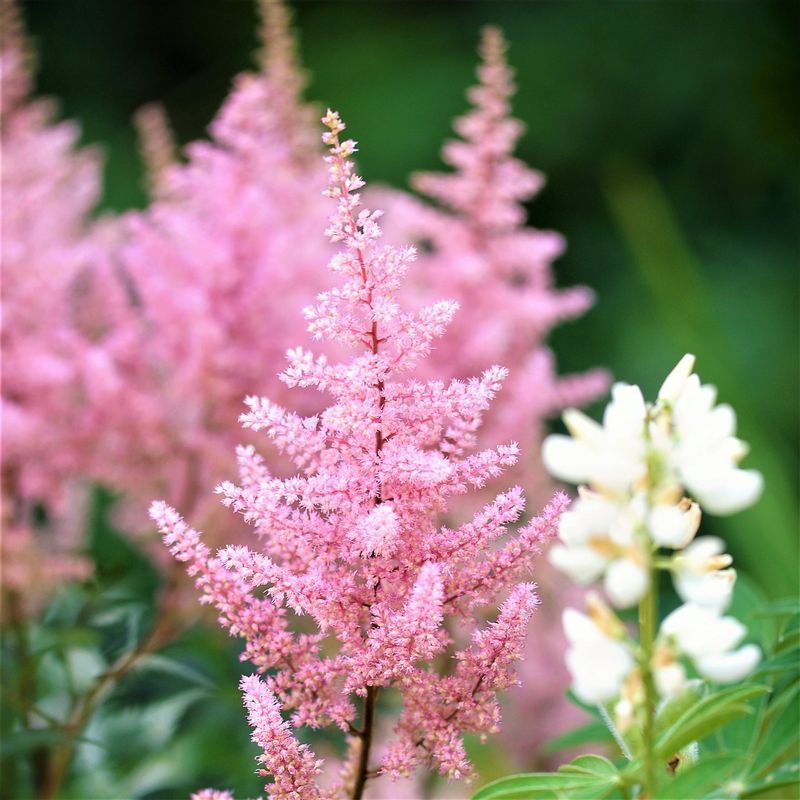
Shade gardens across Pennsylvania come alive when pink astilbes burst into bloom. These elegant perennials solve the challenge of adding color to spots where most flowering plants struggle.
The feathery plumes rise above lacy foliage, creating a soft, romantic look that works beautifully in woodland settings or alongside hostas and ferns.
Astilbes absolutely love the moist, rich soil found in many Pennsylvania gardens. They thrive in partial to full shade, making them perfect for the north side of your house or under tree canopies.
The pink varieties range from soft salmon tones to vibrant magenta, giving you plenty of options to match your garden design. Blooming from early to midsummer, they fill that gap between spring bulbs and late summer flowers.
These plants ask for very little beyond consistent moisture and some organic matter worked into the soil at planting time. They spread slowly into attractive clumps that can be divided every few years if you want more plants.
Pennsylvania gardeners appreciate how astilbes handle our humid summers without complaint. The flower plumes dry beautifully on the plant, adding winter interest to your garden long after the blooming season ends.
3. Purple Coneflower
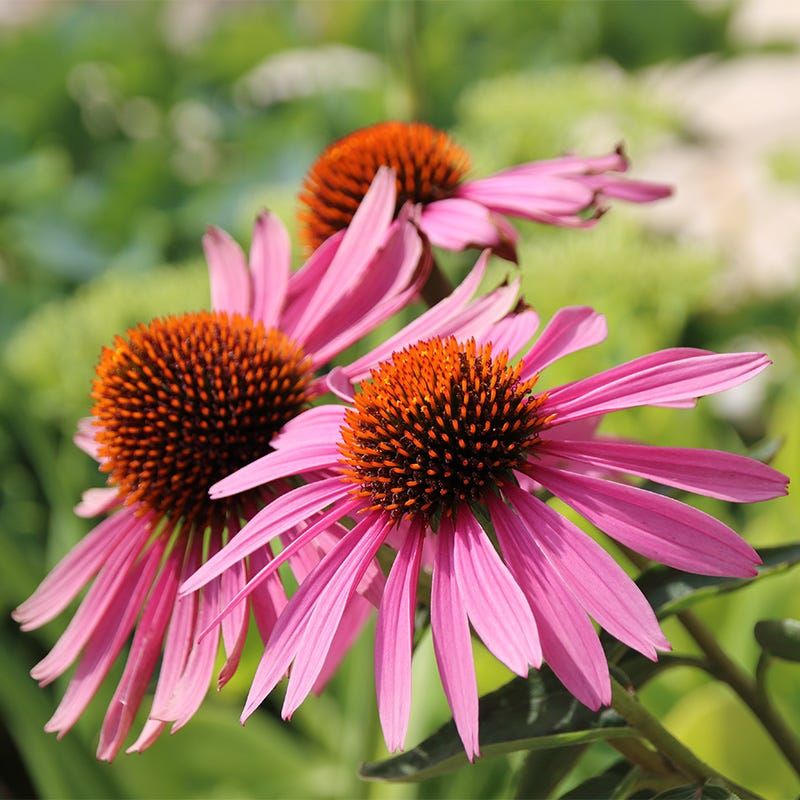
Native to eastern North America, purple coneflowers bring both beauty and toughness to Pennsylvania gardens. The pink forms of this wildflower feature distinctive raised centers surrounded by petals that gracefully droop downward.
Butterflies, bees, and other pollinators flock to these blooms from summer straight through early fall, creating a lively garden scene.
Pennsylvania’s variable weather never seems to bother these hardy plants. They handle drought, humidity, heat waves, and cold snaps with equal ease.
Purple coneflowers grow best in full sun but tolerate light shade, and they adapt to various soil types as long as drainage is decent. The plants typically reach two to three feet tall, making them perfect for the middle of flower borders.
What makes coneflowers especially valuable is their incredibly long blooming period. Where many perennials flower for just a few weeks, these plants keep producing new blooms for months.
Goldfinches love the seed heads in fall and winter, so consider leaving spent flowers standing rather than cutting everything back.
Pennsylvania gardeners find these plants practically maintenance-free once established, needing only occasional division every few years to keep them vigorous and blooming abundantly throughout the growing season.
4. Garden Phlox
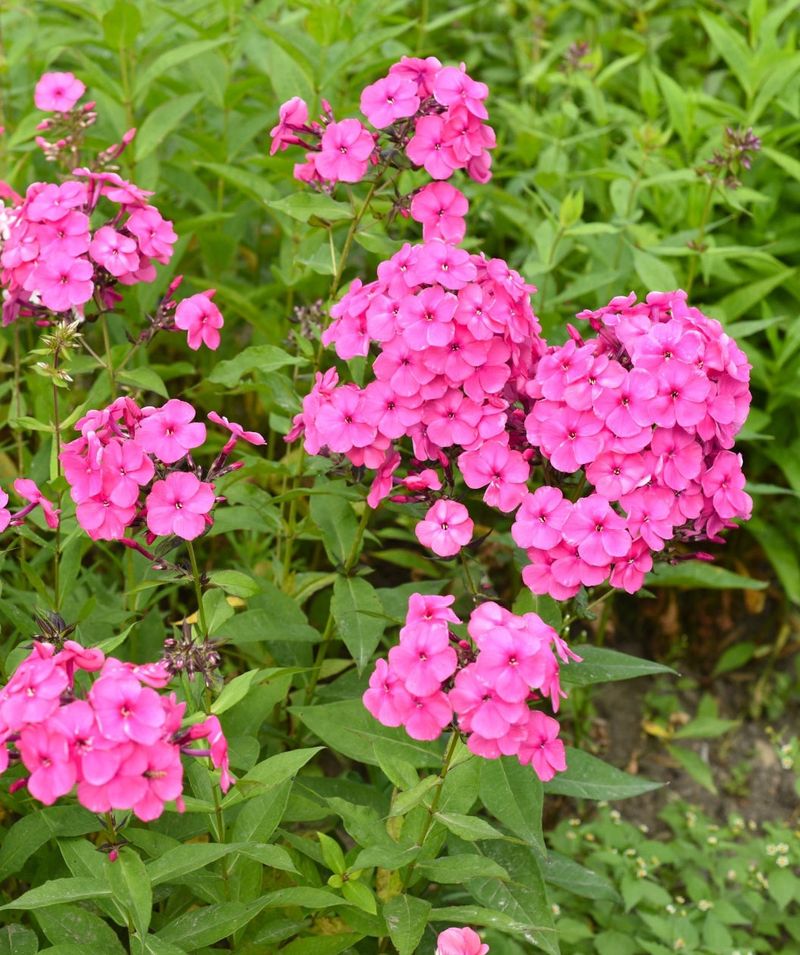
Garden phlox represents classic American gardening at its finest. These summer bloomers produce large clusters of sweetly fragrant pink flowers that perfume Pennsylvania gardens from July through September.
The blooms attract hummingbirds and butterflies while providing stunning color right when many spring perennials have finished their show.
Growing three to four feet tall, garden phlox makes an excellent backdrop for shorter plants in sunny borders. The pink varieties range from soft pastel shades to bold magenta, and many feature contrasting eyes in the center of each flower.
Pennsylvania’s warm summers suit these plants perfectly, though they appreciate some afternoon shade in the hottest regions. Plant them where air circulation is good to minimize powdery mildew issues.
Established phlox plants form substantial clumps that become more impressive each year. They prefer consistently moist soil but tolerate brief dry periods once their roots are well developed.
Deadheading spent flower clusters encourages additional blooming and prevents unwanted self-seeding. Many Pennsylvania gardeners cut their phlox back by half in late spring to create bushier plants with more flower clusters.
The fragrance alone makes garden phlox worth growing, filling summer evenings with a sweet scent that reminds many people of their grandmother’s gardens.
5. Bleeding Heart
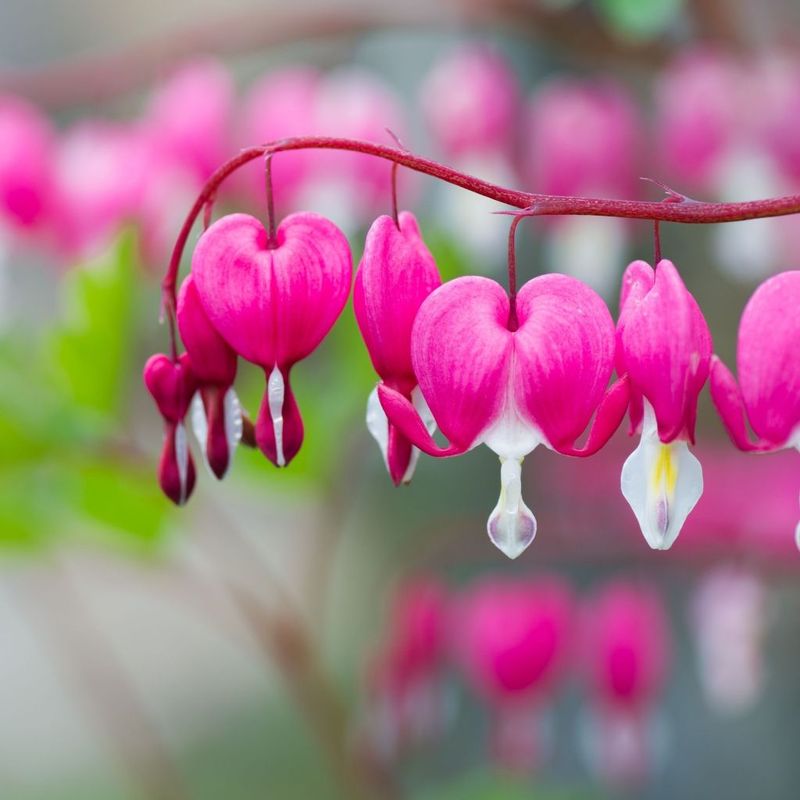
Romantic and whimsical, bleeding hearts capture the imagination of everyone who sees them. The distinctive heart-shaped pink flowers dangle from gracefully arching stems above fern-like blue-green foliage.
Each flower looks like a tiny pink heart with a white drop beneath it, creating one of spring’s most charming displays in Pennsylvania shade gardens.
Bleeding hearts bloom in mid to late spring, often coinciding with tulips and daffodils. They prefer the dappled shade found under deciduous trees or on the east side of buildings where they receive gentle morning sun.
Pennsylvania’s cool spring weather extends their blooming period, sometimes lasting six weeks or more. The plants naturally go dormant by midsummer, so position them where later-blooming perennials can fill the space their foliage leaves behind.
These plants thrive in the rich, moist soil common in Pennsylvania woodland gardens. They spread slowly through rhizomes, eventually forming substantial clumps that can be divided in early spring or fall.
Bleeding hearts rarely face pest problems and need minimal care beyond occasional watering during dry spring weather.
Their old-fashioned charm fits perfectly in cottage gardens, woodland settings, or alongside hostas and ferns where their delicate appearance creates a soft, peaceful atmosphere that Pennsylvania gardeners treasure.
6. Dianthus (Pink Pinks)
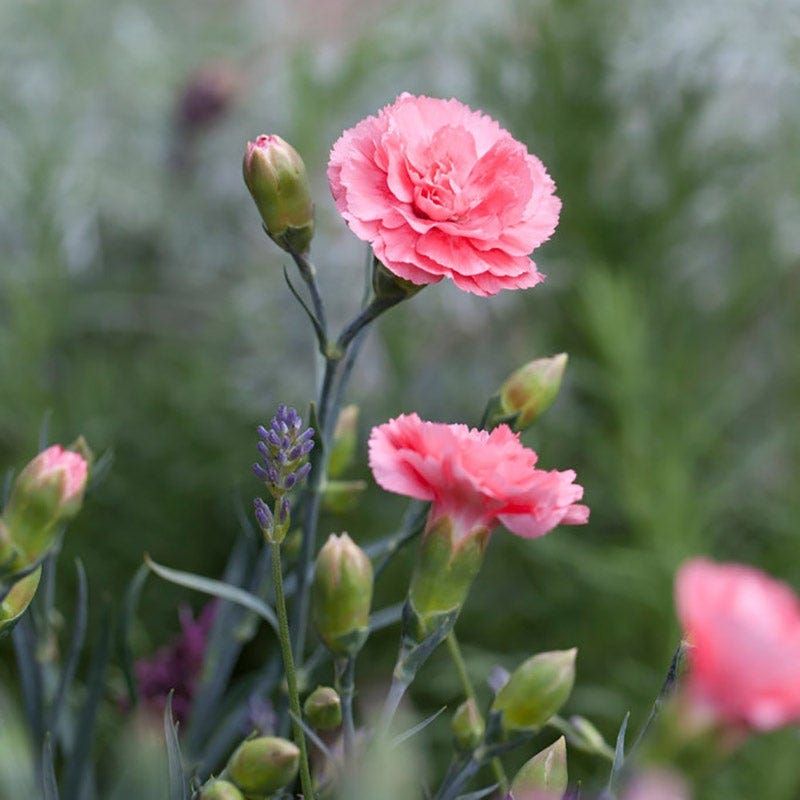
Dianthus earned the common name pinks not from their color but from the fringed edges of their petals, which look like they were cut with pinking shears. These compact perennials pack tremendous charm into small packages.
The spicy, clove-like fragrance of dianthus flowers is unmistakable and delightful, perfuming Pennsylvania gardens from late spring into summer.
Growing just six to twelve inches tall, dianthus works beautifully along path edges, in rock gardens, or tucked into the front of perennial borders. The blue-green grass-like foliage stays attractive even when plants are not blooming.
Pink varieties range from soft shell pink to vibrant rose, and many flowers feature darker pink centers or contrasting patterns. Pennsylvania gardeners find these plants especially valuable for adding color to sunny spots with well-drained soil.
Dianthus absolutely requires good drainage and full sun to thrive. They struggle in heavy clay unless you amend the soil with plenty of compost and grit.
Once established in the right conditions, they bloom reliably and spread into attractive mats. Shearing plants lightly after the first flush of blooms often encourages additional flowering.
These perennials handle Pennsylvania winters well, remaining evergreen in mild years and bouncing back quickly even after harsh cold snaps that test less hardy plants.
7. Hardy Geranium
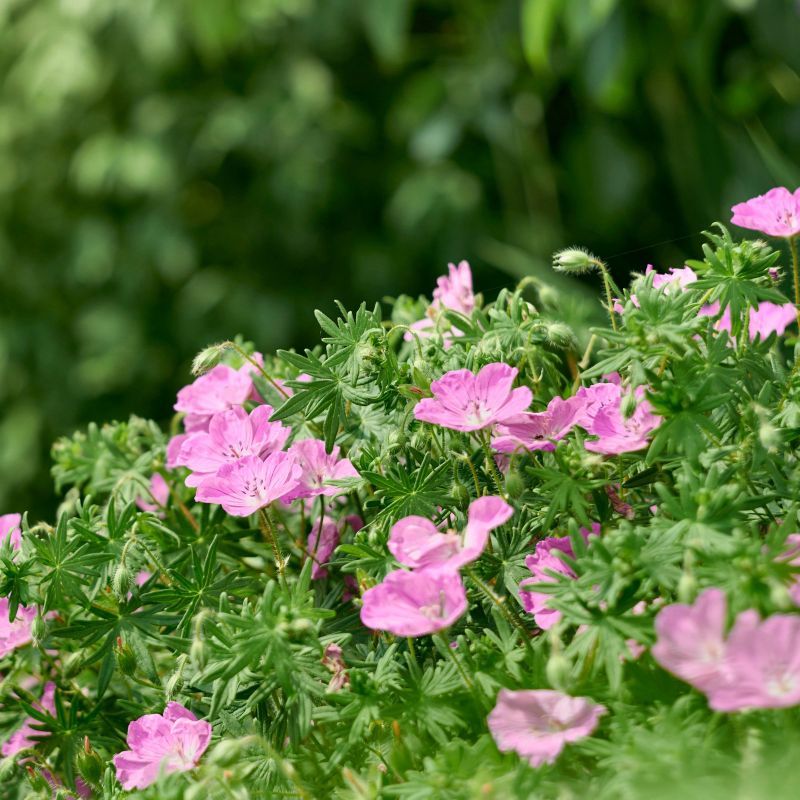
Hardy geraniums represent some of the most dependable perennials you can grow in Pennsylvania. Unlike their tender annual cousins, these true geraniums survive winter and return stronger each year.
Pink varieties produce cheerful five-petaled flowers that cover mounding plants from late spring through summer, with many varieties offering sporadic rebloom into fall.
Adaptability makes hardy geraniums especially valuable for Pennsylvania gardens. They grow well in full sun or partial shade, handle various soil types, and tolerate both dry conditions and occasional wet spells.
Most varieties form neat mounds twelve to eighteen inches tall and wide, perfect for edging borders or filling gaps between larger perennials. The attractive lobed foliage often develops reddish tints in fall, adding seasonal interest beyond the blooming period.
These low-maintenance plants rarely need division and face few pest problems. Some varieties spread enthusiastically, making excellent groundcovers for slopes or areas where you want to suppress weeds.
Cutting plants back by one-third after the first bloom flush encourages fresh foliage and additional flowers.
Pennsylvania gardeners appreciate how hardy geraniums bridge the gap between spring and summer bloomers while asking for almost nothing in return except a spot in the garden and occasional water during extended dry periods.
8. Coral Bells
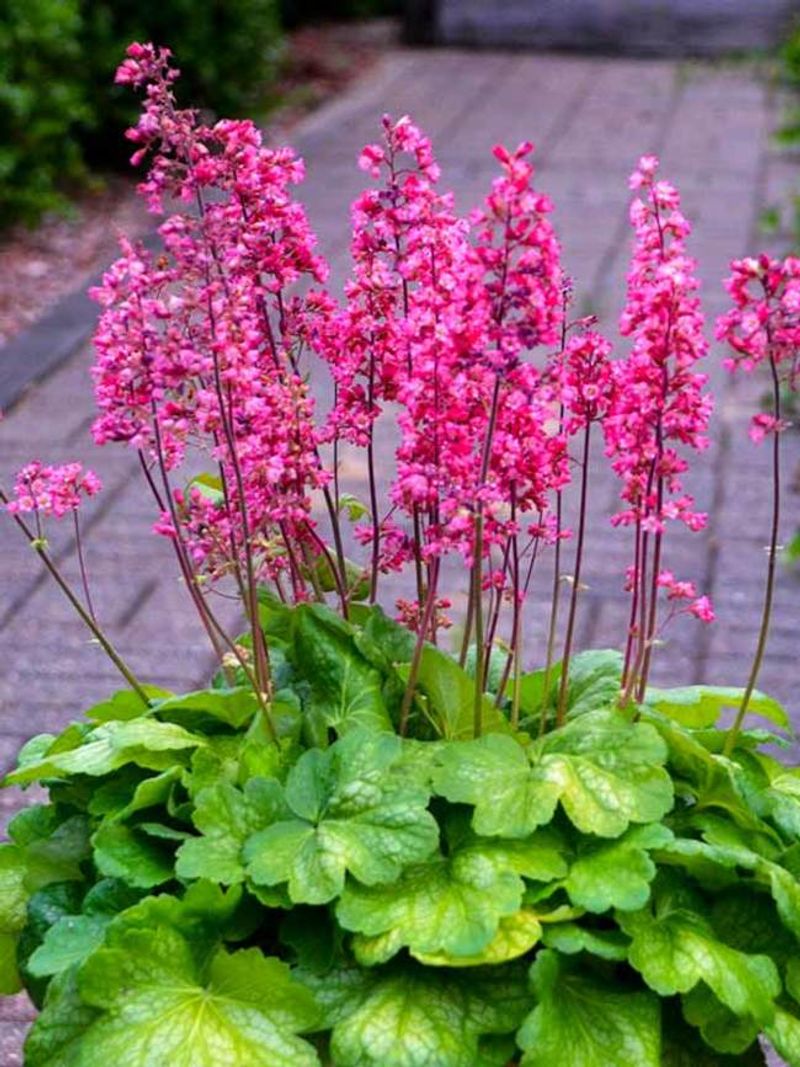
Coral bells offer Pennsylvania gardeners a two-for-one deal with both attractive foliage and delicate pink flowers.
While many people grow heucheras primarily for their colorful leaves, the pink-flowering varieties produce airy sprays of tiny bell-shaped blooms on thin stems that rise above the foliage in late spring and early summer.
Hummingbirds visit these flowers regularly, adding movement and life to your garden.
The plants form neat mounds of rounded leaves that stay attractive from spring through fall. They tolerate partial shade beautifully, making them perfect for brightening spots under trees or on the north side of buildings.
Pennsylvania’s climate suits coral bells well, though they appreciate some protection from intense afternoon sun in the hottest parts of the state. The plants typically grow eight to twelve inches tall, with flower stems reaching eighteen inches or more.
Coral bells work wonderfully in containers, along pathway edges, or grouped in woodland gardens. They need well-drained soil and benefit from a light layer of mulch to protect their shallow roots.
Every few years, established plants tend to push themselves up out of the soil, requiring you to replant them slightly deeper. This easy maintenance task keeps them growing vigorously and blooming reliably throughout the Pennsylvania growing season.
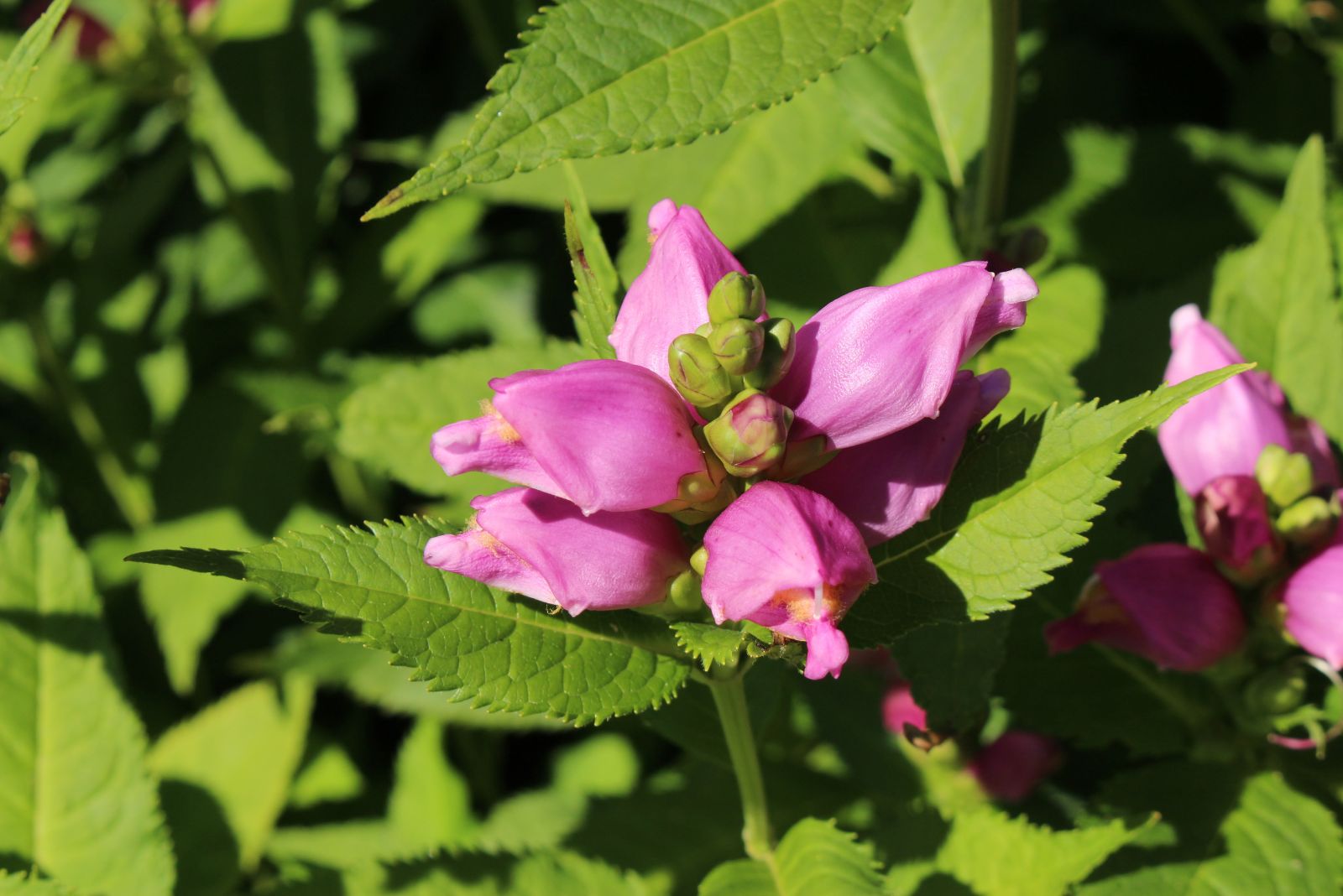
9. Turtlehead
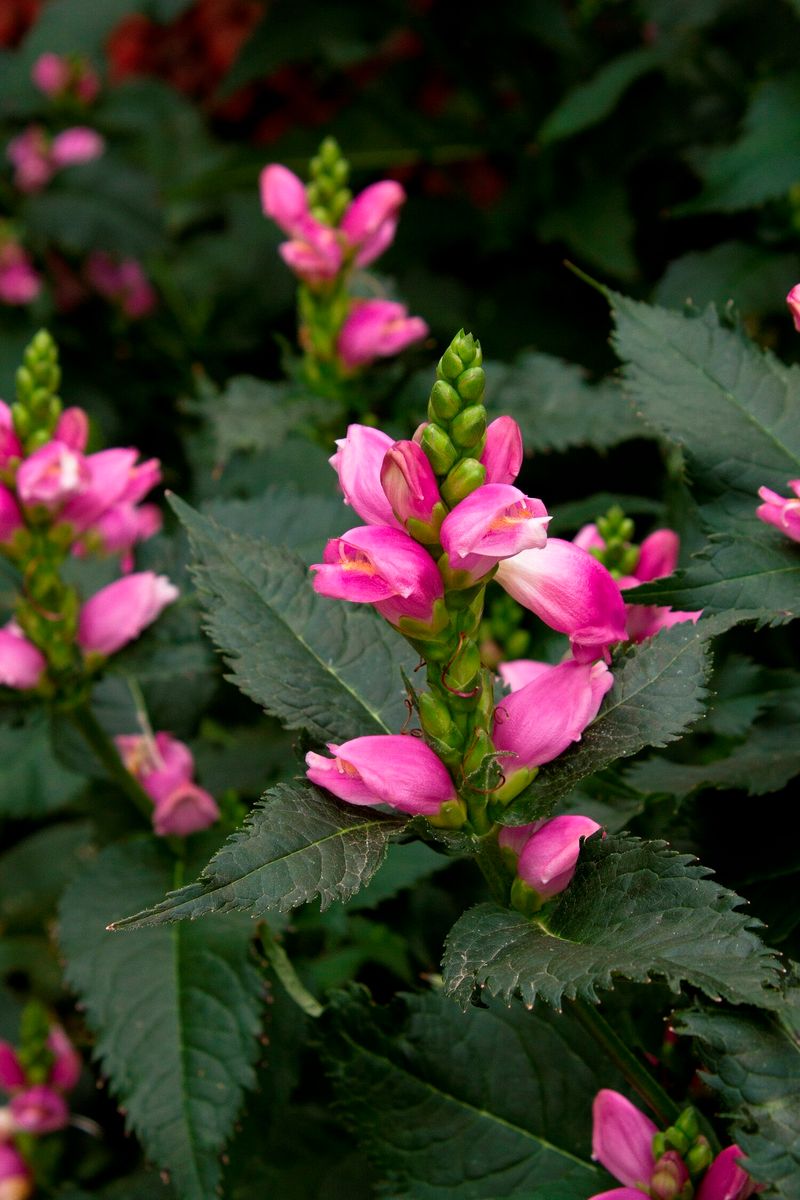
Turtlehead gets its quirky name from flowers that really do resemble tiny turtle heads with open mouths. This Pennsylvania native perennial thrives in conditions that challenge many other flowering plants.
The pink blooms appear in late summer and early fall, providing color when many gardens are winding down. Each flower cluster sits atop sturdy stems that reach two to three feet tall.
Native to eastern North America, turtlehead naturally grows along streams and in wet meadows. Pennsylvania gardeners find it perfect for rain gardens, bog areas, or any spot with consistently moist soil.
The plants handle full sun if given adequate moisture but also grow well in partial shade. Butterflies and bumblebees love the flowers, and turtlehead serves as a host plant for Baltimore checkerspot butterfly caterpillars.
Once established, these tough perennials need virtually no care beyond ensuring adequate moisture. They rarely face pest problems and spread slowly into attractive clumps.
The dark green foliage stays handsome throughout the growing season. Turtlehead offers Pennsylvania gardeners a way to add late-season pink color to challenging wet areas where many other perennials would struggle.
The unusual flower shape always draws comments from garden visitors who have never encountered this charming native plant before in their gardening experience.
10. Bee Balm
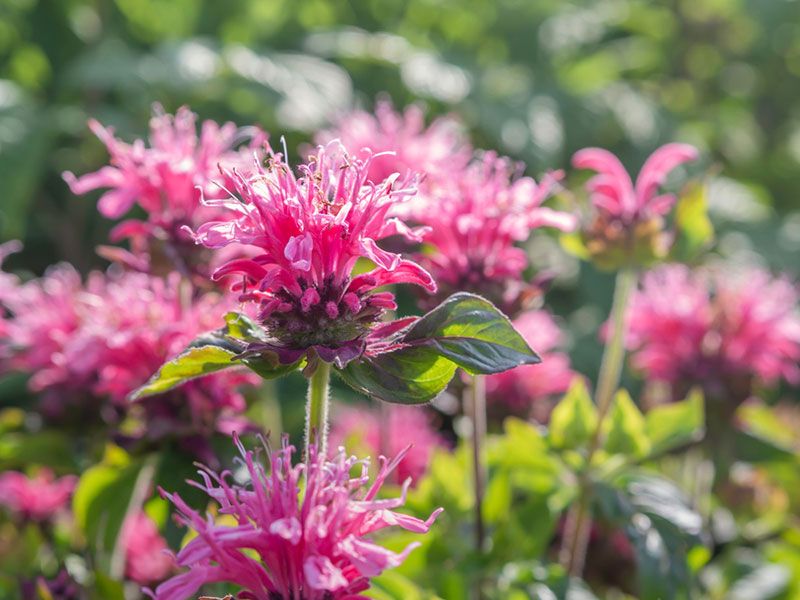
Hummingbirds cannot resist bee balm, making this native perennial essential for Pennsylvania pollinator gardens.
The shaggy pink flower clusters appear from midsummer through early fall, each bloom made up of dozens of tubular flowers arranged in a spiky ball.
Butterflies and bees also visit frequently, creating constant activity around these plants during their long blooming season.
Bee balm grows best in full sun to partial shade and prefers consistently moist soil. The plants typically reach two to four feet tall, forming upright clumps that spread through underground runners.
Pennsylvania’s humid summers can encourage powdery mildew on older varieties, but newer cultivars show much better resistance.
Planting bee balm where air circulation is good helps minimize this issue. The aromatic foliage releases a minty fragrance when brushed or crushed.
As a native plant, bee balm fits naturally into Pennsylvania landscapes and requires minimal care once established. The flowers make excellent cut flowers, and the leaves can be dried for tea.
Dividing clumps every few years keeps plants vigorous and prevents them from spreading too aggressively.
Pennsylvania gardeners value bee balm for its ability to attract wildlife, provide late-season color, and thrive in conditions that suit our regional climate perfectly throughout the entire growing season.