These Plant ID Apps Are Trending Among Colorado Gardeners
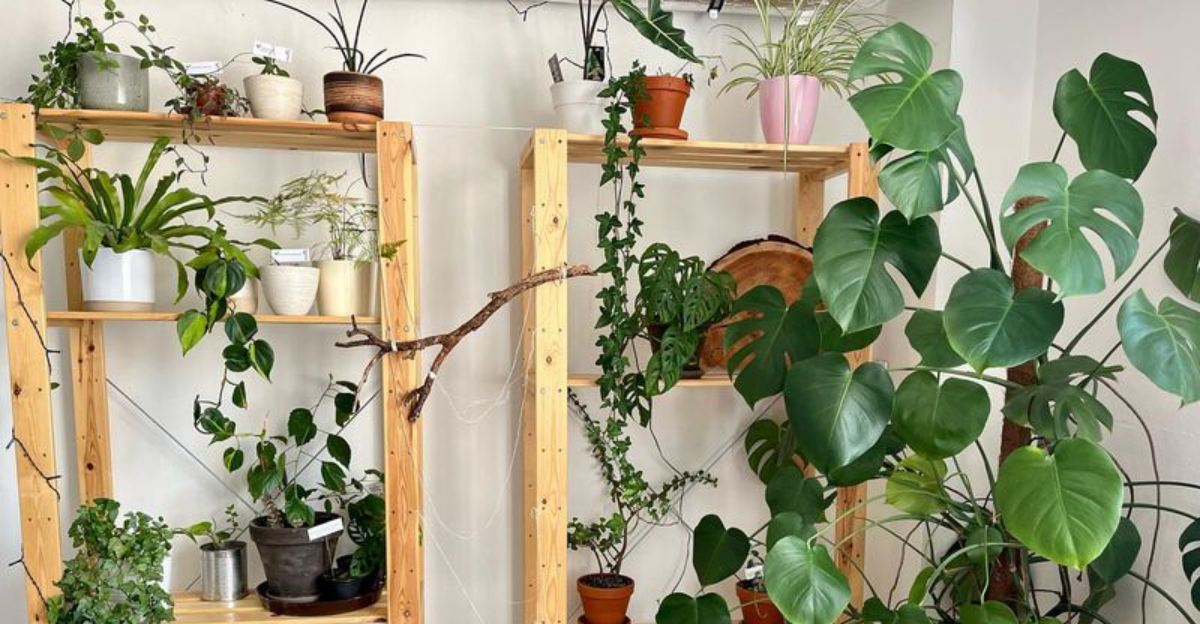
Colorado gardeners crack me up these days because every trail walk or backyard scroll turns into someone proudly showing off the latest plant they just identified on their phone, almost like it’s become a statewide habit nobody plans to stop.
It feels like half the state turned plant spotting into a casual sport, and the excitement they get from naming one tiny seedling is honestly contagious in the best possible way.
I’ve even caught myself leaning in closer to random shrubs just so I can snap a photo and let the apps work their magic like everyone else in Colorado does, even when I’m convinced I already know the plant.
And the funniest part is how quickly one correct ID snowballs into ten more, making each new discovery feel like a small bragging right you can’t wait to share with anyone who’ll listen.
It’s to the point where Colorado feels like the one place where spotting a new sprout somehow turns into the highlight of someone’s entire day.
1. PlantSnap
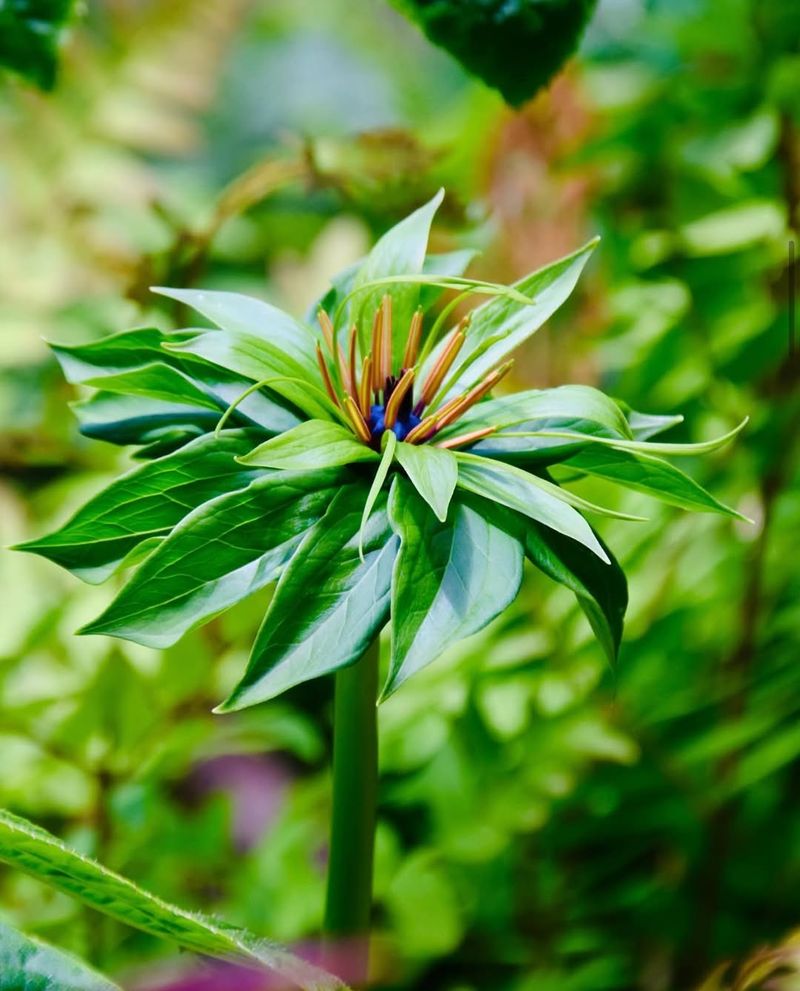
Snap a quick photo and watch PlantSnap work its magic identifying over 600,000 plant species from around the world.
Colorado gardeners love how this app recognizes native Rocky Mountain wildflowers and high-altitude plants that other apps sometimes miss.
The database keeps growing with contributions from botanists and plant enthusiasts who add new species regularly.
You can save your identified plants in personalized collections and track what grows best in your Colorado garden throughout the seasons.
The app works offline too, which comes in handy when you are hiking in remote Colorado areas without cell service.
PlantSnap also offers care tips specific to your region, helping you understand watering needs for Colorado’s dry climate.
Many users appreciate the social features that let them connect with other plant lovers across the state and share gardening experiences.
2. PictureThis
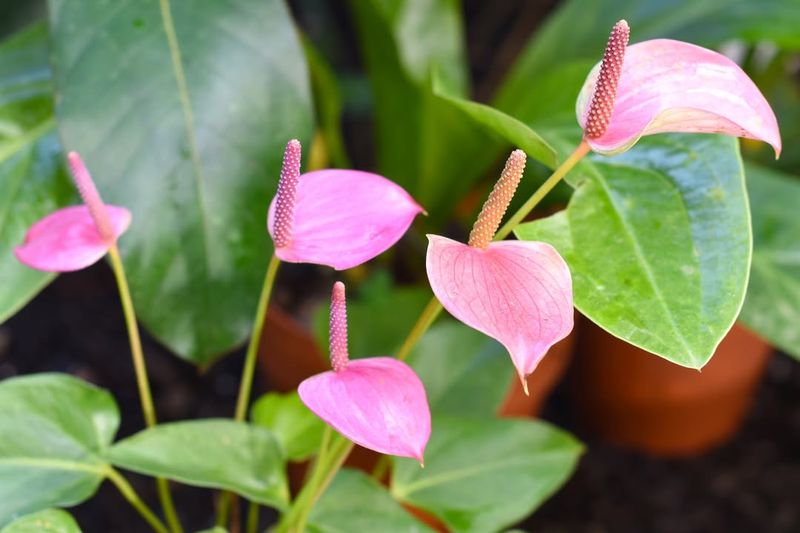
With an impressive 98% accuracy rate, PictureThis identifies plants faster than most experts could manage manually.
Gardeners throughout Colorado rely on this app to diagnose plant problems before they become serious issues affecting entire gardens.
The disease identification feature proves especially valuable when dealing with common Colorado pests like aphids or spider mites.
You receive personalized care reminders based on each plant’s specific needs and Colorado’s unique growing conditions.
The app sends notifications about watering schedules, which helps prevent overwatering in Colorado’s naturally dry environment.
PictureThis includes a community forum where Colorado gardeners swap tips about dealing with late spring frosts and intense summer sun.
Premium features offer detailed treatment plans when your plants show signs of stress or nutrient deficiencies common at higher elevations.
3. iNaturalist
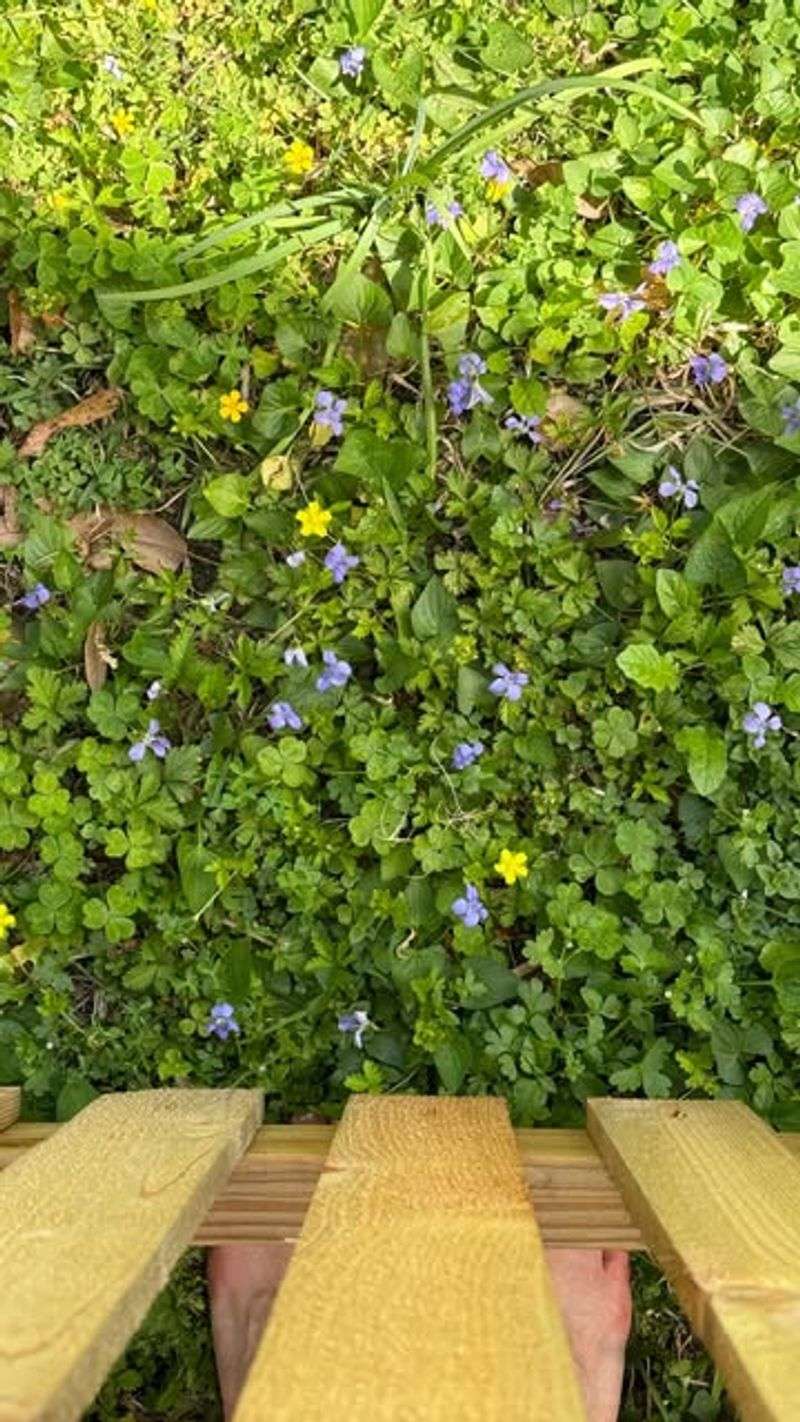
Scientists and nature lovers built iNaturalist as a crowdsourced platform where real experts help identify your plant discoveries.
Colorado users appreciate how quickly the community responds with accurate identifications, often within just a few hours of posting.
This app goes beyond simple identification by contributing your observations to scientific research projects studying Colorado’s changing ecosystems.
You can explore what other people have found growing in your neighborhood or discover rare plants spotted across Colorado.
The mapping feature shows exactly where different species thrive, helping you choose plants suited to your specific Colorado microclimate.
Many schools across Colorado use iNaturalist for educational projects, teaching kids about local biodiversity and native plant conservation.
Your contributions help researchers track how climate change affects plant distribution patterns throughout the Rocky Mountain region.
4. Seek by iNaturalist
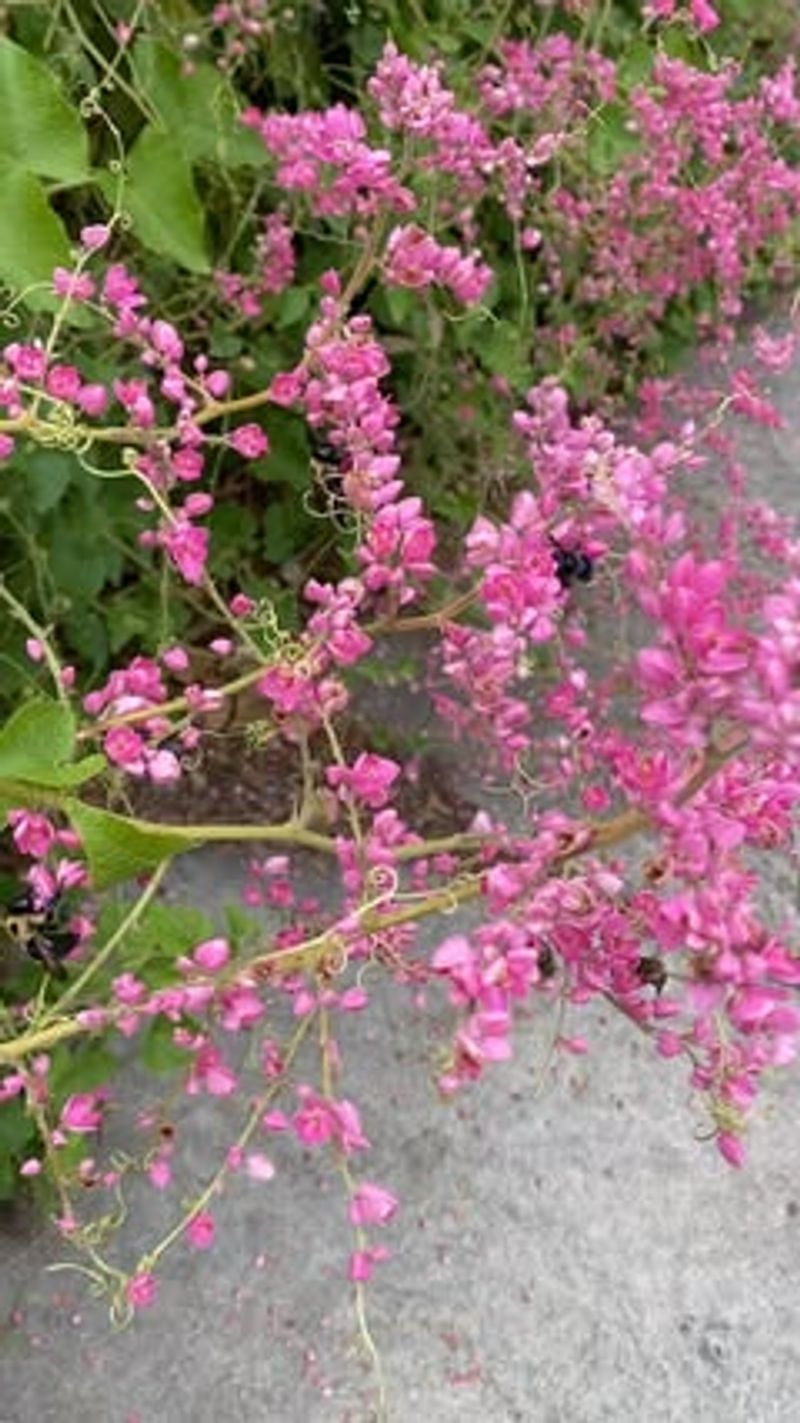
Designed with families in mind, Seek makes plant identification feel like an exciting treasure hunt rather than a boring chore.
Kids across Colorado earn badges for discovering different plant species, which encourages them to spend more time exploring nature outdoors.
The app works completely offline and protects privacy by not requiring accounts or sharing location data publicly.
Parents love how Seek teaches children about Colorado’s native plants while keeping them engaged with fun challenges and rewards.
The camera-based identification happens instantly, giving kids immediate feedback that maintains their curiosity and enthusiasm for learning.
Colorado teachers use Seek during field trips to help students document plants found in different ecosystems from plains to mountains.
The gamification elements make learning about botany accessible and entertaining for young gardeners just starting their plant journey.
5. PlantNet
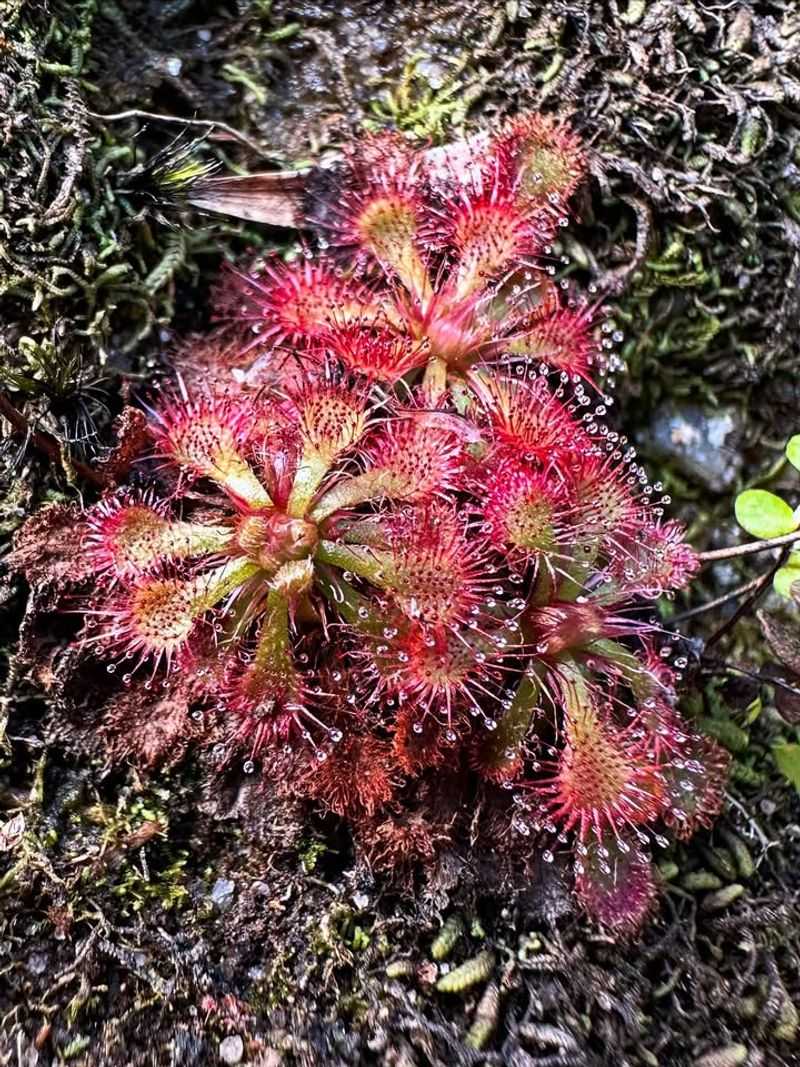
Scientists created PlantNet as a free research tool, and Colorado gardeners benefit from its extensive botanical database every day.
The app focuses on wild plants rather than ornamentals, making it perfect for identifying mysterious species that pop up naturally.
Colorado hikers use PlantNet to learn about edible plants and medicinal herbs found along mountain trails and in forest clearings.
You can filter searches by region, which helps narrow down possibilities when identifying plants specific to Colorado’s diverse ecosystems.
The app requires clear photos of leaves, flowers, or fruits to provide accurate results matching your mystery plant.
PlantNet’s collaborative approach means users across Colorado contribute photos that improve identification accuracy for everyone using the platform.
Advanced users appreciate the detailed botanical information and scientific names that help them learn proper plant classification and taxonomy.
6. Garden Answers

Real horticulturists answer your plant questions within hours through Garden Answers, providing expert advice you can trust completely.
Colorado gardeners value the personalized responses that consider altitude, soil conditions, and the state’s challenging climate variations.
The app identifies both ornamental garden plants and common weeds that compete with your vegetables for water and nutrients.
You can ask follow-up questions about pest control, fertilizing schedules, or pruning techniques specific to Colorado’s short growing season.
Garden Answers maintains an extensive library of care guides covering thousands of plants commonly grown in Colorado residential gardens.
The subscription service proves worthwhile for serious gardeners who want reliable expert guidance throughout the entire growing season.
Many Colorado landscapers use this app professionally to quickly identify client plants and provide accurate maintenance recommendations on site.
7. LeafSnap

Originally developed by researchers at Columbia University, LeafSnap uses visual recognition software to identify trees by their leaf shapes.
Colorado users find it particularly helpful for distinguishing between similar-looking aspen varieties and other deciduous trees native to the region.
The high-resolution botanical images help you compare your findings with professionally photographed specimens from established herbarium collections.
You need to photograph leaves against plain backgrounds for best results, which takes a little practice but becomes second nature quickly.
Colorado arborists recommend LeafSnap for homeowners trying to inventory the trees on their property before planning landscape renovations.
The app covers trees found throughout North America, including many species that thrive in Colorado’s varied elevation zones.
LeafSnap’s elegant interface makes browsing through tree species enjoyable even when you are not actively trying to identify something specific.
8. FlowerChecker
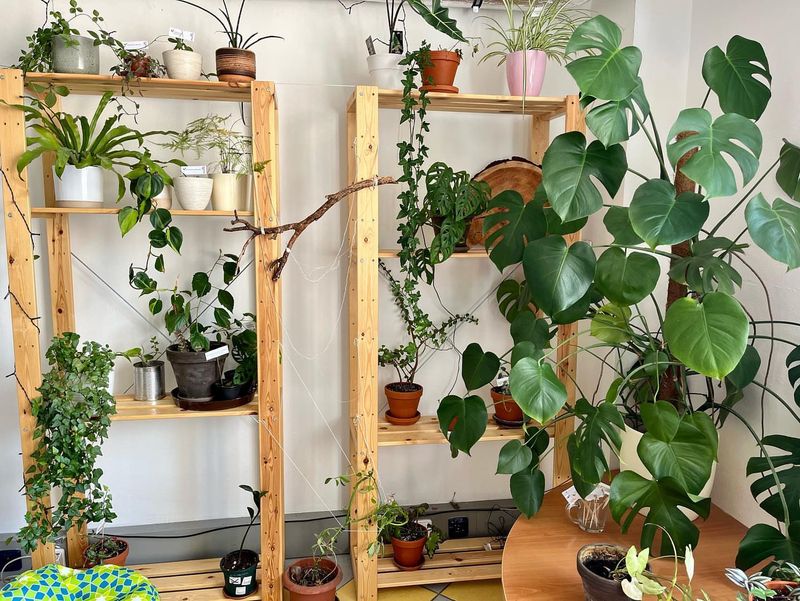
Unlike automated apps, FlowerChecker connects you directly with professional botanists who personally examine your photos and provide verified identifications.
Colorado gardeners appreciate the accuracy this human touch provides, especially when dealing with rare or unusual plant specimens.
Each identification request costs a small fee, but the reliability makes it worthwhile when you absolutely need correct information.
Response times typically range from a few hours to one day, depending on how challenging your plant is to identify.
The botanists provide scientific names, common names, and often include interesting facts about the plants they identify for you.
Colorado native plant enthusiasts use FlowerChecker to confirm rare species sightings before reporting them to conservation organizations.
This app works best as a backup when automated identification tools give conflicting results or seem uncertain about their suggestions.
9. SmartPlant

Beyond simple identification, SmartPlant acts as your personal gardening assistant with customized care schedules for every plant you own.
Colorado gardeners set up profiles for their entire collection and receive timely reminders about watering, fertilizing, and seasonal maintenance tasks.
The app adjusts recommendations based on local weather patterns, which helps prevent common mistakes like overwatering during Colorado’s dry spells.
You can photograph sick plants and receive diagnostic help identifying problems from nutrient deficiencies to pest infestations.
SmartPlant’s light meter feature helps you find the perfect spots in your Colorado home for plants with specific sunlight requirements.
The community features let you connect with other Colorado plant parents who share tips about keeping houseplants happy at high altitude.
Premium subscribers access unlimited plant identifications and consultations with horticulture experts familiar with Colorado’s unique growing challenges.
10. Blossom
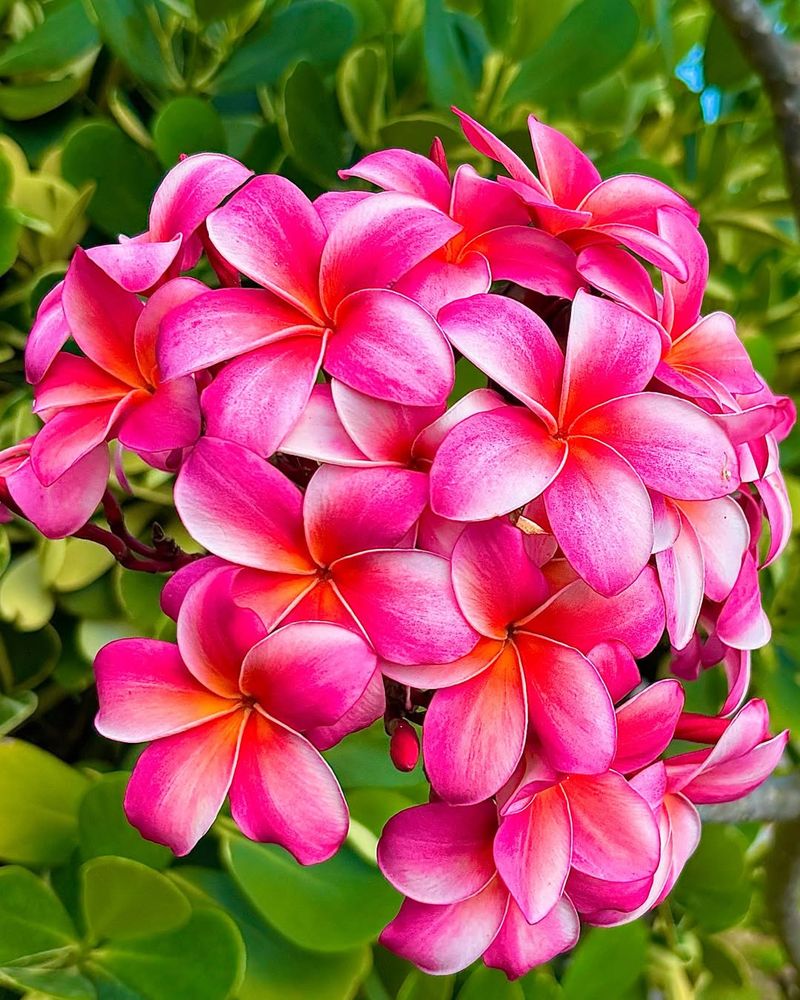
Artificial intelligence powers Blossom’s impressive ability to not only identify plants but also assess their overall health and vitality.
Colorado houseplant enthusiasts rely on the app’s disease detection features to catch problems early before they spread to other plants.
The water calculator considers your specific environment, helping you avoid the most common mistake Colorado indoor gardeners make with overwatering.
You receive step-by-step treatment plans when Blossom detects issues, complete with product recommendations available at local Colorado garden centers.
The app’s growth tracking feature lets you document your plants’ progress with photos, creating a satisfying visual journal over time.
Blossom includes a light tracker that measures the actual sunlight your plants receive, especially helpful in Colorado’s intense high-altitude sunshine.
Many Colorado users praise the beginner-friendly interface that makes plant care less intimidating for people just starting their gardening journey.