These 7 Plants Absolutely Love Used Coffee Grounds
I used to toss my coffee grounds without a second thought, until I realized I was throwing away liquid gold for my plants. One small change flipped the script on my garden.
Turns out, some plants absolutely love used coffee grounds, and once I tried it, there was no going back. Talk about killing two birds with one stone.
Now my morning coffee does double duty, waking me up and feeding my garden. Who knew yesterday’s leftovers could be today’s secret weapon?
If you’ve got a coffee maker and a few thirsty plants, you’re already sitting on a hidden treasure. Stick around, because this simple habit might just be the easiest gardening win you’ll ever score.
1. Azaleas
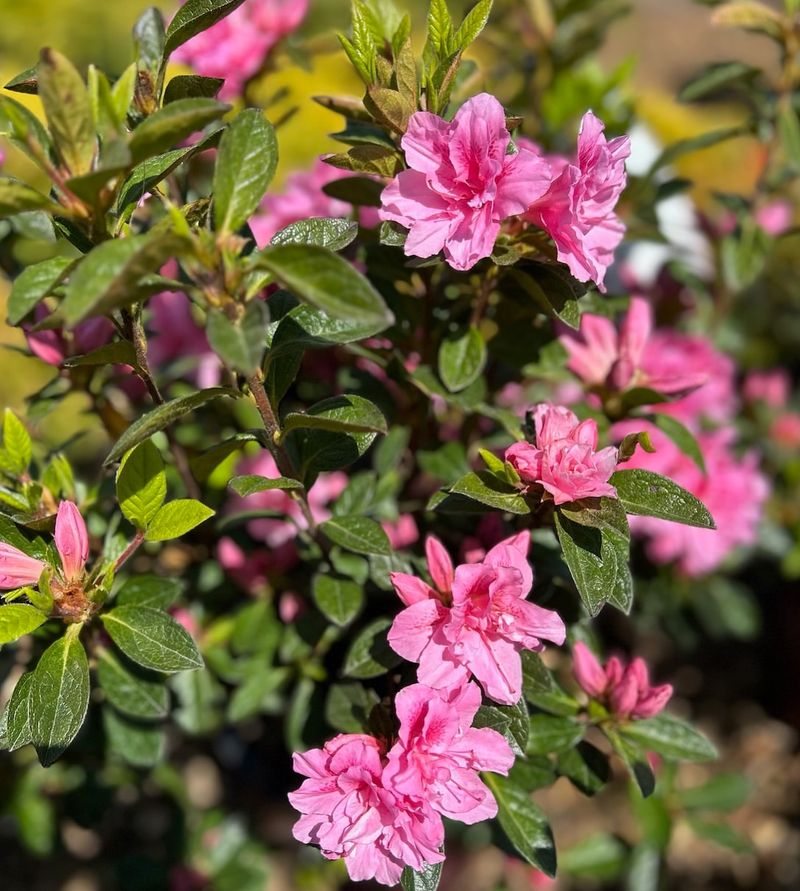
Azaleas are stunning flowering shrubs that bring vibrant color to any garden, and they happen to be huge fans of acidic soil. Used coffee grounds naturally lower the pH level of the soil, creating the perfect environment for these beauties to flourish.
When you sprinkle coffee grounds around the base of your azalea bushes, you are giving them a gentle dose of nitrogen that helps promote lush green foliage and abundant blooms.
The best part about using coffee grounds for azaleas is how easy it is to incorporate them into your routine. Simply collect your used grounds throughout the week and spread a thin layer around the plant, making sure not to pile them too high.
You can also mix the grounds into the top inch or two of soil to help them break down faster and release nutrients more effectively.
Azaleas typically bloom in spring, and adding coffee grounds during the growing season can give them an extra boost.
Just remember that moderation is key, as too much nitrogen can sometimes encourage leafy growth at the expense of flowers. A light application every few weeks should do the trick.
If you notice your azaleas looking a bit pale or struggling to produce blooms, it might be a sign that the soil is not acidic enough. Coffee grounds can help correct this issue over time, working alongside other amendments like peat moss or sulfur.
Your azaleas will reward you with gorgeous, eye-catching flowers that brighten up your entire yard, and you will feel good knowing you are recycling kitchen waste in such a productive way.
2. Blueberries
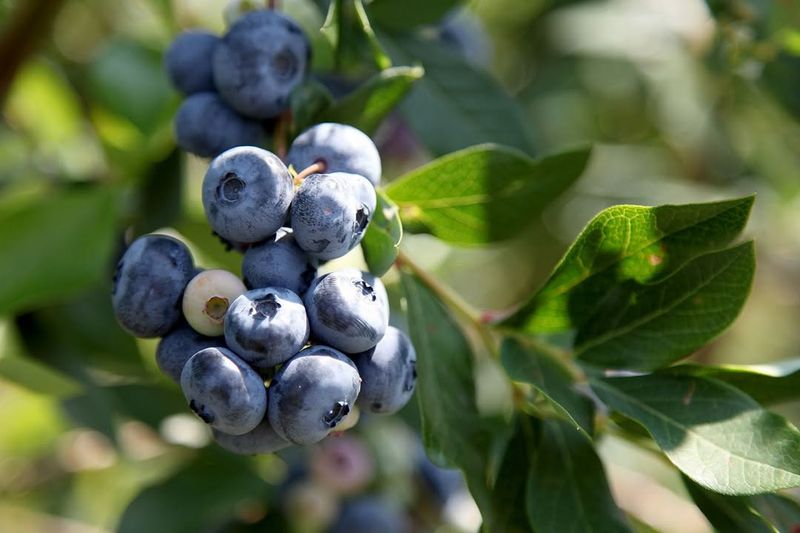
Blueberry bushes are another acid-loving plant that practically beg for coffee grounds. These delicious fruiting shrubs need soil with a pH between 4.5 and 5.5 to produce their best harvest, and coffee grounds can help you maintain that ideal acidity.
When you add used grounds to the soil around your blueberry plants, you are not only adjusting the pH but also feeding them valuable nitrogen that supports healthy growth and berry production.
One thing I love about using coffee grounds for blueberries is how it fits into a sustainable gardening approach. Instead of buying expensive fertilizers or soil amendments, you are using something you already have at home.
Just sprinkle a thin layer of grounds around the base of your blueberry bushes, keeping them a few inches away from the stem to avoid any potential issues with mold or pests.
Blueberries are heavy feeders, especially during the growing season, so they appreciate regular applications of organic matter. Coffee grounds break down slowly, releasing nutrients over time and improving soil structure.
This gradual release means your plants get a steady supply of nutrition without the risk of burning their roots.
If you are growing blueberries in containers, coffee grounds work just as well. Mix them into your potting soil or use them as a top dressing, and watch your plants respond with vigorous growth and plump, juicy berries.
The added bonus is that the grounds can help deter certain pests, making your blueberry patch even healthier and more productive throughout the season.
3. Roses
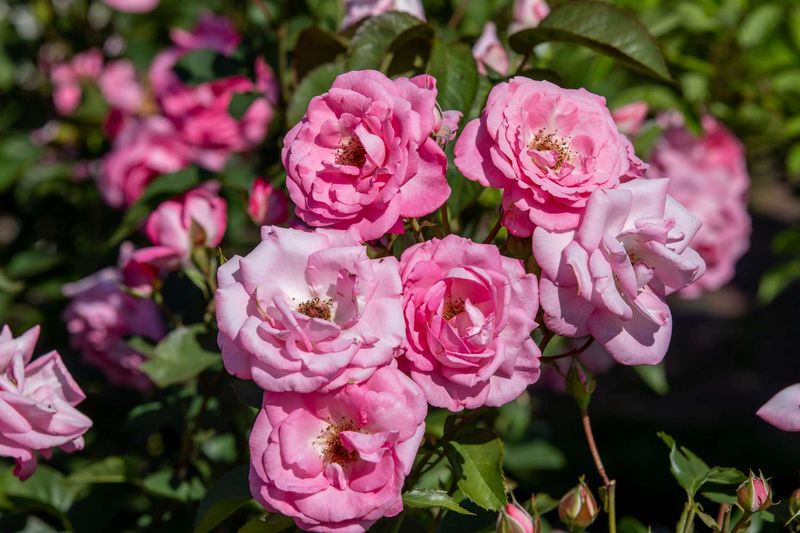
Roses are often called the queen of the garden, and they deserve royal treatment when it comes to feeding.
These gorgeous flowering plants love a nutrient-rich environment, and used coffee grounds can provide them with a nice boost of nitrogen to support strong stems and vibrant blooms.
Roses also benefit from the slight acidity that coffee grounds bring to the soil, which can help them absorb essential nutrients more efficiently.
When you apply coffee grounds to your rose garden, think of it as a gentle, slow-release fertilizer. Scatter a thin layer around the base of each plant, then lightly work it into the soil with your fingers or a small hand rake.
This helps the grounds integrate into the soil and prevents them from forming a crust on the surface that could block water and air from reaching the roots.
Roses are prone to certain pests like aphids and slugs, and some gardeners swear that coffee grounds help keep these critters at bay. While the science is still out on this, it certainly does not hurt to try, and the added nutrients are a definite win.
Just be careful not to overdo it, as too much nitrogen can lead to lots of leafy growth but fewer flowers.
If you want your roses to look their absolute best, combine coffee grounds with other organic amendments like compost or aged manure. This creates a balanced feeding program that gives your roses everything they need to produce stunning, fragrant blooms all season long.
Your garden will be the envy of the neighborhood, and you will have the satisfaction of knowing you are recycling in a truly beautiful way.
4. Hydrangeas
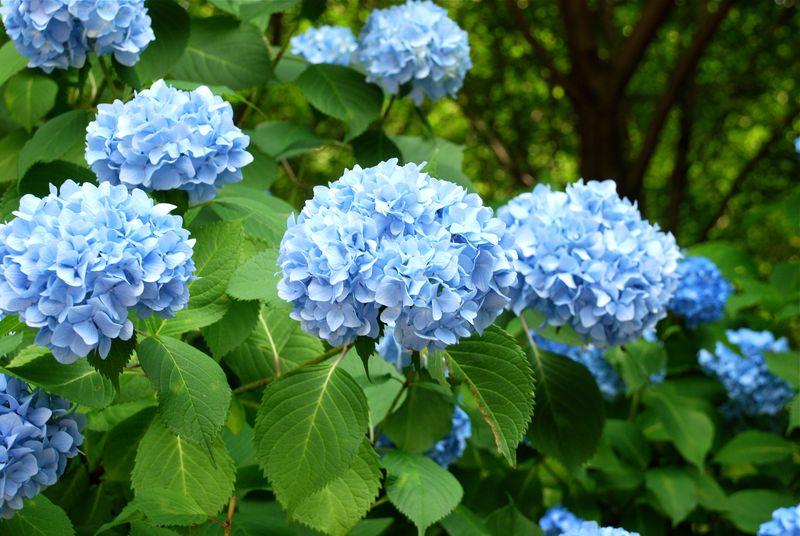
Hydrangeas are show-stopping shrubs known for their big, fluffy flower clusters that can range from pink to blue depending on soil pH. If you want to encourage those gorgeous blue blooms, coffee grounds can be your secret weapon.
The acidity from the grounds helps lower the soil pH, which in turn makes aluminum more available to the plant, resulting in those stunning blue flowers that everyone loves.
Using coffee grounds on hydrangeas is super simple and fits right into your morning routine. After you finish your coffee, let the grounds cool, then spread them around the base of your hydrangea plants.
You can also mix them into the soil or add them to your compost pile to create a nutrient-rich amendment for later use.
Hydrangeas are fairly forgiving plants, but they do appreciate consistent feeding during their active growing season. Coffee grounds provide a slow, steady release of nitrogen, which supports healthy leaf development and strong stems.
This is especially important for younger plants that are still establishing themselves in your garden.
One fun fact about hydrangeas is that you can actually influence the color of their blooms by adjusting the soil pH. Acidic soil produces blue flowers, while more alkaline soil results in pink blooms.
If you are aiming for blue hydrangeas, regular applications of coffee grounds can help you achieve that goal. Just remember to be patient, as it can take a season or two for the color change to become noticeable.
Your hydrangeas will thank you with breathtaking displays that make your garden a true showpiece.
5. Tomatoes
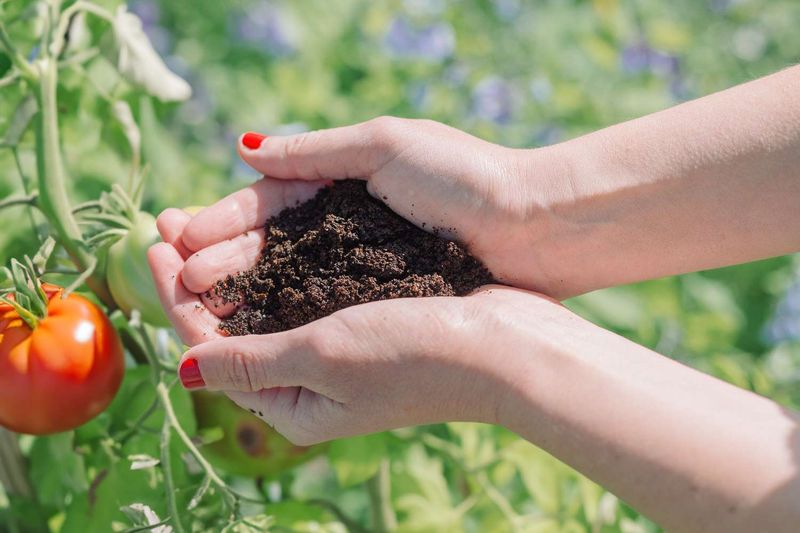
Tomatoes are a garden favorite for so many people, and they respond really well to the nutrients found in used coffee grounds.
These productive plants are heavy feeders, meaning they need plenty of nitrogen, phosphorus, and potassium to produce those juicy, delicious fruits we all crave.
Coffee grounds are especially rich in nitrogen, which helps tomato plants develop strong, healthy foliage that supports fruit production.
When you add coffee grounds to your tomato patch, you are also improving the overall structure of the soil.
The grounds help increase organic matter, which improves drainage in heavy clay soils and helps sandy soils retain moisture better. This creates a more balanced growing environment that tomatoes absolutely love.
You can use coffee grounds in a couple of different ways for tomatoes. Some gardeners like to mix them directly into the planting hole when transplanting seedlings, giving the young plants a nutrient boost right from the start.
Others prefer to spread a thin layer around established plants as a side dressing, then water it in to help the nutrients reach the roots.
One thing to watch out for is using too much coffee grounds at once, as this can create a compacted layer that prevents water from penetrating the soil. A light application every few weeks is plenty to keep your tomatoes happy.
You might also notice that coffee grounds can help deter certain pests like slugs, which is an added bonus for any tomato grower. With a little help from your morning coffee, your tomato plants will reward you with a bountiful harvest of fresh, flavorful fruits all summer long.
6. Carrots
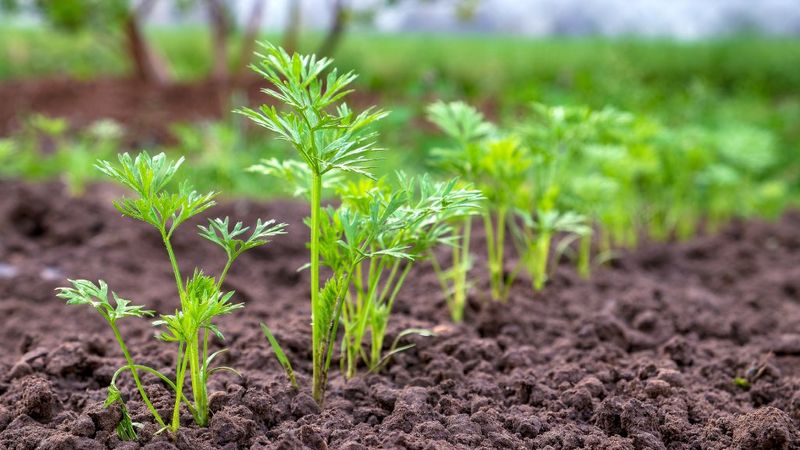
Carrots might not be the first vegetable that comes to mind when you think about coffee grounds, but these root veggies can actually benefit from a light application of this kitchen waste.
Carrots prefer slightly acidic to neutral soil, and coffee grounds can help maintain that ideal pH range while adding valuable organic matter to the soil.
The nitrogen in coffee grounds supports healthy top growth, which is important for photosynthesis and overall plant vigor.
When using coffee grounds in your carrot patch, the key is to apply them sparingly and mix them well into the soil.
You do not want to create a thick layer on the surface, as this can interfere with seed germination and prevent the tiny carrot seeds from making good contact with the soil.
Instead, work a small amount of grounds into the top few inches of soil before planting, or use them as a very light side dressing once the carrots have sprouted.
Carrots need loose, well-draining soil to develop their long, straight roots, and coffee grounds can help improve soil texture over time. As the grounds break down, they add organic matter that helps prevent compaction and encourages earthworm activity.
Earthworms are fantastic for any garden, as they create channels in the soil that improve drainage and aeration.
Another benefit of using coffee grounds with carrots is that they may help deter certain pests like root maggots and other soil-dwelling insects.
While this is not a guaranteed solution, many gardeners have reported fewer pest problems when using coffee grounds regularly.
Your carrots will grow strong and healthy, producing sweet, crunchy roots that taste amazing fresh from the garden or cooked in your favorite recipes.
7. Rhododendrons
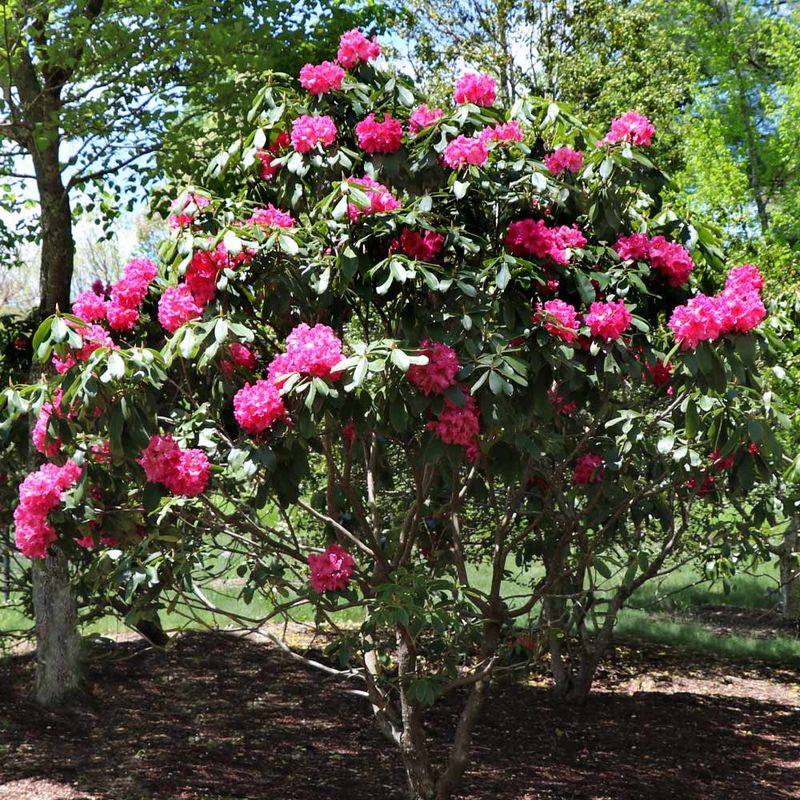
Rhododendrons are spectacular evergreen shrubs that produce clusters of showy flowers in spring, and they share the same love for acidic soil as their azalea cousins.
Used coffee grounds are a perfect match for rhododendrons, providing the acidity they crave along with a gentle dose of nitrogen and other trace minerals.
When you add coffee grounds to your rhododendron beds, you are creating an environment where these plants can truly thrive and put on their best show.
Applying coffee grounds to rhododendrons is straightforward and requires very little effort. Simply spread a thin layer of used grounds around the base of each plant, keeping them a few inches away from the trunk to prevent any moisture-related issues.
You can also mix the grounds into the mulch layer or work them lightly into the top inch of soil for faster decomposition.
Rhododendrons have shallow root systems that spread out near the soil surface, so they benefit from amendments that improve the topsoil layer.
Coffee grounds help create a rich, organic environment that supports beneficial microorganisms and earthworms, which in turn help break down organic matter and make nutrients more available to the plants.
If you live in an area with naturally alkaline soil, growing rhododendrons can be a challenge, but coffee grounds can help tip the balance in your favor. Regular applications throughout the growing season can gradually lower the soil pH and create conditions that rhododendrons love.
You will be rewarded with lush, glossy foliage and spectacular flower displays that make your garden feel like a woodland paradise. Plus, you will have the satisfaction of knowing you are turning your daily coffee habit into something truly beautiful and beneficial.