These 10 Plants Are Almost Impossible To Destroy In California
Let’s be honest, gardening in California can be a challenge. Between the intense summer heat, occasional drought, and your best attempts at watering (or maybe forgetting), some plants just don’t make it.
But what if you could have a garden full of plants that are almost impossible to destroy? Enter these resilient, tough-as-nails plants that thrive in California’s unpredictable climate.
If you’ve got a brown thumb or you’re just tired of constantly babysitting your garden, these plants are your new best friends.
They laugh in the face of heat, drought, and neglect, making them perfect for busy folks, newbie gardeners, or anyone wanting a low-maintenance garden that still looks amazing.
Once established, these plants pretty much take care of themselves, needing little water or attention. So, if you’re ready to stop stressing over your garden and start enjoying it, these tough plants are here to save the day.
1. Jade Plant
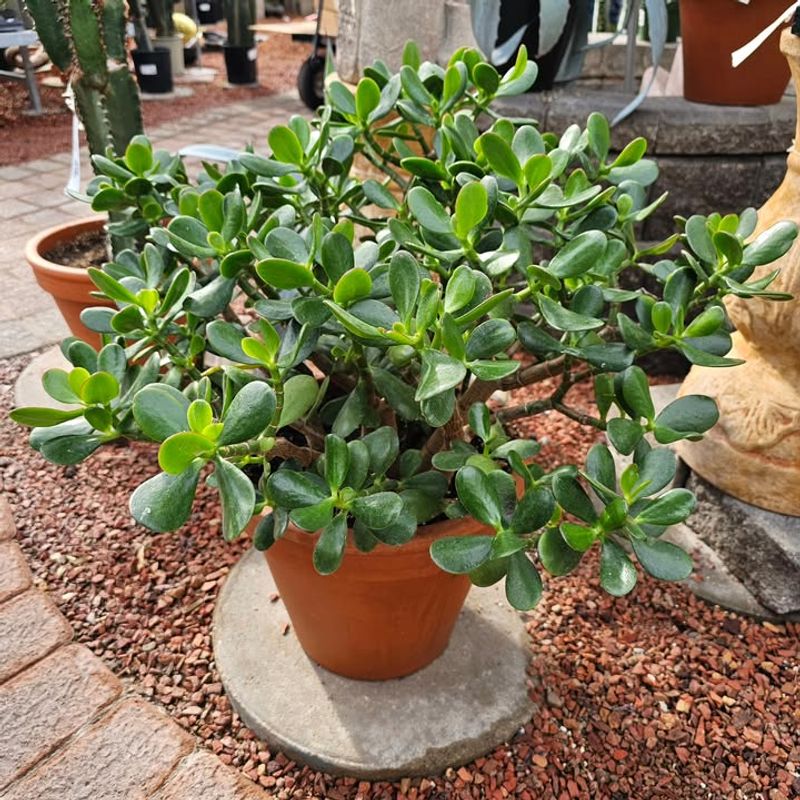
Walk through almost any California neighborhood and you will likely spot a Jade Plant growing somewhere, whether in a pot by the front door or spilling over a garden wall. It has become one of the most beloved succulents in the state, and for good reason.
Its thick, glossy green leaves and woody stems give it a tree-like look that feels both exotic and familiar at the same time.
Jade Plants are remarkably easy to keep alive. They store water in their leaves, so they can go weeks without being watered and still look perfectly content.
In California’s warm, dry climate, they often thrive outdoors year-round, especially in coastal and inland areas where frost is rare. Full sun to partial shade works well, and they are not picky about soil as long as it drains properly.
One fun fact: Jade Plants can live for decades and even grow into impressive large shrubs outdoors in mild California climates. Some gardeners have Jade Plants that are over 20 years old and still going strong.
They also propagate easily from a single leaf or stem cutting, so sharing them with friends and neighbors is simple. It is a plant that rewards patience and almost nothing else.
2. Pride Of Madeira
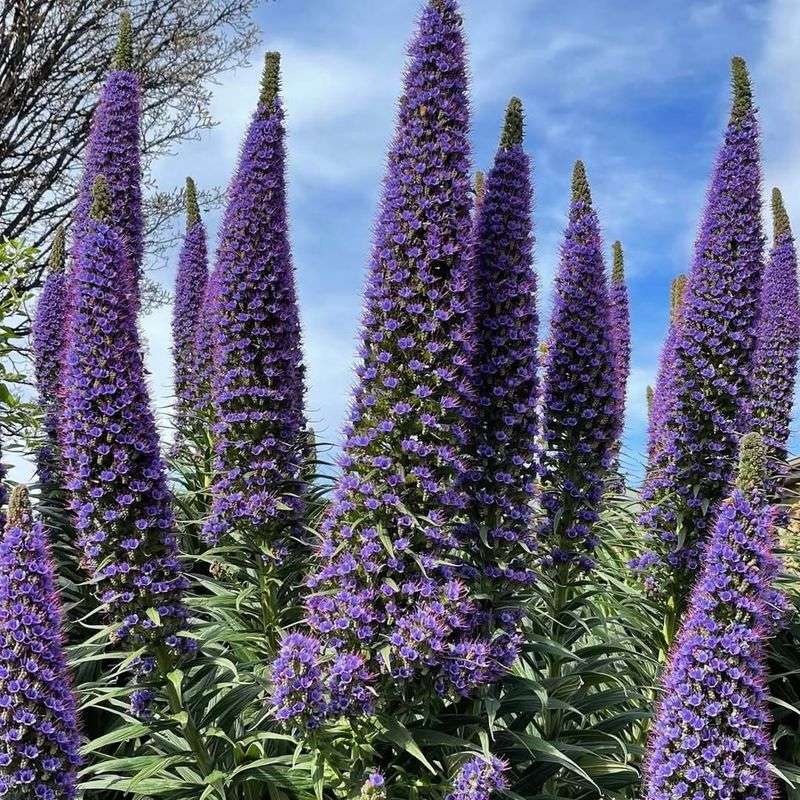
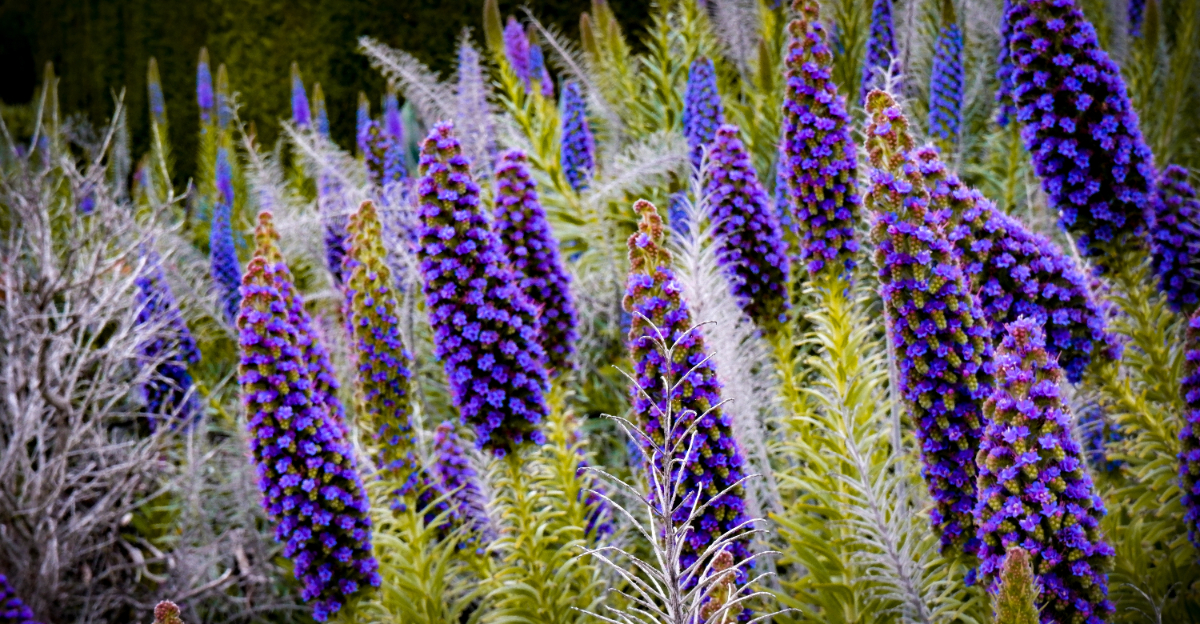
Few plants command attention the way Pride of Madeira does. It sends up massive spikes of electric blue-purple flowers that can reach six feet tall, and when it blooms in spring, it stops people in their tracks.
Originally from the Canary Islands, it found a second home along the California coast where the mild climate suits it perfectly.
This plant is incredibly forgiving. Give it full sun, sandy or well-drained soil, and very little water, and it will reward you with a show that looks like it took serious effort.
In reality, it practically grows itself. Coastal California gardens especially love this plant because it handles salt air, wind, and dry spells without complaint.
Pride of Madeira is also a magnet for pollinators. Bees swarm to those flower spikes from morning until evening, making it one of the best plants for supporting local ecosystems.
It does spread by seed, so trimming spent flowers can help keep it from taking over. But honestly, most California gardeners are happy to let it roam a little.
It is dramatic, dependable, and absolutely stunning in the right setting.
3. Toyon
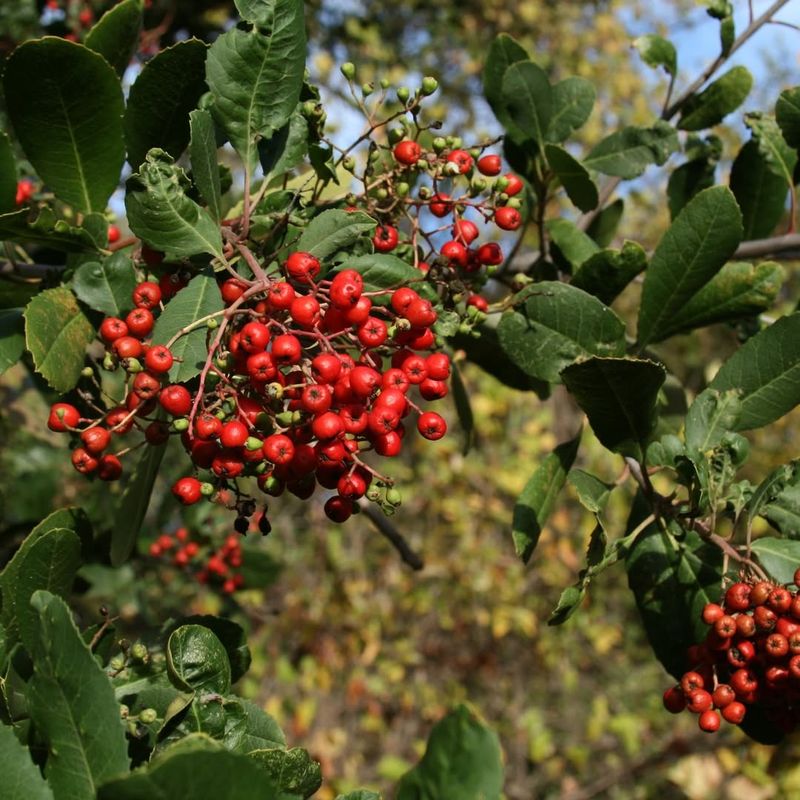
Known as the plant that may have inspired the name Hollywood, Toyon is a true California original. It is an evergreen shrub that produces clusters of bright red berries in winter, giving your yard a festive look right when everything else slows down.
Birds absolutely love those berries, so planting Toyon basically turns your garden into a wildlife hotspot.
Toyon handles California summers with ease. It is deeply drought-tolerant and grows well in poor, rocky soils where other plants would struggle.
Once it gets settled in, it rarely needs watering beyond the natural rainfall California receives. It grows slowly but steadily, eventually reaching up to 10 feet tall in some areas.
This plant works great as a privacy screen or a natural hedge along property lines. It is also fire-resistant, which is a huge bonus in many parts of California where fire risk is a real concern.
Toyon is low-maintenance, wildlife-friendly, and genuinely beautiful in all four seasons. Planting one is like giving your yard a permanent gift that keeps on giving year after year without asking for much in return.
4. Society Garlic
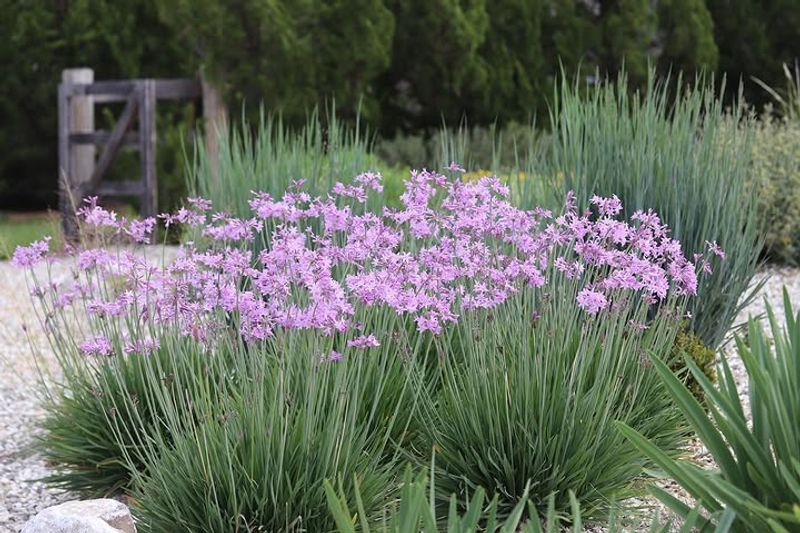
There is something quietly wonderful about Society Garlic. It is not flashy in an over-the-top way, but it blooms almost constantly, filling your garden with soft lavender-purple flowers from spring all the way through fall.
Crush a leaf and you will catch a faint garlic smell, which is actually a natural deer repellent. In California, where deer pressure is real in many neighborhoods, that is a serious bonus.
Society Garlic grows in clumps and handles heat, drought, and poor soil without skipping a beat. It is equally happy in coastal gardens near the ocean or in hot inland valleys.
Full sun is its preference, but it can manage with partial shade too. Watering needs are minimal once it is established, making it a great choice for water-conscious California gardeners.
It also works beautifully as a border plant or ground cover. The strappy leaves stay green and tidy year-round, and the flowers keep coming back without any deadheading required.
Society Garlic is the kind of plant that earns its place in the garden by showing up reliably, season after season, without ever making demands. It is a quiet workhorse that deserves far more credit than it usually gets.
5. Red Hot Poker
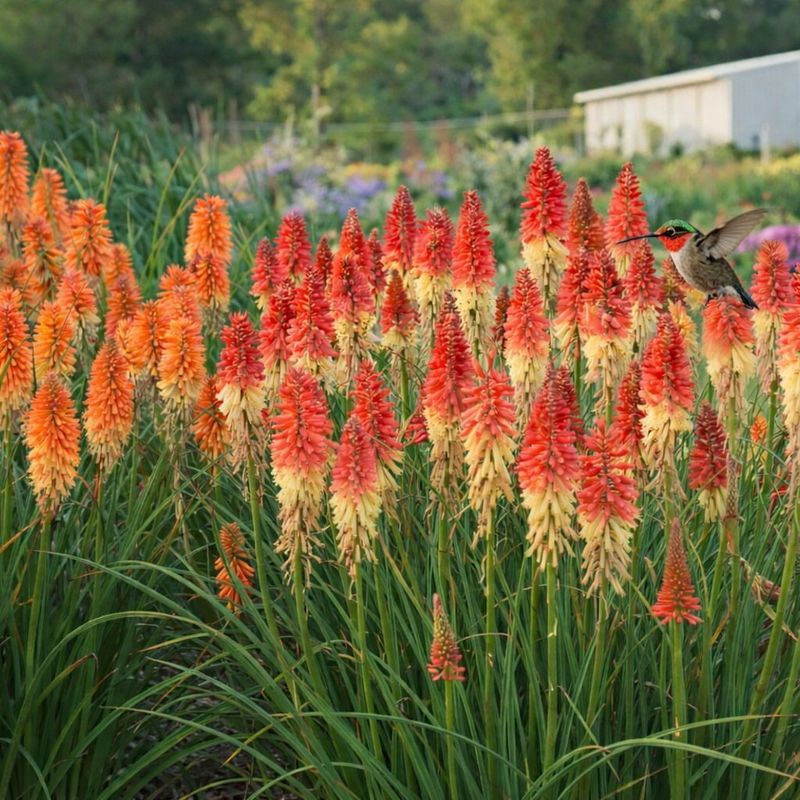
Bold and almost theatrical, Red Hot Poker earns its name every time it blooms. Those tall, torch-shaped flower spikes in fiery shades of red, orange, and yellow look like they belong in a tropical paradise, but this plant is actually incredibly tough.
It handles California heat, drought, and poor soil with the kind of confidence that most plants can only dream about.
Hummingbirds go absolutely wild for Red Hot Poker. The tubular flowers are perfectly shaped for hummingbird beaks, and once you plant one in your California garden, you will have regular feathered visitors all season long.
It blooms in late spring and summer when many other plants are struggling with the heat, which makes it especially valuable in the garden calendar.
Red Hot Poker grows in clumps that slowly get larger over time. It does not need much water once established and actually prefers to be on the dry side.
Cutting back spent flower stalks encourages more blooms, and dividing the clumps every few years keeps the plant looking its best.
For a dramatic, low-effort pop of color in a California garden, very few plants deliver as consistently and reliably as Red Hot Poker does.
6. Mexican Feather Grass
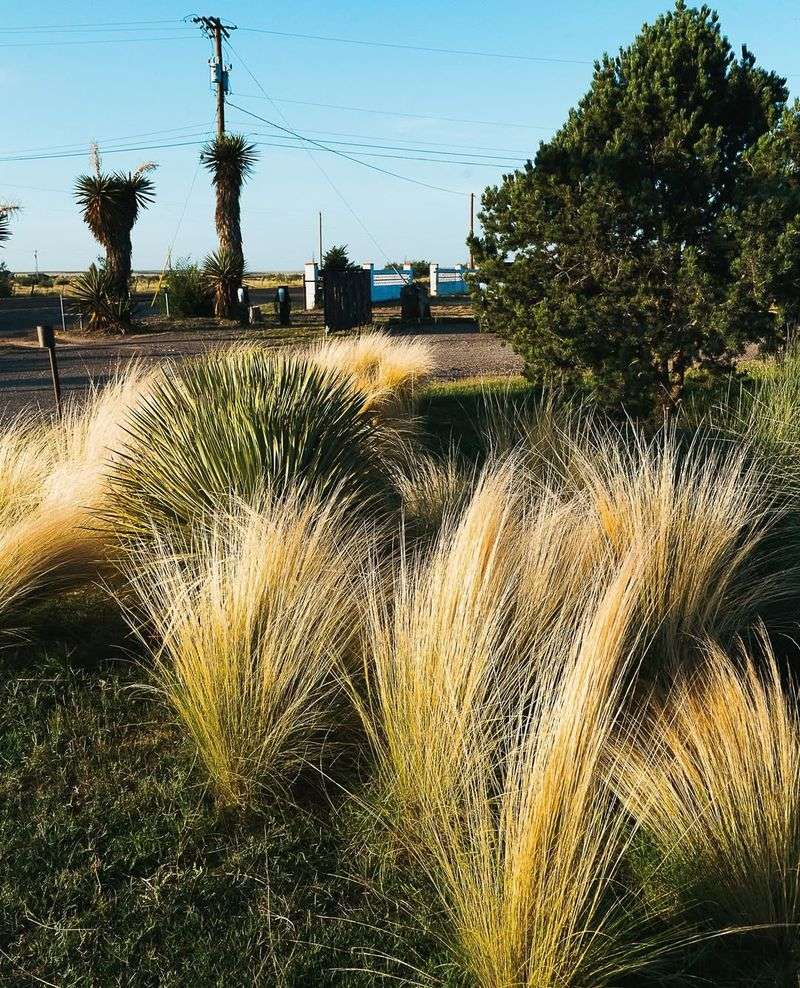
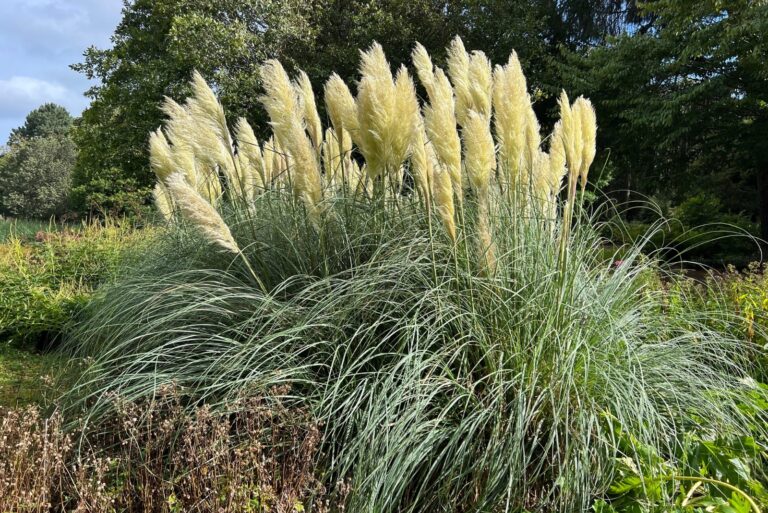
Watching Mexican Feather Grass move in the wind is genuinely calming. Its ultra-fine, silky blades catch every breeze and ripple like water, adding a soft, airy texture to any garden space.
It is one of those plants that makes a yard feel designed and thoughtful without requiring a lot of work to get there.
In California, this grass thrives in full sun and dry conditions. It is extremely drought-tolerant once established and actually prefers to be left alone.
Overwatering or rich soil can cause it to flop or rot, so lean soil and infrequent watering are the way to go. It tends to self-seed freely, which means it can spread around the garden over time.
A word of caution though: Mexican Feather Grass is considered invasive in some parts of California, particularly in areas near natural habitats.
It is worth checking local guidelines before planting it in your region. In contained garden beds or pots, it is a stunning and nearly indestructible choice.
The golden color it turns in summer is especially beautiful when paired with drought-tolerant flowering plants. It adds movement and life to a garden in a way few other grasses can match.
7. Ice Plant
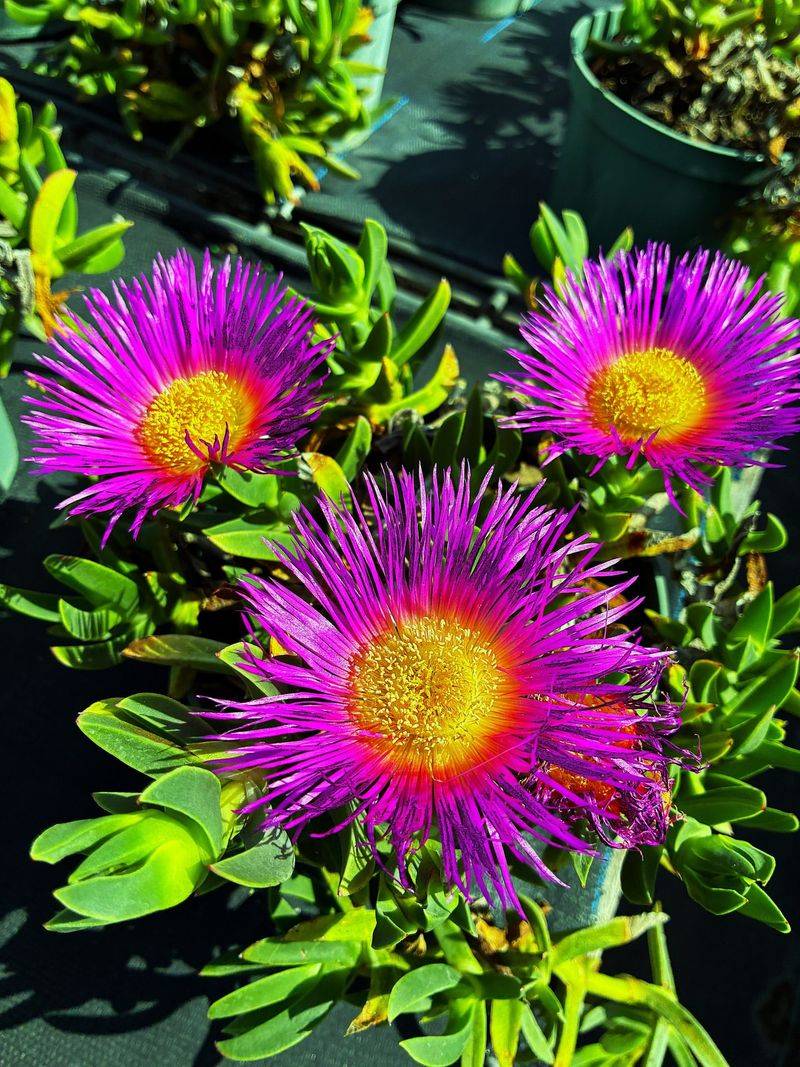
Bright, bold, and almost unstoppable, Ice Plant has been covering California slopes and roadsides for decades.
Its thick, fleshy leaves store water like tiny reservoirs, and its hot-pink or yellow flowers bloom so heavily in spring that the ground looks like it caught fire in the best way possible.
It is a succulent ground cover that practically thrives on neglect.
Originally planted across California for erosion control along highways and coastal bluffs, Ice Plant quickly proved it had no interest in staying small. It spreads fast, roots wherever it touches the ground, and handles heat, drought, and salty ocean air without flinching.
Full sun and well-drained soil are all it really needs to get going.
It is worth knowing that Ice Plant can be aggressive in natural areas, outcompeting native coastal plants in some parts of California.
So while it is a powerhouse in contained garden spaces, it is best kept away from wild edges and natural reserves.
In the right spot, though, like a dry hillside, a rocky slope, or a sunny bank, it is almost impossible to beat for coverage and color. It is one of the most reliable ground covers California gardeners have ever worked with.
8. Ceanothus
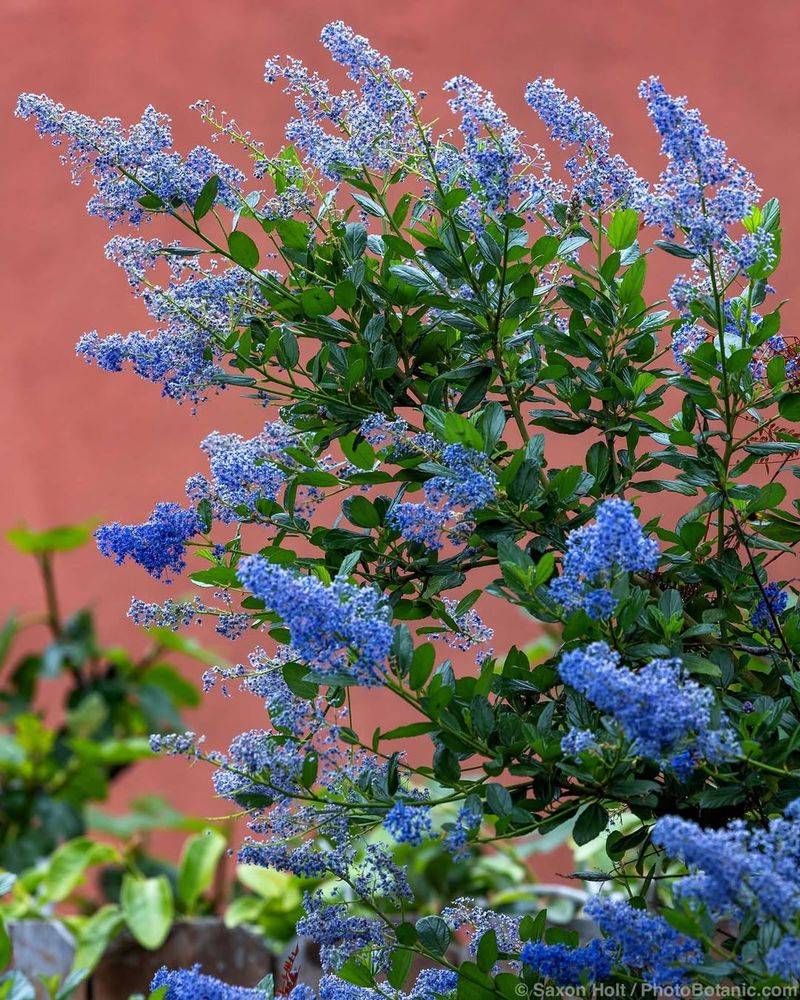
If you want a shrub that practically begs to be ignored, Ceanothus is your answer. This California native is famous for its jaw-dropping clusters of blue or purple flowers that show up in spring and make the whole yard look like a painting.
It grows wild in the hills and coastal ranges of California, so it already knows how to handle the local conditions.
Ceanothus thrives in full sun and well-drained soil. It hates overwatering, which makes it perfect for California gardens where water conservation matters.
Once it settles in, it rarely needs any attention at all. No fertilizer, no fuss, and very little pruning required.
One of its best qualities is drought tolerance. After the first year or two of getting established, it can survive on rainfall alone in most parts of California.
It also attracts bees and butterflies, making your garden feel alive. Many California gardeners say Ceanothus is the plant they wish they had discovered sooner.
It is bold, beautiful, and nearly impossible to stop once it gets going.
9. Blanket Flower
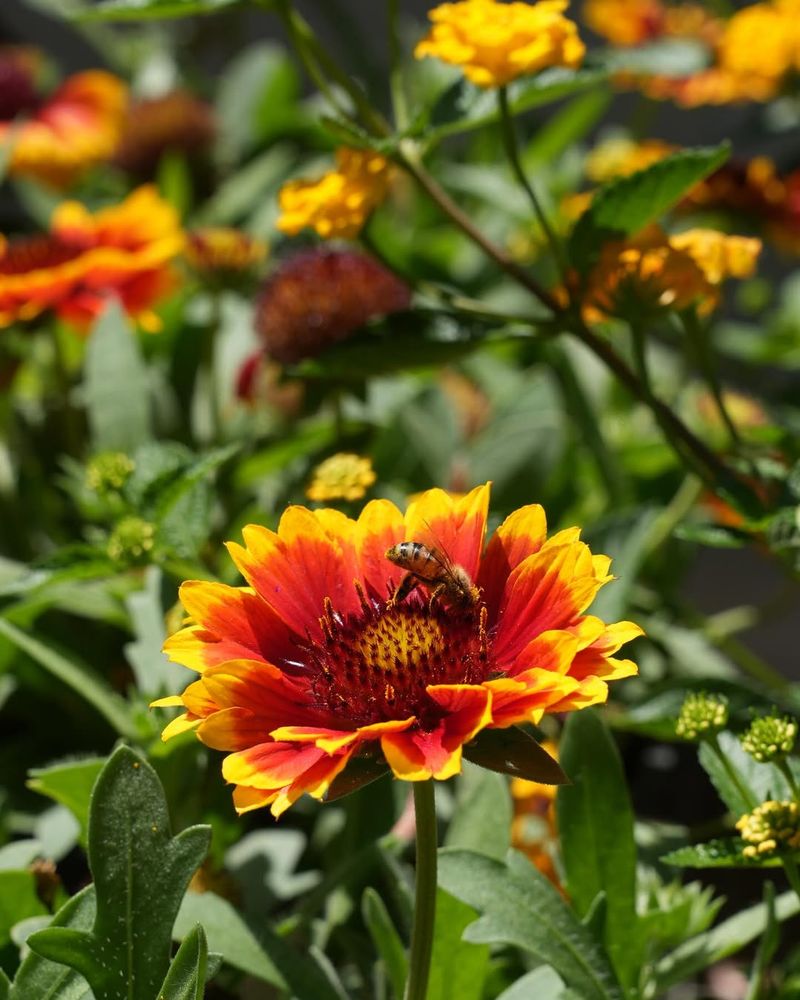
If you want non-stop color without the non-stop effort, Blanket Flower is the plant to reach for. Its cheerful red and yellow blooms look like tiny sunsets, and they keep coming from late spring all the way through fall without much encouragement.
California’s sunny climate is exactly what this plant loves, and it shows in how enthusiastically it blooms season after season.
Blanket Flower is native to North America, which means it is already adapted to tough conditions. It handles heat, drought, and even poor, sandy soil without any trouble.
In fact, too much water or rich soil can actually make it grow leggy and weak. Lean, well-drained ground and full sun are the recipe for a healthy, floriferous plant in any California garden.
Deadheading spent blooms keeps the flowers coming longer, but even without that extra step, Blanket Flower is generous with its color. It also attracts butterflies and bees, adding life and movement to the garden.
Short-lived as a perennial in some climates, it tends to self-seed reliably in California, meaning new plants pop up each year to replace older ones. It is a bright, spirited little plant that never seems to run out of energy or color.
10. Blue Fescue
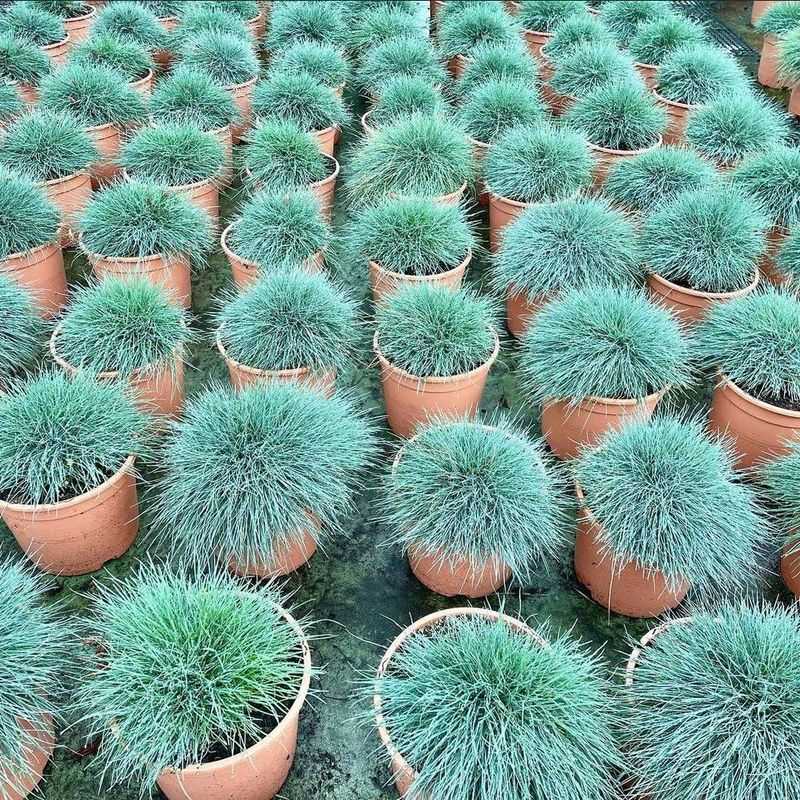
There is something almost sculptural about Blue Fescue. It forms perfect little mounds of silvery blue-green blades that look like they were arranged by hand, but the plant does all that work on its own.
It is one of the most striking ornamental grasses available to California gardeners, and it pairs beautifully with drought-tolerant flowering plants like lavender, salvia, and blanket flower.
Blue Fescue is built for dry, sunny conditions. It thrives in well-drained soil and full sun, making it a natural fit for California’s warm, often dry climate.
Once established, it needs very little water, which is a real advantage in areas with water restrictions. It also handles coastal winds and salty air without complaint, making it a solid choice for gardens near the California coastline.
To keep Blue Fescue looking its best, trim it back hard in late winter or early spring. This removes the older, tired blades and encourages fresh new growth that brings back that gorgeous blue color.
Over time, clumps can lose their shape and vigor, so dividing them every few years keeps them looking fresh. It is a cool, calm, and collected plant that brings quiet elegance to any California garden without ever asking for much in return.