These Plants Are Illegal To Have In Arizona
Something in the yard may look completely harmless, yet it can quietly cross a line most people never think about.
Many Arizona gardeners focus on what grows well, what handles heat, and what fits the landscape, but very few stop to consider what is actually allowed.
That detail can turn into a real problem faster than expected.
Some plants come with restrictions that are not obvious at first glance. They may appear in stores, show up in neighborhoods, or get shared between friends without a second thought.
At the same time, rules around certain species exist for a reason, and they are taken more seriously than most people realize.
If a plant has already found a place in the yard, or if there are plans to add something new this season, it would be best to take a closer look before moving forward. A small oversight here can lead to consequences that catch many people off guard.
1. African Rue Toxic And Fast-Spreading In Open Areas
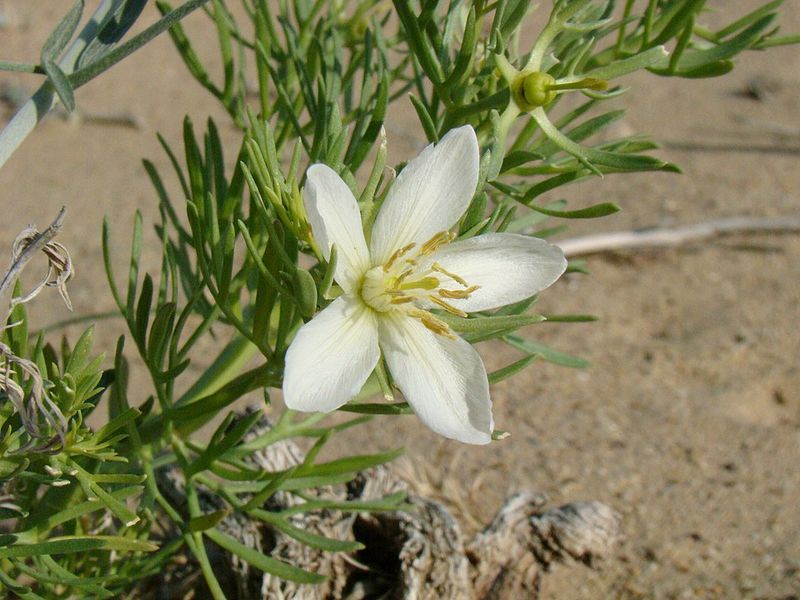
African Rue looks harmless enough at first glance, with its small white flowers and bushy shape, but this plant has caused serious problems across Arizona’s open ranges and desert grasslands.
Livestock that graze near it can get seriously sick, and the plant produces seeds in large numbers that spread easily by wind and animals. Once it gets into an area, clearing it out takes real effort and repeated treatment over multiple seasons.
Arizona classifies African Rue as a noxious weed, making it illegal to sell, transport, or plant anywhere in the state. If you spot it on your property or along a trail, reporting it to the Arizona Department of Agriculture is the right move.
Pulling it by hand works on small patches, but gloves are a must since the plant contains alkaloids that can irritate skin.
Ranchers in southern Arizona have dealt with infestations that have taken years to manage. The plant thrives in disturbed soil, roadsides, and overgrazed land, so it tends to show up where the ground has already been stressed.
Staying alert and acting fast is the best way to stop it from spreading further across the desert.
Early removal before it flowers and sets seed is critical, since even a single mature plant can produce thousands of seeds that remain viable in the soil for years.
2. Purple Loosestrife Disrupting Wetlands And Crowding Native Plants
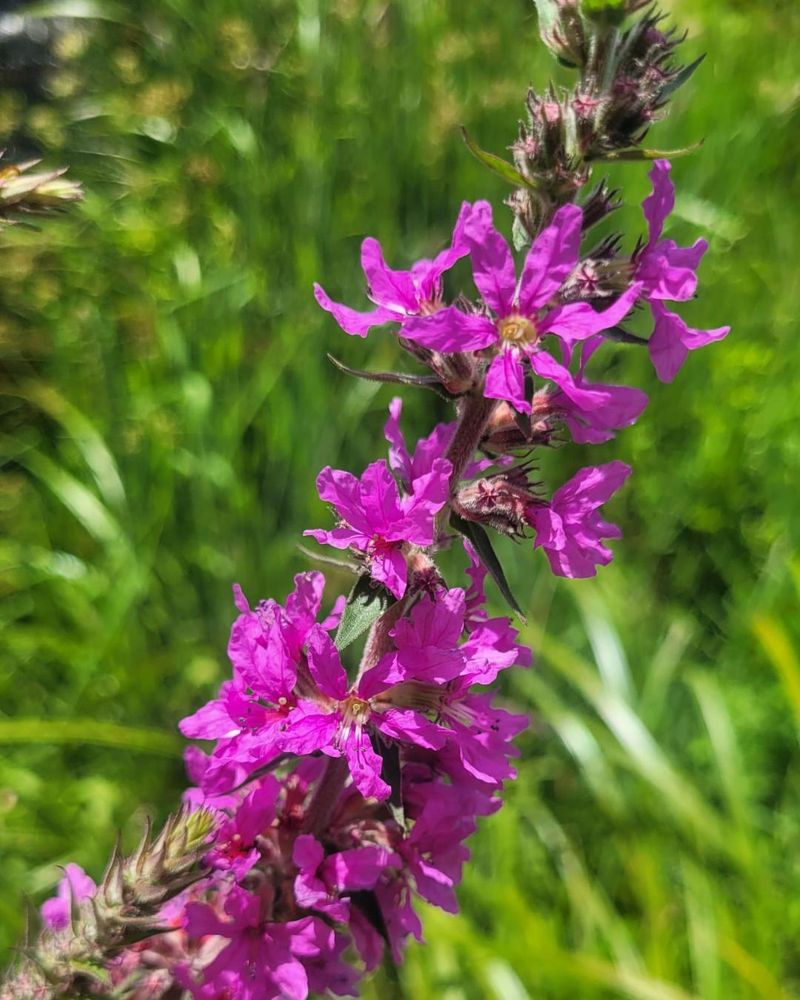
Purple Loosestrife might be one of the prettiest plants on this list, and that’s exactly what makes it so dangerous. Gardeners across the country brought it in for its tall purple flower spikes, not realizing it would take over wetlands and push out the native plants that birds, fish, and insects depend on.
In Arizona, wetland habitats are already rare and fragile. Riparian zones along rivers like the Verde and San Pedro support an incredible variety of wildlife, and Purple Loosestrife threatens to choke those areas out.
A single mature plant can produce up to two million seeds in one season, which spread through water, wind, and even on the boots of hikers.
Arizona law prohibits its sale, transport, and planting, placing it firmly on the noxious weed list. Biological controls using specific beetles have been used in some states, but any removal effort in Arizona should be coordinated with local land managers to avoid unintended consequences.
Identifying it is straightforward: look for tall stalks covered in magenta-purple flowers from late spring through summer, usually growing near water. If you spot it near a stream or pond, don’t try to remove it without guidance.
Roots left in the ground will regrow, and disturbing the plant can scatter seeds even further into the surrounding area.
3. Giant Salvinia As A Prohibited Aquatic Plant With Rapid Spread
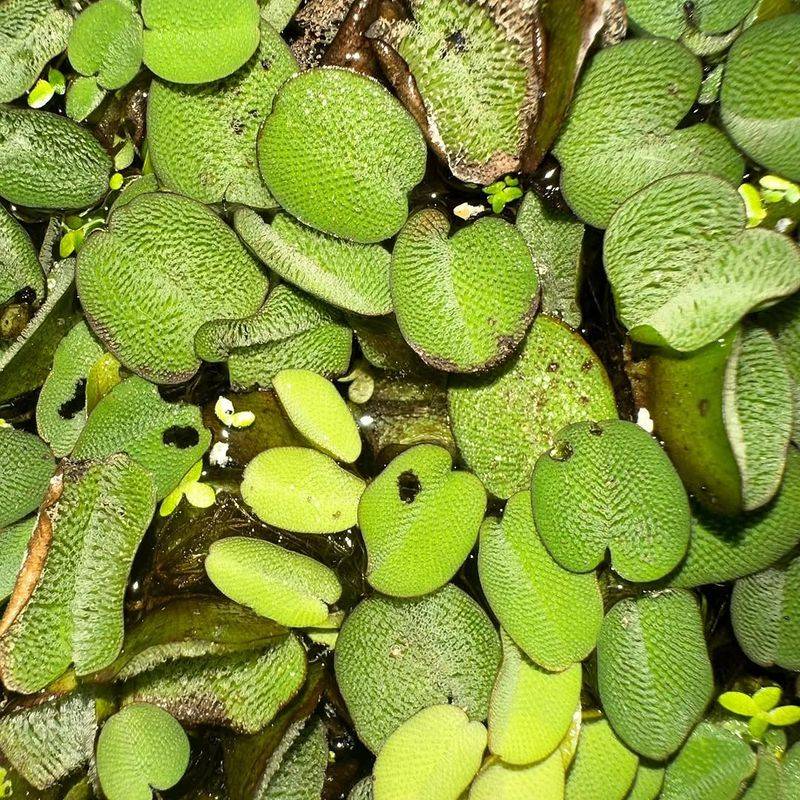
Water might seem like the last place to worry about invasive plants in a desert state, but Giant Salvinia proves otherwise. Arizona has lakes, ponds, canals, and irrigation systems, and this floating fern can cover an entire water surface in a matter of weeks under the right conditions.
Giant Salvinia (Salvinia molesta) blocks sunlight from reaching underwater plants, depletes oxygen levels, and creates stagnant zones where mosquitoes breed and fish populations collapse.
It was originally introduced through the aquarium and water garden trade, which is why Arizona has strict rules against it.
Transporting, selling, or possessing Giant Salvinia is illegal in Arizona. Even a tiny fragment clinging to a boat, kayak paddle, or fishing gear can start a new infestation in a completely different water body.
That’s why the “clean, drain, dry” protocol at boat launches is so critical, especially at places like Lake Havasu and Saguaro Lake.
Unlike land-based invasives, Giant Salvinia spreads almost silently. By the time most people notice it, the infestation is already significant.
Arizona Game and Fish and the Department of Agriculture both monitor water bodies for early detection.
If you see unusual floating mats of green, chain-like plants on Arizona water, report it immediately rather than trying to remove it yourself.
4. Camelthorn Invading Dry Landscapes And Difficult To Control
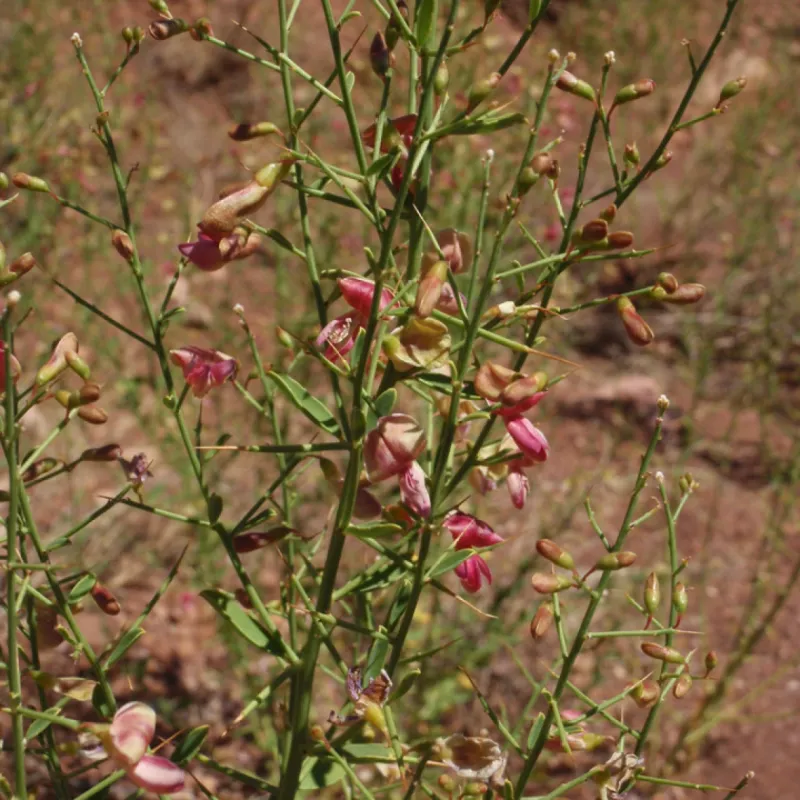
Camelthorn (Alhagi maurorum) earns its name honestly. Those sharp spines are no joke, and this shrub from Central Asia has established itself across parts of Arizona’s dry river bottoms and agricultural edges in ways that have frustrated land managers for decades.
It handles drought like a champion and sends roots deep into the ground, sometimes reaching groundwater sources that native plants and crops need. The root system can extend several feet down, which makes mechanical removal genuinely difficult.
Cut it at the surface and it comes right back from the roots below.
Arizona lists Camelthorn as a noxious weed, and with good reason. It competes aggressively with agricultural crops, reduces water availability for other plants, and creates impenetrable thickets that block access to riparian areas.
Livestock generally avoid it because of the spines, which means it spreads unchecked in grazed areas.
Yuma and La Paz counties have dealt with some of the worst infestations, particularly near irrigation canals. Control usually requires a combination of herbicide applications and follow-up treatments over multiple growing seasons.
Homeowners who find it on their property should contact the Arizona Department of Agriculture for guidance rather than attempting removal alone.
Early identification matters a lot with this plant. Small plants are far easier to manage than established shrubs with deep, spreading root systems.
5. Giant Reed Spreading Along Waterways With Dense Growth
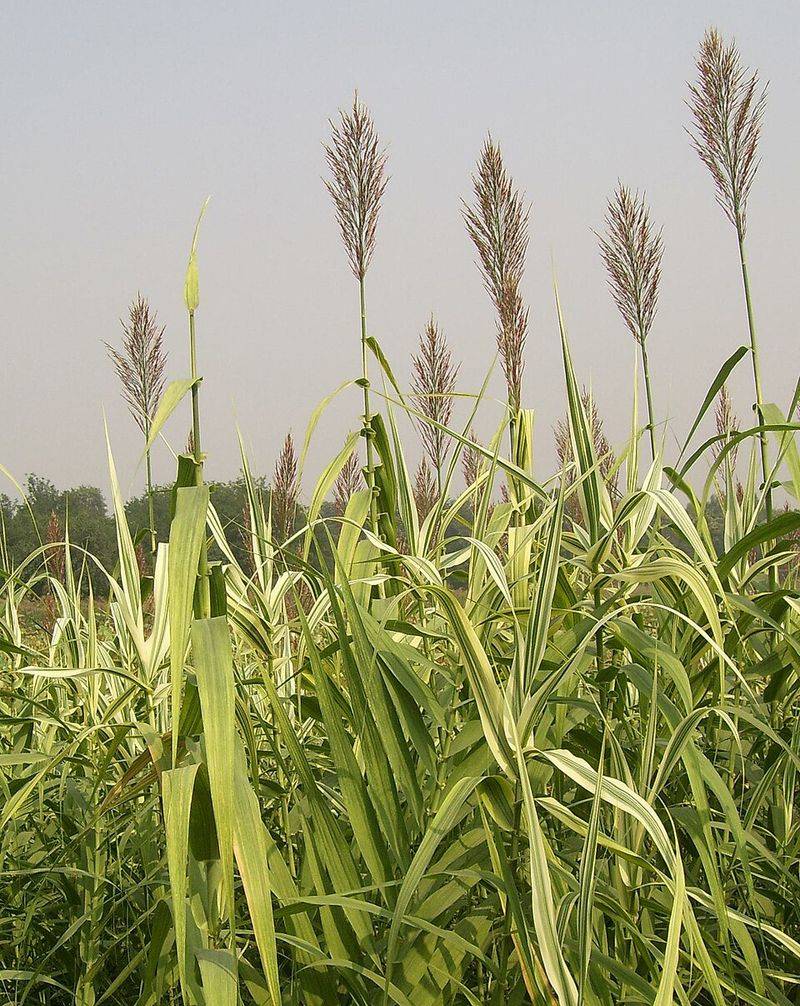
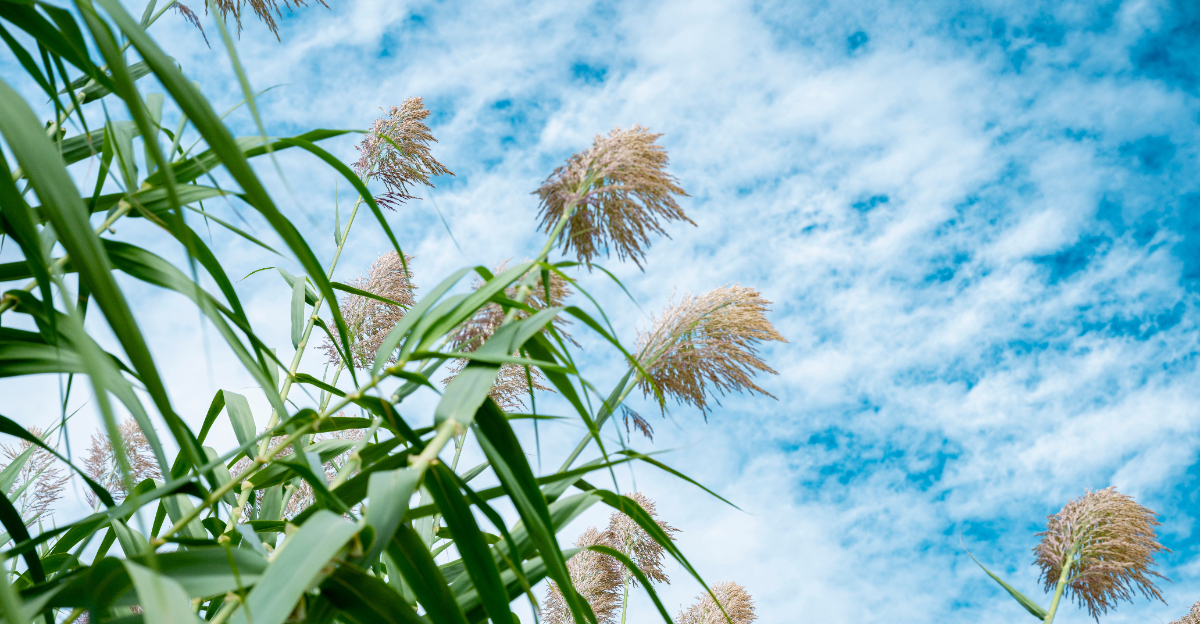
Standing next to a stand of Giant Reed (Arundo donax) is kind of unsettling once you know what you’re looking at. Stalks can reach 20 feet tall, the canes grow packed tightly together, and almost nothing native can survive in the shade and root competition it creates beneath.
Along Arizona’s rivers, particularly the Colorado, Salt, and Santa Cruz, Giant Reed has displaced entire stretches of native cottonwood and willow habitat. Birds and animals that rely on those native plants lose food, shelter, and nesting sites.
The plant also uses far more water than native riparian vegetation, which is a serious concern in an already water-scarce state.
Arizona prohibits its sale, transport, and planting. Removal is ongoing work across the state, often requiring heavy equipment, repeated herbicide treatment, and years of follow-up.
Even after cutting, the root mass stays alive underground and will re-sprout aggressively if not treated properly.
Giant Reed also increases fire risk because the dry canes burn intensely and the fire spreads faster than it would through native vegetation. After a fire, it re-establishes even more quickly than before, which creates a frustrating cycle for restoration crews.
Spotting it is easy: look for tall, bamboo-like canes with feathery plume tops growing in thick clusters along water. If you see it, report it to the Arizona Invasive Species Advisory Council.
6. Russian Olive Displacing Native Trees And Altering Soil
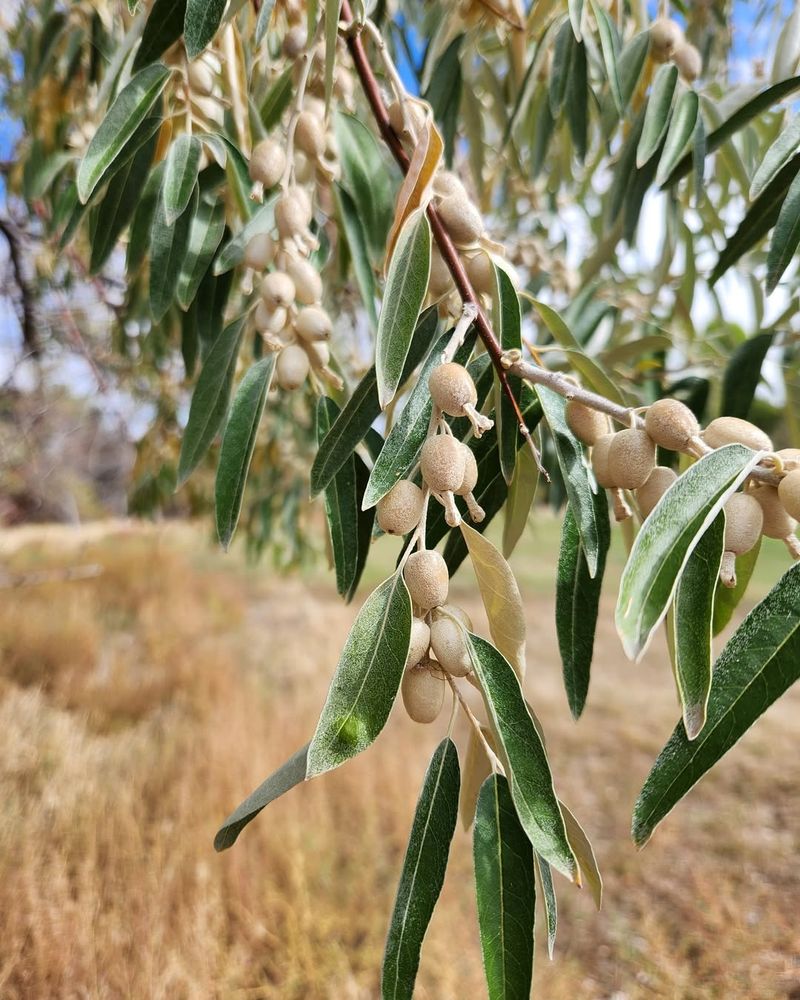
Russian Olive (Elaeagnus angustifolia) was planted across the American West for decades as a windbreak and for wildlife habitat. Somewhere along the way, people realized it was doing far more harm than good, and Arizona eventually added it to the noxious weed list.
Along Arizona’s rivers and streams, Russian Olive outcompetes native cottonwoods and willows by growing faster, tolerating drought better, and producing fruit that birds spread widely. As it takes over, the structure of the riparian forest changes completely.
The deep shade and leaf litter it produces alters soil chemistry in ways that make it even harder for native plants to reestablish after removal.
Transporting or planting Russian Olive is now illegal in Arizona. The tree is still common in older landscapes and along rural roadsides, which means seeds continue spreading from established trees that predate current regulations.
Removal efforts along the Verde River and other corridors are ongoing, but progress is slow when seed sources remain nearby.
Identifying it is fairly easy: silvery-green leaves, small yellowish flowers in spring, and olive-like fruits in fall, usually with thorny branches. The bark becomes deeply furrowed on older trees.
If you have one on your property that was planted before the regulations changed, check with the Arizona Department of Agriculture about your obligations.
Removal is encouraged, and some programs offer assistance for landowners willing to replace it with native species.
7. Buffelgrass Increasing Fire Risk Across Desert Land
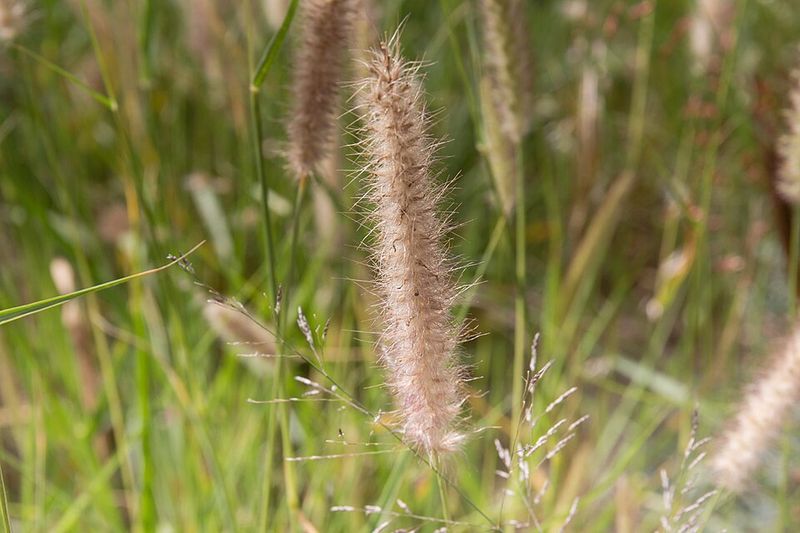
Buffelgrass (Pennisetum ciliare) might be the single biggest threat to the Sonoran Desert right now.
Here’s the core problem: the Sonoran Desert is not adapted to frequent fire.
Native plants like saguaro cacti, palo verde, and brittlebush did not evolve with grass fires, so when Buffelgrass creates a continuous carpet of dry fuel and a fire moves through, it can wipe out entire hillsides of native vegetation that took decades to grow.
Arizona bans the sale, transport, and planting of Buffelgrass outright. Pima County and the City of Tucson have active removal programs, and volunteers across the region pull it by hand every spring before it goes to seed.
Timing matters a lot since pulling it before seed heads form prevents the next generation from spreading.
Buffelgrass turns a golden tan color when dry and grows in clumps with distinctive bristly seed heads. It shows up on roadsides, rocky slopes, and even in established neighborhoods throughout the Tucson and Phoenix areas.
Property owners in Arizona are strongly encouraged to remove it from their land. Leaving it in place not only threatens your neighbors but also puts the wider desert ecosystem at serious risk.
Even small patches can quickly expand, since each clump can produce thousands of seeds that spread by wind, water runoff, animals, and vehicle movement.
After removal, follow-up monitoring is essential because new seedlings often emerge after rain, and repeated clearing over multiple seasons is usually needed to fully control an infestation.
8. Tree Of Heaven Growing Fast And Outcompeting Nearby Plants
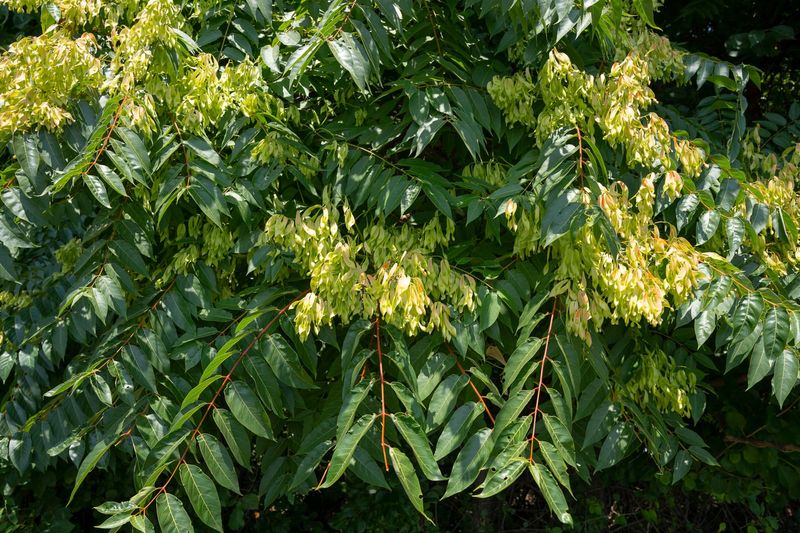
Tree of Heaven (Ailanthus altissima) sounds almost poetic, but ask anyone who has tried to remove one from their yard and the name starts to feel like a bad joke.
In Arizona, it shows up in disturbed urban areas, vacant lots, along roadsides, and increasingly along waterways in higher elevation zones. It grows rapidly, sometimes several feet in a single season, and produces thousands of winged seeds that travel on the wind.
The roots spread aggressively and can damage sidewalks, foundations, and underground pipes.
What makes it particularly difficult is the allelopathic chemicals it releases into the soil. Those compounds suppress the growth of nearby plants, giving Tree of Heaven a chemical advantage over natives trying to grow in the same area.
Even after removal, those chemicals can linger in the soil for some time.
Arizona classifies it as a noxious weed. Cutting it down without treating the stump almost guarantees a vigorous regrowth of multiple sprouts from the base and roots.
Herbicide treatment applied directly to a freshly cut stump is generally the most reliable approach for homeowners.
Flagstaff and Prescott have seen increasing pressure from this tree in recent years. If you spot it in a natural area in Arizona, reporting it to local weed management authorities helps track its spread and prioritize removal efforts.