These Plants Are Illegal To Have In Michigan Gardens
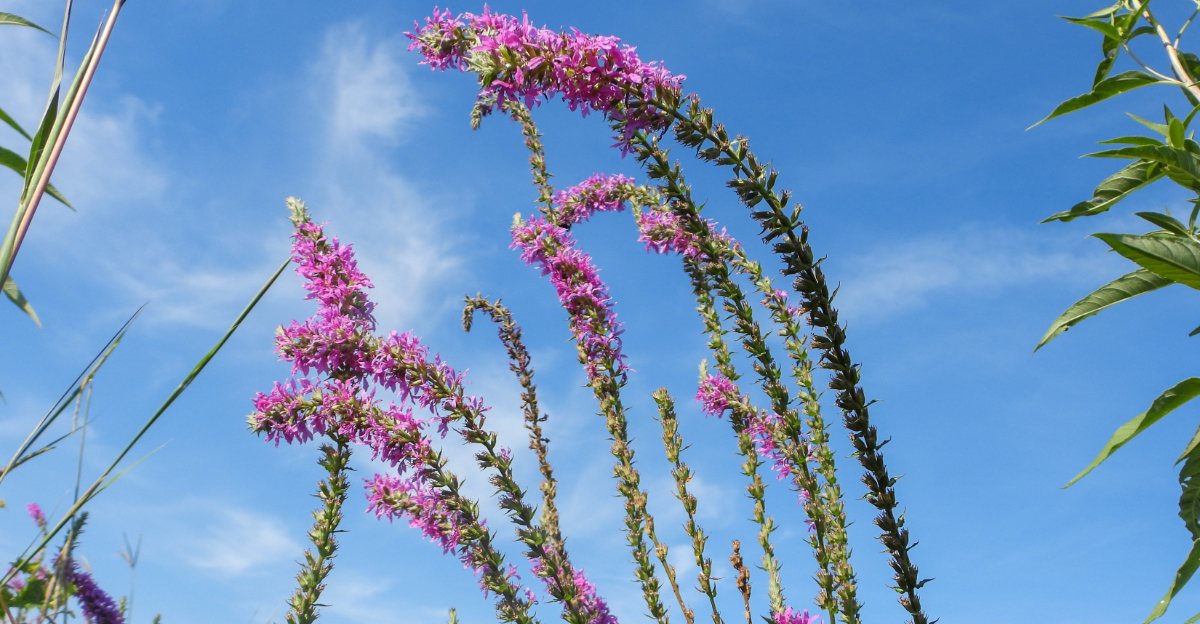
Michigan is home to some of the most beautiful natural landscapes in the country, and protecting those landscapes matters more than ever.
From peaceful lakeshores to dense forests, the state’s environment depends on balance, and even small choices in your yard can have a lasting impact.
Some plants that look harmless or even attractive can quietly spread beyond your garden and begin to affect nearby areas in ways many people do not expect.
These invasive species can crowd out native plants, disrupt local wildlife, and even create problems around homes and waterways.
Because of this, Michigan has put clear rules in place to limit which plants can be grown and sold. Still, many gardeners are not aware of these restrictions until it is too late.
Before you plant anything new this season, it is worth taking a closer look at what is allowed and what is not so you can make choices that keep your yard and the surrounding landscape healthy.
1. Japanese Knotweed
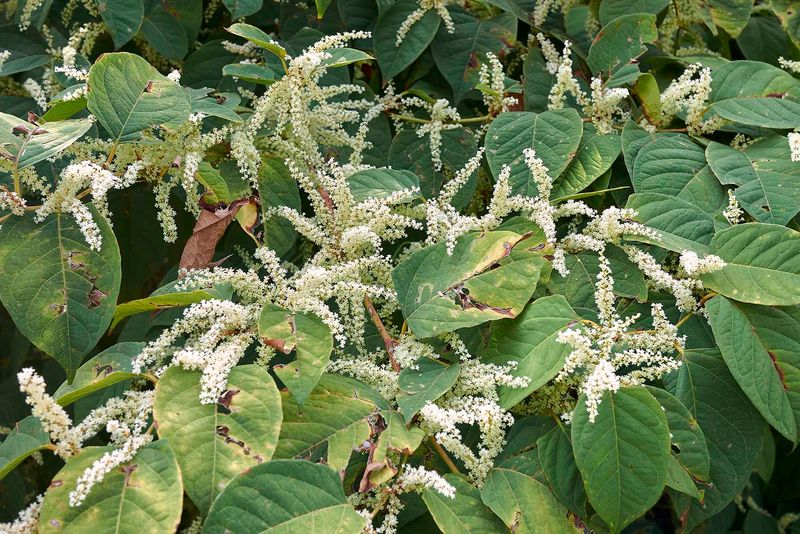
Few plants cause as much trouble as Japanese knotweed, and Michigan gardeners need to know exactly why. Originally from East Asia, this plant was once considered an ornamental choice, but it quickly showed its destructive side.
It spreads through an underground root system called rhizomes, which can reach up to 10 feet deep and stretch far beyond the original planting spot.
What makes Japanese knotweed especially dangerous is its ability to push through concrete, asphalt, and building foundations. Homeowners across Michigan have reported serious structural damage caused by this relentless grower.
It can crack walls, lift driveways, and compromise drainage systems in ways that are expensive and frustrating to repair.
Michigan classifies Japanese knotweed as a prohibited invasive species, meaning it is illegal to sell, plant, or possess it with the intent to introduce it into the environment.
The plant also forms such dense stands that native vegetation cannot compete, wiping out biodiversity in affected areas. Birds, insects, and other wildlife lose valuable habitat when knotweed takes over.
Removing it is incredibly difficult once established. Even a tiny piece of root left in the soil can sprout an entirely new plant.
Michigan residents who spot Japanese knotweed are encouraged to report it through the Michigan Invasive Species Program and seek professional help for removal.
2. Giant Hogweed
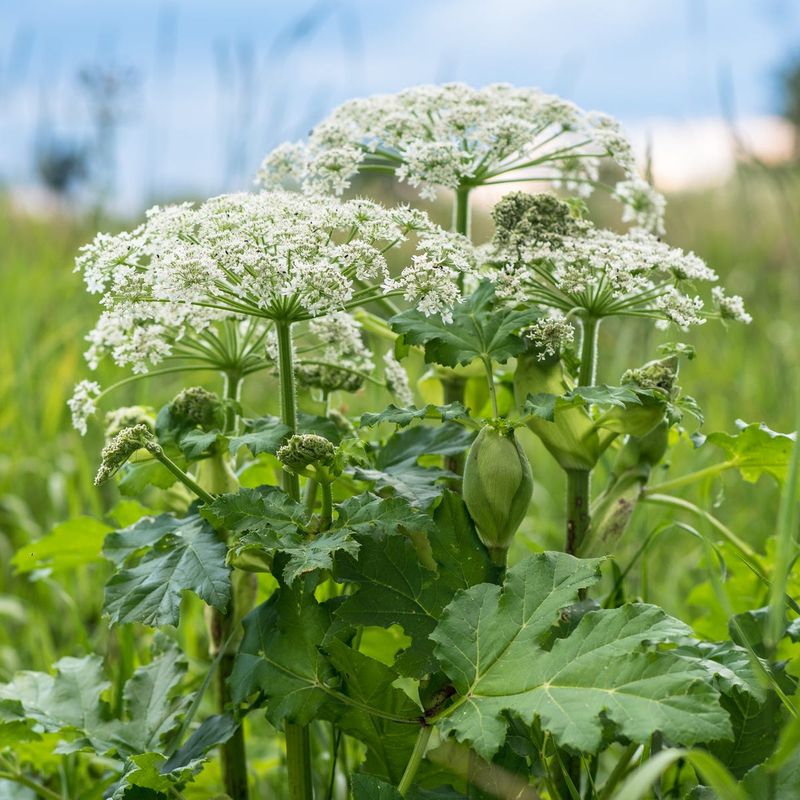
Giant hogweed might look like something out of a fantasy garden, but this towering plant is one of the most serious invasive threats in Michigan.
Growing up to 14 feet tall, it produces enormous umbrella-shaped white flower clusters that can seem impressive from a distance. Up close, though, the story changes completely.
The sap of giant hogweed contains toxic chemicals called furanocoumarins. When this sap touches skin and the skin is then exposed to sunlight, it causes severe burns, blistering, and long-lasting skin sensitivity.
Eye contact with the sap can even lead to temporary or permanent vision damage. This makes giant hogweed one of the few plants in Michigan that poses a direct physical risk to people and pets.
Michigan law strictly prohibits the planting, selling, or distribution of giant hogweed. It thrives in moist environments, along riverbanks, roadsides, and disturbed land, which means it can spread quickly through Michigan’s many waterways.
Because it outcompetes native plants and disrupts natural ecosystems, its environmental impact is significant.
Anyone who spots giant hogweed in Michigan should never touch it without full protective clothing. The Michigan Department of Agriculture and Rural Development asks residents to report sightings immediately through official invasive species reporting channels.
Professional removal is strongly recommended to prevent further spread throughout the state.
3. Purple Loosestrife
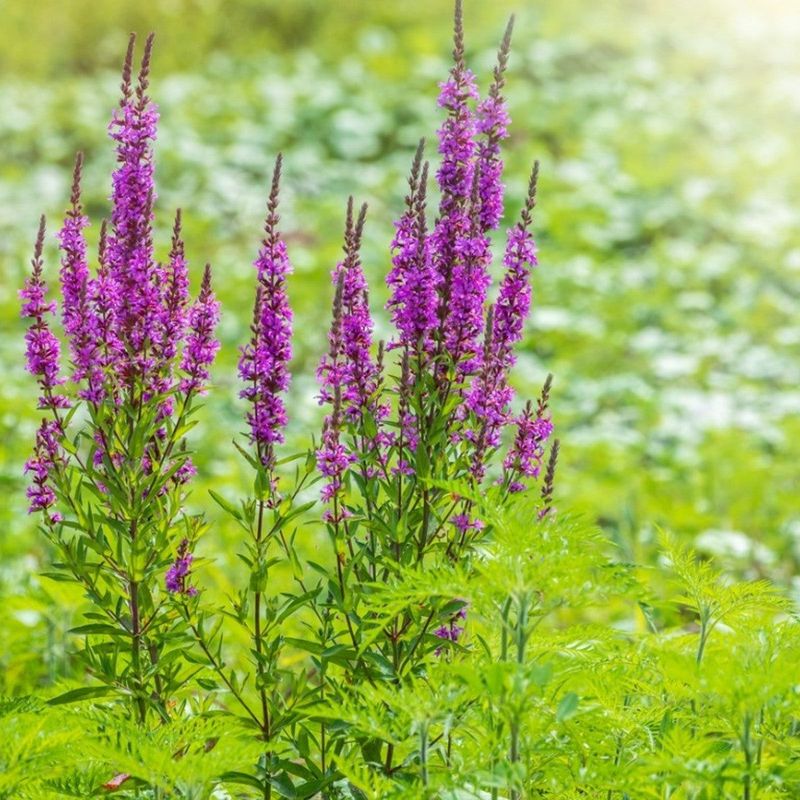
Purple loosestrife looks stunning at first glance, with its tall spikes of vibrant pink-purple flowers. Gardeners once planted it widely across North America for its eye-catching color.
However, Michigan recognized long ago that this plant’s beauty comes with a very high environmental cost.
A single purple loosestrife plant can produce up to 2.7 million seeds in one growing season. Those seeds spread easily through wind, water, and even on the fur of animals.
Once it establishes itself in a wetland, it forms thick, impenetrable stands that crowd out cattails, native sedges, and other plants that local wildlife depends on for food and shelter.
Michigan wetlands are particularly vulnerable because they support an incredible variety of birds, amphibians, and fish. When purple loosestrife takes over, habitat quality drops sharply.
Ducks, herons, muskrats, and other wetland species lose the native plants they rely on, which creates a chain reaction throughout the local food web.
Under Michigan law, purple loosestrife is a prohibited invasive species. It cannot legally be sold, planted, or propagated anywhere in the state.
Even sterile cultivars sold at garden centers in other states are banned in Michigan. Gardeners looking for a similar visual effect can choose native alternatives like blazing star or swamp rose mallow, which support local ecosystems rather than harming them.
4. Hydrilla
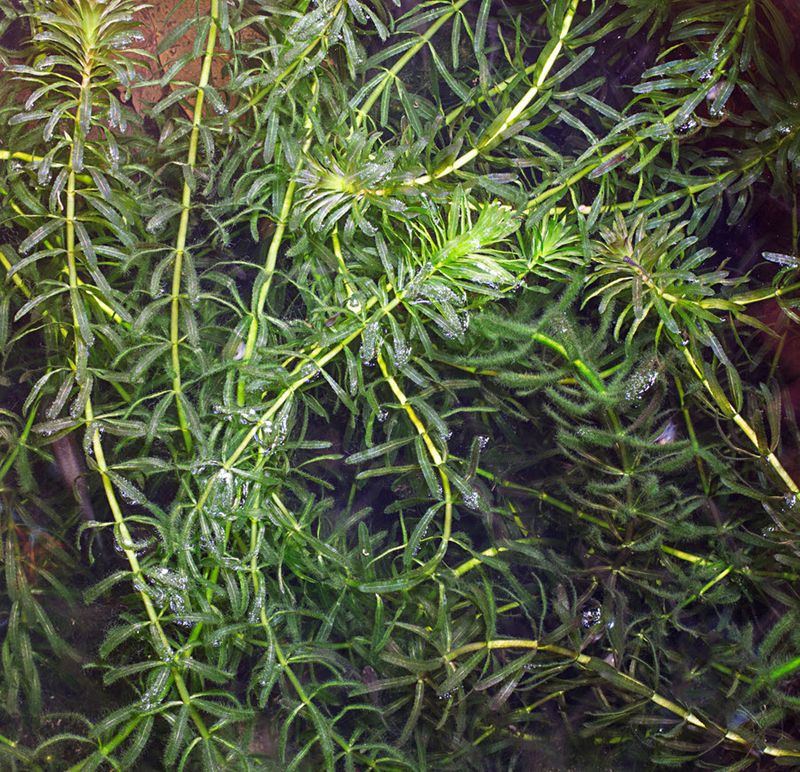
Hydrilla is sometimes called the world’s worst aquatic weed, and Michigan takes that reputation very seriously. This fast-growing underwater plant originates from Africa and Asia, and it has caused massive ecological disruption wherever it has spread across North America.
Michigan’s lakes and rivers are particularly at risk given how many interconnected waterways the state has.
Under the right conditions, hydrilla can grow up to an inch per day. It forms such dense underwater mats that it blocks sunlight from reaching native aquatic plants below.
Fish lose their natural habitat, water temperatures shift, and oxygen levels in the water can drop significantly. Boaters also face serious problems because hydrilla tangles propellers and clogs water intake systems.
Michigan law classifies hydrilla as a prohibited invasive species. It is illegal to introduce, sell, purchase, or possess hydrilla with the intent to introduce it into any Michigan waterway, pond, or water garden.
Even well-intentioned water gardeners who purchase aquatic plants online risk accidentally introducing hydrilla if they are not careful about sourcing plants from reputable, regulated sellers.
Hydrilla spreads through tiny plant fragments, which means even cleaning equipment between water bodies is critical. Michigan’s Department of Natural Resources urges all boaters and anglers to clean, drain, and dry their equipment thoroughly.
If you spot hydrilla in a Michigan lake or pond, report it right away to help protect the state’s waterways.
5. Water Hyacinth
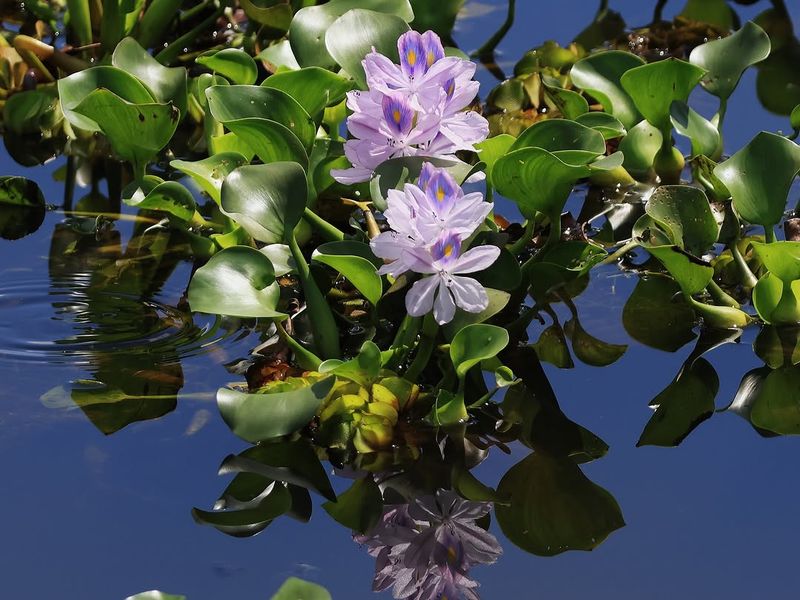
Water hyacinth is one of those plants that seems perfect for a backyard pond. Its rounded, glossy leaves and soft lavender blooms are genuinely beautiful.
However, Michigan has moved to prohibit this plant because of the serious damage it causes when it escapes into natural waterways.
This free-floating plant reproduces at an astonishing rate. Under warm conditions, a water hyacinth population can double in size in as little as two weeks.
Dense mats form quickly on the water surface, blocking sunlight and reducing oxygen levels below. Native aquatic plants struggle to survive, fish populations suffer, and the entire aquatic food chain feels the impact.
Michigan’s proposed prohibition on water hyacinth reflects just how seriously state officials view the threat. Even a small number of plants accidentally released from a garden pond into a connected waterway can trigger an infestation that spreads across an entire lake system.
Michigan’s many rivers, streams, and interconnected lakes make the risk especially high.
Gardeners in Michigan who love the look of water hyacinth can explore native alternatives like pickerelweed or blue flag iris, which offer similar visual appeal without threatening local ecosystems.
If you currently have water hyacinth in a pond, contact the Michigan Invasive Species Program for guidance on safe removal and disposal. Never release any aquatic plant or water from a garden pond into natural waterways in Michigan.
6. European Frogbit
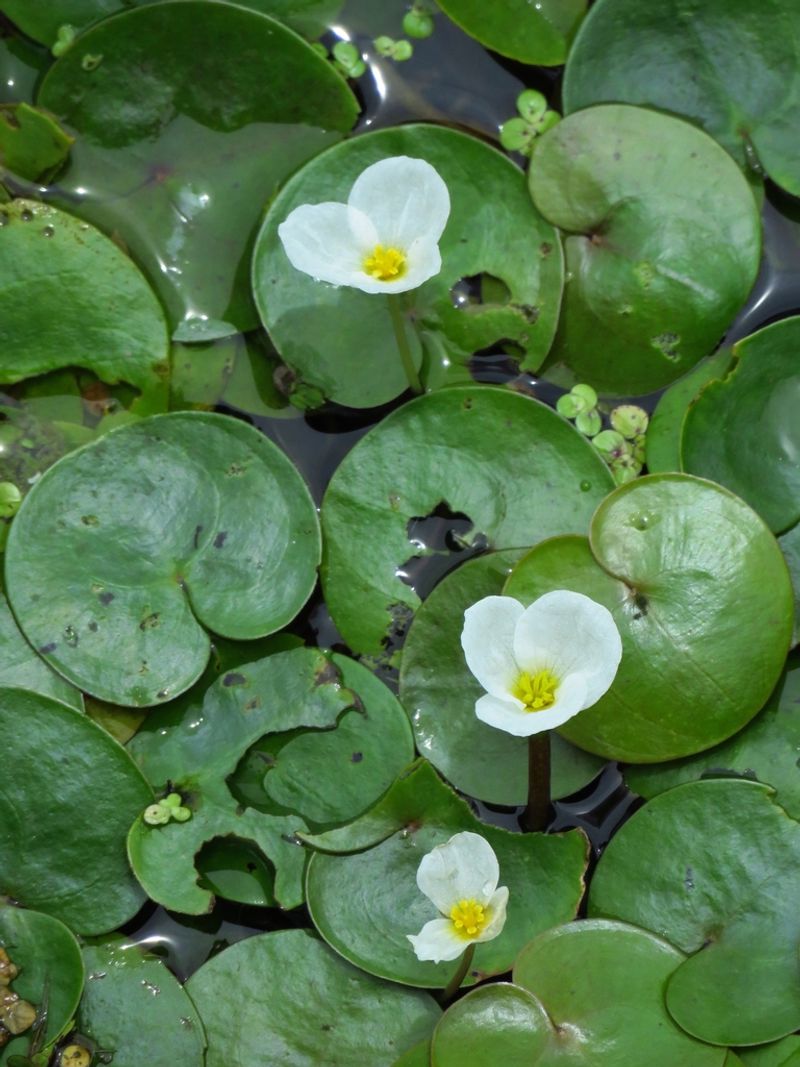
European frogbit might sound like a quirky name, but this small floating plant is a genuine threat to Michigan’s aquatic ecosystems. Resembling a miniature water lily, it has round, waxy leaves and tiny white flowers that float on the surface of calm or slow-moving water.
It looks harmless, but appearances can be very misleading.
Originally introduced to North America through the aquarium and water garden trade, European frogbit has spread into several Michigan waterways over the past few decades.
It reproduces rapidly through runners and fragmentation, meaning even tiny broken pieces can establish new colonies downstream.
Dense mats form quickly, shading out native submerged plants and reducing oxygen levels for fish and other aquatic life.
Michigan classifies European frogbit as a prohibited invasive species under the state’s invasive species regulations. It is illegal to possess, introduce, sell, or distribute this plant anywhere in Michigan.
Water gardeners who unknowingly purchase it from unregulated online sellers are among the main pathways for its continued spread into new areas.
Protecting Michigan’s lakes and rivers from European frogbit requires awareness and action from every gardener and water enthusiast in the state. Always verify that any aquatic plant you purchase is legal and native to Michigan.
Report any suspected sightings of European frogbit through the Midwest Invasive Species Information Network, which helps track and manage invasive species across the Great Lakes region.