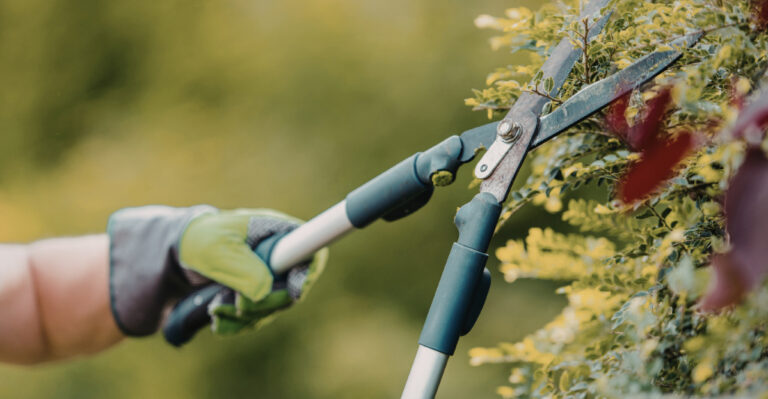
These Plants Are Worth Pruning In January If You Garden In Mississippi

January in Mississippi might feel quiet, but savvy gardeners know it’s the perfect time to prune certain plants and set the stage for a thriving growing season.
Proper winter pruning removes dead wood, shapes growth, and encourages healthier blooms when spring arrives.
Skip it, and your garden could emerge tangled, weak, or underperforming.
Prune now, and your plants will reward you with stronger growth and more vibrant flowers!
These eleven plants respond especially well to January pruning, from flowering shrubs to hardy perennials.
Cutting back old stems improves airflow, reduces disease risk, and directs energy to the parts of the plant that will bloom first.
Neglecting this step can lead to messy growth, fewer flowers, and stressed plants once temperatures warm.
The right cuts at the right time make all the difference in your Mississippi garden.
For Mississippi gardeners, winter pruning isn’t just maintenance—it’s a smart strategy for success.
A little attention in January sets your garden up for beauty, health, and productivity all season long.
Trim smart now, and watch your garden flourish this spring!
Crape Myrtles For Better Summer Blooms
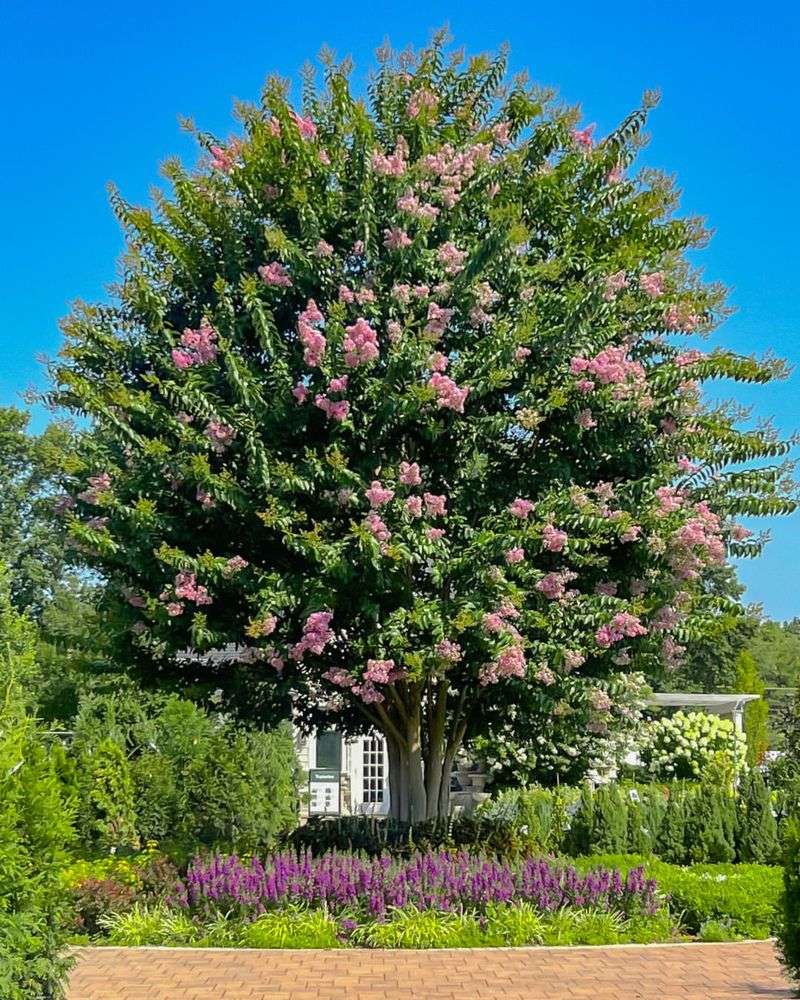
Crape myrtles stand as one of the South’s most beloved flowering trees, and January offers Mississippi gardeners the ideal window for giving them a proper trim.
When these beauties are fully dormant, you can easily assess their branching structure and make thoughtful cuts that will pay off with magnificent summer blooms.
The key is understanding that crape myrtles bloom on new wood, meaning the growth they produce this spring will carry those stunning flower clusters come summer.
Light pruning focuses on removing any crossing branches, suckers growing from the base, and small twiggy growth that clutters the canopy.
This approach maintains the tree’s natural graceful form while encouraging better air circulation throughout the branches.
Many gardeners make the mistake of severe topping, sometimes called “crape murder,” which creates ugly knobs and weakens the tree’s structure over time.
Instead, selectively remove branches back to a main trunk or larger limb, making clean cuts at a slight angle.
This method promotes stronger growth and allows the tree’s beautiful bark to shine through.
Your crape myrtle will reward your restraint with a balanced shape and an abundance of flower-covered branches that dance in the summer breeze, making your landscape the envy of the neighborhood.
Roses That Benefit From Dormant-Season Pruning
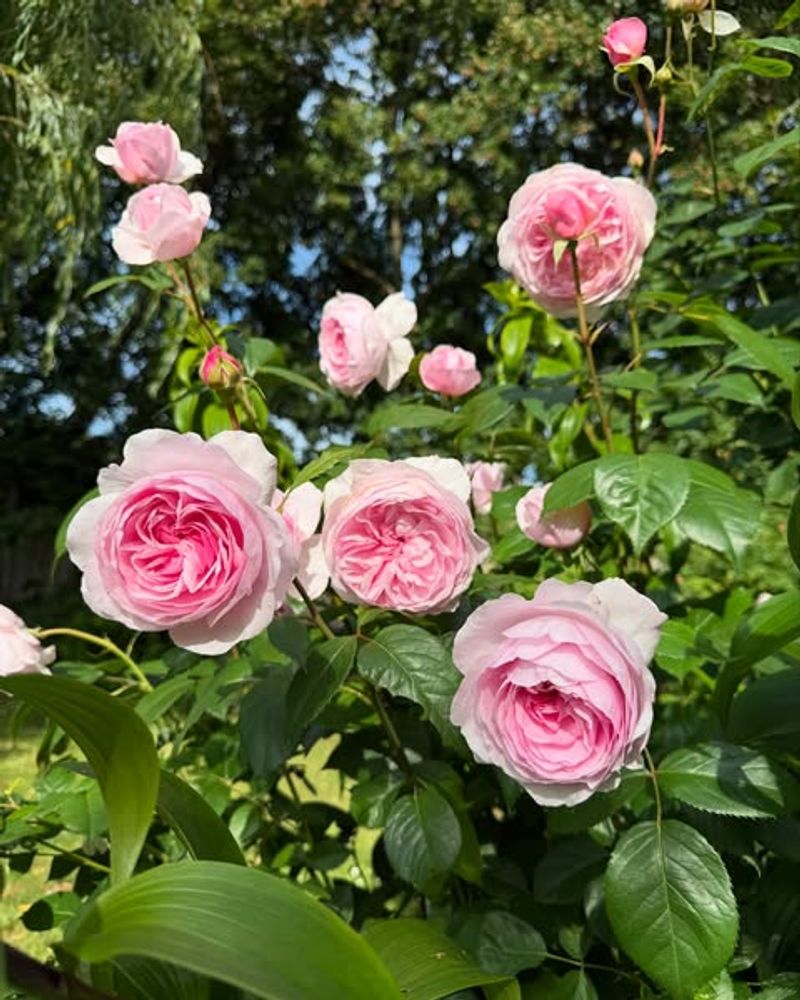
Roses have earned their reputation as the queens of the garden, and January pruning sets the foundation for their royal performance throughout the growing season.
Mississippi’s mild winters create perfect conditions for tackling this essential task while your roses are resting.
Hybrid teas, grandifloras, and floribundas all thrive when pruned during dormancy, as this timing minimizes sap loss and allows cuts to heal before new growth emerges.
Start by removing any damaged or diseased canes, cutting them back to healthy white pith inside the stem.
Then focus on opening up the center of the plant to improve air circulation, which helps prevent fungal diseases that love Mississippi’s humid summers.
Aim to leave three to five strong, healthy canes on each bush, cutting them back to about eighteen inches for hybrid teas or slightly taller for floribundas.
Make your cuts at a forty-five-degree angle about a quarter inch above an outward-facing bud, which encourages the new growth to spread outward rather than crowd the center.
Climbing roses need a gentler approach, with only the removal of old, unproductive canes and light shaping of the rest.
This dormant-season attention rewards you with vigorous spring growth, disease resistance, and armloads of gorgeous blooms perfect for cutting and sharing with friends.
Butterfly Bush For Compact Growth
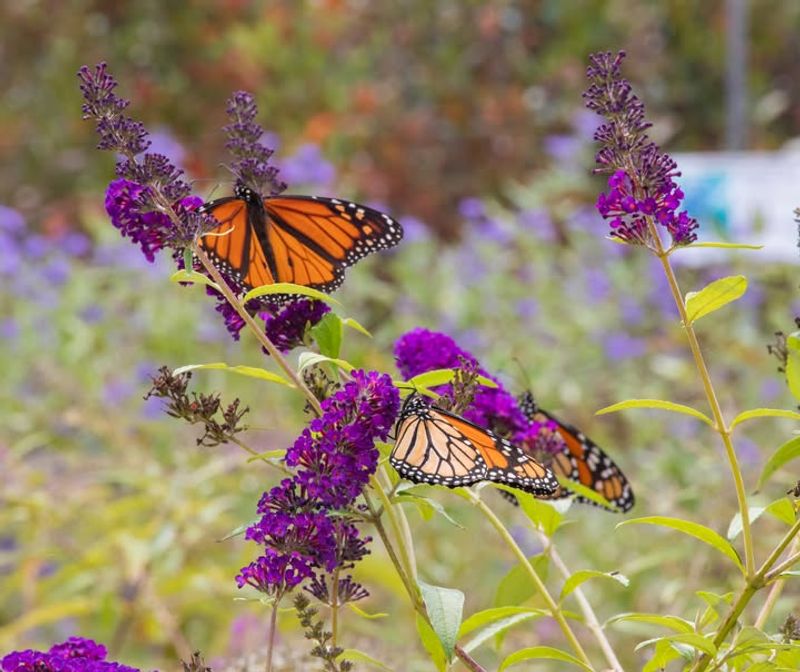
Butterfly bushes bring magic to summer gardens with their fragrant flower spikes that attract clouds of colorful butterflies and hummingbirds.
January presents the perfect moment to cut these vigorous growers back hard, and don’t worry about being too aggressive with your pruning shears.
These tough plants bloom on new wood and respond to severe pruning by producing fuller, more compact growth loaded with even more flowers than an unpruned plant would offer.
Most gardeners cut their butterfly bushes back to about twelve to eighteen inches from the ground, removing all of last year’s growth.
This dramatic haircut might look extreme, but it prevents the plant from becoming tall and leggy with flowers only at the tips of long stems.
Instead, you’ll get a bushier plant with blooms from top to bottom, creating a much more attractive display.
The timing works beautifully in Mississippi because butterfly bushes are fully dormant in January, and the cuts will heal and callus over before spring growth begins.
Make clean cuts just above a set of buds, and remove all the pruned material from the garden to keep things tidy.
Come summer, your butterfly bush will be a compact powerhouse of blooms, standing strong against wind and rain while providing a butterfly buffet that brings joy every time you look outside.
Panicle Hydrangeas (Hydrangea Paniculata)
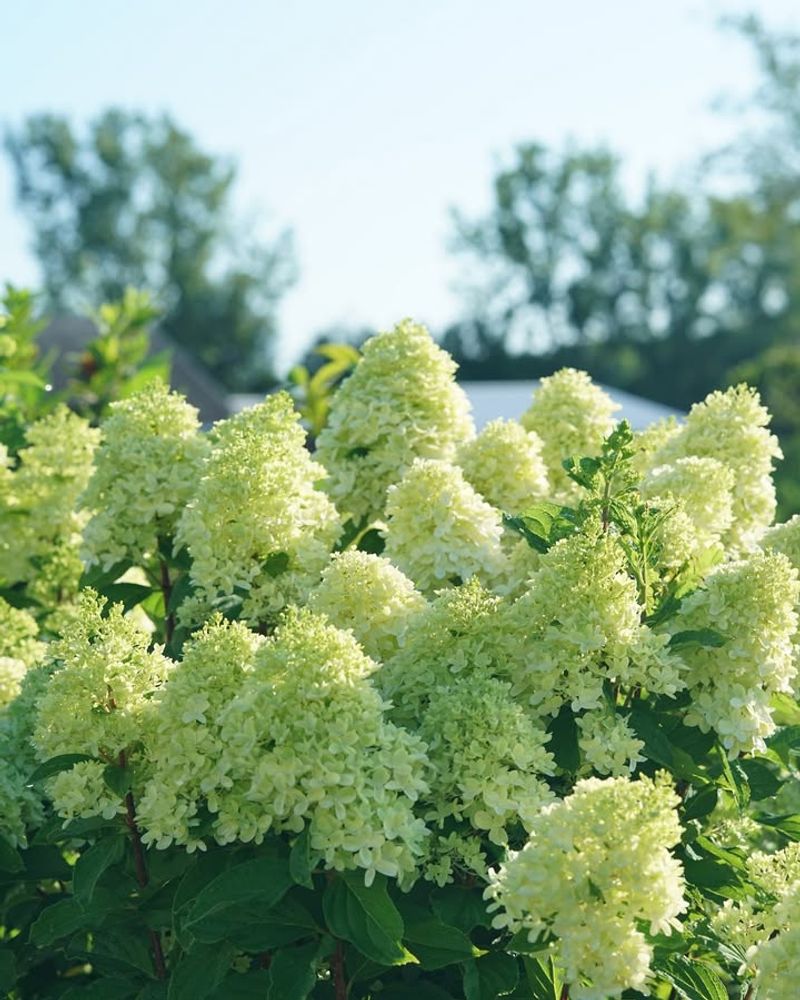
Panicle hydrangeas differ from their mophead cousins in one crucial way that makes January pruning not just acceptable but actually beneficial.
These stunning shrubs produce their cone-shaped flower clusters on new wood that grows during the current season, which means winter pruning won’t sacrifice a single bloom.
Popular varieties like ‘Limelight’ and ‘Strawberry Sundae’ have taken Mississippi gardens by storm with their showy flowers that start out one color and mature to another as the season progresses.
Pruning in January allows you to shape these vigorous growers and control their size before spring growth begins.
You can cut them back by one-third to one-half of their height, removing weak or crossing branches and creating an open framework.
This encourages the plant to put energy into fewer, stronger stems that will support those heavy flower heads without flopping over.
For gardeners wanting to maintain a more compact size, panicle hydrangeas can even be cut back harder, to about two to three feet from the ground.
The plant will respond with enthusiastic new growth and plenty of blooms, though the flowers may be slightly larger and fewer in number.
Making clean cuts just above a set of buds ensures healthy regrowth, and you’ll appreciate how much easier it is to see the plant’s structure without leaves blocking your view.
Smooth Hydrangeas (Hydrangea Arborescens)
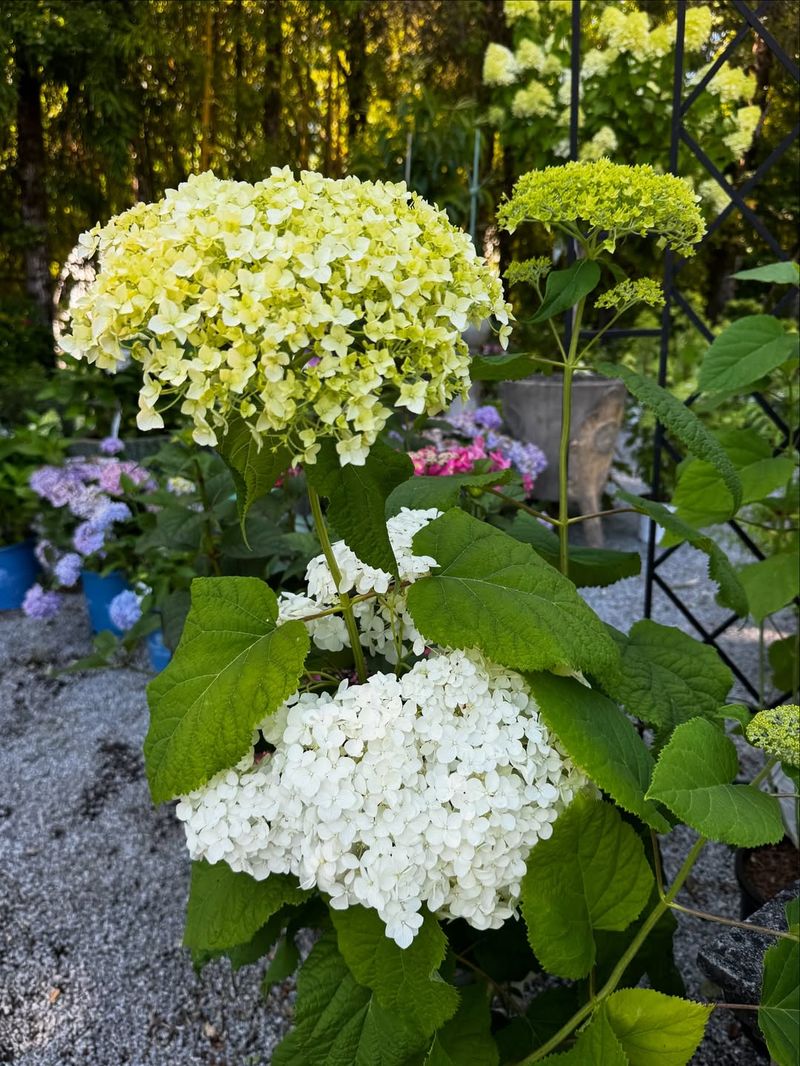
Smooth hydrangeas, including the classic ‘Annabelle’ with its enormous white snowball blooms, offer Mississippi gardeners the most forgiving pruning experience of any hydrangea type.
These native beauties bloom on new wood, which means you can prune them as severely as you want in January without worrying about losing flowers.
In fact, hard pruning often results in even more spectacular blooms because the plant channels all its energy into producing robust new stems.
Many gardeners simply cut smooth hydrangeas down to about six to twelve inches from the ground each January, treating them almost like a perennial.
This approach works wonderfully in smaller gardens where you want to keep the plant compact and manageable.
The new growth emerges vigorously in spring, quickly reaching three to five feet tall and topped with those magnificent flower heads that can measure ten inches across or more.
If you prefer a larger, more permanent shrub structure, you can take a lighter approach by removing only about one-third of the oldest stems each year.
This method creates a fuller plant with more stems and flowers, though individual blooms may be slightly smaller.
Either way, January pruning sets smooth hydrangeas up for success, and the timing allows cuts to heal perfectly before spring growth begins in earnest.
Apple And Pear Trees
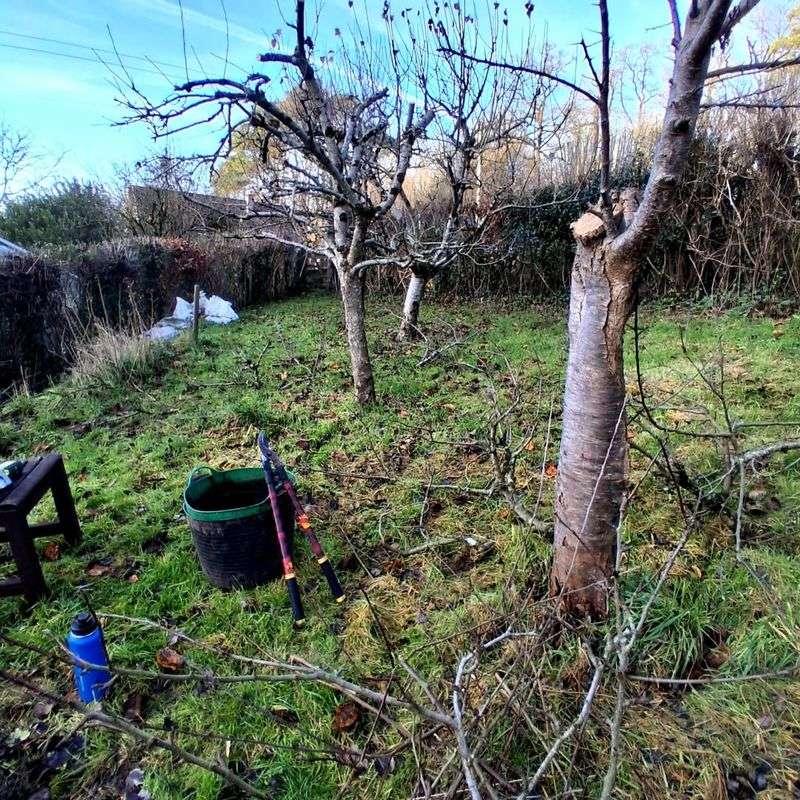
Apple and pear trees growing in Mississippi orchards and home gardens depend on proper winter pruning to produce quality fruit and maintain healthy structure.
January stands out as the ideal month for this important task because the trees are fully dormant, and you can clearly see the branching pattern without foliage obscuring your view.
Pruning during dormancy also minimizes stress on the tree and reduces the risk of spreading diseases that are more active during warmer months.
Focus on creating an open center or modified central leader shape that allows sunlight to reach all parts of the tree.
Remove any branches that grow straight up or hang straight down, as these rarely produce quality fruit.
Also eliminate crossing branches that rub against each other, creating wounds where diseases can enter.
Thinning cuts that remove entire branches back to the trunk or a main limb work better than heading cuts that simply shorten branches.
This approach maintains the tree’s natural growth habit while improving fruit production.
Pay special attention to removing water sprouts, those vigorous upright shoots that grow from main branches and steal energy without producing fruit.
Your apple and pear trees will respond to thoughtful January pruning with better air circulation, improved fruit size and quality, and a more manageable shape that makes harvesting easier and more enjoyable.
Peach Trees
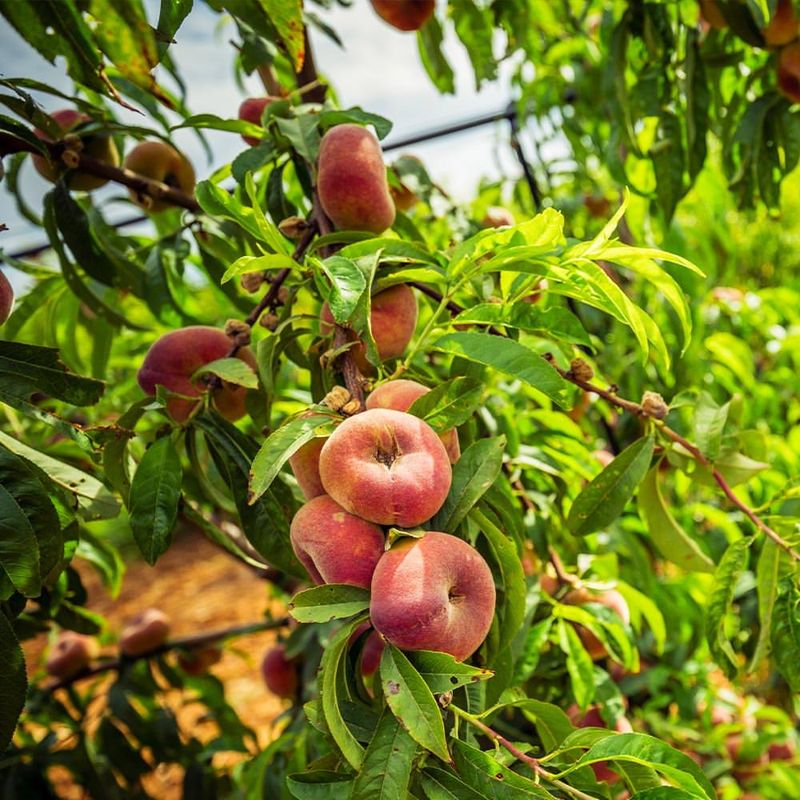
Peach trees rank among the most rewarding fruit trees for Mississippi gardeners, but they demand regular pruning to stay productive and healthy.
January pruning serves double duty by shaping the tree for better fruit production and helping prevent the fungal diseases that plague peaches in our humid climate.
When you open up the canopy through selective pruning, you improve air circulation and allow sunlight to reach the interior branches, both of which help keep foliage dry and disease pressure low.
Peaches fruit on wood that grew the previous season, so your January pruning actually removes some potential fruit.
However, this thinning is essential because peach trees naturally set far more fruit than they can properly ripen.
By reducing the number of fruiting spurs through pruning, you ensure that the remaining peaches grow larger, sweeter, and more flavorful rather than producing a heavy crop of small, disappointing fruit.
Aim for an open vase shape with three to five main scaffold branches spreading outward from a short trunk.
Remove any branches growing toward the center of the tree, and thin out crowded areas where branches compete for space.
Annual pruning keeps peach trees at a manageable height for easier harvesting and pest management.
Mississippi’s warm climate means peach trees grow vigorously, so don’t be afraid to remove a significant amount of wood each January to maintain good structure and health.
Grape Vines For Better Harvests
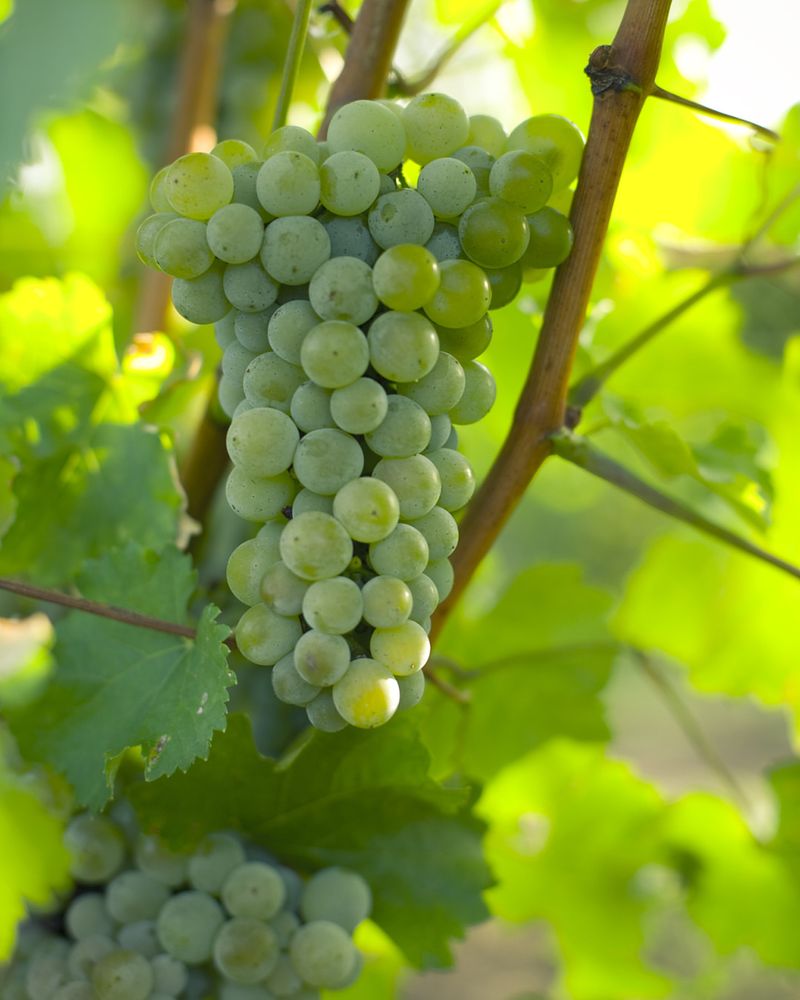
Grape vines possess an almost alarming ability to grow, and without annual January pruning, they quickly become tangled, unproductive messes that put all their energy into leaves rather than fruit.
Dormant-season pruning controls this vigorous growth and directs the vine’s energy into producing quality grape clusters.
Mississippi’s January weather provides perfect conditions for this task, as the vines have dropped their leaves and the structure becomes easy to see and work with.
The key to grape pruning involves removing about ninety percent of last year’s growth, which sounds extreme but is exactly what these plants need.
Grapes fruit on new shoots that emerge from one-year-old wood, so you want to maintain a framework of permanent cordons or arms along your trellis, then prune back the previous season’s growth to just two or three buds per spur.
These buds will produce the fruiting shoots for the coming season.
Remove all the tangled growth, weak shoots, and anything that doesn’t fit your training system.
Many home gardeners use a simple four-arm Kniffin system or a single high wire with canes draped over it.
Whatever system you choose, consistent January pruning keeps your vines manageable and productive.
The dramatic pruning might feel uncomfortable at first, but your grape vines will respond with improved fruit quality, better disease resistance, and a harvest you can actually reach and pick without wrestling through a jungle of foliage.
Wisteria To Encourage Flowering
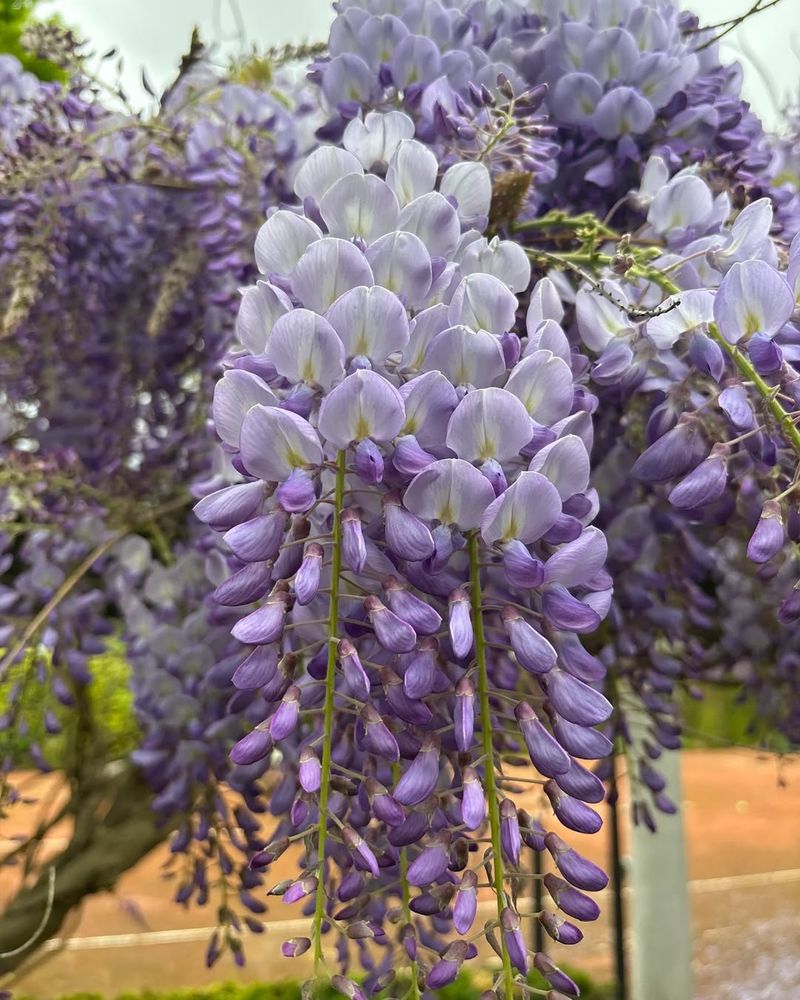
Wisteria vines captivate gardeners with their cascading clusters of fragrant purple, white, or pink flowers, but these vigorous climbers can quickly take over entire structures if left unchecked.
January pruning plays a crucial role in keeping wisteria under control while actually improving bloom production.
The dormant season allows you to see the vine’s framework clearly and make strategic cuts that channel energy into flowering rather than endless vegetative growth.
Wisteria blooms on short spurs that develop on older wood, so your pruning goal involves maintaining a strong framework while cutting back the long whips that grew during the previous season.
Shorten these shoots to about three to five buds from the main framework, creating short spurs that will produce flowers in spring.
This approach keeps the vine compact and prevents it from sending out those aggressive runners that can grow several feet in just a few weeks during the growing season.
Many gardeners combine January pruning with a lighter summer pruning to keep wisteria truly manageable.
However, the winter session is more important for flower production.
Remove any growth that extends beyond where you want the vine to grow, and thin out crowded areas where stems tangle together.
Mississippi’s climate allows wisteria to grow with exceptional vigor, so regular pruning isn’t just recommended but absolutely necessary to prevent these beautiful vines from becoming overwhelming monsters.
Fig Trees For Healthier Growth
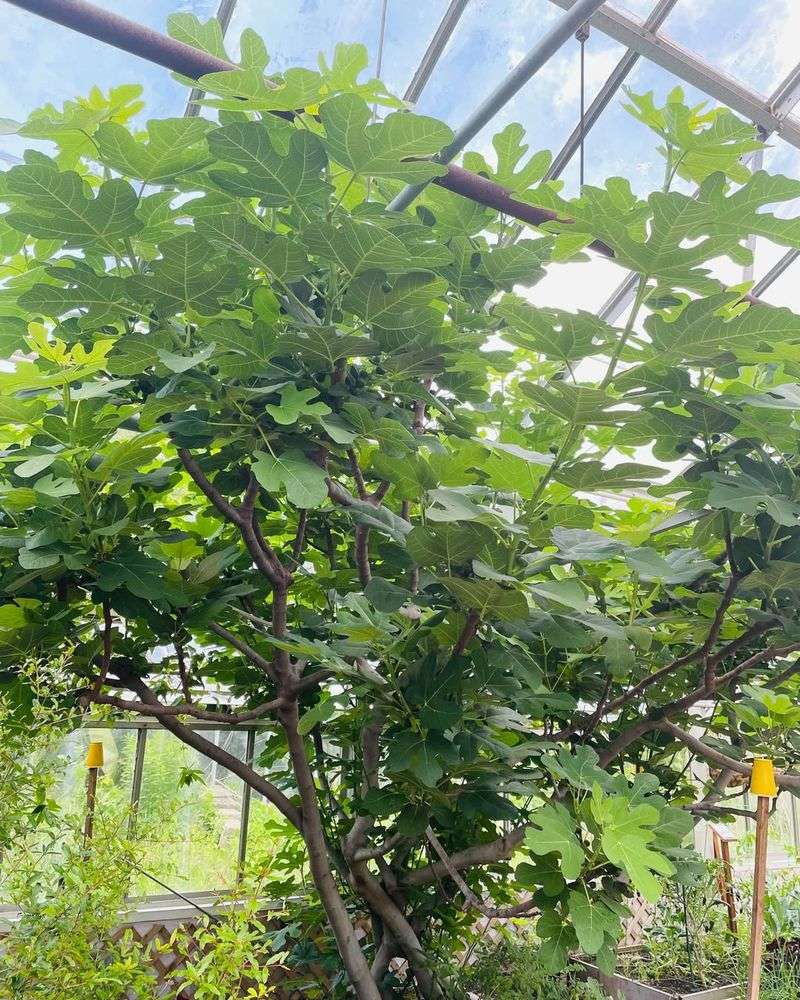
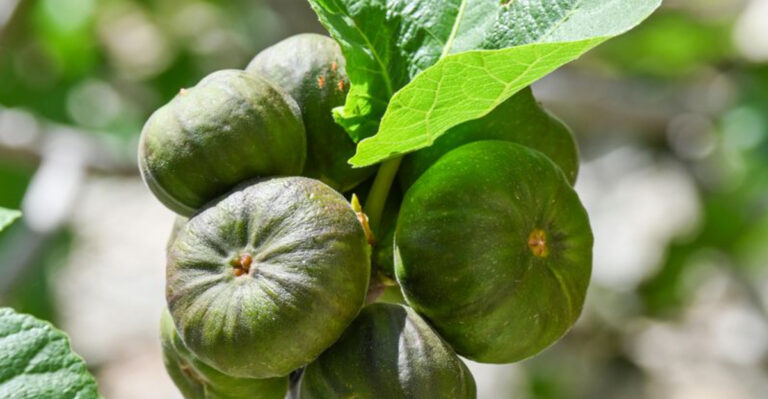
Fig trees thrive in Mississippi’s climate and produce delicious fruit with minimal care, but a little January pruning goes a long way toward keeping them productive and attractive.
These Mediterranean natives grow vigorously in our warm, humid conditions, sometimes producing so much growth that the tree’s energy becomes diluted across too many branches.
Dormant pruning helps focus that energy into fewer, stronger branches that will support better fruit production.
Start by removing any branches that were damaged by winter cold, as fig trees can suffer tip damage during Mississippi’s occasional hard freezes.
Then focus on opening up the center of the tree to improve air circulation, which helps reduce fungal problems during our humid summers.
Remove crossing branches and any shoots growing straight up from main limbs, as these rarely produce quality fruit.
Most Mississippi gardeners maintain their fig trees at a manageable height of eight to ten feet by heading back the tallest branches to an outward-facing bud or lateral branch.
This keeps the fruit within easy reach for harvesting and makes netting the tree to protect fruit from birds much more practical.
Some varieties like ‘Celeste’ and ‘Brown Turkey’ naturally stay more compact, while others like ‘LSU Purple’ can become quite large without regular pruning.
January pruning sets fig trees up for a season of healthy growth and abundant fruit that ripens in late summer, perfect for fresh eating or preserving.
What Mississippi Gardeners Should Not Prune Yet
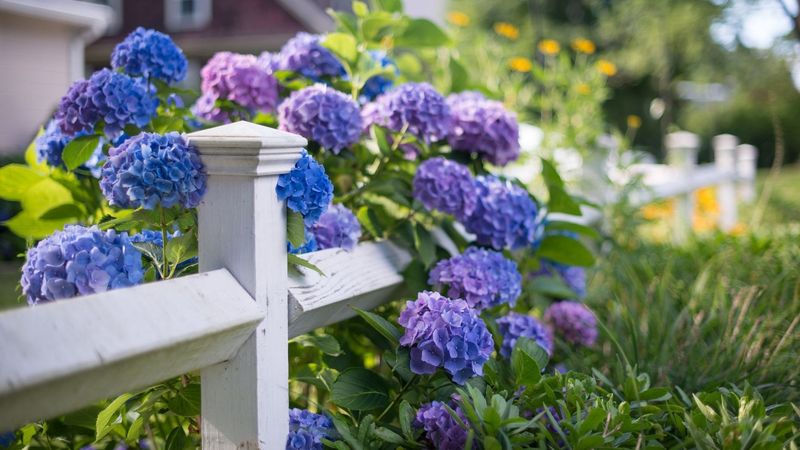
Understanding what not to prune in January is just as important as knowing what to trim, and this knowledge prevents the heartbreak of accidentally removing all your spring flowers.
Many popular shrubs bloom on old wood, meaning they set their flower buds during the previous growing season, and those buds are already on the branches right now, just waiting for warm weather to open.
Pruning these plants in January removes all those potential blooms.
Azaleas and camellias top the list of plants to leave alone in January, as they’ve already formed their flower buds and will bloom in late winter through spring.
Similarly, forsythia, flowering quince, and spirea should wait until after they finish blooming before receiving any pruning attention.
Bigleaf hydrangeas, including the classic mophead and lacecap types, also bloom on old wood and need to keep their branches intact through winter.
Spring-blooming clematis varieties and Carolina jessamine also fall into the wait-and-see category.
The rule of thumb is simple: if a plant blooms before June, it probably blooms on old wood and should be pruned right after flowering finishes rather than in January.
Mark your calendar to tackle these plants in late spring or early summer, after you’ve enjoyed their floral display.
This way, you’ll have all year for the plant to produce new growth and set buds for next season’s flowers, keeping your Mississippi garden in continuous bloom throughout the year.