These 10 Plants Bring Native Butterflies Back To Oregon Gardens
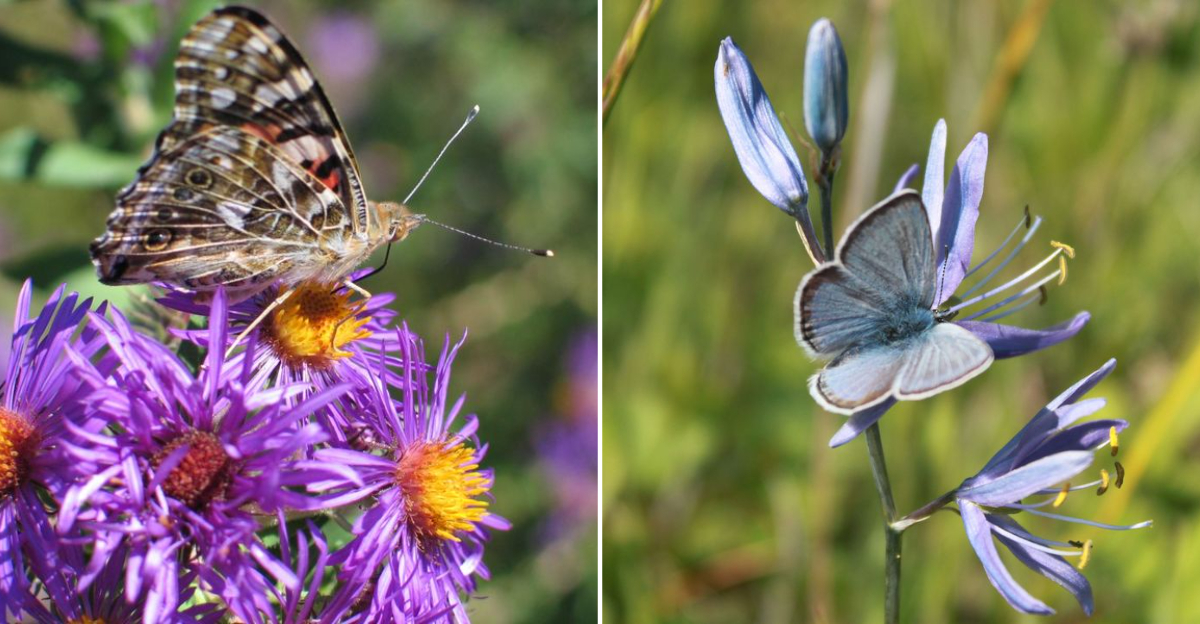
There is something magical about seeing butterflies drift and dance through an Oregon garden, adding color, motion, and life to every sunny corner. Yet many native butterflies struggle to find the plants they need to feed and reproduce.
The good news is that the right plant choices can transform an ordinary yard into a welcoming haven almost overnight. Native flowers, host plants, and nectar rich blooms provide the fuel and shelter butterflies depend on through the seasons.
With a few thoughtful additions, your garden can begin to flutter with swallowtails, blues, and painted ladies returning again and again. These plants do more than look beautiful.
They help rebuild a healthy backyard ecosystem and invite some of Oregon’s most delicate and fascinating visitors to stay, feed, and thrive right outside your door.
1. Showy Milkweed (Asclepias speciosa)
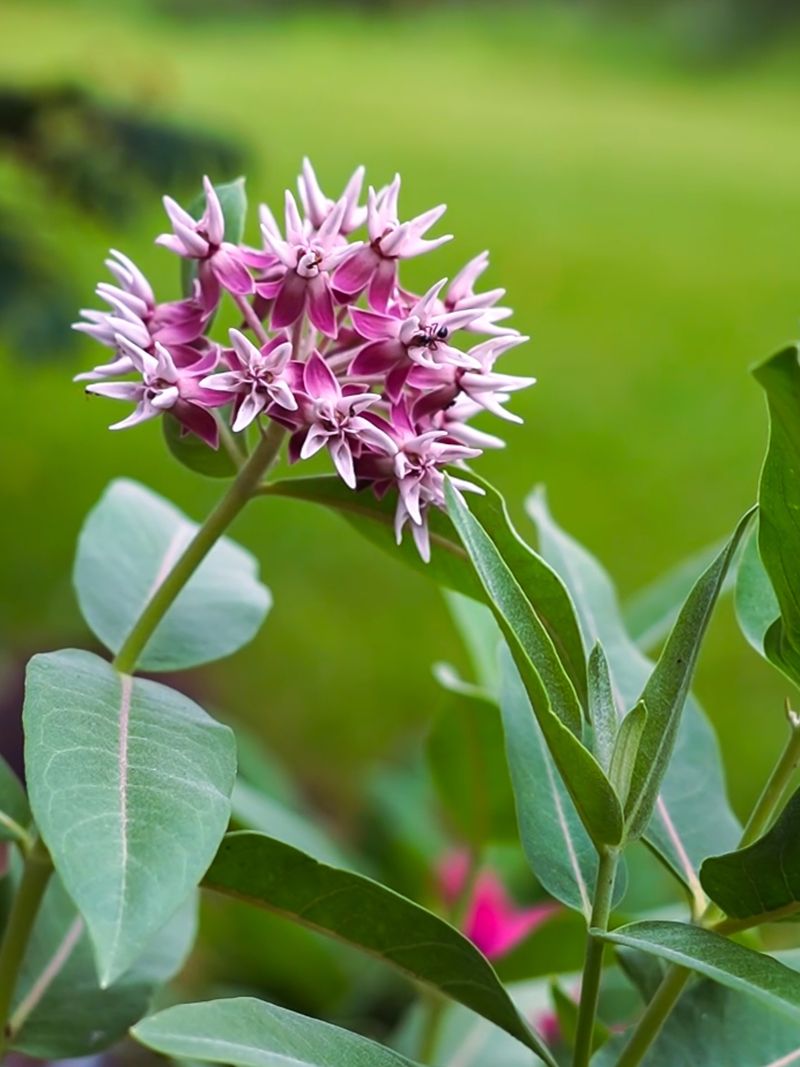
When you notice those first monarch butterflies drifting through your neighborhood in late spring, they’re searching desperately for one thing: milkweed. Showy milkweed stands as the single most important plant you can grow for monarchs because their caterpillars eat nothing else.
Without it, monarchs simply cannot complete their life cycle in your garden.
This Oregon native grows three to four feet tall with thick, gray-green leaves and stunning clusters of pink star-shaped flowers that smell faintly sweet on warm afternoons. The blooms appear from June through August, right when monarchs need them most.
After flowering, the plant produces those distinctive horn-shaped seed pods that split open in fall, releasing silky-tufted seeds that drift on the breeze.
Plant showy milkweed in full sun where drainage stays decent, even during our wet winters. It spreads slowly through underground rhizomes but never becomes aggressive like some garden thugs.
Many gardeners make the mistake of cutting it back too early in fall, but those dried stems actually shelter beneficial insects through winter. Leave them standing until late February, and you’ll notice how much life they support when everything else looks dormant and bare.
2. Narrowleaf Milkweed (Asclepias fascicularis)
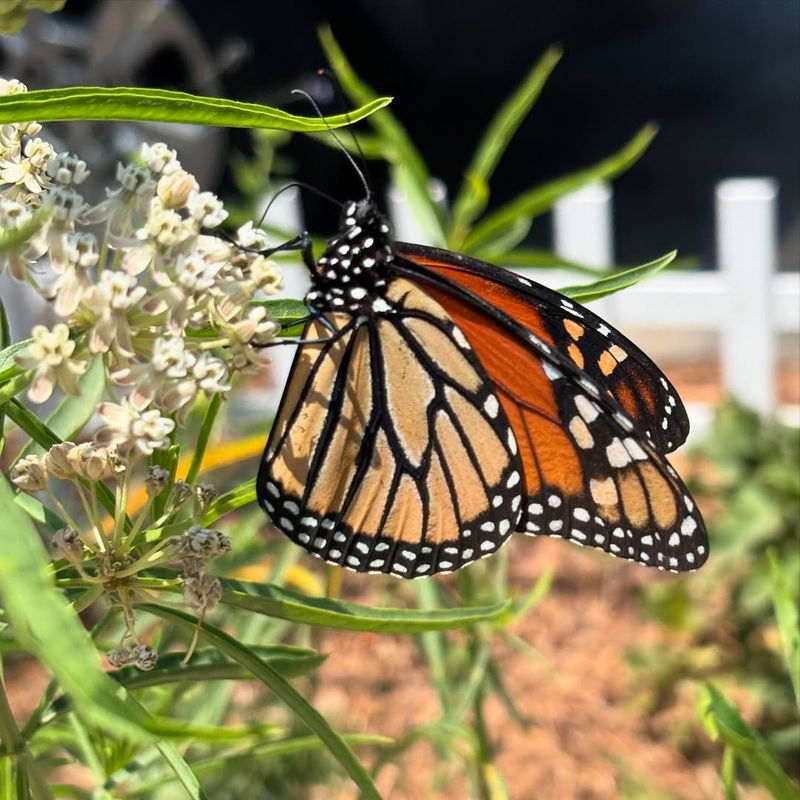
If your garden leans toward the drier side or you’re gardening east of the Cascades, narrowleaf milkweed adapts beautifully where showy milkweed might sulk.
This slender cousin grows two to three feet tall with thin, grass-like leaves that give it an airy, delicate appearance despite being remarkably tough once established.
The creamy white to pale pink flower clusters bloom prolifically from June through September, creating landing pads for monarchs, swallowtails, and dozens of other pollinators.
What makes this species particularly valuable is its extended bloom period, providing nectar when many other flowers have finished for the season.
Caterpillars munch the foliage while adults sip from the blooms, making it a complete butterfly life-support system in one plant.
Narrowleaf milkweed tolerates our summer dry spells far better than most natives, actually preferring lean soil and infrequent watering once its roots dig deep.
Overwatering or rich soil causes it to flop and look messy rather than standing upright and tidy.
Plant it in full sun with excellent drainage, then step back and let it do its thing. The biggest mistake gardeners make is fussing over it too much when this tough native thrives on benign neglect and hot, sunny spots other plants find challenging.
3. Oregon Sunshine (Eriophyllum lanatum)
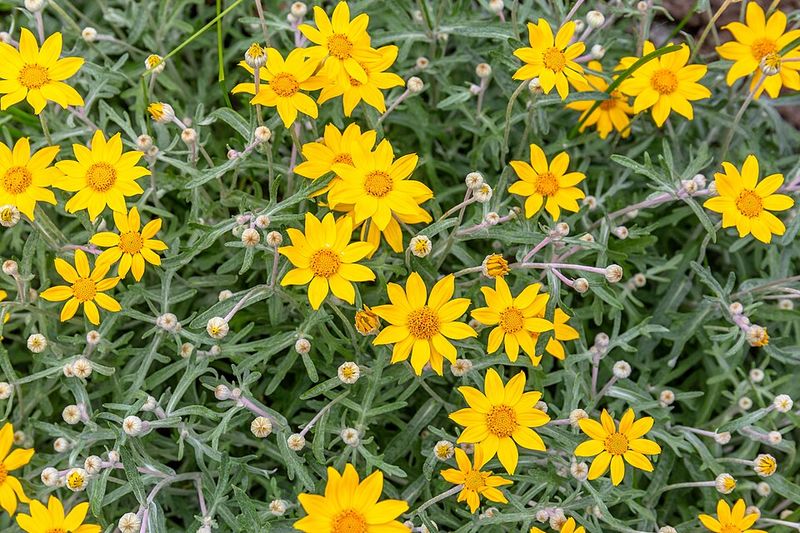
Bright yellow blooms light up rocky hillsides across Oregon from April through July, and that same cheerful glow can transform your garden’s toughest spots.
Oregon sunshine thrives where other plants struggle, loving lean soil, blazing sun, and those long dry stretches between June and September that stress out so many garden favorites.
The daisy-like flowers sit atop silvery, woolly foliage that grows six to twelve inches tall, spreading slowly into tidy mats that never become invasive.
Butterflies adore the bright blooms, especially smaller species like blues and skippers that often get overlooked in favor of showier swallowtails.
The long flowering period means consistent nectar availability right when spring butterflies emerge hungry and searching.
This low-growing native works beautifully along path edges, in rock gardens, or anywhere drainage stays sharp and soil leans toward sandy or gravelly. Many gardeners damage Oregon sunshine with kindness, planting it in rich, amended soil and watering regularly.
That approach creates lanky, weak growth prone to flopping and rotting during our wet winters. Instead, give it the leanest, driest spot in your yard with full sun exposure.
Once established, it asks for absolutely nothing except perhaps a light shearing after blooming to keep it compact and encourage fresh foliage for the next season.
4. Douglas Aster (Symphyotrichum subspicatum)
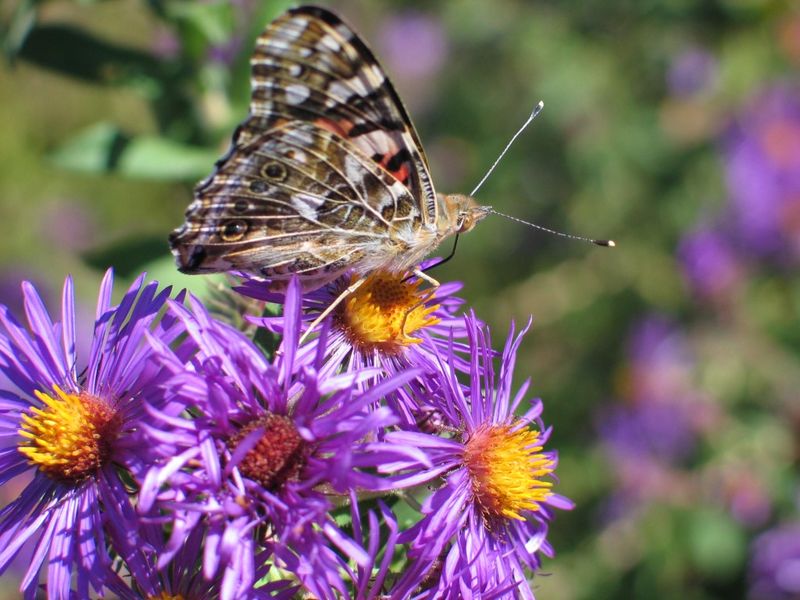
Late summer in Oregon gardens often feels like the color has drained away, but Douglas aster arrives just when everything else looks tired and finished.
From August through October, this native perennial erupts with masses of small purple daisy-like flowers that butterflies find irresistible during their fall migration and preparation for winter.
Growing two to three feet tall in garden conditions, Douglas aster tolerates both sun and partial shade, making it more adaptable than many butterfly plants that demand full sun.
The flowers provide crucial late-season nectar for painted ladies, swallowtails, and other butterflies building up energy reserves before cold weather arrives.
It’s also a host plant for several native moth species whose caterpillars feed wildlife through winter.
Plant Douglas aster where it gets afternoon shade west of the Cascades, as our summer sun can stress it despite its native status. It appreciates consistent moisture during its growing season but tolerates our dry summers once established.
The most common mistake is cutting it back too early in spring. Those dried stems shelter overwintering beneficial insects and provide seeds for finches through winter.
Wait until new growth emerges at the base in March before removing old stems, and you’ll support far more garden life than a tidy winter cleanup ever could.
5. Common Camas (Camassia quamash)
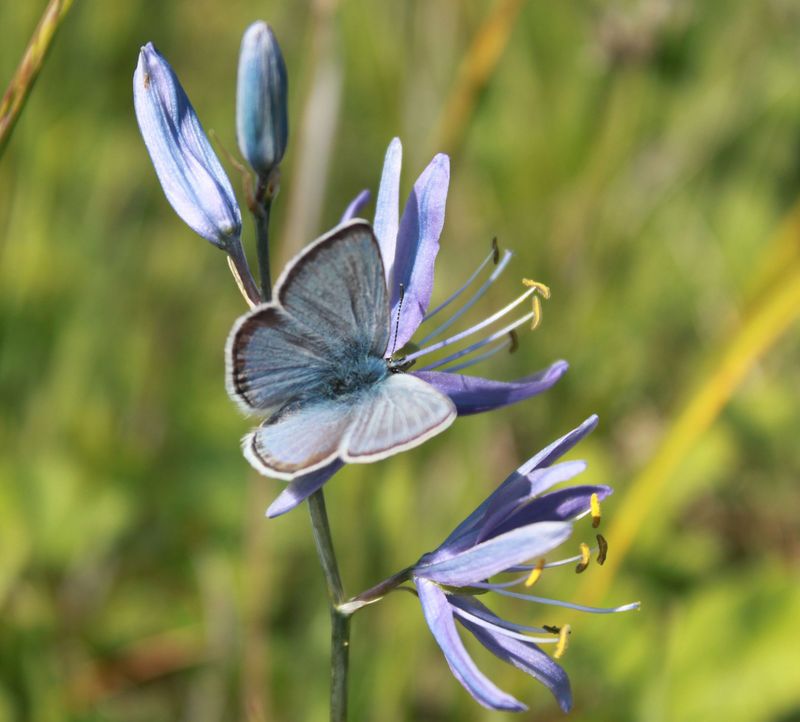
Spring meadows across Oregon’s valleys once turned blue with massive camas blooms, and you can recreate that magic in any garden spot that stays moist through spring.
These bulbs send up tall spikes of star-shaped blue to purple flowers in April and May, creating spectacular displays that early-emerging butterflies visit eagerly after a long winter.
Camas grows from bulbs planted in fall, producing narrow grass-like leaves in early spring followed by flower spikes reaching one to two feet tall.
The blooms provide important early nectar when few other plants are flowering and butterflies desperately need energy after emerging from winter dormancy.
Swallowtails particularly appreciate these early food sources that help them build strength for egg-laying and territory establishment.
The key to success with camas is understanding its natural cycle. It thrives in spots that stay quite wet through winter and spring but dry out completely by summer.
That makes it perfect for rain gardens, low spots, or areas with heavy clay soil that other plants find challenging. Many gardeners plant camas in regular beds and wonder why it gradually declines.
It needs that wet-then-dry cycle to thrive. Let the foliage die back naturally after flowering rather than cutting it off.
Those leaves are feeding the bulb for next year’s show, and removing them early weakens the plant over time.
6. Red-Flowering Currant (Ribes sanguineum)
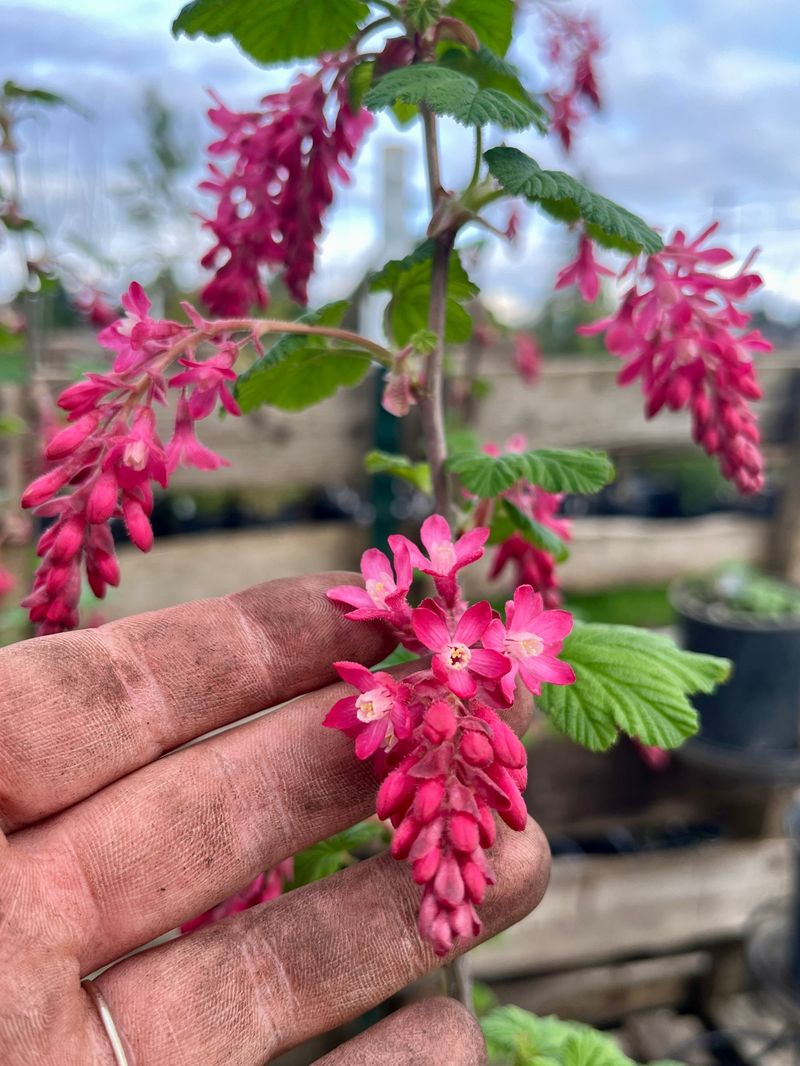
February in Oregon often feels endlessly gray, but red-flowering currant breaks that monotony with hanging clusters of tubular pink to deep red flowers that hummingbirds and early butterflies both adore.
This deciduous shrub grows six to ten feet tall and wide, creating substantial presence in the landscape while supporting butterflies throughout multiple life stages.
The flowers appear on bare branches in late February through April, providing crucial early nectar when almost nothing else blooms. Spring azure butterflies emerge early and depend on these early food sources for survival.
Later in the season, the foliage hosts several native moth and butterfly caterpillars, while the blue-black berries feed birds through summer. It’s a complete wildlife support system disguised as a beautiful ornamental shrub.
Red-flowering currant thrives in partial shade to full sun, tolerating our wet winters and dry summers with equal grace once established. It naturally grows in forest edges and open woodlands, so it handles competition from tree roots better than many shrubs.
The biggest mistake gardeners make is planting it in too much shade, where it blooms sparsely and develops weak, leggy growth. Give it at least four hours of direct sun daily for the best flower production.
Prune it lightly after flowering if needed, but avoid heavy shearing that removes next year’s flower buds and destroys its graceful natural form.
7. Pacific Ninebark (Physocarpus capitatus)
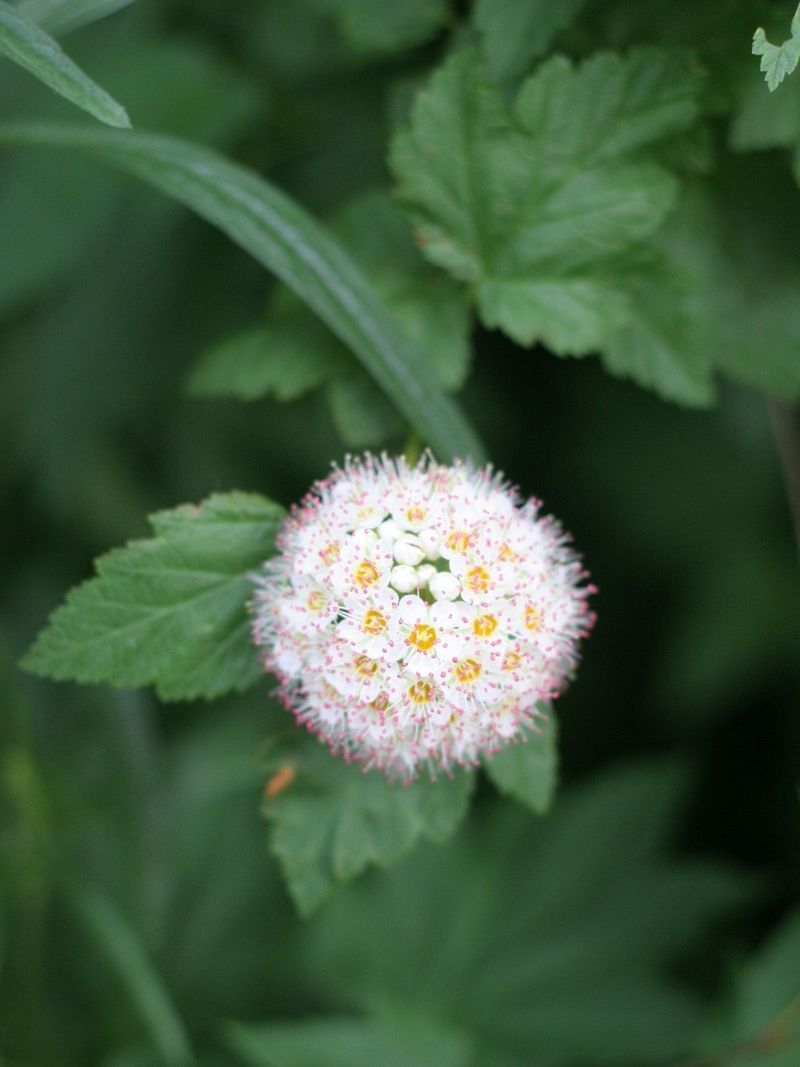
Along Oregon streams and moist woodland edges, Pacific ninebark creates thickets of arching branches covered in clusters of tiny white flowers each June.
This native shrub brings that same wildlife-supporting power to gardens, offering butterflies both nectar and shelter while asking very little in return.
Growing six to twelve feet tall depending on conditions, ninebark produces rounded clusters of small white flowers that attract numerous butterfly species, particularly smaller ones like skippers and hairstreaks that often go unnoticed.
The flowers give way to small reddish seed capsules that persist through winter, providing food for finches and other seed-eating birds.
The peeling, papery bark adds winter interest while creating hiding spots for beneficial insects.
This adaptable shrub handles wet feet better than most butterfly plants, making it perfect for rain gardens, stream banks, or anywhere drainage stays questionable through winter. It tolerates full sun to fairly deep shade, though flowering decreases as shade increases.
Pacific ninebark naturally grows in a loose, informal shape that looks awkward when sheared into tight formal shapes. Let it arch and spread naturally, removing only damaged wood.
Many gardeners try forcing it into tidy balls or squares, fighting its natural growth habit and reducing the shelter value that makes it so valuable for butterflies and other wildlife seeking protected spots to rest and overwinter.
8. Western Yarrow (Achillea millefolium var. occidentalis)
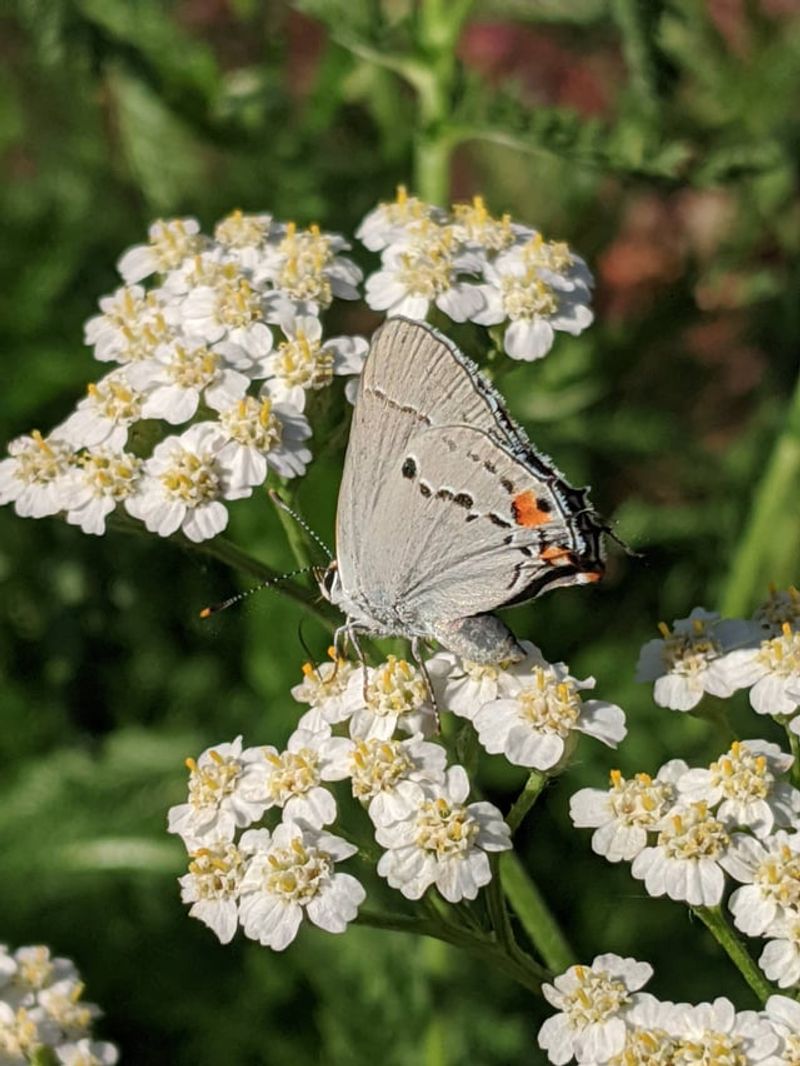
Feathery foliage and flat-topped flower clusters make western yarrow instantly recognizable along Oregon roadsides and meadows from June through September.
This tough native perennial brings that same reliable performance to gardens, creating landing pads butterflies visit constantly throughout the growing season.
The white flower clusters sit atop stems reaching one to two feet tall, each bloom actually composed of dozens of tiny flowers packed together.
This arrangement creates perfect landing platforms for butterflies to rest while feeding, and the long bloom period means consistent nectar availability through summer.
Painted ladies, swallowtails, skippers, and numerous other species visit yarrow regularly, often spending several minutes on a single flower cluster.
Western yarrow tolerates drought, poor soil, and neglect better than almost any butterfly plant you can grow. It spreads steadily through underground rhizomes, filling spaces without becoming aggressively invasive like some garden spreaders.
Plant it in full sun with decent drainage, then leave it alone. The most common mistake is overwatering or planting in rich, amended soil, which causes weak, floppy growth prone to flopping after rain.
Yarrow thrives on lean soil and infrequent water once established. Deadhead spent flowers if you want to prevent self-seeding, but leaving some seed heads provides winter food for goldfinches and other small birds that appreciate the seeds.
9. Goldenrod (Solidago lepida)
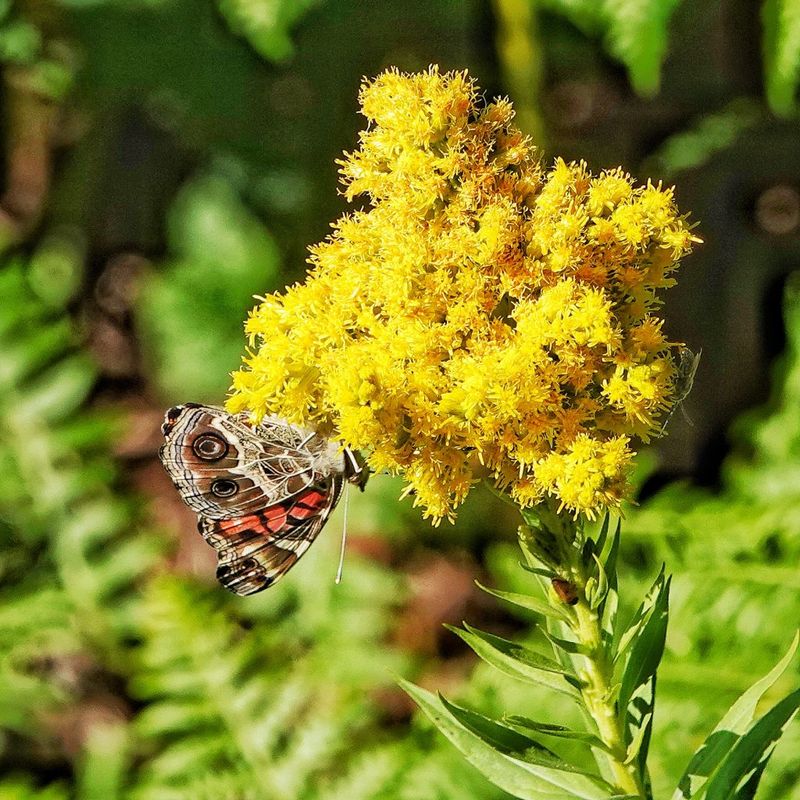
Despite its bad reputation as an allergy trigger (actually caused by ragweed blooming simultaneously), goldenrod ranks among the most valuable late-season butterfly plants you can grow.
From August through October, when many gardens look finished and tired, goldenrod erupts with bright yellow plumes that butterflies mob like kids around an ice cream truck.
This native species grows two to four feet tall, producing branching clusters of small golden flowers at the stem tips. The timing is crucial because butterflies preparing for winter migration or dormancy need high-quality nectar to build fat reserves.
Monarchs heading south, painted ladies, swallowtails, and dozens of smaller butterfly species visit goldenrod constantly during its bloom period. It’s also a critical host plant for several native moth caterpillars.
Goldenrod tolerates a wide range of conditions from full sun to partial shade, thriving in average garden soil without amendments or special care. It spreads moderately through rhizomes but never becomes invasive in garden settings.
The biggest mistake is cutting it back in fall for tidiness. Those dried flower heads provide seeds for overwintering birds, and the hollow stems shelter native bees and beneficial insects through winter.
Leave everything standing until late February, then cut it back before new growth emerges. Your garden will support exponentially more wildlife with this simple change in timing.
10. Oregon Checkermallow (Sidalcea oregana)
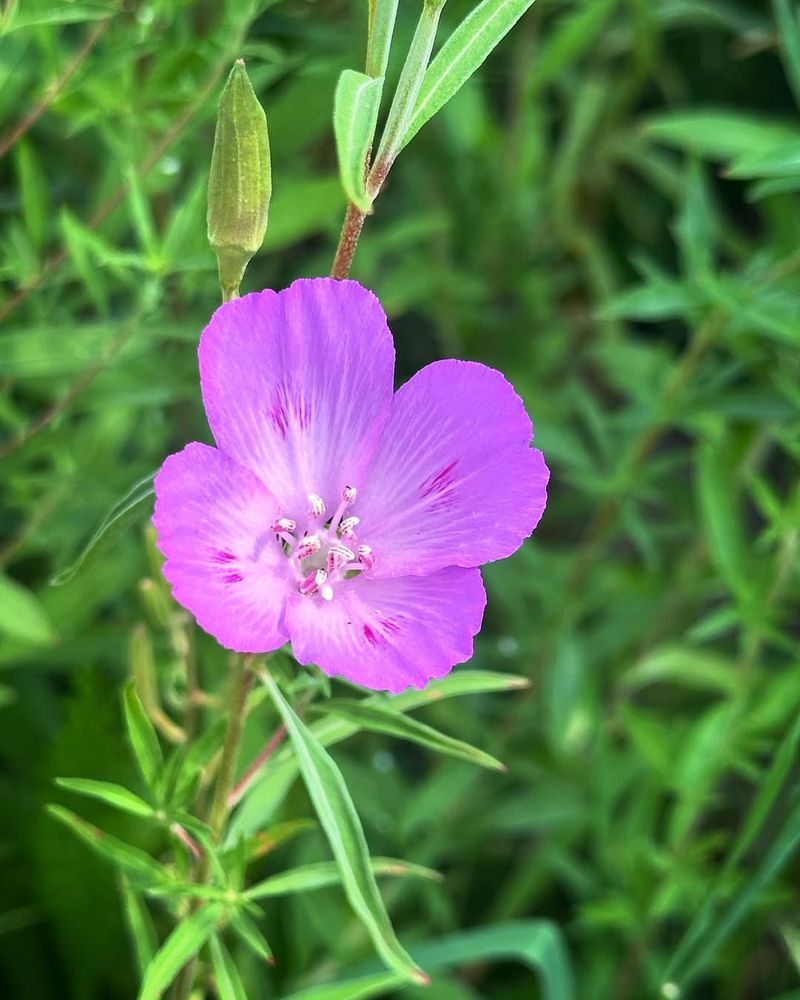
Tall spikes of pink cup-shaped flowers rising three to four feet above maple-like foliage make Oregon checkermallow one of the most beautiful native perennials for butterfly gardens.
Blooming from June through August, this moisture-loving plant creates vertical interest while feeding butterflies throughout the peak summer season.
The flowers open sequentially up the spike over several weeks, providing extended nectar availability rather than one brief flush. Swallowtails, painted ladies, and various smaller butterflies visit regularly, often returning to the same plants day after day.
The flowers also attract native bees and other beneficial pollinators, creating a constant buzz of activity around healthy stands.
Oregon checkermallow naturally grows in wet meadows and along stream banks, so it appreciates consistent moisture through the growing season.
Unlike many butterfly plants demanding full sun and drought tolerance, this species thrives in partial shade with regular water, making it perfect for those challenging garden spots that stay damp.
It goes dormant after flowering, disappearing completely by fall and reemerging each spring from underground roots. Many gardeners panic when it vanishes, thinking it died, but this dormancy is completely normal.
Mark its location so you don’t accidentally dig it up during fall planting. Give it space to spread into loose colonies rather than fighting to keep it as a tight clump, and you’ll have a self-sustaining butterfly magnet that improves year after year.