These Plants Grow Well With Snake Plants In Washington
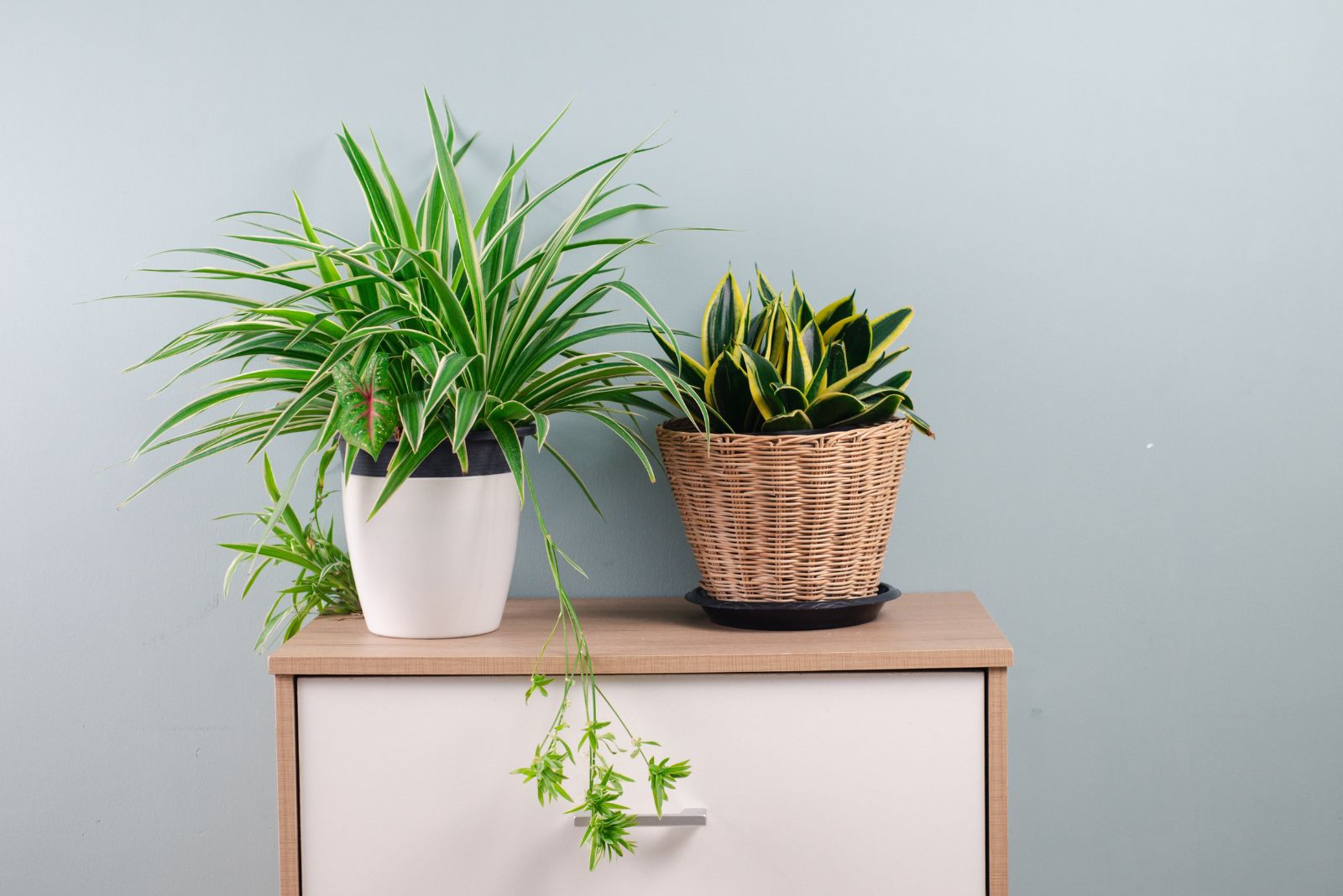
Looking to add more greenery to your home without making things complicated? Snake plants are already a top choice for Washington homeowners thanks to their low-maintenance nature, but they don’t have to sit alone.
Some plants not only look great beside snake plants, they also thrive under the same conditions. If your home has medium to low light, fluctuating indoor temperatures, or dry winter air, you’re in luck.
Several indoor plants share the same easygoing personality as the snake plant, making them perfect companions in your space.
Whether you’re decorating a cozy corner or building a full indoor jungle, pairing the right plants together can make your home feel fresh, stylish, and alive.
Here are the best houseplants that grow well with snake plants in Washington homes, and how to combine them for a low-fuss, high-impact look you’ll enjoy year-round.
1. ZZ Plant
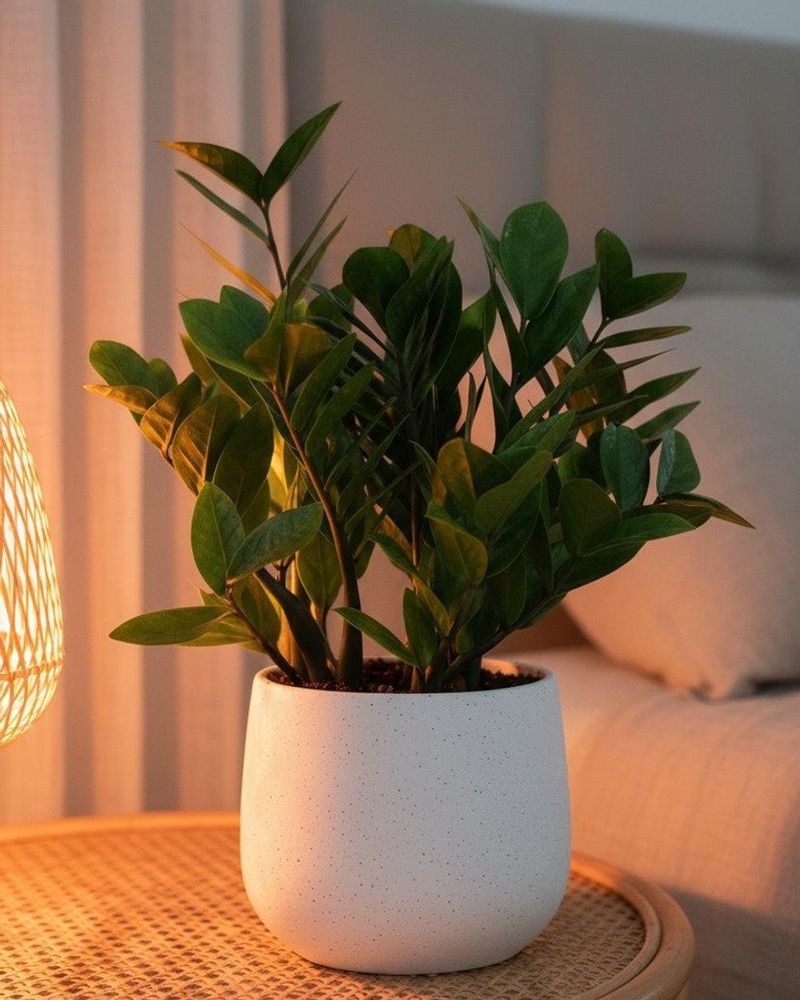
ZZ plants are practically indestructible, making them perfect partners for snake plants in Washington homes. Both plants thrive on neglect and prefer their soil to dry out completely between waterings.
This shared preference means you can water them on the same schedule without worrying about overwatering one while underwatering the other.
The glossy, dark green leaves of the ZZ plant create a stunning contrast against the upright, sword-like foliage of snake plants.
In Washington’s darker winter months, both plants handle low light conditions remarkably well. They won’t complain if you forget to water them for a few weeks, which is ideal for busy homeowners or those new to plant care.
ZZ plants also share the snake plant’s tolerance for a wide range of temperatures, so they’ll be comfortable in most indoor settings throughout the year.
Another bonus is that ZZ plants grow slowly and don’t require frequent repotting. They have similar root systems that prefer to be slightly root-bound, so you won’t need to constantly adjust pot sizes or soil mixtures.
Both plants are also excellent at purifying indoor air, removing toxins like xylene and toluene from your living space.
The waxy coating on ZZ plant leaves helps them retain moisture, just like snake plants do with their thick, succulent-like leaves. This adaptation makes both species incredibly drought-tolerant.
For Washington residents dealing with unpredictable schedules or frequent travel, this pairing offers peace of mind. You can place them together on a shelf, side table, or floor planter to create a cohesive, low-maintenance display that looks professional and polished.
2. Pothos
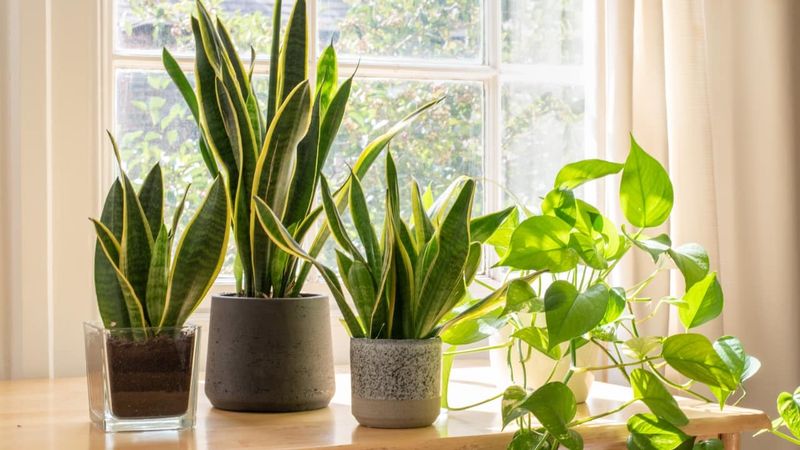
Pothos vines bring a cascading element that beautifully complements the vertical growth of snake plants. While snake plants grow straight up, pothos trails gracefully downward, creating visual interest and dimension in your plant arrangements.
This combination works wonderfully on shelves or plant stands where the pothos can drape over the edge while the snake plant stands tall in the background. Both species are forgiving and can handle Washington’s indoor conditions with ease.
One of the best things about pairing pothos with snake plants is their shared tolerance for irregular watering. Pothos will let you know when it needs water by drooping slightly, giving you a visual cue that it’s time to water both plants.
They both prefer to dry out between waterings, though pothos appreciates slightly more moisture than snake plants. This minor difference is easy to manage by simply giving the pothos a bit more water when you do water them.
Pothos comes in several varieties, including golden pothos, marble queen, and neon pothos, each offering different color patterns. This variety allows you to customize your plant display while maintaining the same easy care routine.
In Washington homes, where natural light can be limited during fall and winter, both plants adapt well to artificial lighting or indirect natural light from north-facing windows.
Both plants are also champion air purifiers, working together to remove formaldehyde, benzene, and carbon monoxide from indoor air. Pothos grows quickly and can be easily propagated in water, allowing you to expand your collection or share cuttings with friends.
The combination of snake plant’s architectural form and pothos’s flowing vines creates a balanced, harmonious look that works in any room of your Washington home.
3. Spider Plant
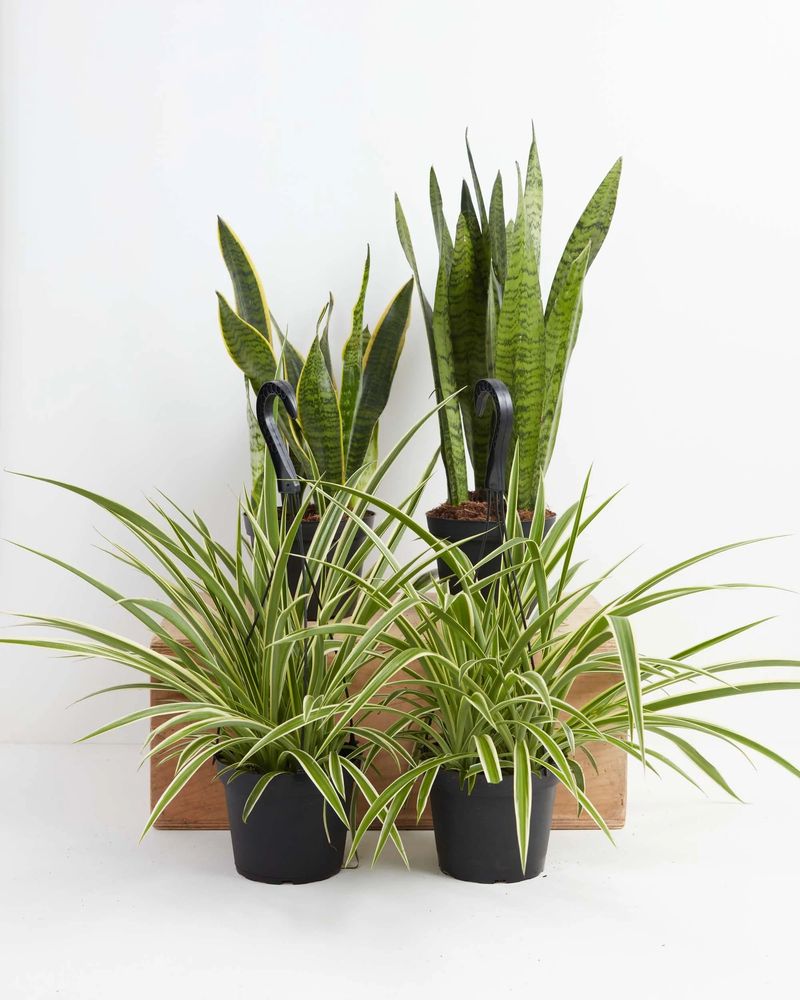
Spider plants are cheerful, easygoing houseplants that pair wonderfully with snake plants in Washington interiors. Their arching leaves and dangling baby plantlets add movement and texture that contrasts nicely with the rigid, upright structure of snake plants.
Both species are incredibly forgiving and can bounce back from occasional neglect, making them ideal for beginners or anyone with a hectic lifestyle. They share similar watering needs, preferring their soil to dry out somewhat between waterings.
Washington’s moderate indoor temperatures suit both plants perfectly. Spider plants are adaptable and can handle a range of light conditions, from bright indirect light to lower light situations, just like snake plants.
During the rainy Pacific Northwest winters, when natural light is scarce, both plants continue to thrive without requiring special grow lights or complicated care adjustments. This resilience makes them reliable companions year-round.
Spider plants are also excellent at removing indoor air pollutants, including formaldehyde and xylene. When paired with snake plants, which also purify air, you create a powerful duo that actively improves your home’s air quality.
This is especially beneficial in Washington homes that are sealed tight during the cold, wet months. Better air circulation and cleaner air contribute to a healthier living environment for you and your family.
The variegated varieties of spider plants, with their white or cream stripes, add a pop of color that complements the solid green or yellow-edged varieties of snake plants.
You can display them together on a plant stand, with the spider plant’s babies cascading down while the snake plant stands tall.
Both plants are non-toxic to humans, though it’s worth noting that spider plants can be mildly attractive to pets. Overall, this combination offers visual appeal, easy care, and health benefits for Washington homeowners.
4. Aloe Vera
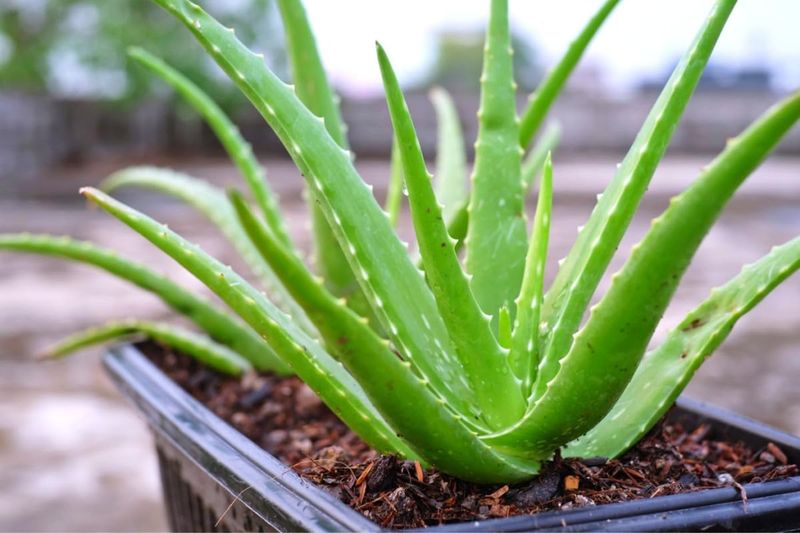
Aloe vera is a succulent superstar that shares nearly identical care requirements with snake plants.
Both plants store water in their thick leaves, making them exceptionally drought-tolerant and perfect for Washington residents who prefer low-maintenance greenery.
They both dislike overwatering and thrive when their soil is allowed to dry completely between waterings. This shared preference makes them incredibly easy to care for as a pair, eliminating any guesswork about watering schedules.
In addition to their similar watering needs, aloe vera and snake plants both prefer well-draining soil and infrequent fertilizing. You can use the same cactus or succulent potting mix for both, simplifying your plant care routine.
During Washington’s cloudy winter months, both plants can tolerate lower light levels, though they’ll appreciate being placed near a window when possible. Their ability to adapt to varying light conditions makes them versatile additions to any room.
Aloe vera offers the added benefit of having medicinal properties. The gel inside its leaves can soothe minor burns, cuts, and skin irritations, making it a functional as well as decorative plant.
This practical aspect adds value beyond aesthetics, especially in kitchens or bathrooms where minor accidents might occur.
Snake plants, meanwhile, release oxygen at night, making them beneficial for bedrooms and improving overall air quality throughout your home.
Both plants have a sculptural quality that works well in modern, minimalist, or bohemian decor styles. Their architectural forms create visual interest without overwhelming a space.
You can group several aloe vera plants of different sizes around a tall snake plant to create a desert-inspired display that thrives in Washington’s indoor climate.
This pairing is also budget-friendly, as both plants are widely available and easy to propagate, allowing you to expand your collection over time without spending much money.
5. Jade Plant
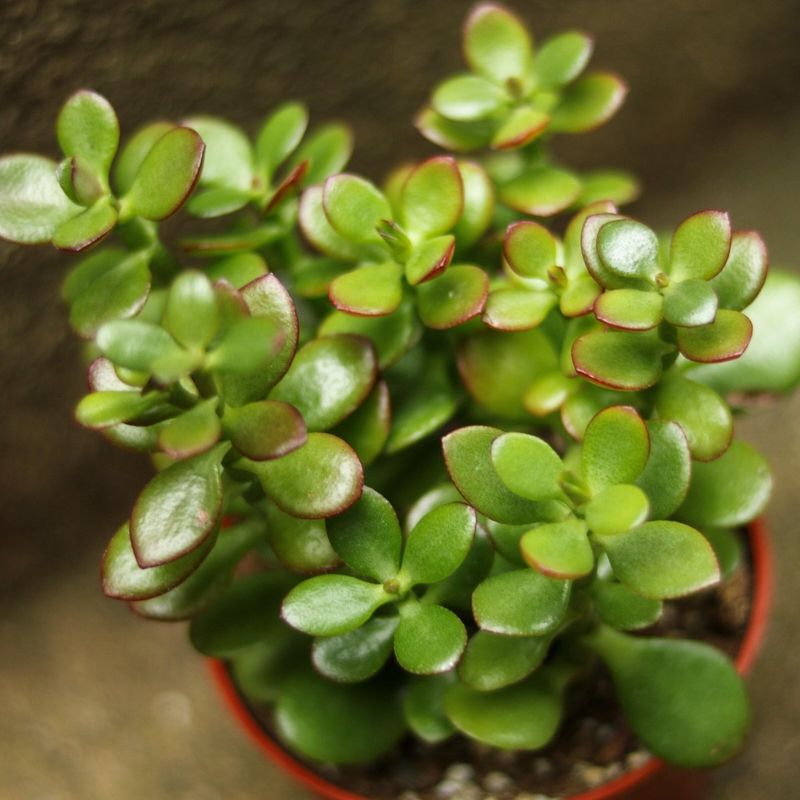
Jade plants are charming succulents with thick, rounded leaves that provide a delightful contrast to the sharp, linear leaves of snake plants. Both are incredibly resilient and share a preference for infrequent watering and well-draining soil.
This makes them perfect companions for Washington homeowners who want beautiful plants without the daily maintenance. Jade plants can live for decades with proper care, just like snake plants, making them a long-term investment in your indoor garden.
Washington’s indoor climate, with its moderate temperatures and occasional humidity fluctuations, suits both plants well. Jade plants prefer slightly more light than snake plants, but they can still tolerate lower light conditions for extended periods.
Placing them together near an east or west-facing window ensures both plants receive adequate light without risking sunburn. During the darker months, both species remain content with less light, continuing to grow slowly and steadily.
Jade plants are often considered symbols of good luck and prosperity in many cultures, adding a positive, uplifting energy to your home. Their tree-like appearance as they mature creates a miniature landscape effect when paired with the tall, upright snake plant.
You can create a layered display with smaller jade plants in the foreground and taller snake plants in the background, mimicking a natural outdoor scene indoors.
Both plants are also remarkably forgiving of occasional neglect, making them ideal for people with unpredictable schedules or those who travel frequently. They store water in their leaves, allowing them to survive extended periods without watering.
This shared characteristic means you can leave for a week or two without worrying about coming home to wilted plants.
For Washington residents who value both beauty and practicality, the jade plant and snake plant combination offers the best of both worlds with minimal effort required.
6. Dracaena
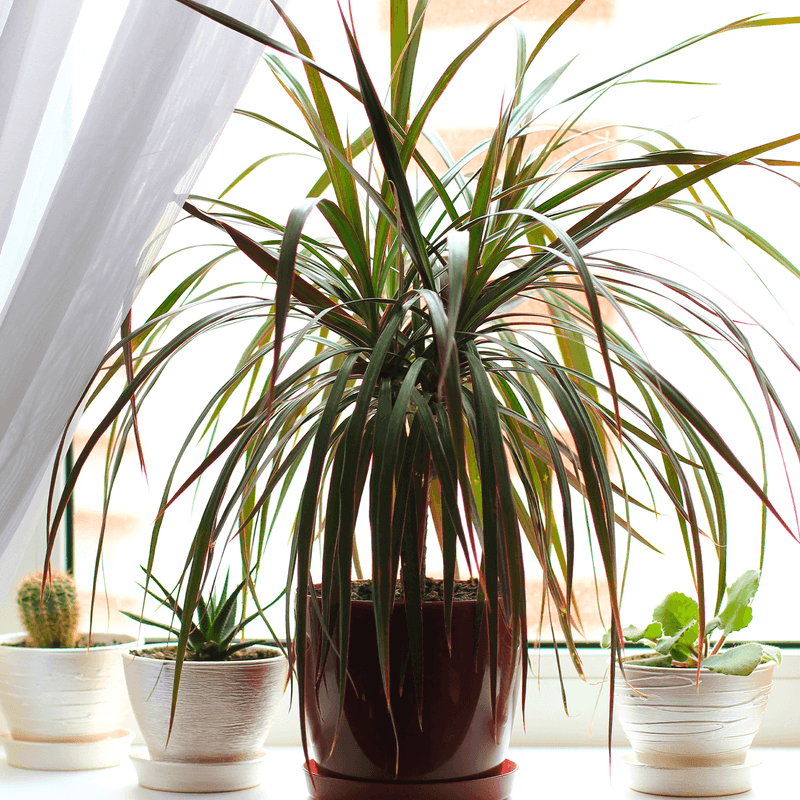
Dracaena plants come in many varieties, but most share the snake plant’s easygoing nature and tolerance for less-than-perfect conditions. Both belong to the same plant family and have similar care requirements, making them natural companions in Washington homes.
Dracaena varieties like the corn plant or dragon tree offer different leaf shapes and colors that complement the bold, upright structure of snake plants. Together, they create a lush, tropical feel even in the middle of a Pacific Northwest winter.
Both plants prefer their soil to dry out between waterings and can tolerate low to moderate light conditions.
This shared preference simplifies your plant care routine, as you can water them on the same schedule without worrying about one plant’s needs conflicting with the other.
In Washington’s darker months, both plants continue to grow slowly, maintaining their appearance without requiring special lighting or intensive care. Their adaptability makes them perfect for apartments, offices, or homes with limited natural light.
Dracaena plants are excellent air purifiers, removing toxins like formaldehyde, benzene, and trichloroethylene from indoor air.
When combined with snake plants, which also filter air pollutants, you create a powerful air-cleaning team that actively improves your home environment.
This is especially valuable during Washington’s rainy season when homes are sealed tight and indoor air quality can suffer. Cleaner air means better health and improved overall well-being for everyone in your household.
The varied textures and colors of dracaena varieties allow you to create visually interesting plant arrangements. Some dracaenas have striped or variegated leaves, while others feature solid green or reddish tones.
Pairing these with the architectural form of snake plants adds depth and dimension to your indoor garden.
Both plants grow slowly and don’t require frequent repotting, making them low-maintenance additions to your Washington home that will continue to thrive for years with minimal effort.
7. Peace Lily
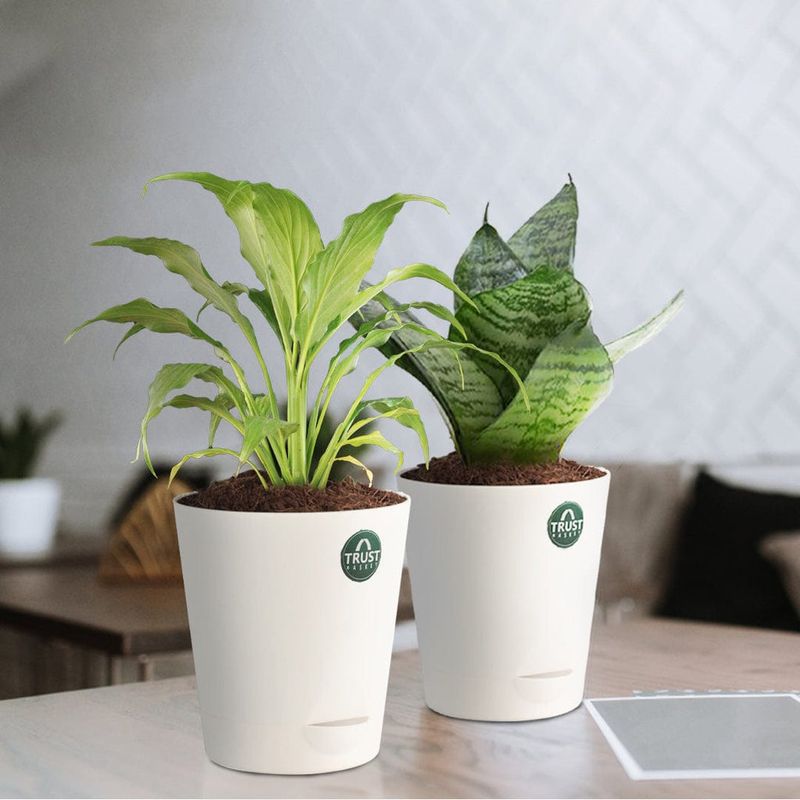
Peace lilies bring elegant white blooms and glossy green leaves that create a beautiful contrast with the bold, architectural form of snake plants.
While peace lilies prefer slightly more moisture than snake plants, their care requirements are still compatible enough to make them excellent companions.
Both plants tolerate low light conditions exceptionally well, making them perfect for Washington homes where natural light can be limited during fall and winter.
Their combined air-purifying abilities make them a powerhouse duo for improving indoor air quality.
Peace lilies are unique among houseplants because they actually tell you when they need water by drooping dramatically. This visual cue makes it easy to maintain a watering schedule that works for both plants.
You can water your peace lily when it starts to droop, and at the same time, check if your snake plant’s soil has dried out.
This simple system eliminates guesswork and helps prevent overwatering, which is the most common mistake plant owners make in Washington’s humid climate.
Both plants are champions at removing indoor air pollutants, including ammonia, formaldehyde, and benzene. Peace lilies also help increase humidity levels, which can be beneficial during Washington’s drier summer months or in homes with forced-air heating systems.
The combination of these plants creates a healthier indoor environment while adding beauty and tranquility to your living space. Their presence can even help reduce stress and improve mood, making them perfect for bedrooms, living rooms, or home offices.
The contrast between the peace lily’s soft, curved leaves and the snake plant’s rigid, vertical form creates visual interest and balance. Peace lilies produce elegant white flowers periodically throughout the year, adding a touch of elegance to your plant display.
Both plants are relatively compact and can fit comfortably on shelves, tables, or plant stands. For Washington homeowners seeking a combination of beauty, function, and easy care, peace lilies and snake plants make an unbeatable team.