These 8 Plants Make Georgia Gardens Colorful From Spring Through Summer
Color in a Georgia garden can feel strong one week and strangely flat the next, even when everything looks healthy on paper. Spring starts off full of promise, but keeping that same energy going as the season shifts is where things usually fall apart.
Some plants fade faster than expected, while others never quite deliver the impact you hoped for. It can leave parts of the yard looking uneven, like something is missing even though you have done the work.
The good news is that certain plants handle this transition far better than others. They settle in early, hold their color, and keep the garden feeling alive as weeks pass.
Georgia’s conditions actually give them a solid advantage when they are placed in the right spots.
Once those reliable performers take hold, the whole yard starts to feel more consistent, more balanced, and a lot more satisfying to look at day after day.
1. Coneflower Keeps Blooming From Late Spring Into Summer
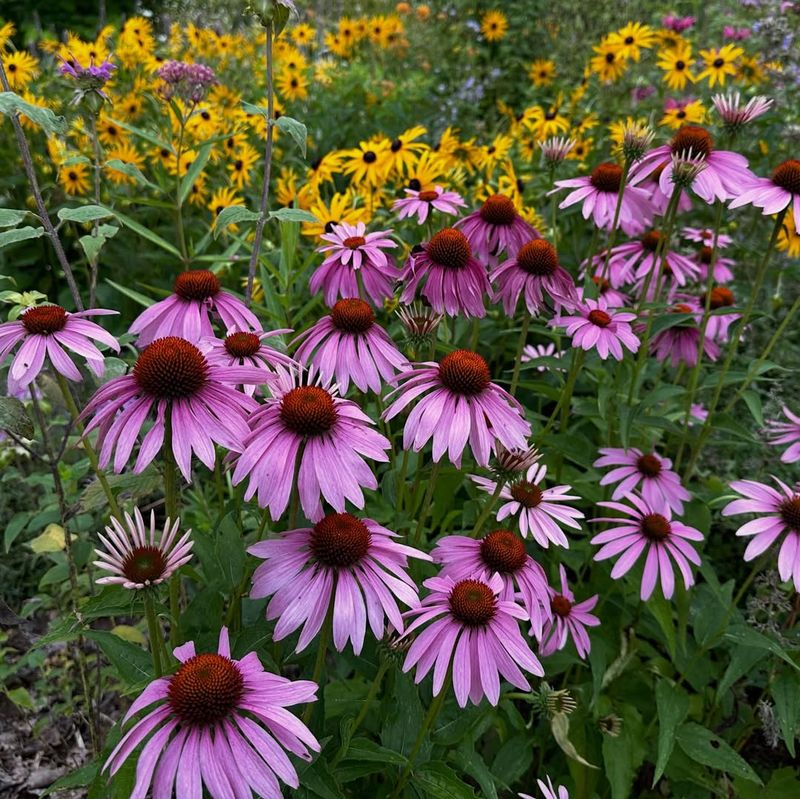
Purple coneflower is one of those plants that earns its spot in the garden every single year. Blooming kicks off in late spring and keeps going well into summer, sometimes longer if you deadhead spent flowers.
In Georgia’s full sun, the colors stay rich and vivid rather than washing out like some other blooms tend to do.
Coneflowers grow best in well-drained soil and do not need much watering once they settle in. Sandy soil in south Georgia works fine, and so does the red clay up in the Piedmont with a little amendment.
Heights typically run between two and four feet, making them solid mid-border plants that do not flop over.
Bees and butterflies absolutely swarm these flowers, which means your whole garden benefits from the extra pollination activity.
You can find coneflowers in shades beyond the classic purple now — soft white, golden yellow, and warm coral are all widely available at Georgia nurseries.
Plant them in groups of three or more for the best visual punch. If you skip deadheading toward the end of summer, goldfinches will show up to eat the seeds, giving you a bonus reason to leave the spent blooms standing through fall.
They also handle Georgia humidity without breaking down, which makes them far more reliable than many other summer perennials.
Once established, they come back each year with very little effort, slowly filling in and making the planting look fuller over time.
2. Black-Eyed Susan Delivers Bright Color Through Summer Heat
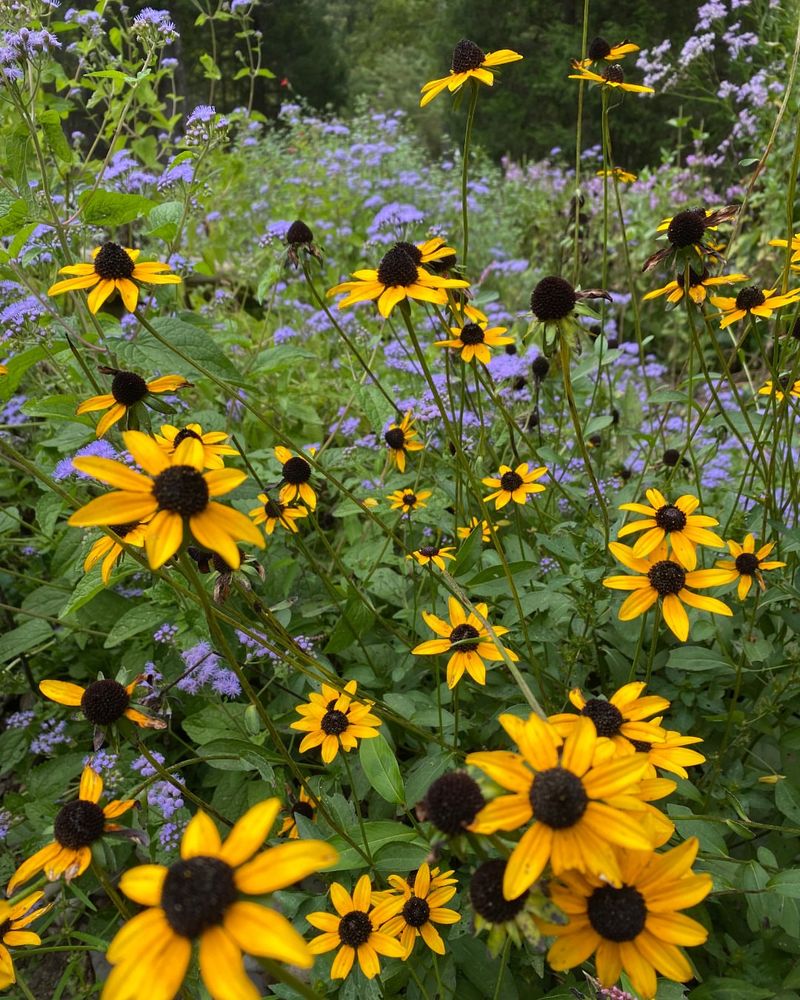
Few flowers hit as hard visually as a patch of black-eyed Susans in full bloom under a Georgia summer sky. That bold yellow against a green backdrop is hard to beat, and these plants keep producing flowers even when temperatures climb into the nineties.
Most other perennials slow down or stop entirely in that kind of heat — black-eyed Susans do not seem to notice.
Rudbeckia hirta handles drought pretty well too, which matters in Georgia when July and August can go weeks without meaningful rain. Plant them in full sun and they reward you with armloads of blooms.
Soil does not need to be perfect; average ground with decent drainage suits them just fine.
If you cut the stems back by about a third after the first big flush of bloom, you often get a second round of flowers before the season ends.
Butterflies visit constantly, and the plants spread gradually over the years, filling gaps in the border without becoming pushy about it.
Gardeners across Georgia from Columbus to Augusta have relied on black-eyed Susans for decades because they simply deliver, season after season, without drama or fuss. Start them from transplants in spring for blooms the first year.
They also hold up well through sudden summer storms, bouncing back quickly after heavy rain and wind. As fall gets closer, the seed heads stick around and keep the planting looking full even after the bright petals fade.
3. Coreopsis Blooms Early And Continues Through Summer
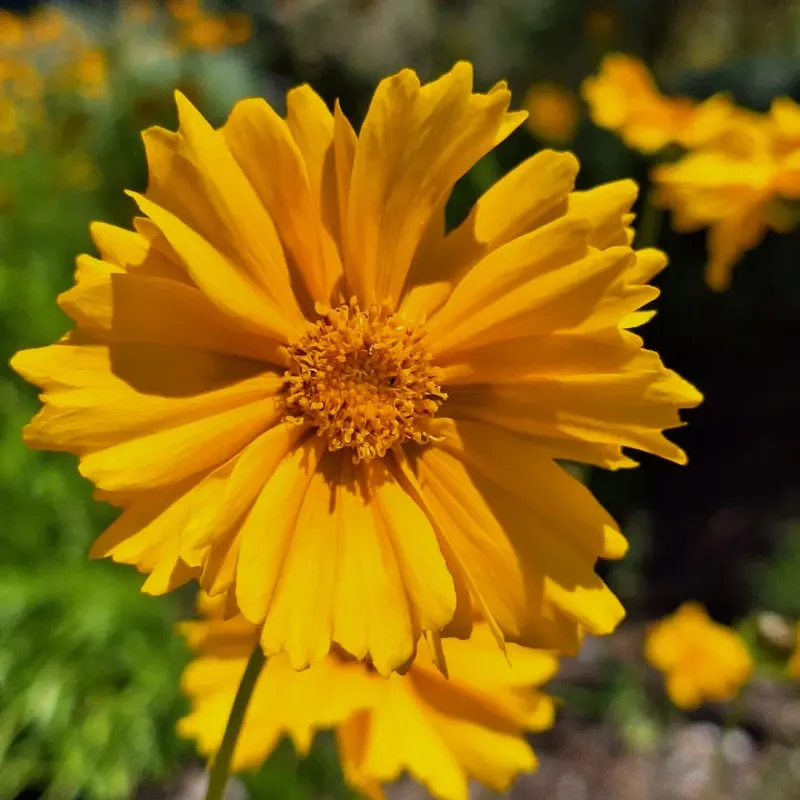
Coreopsis is one of the earliest perennials to start blooming in Georgia, often showing color before most other plants have even leafed out properly.
Sunny yellow flowers cover the plant from May onward, and regular deadheading keeps the show going straight through summer.
Grown in full sun, it stays compact and tidy rather than flopping around.
Heights range from about one foot to three feet depending on the variety you choose. Shorter types work great along the front edge of a border, while taller selections hold their own in the middle of a mixed planting.
Soil drainage matters more than fertility here — coreopsis in soggy ground struggles, but in average well-drained Georgia soil it thrives without much attention.
Drought tolerance is genuinely impressive once the plant is established. During dry stretches that stress most garden plants, coreopsis keeps right on blooming.
It also reseeds lightly, meaning a small planting can gradually expand into a larger sweep over a few seasons. Varieties like ‘Early Sunrise’ and ‘Sunray’ are easy to find at Georgia garden centers and perform reliably across the state.
Pair coreopsis with blue salvia for a color combination that looks sharp from May through August without any complicated care routine involved.
It also handles Georgia humidity without losing that clean, fresh look, which helps it stay attractive longer than many early bloomers.
Over time, clumps become fuller and more established, giving the planting a stronger presence each season without extra work.
4. Salvia Brings Long-Lasting Color And Handles Georgia Heat
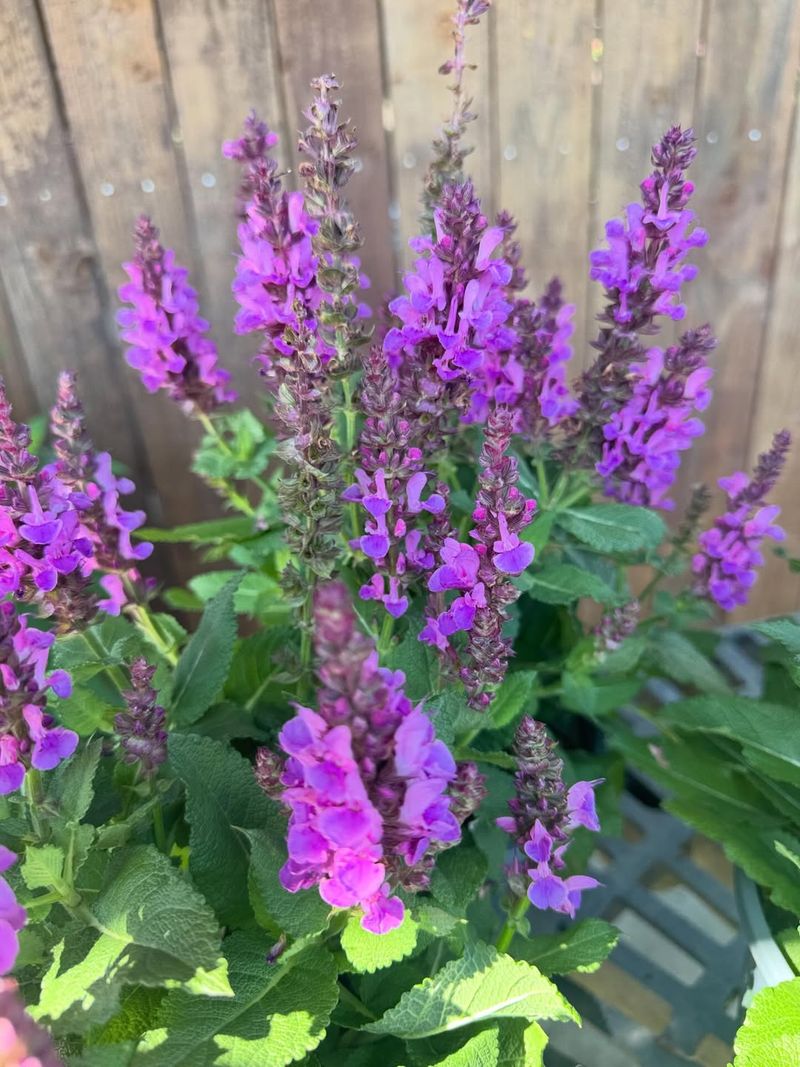
Salvia earns serious respect in Georgia gardens because it blooms hard, handles heat without complaint, and attracts hummingbirds like a magnet.
The violet-blue flower spikes rise above clean, neat foliage and hold their color well even during humid stretches that make a lot of other plants look rough.
Plant it in full sun and give it decent drainage and it will outperform nearly anything else in the border.
Cutting the spent flower spikes back encourages fresh new growth and another flush of blooms, sometimes two or three rounds in a single season.
Varieties like ‘May Night’ and ‘Caradonna’ have proven themselves across Georgia’s different regions, from the mountains in the north to the flatlands near Macon.
Both grow around two feet tall and spread slowly into satisfying clumps over time.
Watering needs are moderate — salvia does not want to sit in wet soil, but it also appreciates a drink during extended dry spells. In Georgia’s clay-heavy soils, raised beds or amended planting areas help prevent drainage issues.
Bees work the flowers constantly, and the aromatic foliage tends to discourage deer browsing, which is a genuine advantage in suburban Georgia neighborhoods where deer pressure can be heavy.
Salvia pairs well with coneflower, coreopsis, or black-eyed Susan for a summer border that practically runs itself.
5. Daylily Produces Repeated Blooms Through The Season
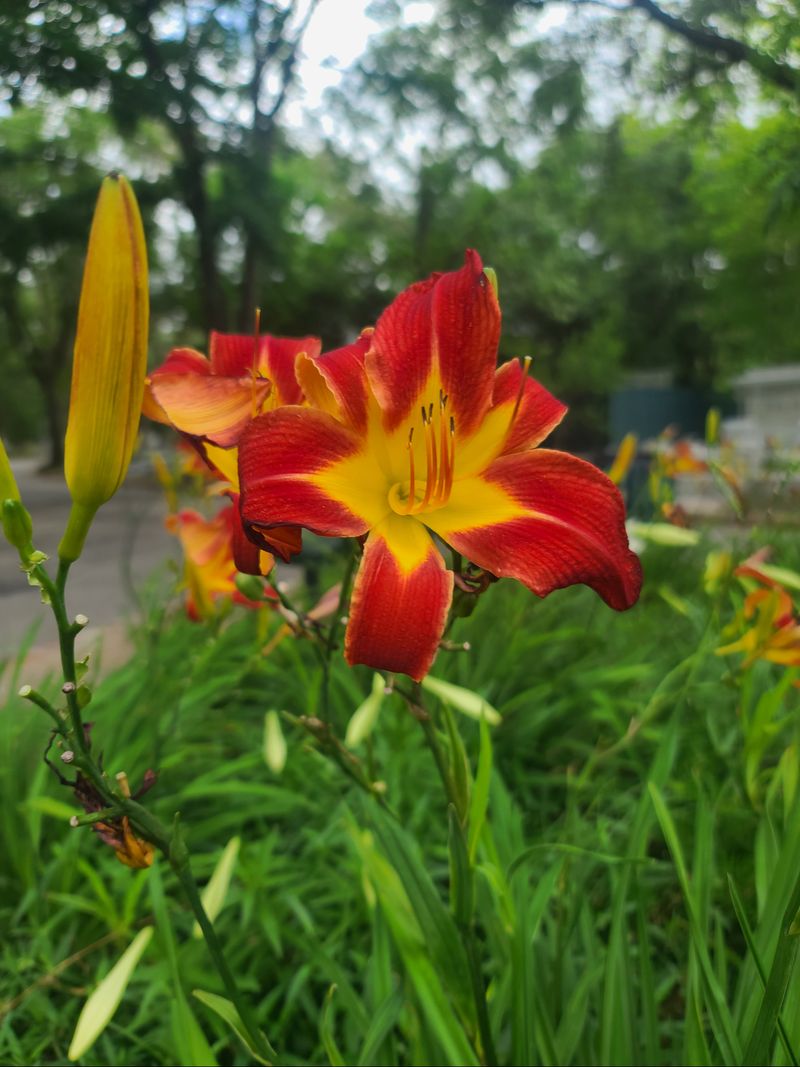
Daylilies have been growing in Georgia gardens for generations, and there is a straightforward reason for that kind of staying power. Each individual flower lasts only one day, but a single plant produces dozens of buds that open in sequence over several weeks.
Extended bloom varieties stretch that window even further, keeping color in the garden from late spring well into July and sometimes August.
Full sun produces the most flowers, though daylilies handle partial shade without completely shutting down. Soil adaptability is one of their real strengths — they grow in Georgia red clay, sandy coastal soil, and everything in between.
Dividing clumps every three or four years keeps them blooming at full strength rather than slowing down from overcrowding.
Color range is almost overwhelming. Pale yellow, deep burgundy, coral, lavender, bi-colors, and ruffled edges are all available at specialty nurseries and garden centers across Georgia.
Reblooming varieties like ‘Stella de Oro’ and ‘Happy Returns’ push out a second or third flush of blooms after the main season, which is hard to argue with. Foliage stays green and attractive even between bloom cycles, so you are not left with bare spots in the border.
Daylilies planted along a fence or driveway edge create a reliable, colorful display that looks intentional rather than accidental.
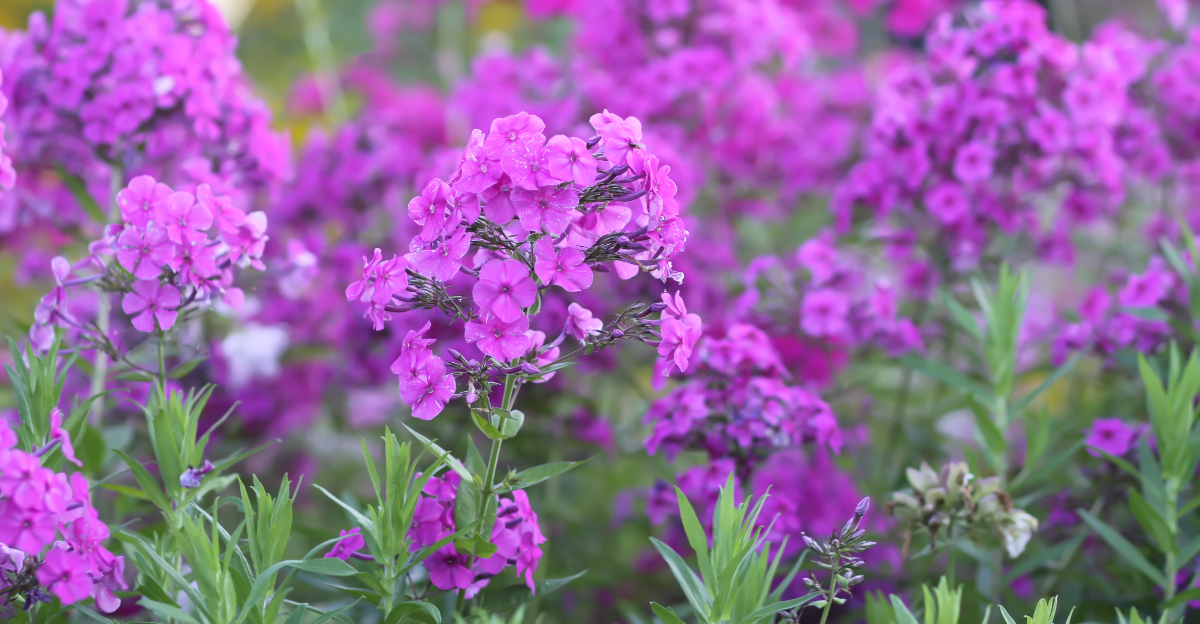
6. Garden Phlox Adds Mid-To-Late Summer Color In Part Sun
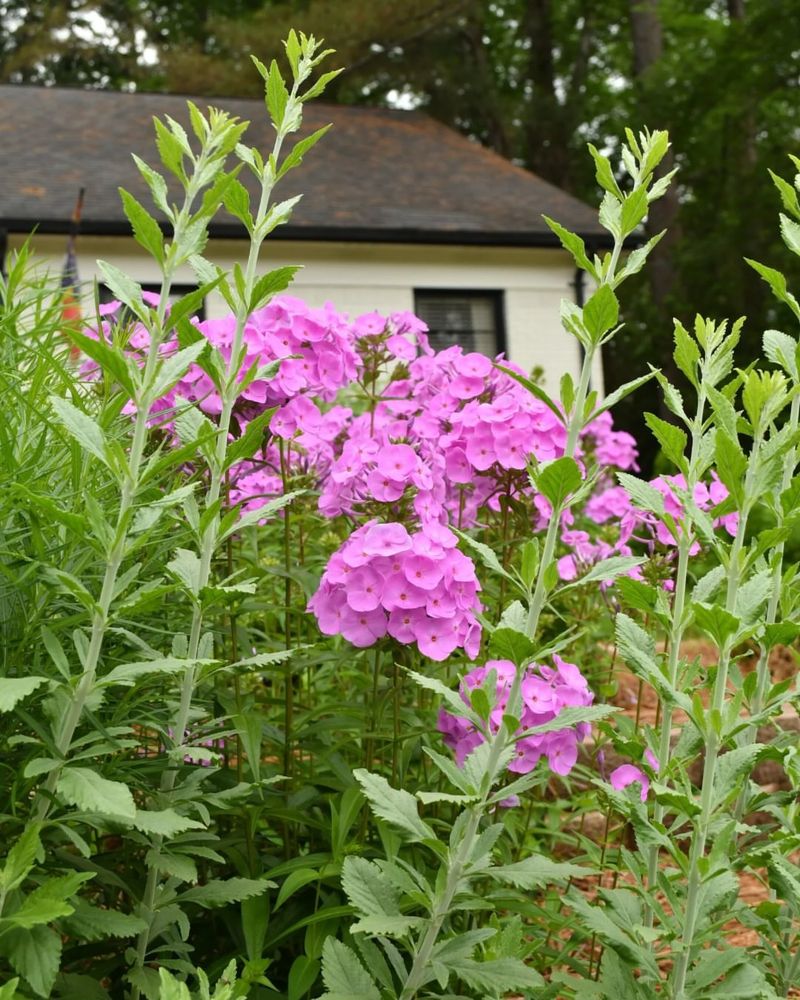
Right when a lot of spring bloomers are winding down, garden phlox steps up and fills that mid-to-late summer gap with big, fragrant flower clusters that stop people in their tracks.
Colors range from pure white to hot pink to rich purple, and the blooms carry a sweet scent that drifts through the garden on warm Georgia evenings.
Hummingbirds and butterflies show up regularly once the flowers open.
Garden phlox does best with morning sun and some afternoon shade, which actually suits many Georgia yards where mature trees create dappled light. Air circulation around the plants helps reduce powdery mildew, a common issue in humid Georgia summers.
Spacing plants well apart and watering at the base rather than overhead makes a real difference in keeping foliage healthy.
Mildew-resistant varieties like ‘David,’ ‘Robert Poore,’ and ‘Jeana’ are worth seeking out at Georgia nurseries specifically because they hold up better through the sticky August humidity.
Plants grow two to four feet tall and look best grouped in threes or fives rather than planted as individual specimens.
Cutting spent flower heads off promptly sometimes triggers secondary bloom flushes later in the season. Garden phlox roots appreciate consistent moisture, so mulching around the base helps hold soil moisture during Georgia’s dry summer spells between rain events.
7. Blanket Flower Thrives In Heat And Blooms For Months
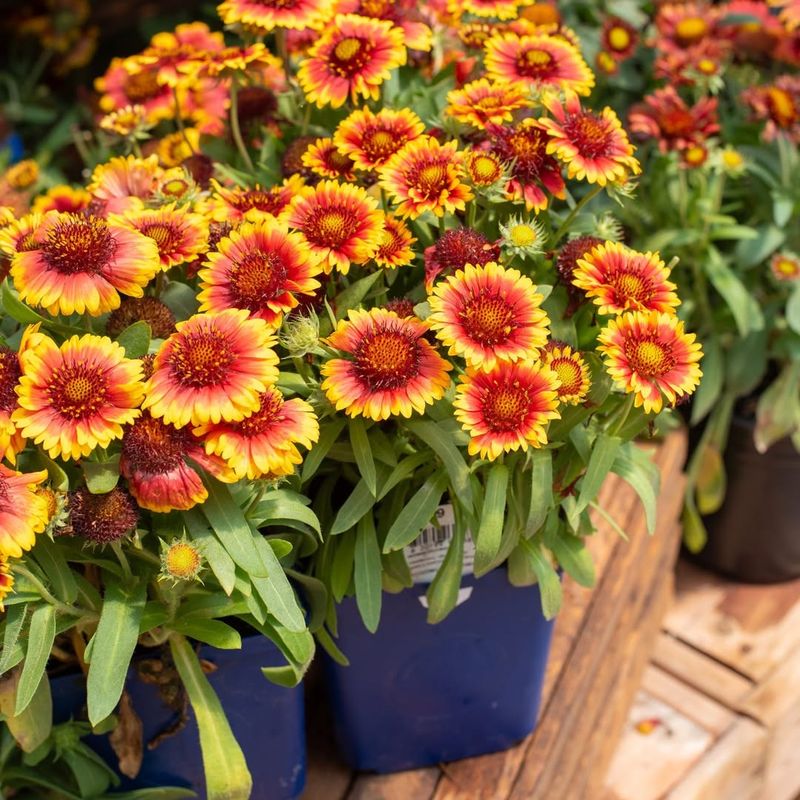
Blanket flower runs on heat and sun, which makes Georgia essentially perfect territory for it. Blooms start appearing in late spring and just keep coming through summer and into fall without much encouragement.
Red and yellow petals radiate out from a dark center, giving each flower a warm, fiery look that holds up even on the hottest days of the year.
Sandy, well-drained soil suits blanket flower best, and it actually performs worse in rich, fertile ground where plants get soft and flop over. Average or even slightly poor soil produces tighter, sturdier growth.
In Georgia’s coastal plain regions where sandy soil is common, blanket flower practically grows itself once planted in a sunny spot.
Deadheading spent blooms regularly keeps production going strong rather than letting the plant put energy into setting seed. Heights stay in the one-to-two-foot range for most varieties, making them ideal for the front of sunny borders or along pathways.
‘Arizona Sun’ and ‘Goblin’ are compact varieties that perform well across Georgia without getting leggy or falling apart in summer storms.
Pollinators work the flowers constantly, which adds movement and life to the garden beyond just the color the blooms provide.
Blanket flower also tolerates salt air reasonably well, a useful trait for Georgia gardeners near the coast around Brunswick or St. Simons Island.
8. Bee Balm Attracts Pollinators And Blooms From Late Spring
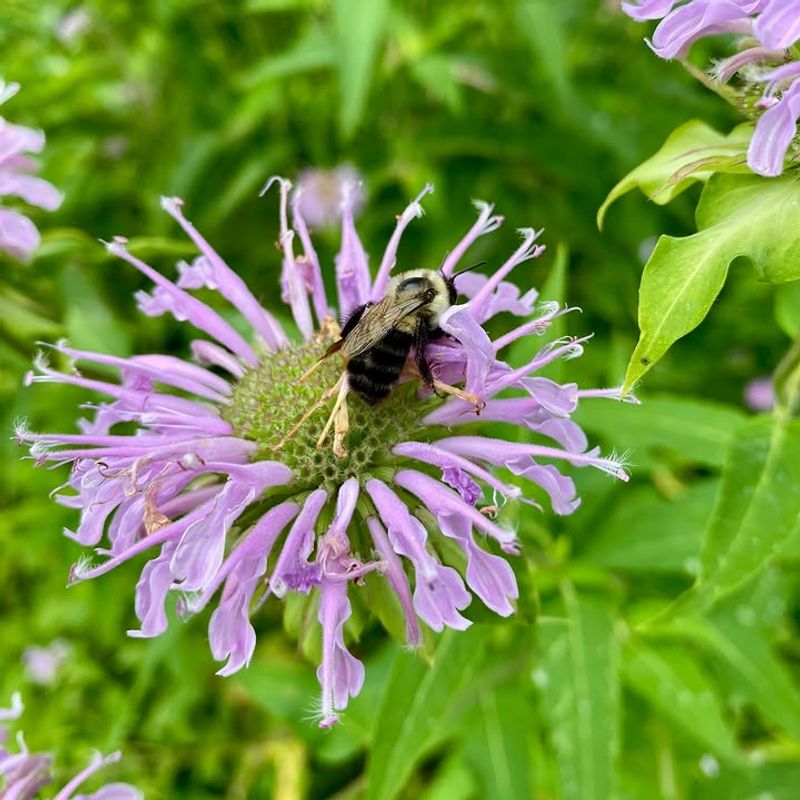
Bee balm is one of those plants that turns a garden into an ecosystem practically overnight. Hummingbirds zero in on the tubular flowers, bees work every bloom methodically, and butterflies drift through in steady rotation.
Bloom colors run from white through rose-pink all the way to deep wine-red, and flowering kicks off in late spring and continues through much of summer.
Plants grow two to three feet tall and spread gradually by underground runners, which means a small planting fills out into a satisfying mass over a few seasons.
Full sun to part shade works fine in Georgia, though afternoon shade in the hottest parts of the state helps the foliage stay fresh-looking through August.
Consistent moisture keeps plants performing well, so mulching the root zone is worth the effort.
Powdery mildew shows up on bee balm foliage in humid Georgia summers, particularly on older varieties. Choosing mildew-resistant selections like ‘Jacob Cline’ or ‘Raspberry Wine’ makes a noticeable difference in how the plants look by late summer.
Cutting plants back hard after the first bloom flush sometimes triggers a second round of flowers, which extends the show well past what a single bloom cycle would provide.
Bee balm also carries a pleasant minty fragrance in the foliage that adds a sensory layer to the garden beyond just the visual appeal of the flowers.