These 10 Plants Naturally Repel Mosquitoes In California
Nothing ruins a relaxing evening outside faster than mosquitoes showing up uninvited. You step into the yard to enjoy the fresh air, and within minutes you’re swatting, itching, and wondering why they always seem to find you first.
It’s enough to make anyone retreat back indoors. The good news is your garden can actually help fight back.
Certain plants give off scents that mosquitoes tend to avoid, making them a natural way to make your outdoor space a little less appealing to these persistent pests. While they won’t eliminate mosquitoes completely, they can definitely help tip the odds in your favor.
Even better, many of these plants look great, smell amazing, and fit right into a California garden without much effort.
Add a few in the right spots and you can create a space that feels more comfortable, more inviting, and a lot less buzzy when the sun goes down.
1. Lavender
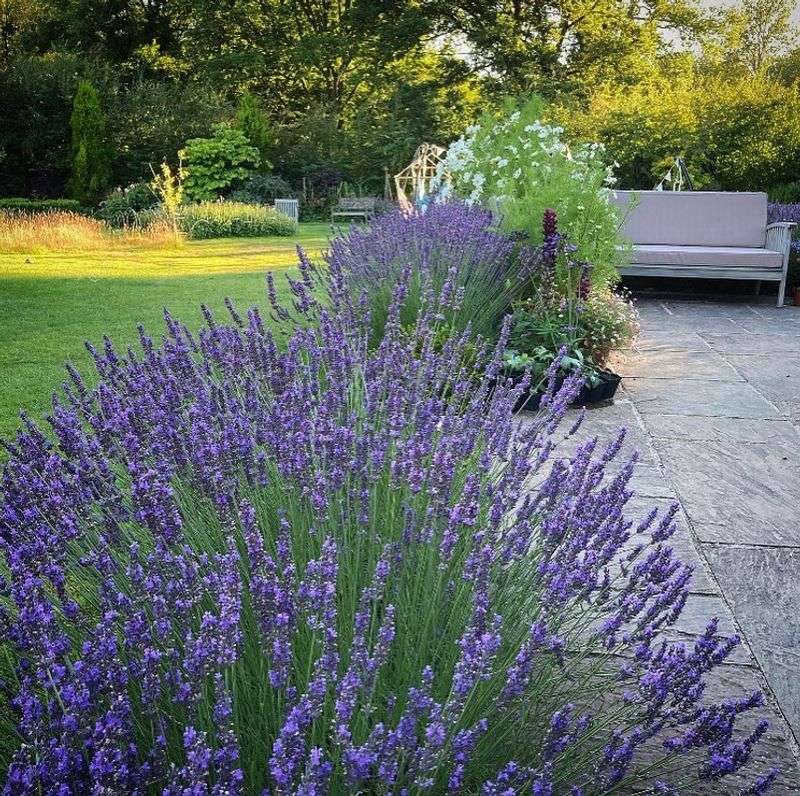
Few plants are as beautiful and useful as lavender. Those tall purple blooms are not just pretty to look at.
They carry a strong, sweet fragrance that people love but mosquitoes genuinely cannot tolerate. That scent comes from natural oils in the plant, and it works as a built-in barrier against pests.
In California, lavender thrives beautifully. It loves full sun and well-drained soil, which makes it a natural fit for the state’s warm, dry climate.
You will often see it growing along walkways, near patios, and in front-yard gardens all across Southern California. It is low-maintenance once established and does not need much water.
Planting lavender near your outdoor seating area is a smart move. The closer it is to where you sit and relax, the more effective it will be.
You can also snip a few sprigs and place them in a small vase near open windows or doors to help keep mosquitoes from coming inside.
Lavender also attracts bees and butterflies, so it helps your garden stay healthy and pollinated. It is a win all around.
For California gardeners looking for a low-effort, high-reward plant, lavender is always a top choice.
2. Rosemary
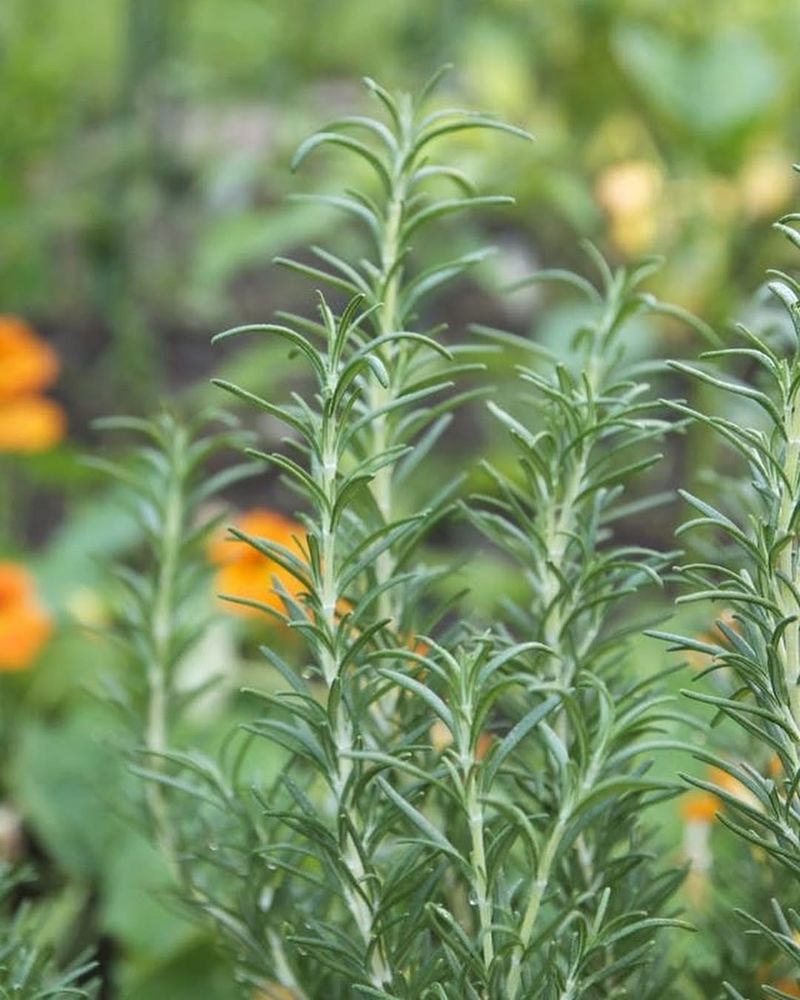
Rosemary is one of those plants that pulls double duty without any extra effort. Most people know it as a cooking herb, but it is also a surprisingly effective mosquito deterrent.
The woody, pine-like scent it produces is something mosquitoes strongly dislike, making it a smart addition to any California outdoor space.
This plant is incredibly well-suited to California’s climate. It loves warm, sunny days and does not need much water once it gets established.
You can grow it in the ground or in containers, and either way it tends to do very well. In fact, rosemary is one of the most drought-tolerant herbs you can find, which is a big plus in areas like the Central Valley or inland Southern California.
Try placing rosemary near your grill or outdoor dining area. When the heat hits the plant, it releases even more of its natural oils into the air, boosting its mosquito-repelling effect.
You can also toss a few sprigs onto hot coals when you are grilling to create a natural aromatic smoke that discourages mosquitoes from hanging around.
Beyond pest control, fresh rosemary is great for seasoning chicken, potatoes, and vegetables. It is a practical, beautiful, and hardworking plant that earns its spot in any California garden.
3. Lemon Balm
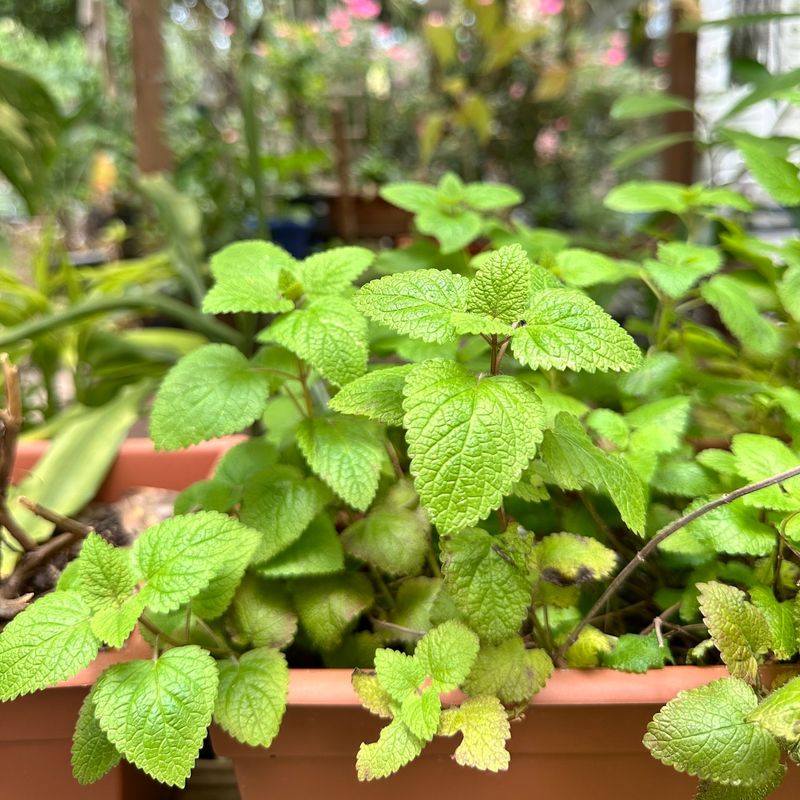
There is something wonderfully cheerful about lemon balm. Its bright green leaves and fresh citrus scent make it a pleasure to have around, and mosquitoes feel the complete opposite way about it.
The strong lemony aroma confuses and repels them, making it harder for them to track down people nearby.
Lemon balm is a member of the mint family, which tells you a lot about how it grows. It spreads quickly and can take over a garden bed if you are not paying attention.
For that reason, most California gardeners prefer to grow it in containers. A pot on the porch or near the back door works perfectly and keeps things tidy.
One popular trick is to gently crush a few leaves and rub them on your skin before heading outside. The natural oils that come out act as a mild, pleasant-smelling repellent.
It is not as powerful as commercial sprays, but it adds an extra layer of protection when you are spending time in the yard.
Lemon balm also works well as an herbal tea ingredient and has a reputation for helping with relaxation. So beyond keeping mosquitoes away, it is a genuinely useful plant to have on hand in your California home garden.
4. Mint
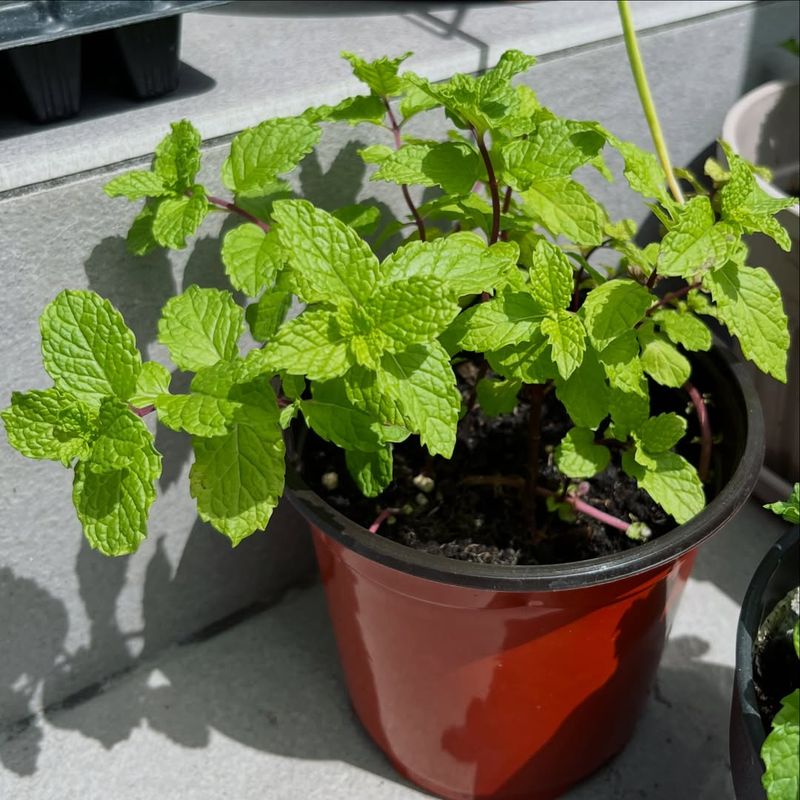
Walk past a mint plant and give the leaves a quick brush with your fingers. That sharp, refreshing burst of scent is exactly what makes mosquitoes turn around and go somewhere else.
Mint contains menthol and other natural compounds that pests find overwhelming, and it is one of the most accessible repellent plants you can grow in California.
Both spearmint and peppermint varieties work well. Like lemon balm, mint spreads aggressively, so keeping it in a container is usually the smarter choice.
A few pots placed around your patio or near entry points to your home can create a natural barrier that mosquitoes prefer to avoid.
Growing mint in California is easy. It adapts well to different conditions and can handle partial shade, which is helpful if your yard does not get full sun all day.
Water it regularly and trim it back now and then to keep it healthy and full.
You can also use fresh mint leaves in the kitchen for teas, cocktails, salads, and desserts. Crushing a handful of leaves and scattering them near outdoor seating areas gives you an extra boost of protection.
It is a simple, natural strategy that costs very little and works surprisingly well during California’s long, warm mosquito season.
5. Basil
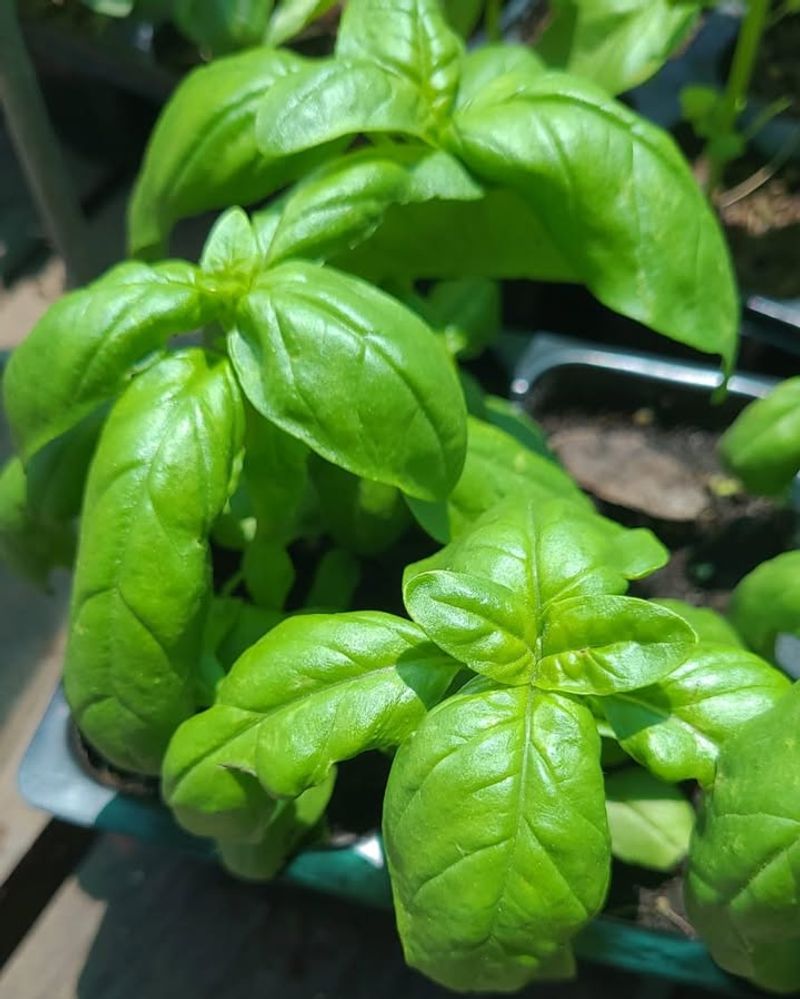
Basil is already a staple in kitchens across California, but its usefulness goes well beyond pasta sauce and caprese salad. This herb gives off a strong, spicy scent that mosquitoes find deeply off-putting.
Unlike many repellent plants that only work when their leaves are crushed, basil releases its oils naturally into the surrounding air all on its own.
That makes it especially practical. You do not have to do anything extra.
Just plant it in a sunny spot near your patio or garden seating area, and it quietly goes to work. Basil loves warm weather and grows beautifully in California’s climate, especially during the summer months when mosquitoes are most active.
Containers work great for basil if you want to move it around depending on where you are spending time outdoors. A few pots near the table where you eat outside can make a real difference.
Some people even keep a small basil plant on the outdoor dining table as a centerpiece.
Lemon basil and cinnamon basil are two varieties that tend to be especially potent when it comes to repelling mosquitoes.
If you are growing basil in your California garden anyway for cooking, choosing one of these varieties gives you the best of both worlds without any extra effort.
6. Scented Geranium (Citronella Type)
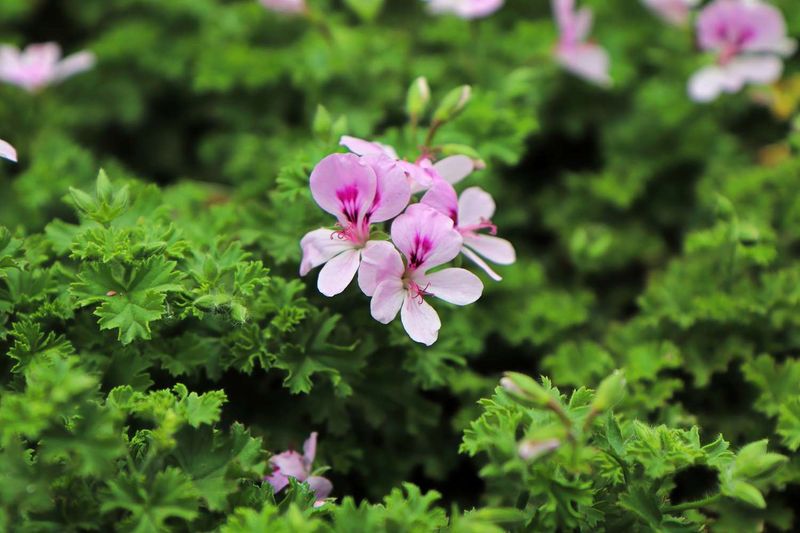
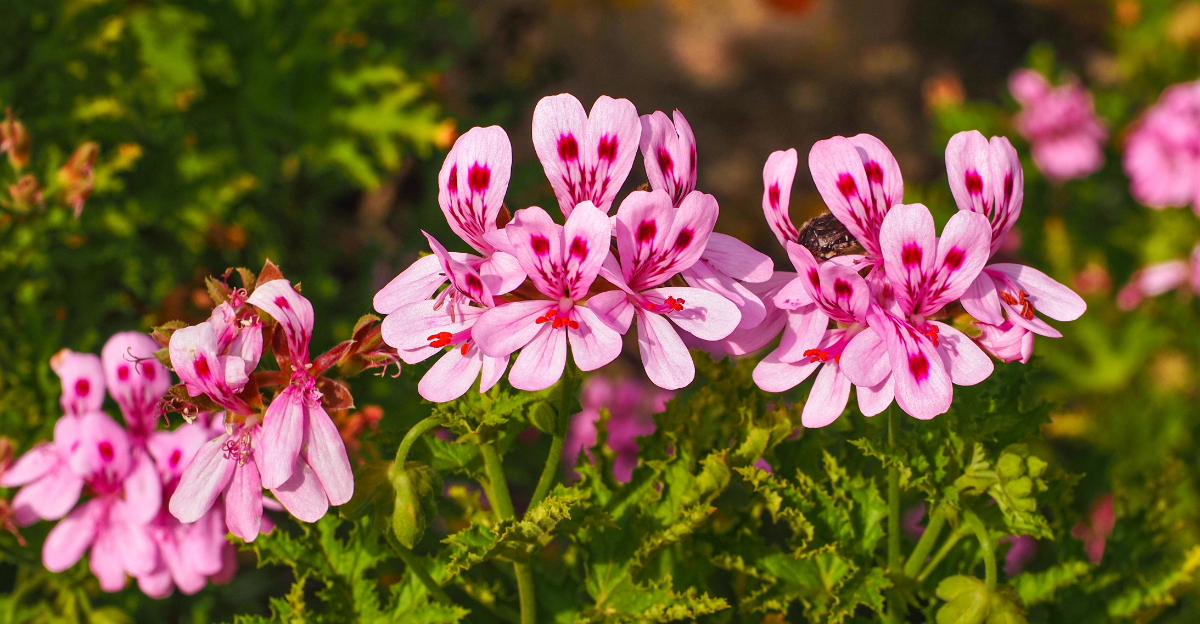
Sometimes called the Mosquito Plant, the citronella-scented geranium has earned quite a reputation in California gardens. Its scientific name is Pelargonium citrosum, and it produces a strong citrus scent that masks the body odors mosquitoes use to find people.
That masking effect is what makes it so useful outdoors.
This plant is not the same as true citronella grass, but it carries a very similar fragrance and works in a comparable way. It is a compact, attractive plant with textured leaves and small flowers, making it both functional and visually appealing.
Growing it in containers is ideal because you can move it wherever you need it most.
California’s mild coastal climate suits this plant very well. In areas like the Bay Area or along the Central Coast, it can thrive year-round with minimal care.
Inland areas with hotter summers may need to provide some afternoon shade to keep the plant happy and healthy.
Rubbing the leaves gently releases even more of its citrus scent, which gives you a quick burst of natural protection. Keep a pot near your outdoor chairs or on the steps leading to your back door.
It is one of the most popular and recognizable mosquito-repelling plants sold at nurseries throughout California.
7. Sage
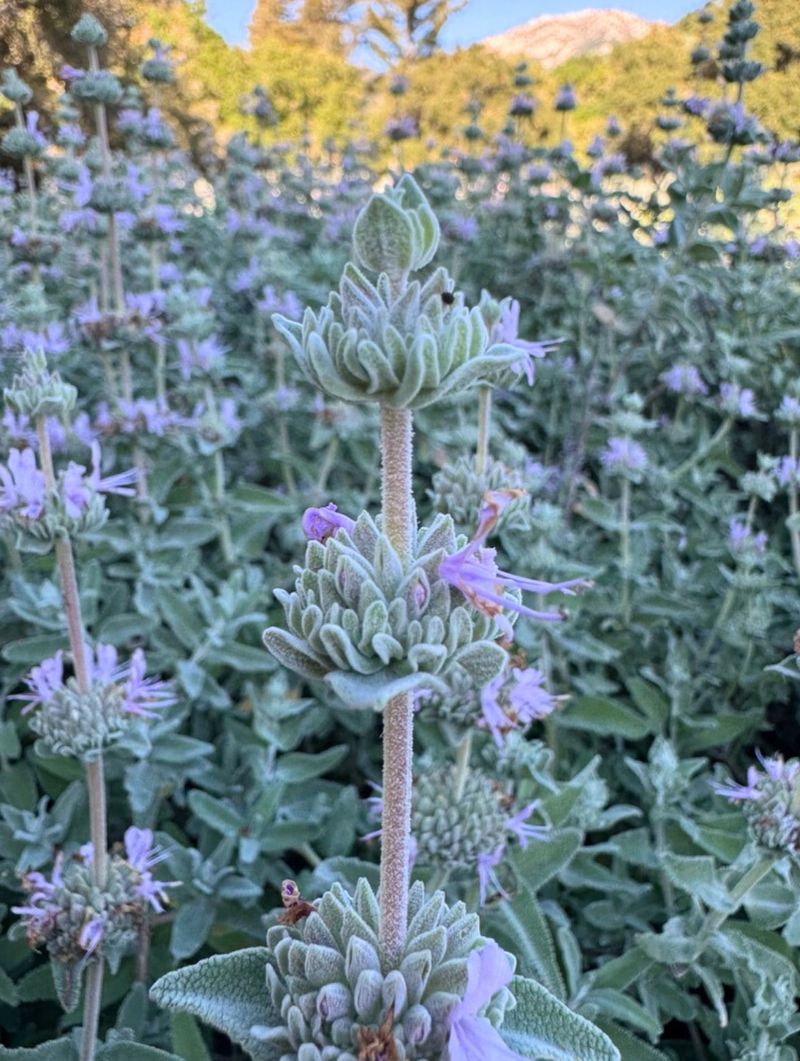
Sage has been used for centuries in cooking, medicine, and even ceremonial rituals across cultures. What many people in California do not realize is that it is also a solid natural mosquito repellent.
Its strong, earthy aroma is pleasant to most humans but deeply unappealing to mosquitoes and other flying insects.
California is actually home to its own native variety, California sagebrush, which is naturally drought-tolerant and thrives in the state’s dry, sunny conditions. Common culinary sage also grows well here and offers the same pest-deterring benefits.
Both varieties release aromatic compounds that create an invisible shield around wherever they are planted.
One of the best tricks with sage is to toss a few dried sprigs onto a fire or outdoor grill. The smoke that rises from burning sage is particularly effective at keeping mosquitoes away from the surrounding area.
It creates a wider zone of protection than just having the plant nearby, which is perfect for larger patios or backyard gatherings.
Sage is also incredibly low-maintenance. Once it gets established in your California garden, it needs very little water and can handle periods of drought without much trouble.
Plant it along borders, near seating areas, or in pots by the door for consistent, natural mosquito control throughout the warmer months.
8. Catnip
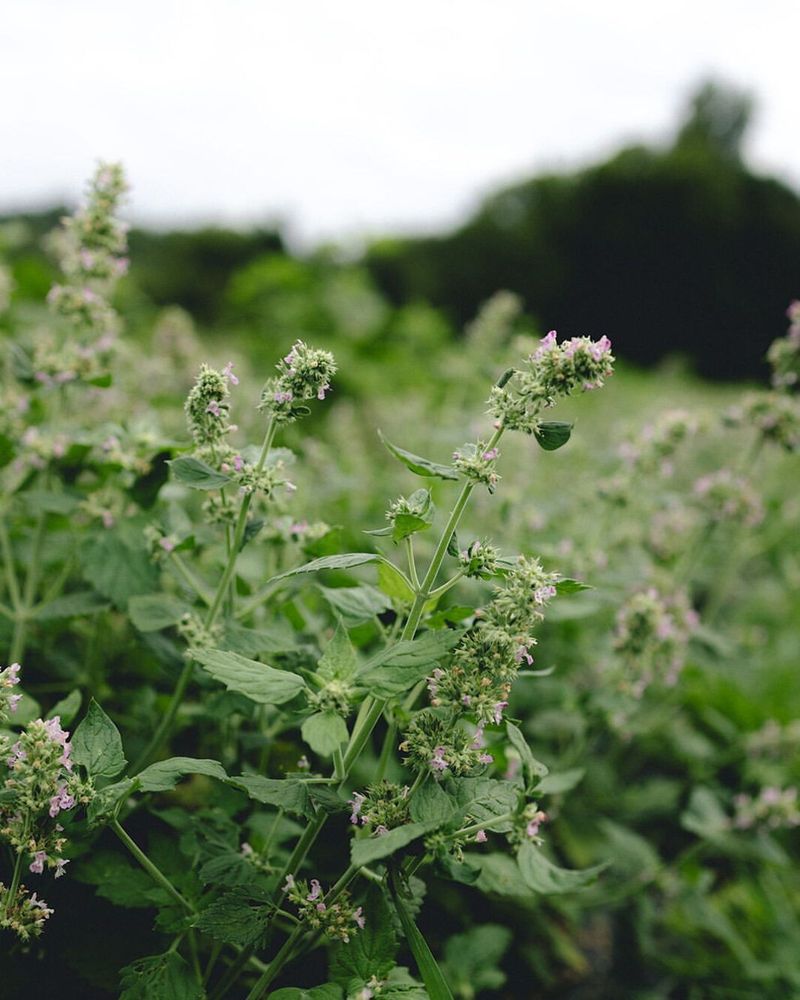
Here is a surprising fact: catnip is actually more effective at repelling mosquitoes than DEET, the chemical used in many commercial bug sprays. Research has shown that the compound nepetalactone, found naturally in catnip, is a powerful mosquito deterrent.
That is a pretty impressive claim for a plant most people associate with making cats act silly.
In California, catnip grows well in a variety of conditions. It tolerates both full sun and partial shade, making it flexible enough to fit into almost any garden layout.
It is a hardy plant that does not demand much attention, which is always a bonus for busy homeowners.
The catch with catnip is that if you have cats, they will absolutely be drawn to it. This can make it tricky to keep the plant intact in your yard.
Growing it in a raised bed or a hanging container can help protect it from enthusiastic feline visitors while still keeping it accessible for its mosquito-repelling benefits.
You can also crush a few leaves and rub them lightly on your skin or clothing before going outside. The scent will help keep mosquitoes at a distance.
For California households looking for a chemical-free, budget-friendly option, catnip is one of the most underrated plants you can add to your outdoor space.
9. Marigolds
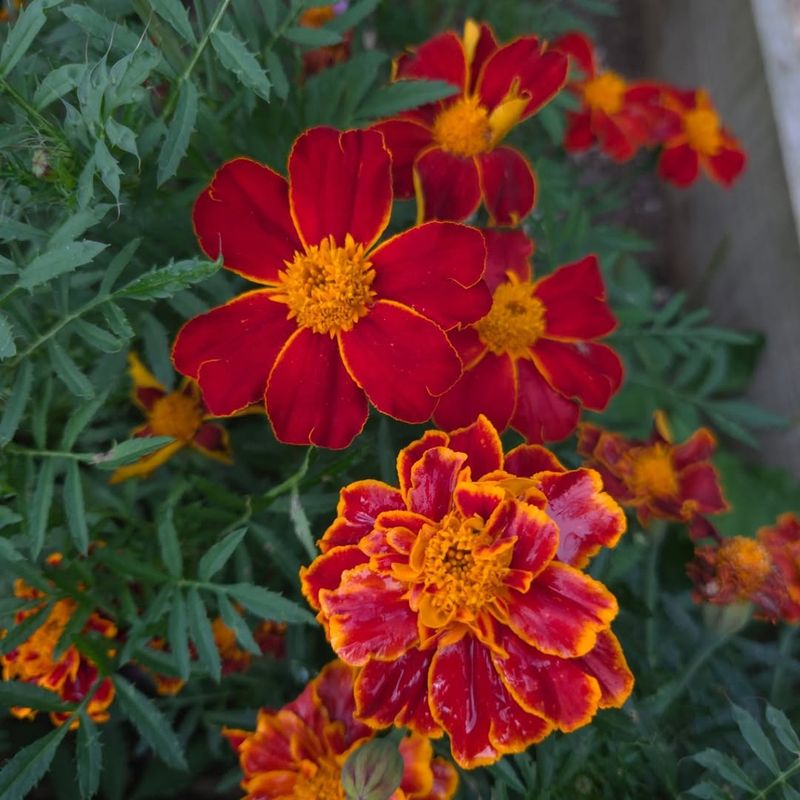
Marigolds are one of the most cheerful-looking plants you can add to a California garden, and they happen to be excellent at keeping mosquitoes away. Their bright orange and yellow blooms are eye-catching, but it is the scent they produce that does the real work.
Mosquitoes, aphids, and even some other garden pests find the smell strongly off-putting.
The active compound in marigolds is called pyrethrum, and it is actually used as an ingredient in some commercial insect repellents.
Having the living plant in your garden means you get a continuous, natural source of this compound throughout the growing season.
That is a pretty powerful thing for such a simple, affordable flower.
Plant marigolds along the edges of your garden, near doorways, or around outdoor seating areas for the best effect. They work especially well when paired with other repellent plants like basil or lavender, creating a layered defense that covers more ground.
California’s long, warm summers give marigolds plenty of time to bloom and do their job.
Beyond pest control, marigolds are great companion plants for vegetables. They help protect tomatoes, peppers, and other crops from harmful insects.
If you have a vegetable garden anywhere in California, adding a row of marigolds around the perimeter is one of the smartest and most colorful things you can do.
10. Lemongrass
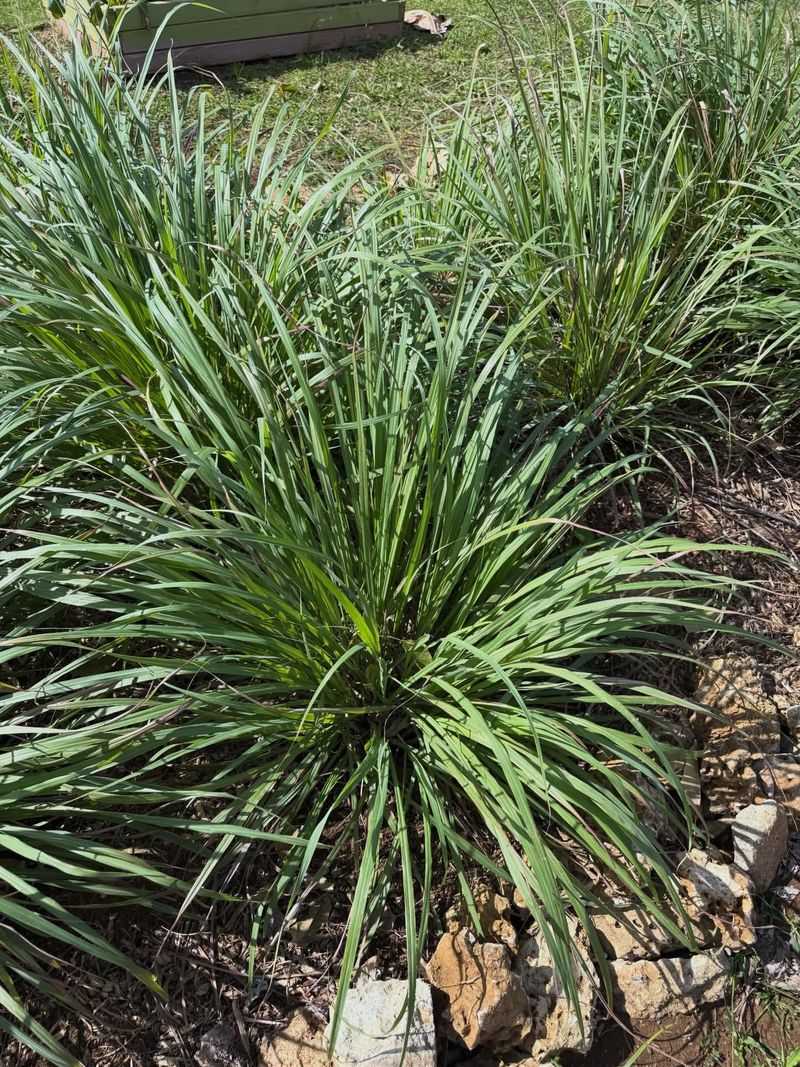
This is the plant behind one of the most well-known natural mosquito repellents in the world: citronella. The essential oil extracted from lemongrass is used in candles, sprays, and lotions specifically designed to keep mosquitoes away.
Growing the actual plant in your yard gives you a living, breathing version of that same protection.
In California, lemongrass thrives in full sun and warm temperatures, making Southern California and the Central Valley ideal locations for it. It grows in large, dramatic clumps with long, arching green blades that can reach several feet tall.
Beyond being functional, it adds a lush, tropical feel to any garden or landscape design.
Lemongrass is also a staple ingredient in Thai, Vietnamese, and other Southeast Asian cuisines. Growing it at home means you always have fresh stalks available for cooking soups, curries, and marinades.
That dual purpose makes it one of the most valuable plants on this list for California households.
Plant lemongrass in a large pot or directly in the ground in a sunny corner of your yard. Water it regularly during the growing season and it will reward you with steady growth and reliable mosquito-deterring fragrance.
For low-water landscapes in California, it is a practical and attractive long-term addition that keeps on giving season after season.