These 10 Plants Pair Perfectly With Snake Plants In Oregon
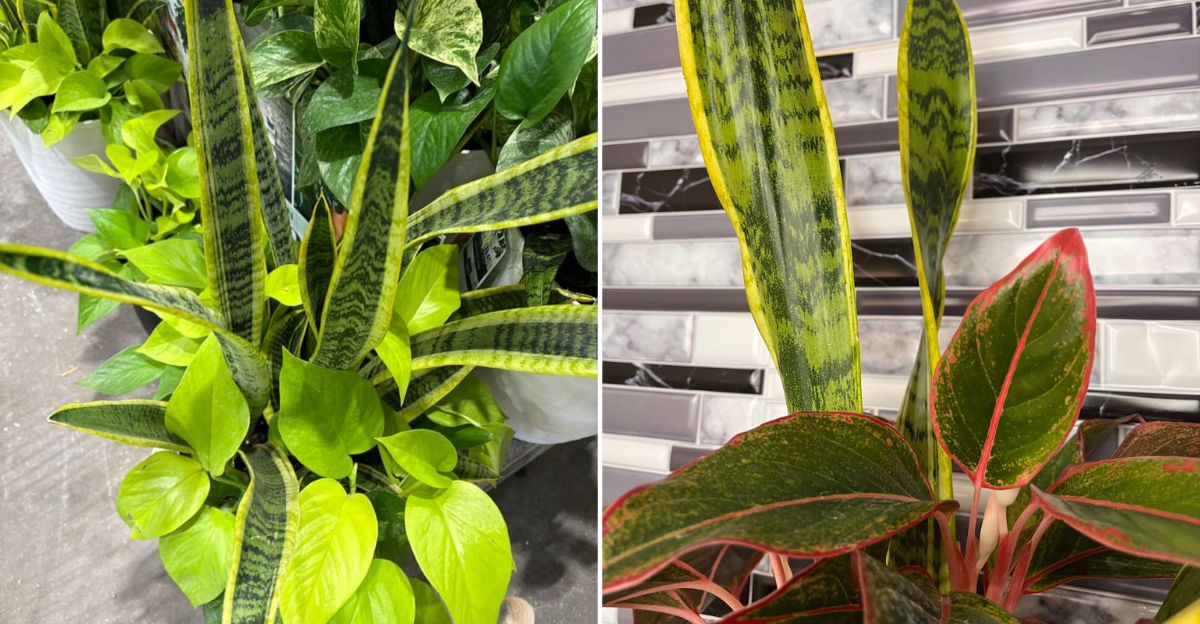
Snake plants are the quiet champions of easy care greenery, but pairing them with the right companions can take your indoor or patio garden to a whole new level.
The trick is choosing plants that enjoy similar light, simple watering, and Oregon’s indoor growing conditions.
When matched well, these plant partners create beautiful contrast in shape, height, and texture without adding extra work. Think upright leaves next to soft trailing vines, bold structure mixed with gentle movement.
The result feels balanced, stylish, and effortlessly green. Even better, grouping compatible plants helps maintain steady moisture and creates a healthier growing space overall.
If you love the clean, modern look of snake plants and want a fuller, more dynamic plant display, these perfect pairings will help you build a combination that looks great and grows happily together.
1. ZZ Plant (Zamioculcas zamiifolia)
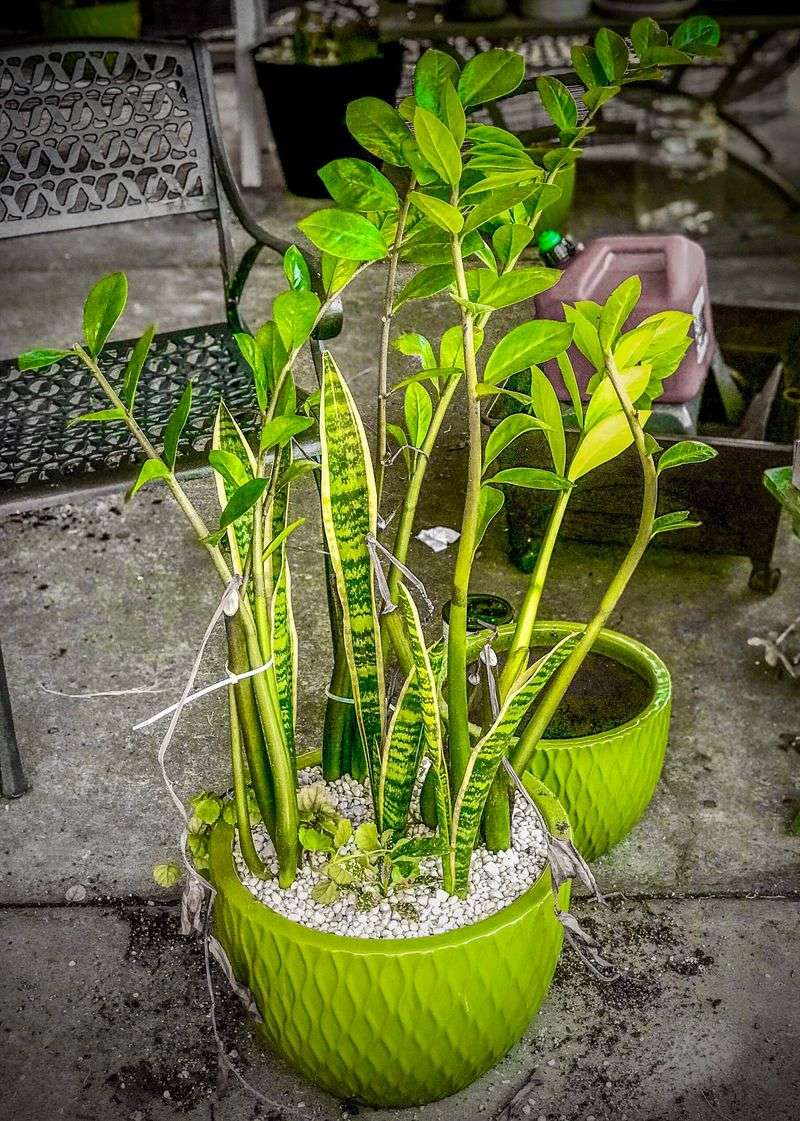
When you walk past a ZZ plant in low light, those glossy leaves catch whatever dim glow is available and seem to shine anyway. That’s the magic of this African native that’s become a staple in Oregon homes where natural light can be scarce for months on end.
The thick, waxy foliage stores water like a camel stores provisions, making it nearly impossible to kill through underwatering.
Pairing a ZZ plant with your snake plant creates a drought-tolerant duo that laughs in the face of forgetful watering schedules. Both plants prefer their soil to dry out completely between drinks, which means you can water them on the same relaxed timeline.
In Oregon’s naturally humid indoor environments during winter, this preference actually protects them from the root rot that claims so many houseplants.
The ZZ plant grows slowly and steadily, sending up new stems from rhizomes beneath the soil surface. You might not notice changes week to week, but over months, it fills out beautifully.
Keep it in the same indirect light that suits your snake plant, and resist the urge to repot too often. These plants actually prefer being slightly rootbound, which makes them even lower maintenance than you’d expect.
2. Pothos (Epipremnum aureum)
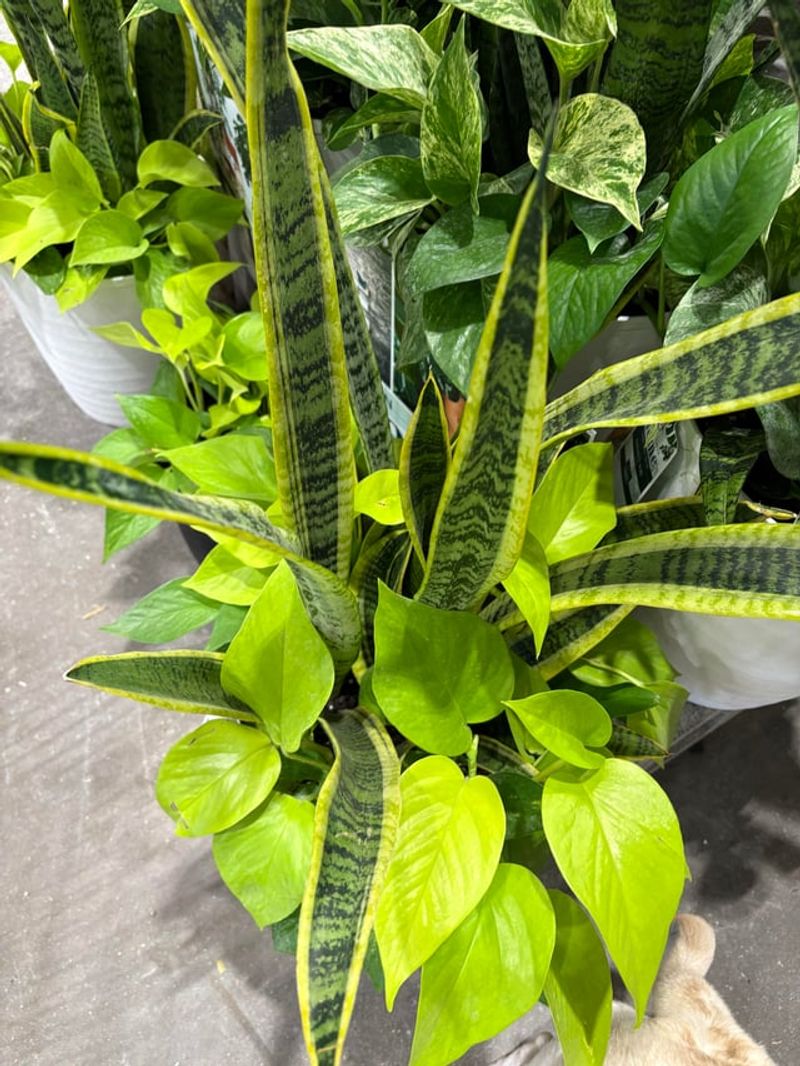
Few plants forgive Oregon’s winter gloom quite like pothos does. Those heart-shaped leaves seem to glow even when tucked into a bathroom with a single north-facing window, their golden or white variegation catching whatever light filters through our characteristic cloud cover.
This vining plant brings a softer texture to complement the rigid, upright form of snake plants.
Where snake plants stand at attention, pothos cascades and wanders, creating visual contrast that makes both plants more interesting. They share nearly identical care requirements: infrequent watering, tolerance for neglect, and an ability to survive in less-than-ideal light conditions.
You can place them side by side on a shelf, with the pothos tumbling down while the snake plant reaches up.
The real beauty of pothos lies in its adaptability to Oregon’s variable indoor humidity. During our wet winters, it handles the extra moisture in the air without complaint.
When summer arrives and homes dry out, it keeps growing without demanding constant attention. Occasional trimming keeps it tidy, and those cuttings root so easily in water that you’ll have new plants to share with neighbors before you know it.
3. Spider Plant (Chlorophytum comosum)
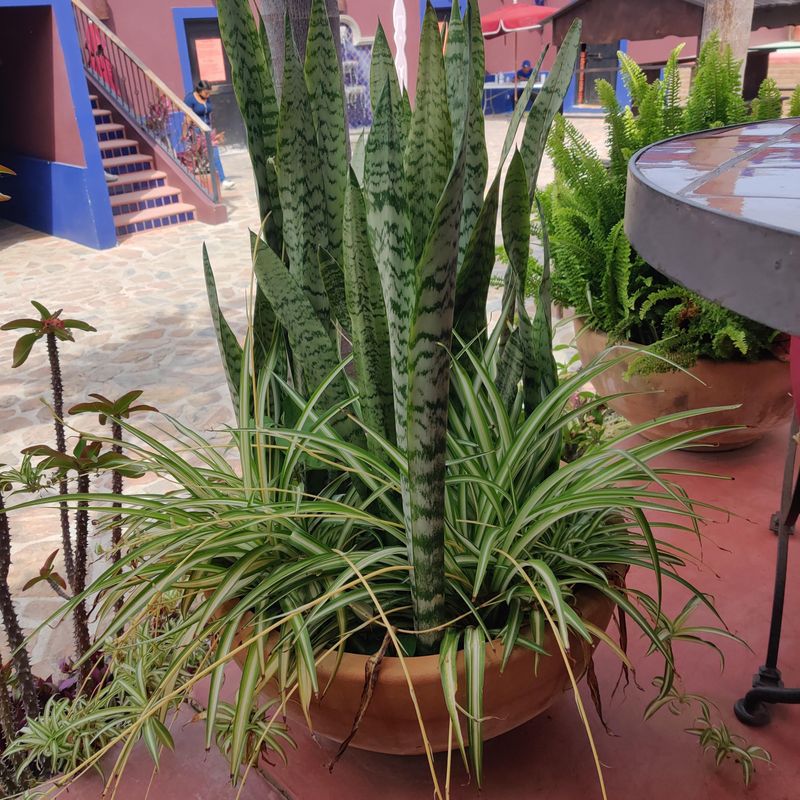
Spider plants produce babies with such enthusiasm that you’ll find yourself with a small nursery before spring arrives. Those arching, ribbon-like leaves fountain outward in a way that perfectly balances the vertical growth of snake plants, creating a pleasing composition that doesn’t compete for attention.
The striped varieties even echo the patterning found on many snake plant cultivars.
Oregon’s naturally soft water suits spider plants beautifully, though they’re forgiving enough to handle our occasional hard water too. They prefer slightly more moisture than snake plants but still tolerate the same approach of letting soil dry between waterings.
This makes them easy companions that won’t throw off your watering routine or demand different care schedules.
The plantlets that dangle from mature spider plants add an element of movement and life to your indoor garden. You can snip them off to start new plants or leave them dangling for visual interest.
Both spider plants and snake plants filter indoor air effectively, making them functional as well as decorative. Position them where they’ll get bright, indirect light, though both will tolerate shadier spots without complaint during Oregon’s darker months.
4. Peace Lily (Spathiphyllum)
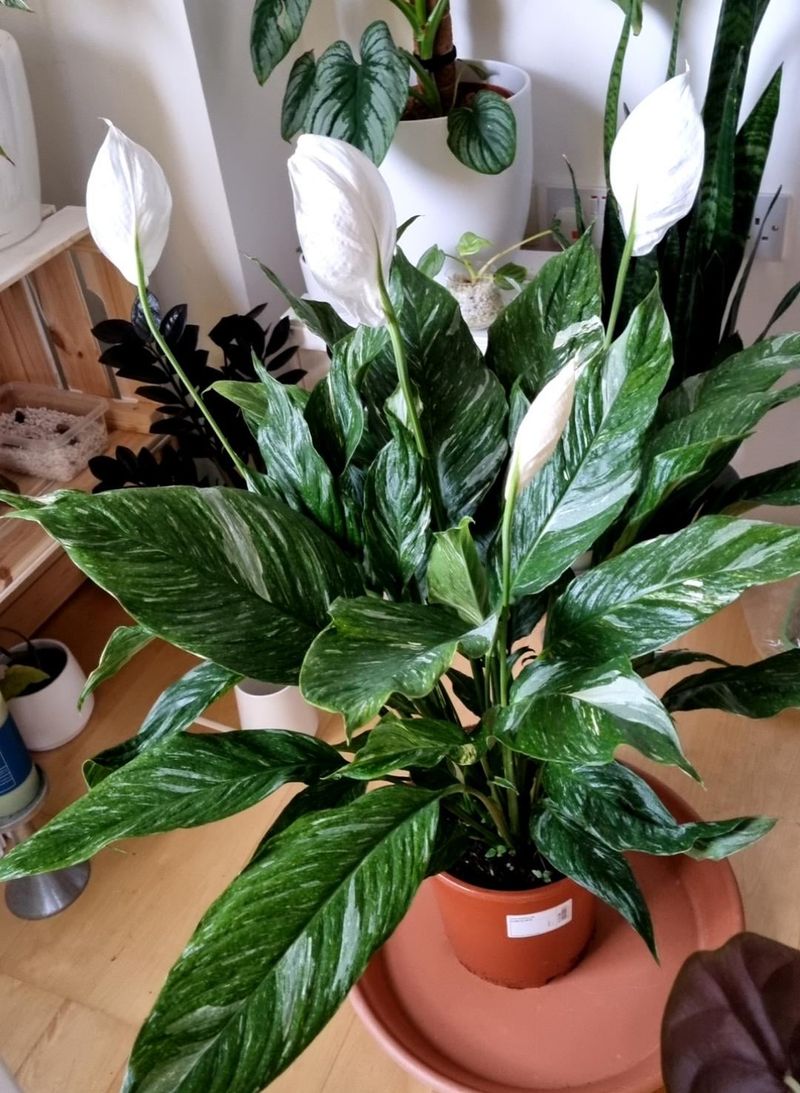
Peace lilies actually tell you when they need water by drooping dramatically, then perking up within hours of a drink. This theatrical behavior makes them surprisingly easy to care for alongside your more stoic snake plant.
Their broad, dark green leaves create a lush backdrop that makes the architectural form of snake plants stand out even more.
In Oregon’s lower light conditions, peace lilies bloom more reliably than many flowering houseplants, sending up those distinctive white spathes several times a year. They prefer slightly more water than snake plants, but not so much that you need separate watering days.
Check the peace lily first, and if it needs water, the snake plant probably does too, though it could wait another few days without complaint.
Both plants thrive in the same temperature range that keeps Oregon homes comfortable year-round. Neither tolerates cold drafts well, so keep them away from frequently opened doors during winter.
The peace lily’s tolerance for shade makes it perfect for pairing with snake plants in hallways, bathrooms, or offices where natural light is limited. Just remember that peace lilies contain calcium oxalates, so keep them away from curious pets who might nibble.
5. Cast Iron Plant (Aspidistra elatior)
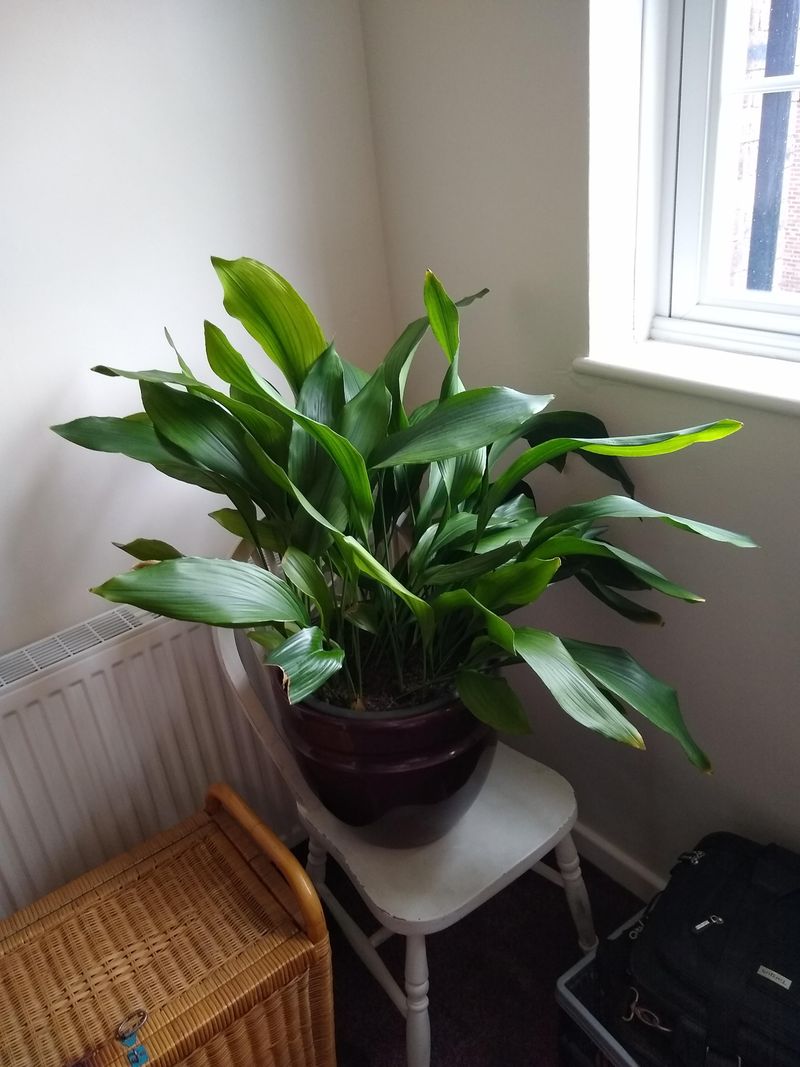
The Victorians loved cast iron plants for their ability to survive gas lamp fumes and neglect, and that resilience translates perfectly to modern Oregon homes.
Those broad, deep green leaves emerge from the soil in elegant arches, creating a completely different texture than snake plants while requiring virtually identical care.
Both plants laugh at irregular watering and dim corners.
Oregon’s cool indoor temperatures during winter suit cast iron plants perfectly. They actually prefer cooler conditions than many tropical houseplants, making them ideal for unheated sunrooms or chilly hallways where other plants might sulk.
Pair them with snake plants in these challenging spots, and you’ll have greenery that thrives where others fail.
Growth happens slowly with cast iron plants, which means less maintenance and fewer repotting sessions. New leaves unfurl tightly rolled, gradually opening to reveal that substantial, glossy surface.
They tolerate the same infrequent watering schedule as snake plants, and both plants prefer to be slightly potbound.
The main difference is that cast iron plants can handle even lower light levels, making them perfect for the darkest corners of your Oregon home during our extended cloudy seasons.
6. Chinese Evergreen (Aglaonema)
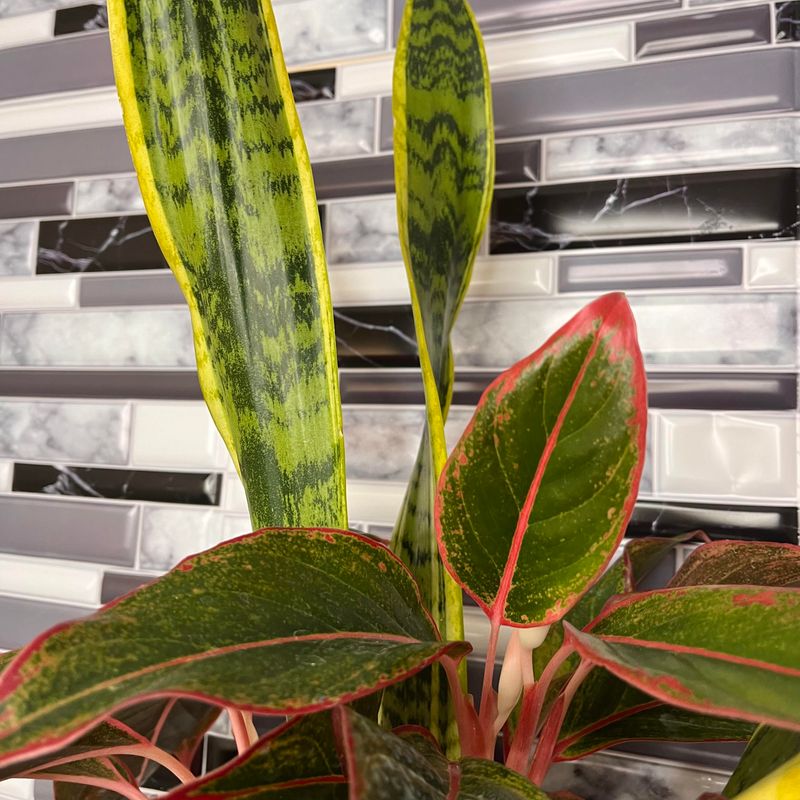
Chinese evergreens bring pattern and color variation that makes snake plants look even better by comparison. Those painted leaves, splashed with silver, cream, or pink, add visual interest without demanding extra care or attention.
Both plants share a preference for consistent temperatures and protection from cold drafts that sneak through Oregon windows during winter storms.
The care requirements overlap so completely that you can treat them as a single unit. Water when the top inch or two of soil dries out, which in Oregon’s humid winters might mean every two weeks or less.
Both plants suffer more from overwatering than underwatering, making them perfect for people who travel or simply forget to check on their plants regularly.
Chinese evergreens grow slowly and stay relatively compact, making them ideal for small spaces or crowded plant shelves. They tolerate low light but show their best colors in brighter conditions, though direct sun will scorch those decorative leaves.
The same indirect light that keeps snake plants happy works perfectly for Chinese evergreens. Neither plant needs high humidity, so they thrive in Oregon homes without requiring humidifiers or pebble trays even when indoor air dries out during summer.
7. Parlor Palm (Chamaedorea elegans)
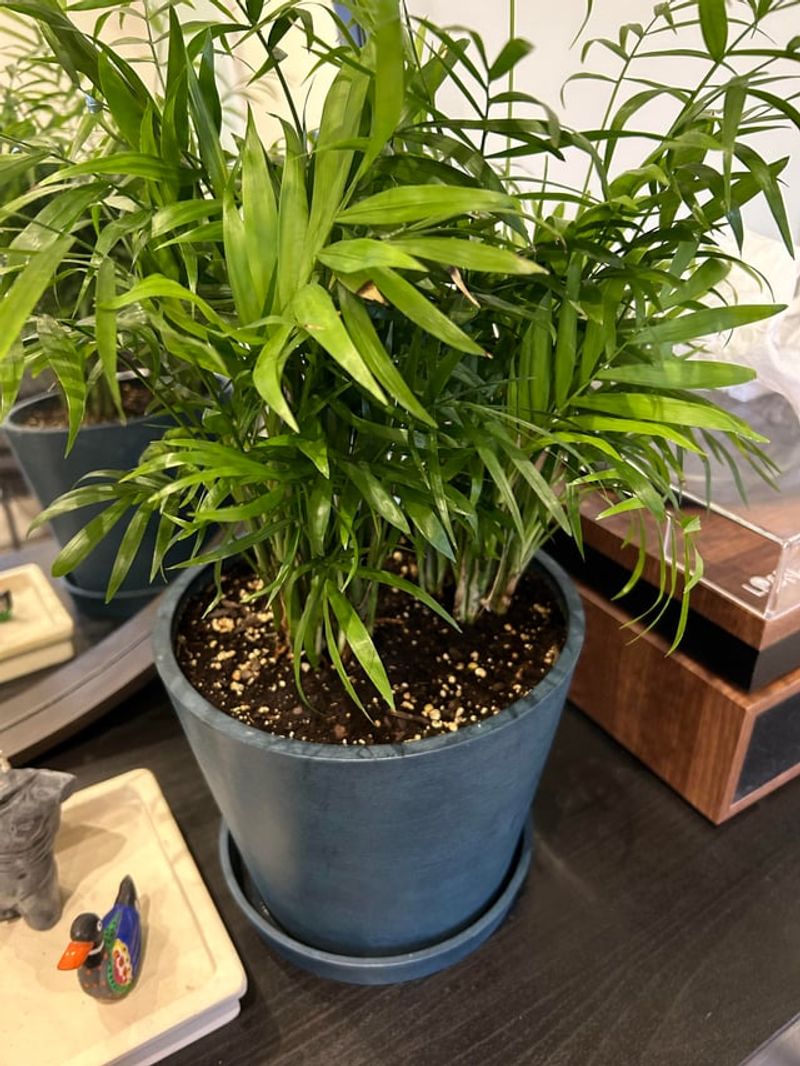
Parlor palms bring a touch of tropical elegance without the fussy care requirements that make other palms challenging. Those delicate, feathery fronds create a soft contrast to the bold, upright leaves of snake plants, adding movement and texture to your indoor garden.
Despite their delicate appearance, they’re remarkably tolerant of the same benign neglect that snake plants prefer.
Oregon’s naturally humid air during fall and winter suits parlor palms beautifully, helping them avoid the brown leaf tips that plague palms in drier climates.
They prefer slightly more consistent moisture than snake plants but still tolerate the same basic watering approach of letting soil dry between drinks.
Both plants thrive in the indirect light that’s abundant in Oregon homes, even during our cloudiest months.
The slow growth rate of parlor palms means they won’t quickly outgrow their space or demand constant repotting. They stay relatively compact, making them perfect for grouping with snake plants on tables or plant stands.
Neither plant needs frequent fertilizing, and both actually prefer being slightly underfed to overfed. Keep them away from cold windows during winter, and they’ll reward you with steady, reliable growth that requires minimal intervention throughout the year.
8. Dracaena (Dracaena marginata or fragrans)
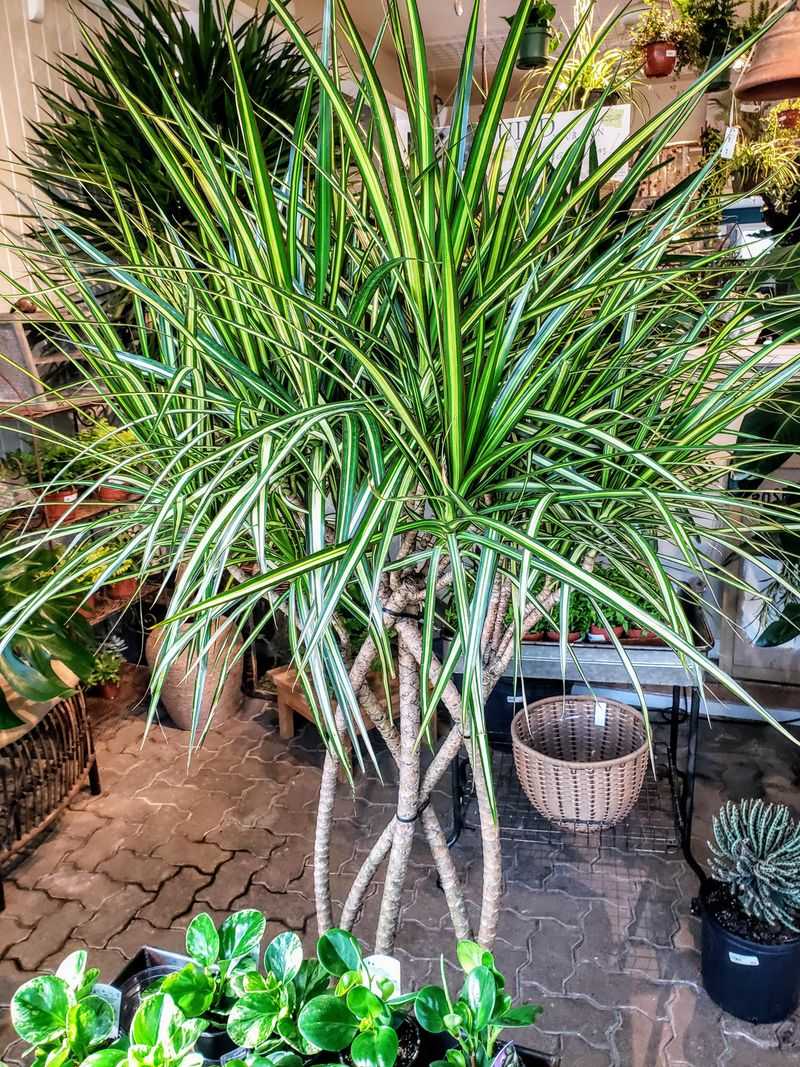
Dracaenas develop woody stems over time, creating a tree-like presence that adds height and structure to indoor gardens. The spiky leaves of Dracaena marginata echo the upright form of snake plants while adding their own distinctive character with those red-tinged edges.
Both plants share a preference for drying out between waterings, making them natural companions in Oregon homes where overwatering is a common pitfall.
The real advantage of pairing dracaenas with snake plants is their shared tolerance for Oregon’s variable indoor conditions. Neither plant demands high humidity, and both handle the temperature swings that come with opening windows on nice days or cranking up heat during cold snaps.
They prefer bright, indirect light but tolerate shadier conditions without complaint, making them flexible for different rooms and exposures.
Dracaenas grow slowly but steadily, eventually reaching impressive heights if you let them. You can control their size through pruning, and those cut stems root easily to create new plants.
Like snake plants, dracaenas are sensitive to fluoride in tap water, which can cause leaf tip browning. Using filtered water or letting tap water sit overnight helps both plants look their best throughout Oregon’s rainy season and beyond.
9. Aloe Vera (Aloe vera)
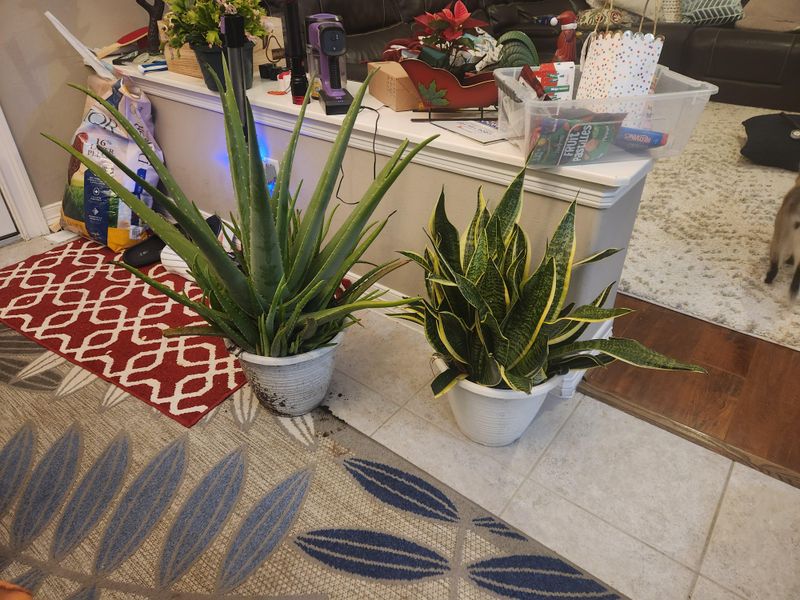
Aloe vera stores water in those thick, pointed leaves the same way snake plants do, making them perfectly matched in their watering needs.
Both plants prefer to dry out completely between drinks, which in Oregon’s humid climate might mean watering just once or twice a month during winter.
That shared preference for neglect makes them ideal companions for busy people or those new to houseplants.
The medicinal properties of aloe vera add practical value beyond decoration. Those gel-filled leaves soothe burns and skin irritations, making this plant both beautiful and functional.
Place it alongside your snake plant in a bright window where both can soak up whatever sun Oregon offers, especially during summer when days stretch long and light becomes more abundant.
Both plants need excellent drainage and prefer terracotta pots that allow soil to dry quickly. Oregon’s cool nights suit them well, as they both tolerate temperature drops that would stress more tropical houseplants.
Aloe vera produces offsets or pups that you can separate and pot up, gradually building a collection that pairs beautifully with snake plants of various sizes.
Neither plant needs fertilizer more than a few times during the growing season, keeping maintenance minimal year-round.
10. Rubber Plant (Ficus elastica)
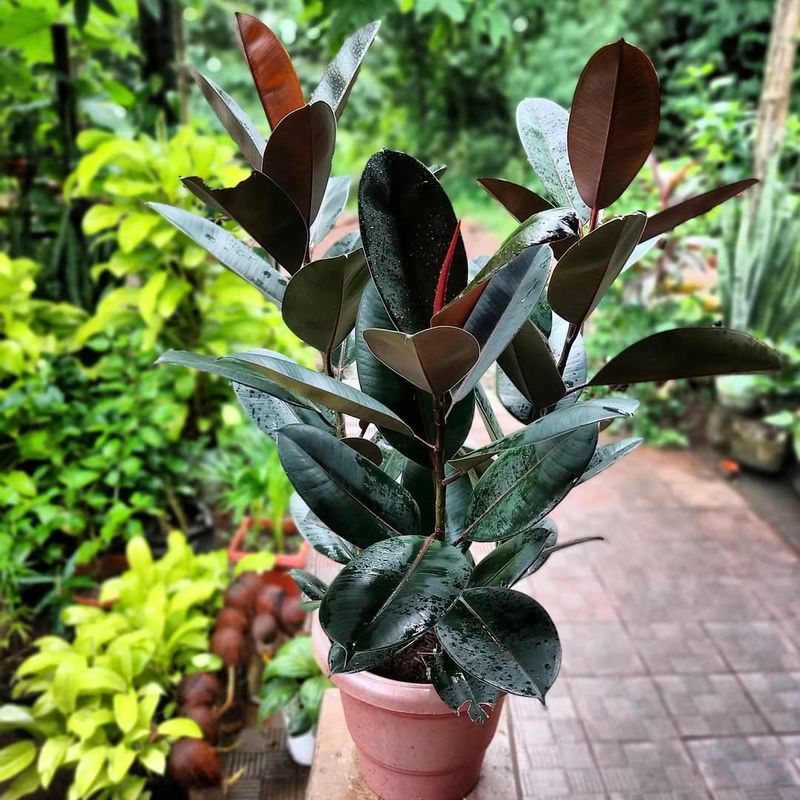
Rubber plants bring bold, glossy leaves that can reach dinner plate size, creating a striking contrast to the narrow, upright foliage of snake plants. Those substantial leaves, whether deep green or burgundy, make a statement while requiring the same basic care approach.
Both plants tolerate the indirect light common in Oregon homes and prefer their soil to dry between waterings.
Oregon’s mild indoor temperatures suit rubber plants perfectly, as they prefer consistent warmth without extreme heat. They’re more forgiving of irregular watering than their reputation suggests, bouncing back from occasional neglect just like snake plants do.
The key is avoiding overwatering, which both plants hate more than temporary drought.
Rubber plants can grow quite large over time, but regular pruning keeps them manageable and encourages bushier growth. That woody stem develops character as the plant matures, adding architectural interest that complements the structural form of snake plants.
Wipe those large leaves occasionally to remove dust, which helps them photosynthesize more efficiently during Oregon’s darker months.
Both plants benefit from consistent care rather than extremes, making them perfect partners for creating a low-maintenance indoor garden that looks lush without demanding constant attention or worry.