These 8 Plants Should Be Left Alone After Freeze Damage In Georgia
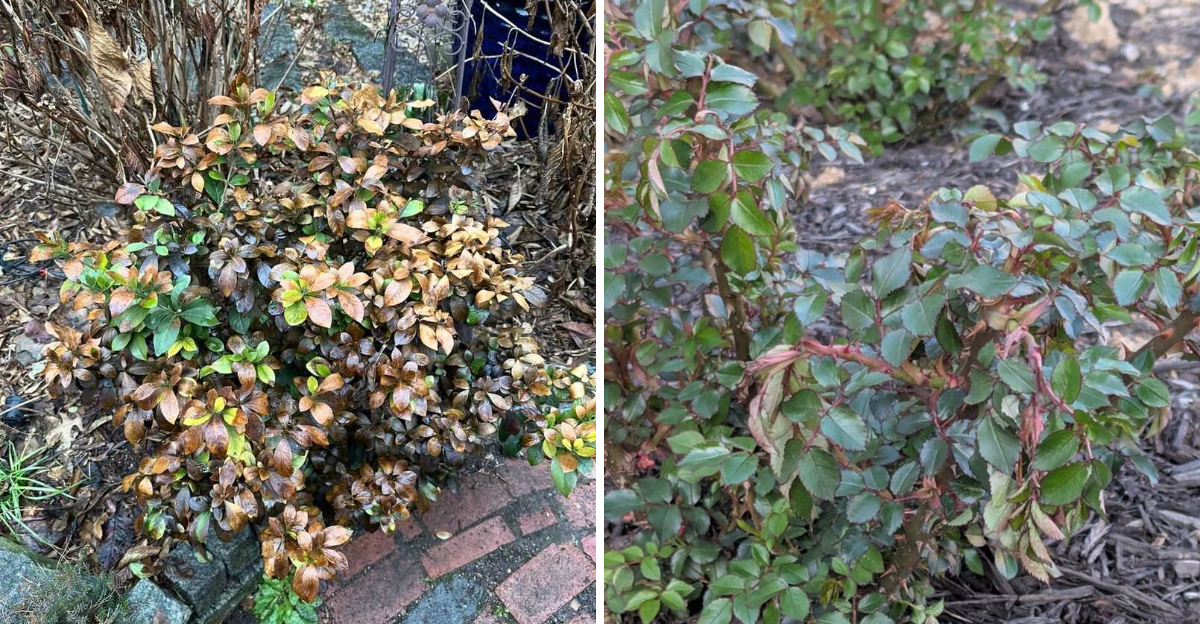
A sudden freeze can leave a Georgia garden looking rough almost overnight. Leaves turn brown, stems look tired, and it’s tempting to start cutting everything back right away.
But rushing in too soon is where many gardeners slip up. What looks damaged on the surface often still protects the plant underneath, especially during Georgia’s unpredictable late winter swings.
Those worn leaves and stems can actually help shield new growth while temperatures settle. Giving plants a little time now can make a big difference in how they recover and grow into spring.
It may feel like nothing is happening, but this waiting period is part of the process.
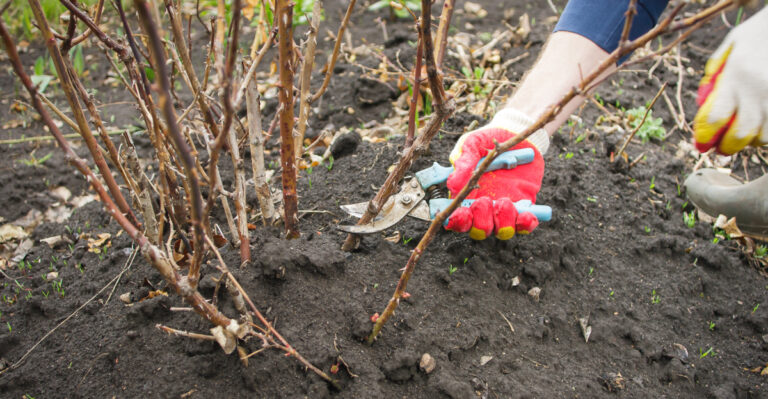
Before reaching for the pruners, it helps to know which plants respond better when they’re left alone and allowed to recover at their own pace.
1. Hydrangeas Need Time Before You Cut Anything
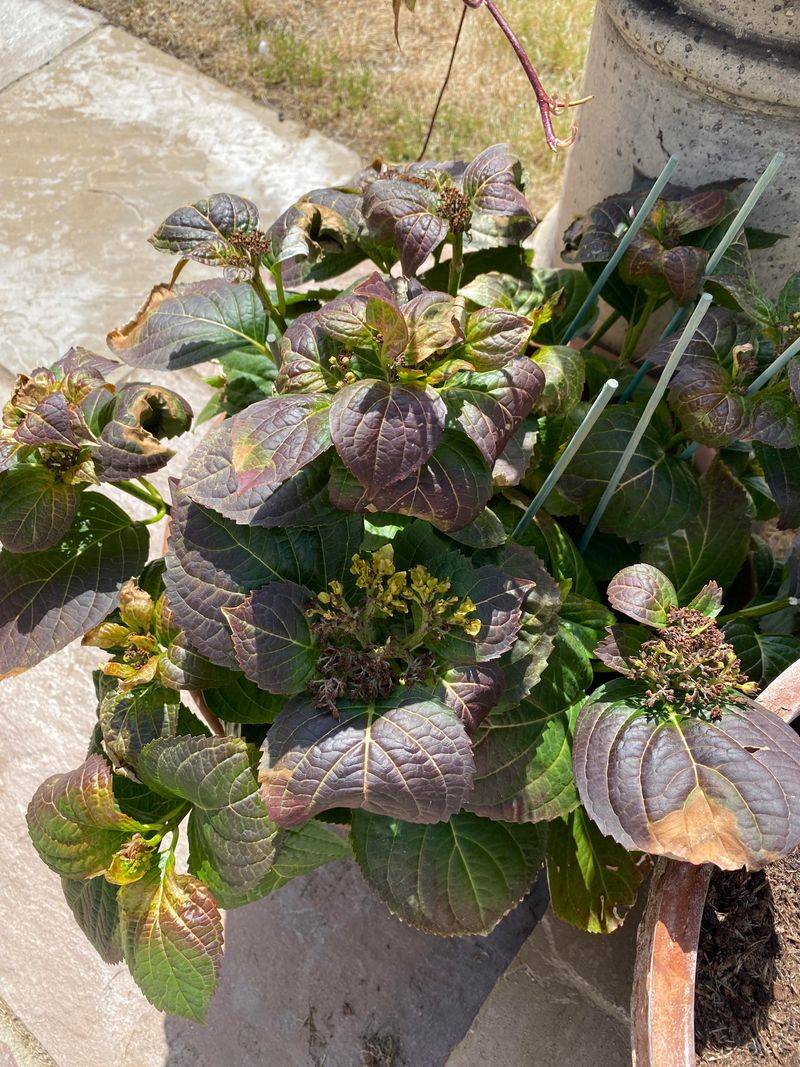
Grab your pruning shears and put them back in the shed — hydrangeas in Georgia almost always look worse than they actually are after a freeze. Those blackened leaves and mushy stem tips are alarming, but they are not the whole story.
Cutting too early removes buds that are still alive and waiting for warmer days.
Hydrangeas that bloom on old wood, like Bigleaf and Oakleaf varieties, carry their flower buds on stems that grew the previous fall. A freeze can damage the tips while the lower portions of the same stem stay perfectly healthy.
Rushing in with the shears means you are cutting off potential blooms for June and July.
Wait until late April in Georgia before assessing the damage seriously. By then, you will start to see small green buds breaking from the stems, and those are your guide.
Prune only above the lowest healthy bud you can find.
Scratching the bark lightly with your fingernail is the easiest test. Green tissue underneath means the stem is still alive.
Brown, dry tissue all the way through means that section can go. Work your way down from the tip and stop the moment you hit green.
Georgia winters vary wildly from year to year, so give your hydrangeas the full benefit of the doubt before cutting anything off.
2. Azaleas Often Recover Better Than They Look
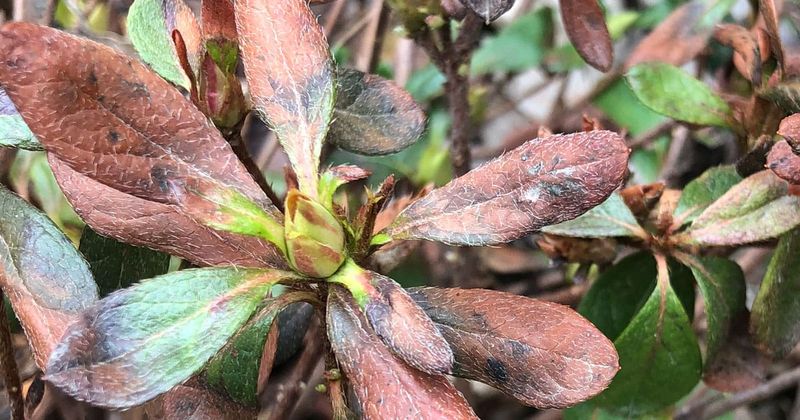
Azaleas are one of the most dramatic-looking plants after a Georgia freeze, but do not let the appearance fool you. Leaves curl tight, turn brown, and drop off in a way that looks catastrophic.
Underneath all that damage, the woody structure is usually doing just fine.
Azaleas have been growing in Georgia landscapes for generations, and they are surprisingly tough when it comes to cold snaps. A hard freeze will damage the outer foliage first, but the main branches and root system are usually well-protected.
New growth will push out once temperatures stabilize and stay consistently warm.
Pruning azaleas too early in late winter or early spring removes the energy reserves the plant needs to push out new leaves. Worse, it exposes fresh cuts to any lingering cold nights that Georgia sometimes throws at us in February and March.
A second cold snap on a freshly pruned azalea causes far more setback than the original freeze did.
Hold off until you see new green growth emerging from the base or along the branches. That is the signal the plant has recovered enough to handle light shaping.
Remove only the branches that are completely dry and brittle with no sign of life.
Most Georgia azaleas that look completely finished after a freeze come back strong by mid-spring with zero intervention needed.
3. Gardenias Can Bounce Back With Patience
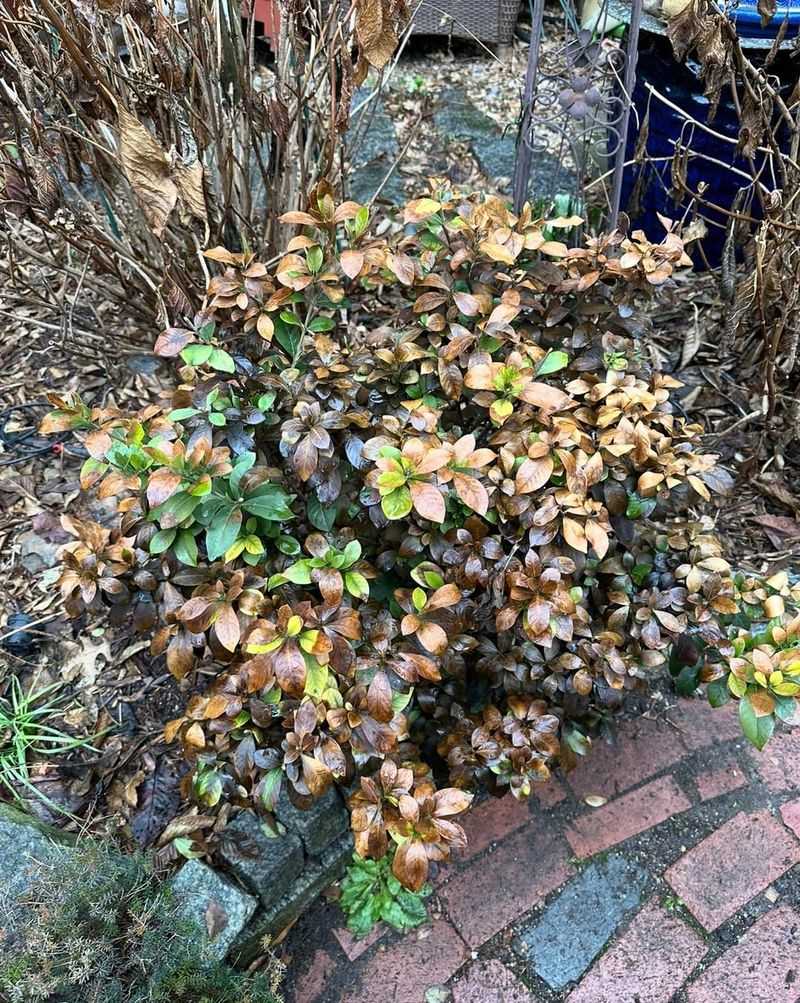
Few plants smell as incredible as a gardenia in full bloom, which makes freeze damage feel even more personal. When those glossy leaves turn black and fall off, it looks like the plant is completely finished.
Resist every urge to start cutting.
Gardenias are more cold-sensitive than many other shrubs grown in Georgia, so they tend to show dramatic damage after a hard freeze. But looking bad and being finished are two very different things.
The root system on an established gardenia is often completely unaffected by temperatures that destroy the foliage above ground.
New growth will emerge from the base of the plant and from dormant buds along the main stems once warm weather arrives consistently. In Georgia, that usually means late March through April is when you start to see signs of life returning.
Cutting before that window closes can set the plant back significantly.
When you do start assessing, use the scratch test on each branch. Scrape a small section of bark and check the color underneath.
Tan or green means it is still alive. Cutting down to living tissue and leaving the rest alone is the right approach.
Gardenias in Georgia can take a full season to look like themselves again after a hard freeze, and that is completely normal. Give them space and time before making any permanent decisions about removal.
4. Camellias Should Not Be Pruned Too Soon
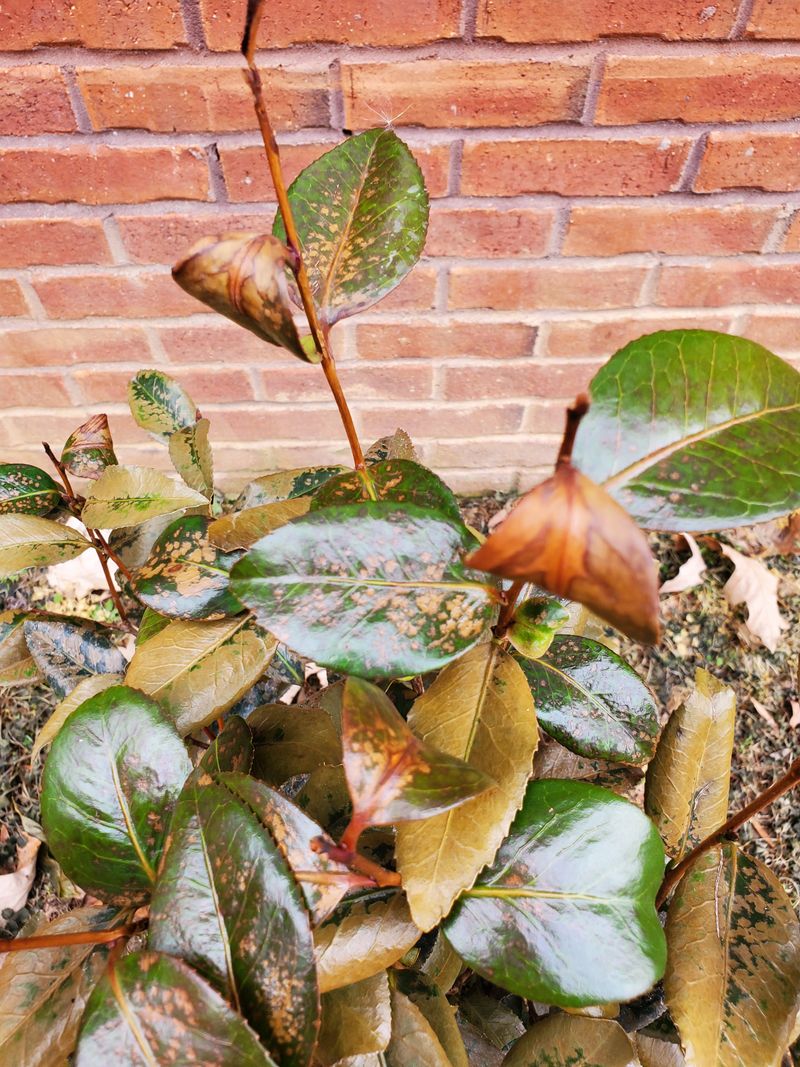
Camellias are one of Georgia’s most beloved winter-blooming shrubs, and watching freeze damage hit them mid-bloom is genuinely heartbreaking. Flowers turn brown and mushy, leaves look scorched, and the whole plant can appear to be a total loss.
Cold damage on camellias is almost always cosmetic on the outer layer. The inner wood and root system handle cold far better than the foliage suggests.
Pruning immediately after a freeze removes protective damaged material that actually shields the living tissue underneath from any additional cold nights.
Georgia’s late winter weather is unpredictable. A warm week in February can be followed by another hard freeze in early March, and that second event is what actually does the most damage to a freshly pruned camellia.
Leaving the damaged outer growth in place acts as insulation for the healthy wood inside.
Wait until consistent daytime temperatures stay above 50 degrees before you start evaluating what to remove. New growth pushing from the base or along the stems is your green light to begin light pruning.
Focus only on wood that is completely dry and snaps cleanly with no flexibility.
Camellias that look completely destroyed after a Georgia freeze have a strong track record of recovering fully by summer. Patience is the only tool that actually works here, and most gardeners who wait are glad they did.
5. Crape Myrtles Recover Without Early Cutting
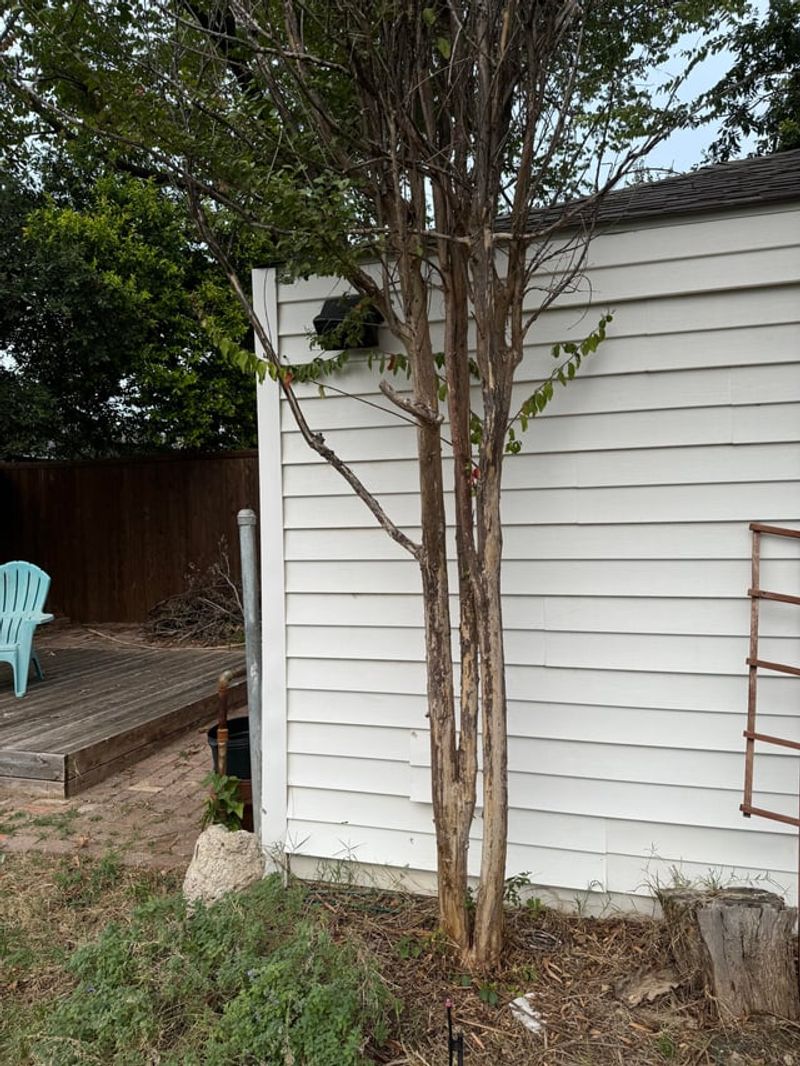
Crape myrtles already get pruned too aggressively across Georgia every single year, and freeze damage gives some gardeners yet another reason to cut them back hard. Stop.
Crape myrtles do not need your help recovering from a freeze — they need you to leave them alone.
After a hard freeze, branch tips may look black and damaged while the lower portions of the same branch are completely alive.
Cutting the entire branch because the tip looks bad is like throwing out a full bag of apples because one has a bruise. Work slowly and check carefully before removing anything.
New growth on crape myrtles in Georgia typically emerges in late April or early May, even in normal years. Freeze damage can delay that slightly, but it almost always comes.
Buds will push from the base of the plant, from the main trunk, and from lower branches that stayed protected from the worst cold.
If you start seeing green buds anywhere on the tree, that is your confirmation that the root system is healthy and recovery is underway. Only remove branches that are completely dry, brittle, and show no bud activity after consistent warm weather has arrived.
Georgia summers are long and hot, and crape myrtles are built for exactly that climate. A freeze in January or February is a setback, not a permanent condition.
Most crape myrtles in Georgia look completely normal by midsummer with zero pruning after a freeze.
6. Roses May Look Damaged But Regrow Strong
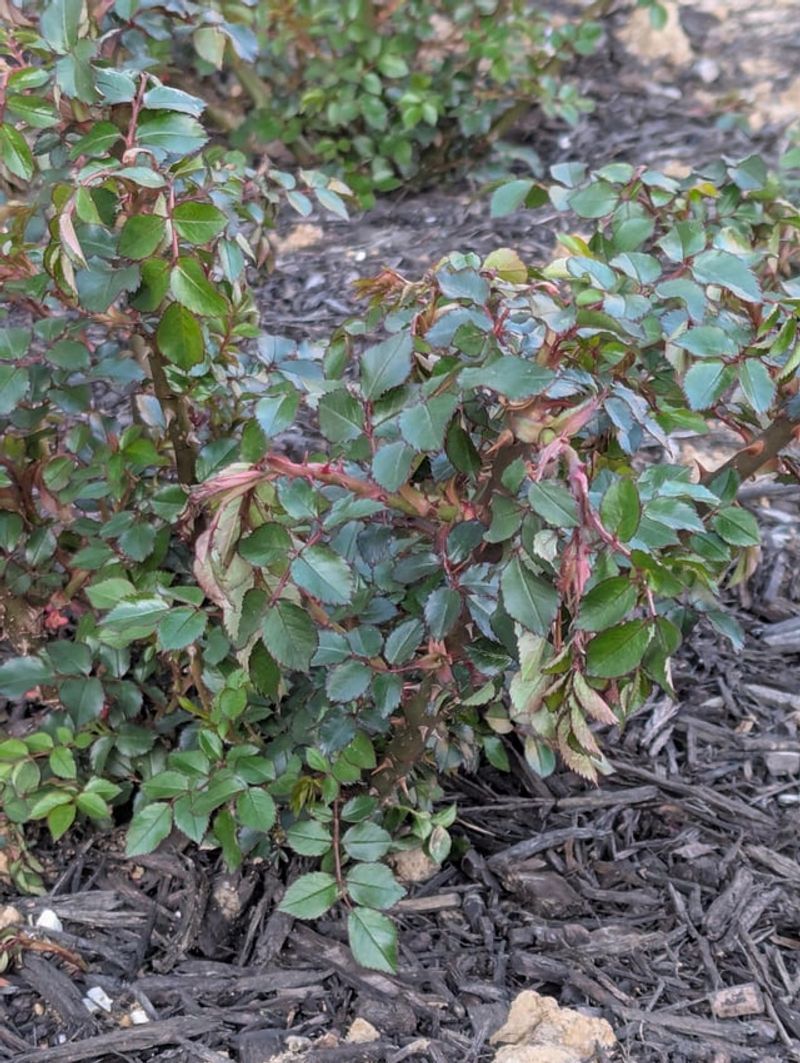
A Georgia freeze can leave rose canes looking completely blackened and shriveled, and the first instinct is always to cut everything back immediately. That instinct is wrong, at least for the first few weeks after the freeze.
Damaged outer canes actually protect the lower portions of the plant from additional cold exposure.
Georgia winters are not done after one freeze event, and exposed fresh cuts on rose canes can suffer far more damage from a follow-up cold night than the original blackened tissue ever would have caused.
Wait until you see consistent nighttime temperatures staying above freezing before you start assessing rose damage. In Georgia, that window usually opens in late February or early March depending on where you are in the state.
North Georgia gardeners should wait longer than those in the coastal or central regions.
When you do start pruning, cut just above an outward-facing bud and check the pith inside the cane. Healthy pith is white or cream-colored.
Discolored brown pith means the damage goes deeper, and you need to keep cutting downward until you hit clean tissue.
Most roses in Georgia that experience freeze damage come back with strong new growth from the base of the plant. Climbing roses and shrub roses especially tend to push vigorous new canes from the root zone.
Give them time and they will reward you by mid-spring with full, healthy growth that erases the damage completely.
7. Fig Trees Often Resprout From Lower Growth
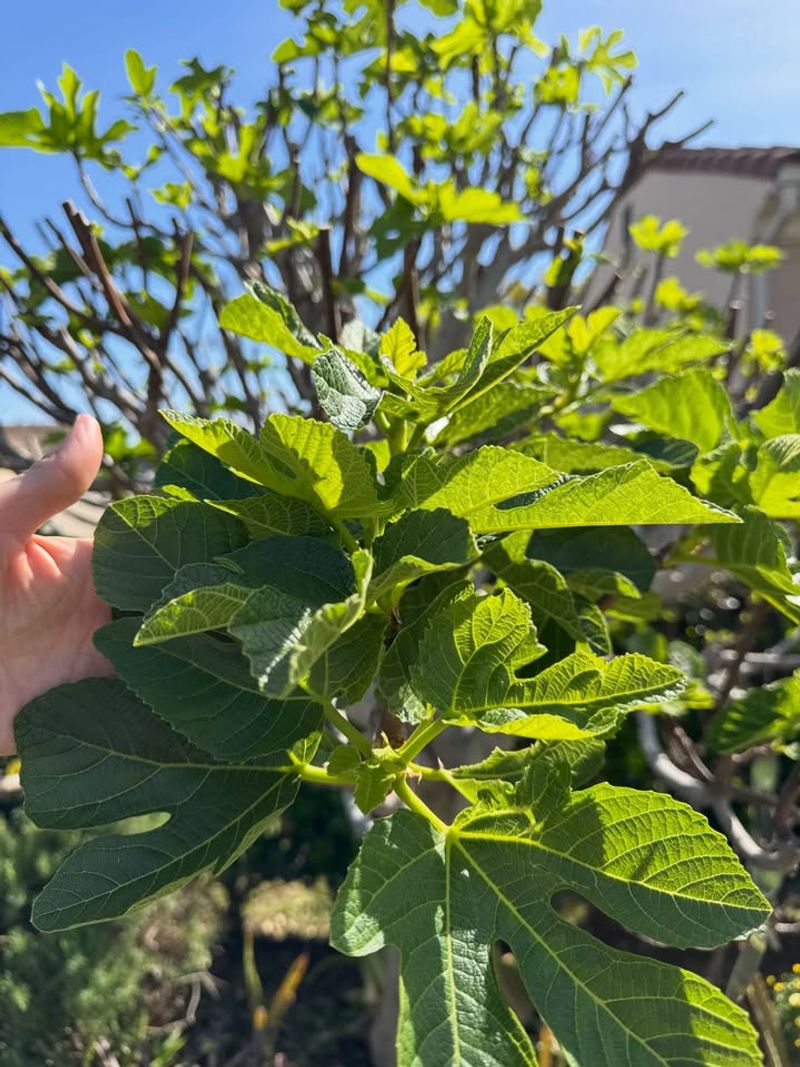
Fig trees in Georgia have a reputation for being tough, but a hard freeze can knock them back hard — sometimes all the way to the ground. That sounds like a disaster, but for a fig tree, it is actually not the end of the story.
Even when every branch above ground looks completely finished, the root system on a fig tree is remarkably resilient. New shoots will push up from the base of the trunk and from the roots once soil temperatures warm back up.
Those new shoots grow fast once they get going, and a fig tree can put on several feet of new growth in a single Georgia summer.
Cutting back the damaged wood too early removes the protective layer above those new shoots and exposes the base of the tree to any remaining cold snaps. Leave the damaged structure in place until you see new green growth pushing from the base or from lower sections of the trunk.
Once new growth is clearly established and nighttime temperatures have stabilized, you can remove the damaged wood above it.
Cut back to just above the lowest point of active new growth and let the tree take over from there.
Fig trees in middle and north Georgia face freeze events more regularly than those along the coast, and experienced gardeners in those areas know that patience after a freeze almost always pays off. New growth from the roots is strong and productive.
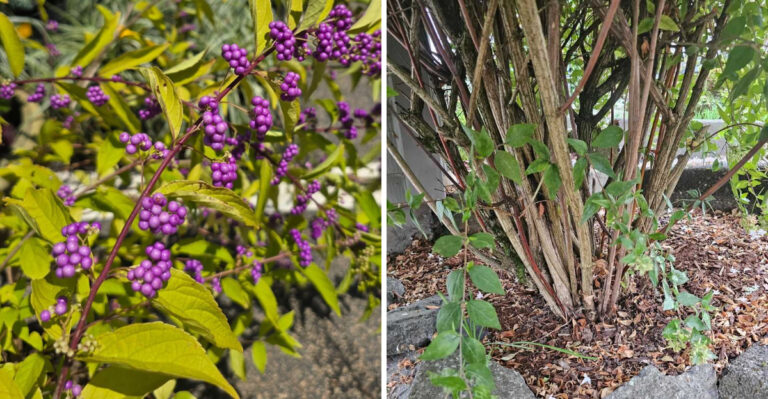
8. Beautyberry Benefits From Waiting Before Pruning
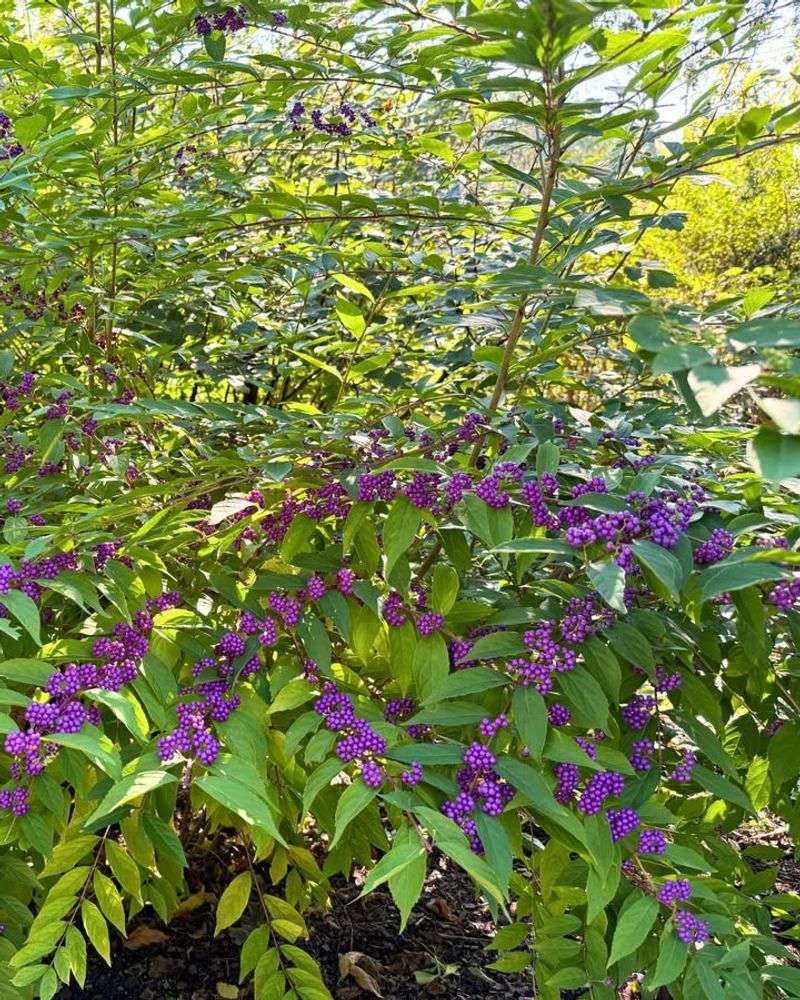
Beautyberry is one of those plants that Georgia gardeners either know well or completely overlook, but after a freeze, it deserves special attention — specifically, the attention of leaving it completely alone for a while.
Freeze damage on beautyberry typically shows up as blackened stem tips and wilted remaining foliage. Branches may look dry and lifeless all the way down.
But beautyberry has a strong habit of resprouting from the base and from lower portions of the main stems once warm weather returns consistently.
Cutting too early removes the branch structure that protects new emerging buds from late cold events.
Georgia’s late winter and early spring can still deliver surprise cold nights well into March, and those nights are exactly when exposed new growth on a freshly pruned beautyberry is most vulnerable.
Beautyberry is also one of those plants that actually responds well to being cut back hard — but that pruning should happen at the right time, not in a panic after a freeze.
Late winter to early spring pruning done at the correct moment encourages the dense, heavily fruiting growth that makes beautyberry so striking in fall.
Wait until you see buds breaking along the lower stems or pushing from the base before you make any cuts. Check each branch carefully with the scratch test before deciding it is gone.
Beautyberry in Georgia almost always has more life left in it than a freeze makes it appear, and the wait is always worth it.