These Plants Struggle Most In California Heat (Avoid Planting Them)
Ever feel like your California garden is one triple-digit afternoon away from a total meltdown?
It’s a common heartbreak: you buy a lush, nursery-perfect plant, only to watch it turn into a scorched, drooping mess the moment our relentless summer sun hits.
From the salt-spray coast to the oven-like inland valleys, California’s microclimates are famously unforgiving to plants that can’t take the heat.
The truth is, popular favorites like Japanese maples and hostas often struggle to survive a Golden State summer without a constant “life support” of shade and water.
Understanding which plants are prone to wilting can save you a fortune in nursery bills and a lot of gardener’s guilt.
1. Japanese Maple Shows Leaf Scorch In Full Sun
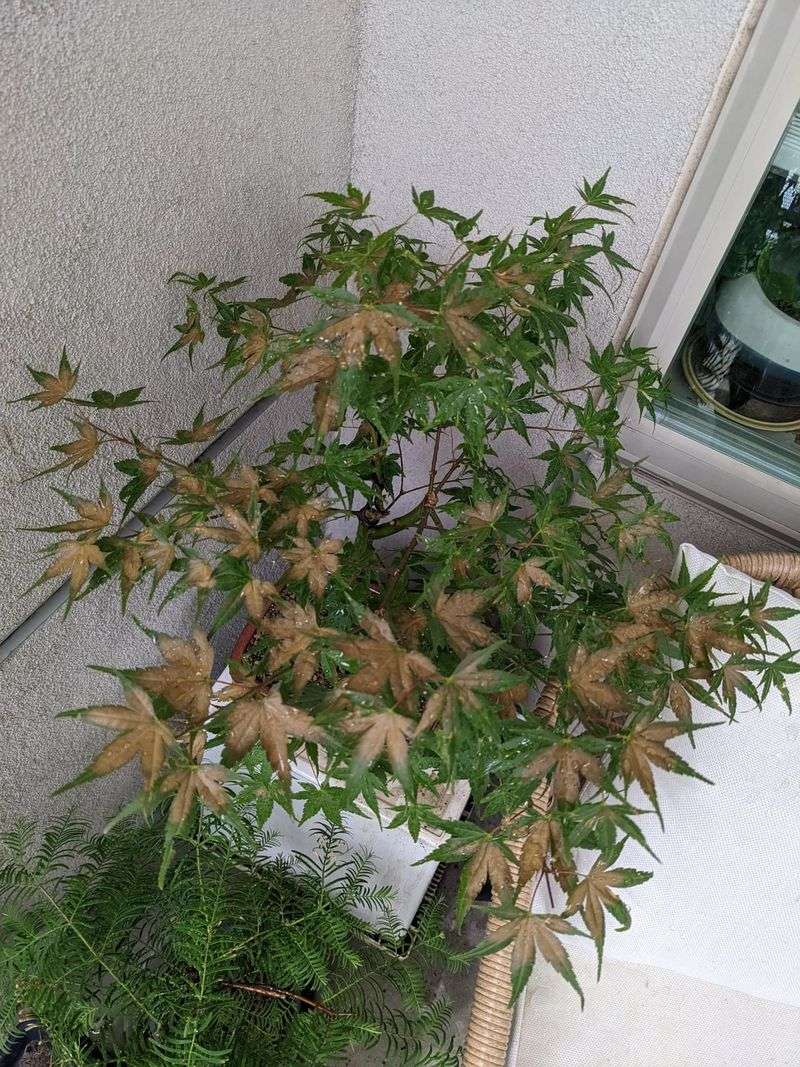
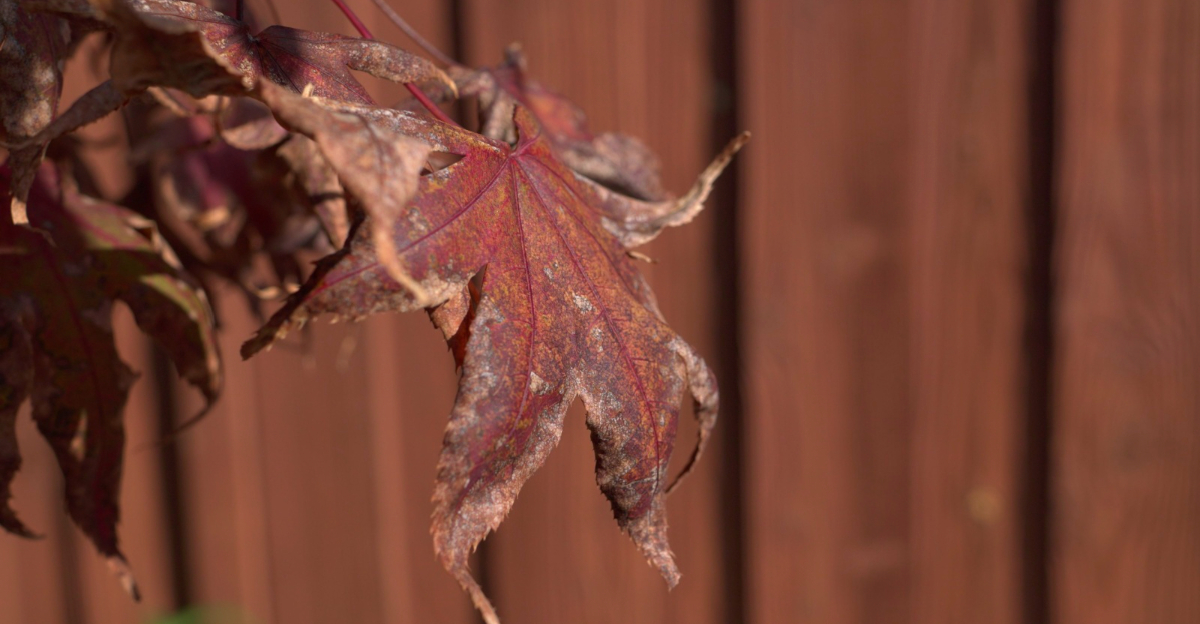
Few sights are more discouraging in a California garden than watching the feathery, delicate foliage of a Japanese maple turn crispy brown along the edges by mid-July.
These ornamental trees are beloved for their lacy leaves and stunning fall color, but their beauty comes with a significant limitation when planted in the wrong spot.
Japanese maples are native to regions with cooler summers and higher humidity, two things that much of California simply does not offer during peak heat months.
Leaf scorch is the most common and visible sign of heat stress in Japanese maples. The damage typically starts at the tips and margins of leaves, gradually working inward as temperatures climb.
In inland California areas where summer temperatures regularly exceed 95 degrees Fahrenheit, even established trees can show severe scorch by August.
Young trees are especially vulnerable because their root systems have not had time to access deeper, cooler soil moisture.
Planting location matters enormously with this tree. A spot that receives morning sun and afternoon shade can make a real difference, particularly in warmer California microclimates.
Consistent, deep watering during dry spells helps roots stay hydrated, and a generous layer of organic mulch around the base reduces soil temperature and retains moisture.
Choosing a more heat-tolerant variety, such as those in the Acer palmatum dissectum group, can also improve outcomes.
Still, gardeners in hot inland California valleys should weigh whether the ongoing care demands align with their available time and water resources before committing to this stunning but finicky tree.
2. Hostas Wilt Under Hot California Days
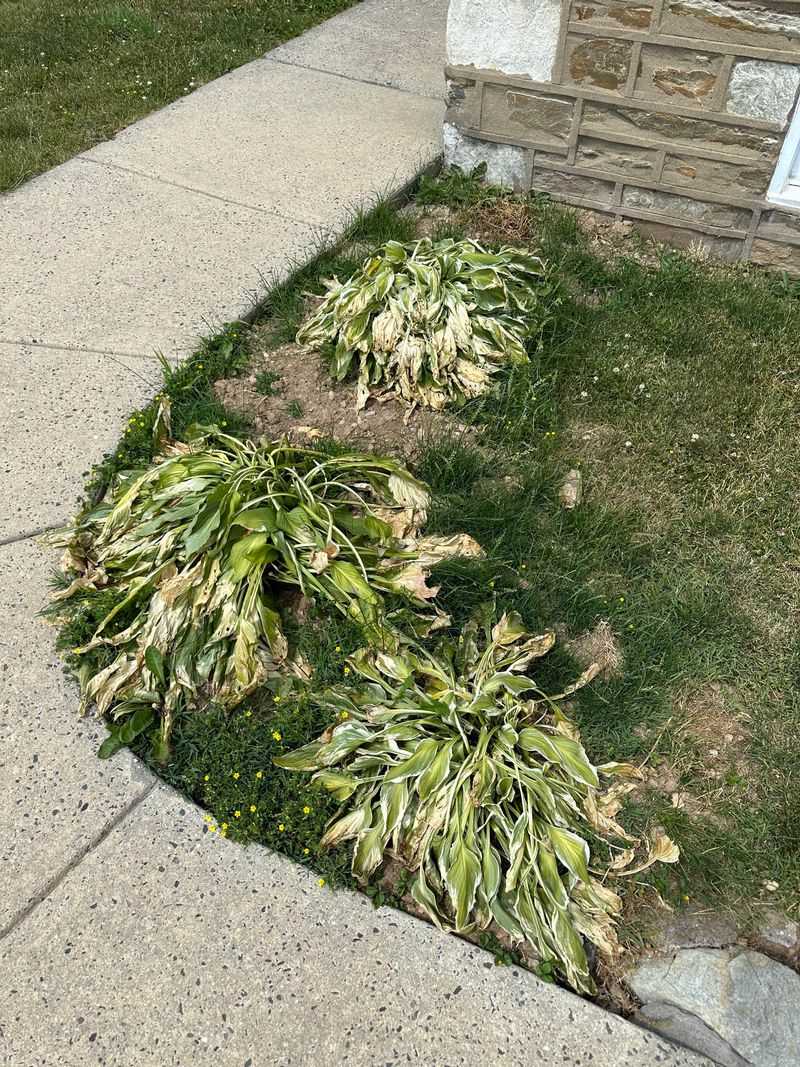
Walk through any shaded garden in the Pacific Northwest and you will likely spot hostas thriving in lush, full mounds of bold foliage. Bring that same plant to a sun-drenched California backyard, and the story changes quickly.
Hostas are fundamentally shade-loving perennials that evolved in cool, moist woodland environments across Asia, and California’s summer conditions tend to work against nearly every preference they have.
In California, the combination of intense sun, low humidity, and limited rainfall creates a tough environment for hostas.
Even when planted in partial shade, the reflected heat from fences, walls, and dry soil can push temperatures beyond what hostas can handle comfortably.
Leaves begin to wilt in the afternoon heat, then develop pale or bleached patches where sun has hit them directly.
Over time, the plant may stop producing new growth entirely as it focuses its energy on basic survival rather than expansion.
Gardeners who are determined to grow hostas in California have the best chance of success in coastal zones with natural fog and mild summer temperatures.
Inland, success requires deep shade, regular irrigation, and soil amended with plenty of organic matter to retain moisture.
Mulching heavily around the root zone helps buffer soil temperature swings between morning and afternoon. Even with all of these accommodations, hostas in California rarely achieve the lush, magazine-worthy look they display in cooler climates.
For gardeners working with limited water budgets or minimal shade structures, choosing a more climate-adapted alternative is likely the more practical and satisfying path forward.
3. Camellias Lose Blooms In Inland Heat
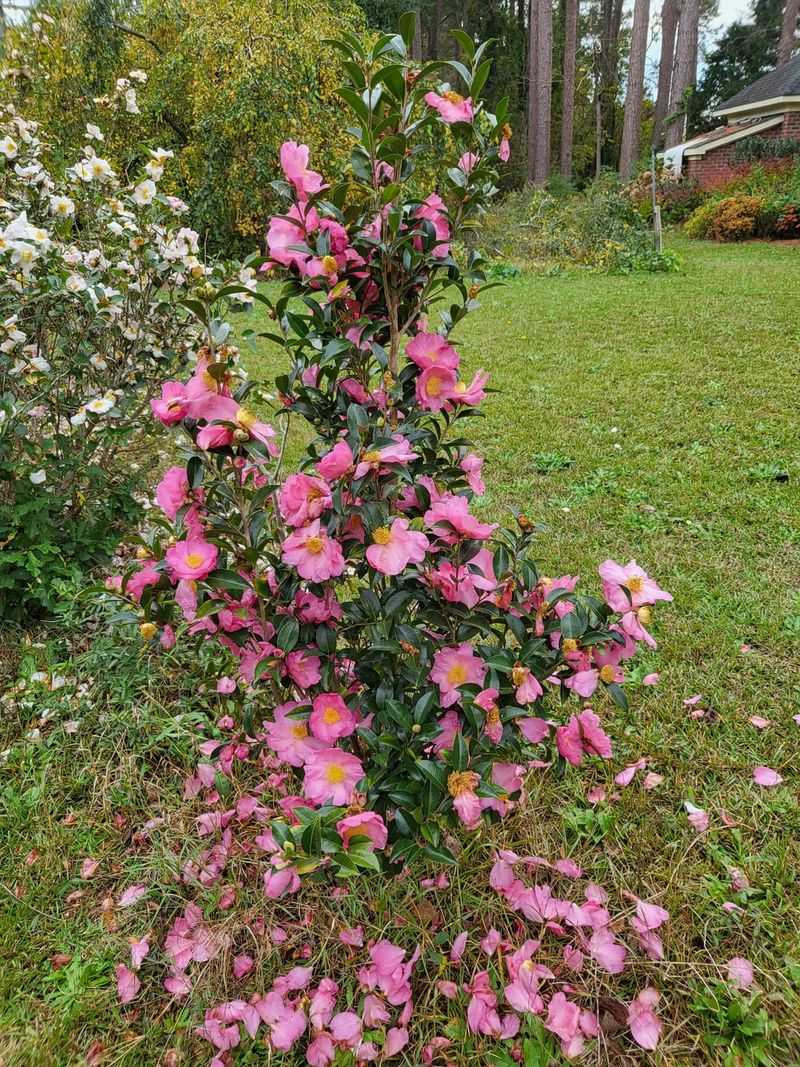
Camellias have long been a favorite in California gardens, prized for their glossy evergreen foliage and spectacular late-winter blooms. Along the cooler California coast, they often perform beautifully.
Move them inland, though, and the heat of summer becomes a real obstacle that can affect not just blooms but the overall health of the shrub over several seasons.
The primary issue for camellias in hot California regions is bud drop and bloom browning.
Camellias set their flower buds during summer, and when temperatures stay consistently high during this critical period, the buds may fail to develop properly or fall from the plant before they ever open.
When blooms do manage to open during a warm spell, they often brown at the edges quickly, losing their ornamental appeal within days. This is especially frustrating given how long gardeners wait through the year for camellia season to arrive.
Heat also stresses camellia roots, particularly when soil dries out rapidly in high temperatures.
Camellias prefer well-drained but consistently moist, acidic soil, and California’s alkaline, sandy, or clay-heavy soils can compound the challenge.
Afternoon shade from a structure or larger tree can shield the plant during the hottest part of the day. Deep, infrequent watering encourages roots to grow downward toward cooler soil layers, which builds resilience over time.
Gardeners in inland California valleys, including the Central Valley and parts of Southern California, may find that the effort required to keep camellias thriving through summer outweighs the reward of their brief blooming season.
4. Fuchsia Struggles With Summer Sun And Dry Soil
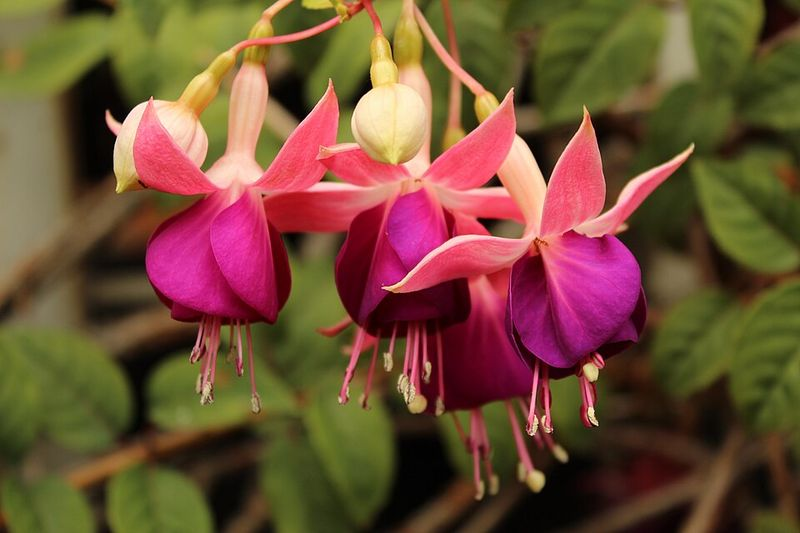
There is something almost whimsical about fuchsia, with its pendulous, jewel-toned flowers dangling like earrings from hanging baskets and shaded garden corners.
Coastal California gardeners in areas like San Francisco and Santa Cruz have enjoyed fuchsias for generations, taking advantage of the natural fog and mild summer temperatures that suit this plant so well.
Venture into hotter, drier parts of California, however, and fuchsia reveals just how particular its needs really are.
Fuchsia is native to cool, moist mountain regions of Central and South America, which means it is genuinely not equipped for the heat and aridity that define a California inland summer.
When temperatures push past 80 degrees Fahrenheit for extended periods, fuchsia plants begin to show clear signs of distress.
Flowers drop prematurely, leaves wilt and may develop a papery, dried texture, and new growth slows or stops altogether.
The plant essentially shuts down its energy-intensive blooming process to redirect resources toward basic survival.
Dry soil accelerates this decline significantly. Fuchsias need consistent moisture at the root zone, and California’s dry summers combined with fast-draining soils make that goal difficult to maintain without frequent irrigation.
Potted fuchsias may need water every day during hot stretches, which conflicts with California’s water conservation goals and drought restrictions.
Gardeners in cooler coastal zones can extend fuchsia’s season with afternoon shade and regular feeding.
But for those in hotter inland regions, the maintenance demands of fuchsia during summer make it a less practical choice compared to heat-tolerant alternatives that require far less intervention to look their best.
5. Astilbe Turns Brown Without Constant Moisture
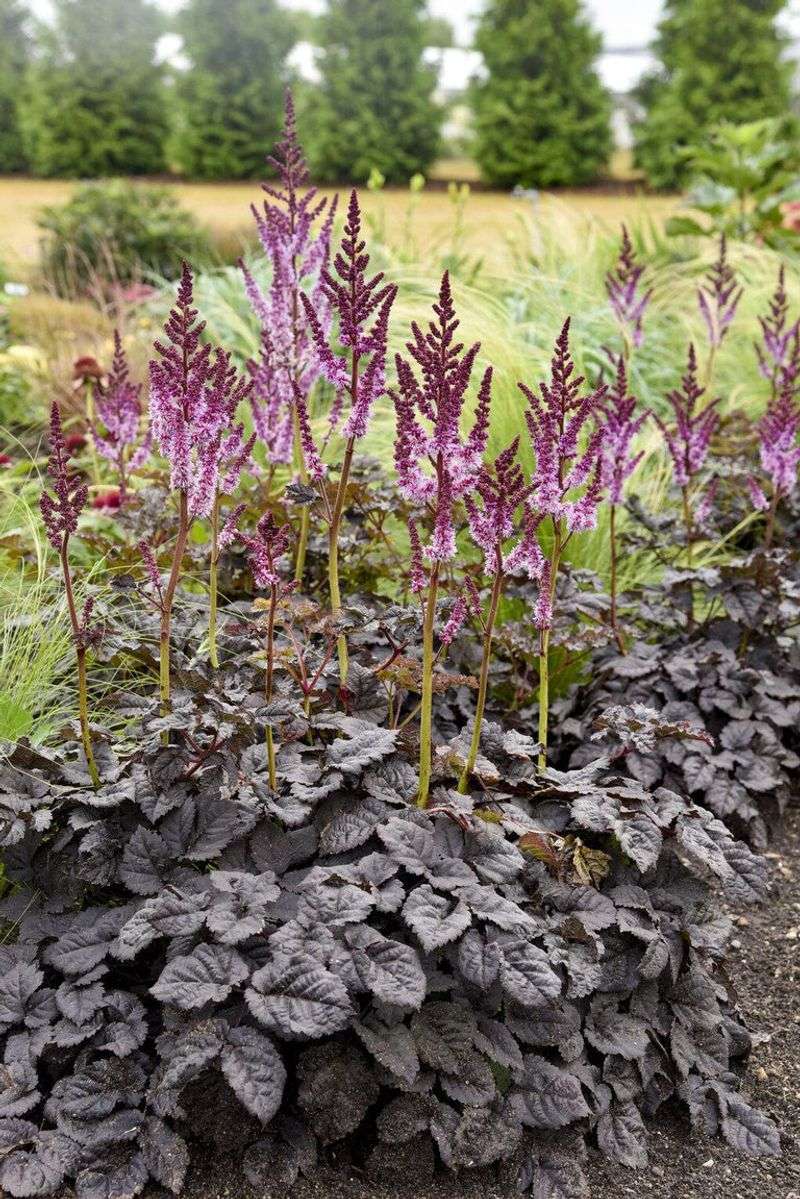
Astilbe is one of those plants that photographs beautifully in garden magazines, its feathery plumes rising in shades of pink, red, white, and lavender above deeply textured foliage.
What those photographs rarely show is the growing environment that makes astilbe look that way: cool temperatures, rich woodland soil, and reliable moisture from spring through summer.
California’s climate checks very few of those boxes for most of the growing season.
In hot, dry California conditions, astilbe tends to decline rapidly once summer heat sets in. The foliage, which starts out lush and fern-like, begins to yellow at the margins and then turns a crisp, papery brown as moisture stress takes hold.
The flower plumes, if they develop at all in warmer climates, tend to dry out and turn an unattractive straw color rather than holding their vibrant hues.
Root systems that are unable to access consistent moisture essentially force the plant into a stressed dormancy that weakens it over time.
Even in California’s cooler coastal gardens, astilbe can struggle during extended dry spells without supplemental irrigation. Inland gardens face a much steeper challenge, where soil temperatures spike and surface moisture evaporates quickly.
Planting astilbe in deep shade and amending the soil heavily with compost can help retain some moisture, but regular watering remains essential.
Drip irrigation targeted at the root zone is more effective than overhead watering for keeping astilbe hydrated without encouraging fungal issues.
For gardeners committed to low-water or low-maintenance landscapes, astilbe’s constant thirst makes it a difficult plant to justify in most California settings.
6. Bleeding Heart Fades When Temperatures Soar
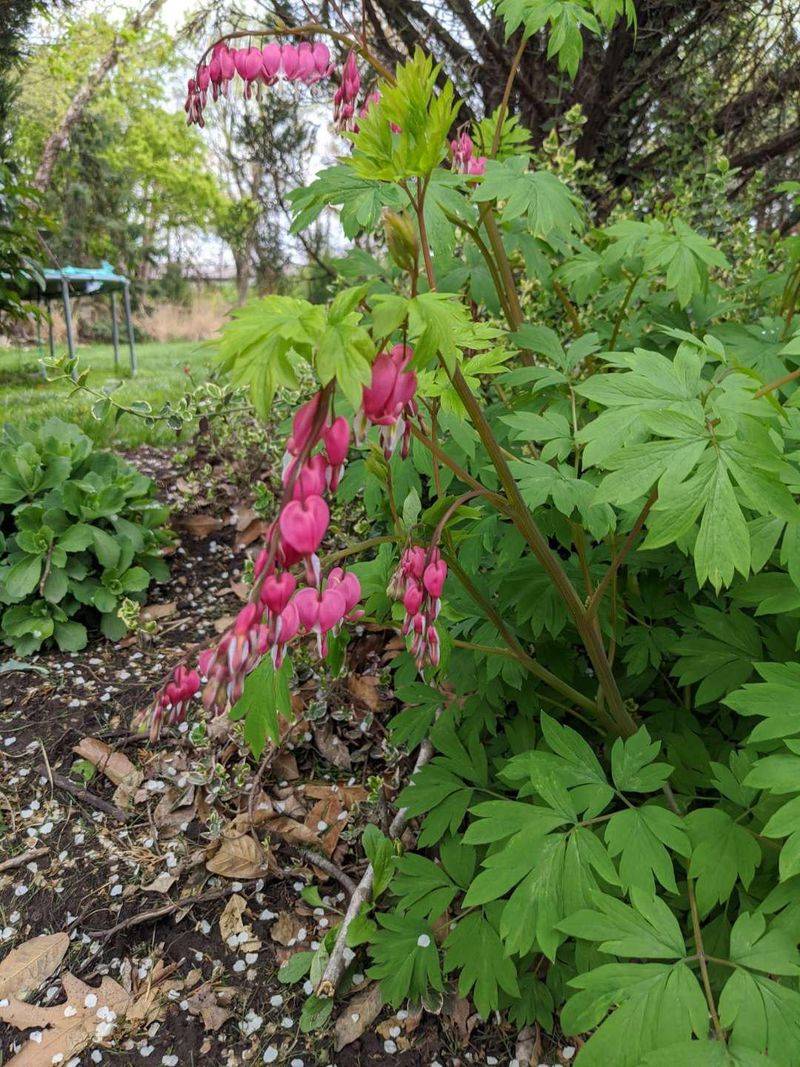
Bleeding heart is one of spring’s most charming perennials, producing arching stems lined with heart-shaped flowers in rosy pink or white.
Gardeners who first encounter it in early spring often fall in love immediately and want to make it a permanent feature of their landscape.
In California, however, the relationship between gardener and bleeding heart tends to be brief and somewhat one-sided, with the plant retreating underground well before summer reaches its peak intensity.
Bleeding heart is a cool-season perennial that goes dormant naturally as temperatures rise, and in California’s warm climate, that dormancy can arrive frustratingly early.
By late spring or early summer in many California regions, the foliage begins to yellow and collapse, leaving a bare gap in the garden bed that can be difficult to fill gracefully.
In coastal California with mild, foggy summers, the plant may hold on a bit longer, but inland heat tends to push it into dormancy within weeks of its blooming period ending.
The challenge is not just the disappearing act but the stress that heat places on the roots during dormancy.
Bleeding heart roots are sensitive to high soil temperatures, and when summer heats the ground in California gardens, the rhizomes can weaken significantly.
Planting in deep shade with excellent drainage and surrounding the area with other perennials that will fill the space as bleeding heart fades can help manage the visual gap.
Gardeners should avoid overwatering dormant plants, as soggy soil during summer dormancy can lead to root rot.
For most California inland gardens, bleeding heart works best as a short-season accent rather than a reliable landscape anchor.
7. Caladium Leaves Suffer In Direct Sunlight
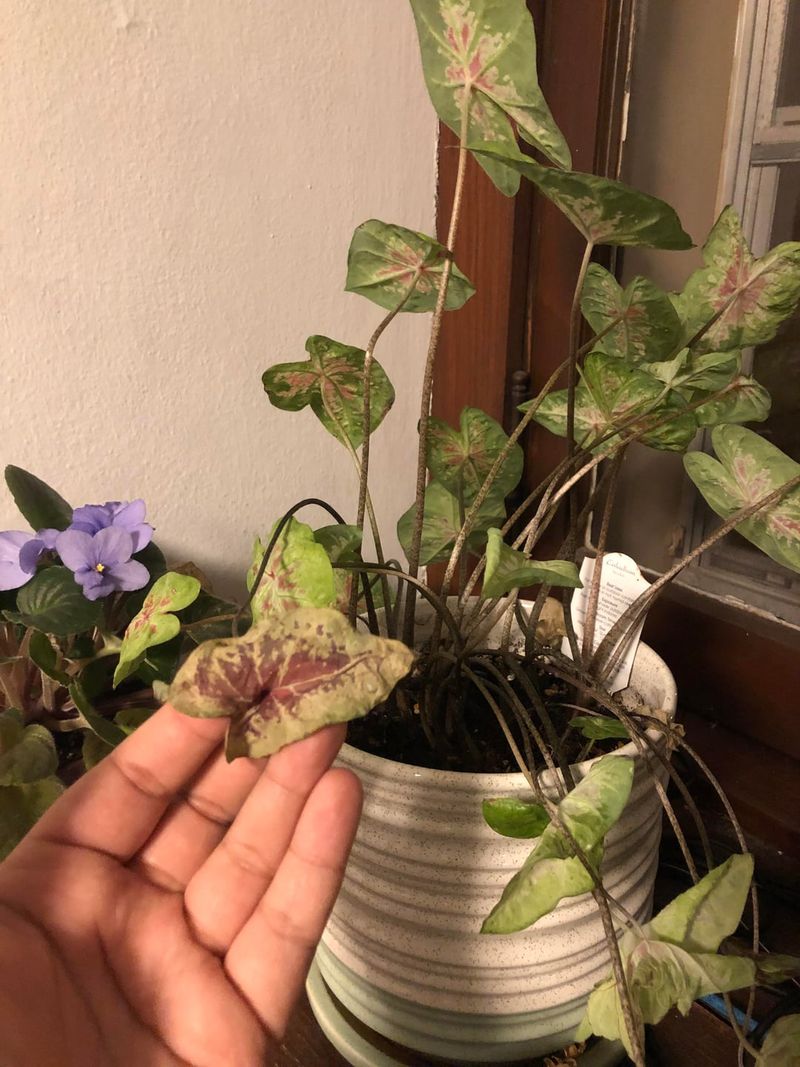
Bold, tropical, and almost impossibly colorful, caladiums are the kind of plant that makes a garden bed look like a painting.
Their large, paper-thin leaves come in striking combinations of red, pink, white, and green, making them a popular choice for adding dramatic color to shaded spots.
The key word there is shaded, because caladiums and direct California summer sun are genuinely a poor match, even though they are often sold alongside full-sun annuals at garden centers.
Caladiums originated in tropical South America, where they grow under the canopy of larger plants in filtered, dappled light with high humidity and consistently warm but not scorching temperatures.
California’s direct summer sun is far more intense than what caladiums encounter in their native habitat, and the combination of UV intensity, low humidity, and heat can cause rapid leaf damage.
Leaves develop bleached or burned patches, edges turn brown and crispy, and the overall plant may collapse dramatically during a heat wave.
Even in shaded California gardens, caladiums need careful management during summer.
They prefer soil that stays consistently moist but not waterlogged, which can be tricky to maintain as soil temperatures climb.
Mulching around the base helps buffer heat and slow moisture loss. Gardeners in California’s coastal zones may find caladiums more manageable, especially in spots with morning light and afternoon shade from structures or trees.
Inland California gardeners who love caladiums might consider growing them in containers that can be moved to cooler, shadier spots as temperatures climb, giving more flexibility than in-ground planting allows during the hottest months of the year.