These 8 Plants Thrive Near Ohio Driveways
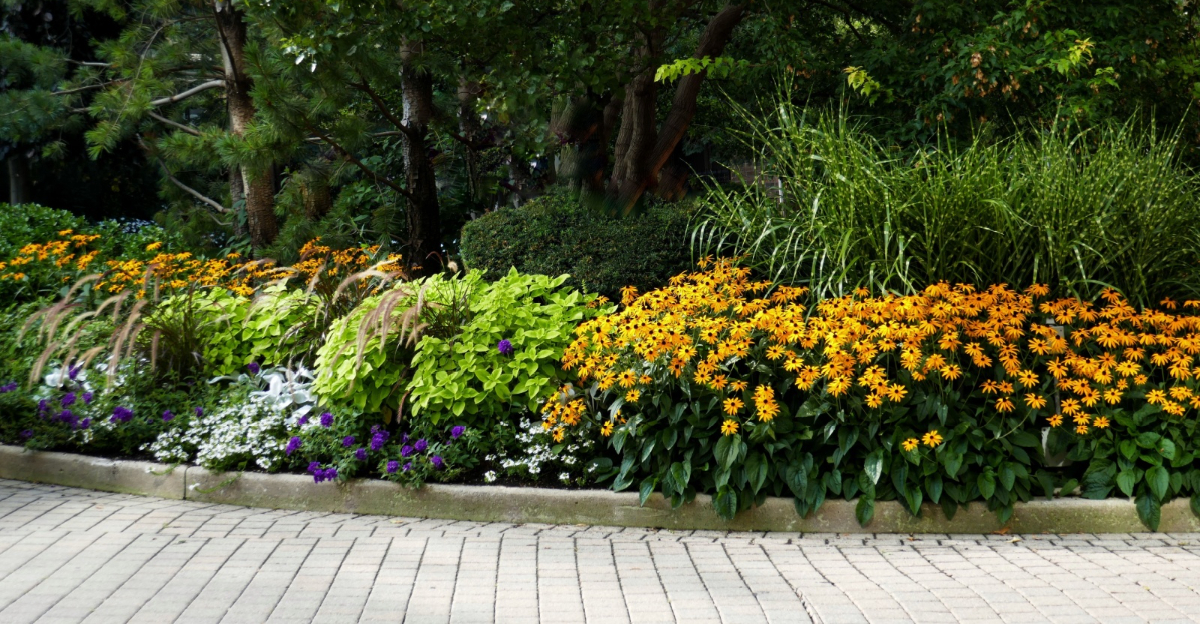
A driveway might seem like the toughest place in an Ohio yard for plants to survive. Heat from pavement, winter salt, splashing rain, and constant sun create a harsh environment that quickly weakens many garden favorites.
Yet some plants handle these conditions with surprising strength and still deliver beautiful color, texture, and life right beside the concrete. In fact, the strip along a driveway can become one of the most eye-catching parts of a landscape.
The right plants soften hard edges, frame the entrance to your home, and add a burst of greenery where most people expect bare mulch or gravel.
Ohio gardeners who choose wisely often discover that this overlooked space turns into a thriving border that looks good through much of the season.
The secret lies in picking plants built for the challenge.
1. Tough Daylilies That Handle Heat And Roadside Conditions
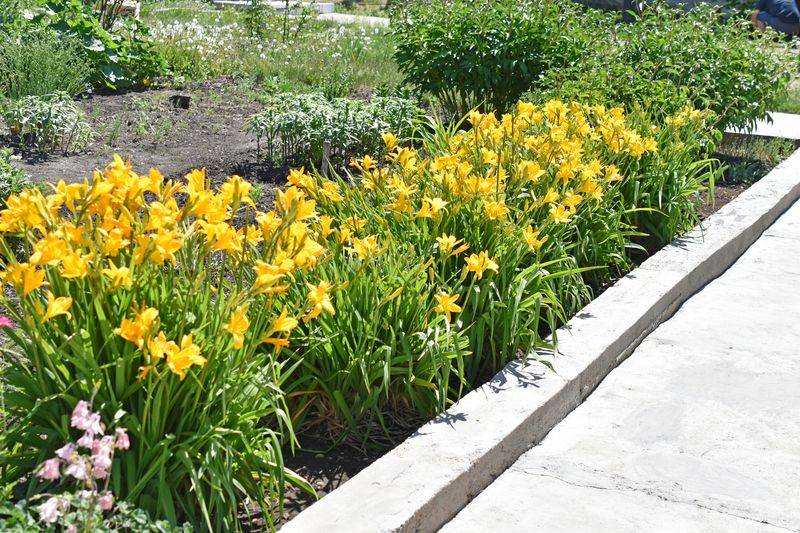
Few plants shrug off roadside heat quite like daylilies do. Along Ohio driveways where pavement radiates warmth and reflected sunlight can scorch more delicate plants, daylilies stay colorful and upright without complaint.
Their thick, fleshy roots store water efficiently, making them remarkably forgiving during dry Ohio summers when rainfall gets spotty.
Hemerocallis varieties come in an impressive range of colors, from soft peach and golden yellow to deep burgundy and bright orange. Most bloom for several weeks between June and August, and some reblooming types push out a second flush of flowers later in the season.
Planting a mix of early, mid, and late-season varieties keeps the driveway border looking lively for months.
One of the best qualities daylilies bring to a driveway planting is their adaptability. They grow in clay-heavy Ohio soil just as well as in sandy or loamy ground, and they rarely need fertilizing more than once a year.
A sunny spot with at least six hours of direct light is ideal. Space plants about eighteen inches apart, and divide clumps every three to four years to keep them blooming at their best.
2. Purple Coneflowers That Thrive In Sunny Ohio Yards
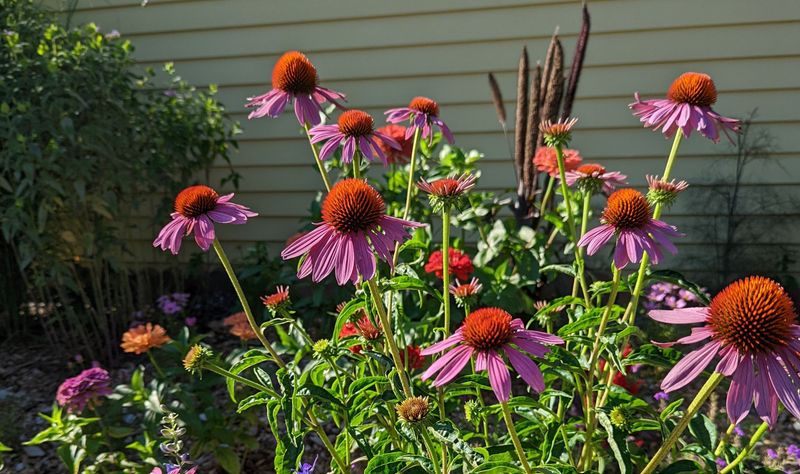
There is a reason purple coneflower shows up in so many Ohio front yards. Echinacea purpurea is a native Midwest wildflower that has spent thousands of years adapting to exactly the kind of conditions Ohio driveways offer: full sun, poor soil, and stretches of dry weather.
Once established, it needs almost no extra attention from the gardener.
The blooms arrive in midsummer and last well into fall, with rosy-purple petals surrounding a spiky orange-brown center. Bees, butterflies, and goldfinches are drawn to coneflowers throughout the season, making them a fantastic choice for anyone who wants to support local pollinators.
Leaving the seed heads standing through winter also gives birds a food source during colder months.
Coneflowers grow best in well-drained soil and full sun, though they tolerate partial shade reasonably well. In Ohio’s heavier clay soils, adding a bit of compost to the planting hole helps with drainage.
Plants typically reach two to four feet tall, so they work well as a mid-border accent rather than a low edging plant. Spacing them eighteen to twenty-four inches apart allows good air circulation and reduces disease pressure over time.
3. Low Growing Creeping Thyme That Spreads Between Stones
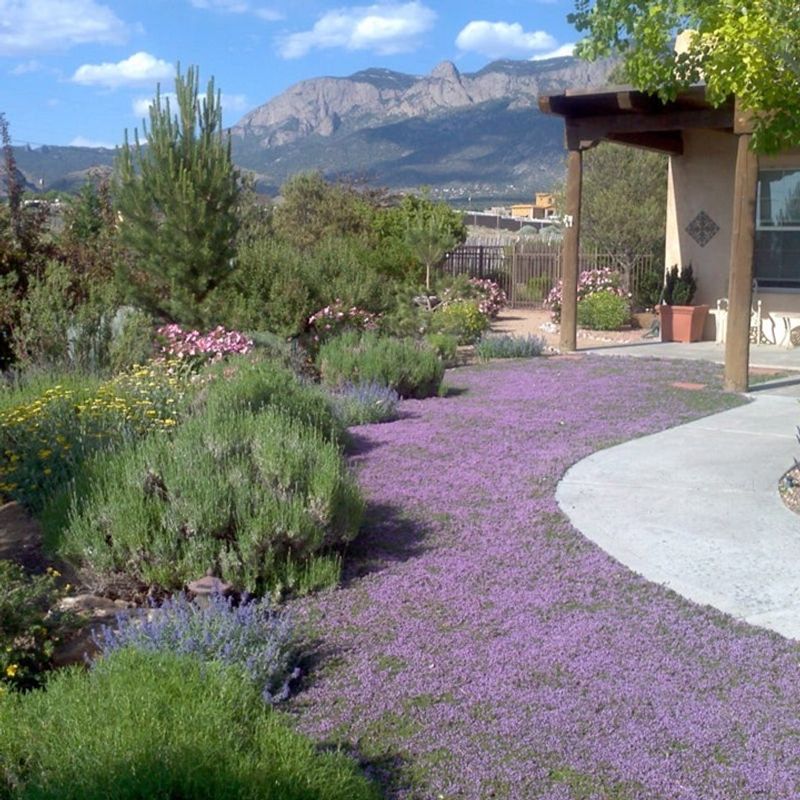
Tucked between driveway pavers or spreading along a stone edging, creeping thyme is one of those plants that seems almost too good to be true. It stays low, rarely topping three inches in height, and produces a carpet of tiny pink or purple flowers in late spring and early summer.
Step on it lightly and it releases a pleasant herbal fragrance that makes weeding feel almost enjoyable.
Thymus serpyllum and related varieties handle Ohio summers with ease, tolerating heat, reflected sunlight, and dry stretches without wilting. Sandy or gravelly soil that drains quickly is where creeping thyme truly shines.
In areas where Ohio clay sits heavy, mixing in coarse sand or gravel before planting improves drainage and helps the plant establish faster.
Beyond the driveway edge, creeping thyme works beautifully as a lawn alternative in small sunny patches or as a filler between stepping stones. It crowds out weeds naturally as it spreads, reducing maintenance over time.
Plant divisions or plugs about eight to twelve inches apart for reasonably quick coverage. Hardy through Ohio winters down to zone 4, it comes back reliably each spring looking fresh and ready to bloom again.
4. Hardy Sedum That Loves Hot Dry Driveway Edges
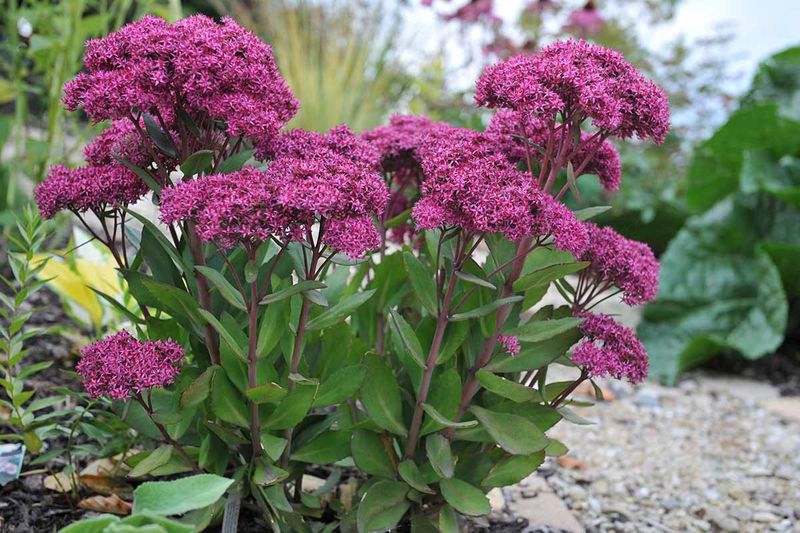
If there is a plant built for the harshest spot along a driveway, sedum is it. Sometimes called stonecrop, this succulent perennial stores water in its thick, waxy leaves, allowing it to sail through dry Ohio summers that would stress most other plants.
It asks for very little: good drainage, plenty of sun, and minimal fuss from the gardener.
Low-growing varieties like Sedum spurium and Sedum rupestre form dense mats that hug the ground and spread slowly outward, making them ideal for edging along driveway borders. Taller varieties such as Sedum spectabile, now reclassified as Hylotelephium, grow twelve to twenty-four inches tall and produce large, flat flower clusters in pink, red, or white that butterflies absolutely love in late summer and fall.
Ohio winters are no problem for most sedum varieties, which are cold-hardy through zones 3 or 4. Poor, rocky, or sandy soil suits them better than rich, amended beds, so resist the urge to over-fertilize.
Planting sedum in heavy clay requires raising the bed or adding grit to prevent root rot. Once settled in, these plants reward neglect with some of the most reliable blooms and foliage color along any driveway planting.
5. Black Eyed Susans That Bring Bright Color To Sunny Spots
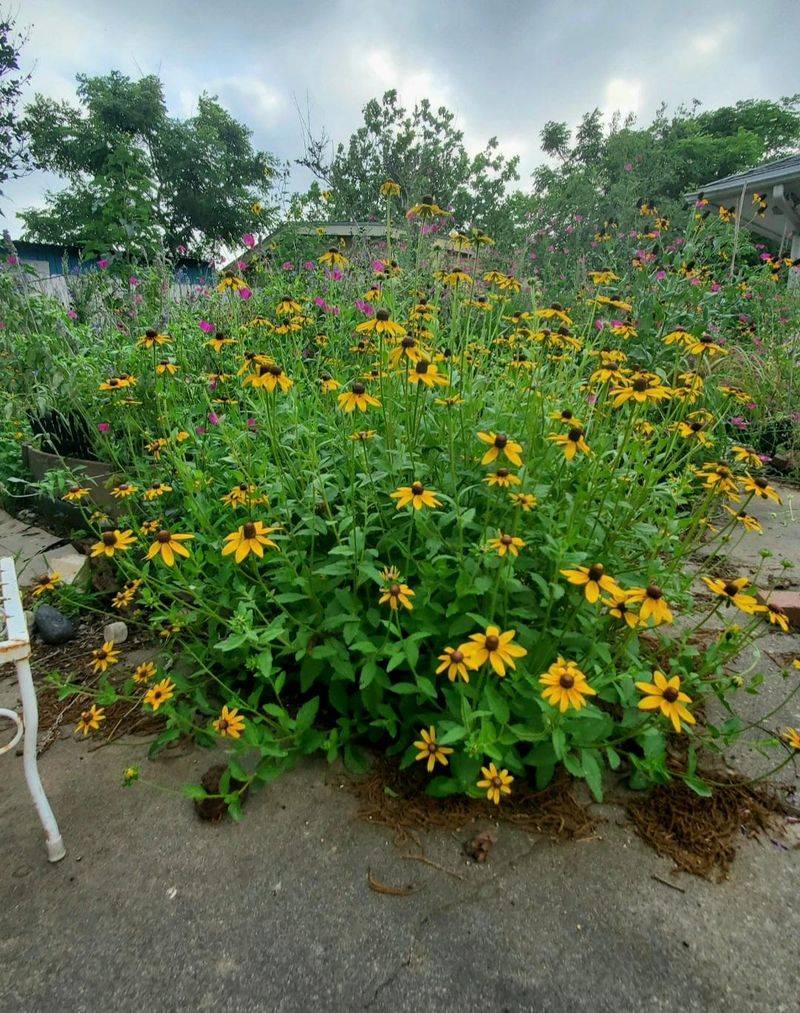
Cheerful, bright, and completely at home in Ohio sunshine, black-eyed Susans are one of the most recognizable wildflowers in the Midwest. Rudbeckia hirta bursts into bloom from June through October, covering itself in golden-yellow petals surrounding a dark chocolate-brown center.
Few sights along a summer driveway are more welcoming than a sweep of these sunny flowers nodding in a warm breeze.
As a native Ohio wildflower, black-eyed Susan evolved to handle exactly the conditions driveways create: intense sun, dry spells, and average to poor soil. It actually performs better without heavy fertilizing, which tends to push leafy growth at the expense of flowers.
A well-drained, sunny spot is really all it needs to thrive season after season.
Rudbeckia works beautifully planted in groups of three to five along a driveway border, where the massed color creates a bold visual statement. Plants grow eighteen to thirty inches tall, giving them enough presence to stand out without blocking sightlines.
Leaving seed heads standing after bloom season invites goldfinches and other small birds to visit through fall and winter. In Ohio, black-eyed Susans self-seed gently, gradually filling in bare spots over the years.
6. Feather Reed Grass That Adds Height Without Extra Care
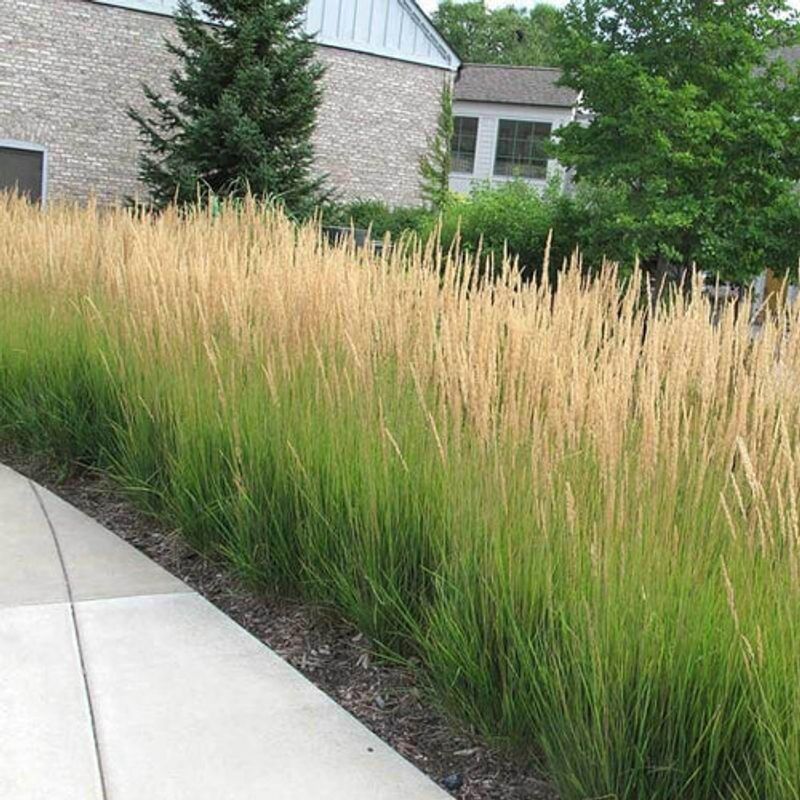
Not every driveway plant needs to be a flower. Feather reed grass brings something different to the border: graceful upright form, soft feathery plumes, and a quiet elegance that looks polished from spring through late fall.
Calamagrostis x acutiflora, especially the popular cultivar Karl Foerster, is one of the most widely recommended ornamental grasses for Ohio and Midwest landscapes.
Unlike some ornamental grasses that spread aggressively, feather reed grass forms a tidy, well-behaved clump that stays put year after year. It sends up flowering plumes in early summer that shift from pinkish-bronze to golden wheat as the season progresses.
Those plumes catch sunlight beautifully and sway gently in the breeze, adding movement to an otherwise static planting.
Full sun and average soil are all this grass really requires. It handles Ohio’s summer heat without wilting and holds its upright structure even after heavy rain, which sets it apart from floppy grasses that look messy mid-season.
Plants grow three to five feet tall, making them excellent for creating a vertical backdrop behind lower-growing perennials. Cut the clumps back to about four inches in late winter before new growth emerges, and the plant returns looking fresh and vigorous every spring.
7. Catmint Plants That Bloom For Months In Tough Soil
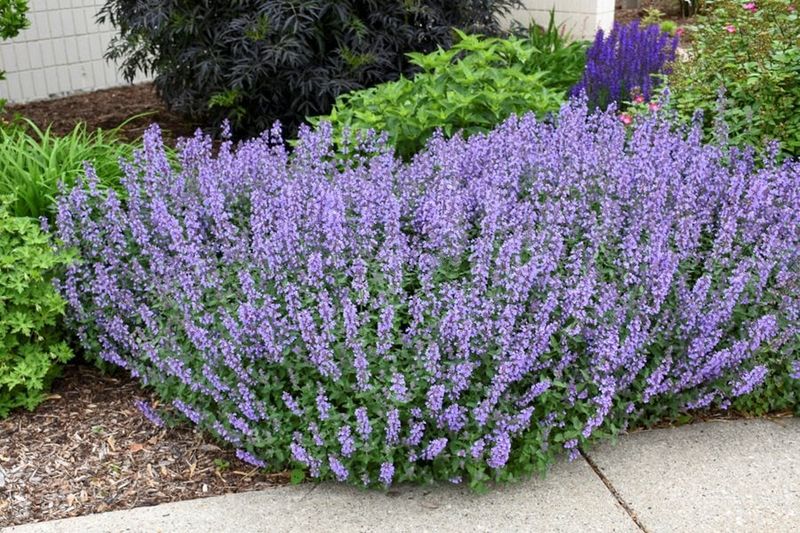
Walk past a patch of catmint on a warm Ohio afternoon and you might catch a soft, herbal scent drifting through the air. Nepeta grandiflora and its popular relatives produce long spikes of lavender-blue flowers above mounds of soft, gray-green foliage that looks attractive even when the plant is not in bloom.
Few perennials deliver as long a show with as little effort.
Catmint typically begins blooming in late spring and continues through midsummer. Cutting the plant back by about one-third after the first flush of flowers encourages a strong rebloom that often lasts into September.
Along a driveway where you want color for as many months as possible, that extended bloom period is a real advantage over plants that flower for just a few weeks.
Hot, dry conditions that would stress many perennials barely slow catmint down. It thrives in Ohio’s full sun and handles poor, well-drained soil without complaint.
Established plants rarely need watering except during prolonged drought. Space plants eighteen to twenty-four inches apart, as they spread into generous mounds about two feet wide.
Bees find the flowers irresistible throughout the season, making catmint one of the most pollinator-friendly choices for any Ohio driveway planting.
8. Compact Boxwood Shrubs That Stay Neat Year Round
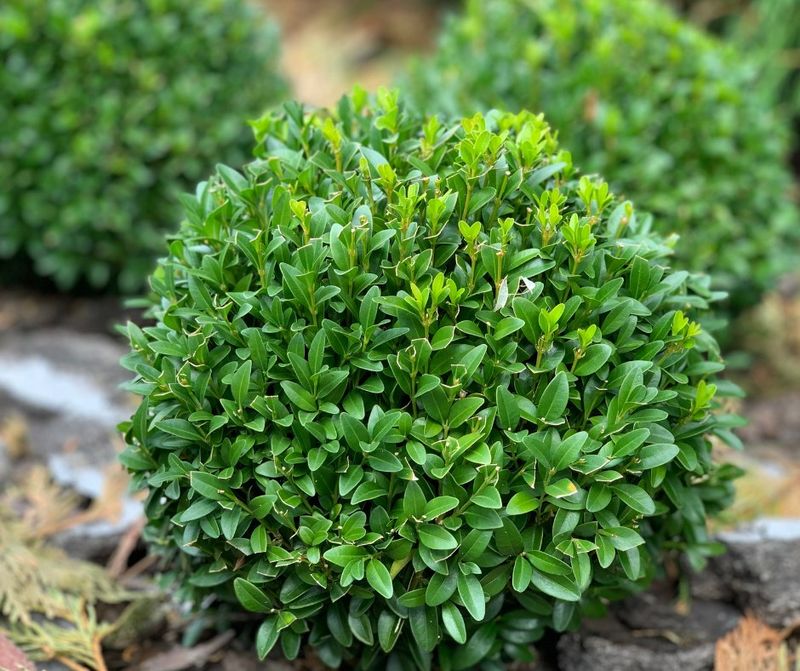
When the perennials have faded and Ohio winter settles in, boxwood keeps the driveway border looking structured and cared for. This classic evergreen shrub maintains its deep green foliage through frost, snow, and cold winds, providing the kind of year-round visual anchor that seasonal plants simply cannot offer.
For a driveway landscape that looks intentional even in January, compact boxwood earns its place.
Buxus varieties like Green Velvet and Green Mountain are particularly well-suited to Ohio conditions. They tolerate cold winters, adapt to a range of soil types, and respond well to light shearing, which keeps them looking tidy without requiring frequent attention.
Most compact varieties grow slowly, reaching two to four feet tall and wide over several years, so they rarely outgrow their space along a driveway edge.
Boxwood prefers well-drained soil and does best with some protection from harsh winter winds, which can cause foliage browning on exposed sites. Planting near a fence or structure on the north side helps shield the shrubs during colder months.
A layer of mulch around the base insulates roots through Ohio winters. Water regularly during the first growing season to help roots establish, and the shrub will reward you with reliable, attractive greenery for many years ahead.