These 10 Popular Houseplants May Be Riskier Than You Think In North Carolina
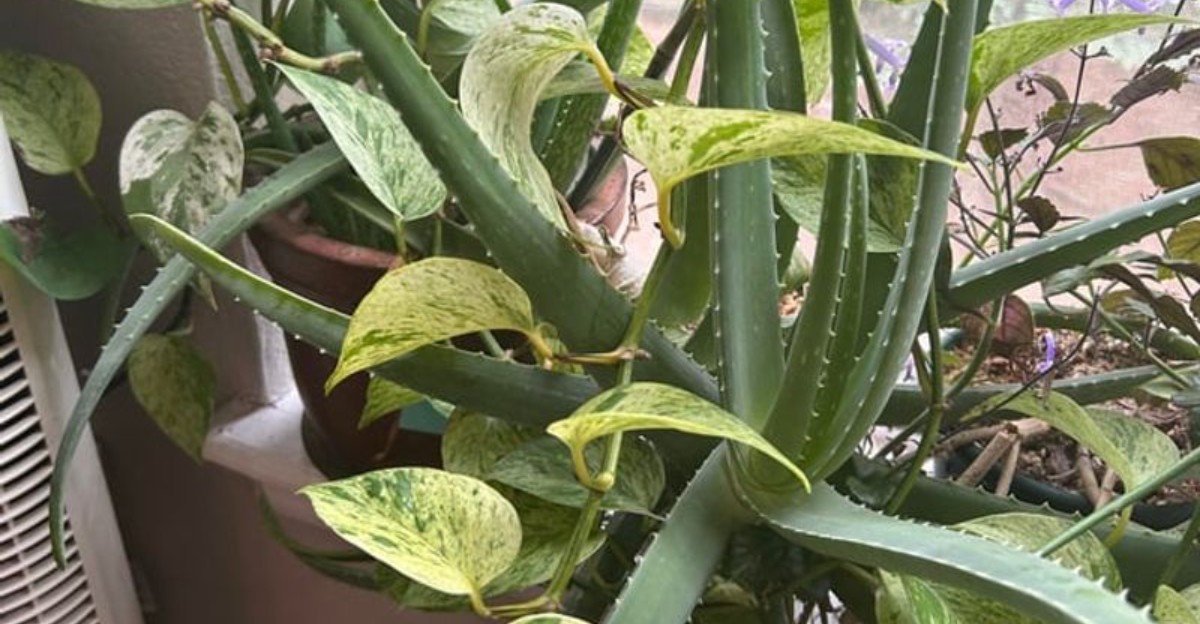
Some of the most common houseplants sit on shelves in homes with dogs, cats, and small children. Many people buy them because they are easy to grow and look great. Few check whether they are safe.
Pothos, peace lily, dieffenbachia, and sago palm all appear on poison lists. Chewing a leaf can cause drooling, vomiting, or mouth pain. A few plants are far more serious than that.
Sago palm is especially dangerous to dogs. North Carolina homes keep plants indoors for much of the year, so the chance of a curious nibble goes up in fall and winter. You do not have to give up a green home.
Knowing which ten plants carry the biggest risks helps you move them, replace them, or keep them out of reach.
1. Pothos Can Irritate The Mouth And Throat
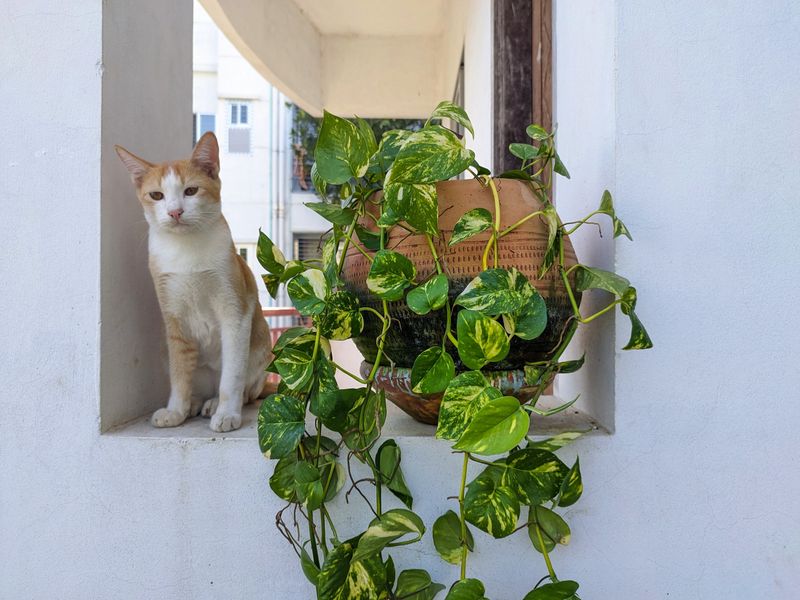
Few plants are easier to love than pothos. Its heart-shaped leaves spill over shelves and baskets, and it forgives you for forgetting to water it. That easygoing charm is exactly why it shows up in so many homes, dorms, and offices across the state.
Hidden inside those leaves and stems are tiny, needle-shaped insoluble calcium oxalate crystals.
When a dog, cat, or toddler chews on the plant, the crystals poke into soft tissue in the mouth. Pets may drool, paw at their faces, have swelling, or vomit, while people can feel burning pain in the mouth and throat.
The good news is that pothos is simple to manage. Hang it in a basket from the ceiling or set it on a high shelf where paws and little hands can’t reach. Keep an eye on those long vines, too, because a dangling strand looks a lot like a toy to a playful kitten.
Trimming is your best friend here. Snip vines before they hang low, and you can even root the cuttings in water to make new plants for friends without pets. Toss any trimmings right away instead of leaving them on the counter.
If someone does chew on it, act fast. Timing matters in North Carolina. Many folks let pothos soak up warm air on porches through summer, then bring it inside when fall nights turn chilly.
Once indoors, the plant often lands on a low table or the floor, right at pet level, so pick its winter spot with care.
2. Philodendron Shares The Same Hidden Crystals
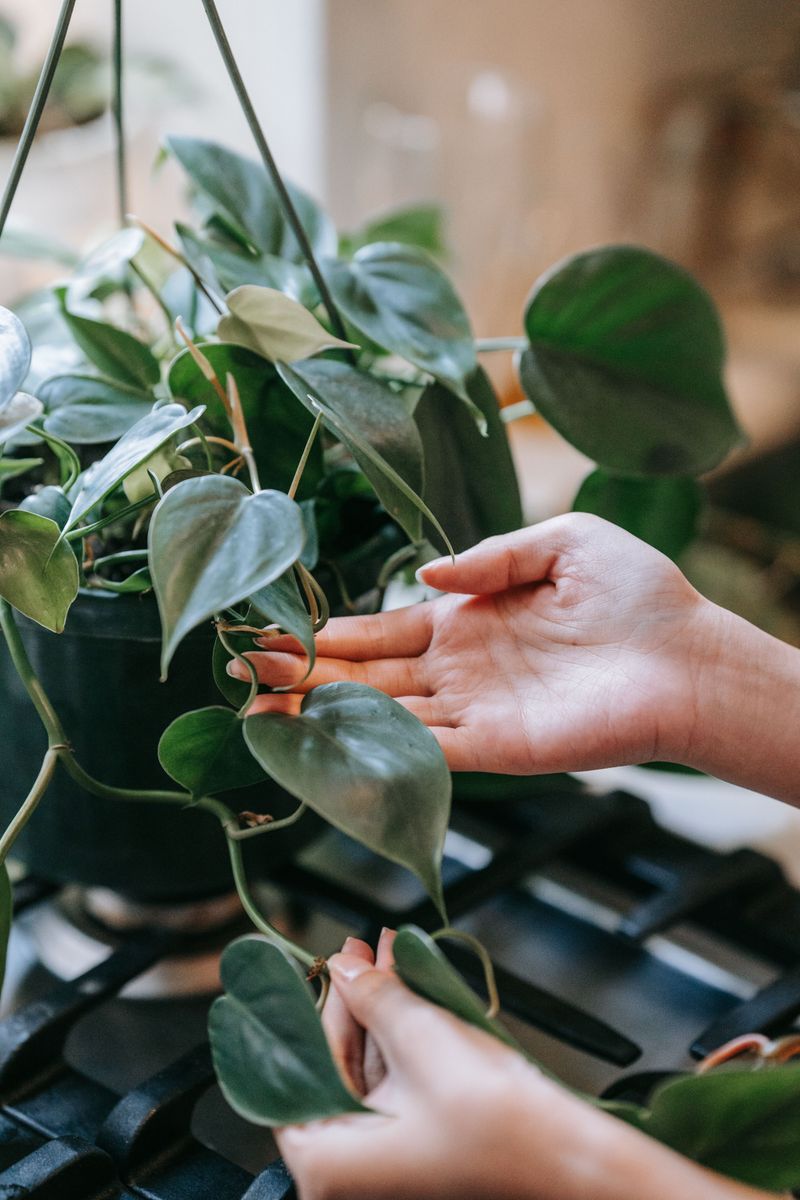
Think of the philodendron as the pothos’s look-alike cousin. Heartleaf types trail in soft green curtains, while split-leaf varieties show off big, dramatic leaves full of holes and cuts. Both bring a jungle feel to any room.
Like pothos, philodendrons carry insoluble calcium oxalate crystals in their leaves and stems. A few chomps can lead to burning, swelling, drooling, and vomiting in pets. Children who chew a leaf may cry from mouth pain and need help right away.
So where should a philodendron live? A tall plant stand, a high bookshelf, or a room your pets don’t visit all work well. Split-leaf types get big, so give them a sturdy corner that a dog can’t knock over during a happy zoomie session.
Your North Carolina Garden Changes Every Week. Your Plan Should Too.
Gardening in North Carolina changes quickly throughout the season. Every Friday you’ll receive a simple weekly plan showing exactly what to plant, prune, fertilize, harvest, and protect so you never miss the right timing.
Fallen leaves deserve quick attention. A yellow leaf on the floor can tempt a bored puppy, so pick them up as soon as you spot them. Make it part of your weekly watering routine.
Pruning brings its own small warning. The sap can bother sensitive skin, so slip on a pair of garden gloves before you start cutting. Wash your hands afterward and keep your fingers away from your eyes until you do.
Here in North Carolina, plant lovers often group their collections together in one bright window to catch winter sun.
It looks lovely, but those window displays often sit right at nose height for cats and dogs. Raise your philodendrons onto shelves or hanging planters, and you can enjoy that sunny jungle without worry.
3. Peace Lily Isn’t A True Lily, But It’s Still Harmful
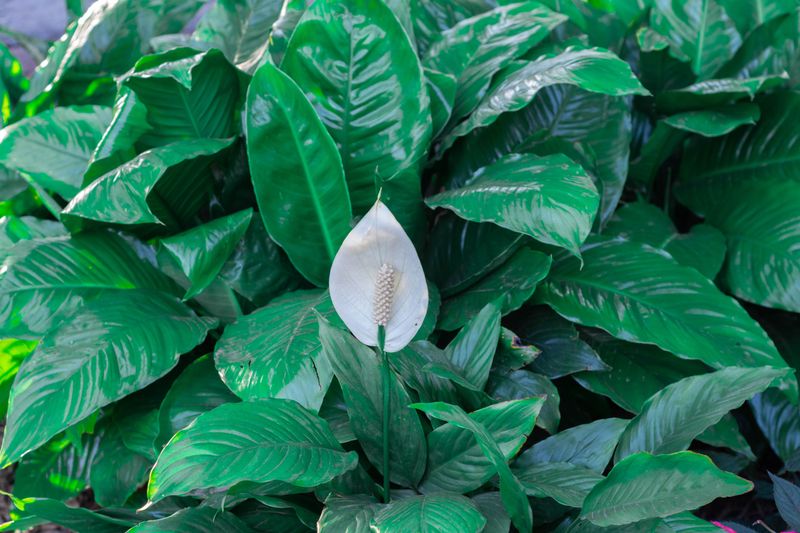
Glossy green leaves and pure white blooms make the peace lily look calm and harmless. Many people receive one as a thank-you gift, a get-well present, or a kind gesture after a hard week. It feels like the sweetest plant around.
Despite its name, the peace lily is not a true lily. It does not cause the kidney damage that real lilies cause in cats, which is a relief. Still, it contains insoluble calcium oxalate crystals that can trigger mouth irritation, drooling, swelling, and vomiting in pets and people.
Placement is the key to keeping everyone happy. Set your peace lily on a dresser, high shelf, or table in a room where pets and toddlers don’t roam. Low spots near couches are the riskiest, since bored cats love to nibble while you relax.
Flowers and pollen need a little cleanup, too. As blooms fade, they drop pollen and petals onto tables and floors. Wipe these up with a damp cloth so curious noses don’t find them first.
If your pet chews on the leaves or flowers, call your veterinarian or the ASPCA Animal Poison Control Center. Most cases cause short-term discomfort, but a professional can tell you exactly what to watch for.
Across North Carolina, peace lilies are a go-to gift around Christmas, Mother’s Day, and in hospital gift shops from Charlotte to Greenville. When one arrives at your door, take a moment to choose a safe home for it before you set it down.
4. Dieffenbachia Can Cause Painful Swelling
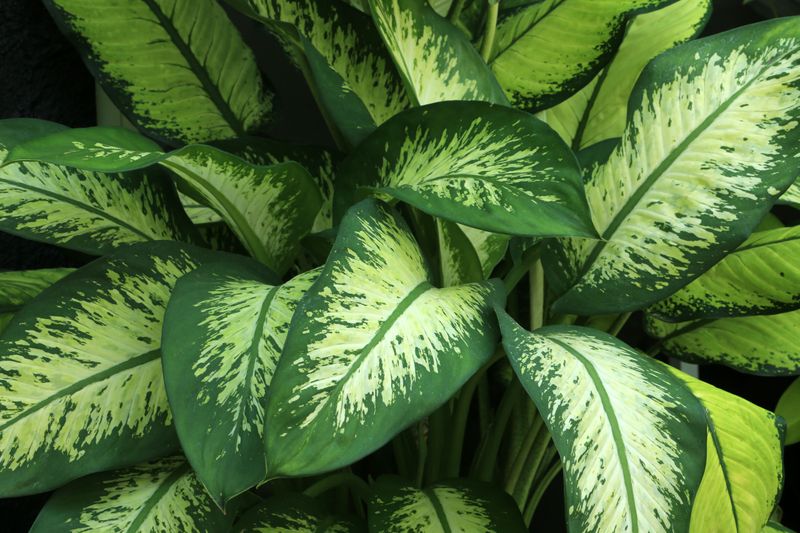
Long ago, dieffenbachia earned the odd nickname dumb cane. The name comes from what happens when someone chews it: the mouth and tongue can swell so much that talking becomes hard. That old nickname is a big clue about how serious this plant can be.
Its striking leaves, splashed with cream and green, hide sap packed with calcium oxalate crystals and other irritants.
Chewing can cause severe burning and swelling of the mouth, tongue, and throat. In some cases, that swelling can make swallowing or breathing difficult.
Because of this, dieffenbachia belongs completely out of reach. Pets and children should not be able to touch it at all. A tall stand in a closed office or a high spot behind furniture works far better than a floor pot.
Handling it takes some care as well. Wear gloves when you prune or repot, since the sap can sting your skin. Avoid rubbing your eyes until you have washed your hands well with soap and water.
Speed matters if anyone chews on it. Get medical or veterinary help right away, especially if you notice trouble breathing or swallowing.
Many North Carolina families love how dieffenbachia fills an empty corner. Because it grows tall and bushy, it often ends up on the floor or a low table, right where toddlers crawl and dogs sniff. Moving it up and away keeps the beauty without the risk.
5. ZZ Plant Is Tough, But Not Pet Friendly
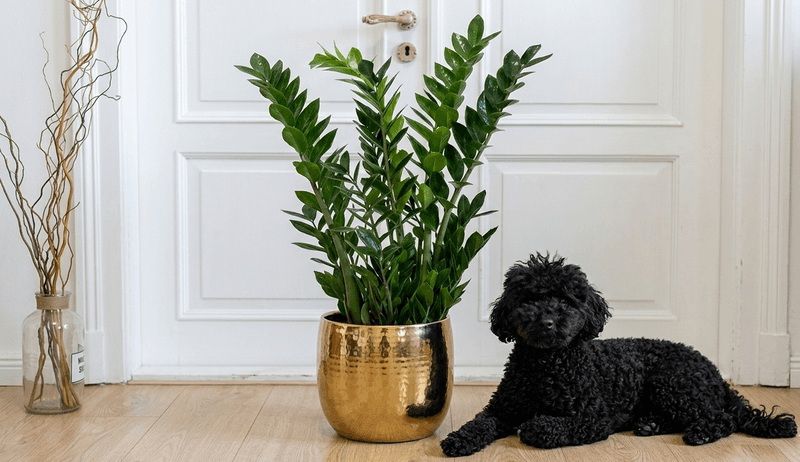
Forget to water it for a month? The ZZ plant barely notices. Its shiny, waxy leaves stay green in dim hallways and windowless offices, which makes it a favorite for busy people and beginners.
That toughness comes with a catch. Like several other popular houseplants, the ZZ plant contains calcium oxalate crystals. A pet that chews the leaves or stems may drool, show mouth irritation, and vomit.
Luckily, the fix is simple. Place your ZZ plant on a shelf, desk, or cabinet that pets can’t reach. Since it doesn’t need bright light, you have plenty of high spots to choose from, even in a dim corner.
Good habits help, too. Wash your hands after touching the plant, especially after repotting, when you handle roots and stems.
Its thick underground rhizomes store water, so you won’t need to repot often, which means fewer chances to come in contact with the sap.
Now and then, a ZZ plant drops a leaf or two, often when it gets too much water. Pick those up quickly so a playful cat doesn’t bat them across the floor and start chewing. A weekly look around the pot takes only seconds.
Across North Carolina, ZZ plants decorate shaded living rooms, dentist waiting areas, and offices in Research Triangle Park.
If you bring one home from work for the weekend or keep one in a home office, remember that the spot that worked at work may not be safe with a dog wandering by.
6. Sago Palm Is One Of The Most Dangerous For Pets

Ask any veterinarian which plant worries them most, and many will name the sago palm. It looks like a tiny tropical tree with stiff, feathery fronds. Yet it is not a true palm at all, but an ancient plant group called a cycad that dates back to the age of dinosaurs.
Every part of the sago palm contains toxins, and the seeds are the strongest. Even a small amount eaten can cause severe vomiting and liver failure in dogs and cats. Sadly, many pets do not survive, even with treatment.
Because the risk is so high, the safest choice is to skip sago palms in homes and yards with pets. If you already have one, consider giving it to a pet-free friend. Dogs seem to find the seeds tasty, so they will happily eat them.
Anyone keeping a sago palm should remove seeds as soon as they appear. Check the center of female plants, where orange-red seeds form, and dispose of them in a sealed bag.
If a pet chews on any part of the plant, go to an emergency veterinarian immediately. Do not wait for symptoms, because early care gives your pet the best chance.
In North Carolina, sago palms grow outdoors along the Coastal Plain, from Wilmington to the Outer Banks.
Farther inland and in the mountains, people often grow them in pots and move them indoors for winter. Either way, they end up near pets, so extra caution is a must.
7. True Lilies Are Extremely Toxic To Cats
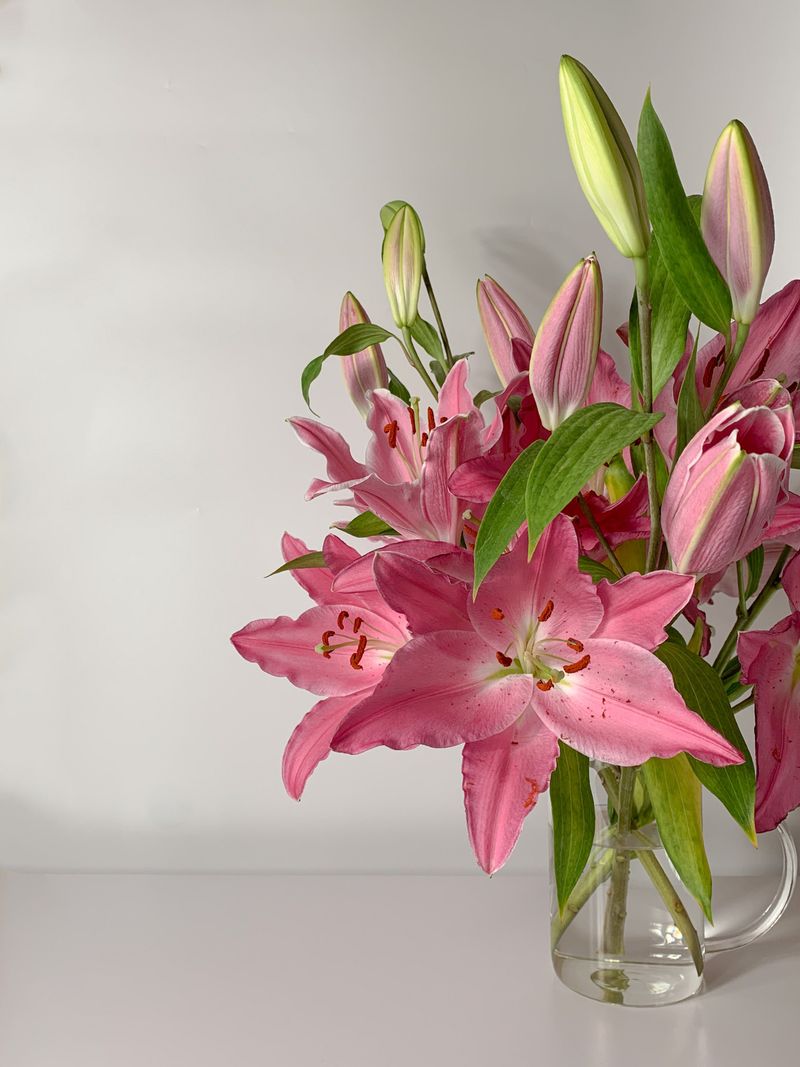
Spring flower bouquets look like pure joy, yet for cat owners, one bloom deserves a hard pass. True lilies, including Easter lilies, Asiatic lilies, Oriental lilies, and tiger lilies, are among the most dangerous plants a cat can touch.
The amount does not need to be big. A cat that chews a bit of a leaf or petal, licks pollen off its fur, or drinks water from a lily vase can develop kidney failure. That is why vets treat any lily exposure in cats as an emergency.
For homes with cats, the rule is simple: keep true lilies out completely. Even a high shelf is not enough, since cats climb and pollen drifts. Choose roses, sunflowers, or orchids instead for a cheerful display.
Bouquets can sneak lilies inside without you noticing. Before you bring flowers home, check them carefully, and ask the florist to leave lilies out. Let friends know, too, so a sweet gift doesn’t turn into a scary night.
If your cat has any contact with a lily, get emergency veterinary care right away. Quick treatment within the first few hours makes a huge difference, so don’t wait to see if symptoms show up.
In North Carolina, Easter lilies fill grocery stores and churches each spring, and lily bouquets show up at Mother’s Day, weddings, and holiday parties. With so many lilies around, a little awareness helps every cat lover stay one step ahead.
8. Aloe Vera Can Upset A Pet’s Stomach
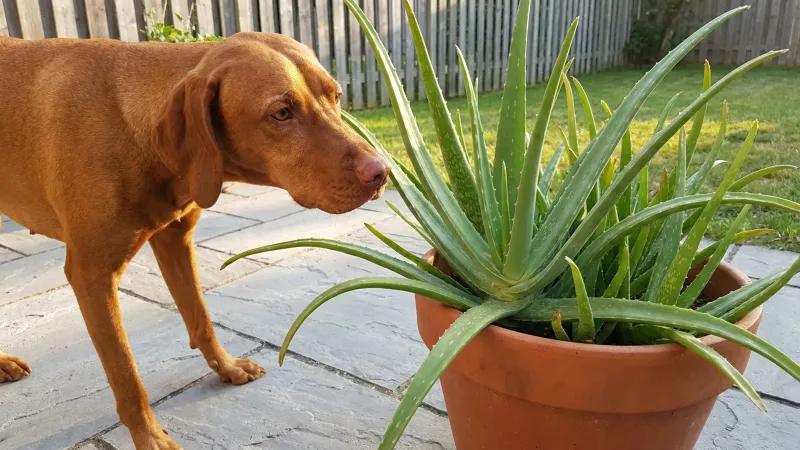
Got a sunburn after a day at Wrightsville Beach? Plenty of people reach for aloe vera. The clear gel inside its thick leaves has been used on skin for centuries, which gives the plant a helpful, healthy reputation.
Pets see things differently, though. Aloe contains compounds called saponins and anthraquinones, found mostly in the yellow layer just under the skin of the leaf. If a dog or cat chews on the plant, it can lead to vomiting, diarrhea, and lethargy.
Keeping aloe safe is mostly about height. Set it on a high windowsill or shelf that still gets plenty of sun. Aloe loves bright light, so a tall plant stand by a sunny window is a great match.
Cut leaves need attention, too. After you snip a piece for its gel, don’t leave the leftover leaf on the counter. Put it in the trash with a lid, or store it in the fridge where pets can’t get to it.
If your pet does chew on aloe, watch closely for an upset stomach or unusual sleepiness. Call your veterinarian if symptoms appear or seem to be getting worse.
Across North Carolina, aloe often lives on the kitchen windowsill, handy for small burns while cooking. Unfortunately, that sunny ledge is often right above a counter that cats love to walk on. Moving it a little higher keeps the gel handy and your pets comfortable.
9. Jade Plant Is Toxic To Cats And Dogs
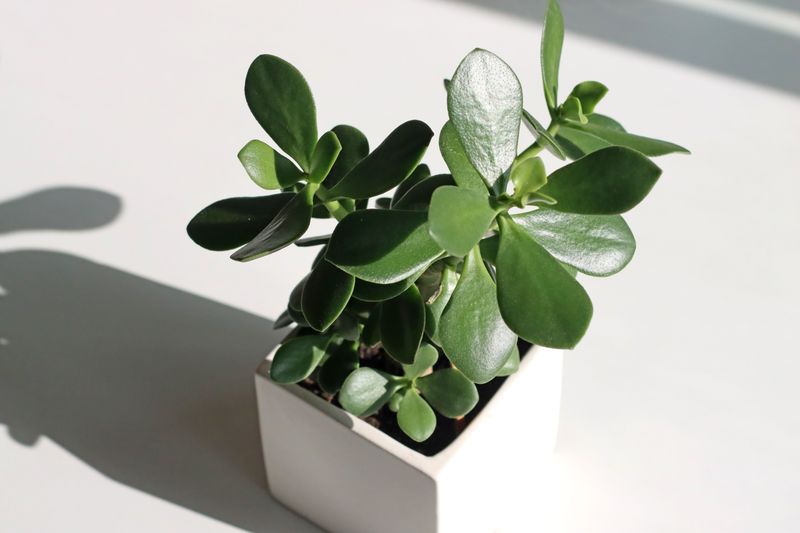
Some jade plants outlive the people who first planted them. With thick, shiny leaves and woody stems, a well-loved jade can grow into a small tree that gets passed down for generations. Many families treat it like a lucky charm.
Charming as it is, jade carries a warning. The ASPCA lists the jade plant as toxic to both dogs and cats. Eating it can cause vomiting, lethargy, and incoordination, meaning a pet may seem wobbly or clumsy.
A smart setup starts with a high, stable surface. Jade plants get top-heavy as they grow, so choose a sturdy pot and a solid shelf that won’t tip if a cat jumps up. A heavy clay pot helps keep everything balanced.
Fallen leaves are the sneaky part. Jade drops plump leaves easily, and they look like tasty treats to a pet. Pick them up often, or plant them in soil to grow new baby jades for pet-free friends.
For homes where pets love to nibble greens, consider swapping in pet-safe succulents. Haworthia, Christmas cactus, and echeveria are good options that offer a similar look.
In North Carolina, many gardeners let their jade plants spend summer outside on decks and porches, where warm sun makes them thrive.
When fall arrives, the plants come back indoors, often to the nearest open spot on the floor. Planning a safe, sunny indoor home ahead of time makes that move smooth.
10. Kalanchoe Contains Compounds That Affect The Heart
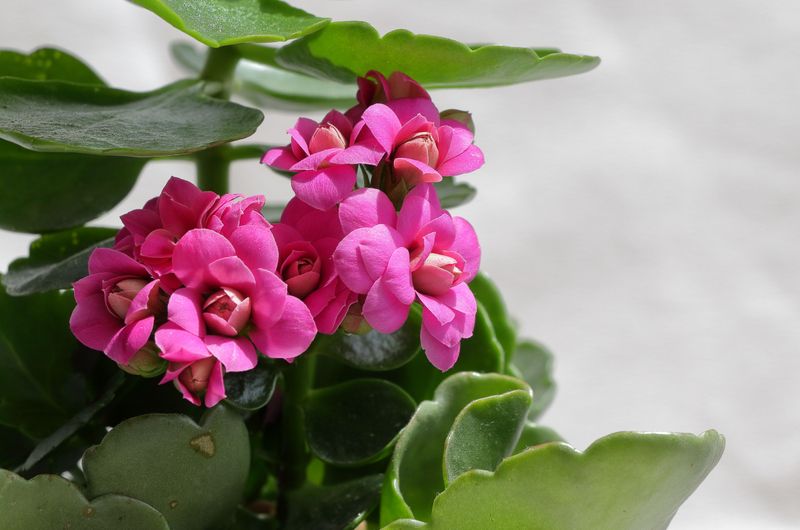
Bright pops of red, pink, orange, and yellow make kalanchoe hard to resist on a gray winter day. These small flowering succulents sit near checkout lines and look like an easy, cheerful gift for anyone.
Behind those happy blooms are natural compounds called bufadienolides. They are similar to substances that affect the heart.
In pets, chewing kalanchoe often causes vomiting and diarrhea, and in rare cases where a larger amount is eaten, it can lead to abnormal heart rhythms.
Keeping it safe follows a familiar pattern. Place kalanchoe out of reach of pets and children, ideally on a high shelf with good light. It needs bright sun to keep blooming, so a tall stand near a south-facing window works nicely.
Gift giving deserves a second thought, too. If you plan to bring a plant to a friend with pets, choose a pet-safe bloomer instead. African violets, orchids, and Christmas cactus are colorful choices that won’t cause worry.
If a pet eats any part of a kalanchoe, contact your veterinarian or the ASPCA Animal Poison Control Center. Mention the plant name, since that helps the vet decide how closely to monitor your pet.
Throughout North Carolina, kalanchoe pops up in grocery stores and garden centers all winter long, from Asheville to Raleigh.
It is cheap, cheerful, and easy to toss in your cart. A quick pause to think about who lives at home helps you pick the right plant every time.