These 9 Popular Plants Are Being Replaced By Natives In Oregon Yards
Oregon gardeners are making a shift. Popular non-native plants that once filled yards are gradually being replaced by native species, and for good reason.
Natives are better adapted to local soil, weather, and pests, which means they thrive with less water, less fertilizer, and less maintenance.
Beyond their practicality, native plants support local wildlife. Birds, bees, and butterflies rely on them for food and habitat, so swapping out old favorites for natives can create a backyard that’s both beautiful and buzzing with life.
Native shrubs, flowers, and trees bring seasonal color, texture, and interest, all while helping the environment.
Whether it’s improving pollinator habitat, conserving water, or creating a more resilient garden, turning to natives is becoming a smart choice for Oregon yards.
These nine plants show exactly which old favorites are being replaced, and why gardeners are loving the results.
1. Boxwood Shrubs
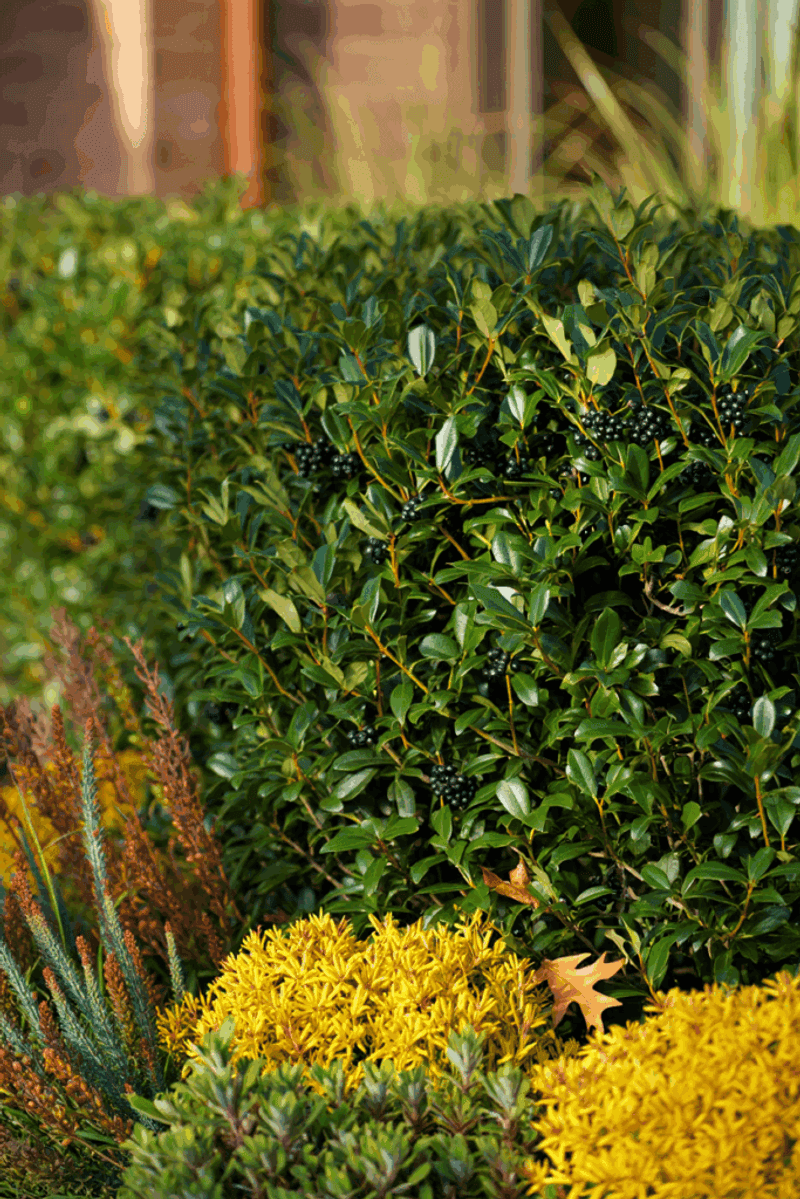
Walk down any older Oregon neighborhood and you’ll spot them: those perfectly rounded boxwood shrubs flanking front doors and edging pathways. They’ve been the go-to foundation plant for decades, offering year-round greenery and a tidy, formal look.
But more homeowners are pulling them out, frustrated by their thirst for water and their vulnerability to boxwood blight, a devastating fungal disease spreading across the Pacific Northwest.
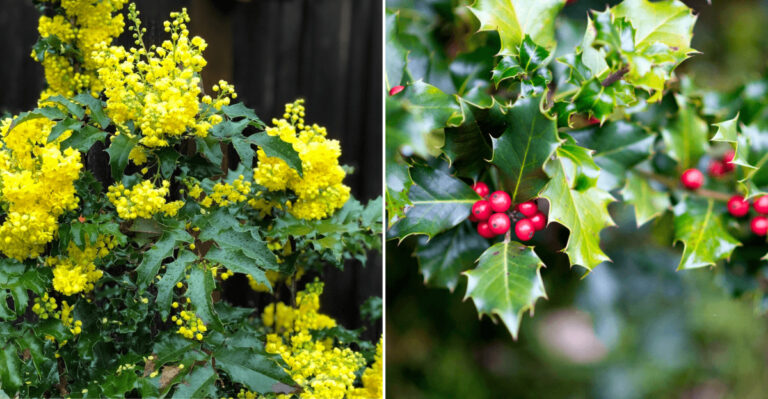
Oregon grape (Mahonia aquifolium) is stepping in as the native replacement that checks all the boxes. This evergreen shrub offers glossy, holly-like leaves that turn bronze-purple in winter, adding seasonal interest boxwood never could.
In spring, clusters of bright yellow flowers appear, followed by edible blue berries that birds absolutely love.
What really wins homeowners over is how tough Oregon grape is once established. It handles our wet winters and dry summers without constant watering or fussing.
You can shear it into a formal hedge or let it grow naturally for a more relaxed look.
Plus, it’s the state flower of Oregon, so planting it feels like celebrating where you live. Your curb appeal stays strong, but now your landscaping works with the environment instead of fighting it.
That’s a trade most neighbors are happy to make.
2. English Ivy Groundcover
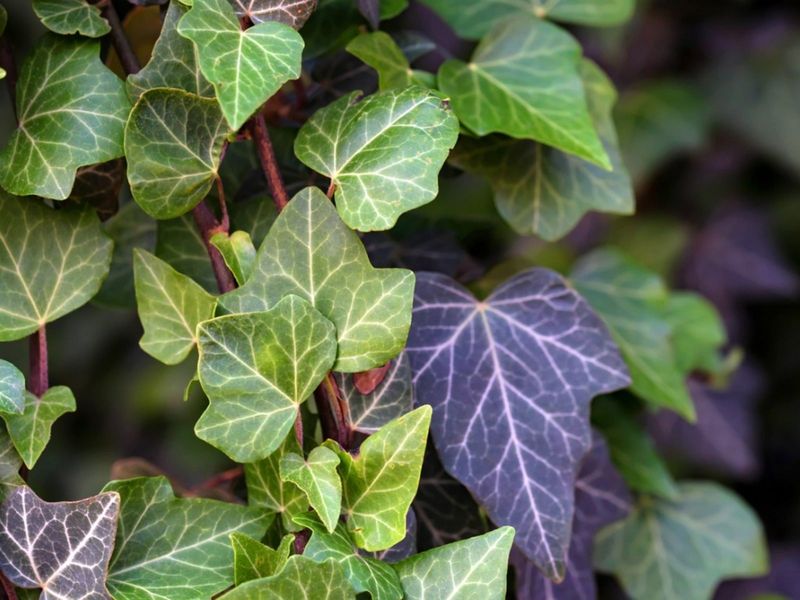
English ivy used to be the answer for those shady spots where nothing else would grow. Homeowners planted it under trees, along fences, and on slopes, watching it spread into a lush green carpet.
Fast forward a few years, and that same ivy is climbing up siding, choking out trees, and creeping into neighbors’ yards. It’s now classified as an invasive species in Oregon, and pulling it out is backbreaking work.
Wild ginger (Asarum caudatum) offers a beautiful native alternative that stays put. This low-growing groundcover features heart-shaped leaves that form a dense, elegant mat in shaded areas.
It spreads slowly and politely, never becoming aggressive or invasive like its English counterpart.
Wild ginger thrives in the same shady, moist conditions where English ivy once dominated. It requires almost no maintenance once established and actually improves soil health as it grows.
The plant gets its name from the ginger-scented roots, though it’s not related to culinary ginger.
Deer tend to leave it alone, which is a huge bonus in many Oregon neighborhoods. Your shady areas get covered beautifully without the guilt of planting something that could escape into natural areas.
It’s one of those swaps that makes life easier while doing right by the local ecosystem.
3. Butterfly Bush
The name sounds perfect, right? Butterfly bush became wildly popular because it does attract butterflies with its fragrant purple, pink, or white flower spikes.
Garden centers sold them by the truckload, and they showed up in nearly every suburban yard. The problem?
It’s invasive in Oregon, spreading aggressively along riverbanks and roadsides, and it doesn’t support native caterpillars, only adult butterflies looking for nectar.
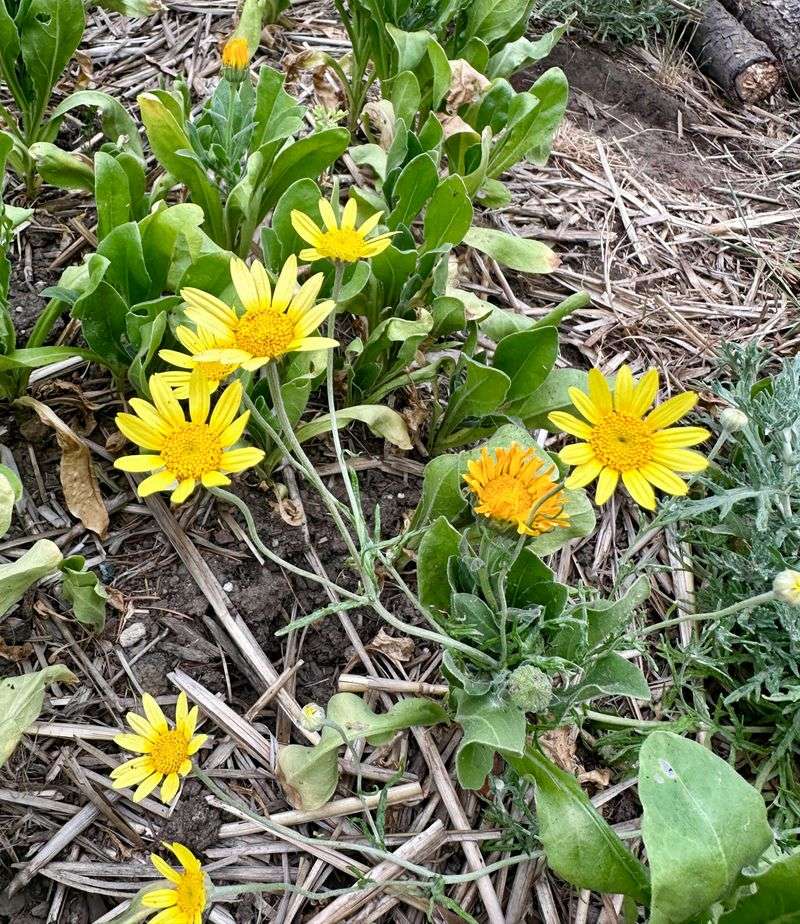
Oregon sunshine (Eriophyllum lanatum) is the native plant taking its place in pollinator gardens. This cheerful perennial produces masses of bright yellow daisy-like flowers from late spring through summer.
Butterflies, bees, and other pollinators visit it constantly, and unlike butterfly bush, it actually supports the full lifecycle of native insects.
Oregon sunshine is incredibly drought-tolerant once established, making it perfect for our dry summers. It grows low and spreading, working beautifully in rock gardens, along pathways, or cascading over walls.
The silvery-green foliage looks attractive even when the plant isn’t blooming.
You won’t need to deadhead it constantly or worry about it escaping into wild areas. It thrives in full sun and poor soil, asking for almost nothing in return.
Your yard gets that pop of color and pollinator activity without the environmental baggage that comes with butterfly bush.
4. Japanese Maple
Japanese maples are stunning, there’s no denying it. Their delicate leaves and elegant branching structure have made them a staple in Pacific Northwest landscaping for generations.
But they’re also finicky, prone to leaf scorch during hot summers, and vulnerable to verticillium wilt. Many homeowners find themselves constantly fussing over them, trying to keep the leaves from crisping up in August.
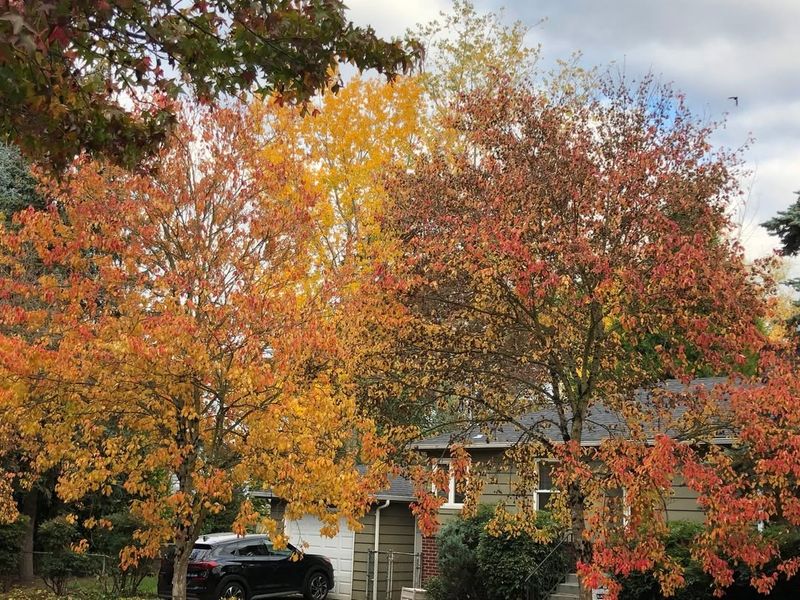
Vine maple (Acer circinatum) is Oregon’s native answer, and it’s tougher than it looks. This small tree or large shrub offers similar delicate foliage and graceful branching, with the bonus of brilliant fall color ranging from gold to scarlet.
In spring, small reddish flowers dangle from the branches, followed by distinctive winged seeds that kids love.
Vine maple handles Oregon’s climate like a champ because it evolved here. It tolerates both sun and shade, though it prefers some afternoon protection in hotter areas.
The multi-stemmed growth habit creates beautiful texture and movement in the landscape.
Birds and small mammals use it for shelter and food, making your yard more ecologically valuable. You get that same Japanese garden aesthetic without the constant worry about leaf scorch or disease.
It’s one of those native plants that looks ornamental enough to satisfy anyone’s curb appeal standards while being genuinely low-maintenance.
5. Traditional Bluegrass Lawns
That classic green lawn has been the American dream for decades. Kentucky bluegrass and similar turf varieties dominated Oregon front yards, demanding weekly mowing, constant watering, fertilizing, and weed control.
Summer water bills skyrocketed as homeowners struggled to keep grass green through July and August. More people are questioning whether all that effort is worth it, especially during drought years when watering restrictions kick in.
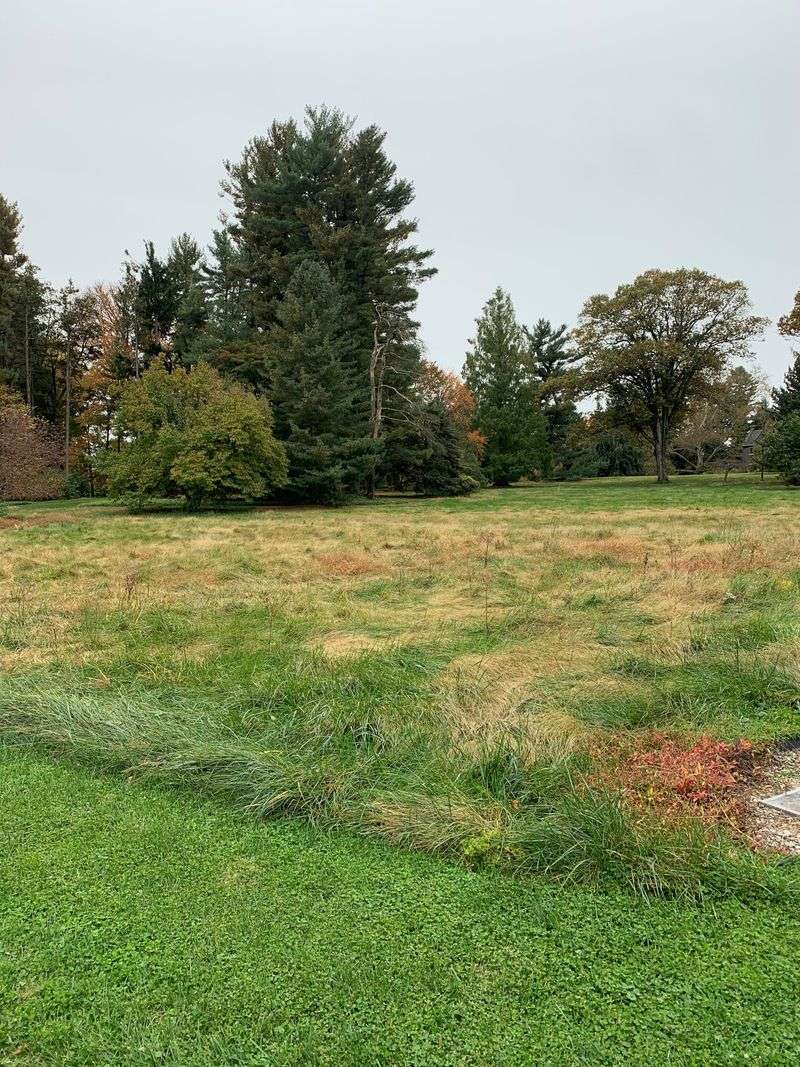
Native meadow mixes featuring grasses like tufted hairgrass (Deschampsia cespitosa) and wildflowers are replacing traditional lawns in many yards. These low-growing native plant communities create a softer, more naturalistic look that needs mowing just once or twice a year.
They stay green longer without irrigation and support dozens of native insect species.
The transition takes some patience, but the payoff is huge. You’ll spend far less time pushing a mower and dramatically reduce your water use.
Native meadows also handle foot traffic reasonably well, especially if you establish defined pathways through them.
Kids and pets can still play on them, and neighbors often stop to compliment the wildflowers. Your yard becomes habitat instead of just decoration.
The shift away from traditional lawns is one of the biggest landscaping changes happening across Oregon, and it’s saving homeowners time, money, and water while creating something genuinely beautiful and beneficial.
6. Lavender Borders
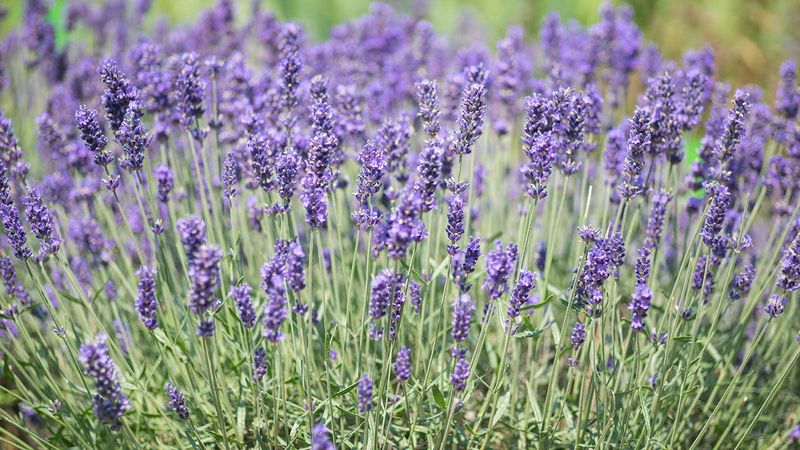
Lavender became the trendy border plant of the 2000s, lining driveways and pathways with its fragrant purple spikes. While it thrives in Mediterranean climates, Oregon’s wet winters often lead to root rot and disappointing performance.
Homeowners plant it hoping for that Provence look, only to watch it struggle and die back after a particularly rainy winter. It’s beautiful when it works, but it’s often fighting against our climate.
Western columbine (Aquilegia formosa) offers a native alternative that handles our conditions beautifully. This perennial produces delicate, nodding flowers in red and yellow that hummingbirds can’t resist.
It blooms from late spring into summer, adding vertical interest and movement to borders and pathways.
Western columbine tolerates both sun and partial shade, making it more versatile than lavender. It self-seeds gently, filling in gaps without becoming weedy.
The foliage stays attractive even after blooming finishes, and it requires minimal water once established.
You’ll actually see more wildlife activity with columbine than you ever did with lavender. Hummingbirds visit repeatedly throughout the day, and native bees work the flowers constantly.
The plant’s airy structure keeps borders from feeling heavy or overgrown. It’s one of those natives that feels special and delicate while being surprisingly tough underneath, exactly what Oregon gardeners need along pathways and edges.
7. Burning Bush (Euonymus)
Burning bush earned its name from the brilliant red fall color that made it a landscaping superstar. Garden centers promoted it heavily for foundation plantings and hedges, and it delivered that wow factor every October.
But it’s invasive in many states, and even in Oregon, it’s becoming a concern. The fall color is spectacular, but the plant offers nothing for wildlife and can spread into natural areas where it doesn’t belong.
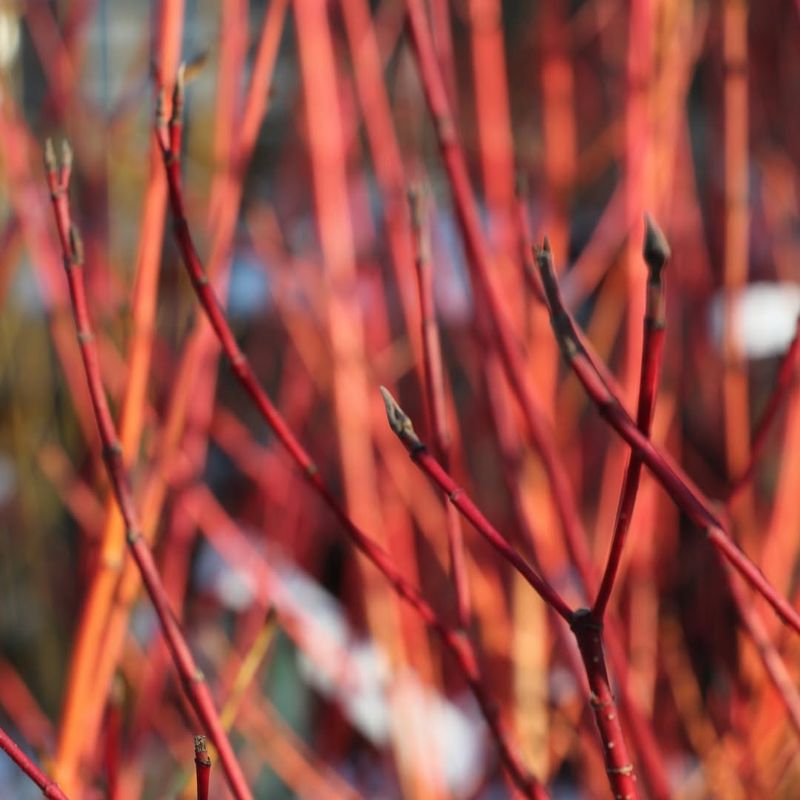
Red-twig dogwood (Cornus sericea) is the native replacement that gives you year-round interest instead of just one season. In fall, the leaves turn reddish-purple before dropping.
In winter, the bright red stems create stunning contrast against snow or gray skies. Spring brings clusters of white flowers, and summer offers dark berries that birds devour.
Red-twig dogwood handles wet soil better than almost any other shrub, making it perfect for those soggy spots in your yard. It grows quickly into a dense screen and can be cut back hard every few years to encourage the brightest stem color.
The plant supports dozens of native butterfly and moth species, unlike burning bush which supports almost none. You get better wildlife value, more seasonal interest, and a plant perfectly adapted to Oregon conditions.
It’s one of those swaps where the native option actually outperforms the ornamental in every measurable way.
8. Periwinkle (Vinca)
Periwinkle seemed like the perfect solution for slopes and difficult areas. It stayed green year-round, produced pretty purple flowers, and spread quickly to cover bare ground.
That spreading habit is exactly why homeowners are now regretting it. Periwinkle escapes into natural areas, forming dense mats that smother native plants and create monocultures.
Pulling it out is tedious, frustrating work that can take years.
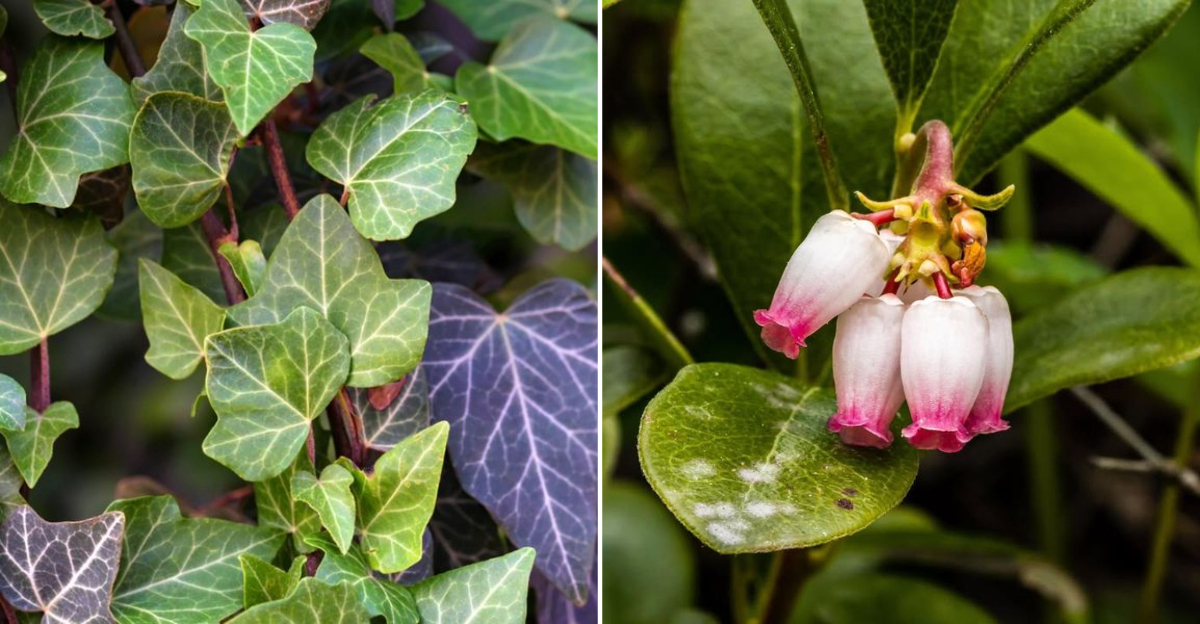
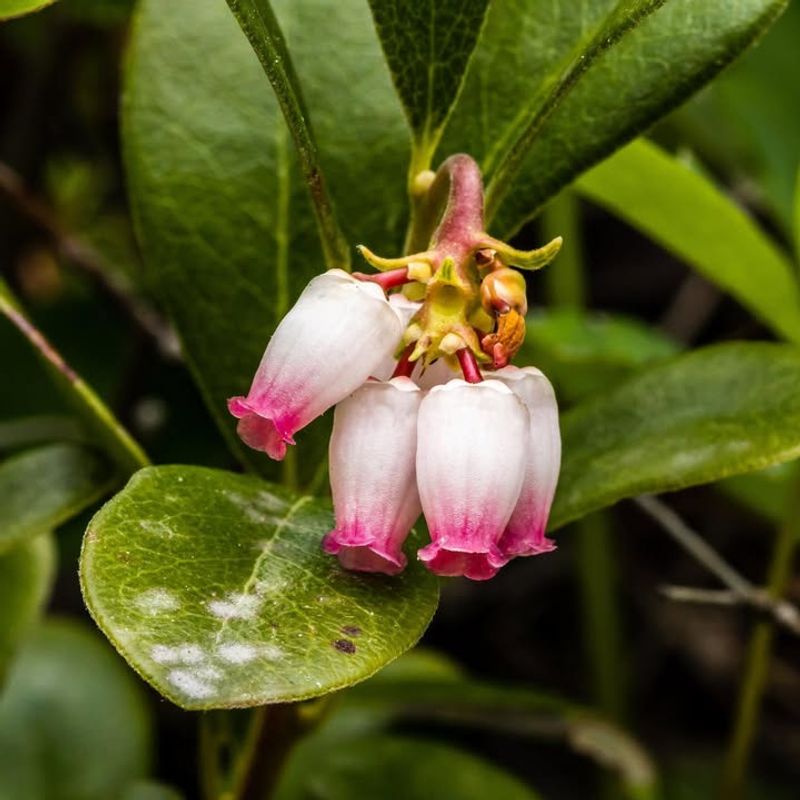
Kinnikinnick (Arctostaphylos uva-ursi) is the native groundcover replacing it on slopes and in tough spots. This low-growing evergreen features small, glossy leaves and produces delicate pink urn-shaped flowers in spring.
By fall, bright red berries appear, providing food for birds through winter.
Kinnikinnick is incredibly drought-tolerant once established and handles poor soil beautifully. It spreads steadily but never aggressively, forming a dense mat that suppresses weeds without escaping into wild areas.
The foliage often takes on bronze tones in winter, adding unexpected color.
It’s particularly useful for erosion control on slopes where you need something tough and reliable. Deer generally leave it alone, and it requires virtually no maintenance once established.
Your difficult areas get covered beautifully without the guilt of planting something invasive. It’s one of those native plants that makes you wonder why anyone ever bothered with periwinkle in the first place.
9. Norway Maple
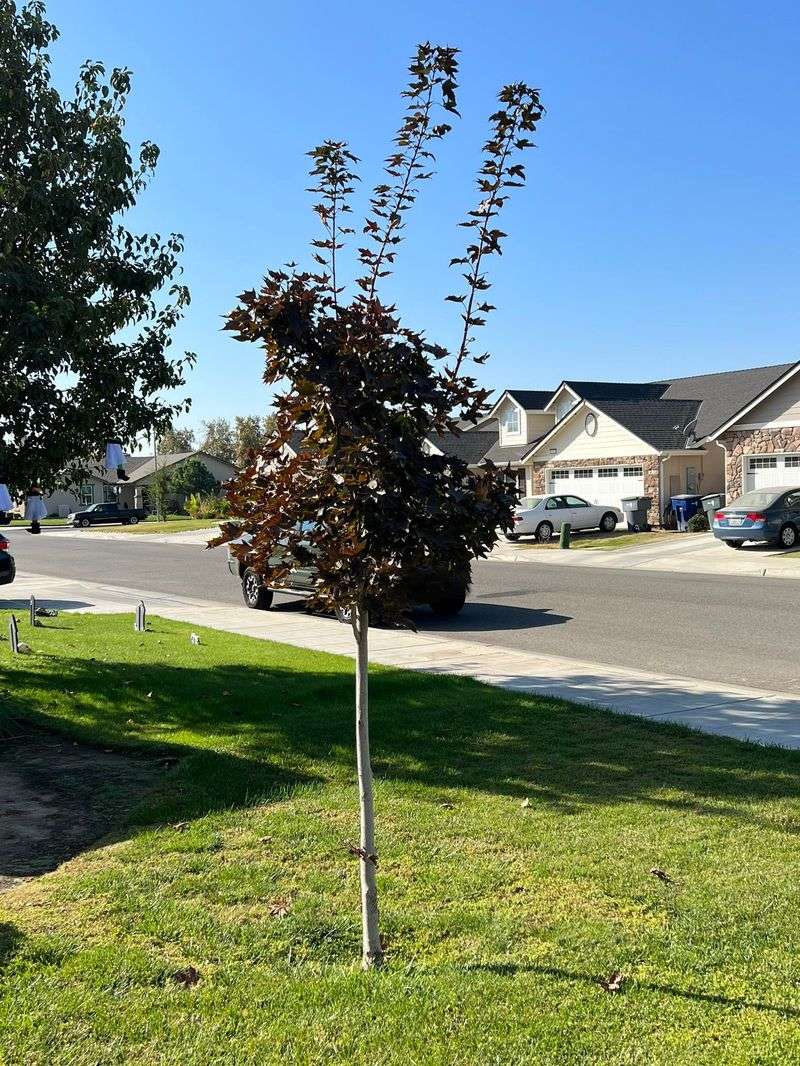
Norway maples were planted as street trees and shade trees throughout Oregon neighborhoods for decades. They grow fast, create dense shade, and seemed like the perfect urban tree.
But they’re invasive, producing thousands of seeds that sprout everywhere and outcompeting native trees in forest understories.
Their dense canopy and shallow roots make it nearly impossible to grow anything underneath them, and their fallen leaves are slow to decompose.
Oregon white oak (Quercus garryana) is the native tree that should have been planted all along. This majestic tree is the only oak native to western Oregon and Washington, and it supports more wildlife than almost any other tree species.
Its deep roots don’t compete with lawn grass or garden plants, and the dappled shade it casts allows understory plants to thrive.
Oregon white oak grows more slowly than Norway maple, but that’s actually a benefit, slower growth means stronger wood and longer life. It provides incredible fall color and produces acorns that feed squirrels, jays, and other wildlife.
The tree can live for centuries, becoming a genuine legacy for your property.
It handles drought beautifully once established and rarely needs pruning or pest control. Your yard gains a tree with deep cultural significance to Oregon’s indigenous peoples and ecological importance to hundreds of native species.
It’s the kind of tree your great-grandchildren will appreciate.