These 9 Pretty Oregon Garden Plants Become A Mess After They Bloom
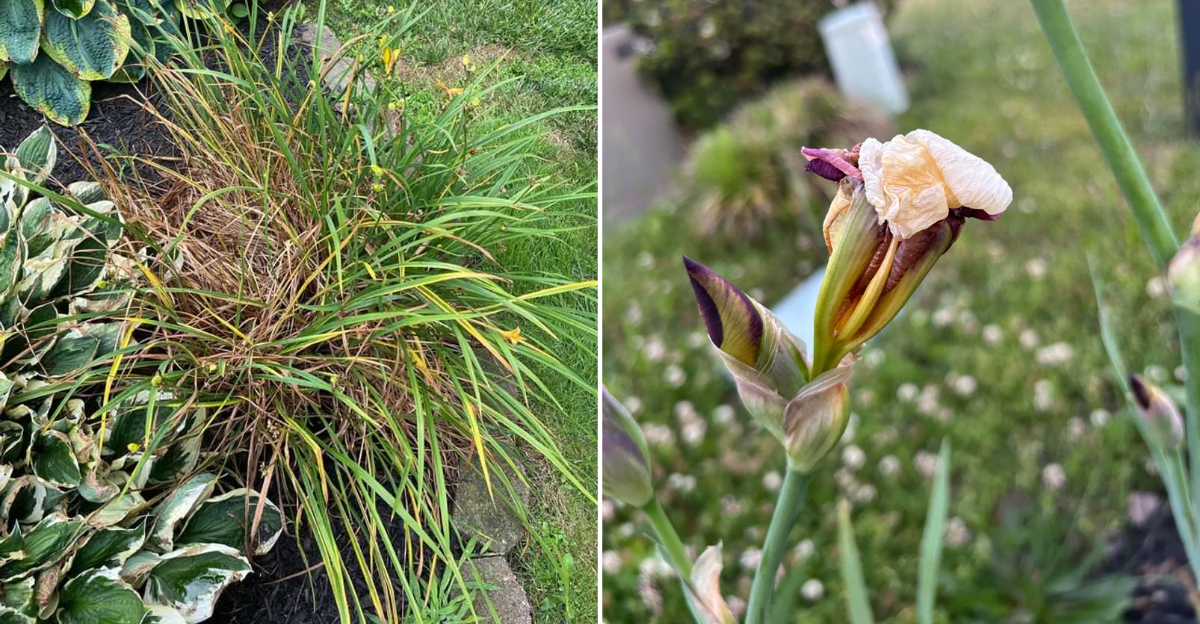
Some garden plants are total charmers right up until the flowers fade. Then, almost overnight, they start looking like they had a wild weekend and forgot how to stand up straight.
Oregon’s spring and early summer bloomers can be especially guilty, thanks to lush growth, rain-heavy petals, floppy stems, and foliage that turns tired fast once the show is over. The trick is not avoiding these pretty plants altogether.
It is knowing which ones need a little cleanup, cutting back, deadheading, dividing, or clever placement so their post-bloom slump does not steal the spotlight. After all, a plant can be gorgeous and still have a messy second act.
With the right care, you can enjoy the flowers at their best, then help the garden move smoothly into its next round of color, texture, and fresh growth.
1. Bearded Iris
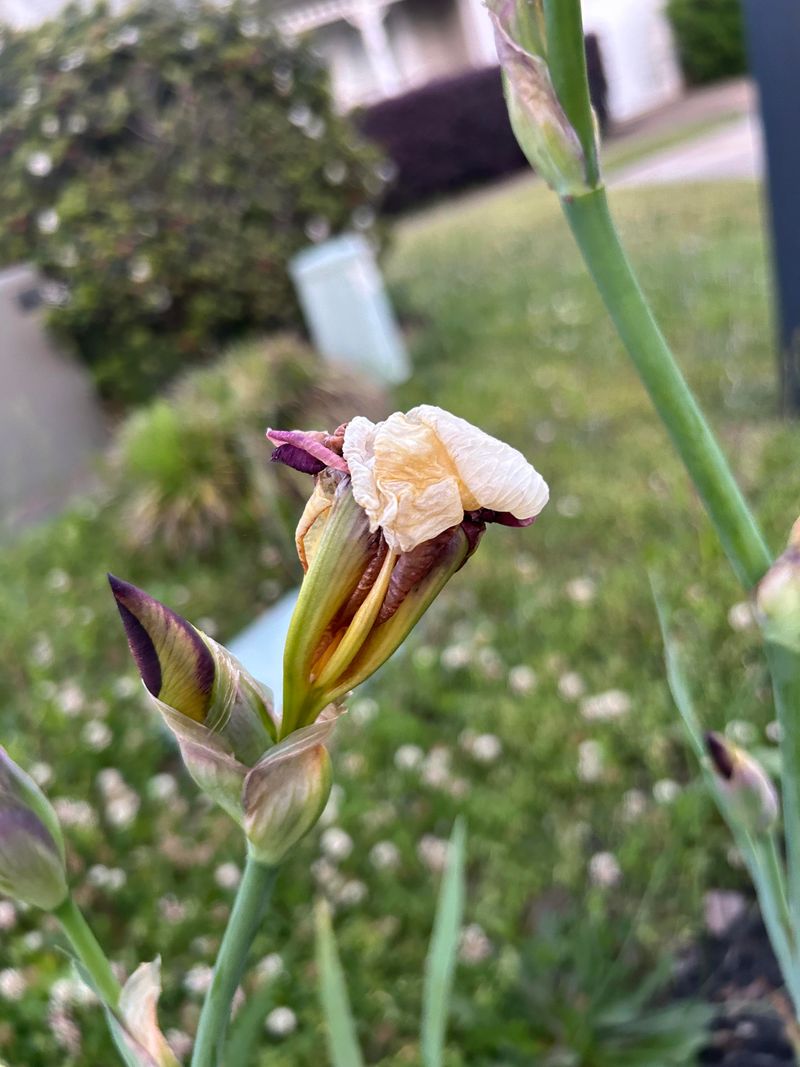
Few plants put on a show quite like the bearded iris. Those tall, ruffled blooms in shades of purple, gold, and white are absolutely stunning in Oregon gardens during late spring.
But once the flowers fade, things can get a little rough.
After blooming, the flower stalks turn brown and floppy. The long, sword-shaped leaves can flop over and look tired.
Fans of dead foliage are not exactly a garden highlight.
To keep things tidy, cut the flower stalks down to the base as soon as the blooms are done. Trim the leaves into a fan shape about six inches tall.
This helps the plant look neater while it stores energy for next year.
In Oregon’s wet fall climate, bearded iris rhizomes are also prone to rot if they stay too damp. Make sure they have good drainage and aren’t buried too deep.
Dividing clumps every three to four years keeps them healthy and blooming strong.
The post-bloom mess is totally manageable with a little effort. Stay on top of deadheading and trimming, and your iris bed will look respectable even when the flowers are long gone.
A small investment of time goes a long way.
2. Peonies
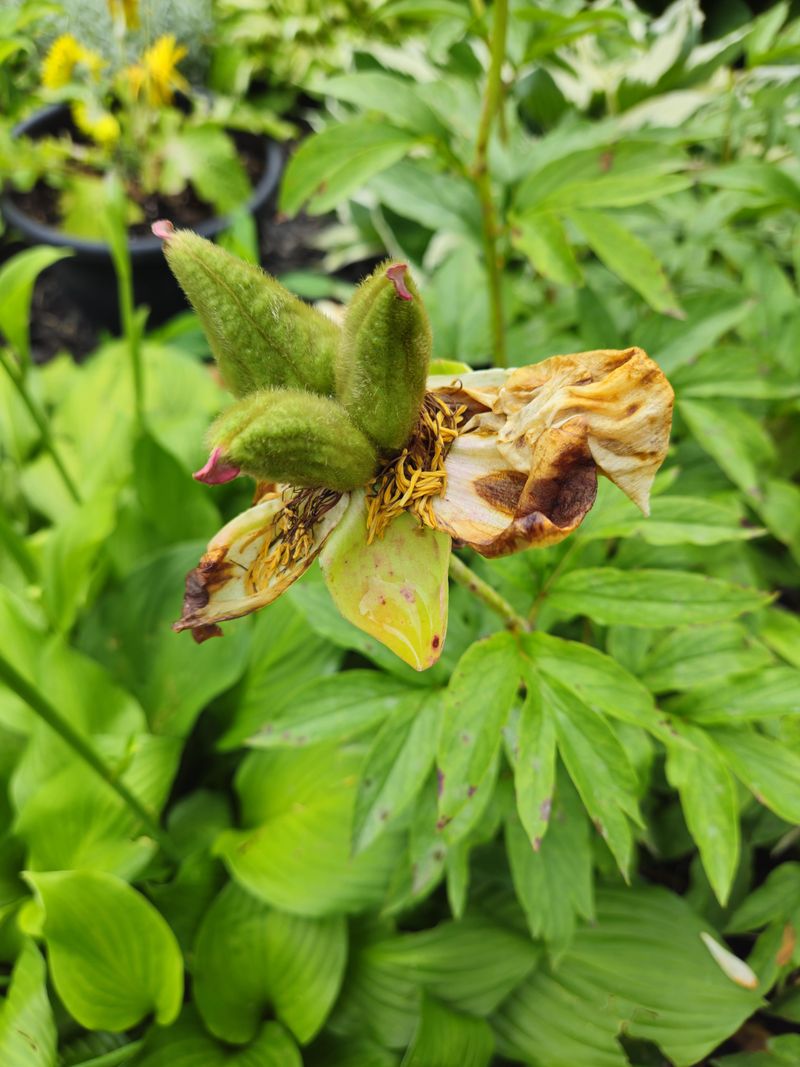
Peonies are beloved across Oregon for their big, fluffy blooms and sweet fragrance. They’re the kind of flower that makes people stop and stare.
But after those gorgeous blossoms fade, the plant can look surprisingly sad.
Spent peony flowers turn brown and papery. The heavy blooms often cause stems to flop over, especially after Oregon’s spring rains.
Without support, the whole plant can collapse into a soggy heap on the ground.
Deadheading spent flowers right away makes a big difference. Snip the blooms off at the base of the flower stem, but leave the foliage intact.
The leaves actually continue feeding the roots through summer and fall.
Peony foliage can also develop powdery mildew or leaf blotch as the season goes on. Oregon’s humid summers don’t help.
Make sure your plants have good air circulation and avoid overhead watering to reduce fungal issues.
Using wire peony cages or stakes before blooming season starts helps prevent the stem-flopping problem altogether. Place supports early in spring before stems get tall.
Your Oregon Garden Changes Every Week. Your Plan Should Too.
Gardening in Oregon changes quickly throughout the season. Every Friday you’ll receive a simple weekly plan showing exactly what to plant, prune, fertilize, harvest, and protect so you never miss the right timing.
With a bit of planning, peonies remain a handsome garden plant even when the flowers are finished for the season.
3. Oriental Poppies
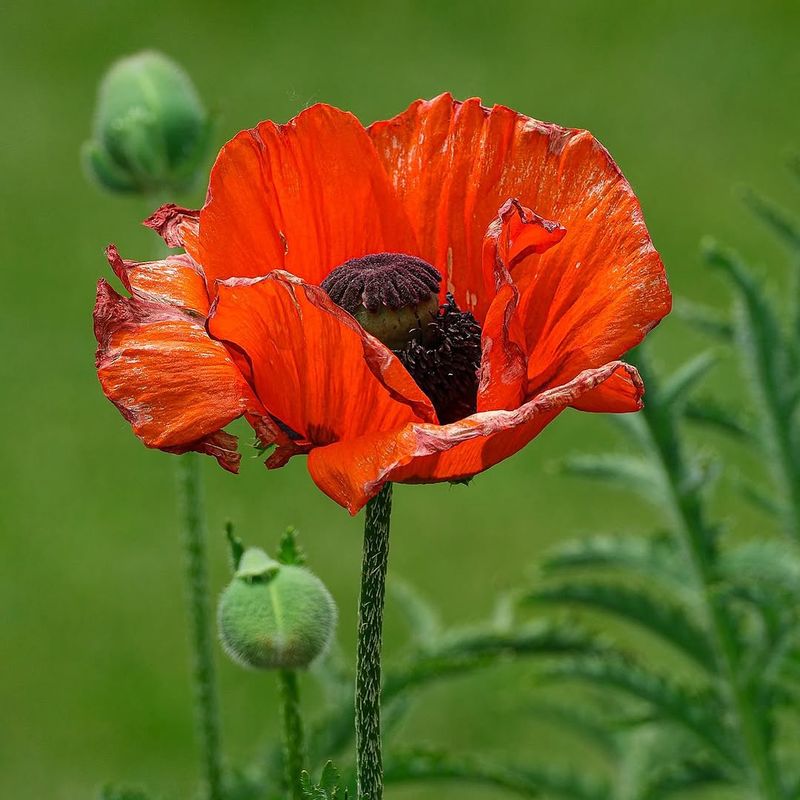
Oriental poppies are one of Oregon’s most dramatic spring bloomers. Their crepe-paper petals in fiery orange, red, or pink are hard to miss.
But here’s the catch — they disappear almost as fast as they arrive.
After blooming, Oriental poppies go fully dormant by midsummer. The foliage turns yellow, flops over, and eventually looks like a pile of dead leaves right in the middle of your garden bed.
It’s one of the most dramatic post-bloom disappearing acts in the plant world.
Experienced Oregon gardeners plan ahead by planting late-emerging perennials nearby. Hostas, daylilies, or ornamental grasses can fill in the gap once the poppies fade.
This keeps the garden looking full and intentional rather than patchy.
Don’t pull out the floppy foliage too quickly. Let it yellow naturally so the plant can send energy back to its roots before going dormant.
Once it’s fully dry, you can gently remove it without harming the plant.
Poppies will return in fall with a fresh rosette of foliage, then bloom again the following spring. Marking where your poppies are planted helps avoid accidentally digging them up during their dormant phase.
A simple plant marker saves a lot of confusion.
4. Bleeding Heart
There’s something almost magical about bleeding heart in bloom. Those arching stems lined with dangling pink or white heart-shaped flowers are a favorite in shaded Oregon gardens.
But the magic doesn’t last long.
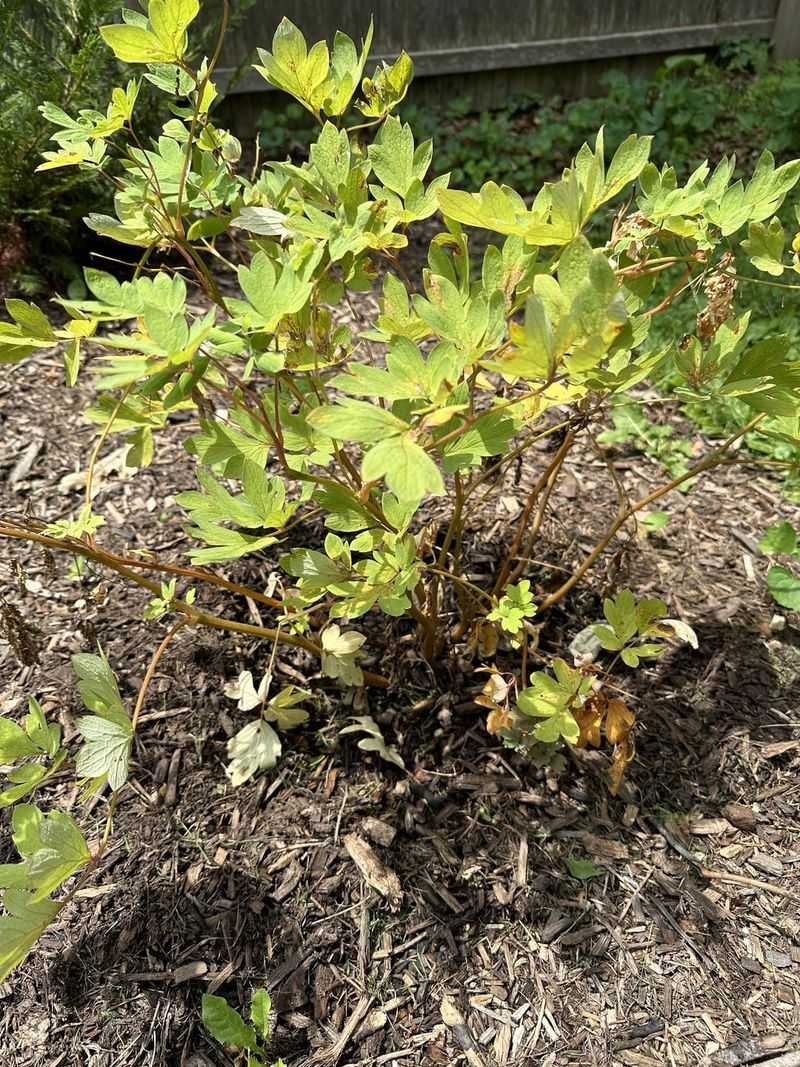
By early summer, bleeding heart starts to look worn out. The foliage turns yellow and begins to collapse.
In Oregon’s warmer summer months, the plant goes fully dormant, leaving behind a bare patch in the garden.
Just like Oriental poppies, bleeding heart benefits from thoughtful companion planting. Ferns, hostas, and astilbe are great neighbors that can fill in the space gracefully once bleeding heart fades.
Oregon’s shady garden spots are perfect for this kind of layered planting strategy.
Resist the urge to cut the plant back too aggressively while the leaves are still green. Even yellowing foliage is still doing work, sending nutrients down to the roots.
Wait until the stems pull away easily before removing them.
There is a variety called fringed bleeding heart that blooms longer and holds its foliage better through summer. If the traditional type feels too high-maintenance for your Oregon garden, the fringed variety might be a better fit.
Either way, the spring bloom is absolutely worth the summer cleanup.
5. Columbine
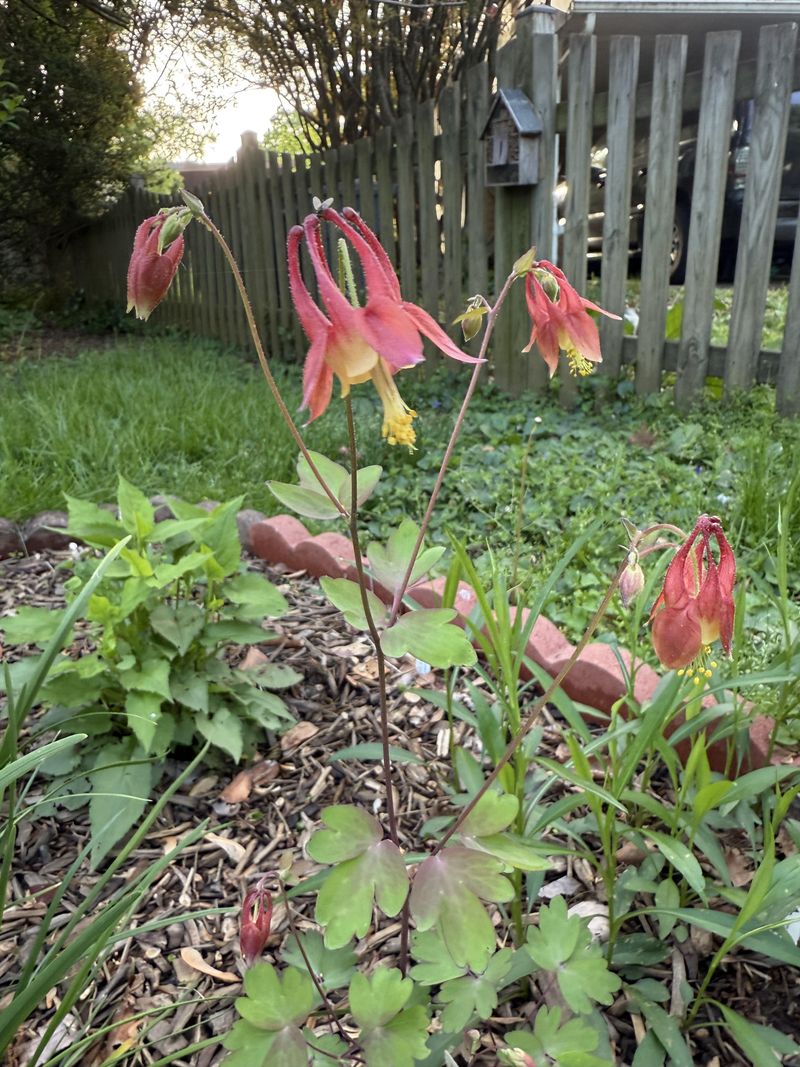
Columbine is one of those cheerful plants that makes any Oregon garden feel lively. The spurred, nodding flowers come in almost every color imaginable.
Hummingbirds love them, and gardeners do too — at least while they’re blooming.
After flowering, columbine quickly sets seed and then starts to look ragged. The foliage often develops powdery mildew or leaf miner damage by midsummer.
In Oregon’s variable climate, the combination of mildew and pest damage can make the plant look pretty rough.
Cutting the entire plant back to the ground after blooming is one option. New, fresh foliage will often regrow from the base.
This gives the plant a clean look for the rest of the season without losing it entirely.
If you want columbine to self-seed and naturalize in your garden, leave a few seed heads in place before cutting back. They scatter seeds readily, and you’ll likely find new seedlings popping up the following spring.
Oregon’s mild winters make this strategy work really well.
Keep in mind that columbine tends to be short-lived, usually lasting only two to three years. Allowing self-seeding ensures you always have fresh plants coming along to replace older ones.
It’s a plant that takes care of its own future with very little help.
6. Foxglove
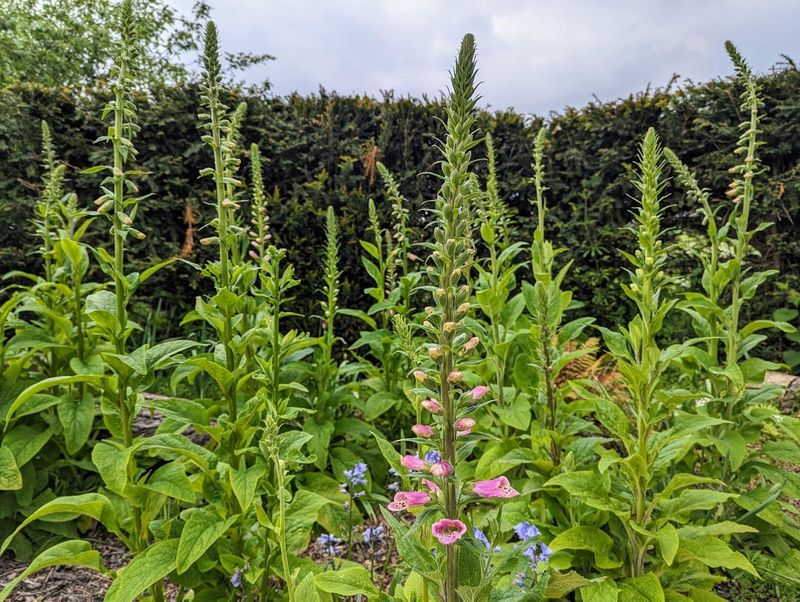
Foxglove is a showstopper. Those tall spikes covered in tubular blooms in shades of purple, pink, and white make a bold statement in any Oregon garden.
They’re especially dramatic in cottage-style and woodland garden settings.
After the main spike finishes blooming, it turns brown and starts to look like a big, dried stick standing in the middle of your garden. If you leave it in place, the plant self-seeds aggressively.
Oregon gardeners often find foxglove popping up in unexpected places the following year.
Cutting the main spike after blooming encourages smaller side shoots to bloom. This extends the flowering season a bit and keeps the plant looking more intentional.
It’s a simple trick that makes a noticeable difference.
Foxglove is a biennial, meaning it blooms in its second year and then finishes its life cycle. Once the seeds are set, the original plant is done.
Leaving some seed heads in place ensures a new generation of plants for next season.
For a tidier look, remove spent spikes completely and let the self-sown seedlings take over naturally. In Oregon’s mild, moist climate, foxglove self-seeds so reliably that you’ll rarely need to replant.
Just thin out seedlings in early spring so plants have enough room to grow tall and bloom beautifully.
7. Lupine
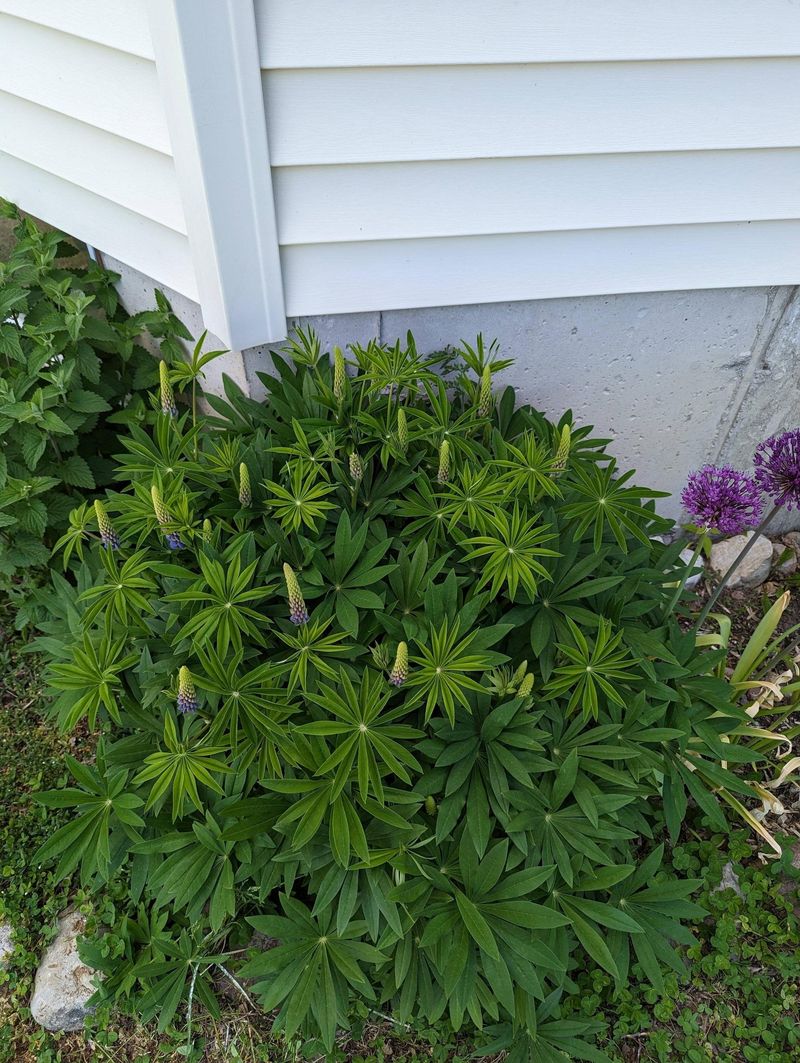
Lupine is one of the most iconic wildflowers of the Pacific Northwest. Tall, colorful spikes rise up in Oregon gardens and roadsides every late spring, creating a stunning display that looks almost too good to be real.
But after blooming, lupine gets messy fast. The flower spikes dry out and turn an unattractive brown.
The foliage can develop mildew, especially in the humid western Oregon climate. The plant just doesn’t age gracefully.
Deadheading spent spikes right after blooming is key. Cut them back to the main foliage to encourage a possible second flush of blooms.
In cooler Oregon summers, a light second bloom is sometimes possible if you act quickly after the first one fades.
Lupine also tends to be short-lived in garden settings, often lasting only two to four years. Allowing some seed pods to mature and scatter ensures new plants will replace older ones naturally.
Just be aware that seed-grown lupine may not match the color of the parent plant.
In Oregon’s well-draining soil, lupine generally performs better than in heavy clay. If your garden has clay soil, amend it with compost or sand to improve drainage.
Healthy plants are far more resilient and recover more quickly from the post-bloom slump than stressed ones.
8. Shasta Daisy
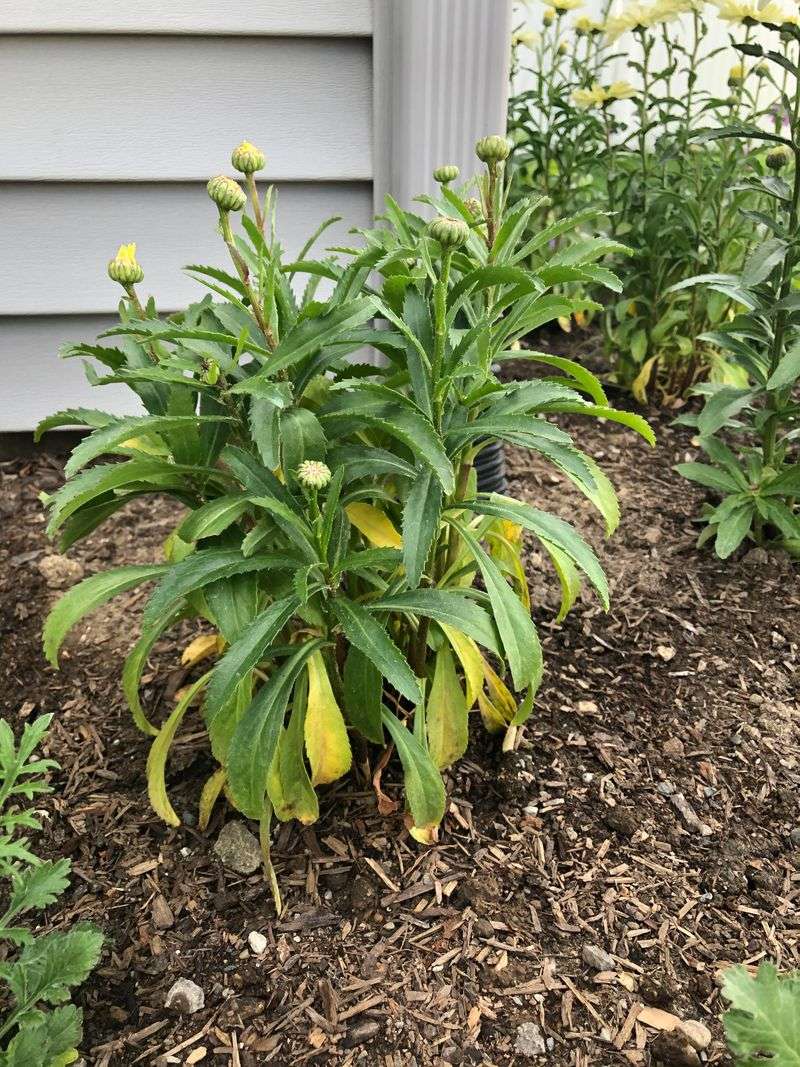
Shasta daisies are a classic Oregon garden staple. Their cheerful white petals and sunny yellow centers brighten up borders and cutting gardens from early summer into fall.
They’re easy to grow and reliably come back year after year.
The trouble starts when the blooms fade. Spent Shasta daisy flowers turn a dull, papery brown and hang on the stems.
If left unattended, the plant quickly starts to look overgrown and unkempt. In a tidy garden, that’s hard to ignore.
Regular deadheading is the best solution. Snip off spent flower heads as soon as the petals drop to encourage new blooms and keep the plant looking fresh.
Shasta daisies are one of those plants that really reward consistent deadheading with a longer blooming season.
By late summer, even well-maintained Shasta daisy clumps can start to look woody and tired in the center. This is a sign the clump needs dividing.
Oregon gardeners typically divide Shasta daisies every two to three years in early spring or early fall.
Dividing not only refreshes the plant but also gives you more plants to spread around the garden or share with neighbors. Replant divisions in well-draining soil with plenty of sun.
With a little seasonal maintenance, Shasta daisies stay one of Oregon’s most rewarding and long-blooming garden plants.
9. Daylilies
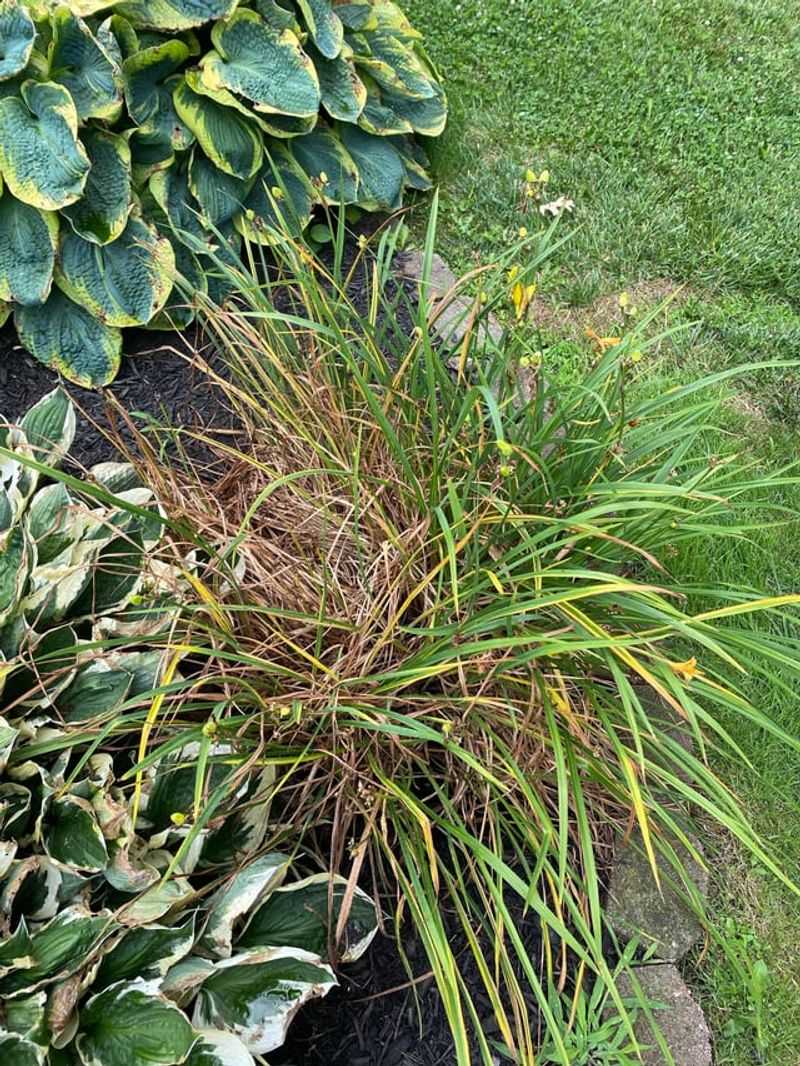
Daylilies are everywhere in Oregon gardens, and for good reason. They’re tough, adaptable, and produce waves of colorful blooms throughout the summer.
Each flower only lasts one day, but the plant keeps sending up new buds for weeks.
Here’s where the mess comes in. Each spent bloom needs to be removed or it shrivels into a slimy, brown lump on the stem.
When a daylily scape has dozens of spent flowers clinging to it, the whole plant can look pretty gross pretty quickly.
Daily deadheading keeps daylilies looking their best. Snap off spent blooms each morning to prevent that soggy buildup.
Once all the buds on a scape have bloomed, cut the entire scape down to the base to keep things tidy.
After the blooming season wraps up, daylily foliage starts to yellow and flop, especially in Oregon’s warm late summers. At this point, cutting the foliage back to about four to six inches above the ground helps the garden look cleaner heading into fall.
Daylilies also spread quickly by forming large clumps. In Oregon gardens, clumps can get crowded within just a few years.
Dividing them every three to four years keeps plants blooming vigorously and prevents them from taking over the entire garden bed.