These 8 Prolific Bloomers Come Surprisingly Close To Flowering Year-Round In New Mexico
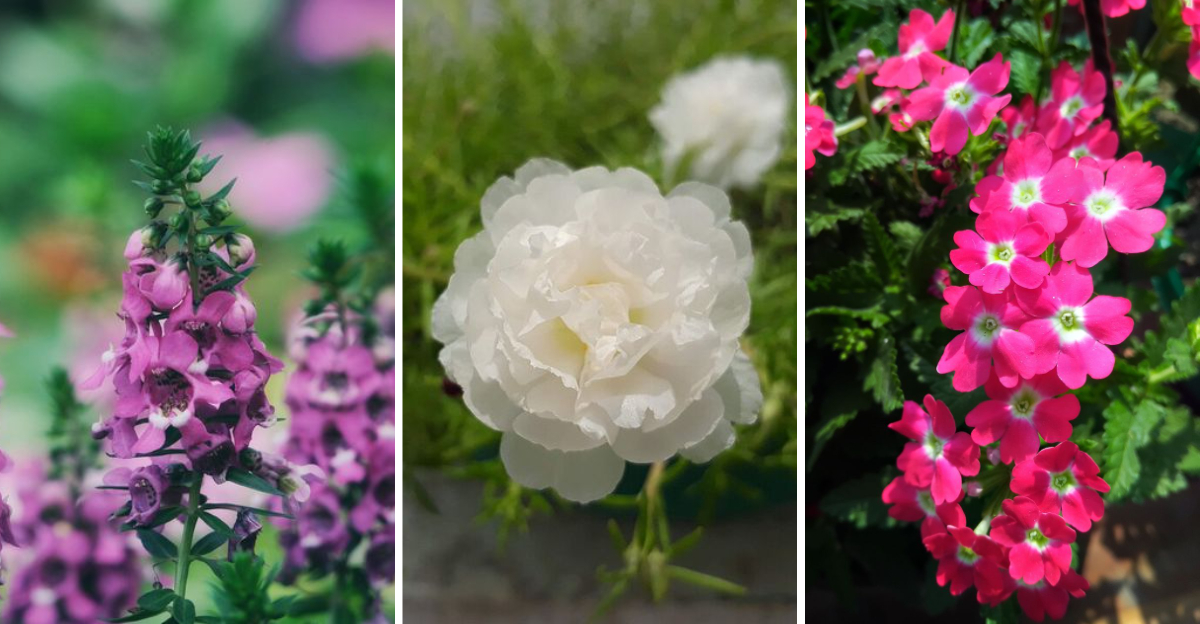
Flowers aren’t expected to thrive here, yet yours will flourish anyway. Desert soil challenges weak roots, but determined blooms adore it. New Mexico holds a climate secret most gardeners never discover.
Sunlight pours down for months, feeding petals instead of fading them. Winters stay mild enough that dormancy barely interrupts the show. Nights cool quickly, giving colors a brightness rarely seen elsewhere.
Elevation shifts create microclimates where delicate flowers grow surprisingly resilient. Rain arrives sparingly, encouraging plants to bloom wisely, not endlessly.
Gardeners often underestimate how long a growing season can truly stretch. Every season here rewards patience with unexpected color displays. Locals already know dull yards are entirely optional.
Choosing the right species changes everything you thought you knew. Timing matters less than consistency once roots settle in.
This part of New Mexico rewards boldness with truly endless blooms. You’re about to discover exactly which plants make that possible.
1. Lantana
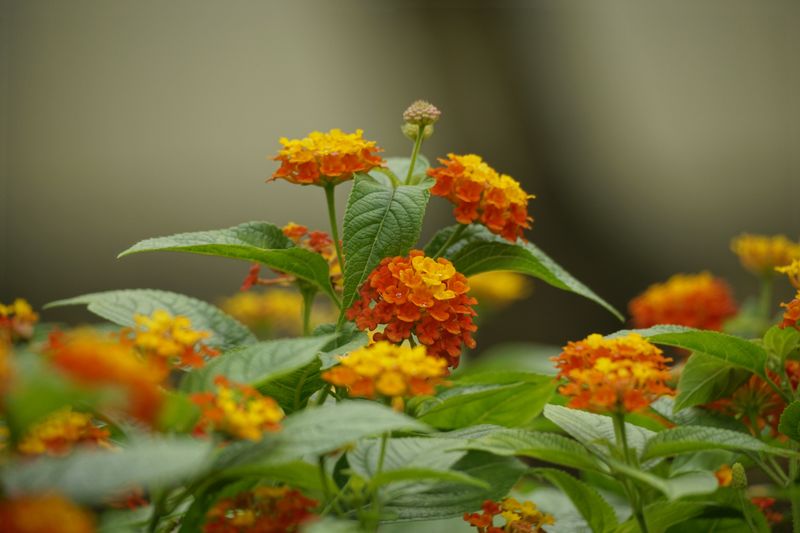
Lantana is one of the most productive bloomers available, and its performance is hard to overlook. This tough, sun-loving shrub pumps out clusters of tiny blooms in fiery oranges, yellows, pinks, and reds from late spring straight through fall.
Across most of the state, angelonia blooms from spring through the first hard frost, with the growing season stretching longest in warmer, low-elevation areas. It tolerates triple-digit heat and dry spells that would weaken most other plants.
Butterflies and hummingbirds absolutely love lantana. You will have a steady parade of pollinators visiting your yard whenever this plant is in bloom.
Lantana thrives in full sun and well-drained soil, which makes it a natural fit for the Southwest. Once established, it needs very little water, making it a smart pick for anyone watching their water bill.
Plant lantana in a spot where it gets at least six hours of direct sunlight daily. Give it some room to spread, because it can grow wide and bushy over a single season.
Trim it back occasionally to encourage fresh blooms and keep the shape tidy. A light pruning in early spring also helps it bounce back strong after cooler nights.
One fun quirk about lantana is that the flower clusters often change color as they mature. A single cluster can show multiple shades at once, giving it a tie-dye look that is hard to find anywhere else in the garden.
2. Blanket Flower
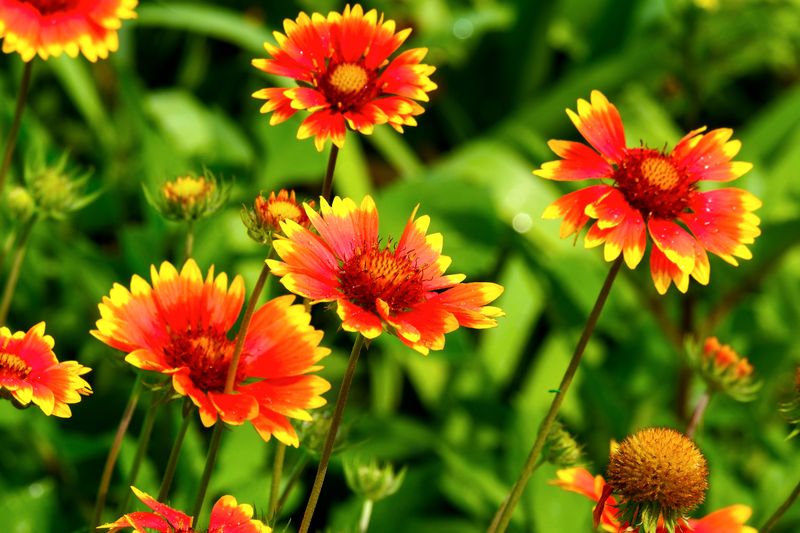
Blanket flower earns its name by spreading color across the ground like a warm, vivid quilt. Native to the American Southwest, this daisy-like bloomer feels completely at home in New Mexico’s dry, sun-baked soil.
The flowers are bold and dramatic, with petals that flame outward in reds, oranges, and golds. Each bloom carries a warm, sunset-like color palette.
What makes blanket flower special is its notable endurance. It starts blooming in late spring and keeps going well into fall, and in sheltered spots with the right cultivar, it may continue through mild winters.
Gaillardia, its botanical name, is drought-tolerant once established. That means you can skip the daily watering routine and still come home to a yard full of color.
Your New Mexico Garden Changes Every Week. Your Plan Should Too.
Gardening in New Mexico changes quickly throughout the season. Every Friday you’ll receive a simple weekly plan showing exactly what to plant, prune, fertilize, harvest, and protect so you never miss the right timing.
Plant it in full sun with sandy or gravelly soil for best results. Good drainage is the key, because soggy roots are the one thing this plant truly dislikes.
Removing spent blooms will encourage the plant to keep producing fresh flowers. Snipping off the old ones takes only a few minutes and makes a noticeable difference in bloom count.
Blanket flower also self-seeds, so you may find cheerful little seedlings popping up nearby each spring. Over time, one plant can quietly turn into a whole patch of color without any extra effort from you.
3. Angelonia
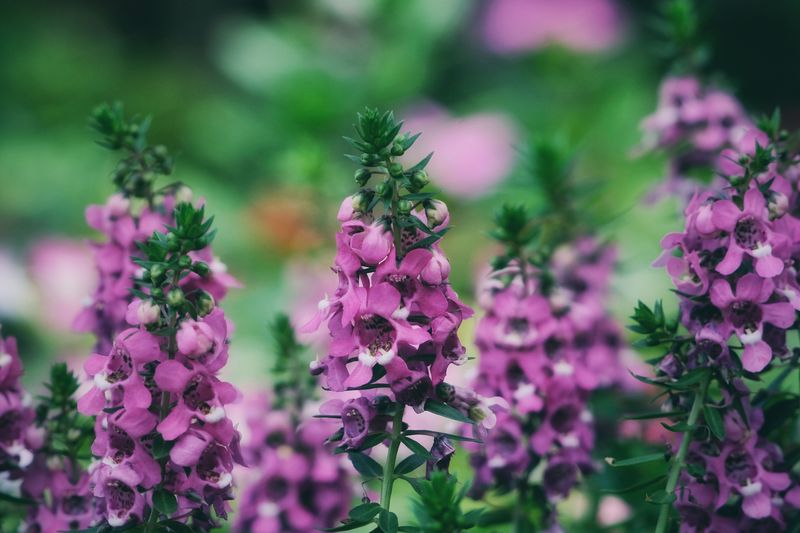
Angelonia is sometimes called the summer snapdragon, and that nickname does it justice. It produces tall, elegant spikes covered in small orchid-like blooms that come in purple, pink, white, and bicolor combinations.
Unlike actual snapdragons, angelonia thrives in intense heat and keeps blooming without skipping a beat. The hotter the summer gets, the more this plant seems to enjoy itself.
One of the most underrated things about angelonia is its fragrance. The foliage has a light, grape-like scent that drifts through the garden on warm afternoons in the most pleasant way.
It grows to about one to two feet tall, making it a great mid-border plant. Pair it with low-growing ground covers or taller ornamental grasses for a layered, professional look.
Angelonia loves full sun and consistent moisture more than many desert-adapted plants. Water it regularly but make sure the soil drains well to avoid root issues.
Trimming is optional with angelonia, which is great news for busy gardeners. The plant naturally drops spent blooms and keeps pushing out fresh flower spikes on its own.
In warmer southern regions of the state, angelonia often blooms from spring through late fall. Plant it near a patio or walkway so you can catch that subtle grape scent every time you walk past.
4. Verbena
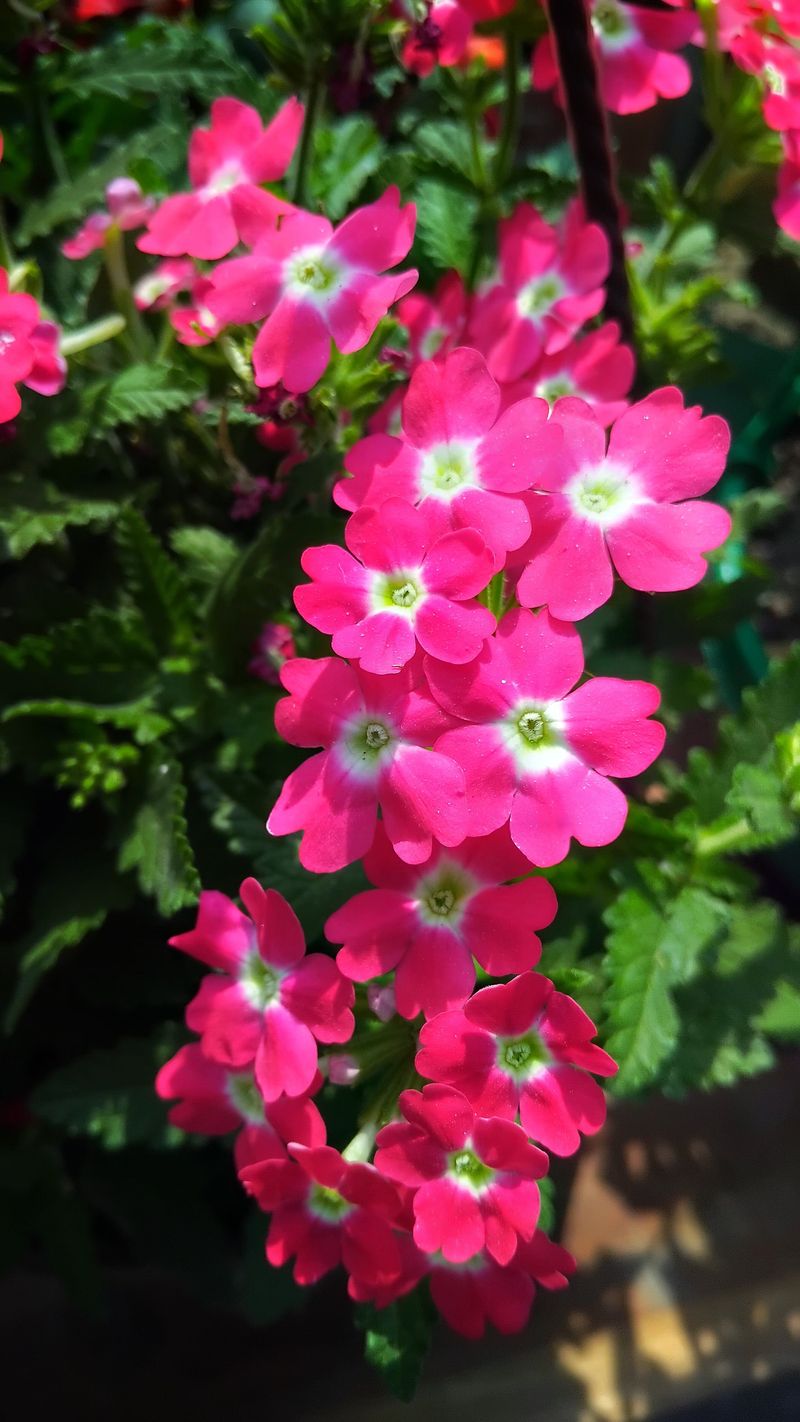
Few plants can match verbena for sheer, non-stop color output in a hot climate. This low-growing, spreading bloomer covers itself in clusters of tiny flowers that come in purple, red, pink, coral, and white.
Verbena starts blooming in spring and does not really stop until a hard frost shuts things down. In the southern parts of the state, frost typically arrives later in the season, sometimes not until November.
One thing gardeners love about verbena is how it behaves in containers and hanging baskets. The trailing varieties spill beautifully over edges, creating a waterfall effect of pure color.
Plant verbena in full sun for the best bloom performance. It handles dry conditions well once it settles in, though a deep watering once or twice a week keeps it looking its finest.
Pinching back the tips every few weeks encourages bushier growth and more flower clusters. It takes about thirty seconds per plant and makes a big visual impact over the season.
Verbena is also a pollinator magnet, attracting butterflies and bees from morning until dusk. If you want your garden to feel alive with movement, this plant delivers on that promise.
Some verbena varieties are perennial in the state’s warmest zones, roughly USDA zone 8 and above, though most of New Mexico will need to replant them as annuals.
That means you may get to skip the replanting step entirely and enjoy blooms that return faithfully each spring without any extra effort.
5. Calibrachoa
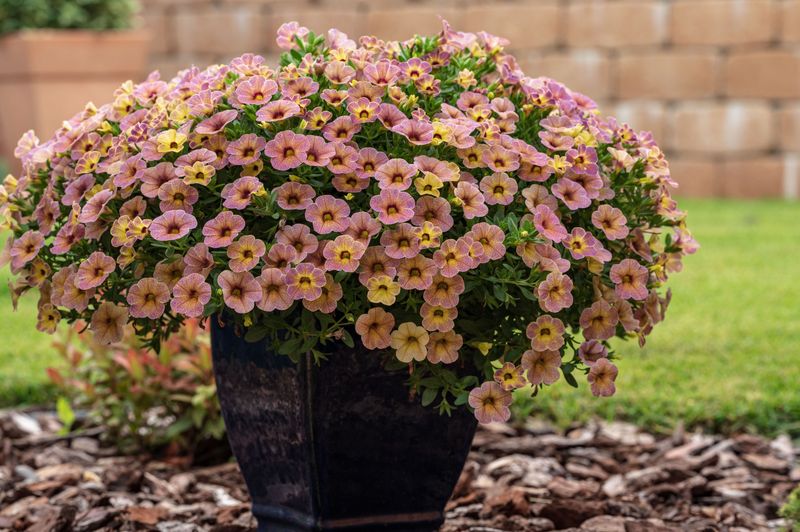
Calibrachoa looks like someone shrunk a petunia and then doubled the number of flowers. These tiny blooms, often called million bells, pack an extraordinary amount of color into a very small space.
They come in nearly every color you can imagine, from deep burgundy and electric purple to soft peach and bright yellow. Mixing two or three colors together in a single container creates a stunning, layered display.
What sets calibrachoa apart from other annuals is how long it blooms without much fuss. From the moment you bring it home in spring, it fires off flowers continuously until cold weather arrives.
It does best in full sun with well-draining potting mix when grown in containers. Feed it with a slow-release fertilizer at planting time, and it will reward you with months of almost effortless color.
Unlike petunias, calibrachoa does not need trimming. The spent blooms fall off on their own, keeping the plant looking neat without any extra work from you.
The trailing habit makes it a natural choice for window boxes, hanging baskets, and the edges of raised beds. It spills gracefully and fills in gaps beautifully wherever you place it.
Calibrachoa is one of the top choices for year-round bloomers in New Mexico because it handles the intense sun with surprising resilience. Give it consistent moisture and good drainage, and it will outperform almost any other container plant you try.
6. Zinnia
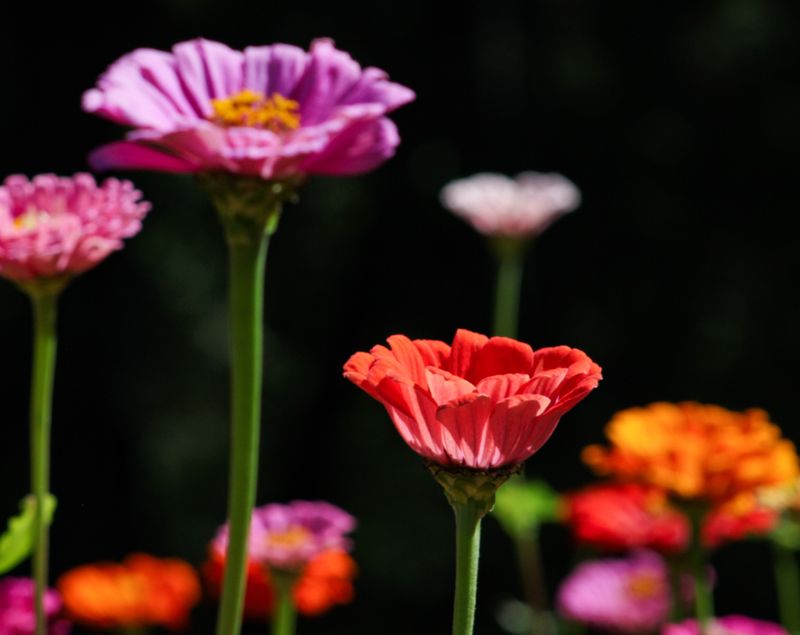
Zinnias are the crowd-pleasers of the summer garden, and they have been for generations. These bold, cheerful flowers come in almost every color except blue, and they bloom reliably and rapidly.
Plant zinnia seeds directly in warm soil after the last frost, and they will be blooming in just six to eight weeks. Few flowers go from seed to full color display that quickly.
Zinnias thrive in the intense heat and sunshine that defines a New Mexico summer. The hotter and sunnier the conditions, the more blooms they tend to produce.
They come in a wide range of heights and flower forms, from tiny pompom types to dinner-plate-sized blooms on tall stems. Mixing different varieties in the same bed creates a garden that looks like a living bouquet.
Trimming zinnias regularly is the single best thing you can do to maximize blooms. Snip off spent flowers every few days, and the plant responds by producing even more buds.
Zinnias are also a popular nectar stop for butterflies, including monarchs passing through during migration season. Planting a generous patch near your patio gives you a good opportunity to watch monarch activity up close.
Harvest blooms for indoor arrangements and the plant simply grows more to replace them. Zinnias respond well to cutting, often producing new blooms shortly after flowers are harvested.
7. Salvia
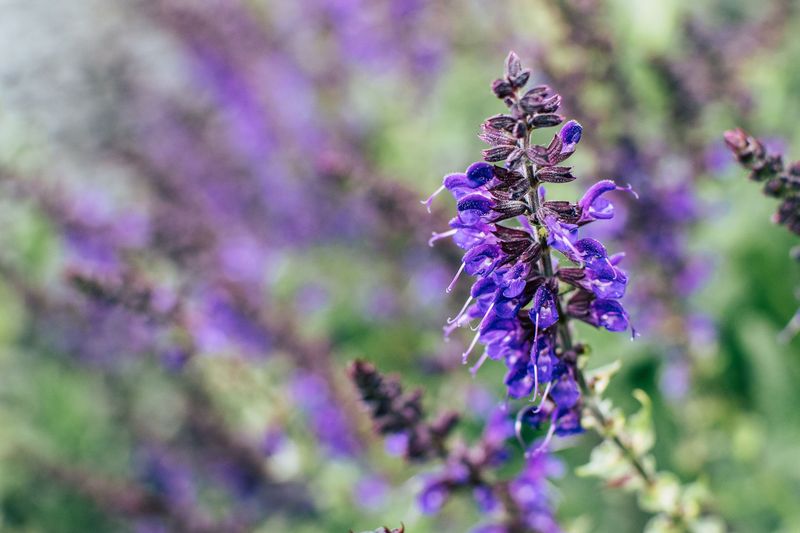
Salvia is a reliable, low-maintenance bloomer in the New Mexico garden. With hundreds of species to choose from, there is a salvia suited for nearly every spot in your yard.
The most popular types for continuous blooms include Salvia greggii, known as autumn sage, and Salvia farinacea, the mealycup sage. Both flower for months on end and handle drought like seasoned pros.
Hummingbirds are obsessed with salvia, especially the red-flowered varieties. Plant a few near a window and you will have entertainment every single morning without even trying.
Salvia greggii is particularly impressive because it can bloom from early spring all the way through the first hard freeze. In a handful of the state’s warmest microclimates, it may occasionally push out a few blooms during an unusually mild winter.
Most salvias want full sun and lean, well-draining soil. They actually perform better in poor soil than in rich, amended beds, which makes them ideal for the rocky terrain common across the state.
Pruning salvia back by about a third after each major flush of blooms encourages a fresh wave of flowers. This simple habit keeps the plant compact and constantly producing new growth.
Among all the prolific bloomers that come close to flowering year-round in New Mexico, salvia may offer the most variety. Whether you want bold reds, soft lavenders, or crisp whites, there is a salvia ready to deliver exactly that for your garden.
8. Moss Rose
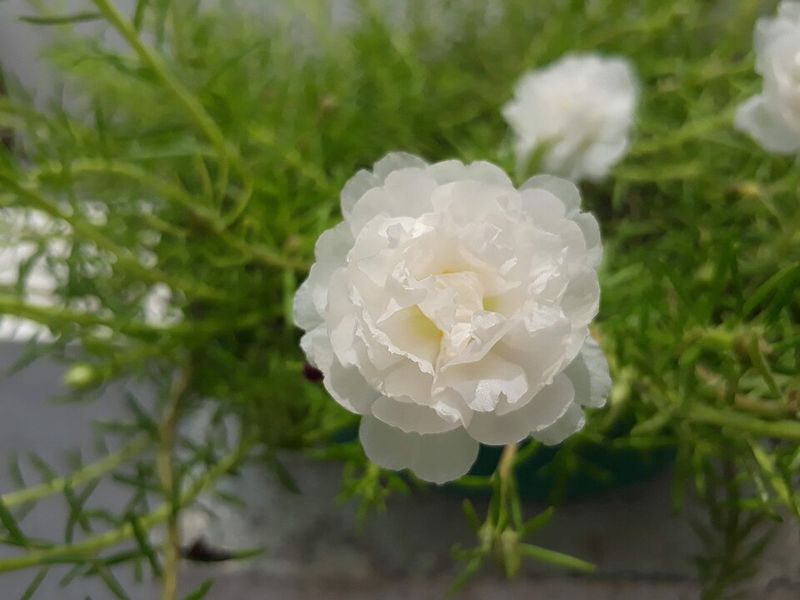
Moss rose is among the more resilient bloomers on this list and tolerates neglect well. This low, spreading succulent produces rose-like flowers in electric pink, orange, yellow, red, and white, often on the same plant.
Portulaca, its botanical name, opens its blooms wide under direct sun and closes them again at dusk. That daily rhythm gives your garden a living clock that resets itself every single morning.
Heat tends to encourage more blooms in moss rose rather than slow it down. The hotter and drier conditions become, the more flowers this plant seems willing to produce without complaint.
Its thick, water-storing leaves let it survive weeks without rain, making it one of the most forgiving plants for beginner gardeners. Even after a missed watering, moss rose typically recovers quickly once watered again.
Plant it in full sun with fast-draining, sandy soil for the best results. Rich soil actually works against this plant, since it prefers the lean, rocky conditions common across much of the state.
Moss rose self-seeds aggressively, so a single packet planted in spring can fill an entire bed by midsummer. Many gardeners let it spread freely along walkways, rock gardens, and the edges of raised beds.
Trimming isn’t required for survival, but cutting back leggy stems in midsummer encourages a fresh, denser flush of blooms. It also works beautifully in containers, where its trailing habit spills gracefully over the sides.
From late spring until the first real frost, moss rose rarely takes a day off. Few plants deliver this much color for this little effort anywhere in New Mexico.